
Balsam fir trees are typically suited for cooler climates. However, with climate change and rising temperatures, they may struggle to thrive in warmer regions. Their adaptability to warmer climates is limited but not impossible, depending on specific conditions.
Understanding Balsam Fir Trees
Balsam fir trees (Abies balsamea) are native to North America, primarily found in the northeastern United States and Canada. These evergreen conifers are well-known for their aromatic resin and beautiful, symmetrical shape. They are commonly used as Christmas trees due to their pleasant fragrance and attractive appearance.
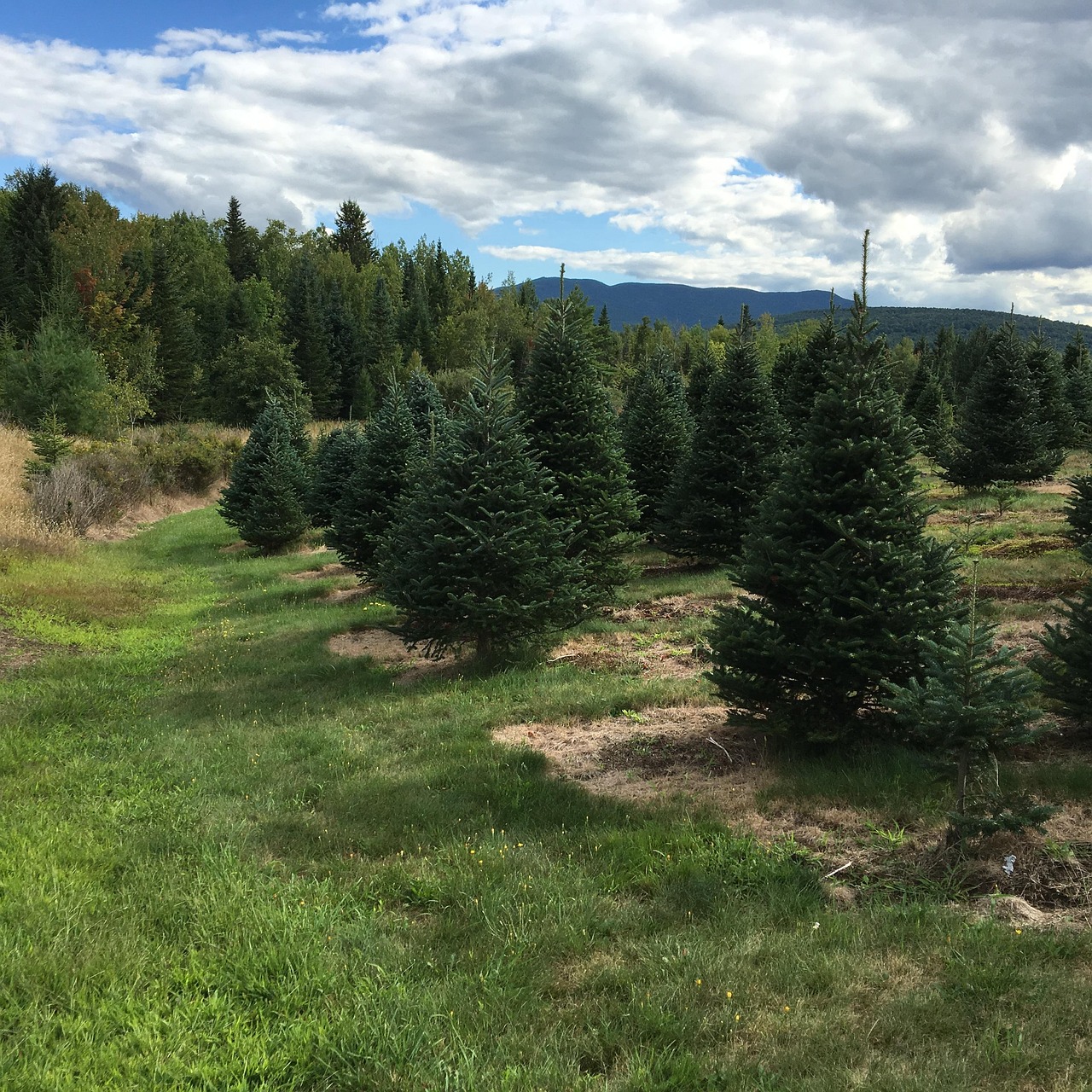
Balsam fir trees prefer cool, moist environments. They thrive at elevations ranging from 1,500 to 4,500 feet. Their natural habitat includes mountainous regions and areas with heavy snowfall. The cold temperatures and high humidity levels in these regions contribute to the health and growth of the trees.
Characteristics of Balsam Fir Trees
- Height: Balsam fir trees can grow up to 50-70 feet tall.
- Width: Their width can reach 20-30 feet at maturity.
- Needles: The needles are flat, dark green, and have a pleasant scent when crushed.
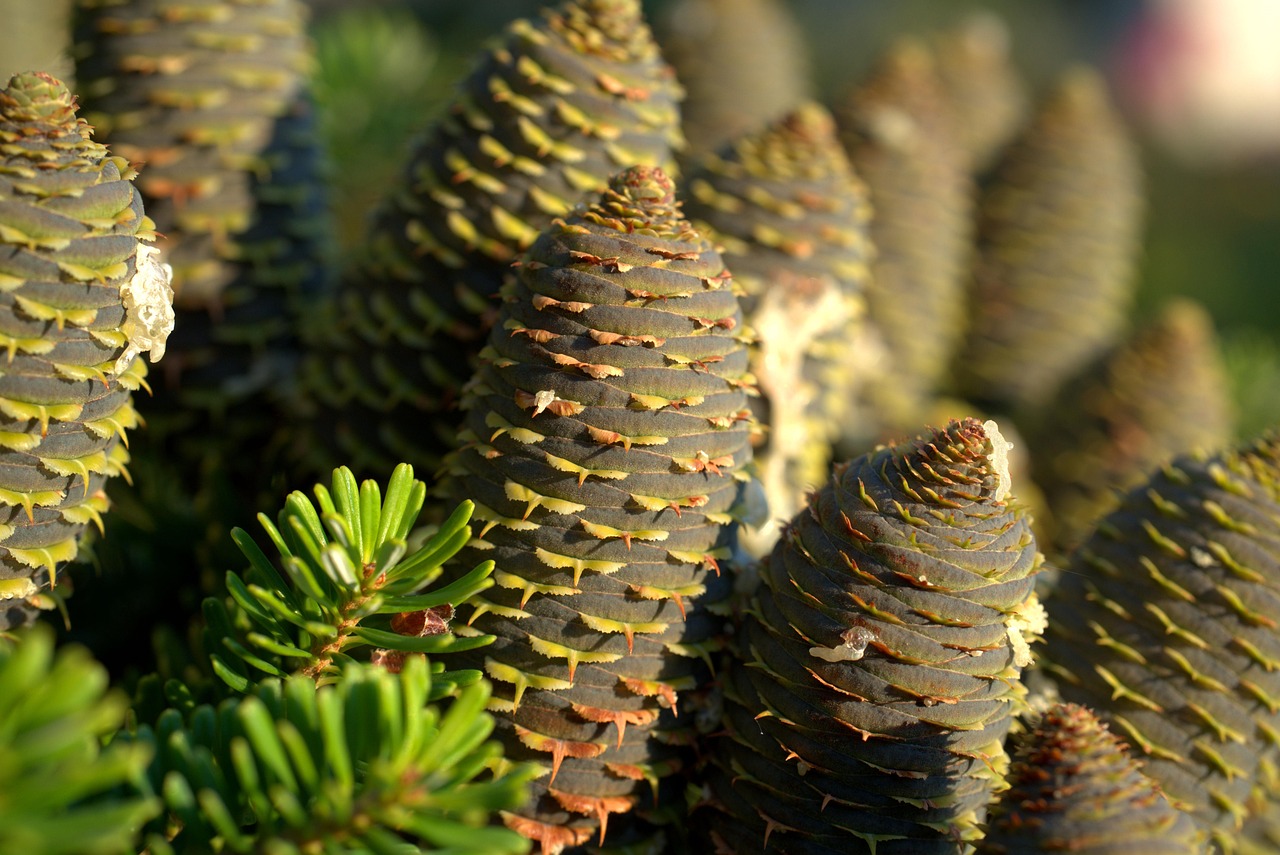
- Cones: The cones are cylindrical and usually grow upright on the branches.
Climate Preferences
Balsam fir trees flourish in climates where temperatures rarely exceed 70°F during the growing season. They require a significant amount of moisture, especially during dry periods. The ideal conditions include:
| Condition | Ideal Range |
|---|---|
| Temperature | 60°F – 70°F |
| Precipitation | 30-50 inches annually |
| Soil Type | Acidic, well-drained soil |
| Sunlight | Partial shade to full sun |
The Impact of Warmer Climates
As global temperatures rise, many species of trees, including balsam firs, face challenges. Warmer climates can lead to increased stress on these trees. This stress can result in several issues that hinder their growth and survival.
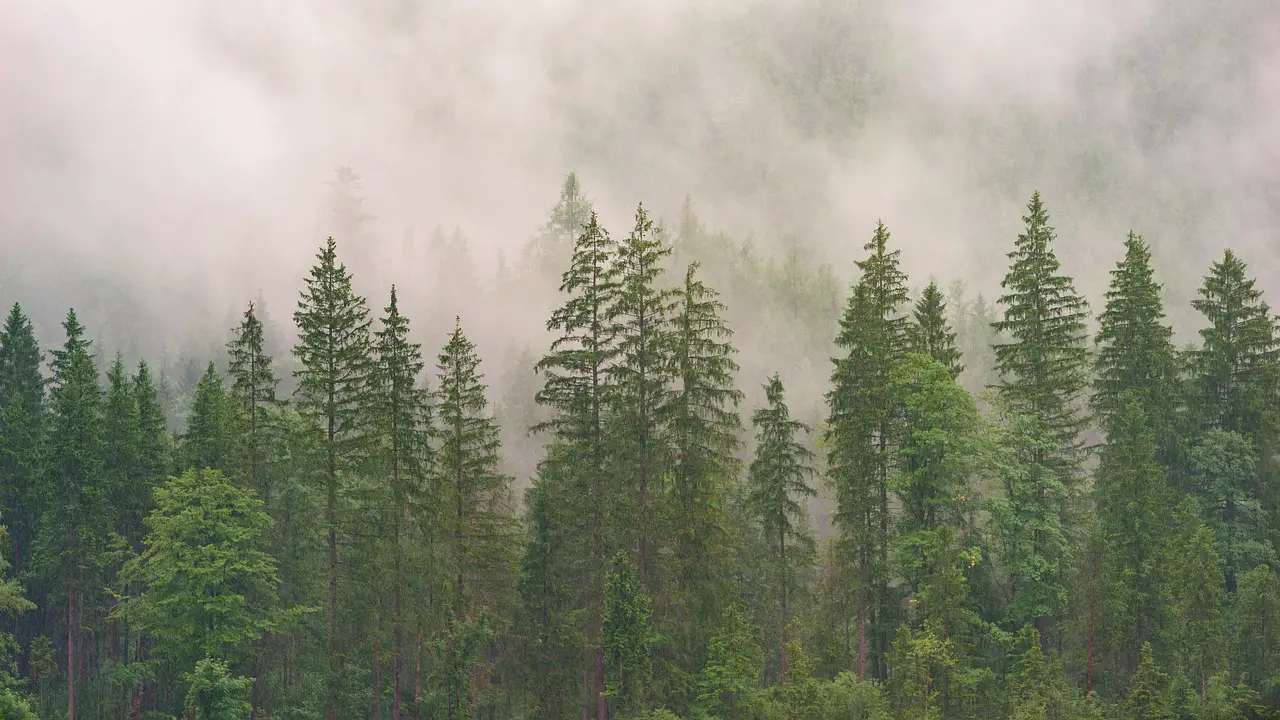
One major concern is the increase in pest populations. Warmer weather allows pests such as the spruce budworm to thrive, which can severely damage balsam fir trees. Additionally, changes in precipitation patterns can lead to drought conditions, further stressing the trees.
Potential Adaptations
While balsam fir trees may struggle in warmer climates, some studies suggest they may adapt over time. Factors that could support their survival include:
- Shelter from direct sunlight: Planting balsam firs in partially shaded areas may help mitigate heat stress.
- Soil amendments: Improving soil quality with organic matter can enhance moisture retention.
- Irrigation: Supplemental watering during dry spells can help sustain young trees.
The ability of balsam firs to adapt will vary based on local conditions. Regions that experience slight temperature increases might see these trees thriving for a while longer than those facing extreme heat.
Current Research and Observations
Researchers are closely studying the effects of climate change on balsam fir populations. Ongoing studies focus on understanding their adaptability and resilience in changing environments. Observations indicate that while these trees may not thrive as they once did in warmer climates, there is still potential for survival under specific conditions.
Some forestry experts recommend planting balsam fir trees at higher elevations where temperatures remain cooler. This strategy may facilitate their growth as climate patterns continue to shift.
The future of balsam fir in warmer climates is uncertain. As environmental conditions evolve, ongoing research will be crucial in determining the best practices for their conservation and management.
Factors Influencing Balsam Fir Survival in Warmer Climates
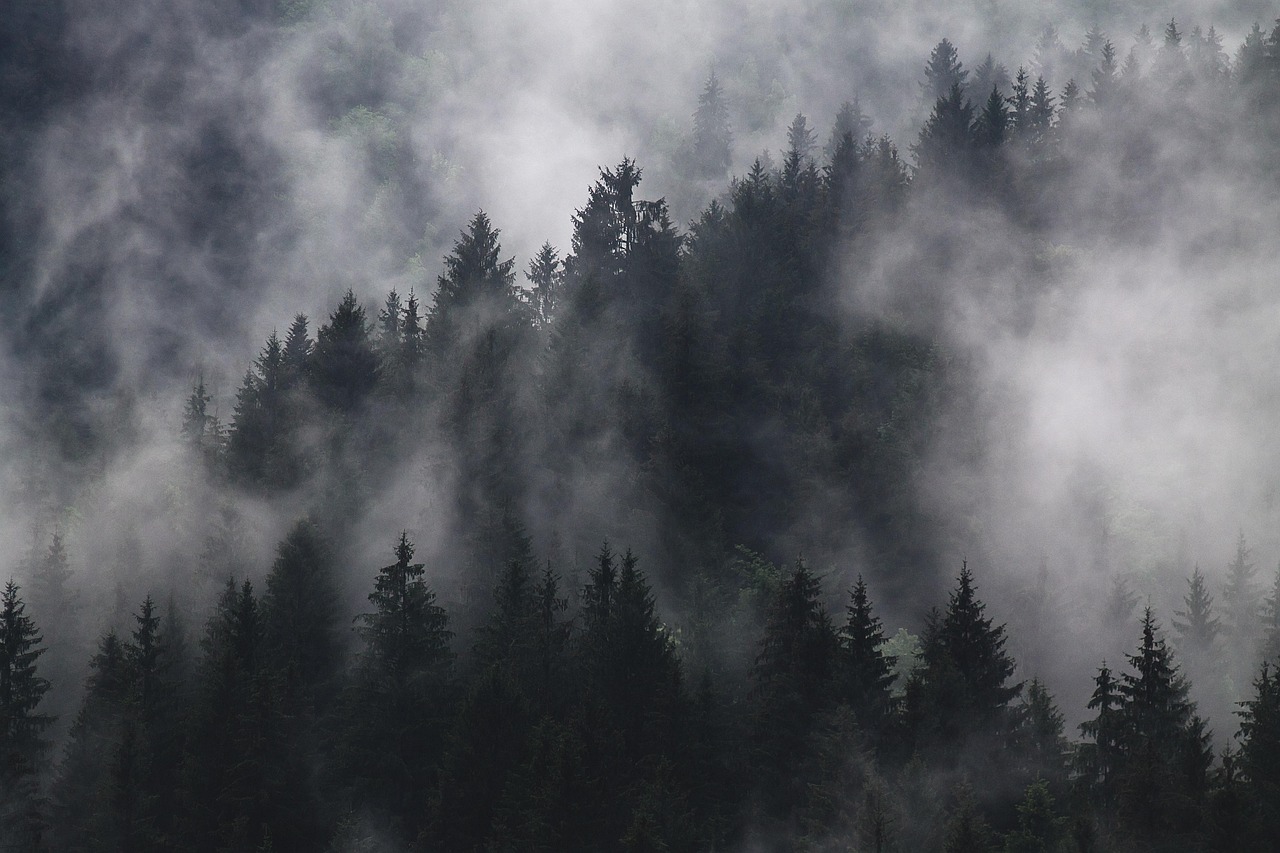
Several factors play a critical role in determining whether balsam fir trees can survive and thrive in warmer climates. These factors include soil quality, water availability, temperature fluctuations, and exposure to pests and diseases. Understanding how each of these elements affects balsam fir trees can provide insight into their adaptability.
Soil Quality
The type and quality of soil are vital for the growth of balsam fir trees. They prefer acidic, well-drained soils that retain moisture without becoming waterlogged. Changes in soil composition due to climate change can significantly impact their survival. Key aspects to consider include:
- pH Levels: Balsam fir trees thrive in soils with a pH of 4.5 to 6.5.
- Organic Matter: Soil enriched with organic material helps retain moisture and provides essential nutrients.
- Drainage: Good drainage prevents root rot, which is a concern in warmer, wetter conditions.
Water Availability
Water is essential for the health of balsam fir trees. In warmer climates, the availability of water can fluctuate significantly, leading to stress on the trees. Here are some critical points regarding water availability:
- Drought Conditions: Prolonged periods of drought can weaken balsam firs, making them more susceptible to disease and pests.
- Irrigation Practices: In areas where natural rainfall is insufficient, irrigation may be necessary to sustain healthy growth.
- Moisture Retention Techniques: Practices such as mulching can help retain soil moisture and protect tree roots from extreme heat.
Pest and Disease Threats
Warmer climates often lead to an increase in pest populations that can threaten balsam fir trees. Some pests are especially harmful and can cause significant damage. For example:
- Spruce Budworm (Choristoneura fumiferana): This pest is known to defoliate balsam fir trees, leading to reduced vigor and potential death.
- Eastern Pine Beetle (Dendroctonus frontalis): While typically affecting pines, these beetles may also target stressed balsam firs.
- Diseases: Fungal infections like root rot can become more prevalent in warmer, wetter conditions.
Managing these threats is crucial for the survival of balsam fir trees in warmer climates. Integrated pest management strategies may be employed to help mitigate risks.
Future Projections for Balsam Fir Trees
The future of balsam fir trees in warmer climates is uncertain. Climate models predict various scenarios that could impact their survival. Some key projections include:
| Projection Factor | Description |
|---|---|
| Temperature Increase | Average temperatures could rise by 2-4°F over the next few decades. |
| Precipitation Patterns | Changes in rainfall could lead to more extreme weather events, affecting moisture availability. |
| Pest Dynamics | Pest populations may increase due to milder winters and longer growing seasons. |
| Urbanization Impact | Increased urban development could lead to habitat loss for balsam fir trees. |
Conservation Strategies
To ensure the survival of balsam fir trees in the face of climate change, several conservation strategies can be implemented. These strategies aim to protect existing populations and promote healthy growth in suitable environments:
- Protected Areas: Establishing protected zones can safeguard balsam fir habitats from urban development and other disturbances.
- Reforestation Efforts: Planting balsam firs in their native ranges or suitable new areas may help maintain their populations.
- Research Initiatives: Continued research on the effects of climate change will aid in developing effective management practices.
The combination of these strategies may offer hope for the future of balsam fir trees as they face the challenges posed by warmer climates.
Ecological Importance of Balsam Fir Trees
Balsam fir trees play a significant role in their ecosystems. They provide habitat and food for various wildlife species, contribute to soil health, and help regulate the local climate. Understanding their ecological importance can highlight why their conservation is crucial, especially in the face of climate change.
Habitat for Wildlife
Balsam fir forests serve as essential habitats for numerous wildlife species. These trees support a diverse range of fauna, including:
- Bird Species: Many birds, such as the black-capped chickadee and red-breasted nuthatch, rely on balsam firs for nesting and food.
- Mammals: Species like deer, moose, and various small mammals use balsam fir forests for shelter and foraging.
- Insects: The trees provide habitat for various insects, which in turn support the broader food web.
Maintaining healthy balsam fir populations is vital for preserving these species and their habitats.
Contribution to Soil Health
Balsam fir trees contribute to soil health in several ways. Their fallen needles decompose and enrich the soil with organic material. This process is essential for several reasons:
- Nutrient Cycling: Decomposed needles release nutrients back into the soil, promoting healthy tree growth and supporting undergrowth vegetation.
- Soil Structure: The organic matter from decomposed needles improves soil structure, enhancing its ability to retain moisture.
- Biodiversity: Healthy soils support a variety of plant species, which can further enhance the ecosystem’s resilience.
Climate Regulation
Balsam fir trees also play a role in regulating local climate conditions. Their presence can influence temperatures and humidity levels in forested areas. Some of the ways they contribute include:
- Temperature Moderation: Forests with balsam fir trees can help moderate local temperatures, providing cooler microclimates.
- Carbon Sequestration: Balsam firs absorb carbon dioxide, helping to mitigate climate change impacts.
- Water Cycle Regulation: These trees enhance local water cycles by promoting precipitation and maintaining moisture levels.
The Role of Balsam Fir in Carbon Storage
Balsam fir trees are effective at storing carbon, making them valuable in efforts to combat climate change. The biomass of these trees stores large amounts of carbon dioxide, which helps offset greenhouse gas emissions. This carbon storage is critical in the following ways:
- Sustained Growth: As balsam firs grow, they sequester more carbon. Older trees have a greater capacity for carbon storage.
- Forest Management: Sustainable management practices can enhance carbon storage potential by ensuring healthy growth and minimizing disturbances.
- Restoration Projects: Incorporating balsam firs in reforestation and afforestation projects can significantly contribute to carbon sequestration goals.
Balsam Fir Trees in Urban Environments
As urban areas expand, there is potential for balsam fir trees to be incorporated into city landscapes. Urban environments can provide challenges but also opportunities for these trees. Some considerations include:
- Aesthetic Value: Balsam firs enhance the beauty of urban spaces and provide greenery in densely populated areas.
- Air Quality Improvement: Trees improve air quality by absorbing pollutants and providing oxygen.
- Community Well-being: Green spaces contribute to improved mental health and physical well-being for city dwellers.
Challenges in Urban Settings
While there are benefits to planting balsam firs in urban environments, challenges also exist. These include:
- Soil Compaction: Urban soils are often compacted, which can hinder root development and nutrient uptake.
- Pest Management: Urban areas may have higher pest pressures that can threaten tree health.
- Microclimate Effects: Heat islands in cities can create unfavorable conditions for balsam firs that prefer cooler environments.
Addressing these challenges through thoughtful planning and management is essential for successful integration of balsam fir trees into urban landscapes.
The Role of Community Engagement in Conservation
Community involvement is crucial in the conservation of balsam fir trees, particularly as climate conditions change. Engaging local communities can foster awareness and support for initiatives aimed at protecting these trees and their habitats. Some key aspects of community engagement include:
- Education Programs: Schools and local organizations can create educational programs that inform the public about the ecological importance of balsam firs.
- Volunteer Planting Events: Organizing tree planting events allows community members to actively participate in reforestation efforts.
- Advocacy Campaigns: Grassroots campaigns can raise awareness about the challenges faced by balsam fir trees and promote policy changes.
By fostering a sense of stewardship among community members, it becomes possible to build a supportive network for ongoing conservation efforts.
Technological Advances in Forestry Management
As technology advances, new tools and methods are becoming available for managing balsam fir populations more effectively. These innovations can help address both the challenges of climate change and pest management. Some notable technologies include:
- Remote Sensing: Satellite imagery and drones can monitor tree health and forest density, providing data to inform management decisions.
- Climate Modeling: Advanced models can predict future climate scenarios, helping foresters plan for potential impacts on balsam fir ecosystems.
- Pest Detection Technology: New tools for detecting pest infestations early can prompt timely interventions before significant damage occurs.
Incorporating these technologies into forestry management practices can enhance the resilience of balsam fir trees against environmental changes.
Collaboration Between Stakeholders
Successful conservation strategies often require collaboration among various stakeholders, including government agencies, non-profit organizations, researchers, and local communities. Building partnerships can lead to more comprehensive approaches to managing balsam fir populations. The benefits of collaboration include:
- Resource Sharing: Different organizations can pool resources, such as funding or expertise, to enhance conservation efforts.
- Holistic Approaches: Collaborative initiatives can address multiple aspects of forest management, from habitat protection to community engagement.
- Policy Development: Stakeholders can work together to advocate for policies that support sustainable forestry practices and conservation funding.
Final Thoughts
The future of balsam fir trees in warmer climates presents both challenges and opportunities. While they are traditionally suited to cooler environments, understanding their adaptability can help determine their fate as climate conditions shift. Through targeted conservation strategies, community engagement, technological advancements, and stakeholder collaboration, it is possible to improve the resilience of balsam fir populations.
The ecological significance of balsam fir trees cannot be understated. They provide critical habitats, contribute to soil health, and play a role in climate regulation. By taking proactive steps to address the impacts of climate change and urbanization, we can ensure that these magnificent trees continue to thrive. The journey toward preserving balsam fir trees will require collective action and sustained commitment from all sectors of society.
Ultimately, safeguarding balsam fir trees is not just about preserving a species; it is about maintaining the health of the ecosystems they inhabit and the benefits they provide to future generations.