
You can plant tulips in the spring, but it’s not always the best option for their growth and blooming. Planting them in spring may lead to fewer blooms and weaker plants compared to fall planting. Read Interesting article: When to Plant Tulips for Stunning Spring Blooms
Understanding tulips and their optimal growing conditions can help you decide the best time for planting.
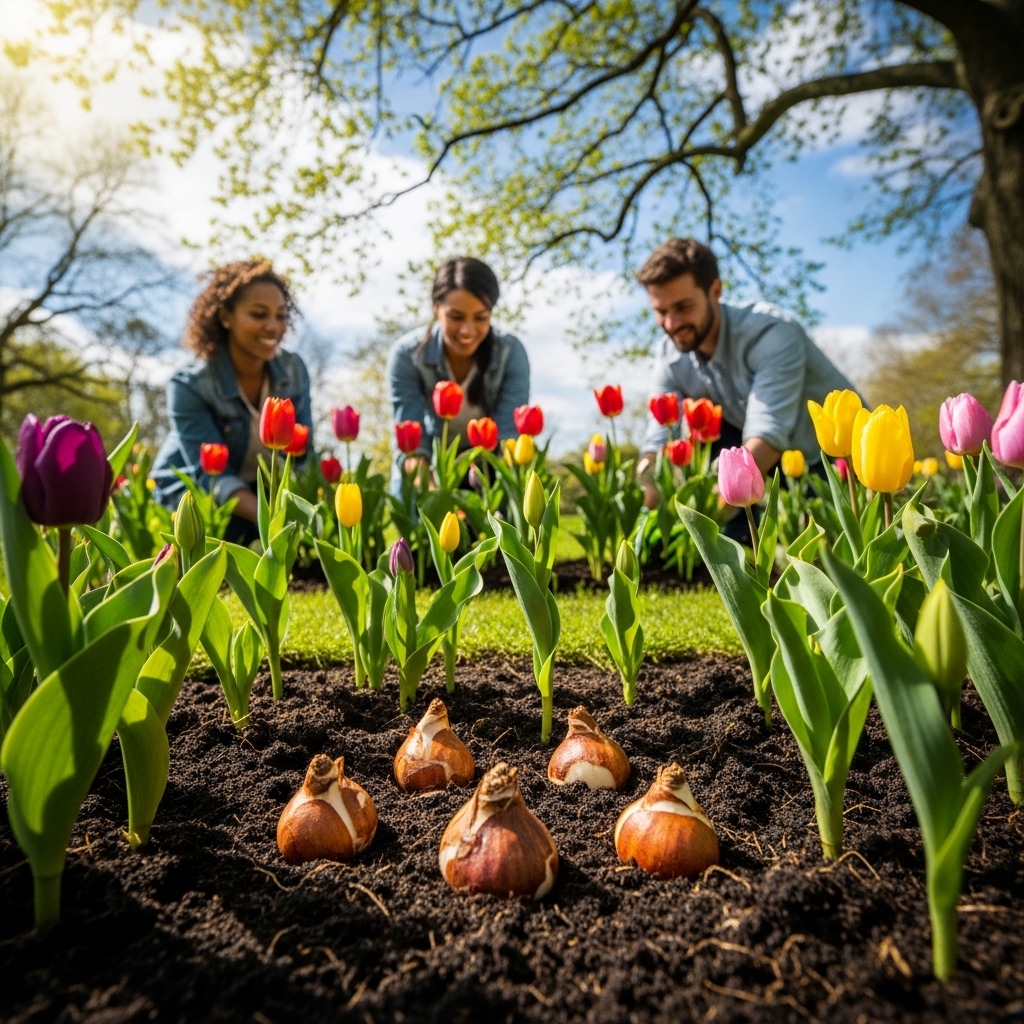
Understanding Tulips
What Are Tulips?
Tulips are beautiful, bulbous spring perennials that belong to the Liliaceae family. Known for their iconic cup-shaped flowers, they come in a vibrant array of colors, making them a favorite among gardeners and flower enthusiasts. I remember the first time I saw a field full of tulips; it was like stepping into a painting. Their simple elegance and variety never cease to amaze me. Tulips have a rich history, originating from Central Asia and becoming widely popular in Europe during the 16th century.
Types of Tulips
There are numerous types of tulips, each with its unique characteristics. Broadly speaking, they are divided into several classifications based on their blooming period, flower shape, and height. Some popular categories include Darwin Hybrid, Triumph, and Parrot tulips. Each type has its charm, and I often find myself drawn to specific varieties. For instance, the Darwin Hybrid tulips are known for their strong stems and vibrant colors, making them perfect for gardens and landscapes.
Common Tulip Varieties
- Darwin Hybrid: These are robust and bloom in mid to late spring, often lasting longer than other varieties.
- Triumph: A cross between early and late tulips, they produce sturdy flowers with a wide range of colors.
- Parrot: With fringed, feather-like petals, they add a unique touch to any garden.
- Double Late: Also known as peony tulips, these bloom later in the season and boast a full, lush appearance.
- Fringed: These have unique, serrated edges that add texture and interest to floral arrangements.
Planting Tulips: Timing and Conditions
Optimal Planting Seasons
When it comes to planting tulips, timing is key. The ideal time to plant tulip bulbs is in the fall, about six weeks before the ground freezes. This allows the bulbs to establish roots before winter sets in. I’ve learned from experience that fall planting leads to healthier bulbs that bloom beautifully in spring. However, if you missed the fall window, you may wonder if spring planting is an option. Read Interesting article: How to Plant Tulips for Stunning Spring Blooms
Can You Plant Tulips in the Spring?
Yes, you can plant tulips in the spring, but there are some important considerations. Spring planting is generally not recommended because the bulbs may already be in a state of dormancy, having been exposed to warmer temperatures. When I tried planting tulips in the spring, I noticed that while some did bloom, they weren’t as vibrant or robust as those planted in the fall. Spring-planted tulips may struggle to establish themselves and may produce fewer flowers. However, if you find yourself with leftover bulbs or decide to plant in spring, it can work with the right conditions.
Factors Affecting Spring Planting
Several factors can influence the success of spring-planted tulips. Temperature is crucial; tulips thrive in cooler weather. If the spring is unusually warm, it can affect bulb performance. I’ve noticed that if the soil is too warm, tulips may not bloom at all. Additionally, the availability of water is essential. A dry spring can hinder the growth of newly planted bulbs. Ensuring that the bulbs are planted at the right time and in proper conditions can make a significant difference.
Soil Conditions for Spring Planting
The condition of the soil plays a vital role in the success of spring-planted tulips. Well-drained soil is essential; tulips dislike sitting in waterlogged conditions. I remember testing my soil by digging a small hole; if it clumps together, I knew I needed to amend it. Adding organic matter like compost can improve drainage and provide nutrients. For spring planting, aim for soil temperatures between 50°F and 60°F. You can check the temperature using a soil thermometer, which I find to be a handy tool for any gardener.
Spring Planting vs. Fall Planting
Benefits of Fall Planting
I’ve always found that fall planting offers several advantages over spring planting. For starters, the cooler temperatures of autumn allow tulip bulbs to settle into the soil without the stress of heat. This rest period is essential for developing strong roots, which is something that I learned from trial and error. When I planted in the fall, I noticed that the bulbs seemed to wake up fresher and more vibrant in spring. Plus, fall planting typically results in a more robust bloom because the bulbs have had time to establish themselves before the growing season starts. I remember witnessing my tulips bursting into color in early spring, and it felt like all my hard work had paid off. It’s truly a rewarding experience to see them thrive after a good fall planting.
Challenges of Spring Planting
On the flip side, spring planting can present its own set of challenges. One of the biggest hurdles I’ve faced is the competition from other plants. By the time I decided to plant my tulips in spring, other flowers were already well on their way, making it tougher for my tulips to get the sunlight and nutrients they needed. I also found that the warm spring weather sometimes led to pest problems that I didn’t have to deal with when planting in the fall. Additionally, spring-planted bulbs tend to be more stressed because they are trying to establish roots while also dealing with the demands of blooming. I learned to manage my expectations when I ventured into spring planting, as it often meant less impressive blooms compared to my fall-planted beauties.
Comparative Growth Rates
When comparing growth rates, I’ve noticed that fall-planted tulips usually outperform those planted in spring. The roots of fall-planted bulbs have the entire winter to develop, allowing for a head start when spring arrives. In contrast, spring-planted tulips have to play catch-up. I remember the first time I planted tulips in both seasons: the contrast was striking. The fall-planted ones shot up, displaying their vibrant colors well before the spring-planted ones even opened their buds. It’s fascinating to observe how the timing of planting can impact growth rates and overall health.
How to Plant Tulips in Spring
Step-by-Step Planting Guide
If you’ve decided to plant tulips in the spring, I’ve put together a simple step-by-step guide based on my own experiences. First, select high-quality bulbs that feel firm to the touch; I’ve learned that soft or mushy bulbs are usually a sign of rot. Next, prepare your planting area by loosening the soil and ensuring it’s well-draining. After you’ve chosen your spot, plant your bulbs about 6 to 8 inches deep and a few inches apart. Finally, water the area gently to help settle the soil around the bulbs. It’s essential to keep the area moist but not soggy. I often remind myself to be patient because it may take a while for them to sprout.
Choosing the Right Location
Choosing the right location can make a world of difference in the success of spring-planted tulips. I like to find a spot that receives full sunlight for at least six hours each day. This is crucial because tulips thrive in bright light. Additionally, I always check for good air circulation around the planting area, as this helps prevent fungal diseases. It’s also important to avoid low spots where water tends to pool. I remember once planting in a shaded area and ended up with spindly tulips that hardly bloomed. Now, I always scout for that sunny, well-drained patch of earth to plant my bulbs.
Planting Depth and Spacing
Getting the planting depth and spacing right is key to ensuring my tulips grow well. I generally plant the bulbs about 6 to 8 inches deep. This depth helps protect them from temperature fluctuations and provides enough insulation through colder nights. I also like to space them about 4 to 6 inches apart. I’ve often thought about how this spacing allows each bulb enough room to grow without competing for resources. If they’re too close together, they can become crowded, which leads to weaker plants. I still remember the vibrant display from my well-spaced tulips; it was a sight to behold!
Watering and Fertilizing Tips
Watering is another crucial step in planting tulips. After planting, I give them a thorough watering to help them settle in. I’ve learned that while tulips don’t like to sit in water, they do need consistent moisture, especially in those first few weeks. A good rule of thumb I follow is to check the soil moisture regularly; if it’s dry a few inches down, it’s time to water. As for fertilizing, I usually apply a balanced fertilizer just as the shoots start to poke through the soil. This is when I’ve noticed they truly benefit from that extra boost. Mixing in some slow-release fertilizer can also help provide nutrients throughout the growing season.
Caring for Spring-Planted Tulips
Watering Requirements
Once my tulips are in the ground, I realize that proper watering is crucial for their success. After planting, I give them a good drink of water to help them settle in. I’ve learned that tulips prefer consistent moisture, especially during their early growth stages. I usually check the soil a few inches down; if it feels dry, it’s time to water again. It’s important not to overwater, though, as tulips don’t like their bulbs sitting in soggy soil. I often remind myself to strike a balance—keeping the soil moist but not drenched. This careful attention to watering really seems to help my tulips thrive.
Fertilization Needs
Fertilization is another critical aspect of caring for spring-planted tulips. I usually start by applying a balanced fertilizer right when I see the first shoots breaking through the soil. This is when I find they really appreciate that extra boost. I personally prefer using a slow-release fertilizer; it helps provide nutrients gradually over time, which can keep the tulips nourished throughout their growing season. I often mix some organic compost into the soil before planting, too, which gives my bulbs a head start by enriching the ground they’re growing in. Watching my tulips flourish after a good feeding is incredibly satisfying.
Pest and Disease Management
While caring for my tulips, I’ve encountered a few pest and disease challenges along the way. Aphids, for example, can be a common issue, especially in the spring. I’ve found that keeping an eye on the leaves for any signs of these tiny pests can save my plants from bigger problems. I usually spray them off with a gentle stream of water if I notice them. Additionally, I’ve learned to check for fungal diseases, particularly if the weather gets humid or if I haven’t been careful with watering. Ensuring proper air circulation around the plants and avoiding overcrowding can really help prevent these issues. It’s about staying vigilant and taking action early to keep my tulips healthy.
Spring Tulip Blooming and Lifespan
Expected Bloom Times
When I plant tulips in the spring, I often find myself eagerly anticipating their blooming time. Typically, spring-planted tulips bloom a bit later than those planted in the fall. I’ve seen them start to unfurl their petals anywhere from late spring to early summer, depending on the variety and local climate conditions. I remember waiting patiently as the days grew warmer, and then witnessing those first bursts of color—it’s such a joyous moment! Keeping track of the variety I planted helps me gauge when to expect blooms, and it’s always a delightful surprise to see which ones pop up first.
Lifespan of Spring-Planted Tulips
The lifespan of spring-planted tulips tends to be shorter than their fall-planted counterparts. From my experience, they usually last about a week or two in full bloom. After that, I notice that the petals begin to fade and fall. However, I’ve discovered that with proper care, especially in terms of watering and fertilization, I can enjoy their beauty for a bit longer. I like to enjoy their blooms while they last, capturing their gorgeous colors with photos and admiring them in my garden. It reminds me how ephemeral beauty can be.
Post-Bloom Care and Maintenance
After my tulips have bloomed, I’ve learned that the post-bloom care is just as important. I let the foliage remain intact for a few weeks after flowering, as this helps the bulbs gather energy for the next growing season. I’ve made the mistake of cutting the leaves too soon in the past, which can weaken the bulbs for next year. Once the leaves start to yellow and die back, I’ll gently remove them. I also make it a point to provide a little extra fertilizer to help the bulbs finish strong. This simple maintenance routine has helped me achieve stunning blooms year after year, and I truly believe it’s key to enjoying tulips long-term.
Frequently Asked Questions
Can tulips be planted in the spring?
Yes, you can plant tulips in the spring, but it’s generally not recommended as it may lead to fewer blooms and weaker plants compared to fall planting.
What are tulips?
Tulips are bulbous spring perennials from the Liliaceae family, known for their cup-shaped flowers and vibrant colors. They originated from Central Asia and gained popularity in Europe during the 16th century.
What are some common varieties of tulips?
Some common tulip varieties include Darwin Hybrid, Triumph, Parrot, Double Late, and Fringed tulips. Each type has unique characteristics, such as blooming times and flower shapes.
When is the ideal time to plant tulips?
The ideal time to plant tulip bulbs is in the fall, about six weeks before the ground freezes, to allow the bulbs to establish roots before winter.
What factors can affect the success of spring-planted tulips?
Factors that can influence spring-planted tulips include temperature, soil conditions, and water availability. Cooler weather is preferable, and well-drained soil is essential for healthy growth.
What depth should tulip bulbs be planted at?
Tulip bulbs should be planted about 6 to 8 inches deep to protect them from temperature fluctuations and provide adequate insulation.
How should tulips be watered after planting?
After planting, tulips should be thoroughly watered to help settle the soil around the bulbs. It’s important to maintain consistent moisture without overwatering, as tulips dislike soggy soil.
What is the expected bloom time for spring-planted tulips?
Spring-planted tulips typically bloom later than fall-planted ones, usually starting to unfurl their petals from late spring to early summer, depending on the variety and climate conditions.
How long do spring-planted tulips last in bloom?
The lifespan of spring-planted tulips is generally shorter, lasting about a week or two in full bloom, but proper care can extend their beauty a little longer.
What should be done after tulips have bloomed?
After blooming, it’s important to let the foliage remain for a few weeks to gather energy for the bulbs, and once the leaves yellow, they can be gently removed. Providing extra fertilizer during this time can also help the bulbs for the next growing season.