
The Carolina Silverbell tree offers stunning spring blooms and wildlife benefits but requires specific growing conditions and care.
Table of Contents
The Carolina Silverbell tree (Halesia carolina) is a captivating native species celebrated for its bell-shaped flowers and ecological benefits. However, potential growers must consider both its advantages and challenges to ensure successful cultivation in their landscape.
Understanding the Carolina Silverbell Tree
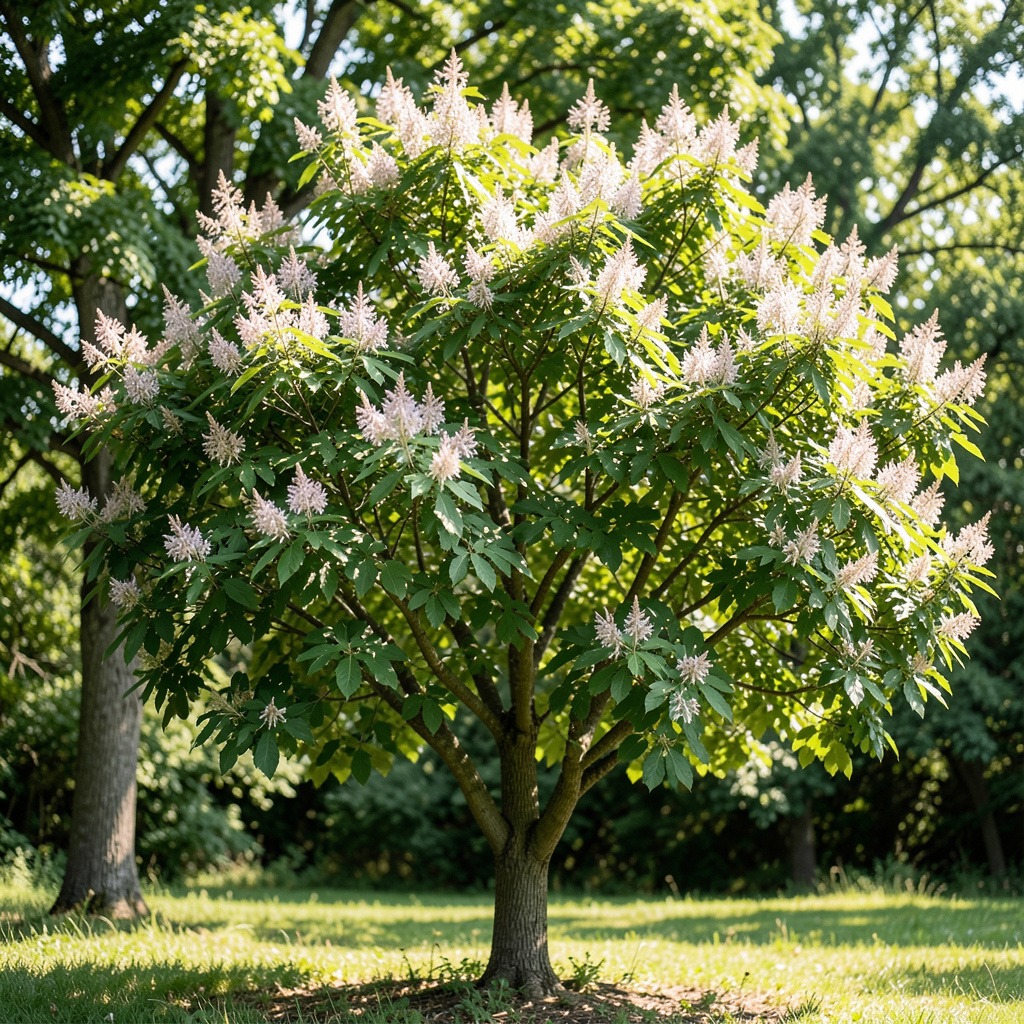
The Carolina Silverbell tree (Halesia carolina) presents a unique blend of beauty and ecological value. Its charm lies in its stunning white flowers and its ability to support local wildlife. Understanding its characteristics and habitat requirements is essential for successful growth.
Characteristics of Halesia carolina
- Size and Shape: The Carolina Silverbell typically reaches heights of 15 to 30 feet. It features a rounded crown that can create an impressive visual display in any landscape.
- Flowers: This tree is known for its striking bell-shaped white flowers that bloom in early spring before the leaves appear. This early flowering provides essential nectar for pollinators.
- Bark: The smooth gray bark is accented by orange lenticels, adding to its aesthetic appeal.
- Fruit: In summer, it produces four-winged fruits that birds and small mammals enjoy, extending its ecological benefits into the fall and winter.
Native Range and Habitat
The Carolina Silverbell is native to the southeastern United States, primarily thriving in USDA zones 5-8. Its natural habitats include:
- Moist Areas: It prefers low-lying floodplains, stream banks, and mesic hardwood forests where soil retains moisture yet drains well.
- Elevation: Typically found at elevations below 1,500 feet, though it can be cultivated in higher areas with proper care.
- Soil Conditions: Prefers slightly acidic to neutral soils (pH 5.5–7.0) and tolerates occasional flooding but is sensitive to prolonged standing water.
This tree flourishes in environments that mimic its native conditions, making careful site selection critical for successful planting.
Decision-Making Insights
Before planting a Carolina Silverbell, consider the following checklist:
- Site Conditions: Ensure the planting area has moist, well-drained soil.
- Sunlight: Choose a location that receives partial to full sunlight for optimal growth.
- Wildlife Benefits: Assess the surrounding landscape to maximize the tree’s role in supporting local wildlife.
By understanding its characteristics and native habitat, gardeners can better appreciate the Carolina Silverbell’s pros and cons, ultimately enhancing their planting experience.
Pros of Planting Carolina Silverbell
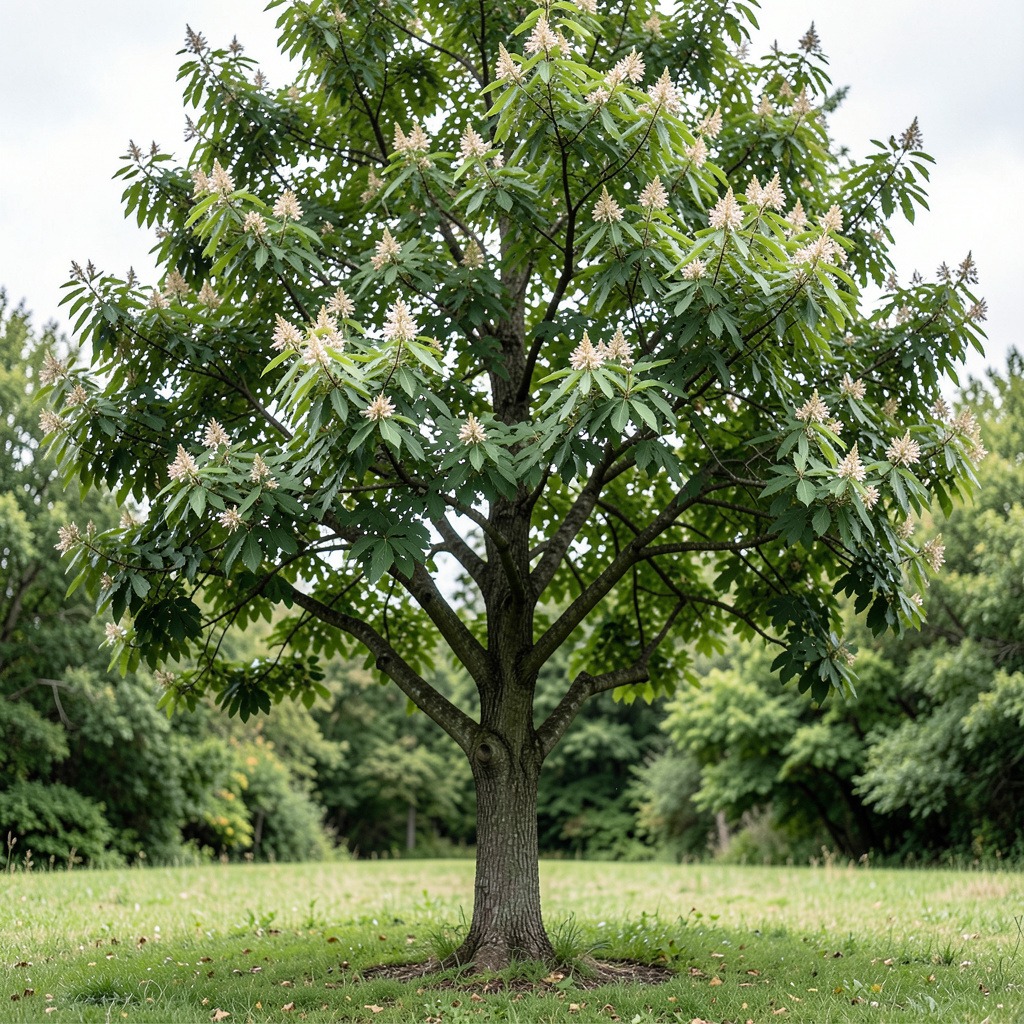
The Carolina Silverbell tree offers several advantages for gardeners and landscapers. Its aesthetic appeal, support for wildlife, and adaptability to various landscapes make it a compelling choice.
Aesthetic Appeal and Seasonal Interest
Carolina Silverbell trees (Halesia carolina) are renowned for their striking beauty. In spring, they produce delicate white, bell-shaped flowers that bloom before the leaves emerge. This early display brightens gardens and landscapes. The smooth gray bark, marked with orange lenticels, adds visual interest throughout the year. The tree’s rounded crown, reaching heights of 15 to 30 feet, provides a graceful silhouette against the sky.
Additionally, the tree exhibits fall color, with leaves turning a vibrant yellow, enhancing the seasonal palette of your garden. These characteristics make it suitable for various landscaping styles, from formal gardens to naturalistic settings.
Ecological Benefits for Wildlife
Planting Carolina Silverbell supports local ecosystems. The tree’s flowers attract pollinators, such as bees, contributing to biodiversity. In summer, the four-winged fruits provide food for birds, squirrels, and chipmunks, extending the tree’s ecological value into fall and winter.
Consider these wildlife benefits:
- Pollinator Support: Flowers bloom early in spring, providing vital resources for bees emerging from winter.
- Habitat Creation: The tree’s open branching structure offers nesting opportunities for songbirds.
- Food Source: Fruits sustain various wildlife species, enhancing the overall health of your local ecosystem.
Versatile Landscaping Uses
Carolina Silverbell adapts well to different planting scenarios. It thrives in moist, well-drained soil and prefers partial to full sunlight. Here are some successful landscaping applications:
- Woodland Edges: Mimic its native habitat by planting along woodland edges, where it can thrive in dappled light.
- Front Yards: Use as a focal point in front yards, attracting attention with its spring blooms.
- Patios and Gardens: Plant near patios to enjoy the beauty and fragrance while providing shade.
For optimal results, ensure that the planting site mirrors the tree’s natural conditions. This will maximize both its aesthetic and ecological benefits.
Cons of Planting Carolina Silverbell
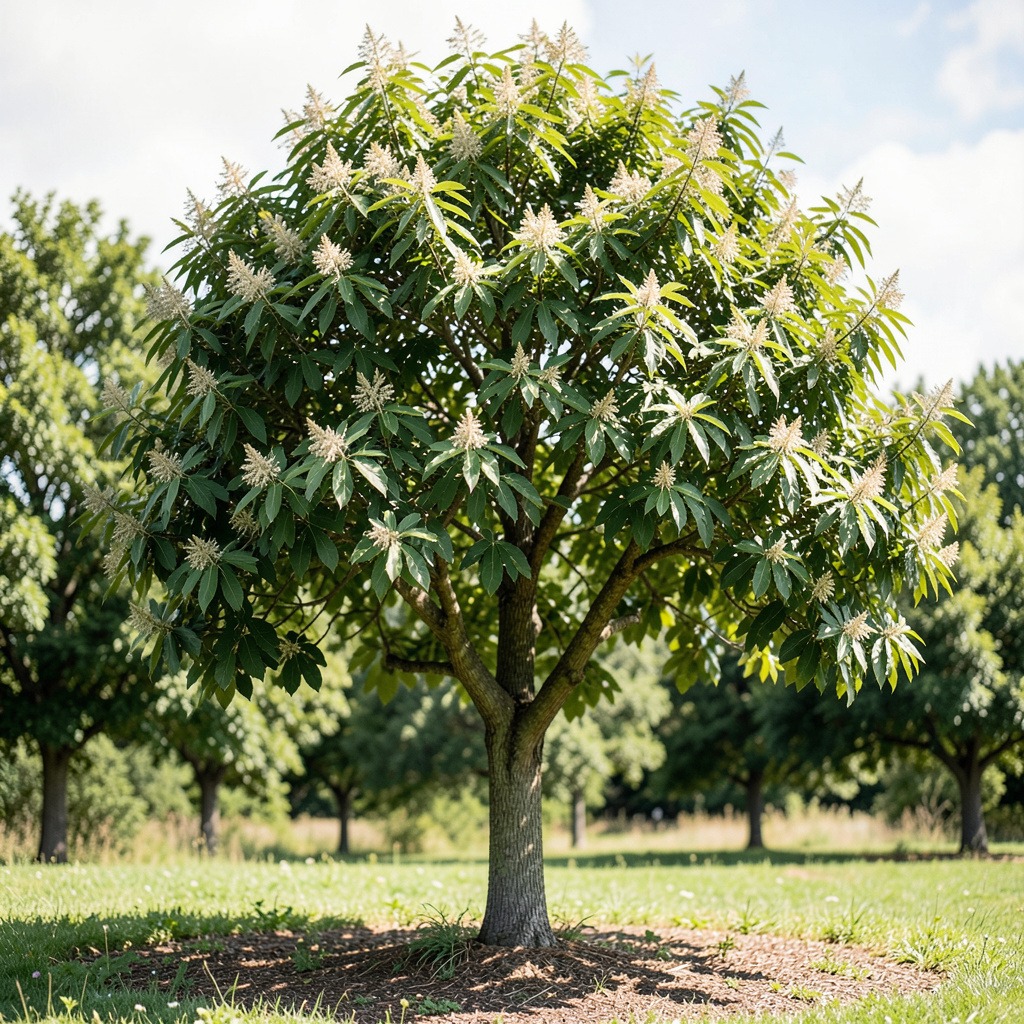
While the Carolina Silverbell tree offers numerous benefits, it also presents specific challenges that potential growers should consider. Understanding these drawbacks can help you make informed planting decisions.
Soil and Moisture Requirements
Carolina Silverbell trees have particular soil and moisture needs. They thrive in moist, well-drained soils with a slightly acidic pH between 5.5 and 7.0. If the soil is too alkaline, the tree may develop chlorosis, characterized by yellow leaves with green veins. Testing your soil before planting is essential.
- Soil Type: Prefers loamy or sandy-loam soils rich in organic matter.
- Moisture Needs: Requires consistent moisture, especially during dry periods. Extended drought can lead to leaf scorch or premature leaf drop.
- Drainage: Ensure good drainage to prevent root rot.
Sensitivity to Drought
Carolina Silverbell is sensitive to drought conditions. During prolonged dry spells, it may exhibit signs of stress, such as leaf drop or stunted growth. Regular watering, especially in the first few years, is crucial for establishment.
- Irrigation: Deep soaking during dry weeks helps maintain moisture levels.
- Mulching: A layer of mulch can retain soil moisture and regulate temperature.
Common Pests and Problems
While generally resilient, Carolina Silverbell trees can be affected by certain pests and diseases. Common challenges include:
- Pests: Look out for aphids, scale insects, and spider mites.
- Diseases: Fungal issues may arise in overly moist conditions.
To manage these problems effectively:
- Pest Management: Regularly inspect leaves and stems for infestations. Use insecticidal soap if necessary.
- Disease Prevention: Ensure proper air circulation and avoid overwatering.
Planting Suitability Checklist
Assess your landscape’s suitability for a Carolina Silverbell with this checklist:
- Is the soil pH between 5.5 and 7.0?
- Can the area maintain consistent moisture without waterlogging?
- Is there protection from extreme heat or prolonged drought?
- Are you prepared for potential pest management?
This checklist can guide you in determining if the Carolina Silverbell is a good fit for your garden or landscape.
Best Practices for Growing Carolina Silverbell
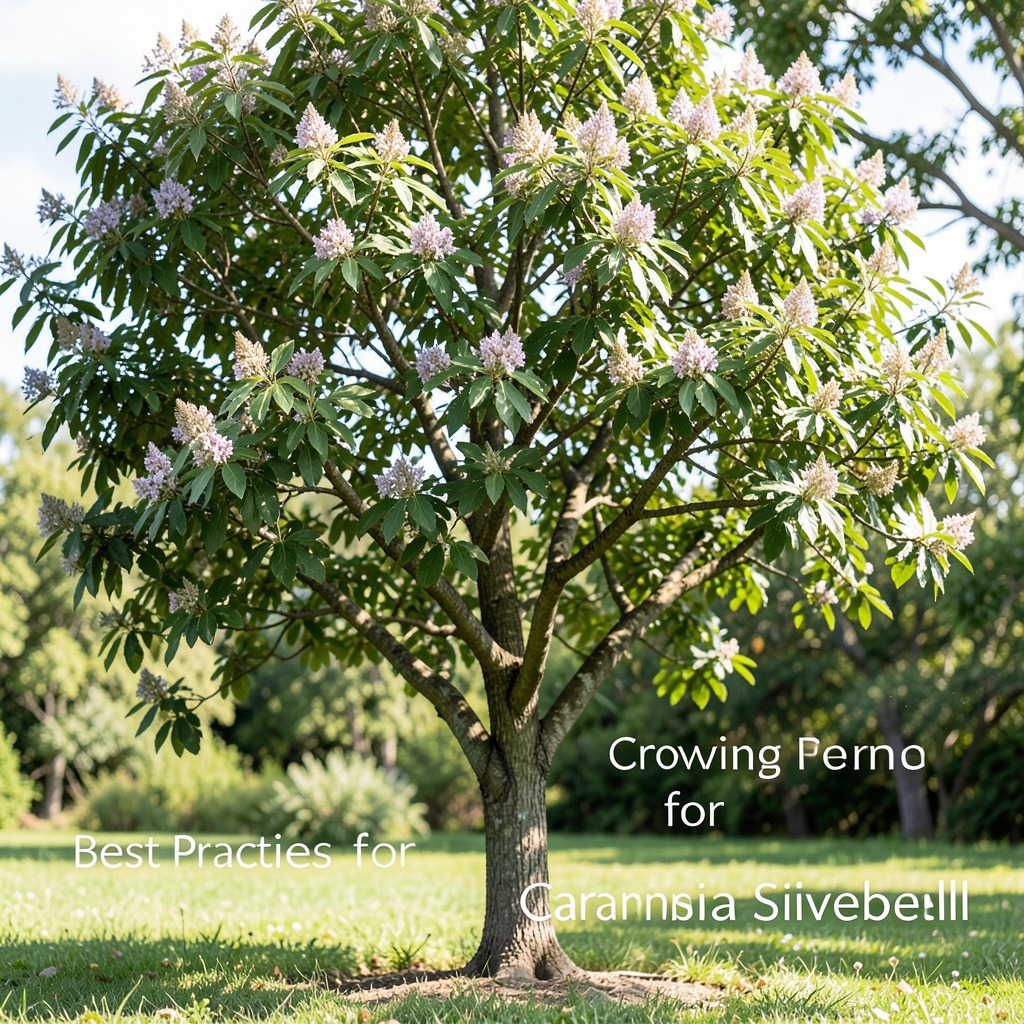
Successfully cultivating a Carolina Silverbell (Halesia carolina) requires understanding its ideal growing conditions and care needs. This tree thrives in specific environments and benefits from attentive maintenance throughout the seasons.
Ideal Planting Conditions
To ensure optimal growth and flowering, consider the following planting tips:
- Soil Type: Use well-drained, loamy soil enriched with organic matter. Aim for a pH level between 5.5 and 7.0.
- Sunlight: Plant in a location that receives partial shade to dappled sunlight. It mimics its natural understory habitat.
- Moisture: Maintain consistent moisture, especially during the first few years. Avoid waterlogging to prevent root rot.
- Spacing: If planting multiple trees, space them 15 to 20 feet apart to allow for full growth and air circulation.
Seasonal Care and Maintenance Tips
Carolina Silverbell trees require specific care throughout the year. Follow this seasonal checklist to promote healthy growth:
- Spring:
- Fertilize with a balanced, slow-release fertilizer.
- Prune any dead or damaged branches to encourage new growth.
- Summer:
- Water regularly, especially during dry spells. Mulch around the base to retain moisture.
- Monitor for pests such as aphids or scale insects. Treat infestations promptly.
- Fall:
- Rake fallen leaves to prevent fungal diseases.
- Apply a layer of mulch to protect roots during winter.
- Winter:
- Inspect for any signs of damage from cold weather.
- Avoid heavy pruning during dormancy; save it for spring.
By adhering to these best practices, gardeners can ensure the Carolina Silverbell thrives, enhancing their landscape while providing habitat and food for local wildlife.
Comparison with Other Native Trees
Understanding how the Carolina Silverbell compares to other native trees can help you make an informed decision about your landscaping choices. Below, we explore the pros and cons of the Carolina Silverbell in relation to similar native species.
Similar Native Trees: Pros and Cons
| Tree Species | Pros | Cons |
|---|---|---|
| Carolina Silverbell (Halesia carolina) | Beautiful white flowers, attracts wildlife, adapts well to local conditions | Difficult to find in nurseries, seeds hard to germinate |
| Redbud (Cercis canadensis) | Early spring blooms, heart-shaped leaves, good for small spaces | Limited height, prefers well-drained soil |
| Dogwood (Cornus florida) | Stunning flowers, vibrant fall color, supports various wildlife | Susceptible to disease, requires consistent moisture |
| Tulip Tree (Liriodendron tulipifera) | Fast growth, large leaves, attracts pollinators | Needs more space, can be messy with leaves and flowers |
How Carolina Silverbell Stands Out
The Carolina Silverbell is unique for its adaptability to local soils and weather patterns. Unlike many non-native trees, it thrives without excessive care. Here are key factors that distinguish it:
- Wildlife Benefits: Provides food and habitat for bees and birds, making it an excellent choice for enhancing local biodiversity.
- Aesthetic Appeal: The tree’s white, bell-shaped flowers create a stunning visual display in spring, often earning admiration from neighbors.
- Low Maintenance: Once established, it requires little attention, unlike some native species that need ongoing care or specific conditions.
When considering the Carolina Silverbell, weigh these characteristics against the needs and benefits of other native trees. This comparison allows you to select the best option for your landscape and ecological goals.
Frequently Asked Questions
These quick answers cover the most common questions about this topic, including key details, practical tips, and common concerns.
How fast does Carolina silverbell grow?
Carolina silverbell trees typically grow at a moderate pace, reaching heights of 15 to 30 feet over 10 to 20 years. Under ideal conditions, they can add about 1 to 2 feet of height each year. Growth rates can vary based on factors like soil quality, moisture levels, and sunlight exposure.
What are the common problems that Carolina silverbells encounter?
Common issues include susceptibility to pests such as aphids, scale insects, and spider mites. These pests can weaken the tree and affect its overall health. Additionally, Carolina silverbells may suffer from fungal diseases if planted in overly moist conditions. Regular monitoring and proper care can help mitigate these problems.
Where should I plant Carolina silverbell?
Plant Carolina silverbell in a location that receives partial to full sunlight, ideally where it can mimic its natural habitat in moist, well-drained soils. Ensure the soil pH is between 5.5 and 7.0. It’s best to avoid low spots that may collect standing water, as the tree is sensitive to waterlogged conditions.
What are the benefits of planting a Carolina Silverbell?
Planting a Carolina silverbell offers aesthetic beauty with its stunning white flowers in spring and vibrant fall foliage. It also supports local wildlife by providing nectar for pollinators and fruits for birds and small mammals. This tree can enhance biodiversity in your garden while requiring relatively low maintenance once established.
Can Carolina Silverbell be grown in containers?
While it’s possible to grow a Carolina silverbell in a container, it’s not ideal for long-term growth. The tree prefers to spread its roots in the ground for optimal health. If you choose to containerize it, select a large pot with good drainage and ensure consistent watering, especially during dry spells.
What companion plants work well with Carolina Silverbell?
Companion plants that thrive alongside Carolina silverbell include native species like ferns, wildflowers, and shrubs that prefer similar moisture and light conditions. Consider planting with Eastern Redbud or Dogwood, which can complement the silverbell’s beauty and attract similar wildlife species.
How do I prune a Carolina Silverbell tree?
Pruning should be done in late winter or early spring before new growth begins. Focus on removing dead or damaged branches and thinning out the canopy to improve air circulation. Avoid heavy pruning, as Carolina silverbells naturally have a graceful form that doesn’t require extensive shaping.
What is the ideal soil type for Carolina Silverbell?
Carolina silverbell thrives in well-drained, loamy soils rich in organic matter. Ideally, the soil should be slightly acidic to neutral, with a pH between 5.5 and 7.0. Testing your soil before planting can help ensure it meets these requirements, promoting healthy growth and flowering.