
Elm trees provide both aesthetic and environmental benefits, such as shade and wildlife support.
Elm trees are popular choices for landscaping due to their beauty and shade-providing capabilities. However, they also come with certain drawbacks that potential planters should understand. This guide explores both the pros and cons of elm trees for your yard.
Understanding Elm Trees
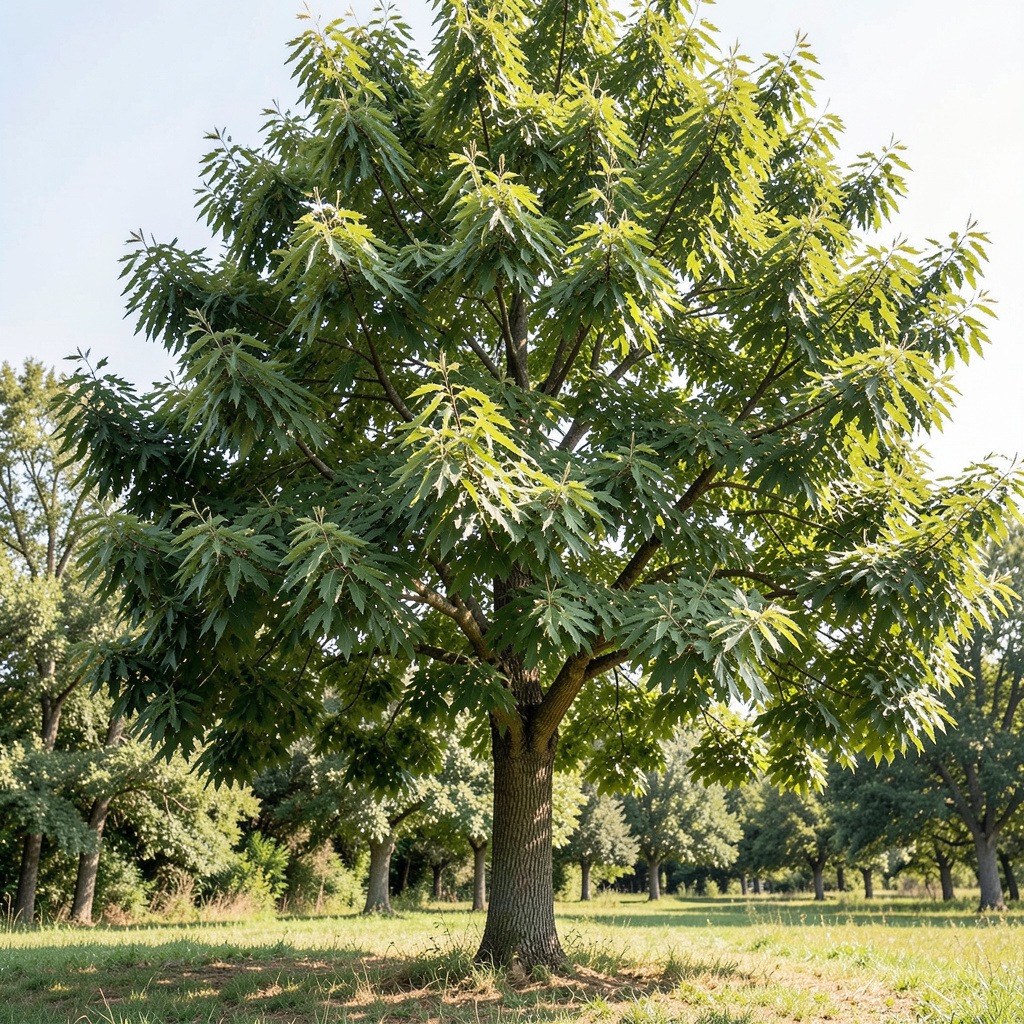
Elm trees, known for their majestic stature and broad canopy, are a favored choice in landscaping. Their aesthetic appeal and shade-providing capabilities make them an attractive option for homeowners and urban planners alike.
Common Varieties of Elm Trees
Several elm tree species are commonly used in landscaping. Each variety possesses unique characteristics that influence their suitability for different environments.
- American Elm (Ulmus americana): This species is celebrated for its tall, arching branches and vibrant fall colors. However, it is highly susceptible to Dutch elm disease, which has significantly reduced its populations.
- Chinese Elm (Ulmus parvifolia): Renowned for its adaptability, the Chinese Elm can thrive in various soil types. It is resistant to Dutch elm disease, making it a popular choice for urban environments. Its attractive bark and small leaves add to its ornamental value.
- Lacebark Elm (Ulmus parvifolia): Known for its distinctive mottled bark and tolerance to drought and poor soil conditions, the Lacebark Elm is an excellent option for low-maintenance landscapes. It also exhibits good resistance to pests and diseases.
Characteristics of Elm Trees
Elm trees exhibit several key characteristics that can impact landscaping decisions.
- Growth Rate: Elm trees generally grow at a moderate to fast rate, often reaching substantial heights within a few years. This makes them suitable for quick shade solutions.
- Canopy Shape: Most elm species develop a broad, vase-like canopy, providing ample shade. This feature is particularly beneficial for residential yards and public parks.
- Root System: Elm trees possess extensive root systems. While this allows for stability and nutrient uptake, it can also lead to surface roots that may disrupt nearby landscaping or pavement.
- Environmental Impact: Elm trees can enhance local biodiversity by providing habitats for various bird and insect species. However, their invasive tendencies in certain regions can outcompete native flora.
When considering elm trees for your landscape, evaluate their unique features and how they align with your environmental conditions and aesthetic goals.
Pros of Planting Elm Trees
Elm trees offer numerous advantages that make them a popular choice for landscaping. Their aesthetic appeal, adaptability, and environmental benefits contribute significantly to outdoor spaces.
Table of Contents
Aesthetic Appeal and Shade
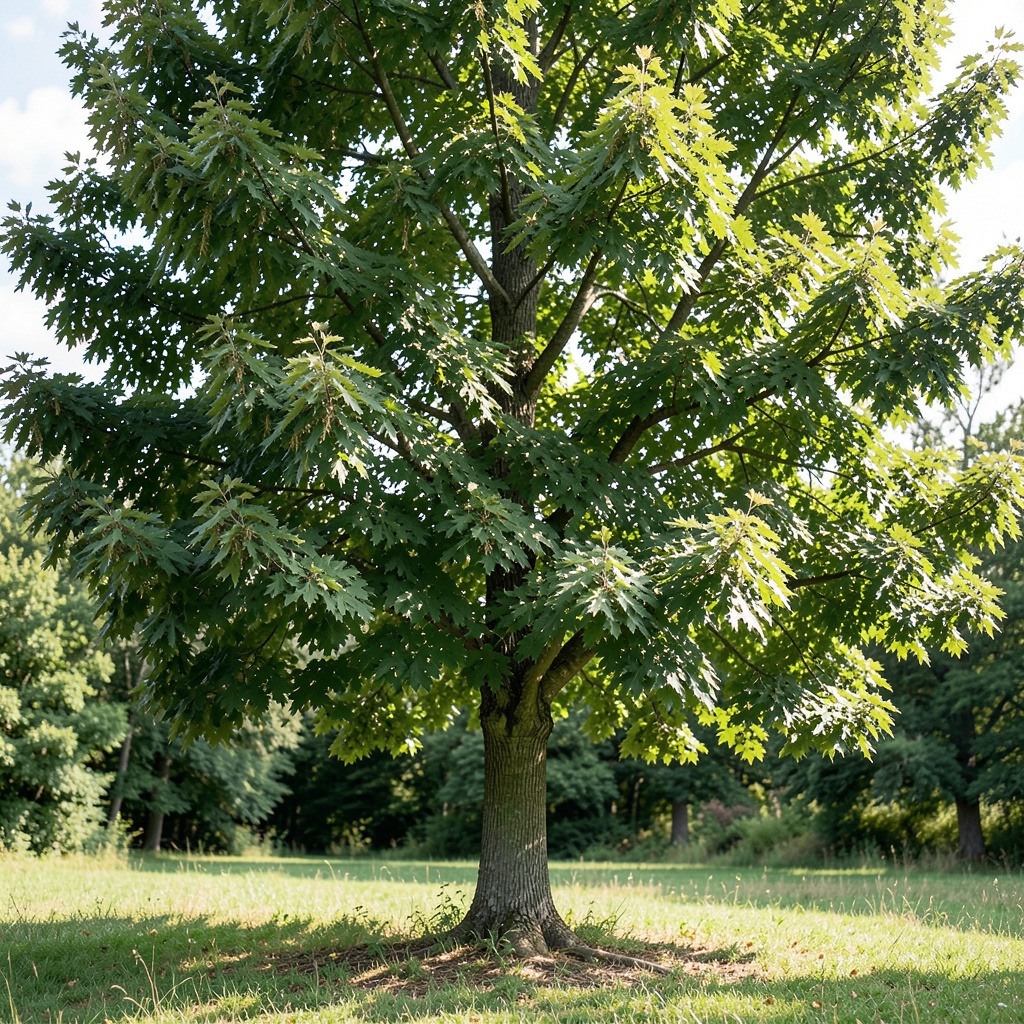
Elm trees are known for their broad, vase-like canopies. They provide substantial shade, making them ideal for both residential yards and public parks. Their lush foliage creates a visually appealing environment and serves practical purposes.
- Shade Provision: Elm trees can reduce heat in urban areas, leading to cooler outdoor spaces during summer.
- Visual Impact: The graceful structure and vibrant leaves enhance the beauty of landscapes, providing year-round interest.
Environmental Benefits
Planting elm trees positively impacts local ecosystems. They support wildlife and contribute to the biodiversity of an area.
- Wildlife Support: Elm trees attract various bird species and beneficial insects. For example, their flowers serve as a nectar source for pollinators like bees and butterflies, while their seeds feed birds and small mammals.
- Adaptability: Elm trees thrive in a range of soil conditions and climates. This adaptability allows them to grow in urban environments, promoting green spaces in areas where nature may be limited.
Practical Benefits
In addition to their aesthetic and environmental advantages, elm trees offer practical benefits that enhance landscaping.
- Disease Resistance: Some elm species, like the Chinese elm, display resistance to common pests and diseases, making them lower maintenance options for homeowners.
- Fast Growth: Elm trees often grow quickly, allowing homeowners to enjoy their benefits sooner. For instance, a young elm can reach maturity in just a few years, providing shade and beauty rapidly.
These factors make elm trees a compelling choice for enhancing landscapes while supporting local wildlife and contributing to environmental health.
Cons of Planting Elm Trees
While elm trees offer many benefits, they also come with notable drawbacks. Understanding these cons is crucial for making an informed landscaping decision.
Disease Susceptibility
Elm trees are particularly vulnerable to specific diseases, most notably Dutch elm disease. This fungal infection has devastated populations and can lead to tree death. Key points to consider include:
- Dutch Elm Disease: Spread by the elm bark beetle, this disease poses a significant risk to elm trees, especially in areas where it is prevalent.
- Elm Leaf Beetle: This pest can infest trees, leading to leaf damage and overall decline in health.
To mitigate disease risks, consider the following strategies:
- Select Resistant Varieties: Choose elm species known for their resistance, such as the American elm or hybrid varieties.
- Regular Inspections: Monitor trees for early signs of disease or pest infestations. Early intervention is critical.
Maintenance Challenges
Elm trees can demand significant maintenance to keep them healthy and aesthetically pleasing. Key maintenance challenges include:
- Pruning Needs: Regular pruning is necessary to maintain shape and remove dead or diseased branches. Without proper care, elm trees can become overcrowded.
- Invasive Roots: Some elm species develop aggressive root systems that can disrupt nearby plants and structures.
Consider these maintenance tips to manage challenges effectively:
- Establish a Pruning Schedule: Aim for biannual pruning to control growth and remove any dead wood.
- Evaluate Planting Location: Ensure that elm trees are planted away from foundations and other plants to prevent root interference.
Summary of Cons
| Drawback | Description |
|---|---|
| Disease Susceptibility | Vulnerable to Dutch elm disease and pests. |
| Maintenance Needs | Requires regular pruning and can have invasive roots. |
By understanding these cons, you can better assess whether an elm tree is suitable for your landscape.
How to Care for Elm Trees
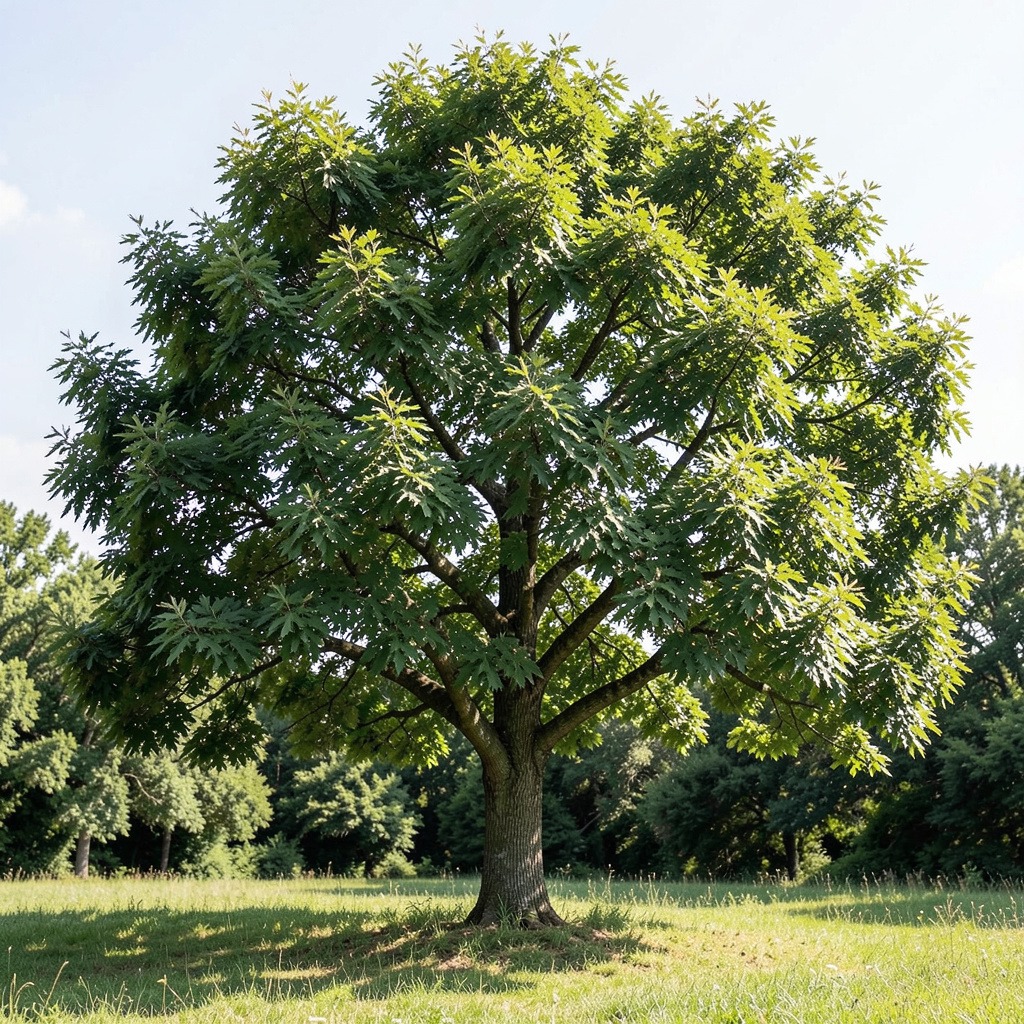
Caring for elm trees is essential to ensure their health, longevity, and beauty in your landscape. Different varieties of elm trees, such as Chinese Elm, Cedar Elm, and Lacebark Elm, have unique care requirements. Here are key maintenance tips.
Watering and Soil Requirements
Proper watering techniques are crucial for elm trees. Follow these guidelines:
- Water Deeply: Aim for deep watering sessions rather than frequent shallow ones. This encourages deep root growth.
- Soil Type: Elm trees adapt well to various soil types, including sandy, loamy, and clay soils. Ensure good drainage to prevent root rot.
- Mulch: Applying mulch around the base helps retain moisture and suppress weeds.
Pruning Techniques
Regular pruning helps maintain the structure and health of elm trees. Implement these strategies:
- Schedule: Prune biannually to control growth and remove dead or diseased branches.
- Technique: Use clean, sharp tools to make clean cuts. Avoid excessive pruning, which can stress the tree and increase disease susceptibility.
- Example: For a young Chinese Elm, selectively prune to shape the canopy while maintaining natural growth patterns.
Disease Management Strategies
Elm trees face threats from diseases, notably Dutch elm disease. Here’s how to manage these risks:
- Regular Inspections: Check for early symptoms such as yellowing leaves or branch dieback.
- Prompt Action: Remove any infected branches immediately to prevent the spread of disease.
- Sanitation: Clean tools after pruning to avoid transferring pathogens.
Seasonal Care Checklist
Utilize this checklist for seasonal care tasks:
| Season | Task |
|---|---|
| Spring | Inspect for pests and diseases. |
| Summer | Water deeply during dry spells. |
| Fall | Prune to shape and remove debris. |
| Winter | Inspect and protect from ice. |
By following these care tips, you can enhance the growth and resilience of your elm trees, maximizing their benefits in your landscape.
When to Plant Elm Trees
Choosing the right time to plant elm trees is essential for their successful establishment and growth. Different varieties of elm trees thrive under specific conditions, making timing crucial for your landscape.
Best Seasons for Planting
The optimal planting seasons for elm trees typically fall in early spring or late fall. During these times, the soil is warm enough for root development, and temperatures are moderate, reducing stress on the young trees.
- Spring (March to May): This season allows elm trees to establish roots before the heat of summer. Planting during this period supports robust growth as the tree can take advantage of spring rains.
- Fall (September to November): Fall planting lets trees acclimate to cooler temperatures. Roots continue to grow during this time, preparing the tree for the following spring.
Ideal Growing Conditions
Elm trees have specific soil and climate preferences that impact their health and growth.
- Soil Type: Most elm species prefer well-drained, loamy soil. For instance, the Chinese Elm (Ulmus parvifolia) adapts well to various soil types but excels in well-drained conditions.
- Climate: Elm trees thrive in temperate zones. The American Elm (Ulmus americana) prefers moist, rich soils and can be sensitive to drought, while Cedar Elm (Ulmus crassifolia) is more drought-tolerant and suited for hot climates.
Planting Checklist
Consider the following when planting elm trees:
- Check Soil Drainage: Ensure the site has adequate drainage to prevent root rot.
- Evaluate Sunlight: Elm trees generally require full sun (6-8 hours of direct sunlight daily).
- Assess Local Climate: Familiarize yourself with your region’s climate to select the most suitable elm variety.
By matching the planting time and conditions to the specific needs of elm trees, you can enhance their growth potential and longevity in your landscape.
Comparisons: Elm Trees vs. Other Tree Species
When considering the pros and cons of elm trees, it’s essential to compare them with other popular landscaping options. This helps to identify the unique attributes that make elm trees a suitable choice for your garden or yard.
Elm Trees vs. Oak Trees
- Growth Rate: Elm trees, especially the Chinese elm, grow faster than oak trees, making them a quicker option for immediate shade and landscaping impact.
- Disease Resistance: Elm trees are more resistant to Dutch elm disease compared to oaks, which can be susceptible to various pests and diseases, such as oak wilt.
- Soil Preferences: Oak trees prefer well-drained soils and may struggle in compacted or poorly drained conditions, whereas elm trees can thrive in a wider range of soil types.
| Feature | Elm Trees | Oak Trees |
|---|---|---|
| Growth Rate | Fast | Moderate to Slow |
| Disease Resistance | High | Moderate |
| Soil Adaptability | Versatile | Limited |
Elm Trees vs. Maple Trees
- Fall Color: Maples are renowned for their vibrant fall colors, while elm trees also offer good seasonal changes but may not be as striking.
- Root System: Elm trees often have extensive root systems that can create challenges in urban settings, whereas maples typically have a more manageable root structure.
- Environmental Impact: Elm trees can provide excellent shade and reduce urban heat, similar to maples, but they may also contribute to soil erosion if not maintained properly.
| Feature | Elm Trees | Maple Trees |
|---|---|---|
| Fall Color | Moderate | Bright and Vibrant |
| Root System | Extensive | Moderate |
| Shade Provision | Excellent | Excellent |
Practical Decision Framework for Choosing Elm Trees
When selecting elm trees for your landscape, consider the following:
- Growth Conditions: Assess whether your local climate aligns with the specific elm variety you are considering.
- Maintenance Needs: Determine the level of care you can provide, including monitoring for diseases and pests.
- Landscape Design: Visualize how the characteristics of elm trees will fit with your overall garden design and other existing plants.
By understanding the differences between elm trees and other species like oaks and maples, you can make a more informed decision that aligns with your landscaping goals.
Frequently Asked Questions
These quick answers cover the most common questions about this topic, including key details, practical tips, and common concerns.
What are the downsides of having an elm tree?
Elm trees can be susceptible to diseases, particularly Dutch elm disease, which is spread by the elm bark beetle. This disease has significantly impacted elm populations, leading to tree decline and death. Additionally, elm trees require regular maintenance, including pruning, to ensure their health and aesthetic appeal. Their extensive root systems can also disrupt nearby landscaping or structures.
Is an elm tree good to have in your yard?
Elm trees can be an excellent addition to your yard due to their fast growth, aesthetic appeal, and ability to provide ample shade. They attract wildlife and contribute positively to the local ecosystem. However, potential owners should weigh these benefits against the risks of disease and maintenance requirements to make an informed decision.
Why can’t you cut elm trees?
Cutting elm trees is not illegal, but it is often discouraged due to their vulnerability to diseases like Dutch elm disease. If an infected tree is cut down, proper sanitation measures must be taken to prevent the spread of the disease to nearby elms. Additionally, local regulations may protect certain elm species, especially in urban areas.
How far should an elm tree be from a house?
Elm trees should ideally be planted at least 10 to 15 feet away from your house. This distance helps prevent potential damage from invasive roots and provides ample space for the tree to grow. The exact distance may vary based on the specific elm species and its mature size, so consider the growth habits of the variety you choose.
What types of elm trees are best for landscaping?
Several elm species are suitable for landscaping, with the Chinese elm and Lacebark elm being popular choices. The Chinese elm is adaptable and resistant to Dutch elm disease, while the Lacebark elm is known for its unique bark and drought tolerance. American elms, while beautiful, are more susceptible to disease and may require more careful management.
What maintenance do elm trees require throughout the year?
Elm trees need regular watering, especially during dry spells, to promote deep root growth. Pruning is essential at least twice a year to remove dead or diseased branches and maintain their shape. Seasonal inspections for pests, such as the elm leaf beetle, are also important to catch any issues early and ensure the tree’s health.
Are there any pests that commonly affect elm trees?
Yes, elm trees can be affected by pests like the elm leaf beetle and the elm bark beetle. The elm leaf beetle can cause significant leaf damage, while the elm bark beetle is a primary vector for Dutch elm disease. Regular monitoring and prompt treatment are essential to manage these pests effectively and protect the tree.
What are some alternatives to planting elm trees?
If you’re looking for alternatives to elm trees, consider species like maple, oak, or birch. Maples provide vibrant fall colors, oaks offer strong shade and are less disease-prone, and birches are known for their attractive bark and graceful appearance. Each of these alternatives has unique benefits that may suit your landscaping needs better than elm trees.