
Growing Balsam Fir trees can be challenging due to their susceptibility to pests, diseases, and environmental factors. These challenges can hinder their growth and overall health, making proper care essential for successful cultivation.
Balsam Fir (Abies balsamea) is a popular evergreen tree known for its fragrant foliage and symmetrical shape. It is commonly found in northern forests and is often used as a Christmas tree. However, despite its popularity, growing Balsam Fir trees comes with a set of challenges that can affect their growth and longevity. Understanding these challenges is crucial for both commercial growers and homeowners who wish to cultivate this beautiful tree.
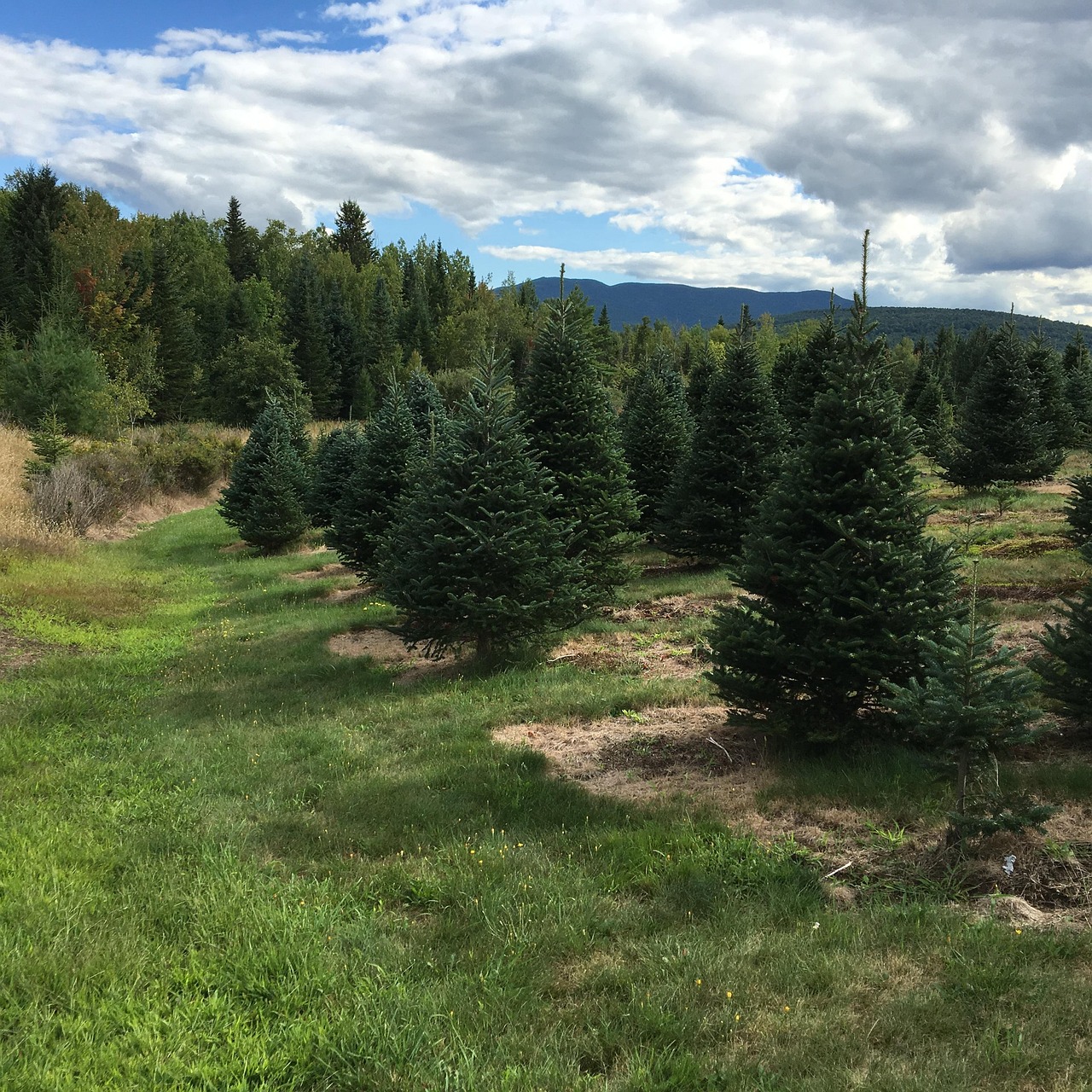
One significant challenge is the tree’s susceptibility to pests and diseases. Various insects, such as the balsam woolly adelgid and the spruce budworm, can cause severe damage to the trees. Additionally, diseases like root rot and needle blight can also threaten their health. Recognizing these issues early can help in managing them effectively.
Environmental Factors Affecting Balsam Fir Growth
Environmental conditions play a vital role in the successful growth of Balsam Fir trees. These trees thrive in specific climates and soil types, which can pose challenges if not properly managed. Here are some key environmental factors to consider:
- Soil Quality: Balsam Fir prefers well-drained, acidic soils rich in organic matter. Poor soil conditions can lead to stunted growth and increased susceptibility to diseases.
- Moisture Levels: While Balsam Fir requires adequate moisture, overly wet conditions can lead to root rot. Conversely, drought conditions can stress the tree, making it more vulnerable to pests.
- Temperature Extremes: These trees are adapted to colder climates. Extreme heat or sudden temperature fluctuations can negatively impact their growth and health.
In addition to these factors, competition from other plants can also hinder the growth of Balsam Fir trees. When planted in areas with dense vegetation, they may struggle for light, water, and nutrients. Proper spacing and management of surrounding flora are essential for ensuring that Balsam Fir trees can thrive.

Pest and Disease Management
Managing pests and diseases is crucial for maintaining healthy Balsam Fir trees. Identifying potential threats early allows for timely intervention. Below are some common pests and diseases affecting Balsam Fir:
| Pest/Disease | Description | Management Strategies |
|---|---|---|
| Balsam Woolly Adelgid | A small insect that feeds on tree sap, causing stress and decline. | Use insecticidal soaps or horticultural oils to control infestations. |
| Spruce Budworm | A caterpillar that feeds on the buds of conifer trees, leading to defoliation. | Monitor for signs of infestation and apply appropriate insecticides when necessary. |
| Root Rot | A fungal disease that causes roots to decay, leading to tree mortality. | Ensure proper drainage and avoid overwatering to minimize risk. |
| Needle Blight | A fungal infection that affects the needles, causing them to turn yellow and drop off. | Maintain good air circulation and remove infected needles promptly. |
Regular monitoring and maintaining a healthy growing environment are essential steps in managing these threats. Integrated pest management strategies that combine cultural, biological, and chemical controls can significantly improve the health of Balsam Fir trees.
In summary, while growing Balsam Fir trees presents several challenges, understanding the environmental requirements and potential threats can lead to successful cultivation. Proper care, proactive management of pests and diseases, and attention to soil quality can help ensure that these beautiful evergreens thrive in your landscape.
Soil Management for Balsam Fir Trees
Soil management is a critical aspect of successfully growing Balsam Fir trees. The health of the soil directly influences the growth and resilience of these trees. Understanding the characteristics of the soil and how to manage them can lead to healthier trees and a more robust ecosystem.
Soil Composition and Structure
Balsam Fir trees thrive in well-drained, acidic soils with high organic matter content. The ideal soil composition is crucial as it affects water retention, nutrient availability, and root development. Here are some key aspects of soil management:
- pH Level: Balsam Fir prefers slightly acidic soils with a pH between 5.0 and 6.5. Conducting a soil test can help determine the pH level and necessary amendments.
- Organic Matter: Incorporating organic materials such as compost or well-rotted manure can improve soil structure, enhance drainage, and provide essential nutrients.
- Soil Texture: Sandy loam is ideal for Balsam Fir as it allows for proper drainage while retaining adequate moisture. Avoid heavy clay soils that can impede root growth.
Water Management
Water management is another vital factor in growing Balsam Fir trees. While these trees require consistent moisture, an excess of water can lead to root rot. Here are some strategies for effective water management:

- Irrigation: If planting in dry areas, consider installing a drip irrigation system to provide consistent moisture without over-saturating the soil.
- Mulching: Applying a layer of mulch around the base of the tree can help retain soil moisture while suppressing weed growth. Organic mulches like wood chips or bark are excellent options.
- Drainage Solutions: Ensure proper drainage in planting areas. If the site tends to retain water, consider using raised beds or planting on slopes to facilitate drainage.
Climate Considerations
The climate in which Balsam Fir trees are grown significantly influences their success. These trees are native to cooler northern climates and are sensitive to heat and humidity. Understanding climate considerations can aid in their cultivation.
Temperature Requirements
Balsam Fir trees prefer cooler temperatures, typically thriving in regions where average summer temperatures do not exceed 75°F (24°C). Here are some temperature considerations:
- Frost Sensitivity: Balsam Fir is susceptible to frost damage, especially in early spring when new growth emerges. Planting in areas with late frost risks should be avoided.
- Heat Stress: High temperatures can lead to stress and increased vulnerability to pests and diseases. Providing shade during extreme heat may help mitigate stress.
Humidity Levels
Humidity plays a significant role in the overall health of Balsam Fir trees as well. These trees prefer moderate humidity levels, which help prevent certain diseases. Here’s how humidity affects growth:
- Disease Prevention: Higher humidity levels can promote fungal diseases like needle blight. Good air circulation is essential for maintaining lower humidity around the tree.
- Water Loss: In low-humidity environments, trees may lose moisture quickly. Regular watering may be necessary during dry periods to maintain health.
Cultivation Practices
Employing proper cultivation practices can significantly impact the growth of Balsam Fir trees. These practices encompass various aspects from planting techniques to ongoing maintenance.
Planting Techniques
When planting Balsam Fir trees, careful attention to technique can enhance survival rates and long-term health:
- Site Selection: Choose a location that receives full sunlight but also has some protection from harsh winds.
- Spacing: Ensure adequate spacing between trees to promote good air circulation and minimize competition for resources.
- Planting Depth: Dig a hole that is twice as wide but only as deep as the root ball. This promotes better root spread and establishment.
Ongoing Maintenance
Regular maintenance is vital for keeping Balsam Fir trees healthy. This includes:
- Pruning: Remove dead or damaged branches to encourage healthy growth and improve air circulation.
- Fertilization: Apply an appropriate fertilizer based on soil tests to ensure adequate nutrient levels.
- Pest Monitoring: Regularly inspect for signs of pests or diseases, allowing for early intervention if needed.
By focusing on soil management, climate considerations, and effective cultivation practices, growers can better navigate the challenges associated with growing Balsam Fir trees. These strategies will contribute to healthier trees and a more sustainable growing environment.
Common Pests and Diseases of Balsam Fir Trees
Understanding the common pests and diseases that affect Balsam Fir trees is essential for effective management. Early identification and intervention can significantly mitigate the impact of these threats. Below are some of the most prevalent issues faced by Balsam Fir trees.
Pests
Balsam Fir trees are vulnerable to several insect pests that can sap their strength and lead to long-term damage. Here are some key pests to watch out for:
- Balsam Woolly Adelgid: This small, sap-sucking insect can cause significant damage by feeding on the tree’s phloem. Infestations can lead to decline and death if not managed promptly.
- Spruce Budworm: The larvae of this moth feed on the buds and foliage of conifer trees, including Balsam Fir. Heavy infestations can result in defoliation and reduced growth.
- Eastern Pine Weevil: This pest primarily attacks the terminals of young trees, leading to stunted growth and unsightly deformities. Adult weevils can be controlled with insecticides if detected early.
- Scale Insects: These pests attach themselves to the bark and can weaken trees by sucking sap. Various species of scale insects can affect Balsam Fir, requiring targeted control measures.
Diseases
In addition to pests, diseases can pose a significant threat to Balsam Fir trees. Here are some common diseases that may affect their health:
- Needle Blight: Caused by several fungal pathogens, needle blight leads to yellowing and dropping of needles. Good air circulation and prompt removal of infected needles are vital for control.
- Root Rot: This disease is often caused by overwatering or poorly drained soils. Fungi invade the root system, leading to tree decline. Improving drainage can help prevent this disease.
- Phytophthora Root Rot: A specific type of root rot caused by Phytophthora species, this disease can be particularly devastating. It thrives in wet soils, making proper site selection crucial.
- Bacterial Blight: This disease can lead to wilting and dieback of branches. Management involves improving air circulation and avoiding overhead watering to minimize humidity around the foliage.
Preventative Measures
Implementing preventative measures plays a crucial role in managing pests and diseases effectively. The following strategies can help protect Balsam Fir trees from various threats:
Cultural Practices
Cultural practices involve managing the growing environment to reduce stress on the trees. Here are some effective cultural practices:
- Site Preparation: Ensure that the planting site has good drainage and that the soil is amended with organic matter to promote healthy root development.
- Proper Spacing: Adequate spacing between trees minimizes competition for nutrients and enhances air circulation, reducing humidity around individual trees.
- Mulching: Applying mulch around the base of the tree can help retain moisture, suppress weeds, and provide organic material as it decomposes.
Monitoring and Early Detection
Regular monitoring is essential for early detection of pests and diseases. Consider these practices:
- Visual Inspections: Regularly inspect trees for any signs of pest infestations or disease symptoms, such as discolored needles or unusual growth patterns.
- Pheromone Traps: Using pheromone traps can help monitor pest populations and determine the best time for treatment.
- Disease Forecasting Models: Utilizing models that predict disease outbreaks based on weather conditions can aid in timely interventions.
Treatment Options
If pests or diseases are identified, prompt action is necessary to protect Balsam Fir trees. Treatment options may include:
Chemical Controls
Chemical controls can be effective in managing severe infestations when other methods are insufficient. Here are some options:
- Insecticides: Targeted insecticides can be used against specific pests like the balsam woolly adelgid or spruce budworm. Always follow label instructions for safe application.
- Fungicides: Preventative fungicides may be applied during high-risk periods to protect against needle blight and other fungal diseases.
Biological Controls
Biological control methods utilize natural predators or pathogens to manage pest populations. Some options include:
- Beneficial Insects: Introducing beneficial insects like ladybugs can help control aphid populations that may harm Balsam Fir.
- Nematodes: Certain nematodes can target soil-borne pests without harming the tree itself, providing an environmentally friendly solution.
By understanding common pests and diseases, implementing preventative measures, and being prepared with treatment options, growers can effectively manage the challenges associated with growing Balsam Fir trees. Proper vigilance ensures healthier trees and a more successful cultivation experience.
Long-Term Care and Sustainability
Successfully growing Balsam Fir trees involves not just immediate care, but also an understanding of long-term sustainability practices. Implementing sustainable practices ensures that the trees remain healthy and productive for years to come, while also benefiting the surrounding ecosystem.
Forest Management Practices
For those growing Balsam Fir as part of a larger forestry operation, sustainable forest management practices are essential. Here are some key areas to focus on:
- Selective Harvesting: Instead of clear-cutting, consider selective harvesting techniques. This allows for the continued growth of remaining trees and maintains habitat for wildlife.
- Reforestation: After harvesting, replanting Balsam Fir and other native species can help restore the ecosystem and maintain biodiversity.
- Monitoring Forest Health: Regularly assess the health of the forest ecosystem. This includes monitoring for pest outbreaks, diseases, and overall tree vigor.
Soil Conservation
Maintaining soil health is vital for the long-term success of Balsam Fir trees. Implementing soil conservation practices can enhance productivity:
- Cover Cropping: Planting cover crops can help prevent soil erosion, improve soil structure, and add organic matter when tilled under.
- No-Till Farming: Reducing tillage helps preserve soil structure and minimizes disruption to beneficial soil organisms.
- Crop Rotation: Rotating crops can improve soil fertility and reduce pest and disease pressures on Balsam Fir.
Water Conservation
Implementing water conservation practices is essential for sustaining Balsam Fir trees, especially in areas prone to drought:
- Rainwater Harvesting: Collecting rainwater for irrigation can reduce reliance on municipal water sources.
- Xeriscaping: Use drought-resistant plants in landscaping around Balsam Fir trees to minimize water needs.
- Drip Irrigation Systems: These systems provide efficient water delivery directly to the roots, minimizing waste.
Final Thoughts
Growing Balsam Fir trees presents various challenges, including susceptibility to pests and diseases, environmental conditions, and ongoing maintenance requirements. However, with careful planning and management, these challenges can be effectively navigated. Understanding the specific needs of Balsam Fir trees is essential for successful cultivation.
To ensure the long-term health of these trees, it is important to implement sustainable practices that promote soil health, conserve water, and maintain biodiversity. By focusing on integrated pest management strategies, proper environmental conditions, and responsible forest management practices, growers can foster a thriving ecosystem that benefits both the trees and the surrounding environment.
The rewards of cultivating Balsam Fir trees are numerous. From their aesthetic appeal to their role in carbon sequestration and habitat provision, these trees offer significant ecological value. By investing time and resources into their care, growers are contributing to a healthier planet while enjoying the beauty and benefits of these magnificent evergreens.
Ultimately, whether you are a commercial grower or a homeowner looking to enhance your landscape, understanding the challenges associated with growing Balsam Fir trees will empower you to make informed decisions. With diligence and proper management techniques, your Balsam Fir trees can flourish for generations to come.