
The Champion quince tree offers substantial benefits, including self-fertility and high yields, but it also has drawbacks like susceptibility to pests and specific growing requirements that may challenge novice gardeners.
Table of Contents
The Champion quince tree is a versatile and productive fruit-bearing option for gardeners, known for its flavorful fruit and ornamental appeal. However, understanding its pros and cons is essential for successful cultivation and maximizing yield.
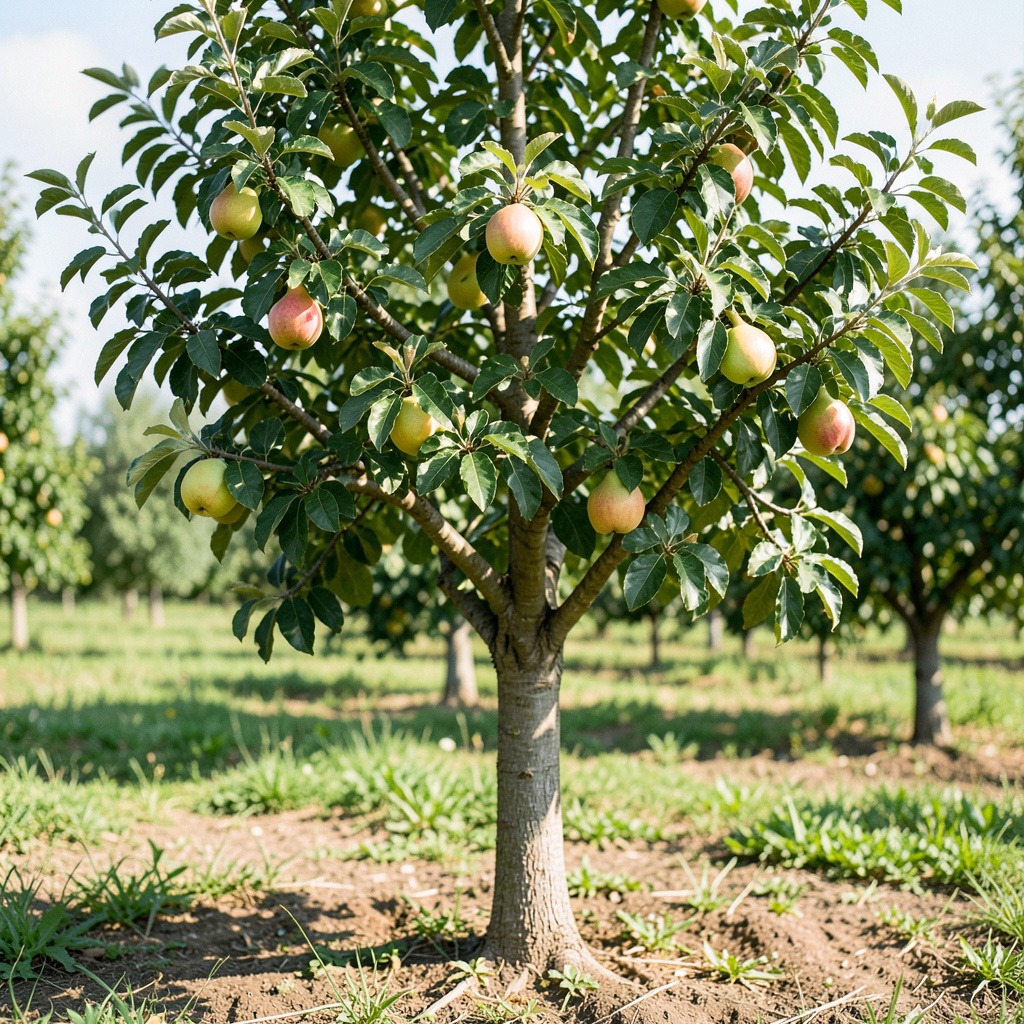
Overview of the Champion Quince Tree
The Champion quince tree is a hardy and resilient variety, cherished by gardeners for its unique fruit and ornamental qualities. Understanding its origins and characteristics can help you decide if it’s the right fit for your garden.
Historical Background
The Champion quince tree has roots tracing back to the Caucasus region of Eastern Europe. Historically, it was cultivated for its flavorful fruit and aromatic beauty. As it spread throughout Europe, it became a favorite in home gardens and orchards. Its adaptability to various climates makes it a reliable choice for many gardeners.
Characteristics of the Champion Quince Tree
- Size and Appearance: This small to medium-sized deciduous tree features a spreading habit. It produces lovely cup-shaped flowers in spring, transitioning to large, golden-yellow fruits.
- Self-Fertility: The Champion quince is self-pollinating. However, planting additional quince trees nearby can enhance fruit yield.
- Pest Resistance: This variety is known for its resilience against common pests and diseases, making it easier to maintain.
Appeal to Gardeners
The Champion quince tree attracts gardeners for several reasons:
1. Culinary Uses: The fruit is rich in pectin, ideal for making jellies, jams, and preserves. When cooked, the flesh turns a beautiful rose-red color.
2. Ornamental Value: With its pinkish-white flowers and distinctive fruit, it adds aesthetic charm to any garden.
3. Versatile Growth Conditions: It thrives in a variety of soil types and can tolerate cooler climates, making it accessible for many gardeners.
Decision Framework for Selecting the Champion Quince
When considering the Champion quince tree, keep these factors in mind:
- Growing Conditions: Ensure your garden has well-drained soil and full sun exposure.
- Space Requirements: Plan for enough space to accommodate its spreading branches.
- Culinary Goals: Decide if you will utilize the fruit for cooking, as its culinary benefits are significant.
For those ready to cultivate this unique variety, consider sourcing your plants through quality suppliers. Check Price on Amazon for Champion Quince Tree Seeds to get started.
Pros of Growing the Champion Quince Tree
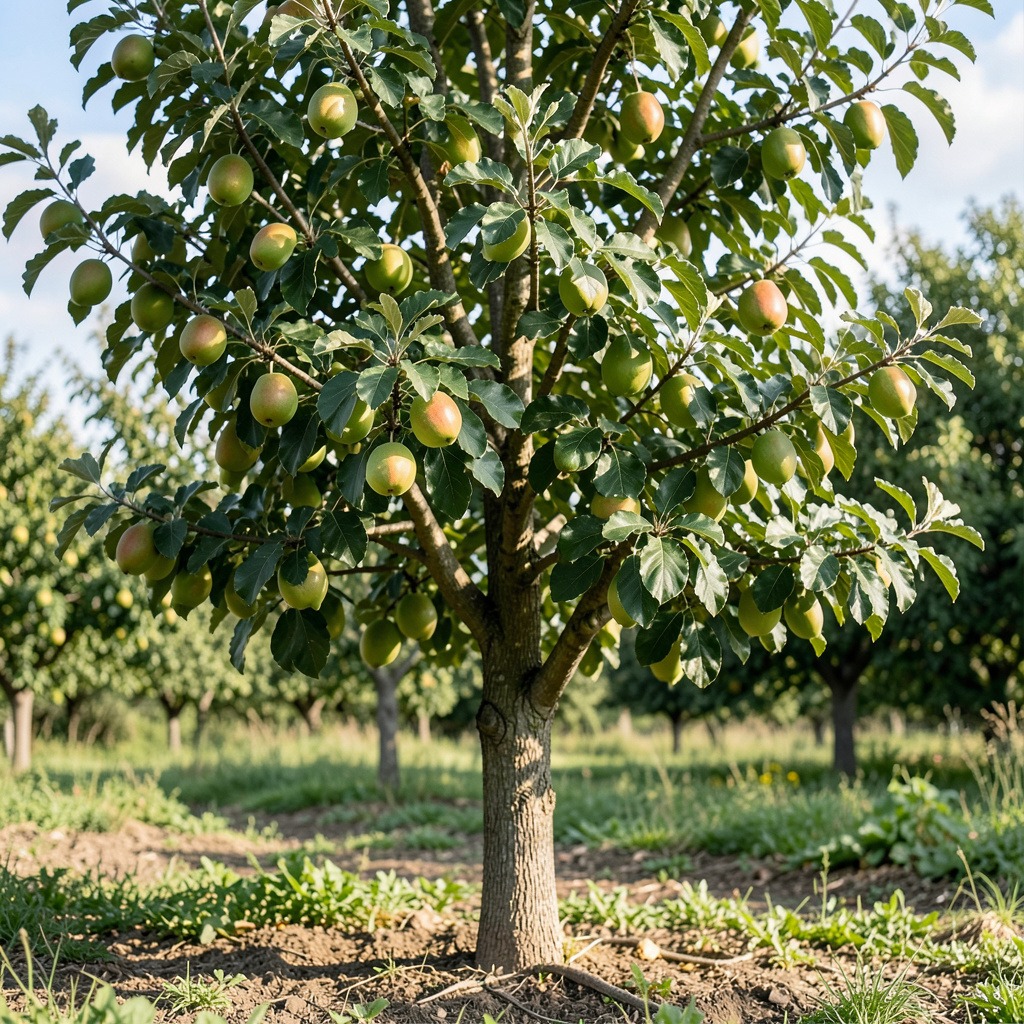
The Champion quince tree offers numerous advantages for gardeners. Its hardiness, self-fertility, and ornamental beauty make it an appealing choice for both novice and experienced horticulturists.
High Yield and Early Bearing
One of the standout features of the Champion quince is its impressive yield. Gardeners frequently report large quantities of fruit, often from a young age.
- Early Production: Many growers enjoy fruit within 2-3 years of planting.
- Consistent Harvests: With proper care, the tree produces annually, offering reliable yields.
Self-Fertility and Pollination
The Champion quince tree is self-pollinating, which simplifies the growing process. This characteristic eliminates the need for additional trees nearby for fruit production.
- No Need for Cross-Pollination: Gardeners can successfully grow a single tree without sacrificing yield.
- Improved Pollination: While self-fertile, planting multiple trees can enhance fruit size and quantity due to increased pollination activity.
Culinary and Ornamental Uses
The fruit of the Champion quince is not only beautiful but also versatile in culinary applications.
- Culinary Applications: The aromatic quince can be used in jams, jellies, and desserts. Its high pectin content makes it ideal for preserves.
- Ornamental Appeal: The tree’s pinkish-white blossoms in spring create stunning visual interest. Its unique, golden-yellow fruit adds charm to the landscape in late fall and winter.
Testimonials from growers emphasize these culinary benefits. For instance, one gardener noted that their quince jelly garnered praise at local farmers’ markets, proving the fruit’s popularity in homemade goods.
In summary, the Champion quince tree combines high yields, self-fertility, and multifaceted uses, making it a valuable addition to any garden. For those ready to cultivate this unique variety, consider sourcing your plants through quality suppliers. Check Price on Amazon for Champion Quince Tree Seeds to get started.
Cons of the Champion Quince Tree
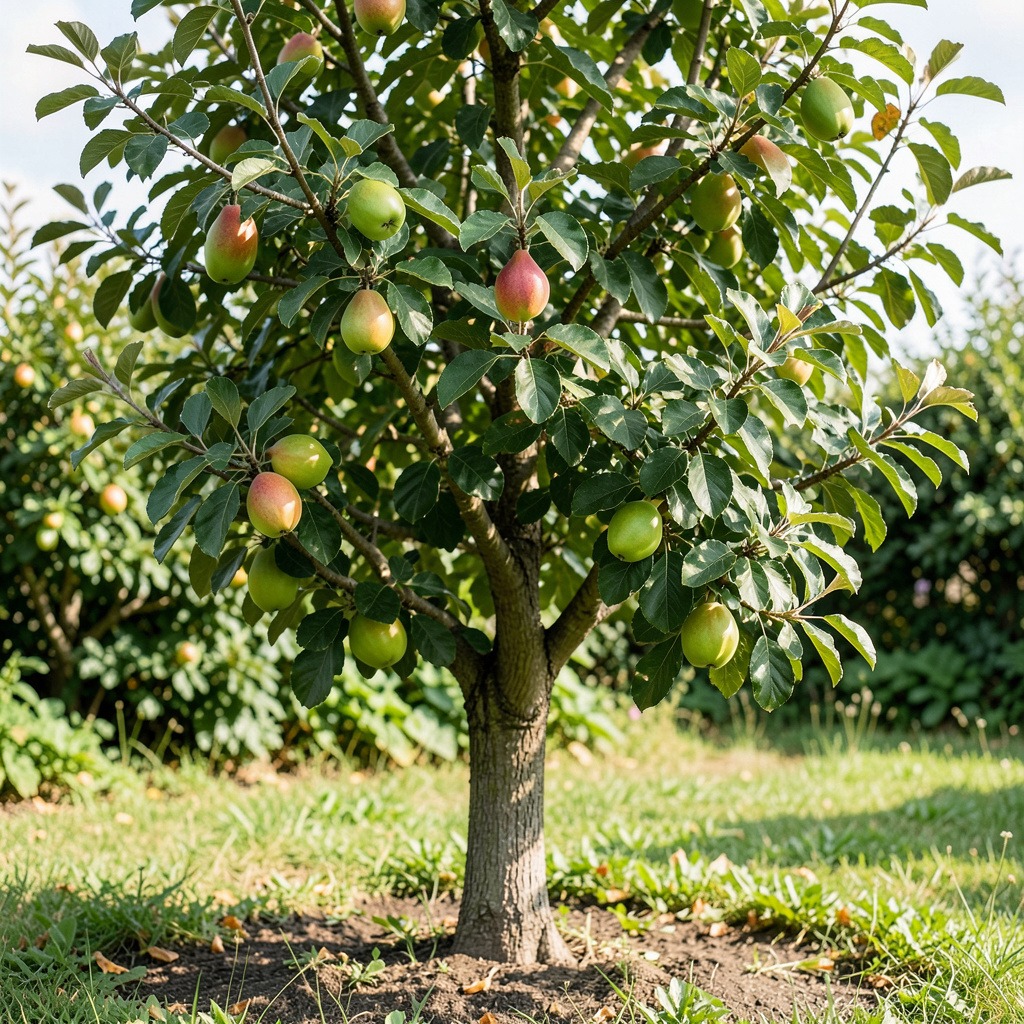
While the Champion quince tree offers numerous benefits, it also presents challenges for gardeners. Understanding these disadvantages is crucial for successful cultivation.
Pest and Disease Issues
Champion quince trees are relatively hardy, but they are not entirely pest-proof. Common pests include:
- Codling Moth: This pest can damage the fruit, leading to rot.
- Aphids: These insects can weaken the tree and affect fruit quality.
- Fungal Diseases: Trees can be susceptible to blight and leaf spot if not properly managed.
To mitigate these issues, gardeners should adopt a proactive pest management strategy. Implementing regular monitoring and using organic pesticides can help maintain tree health.
Specific Growing Requirements
Champion quince trees thrive under specific conditions, which can be a drawback for some gardeners. Key requirements include:
- Soil Type: Needs well-drained, fertile soil. Avoid heavy clay or sandy soils.
- Sunlight: Requires full sun for optimal fruit production.
- Watering Needs: Regular watering is essential, particularly in dry spells, to prevent stress.
When selecting a location, ensure these conditions are met to avoid stunted growth or poor yields.
Harvesting and Storage Challenges
Harvesting Champion quinces can be labor-intensive. The fruit is typically ready in late fall or early winter, but determining the right time can be tricky. Overripe fruit can fall prematurely or develop blemishes. Additionally, quince fruit does not store well unless properly treated.
Checklist for Successful Harvesting:
- Inspect fruit for a golden-yellow hue.
- Test firmness; fruit should yield slightly to pressure.
- Store in a cool, dry place to extend shelf life.
Understanding these challenges will help gardeners prepare for a rewarding experience with the Champion quince tree.
Growing Conditions for Champion Quince
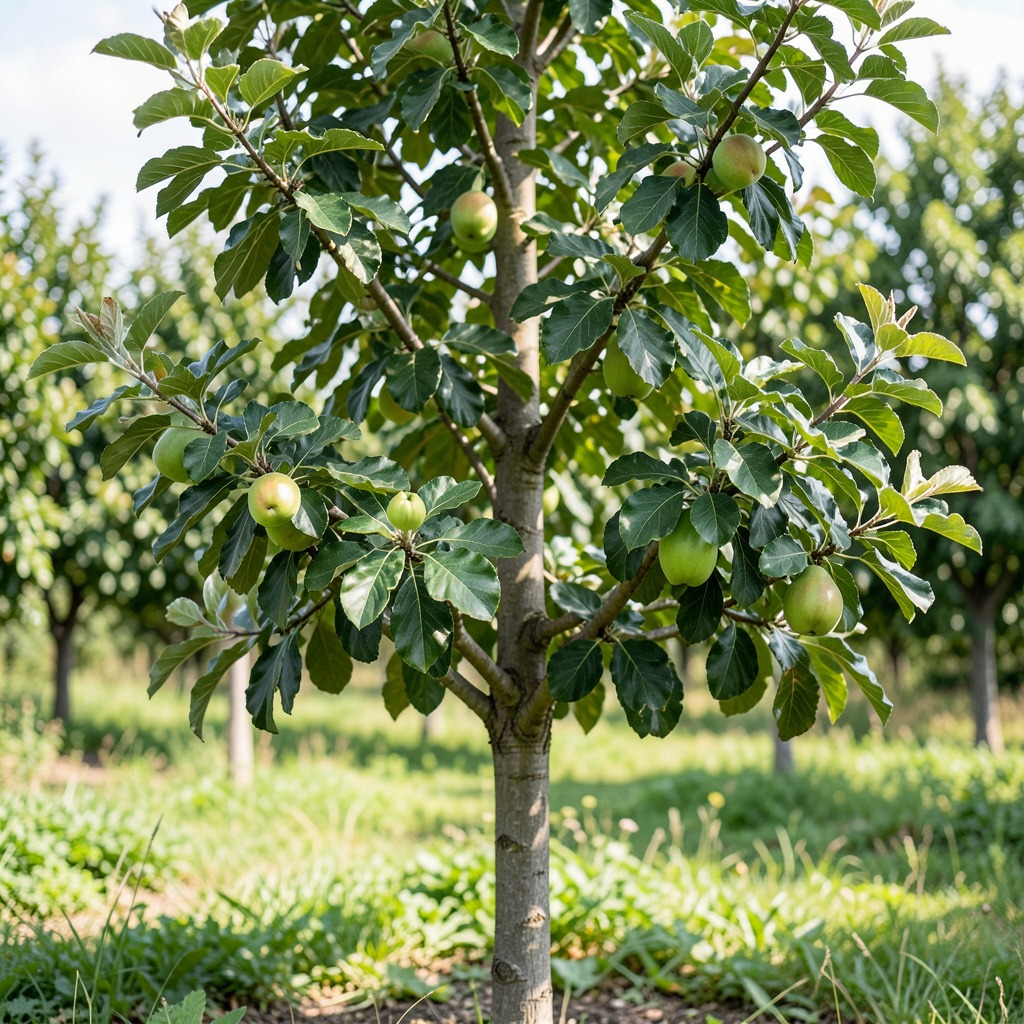
The Champion quince tree thrives under specific conditions that enhance its growth and fruit production. Understanding these requirements is essential for successful cultivation.
Soil Requirements
Champion quinces prefer well-drained, fertile soil. They tolerate a range of soil types but excel in loamy or sandy soils rich in organic matter. Here are the key soil characteristics to consider:
- pH Level: Aim for a slightly acidic to neutral pH (6.0 to 7.0).
- Drainage: Ensure good drainage to prevent root rot.
- Organic Matter: Incorporate compost to improve soil fertility.
Sunlight and Watering Needs
This variety flourishes in full sun but can adapt to partial shade. Optimal sunlight exposure is crucial for fruit development.
- Sunlight: At least 6-8 hours of direct sunlight daily.
- Watering: Regular watering is necessary, especially during dry spells. Aim for:
- Weekly Watering: 1-2 inches of water per week.
- Moist Soil: Keep the soil consistently moist but not soggy.
Fertilization and Pruning Tips
Proper fertilization and pruning are vital for maintaining tree health and enhancing fruit yield.
- Fertilization: Use a balanced fertilizer in early spring. Look for a formula high in potassium to boost fruit quality.
- Pruning: Prune annually to maintain shape and remove dead or crowded branches. Focus on:
- Timing: Prune in late winter or early spring before new growth starts.
- Technique: Cut back to an outward-facing bud to promote an open canopy.
Decision Framework for Growing Champion Quince
When deciding to grow a Champion quince tree, consider the following factors:
- USDA Zones: Best suited for USDA zones 5-9.
- Space Requirements: Allow for at least 10-15 feet of spacing from other trees to promote airflow.
- Companion Plants: Plant alongside other fruit trees for improved pollination and yield.
By adhering to these growing conditions, you can maximize the potential of your Champion quince tree, ensuring both ornamental beauty and fruitful harvests.
Culinary Uses for Champion Quince
Champion quince fruits offer a unique flavor profile and versatile culinary applications. Their high pectin content makes them ideal for preserves, while their aromatic flesh enhances various dishes. Here are some notable uses and recipes for these exquisite fruits.
Making Jams and Jellies
Champion quince is renowned for its natural pectin, which is essential for perfect jams and jellies. Here’s a simple recipe:
- Quince Jam Recipe:
- Ingredients:
- 4 cups quince, peeled and chopped
- 2 cups sugar
- 1 lemon (juiced)
- Instructions:
1. Combine quince, sugar, and lemon juice in a pot.
2. Cook over medium heat until the mixture thickens, about 30-40 minutes.
3. Pour into sterilized jars and seal.
- Note: The jam can be stored for up to a year.
Cooking and Baking Recipes
Champion quince can be used in a variety of savory and sweet dishes. Its flavor pairs well with apples, making it an excellent addition to pies and tarts.
- Quince and Apple Tart:
- Ingredients:
- 2 cups sliced quince
- 2 cups sliced apples
- 1 pre-made tart crust
- 1 cup sugar
- 2 teaspoons cinnamon
- Instructions:
1. Preheat the oven to 375°F (190°C).
2. Arrange sliced quince and apples in the tart crust.
3. Sprinkle sugar and cinnamon on top.
4. Bake for 35-40 minutes or until golden brown.
Storage Tips for Quince
Proper storage enhances the flavor of quince. Here are key tips for keeping your harvested quince fresh:
- Harvest Timing: Pick fruits in late September to October when they are golden-yellow and fragrant.
- Storage Conditions: Store quince at 50-60°F (10-15°C) in a cool, dark place. Fruits ripen over 2-3 weeks, gaining sweetness.
- Avoid Damage: Handle quince gently. Use pruners for harvesting to avoid bruising.
By utilizing Champion quince in your culinary endeavors, you can enjoy its distinct flavor while exploring creative recipes.
Champion Quince vs. Other Quince Varieties
The Champion quince tree stands out among quince varieties for its unique characteristics. Understanding how it compares to other types can help gardeners make informed decisions.
Flavor Profiles
Champion quince produces large, pear-shaped fruits with a mild flavor, making it ideal for cooking and preserves. In contrast, other varieties, such as Smyrna or Pineapple quince, offer distinct taste profiles:
- Champion: Mild and aromatic, suitable for jellies and baking.
- Smyrna: Sweeter and more aromatic, often favored for fresh eating.
- Pineapple: Tropical notes with a more intense sweetness, excellent for desserts.
Yield and Growth Rates
Champion is known for its early bearing and high yield. Here’s how it compares in terms of productivity:
| Variety | Time to Fruit Production | Average Yield |
|---|---|---|
| Champion | 2-3 years | Heavy, consistent |
| Smyrna | 3-4 years | Moderate |
| Pineapple | 4-5 years | Variable |
Champion quince consistently yields fruit early, while other varieties may take longer to establish.
Care Requirements
Understanding the care needs of each variety is crucial for successful growth:
- Champion: Self-fertile, tolerates drought, and thrives in various soil types.
- Smyrna: Requires cross-pollination; prefers well-drained soil.
- Pineapple: Needs consistent moisture and is more sensitive to pests.
Gardeners should consider their local climate and soil conditions when choosing a quince variety. Champion’s adaptability makes it a strong candidate for diverse environments.
Comparison Takeaway
When selecting a quince variety, consider:
- Flavor preference: Champion is versatile for cooking, while Smyrna and Pineapple offer distinct flavors for different uses.
- Yield expectations: Champion provides reliable, early yields, ideal for home orchards.
- Care commitment: Champion’s low maintenance needs make it suitable for novice gardeners.
By evaluating these factors, you can choose the right quince variety that aligns with your gardening goals.
Common Issues and Solutions for Champion Quince Trees
Growing Champion quince trees can present specific challenges. Understanding these issues and their solutions will help ensure a healthy and productive tree.
Identifying Leaf Blight and Pests
Leaf blight and pests can affect the Champion quince tree’s health. Common pests include aphids, spider mites, and scale insects. Leaf blight often manifests as dark spots on leaves.
- Aphids: Small, soft-bodied insects that cluster on new growth.
- Spider Mites: Tiny pests often found on the undersides of leaves, causing leaf discoloration.
- Scale Insects: Small, immobile pests that attach to stems and leaves, draining sap.
Preventative Measures
Prevent pests and diseases with proactive care. Here are effective strategies:
- Regular Inspections: Check leaves and branches frequently for early signs of pests.
- Healthy Soil: Ensure well-drained, fertile soil to promote strong growth.
- Companion Planting: Plant herbs like basil or marigolds nearby to deter pests.
- Pruning: Maintain good airflow by pruning crowded branches, reducing humidity around the foliage.
Treatment Options
If pests or diseases appear, consider these treatment options:
- Insecticidal Soap: Effective against aphids and spider mites. Spray directly on infested areas.
- Neem Oil: A natural pesticide that disrupts the life cycle of pests. Apply every 7-14 days until the issue subsides.
- Fungicides: For leaf blight, choose a fungicide labeled for use on fruit trees. Follow instructions carefully.
Case Study Insight
One experienced gardener reported significant success using neem oil and regular pruning. They noted a dramatic decrease in pest populations and an increase in fruit yield after implementing these strategies. This highlights the importance of consistent care and monitoring.
By staying vigilant and employing these solutions, gardeners can mitigate common issues and enjoy the many benefits of their Champion quince trees.
Frequently Asked Questions
These quick answers cover the most common questions about this topic, including key details, practical tips, and common concerns.
What is the best variety of quince?
The best variety of quince depends on your specific needs and growing conditions. The Champion quince is highly regarded for its high yield, self-fertility, and culinary versatility. Other notable varieties include Smyrna, known for its sweet flavor, and Pineapple quince, which has a unique tropical taste. Each variety has its strengths, so consider flavor, yield, and care requirements when making your choice.
What are common flowering quince problems?
Common problems with flowering quince, including the Champion variety, can include pests like aphids and codling moths, as well as diseases such as leaf blight. Aphids can weaken the tree, while codling moths damage the fruit. Regular inspections and proactive pest management strategies, such as using insecticidal soap or neem oil, can help mitigate these issues.
What is the average lifespan of a quince tree?
The average lifespan of a quince tree is typically between 30 to 50 years, depending on care and growing conditions. With proper maintenance, including regular pruning and pest management, quince trees can remain productive and healthy throughout their lives.
What are the differences between a quince bush and a quince tree?
Quince bushes are smaller, typically growing to about 3-6 feet tall, while quince trees can reach heights of 10-15 feet. Trees usually have a more upright growth habit, while bushes tend to be more compact and spreading. Additionally, quince bushes often produce smaller fruit compared to quince trees.
How do I know when my quince is ripe?
To determine if your quince is ripe, look for a golden-yellow color and a fragrant aroma. The fruit should feel firm but yield slightly to gentle pressure. Harvesting typically occurs in late fall when the fruit is fully developed, ensuring the best flavor for cooking and preserves.
What are the best companion plants for quince trees?
Companion plants for quince trees include herbs like basil and marigolds, which can deter pests. Planting flowering plants nearby can also attract beneficial insects, enhancing pollination. Additionally, other fruit trees, such as apples or pears, can thrive alongside quince, improving overall garden productivity.
How can I prevent pests on my quince tree?
Preventing pests on your quince tree involves several strategies. Regularly inspect your tree for signs of infestation, maintain healthy soil, and ensure good airflow through proper pruning. You can also use organic treatments like neem oil or insecticidal soap if pests are detected, applying them according to label instructions.