
The chinaberry tree (Melia azedarach) has both pros, like rapid growth and ornamental value, and cons, including toxicity and invasiveness, which can impact local ecosystems and health.
Table of Contents
The chinaberry tree, known for its fast growth and attractive flowers, has gained popularity in landscaping. However, potential buyers should weigh its aesthetic benefits against serious drawbacks, including toxicity to pets and its invasive nature in various regions.
Understanding the Chinaberry Tree
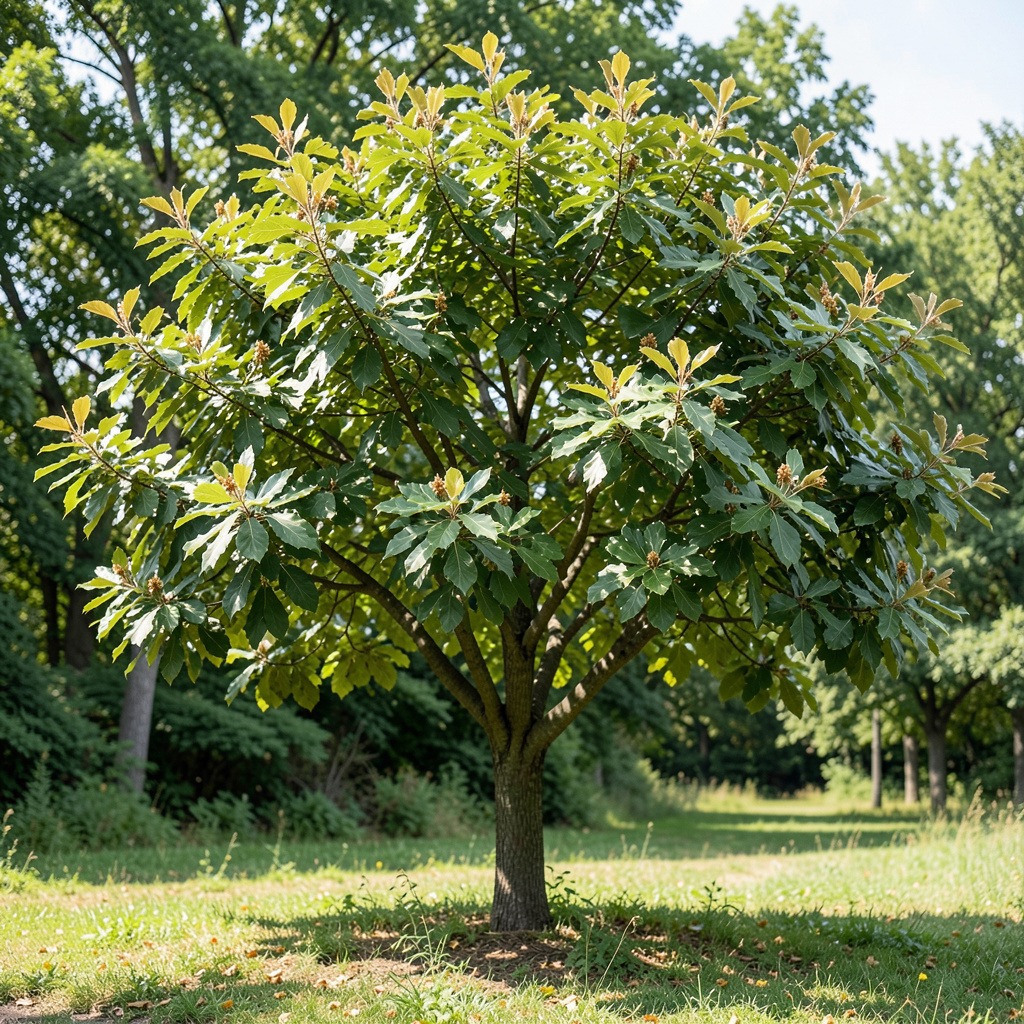
The chinaberry tree (Melia azedarach) is a fast-growing species that captivates gardeners with its attractive foliage and flowers. However, it also presents challenges, including toxicity and invasiveness. Understanding its characteristics will help you make an informed decision about planting this tree.
Scientific Classification and Names
- Common Name: Chinaberry tree
- Scientific Name: Melia azedarach
- Family: Meliaceae
- Native Range: Native to tropical and subtropical regions, primarily in Asia and Australia.
Growth Features and Appearance
Chinaberry trees are known for their rapid growth and distinctive appearance. They can reach heights of 30 to 50 feet, making them suitable for providing shade.
- Growth Rate: Fast-growing, often adding up to two feet per year during their early years.
- Flowers: The tree produces fragrant, pale lavender to white flowers in clusters during spring.
- Fruit: It bears small, golden-yellow berries in the fall, which can be toxic if ingested.
- Leaves: The leaves are large, feathery, and can grow up to two feet long. Their jagged edges resemble those of ferns.
Native Habitats and Cultivation
Chinaberry trees thrive in various soil types but prefer well-drained, sandy loam. They are drought-resistant and can tolerate full sun exposure.
- Ideal Conditions:
- Soil: Well-drained, adaptable to poor soil.
- Sunlight: Prefers full sun but can tolerate partial shade.
- Watering: Drought-tolerant once established, requiring minimal water.
When considering a chinaberry tree for your garden, assess your local climate and soil conditions. The tree can become invasive, so monitor its growth and spread. If you decide to plant it, be prepared for maintenance, such as managing its roots and controlling its berry production.
In comparison to other ornamental trees, chinaberry offers quick shade and beautiful flowers but comes with significant downsides, making it crucial to evaluate your landscaping goals.
Pros of Planting Chinaberry Trees
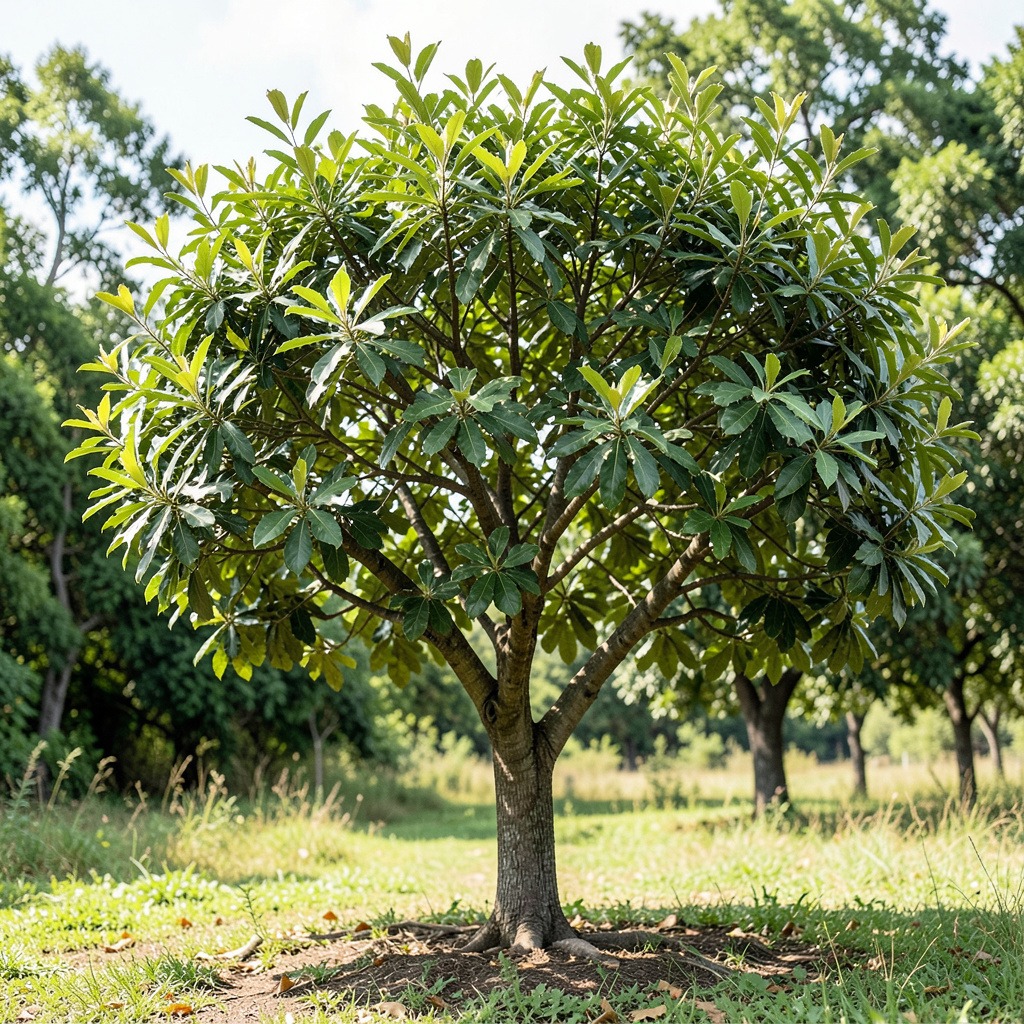
Chinaberry trees (Melia azedarach) offer several advantages for gardeners looking to enhance their landscapes. Their rapid growth and aesthetic appeal make them a popular choice, but they also come with practical uses.
Fast Growth and Shade
One of the most significant benefits of chinaberry trees is their fast growth rate. They can grow up to two feet per year, quickly reaching heights of 30 to 50 feet. This rapid development provides immediate shade, making them ideal for homeowners seeking relief from the sun in a short timeframe.
- Shade Coverage: A mature chinaberry tree can cover a large area, providing a cool retreat in gardens or yards.
- Quick Privacy: Their dense foliage offers privacy for homes, creating a natural barrier from neighbors.
Ornamental Value
Chinaberry trees are not just functional; they are also visually appealing. Their pinkish-purple flowers bloom in spring, adding color and fragrance to any landscape. The golden berries that follow are visually interesting, attracting birds and other wildlife.
- Seasonal Interest: The tree provides aesthetic value through different seasons—from vibrant flowers in spring to colorful berries in late summer.
- Wildlife Habitat: The flowers attract pollinators, while the berries serve as food for birds, enhancing local biodiversity.
Uses in Traditional Craft and Medicine
Historically, chinaberry trees have found various uses across cultures. Their wood, though not highly regarded for durability, has been used in traditional crafts and furniture making.
- Craftsmanship: The wood can be carved into decorative items, although its brittleness limits its applications.
- Pest Control: Some cultures have utilized chinaberry leaves in natural pest deterrents due to their toxic properties, effectively managing pests without chemicals.
Decision Framework for Planting Chinaberry Trees
When considering a chinaberry tree for your landscape, weigh the following factors:
- Growth Rate: Ideal for quick shade but requires monitoring for invasiveness.
- Aesthetic Appeal: Choose chinaberry for its ornamental flowers and fruit.
- Cultural Significance: Consider the traditional uses that may add value to your planting.
By understanding these benefits, gardeners can make informed decisions about incorporating chinaberry trees into their landscapes.
Cons and Challenges of Chinaberry Trees
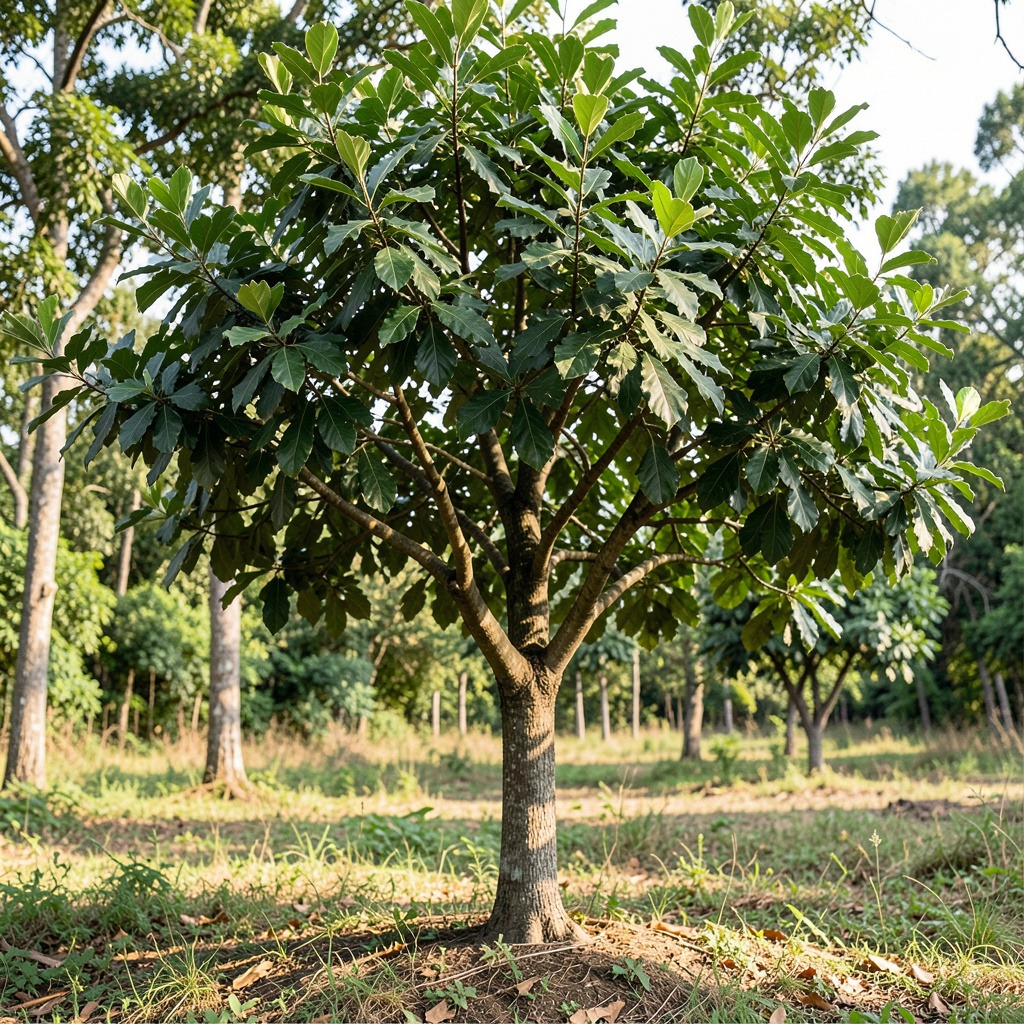
Chinaberry trees present several challenges, primarily due to their invasive nature and toxicity. Understanding these drawbacks is crucial for any gardener considering this species.
Invasiveness and Environmental Concerns
Chinaberry trees (Melia azedarach) can rapidly spread, outcompeting native flora. Their berries contain numerous seeds that germinate quickly, leading to unwanted saplings throughout your yard. In regions like the southern United States, chinaberries are classified as invasive. They can form dense thickets, obstructing sunlight from reaching other plants.
- Rapid Growth: Chinaberries thrive in various conditions, spreading aggressively.
- Impact on Native Species: They can significantly reduce biodiversity by overtaking local plant species.
- Management Difficulty: Once established, they require ongoing maintenance to control growth.
Toxicity to Pets and Humans
Chinaberry trees contain toxic components that pose health risks to both humans and animals. The berries, bark, leaves, and flowers can be harmful if ingested. Symptoms of poisoning include:
- Diarrhea
- Vomiting
- Abdominal pain
- Severe cases may lead to cardiac failure or death
It is essential to keep children and pets away from these trees. Their toxicity makes chinaberries a poor choice for family-friendly gardens.
Maintenance Issues and Cleanup
Maintaining a chinaberry tree can be labor-intensive. They shed fruit and leaves, creating a mess that requires regular cleanup. Their shallow root system can also cause problems, such as:
- Damage to Infrastructure: Roots may interfere with nearby foundations or clog drains.
- Ongoing Sprouting: Even after removal, chinaberries can resprout from remnants of their root systems, complicating eradication efforts.
Maintenance Checklist:
- Regularly monitor for new saplings.
- Clean up fallen fruit to prevent mess.
- Consider professional help for removal of mature trees.
By evaluating these cons, gardeners can make more informed decisions about whether to include chinaberry trees in their landscapes.
When and How to Plant Chinaberry Trees
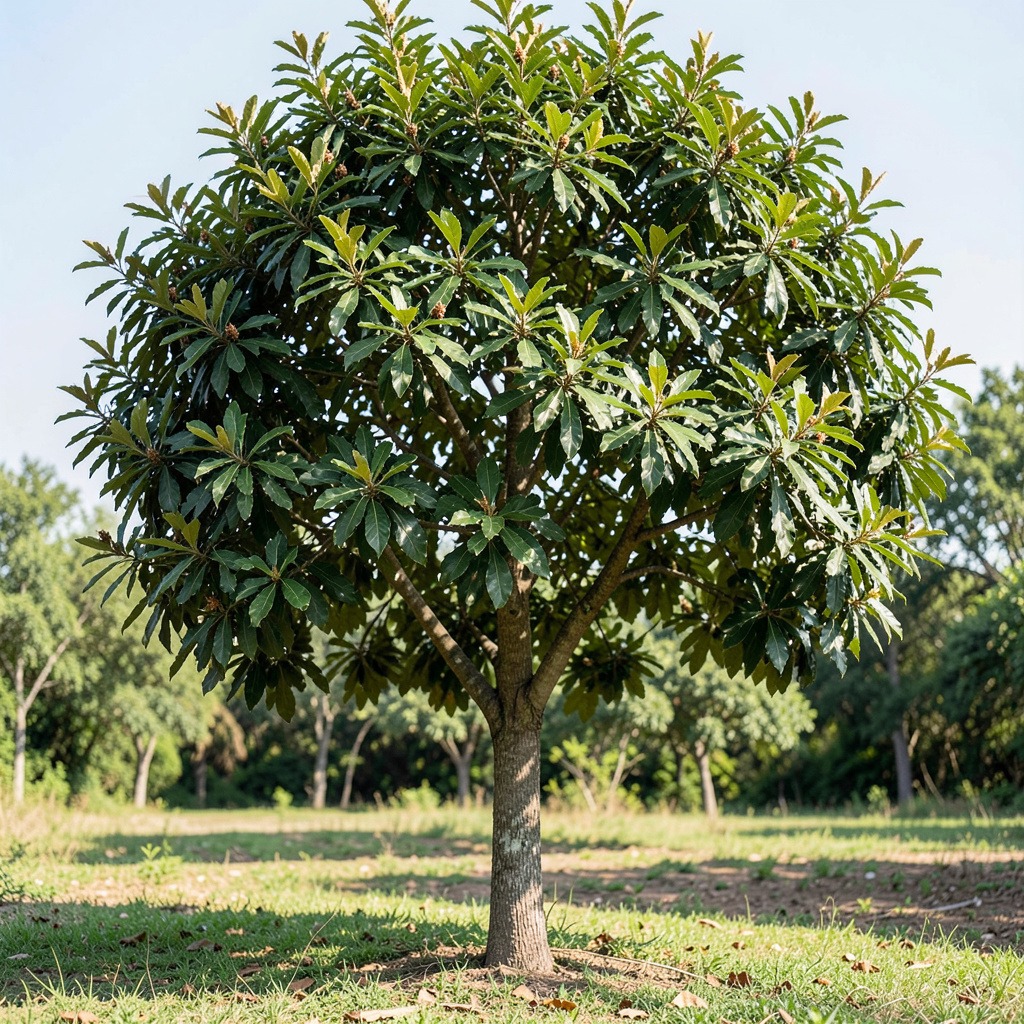
Planting chinaberry trees (Melia azedarach) requires specific conditions for optimal growth. Understanding the ideal environment and maintenance practices ensures these trees thrive while minimizing potential drawbacks.
Ideal Planting Conditions
Chinaberry trees prefer warm climates and well-drained soil. Here are key factors to consider:
- Sunlight: Full sun exposure is crucial. Aim for at least six hours of direct sunlight daily.
- Soil Type: Well-draining soil is essential. Sandy or loamy soils are ideal, as they prevent waterlogging, which can harm the roots.
- Space: Ensure adequate spacing from other plants and structures. Mature chinaberry trees can grow wide, requiring room for their expansive canopy.
Maintenance Tips for Healthy Growth
Regular maintenance is vital for keeping chinaberry trees healthy. Follow these practical tips:
- Watering: Young trees need consistent moisture. Water deeply, especially during dry spells, but avoid overwatering.
- Pruning: Prune annually to maintain shape and remove any dead or diseased branches. This encourages healthy growth and minimizes risk from wind damage.
- Fertilization: Apply a balanced fertilizer in early spring to promote robust growth. Follow package instructions for application rates.
Seasonal Care Checklist
| Season | Tasks |
|---|---|
| Spring | Fertilize and prune for shape. |
| Summer | Monitor for pests and water as needed. |
| Fall | Clean up fallen leaves and berries. |
| Winter | Inspect for damage and prepare for frost. |
Removal Techniques if Necessary
If chinaberry trees become problematic, removal may be necessary. Use these techniques:
- Manual Removal: For smaller trees, dig out the root system completely. This prevents resprouting.
- Chemical Treatment: Apply herbicides to stumps after cutting for more substantial trees. Ensure use according to local regulations.
- Professional Help: For large trees, consider hiring professionals to manage removal safely. They have the tools and expertise to handle mature chinaberry trees effectively.
By implementing these planting and maintenance strategies, gardeners can enjoy the benefits of chinaberry trees while minimizing their inherent risks.
Alternatives to Chinaberry Trees
When considering alternatives to the chinaberry tree, it’s essential to evaluate non-invasive options that can provide similar aesthetic benefits without the risks associated with toxicity and invasiveness. Below are viable alternatives that maintain the beauty and functionality of landscaping.
Similar Aesthetic Trees
Here are a few trees that can offer a similar visual appeal without the drawbacks of the chinaberry:
| Tree Type | Pros | Cons |
|---|---|---|
| Eastern Redbud | Beautiful pink flowers in spring, low maintenance | Limited shade compared to chinaberry |
| Flowering Dogwood | Stunning flowers, attracts wildlife | Sensitive to certain pests and diseases |
| Golden Rain Tree | Bright yellow flowers, good shade provider | Can drop large seed pods |
Non-Toxic Alternatives
Choosing non-toxic trees is crucial, especially if children or pets are present. Here are some safe options:
| Tree Type | Toxicity Level | Notable Features |
|---|---|---|
| Serviceberry | Non-Toxic | Edible berries, attractive foliage |
| Red Maple | Non-Toxic | Vibrant fall colors, adaptable to many soils |
| Sugar Maple | Non-Toxic | Beautiful canopy, produces syrup |
Low-Maintenance Tree Options
For those seeking low-maintenance trees, consider these options that thrive with minimal care:
| Tree Type | Maintenance Level | Additional Benefits |
|---|---|---|
| Crepe Myrtle | Low | Long blooming period, drought-tolerant |
| Norway Maple | Low | Fast growth, excellent shade |
| Black Locust | Low | Fixes nitrogen in the soil, fragrant flowers |
Decision Framework for Choosing Alternatives
When selecting a tree, consider the following criteria:
1. Aesthetic Needs: What visual qualities do you want?
2. Space Considerations: How much room do you have for growth?
3. Maintenance Level: How much time can you devote to care?
4. Environmental Impact: Will it affect local ecosystems positively or negatively?
For example, if you desire a tree that provides ample shade and requires minimal care, the crepe myrtle may be an ideal choice. Alternatively, if wildlife attraction is a priority, the serviceberry could be best.
By carefully evaluating these alternatives, gardeners can avoid the challenges posed by chinaberry trees while still enhancing their landscapes effectively.
Frequently Asked Questions
These quick answers cover the most common questions about this topic, including key details, practical tips, and common concerns.
What is the lifespan of a chinaberry tree?
Chinaberry trees typically have a lifespan of about 30 to 50 years. Their fast growth can lead to early maturity, but they may also be susceptible to diseases and pests, which can affect their longevity. Regular maintenance and monitoring can help extend their lifespan.
Are chinaberry trees good to have?
Chinaberry trees can be visually appealing and provide quick shade, making them attractive for landscaping. However, they are also invasive and toxic to pets and humans. Weighing their aesthetic benefits against the potential risks is crucial before deciding to plant one.
Can I burn chinaberry wood?
Chinaberry wood can be burned, but caution is advised. The smoke from burning chinaberry wood may contain toxic compounds that can be harmful if inhaled. It’s best to avoid using it for indoor fires and consider other firewood options for outdoor burning.
Can you eat the berries off of a chinaberry tree?
The berries of the chinaberry tree are not safe to eat. They contain toxic compounds that can cause serious health issues if ingested, including gastrointestinal distress and more severe reactions. It’s best to keep children and pets away from the tree to prevent accidental ingestion.
When is the best time to plant a chinaberry tree?
The ideal time to plant a chinaberry tree is in the spring or early fall. This timing allows the tree to establish its roots before the heat of summer or the cold of winter. Ensure that the planting site has well-drained soil and receives plenty of sunlight for optimal growth.
What are common problems with chinaberry trees?
Common issues with chinaberry trees include their invasive growth and toxicity. They can spread rapidly, outcompeting native plants and creating dense thickets. Additionally, their berries and leaves are toxic, posing risks to pets and children, which necessitates careful management.
How does chinaberry compare to other ornamental trees?
Chinaberry trees are known for their rapid growth and beautiful flowers, but they are also invasive and toxic. In contrast, many other ornamental trees, like the flowering dogwood or eastern redbud, offer similar aesthetic benefits without the invasiveness or toxicity. Choosing non-invasive alternatives can enhance your landscape without the associated risks.
What are non-invasive tree options to replace chinaberry trees?
If you’re looking for non-invasive alternatives to chinaberry trees, consider options like the serviceberry, flowering dogwood, or sugar maple. These trees provide similar visual appeal, support local wildlife, and pose fewer risks to the environment and human health, making them excellent choices for landscaping.