
Climbing roses include a variety of species and cultivars suited for trellises, arbors, and walls, with care requirements depending on the specific type and growing conditions.
Table of Contents
This article explains how to select the right climbing roses for your garden, covering popular types, essential care tips, and factors to consider to ensure healthy growth and vibrant blooms.
How to Select the Best Climbing Roses for Your Garden
Choosing the right climbing roses involves evaluating several factors including your climate, available space, aesthetic goals, and maintenance capacity. While many varieties offer beautiful blooms and pleasant fragrances, not all are suited for every garden condition. To ensure your climbing roses thrive, consider how they match with your garden’s environment and your personal preferences. Careful selection can lead to a stunning display of flowers that flourish year after year.
1. Understanding different climbing rose varieties
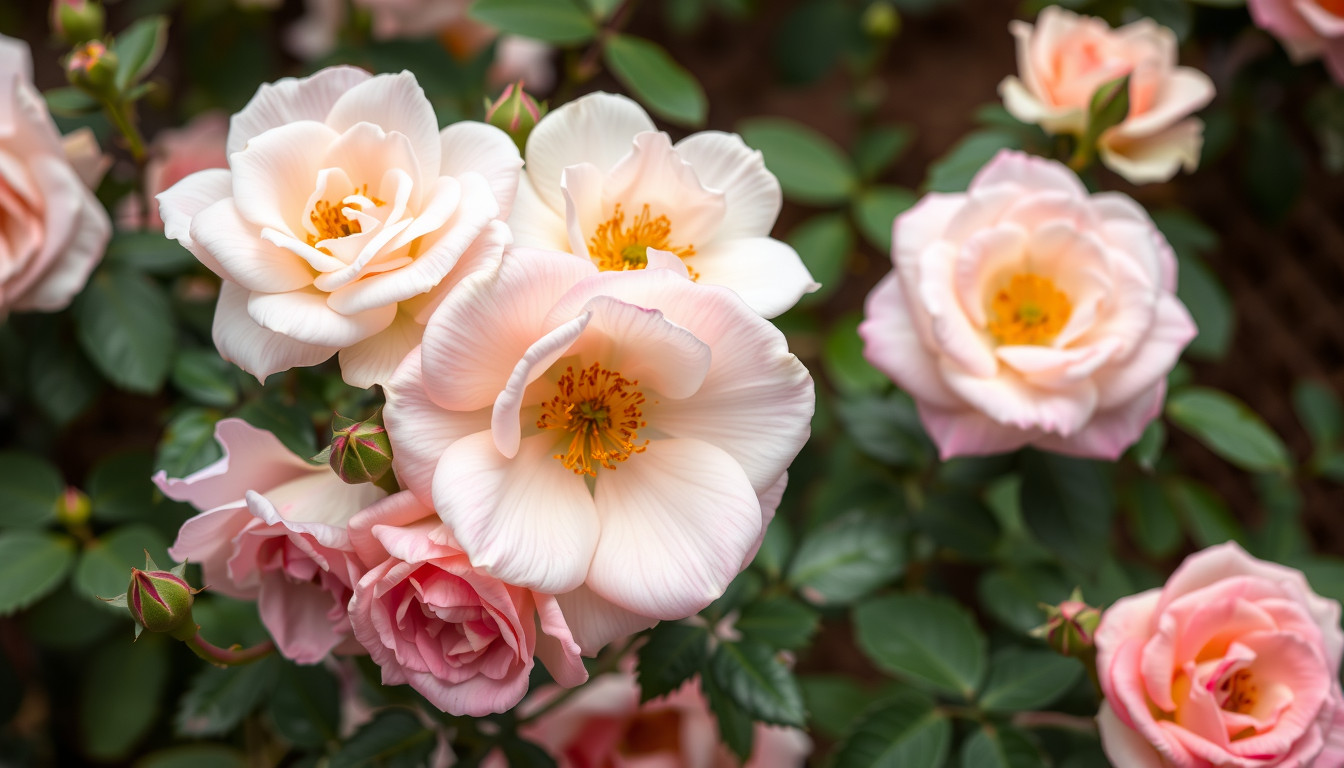
Climbing roses come in various types, each with distinct growth habits and features. Some are remontant, blooming repeatedly during the season, while others bloom once per year. Among top recommended varieties for different needs are the hybrid musks, which tend to be disease resistant and produce abundant, fragrant flowers, and the David Austin’s climbers, prized for their romantic, old-fashioned blooms and repeat flowering. Selecting a variety that matches your aesthetic preference—whether densely petaled or more open—depends on your taste and garden style.
2. Matching roses to garden conditions
Assess your climate, soil type, and space constraints before choosing a variety. For example, if your region experiences humid summers, opt for disease-resistant varieties like ‘New Dawn’ or ‘Zephirine Drouhin,’ which handle mildew and black spot better. If limited space exists, miniature or shrub climbing roses can provide vertical interest without overwhelming the garden. Ensure your chosen variety’s growth speed aligns with your timeline and maintenance willingness; fast-growing climbers like ‘Iceberg’ can quickly cover structures, but may require pruning to manage their size.
Disclosure: As an Amazon Associate I earn from qualifying purchases.
Before choosing your climbing roses, it's helpful to understand your garden's soil conditions. Shop suitable garden soil testing kit on Amazon (affiliate link).
3. Considering bloom characteristics and fragrance
Decide if your priority is a lush visual display or a fragrant garden. Many climbers, such as ‘Cecile Brunner,’ produce highly fragrant blooms, suitable for close-up enjoyment. Bloom size and color also influence aesthetic outcomes; some varieties offer large, single blooms, while others display clusters of smaller flowers. Blooming season is another consideration: early-season bloomers extend your garden’s flowering period, especially if multiple varieties are combined.
4. Evaluating disease resistance and growth habits
Growth habits—such as the tendency to produce long canes or compact forms—affect how you’ll train and support your roses. Disease resistance is critical for reducing maintenance. Varieties like ‘William Baffin’ are noted for their resilience against common rose diseases. Balancing aesthetic appeal with resistance can significantly influence the long-term success and ease of care in your garden, especially if you’d prefer low-maintenance plants that still bring a dramatic, romantic flourish to vertical spaces.
Optimal Growing Conditions for Climbing Roses
Growing healthy and vigorous climbing roses requires providing the right soil, light, and climate conditions. These plants flourish under specific environmental circumstances that support their flowering and durability. Understanding these requirements helps gardeners select suitable locations and manage care effectively, avoiding common problems such as disease susceptibility or poor blooming. While climbing roses are adaptable, they have particular preferences that maximize their growth potential and ensure lush, sustained blooms.
1. Soil type and preparation
Climbing roses prefer well-drained, fertile soil with a balanced pH, typically between 6.0 and 7.0. Soil that retains excessive moisture may lead to root rot and disease, so adding organic matter such as compost improves drainage and enriches nutrients. Preparing the planting site involves loosening the soil to at least 12 inches deep and incorporating compost or well-rotted manure. Regular soil testing can help maintain the ideal pH and nutrient levels, promoting healthy root development and a robust flowering cycle.
Preparing your planting bed with quality amendments can promote vigorous climbing rose development. Shop suitable garden soil amendment products on Amazon (affiliate link).
2. Sunlight and exposure
Full sun exposure is essential for optimal flowering in climbing roses. A minimum of 6 hours of direct sunlight daily ensures that the plants produce abundant blooms and stay healthy. Orienting the planting site to maximize sunlight, especially in the morning and early afternoon, enhances photosynthesis and vigor. While they tolerate some shade, insufficient light can result in fewer flowers and increase the risk of diseases like mildew.
3. Temperature and humidity considerations
Climbing roses grow best in temperate climates with moderate humidity levels. They thrive where winter temperatures do not drop below 0°F (-18°C) and where summers are warm but not excessively humid. Coastal and overly humid regions may pose challenges, such as increased disease susceptibility, especially if proper air circulation and disease control are not maintained. Gardeners in these climates should implement pruning and spacing strategies to improve airflow, reducing the risk of fungal infections.
4. Container vs. ground planting
Choosing between container and ground planting depends on climate and space. Ground planting in the garden offers stability, larger root systems, and easier access to natural soil conditions, provided the site meets soil and sunlight preferences. Container planting offers flexibility in placement and easier control over soil quality and watering but requires regular fertilization and watering to compensate for limited soil volume. Ensure containers have adequate drainage holes and are large enough to accommodate mature root systems, helping climbing roses flourish regardless of location.
Care and Maintenance for Vibrant, Healthy Climbing Roses
Maintaining the health and prolific flowering of climbing roses requires consistent routines that address watering, feeding, pruning, and supporting the plants. Implementing a regular care schedule ensures that these vigorous climbers flourish over the growing season, producing abundant blooms and resisting common diseases. Proper techniques for watering, fertilizing, pruning, and supporting are essential to optimize growth conditions and prevent issues such as fungal infections or leggy, weak canes.
1. Watering schedules and techniques
Climbing roses prefer deep, infrequent watering to develop strong roots and healthy foliage. During the active growing season, aim to water once a week, providing enough moisture to reach the root zone. Use a soaker hose or drip irrigation at the base of the plant to minimize disease risk by avoiding wetting the leaves and flowers. During hot, dry periods, increase the frequency to twice weekly, ensuring soil remains moist but not waterlogged. Mulching around the roots helps retain soil moisture and moderates temperature fluctuations.
2. Fertilizer types and application timing
Feeding climbing roses with a balanced fertilizer promotes continuous flowering and overall vigor. Apply a granular 10-10-10 or similar formula in early spring to support new growth as the plant begins to awaken. Mid-season, when flowering is active, side-dress with a high-potassium fertilizer such as a 0-10-10 to encourage larger blooms. Organic options like composted manure or fish emulsion can also supply essential nutrients and improve soil health. Avoid over-fertilizing, as excessive nitrogen can lead to leafy growth at the expense of flowers and increase disease susceptibility.
Selecting the right fertilizer and applying it correctly can enhance your roses' vitality. Shop suitable organic rose fertilizer on Amazon (affiliate link).
3. Pruning methods and timing
Pruning effectively in late winter or early spring removes dead, diseased, or crossing canes, shaping the plant for better air circulation and flowering. Use sharp shears to cut back canes to outward-facing buds about one-third to one-half their length. This encourages a balanced structure and directs growth outward rather than inward, reducing the risk of fungal infections. Lightly deadhead spent flowers throughout the season to promote reblooming. Severe pruning may be necessary to control size or remove damaged wood, but avoid cutting back into old, woody stems that rarely produce new growth.
4. Supporting structures and training
Climbing roses require sturdy supports, such as trellises, arbors, or fences, placed in a sunny, well-drained location. Train new canes horizontally or diagonally, tying them loosely to the structure with soft ties, to stimulate more lateral shoots and increased bloom production. Regularly check and adjust ties to prevent girdling or damage as the plant grows. Training young canes early in the season helps establish a strong framework that will support the weight of flowers and mature growth. Proper support and training reduce breakage and maintain an attractive, healthful form throughout the season.
Managing Growth Speed, Flowering, and Common Issues
Understanding the growth characteristics and potential problems of climbing roses is essential for achieving vibrant, healthy blooms. Most climbing rose varieties grow at a moderate to fast pace, with some canes extending several feet annually under optimal conditions. Flowering traits vary among cultivars, with some offering long, continuous blooms, while others produce smaller, more frequent flowers. Regular monitoring and appropriate care help manage these factors effectively, ensuring a consistent display of blossoms over the season. Common issues like pests and diseases can impede growth and flowering, making early detection and treatment vital for long-term health. Addressing growth problems, whether caused by environmental stress or improper maintenance, requires targeted pruning, feeding, or environmental adjustments. With attentive care, climbers can renew their vigor annually, maintaining their aesthetic appeal for years.
1. Expected Growth Rate and Flowering Duration
Most climbing roses tend to grow at a moderate to fast rate, often adding 1 to 2 feet of canes per year. This rapid growth can be advantageous for quickly covering structures, but it also demands regular pruning to prevent overgrowth and maintain shape. Flowering duration varies by variety, with some repeating blooms from late spring into fall, while others produce a single flush of large flowers in early summer. Choosing a variety aligned with your desired flowering season helps set realistic expectations.
2. Dealing with Pests and Diseases
Common pests include aphids, which can cluster on new growth, and spider mites, which thrive in dry conditions. Diseases such as black spot, powdery mildew, and rust pose significant threats, especially in humid climates. Regular inspections, proper spacing for air circulation, and routine applications of fungicide or insecticidal soap can control these issues. Removing infected foliage and avoiding overhead watering also reduces disease risk and promotes plant health.
Effective treatments can help keep your climbing roses healthy and abundant. Shop suitable rose pest and disease control spray on Amazon (affiliate link).
3. Overcoming Common Growth Problems
Problems such as sparse flowering or stunted growth often stem from inadequate pruning, poor soil nutrition, or water stress. Pruning dead or weak canes stimulates new growth and flowering. Ensuring the soil is well-drained, rich in organic matter, and consistently moist without being waterlogged supports vigorous development. Fertilizing with a balanced rose fertilizer during the active growing season encourages flowering and overall health.
4. Long-term Health and Renewal Cycles
Climbing roses go through annual cycles of growth, flowering, and dormancy. With proper pruning and fertilization, they can renew their canes each year, preventing old wood from becoming woody and unproductive. Removing older, less vigorous canes encourages the development of new, more floriferous growth. Over time, some varieties may require renewal pruning to sustain flowering and keep the plant healthy, typically performed every 3 to 5 years.
Decision Matrix: Choosing Your Ideal Climbing Rose
Selecting the right climbing rose requires balancing your garden conditions, aesthetic goals, and maintenance preferences. Before making a final decision, evaluate key criteria such as plant characteristics, growth habits, cost implications, and long-term performance to ensure your choice aligns with your landscape’s needs and your personal gardening capacity.
1. Matching Rose Types to Garden Style
| Criteria | Wild, Naturalistic Gardens | Formal, Structured Landscapes | Small Spaces or Container Gardens |
|---|---|---|---|
| Plant selection criteria | Climbing roses with a wild, sprawling growth habit, often fragrant and with abundant blooms. | Compact, well-behaved varieties with upright canes, suited for trained shapes or espalier. | Miniature or dwarf varieties that can be trained on trellises or containers without overwhelming space. |
| Cost considerations | May include more mature plants for rapid coverage, slightly higher initial investment. | Typically less costly, especially for smaller or standard-sized plants, but may require pruning and training supplies. | Affordable options available; dwarf and miniature varieties are generally less expensive. |
| Growth and bloom traits | Rapid growth with long, abundant flowering periods; fragrance varies. | Moderate growth speed; blooms over an extended period, often with a formal appearance. | Slower growth; shorter bloom periods but manageable size for small spaces. |
| Priorities for Garden Style | |||
| Consider how the rose’s growth form, size, and blooming style complement your overall landscape design, ensuring ease of training and maintenance. | |||
| Cost vs. Longevity and Maintenance | |||
| Feature comparison |
|
|
|
| Resilience and Long-term Performance | |||
| Feature comparison |
|
|
|
| Growth Speed and Bloom Period | |||
| Feature comparison |
|
|
|
Careful evaluation of these factors enables gardeners to prioritize features like cost, growth rate, and resilience according to their specific environmental conditions and aesthetic preferences. For example, choosing a disease-resistant, low-maintenance variety may be advisable for a busy household or a less experienced gardener, while quick-growing, fragrant roses may appeal to those seeking immediate visual impact and scent.
Frequently Asked Questions
1. What are the easiest climbing roses for beginners?
Varieties like ‘New Dawn’ and ‘Iceberg’ are known for their hardiness, disease resistance, and straightforward care, making them ideal for beginners.
2. When and how should I prune climbing roses?
Prune in late winter or early spring before new growth begins, removing dead or weak canes and shaping the plant to promote airflow and future flowering.
3. What conditions are best for blooming and growth?
Climbing roses thrive in full sun with well-drained, fertile soil at a balanced pH, and they need moderate humidity and good air circulation to prevent disease.
4. How do I prevent common pests and diseases?
Maintain proper spacing for airflow, regularly inspect for pests like aphids, and apply appropriate organic or chemical treatments promptly to control fungi like black spot and mildew.
5. Can climbing roses grow in containers?
Yes, provided you use large, well-draining containers with adequate support and regularly fertilize and water to compensate for limited root space.
6. How long does it take for climbing roses to establish?
Most climbing roses develop a good framework within 2 to 3 years, with flowering improving each year as they mature and establish roots.
7. Which varieties are most resistant to disease?
Hybrid musks and some shrub climbers like ‘William Baffin’ are among the most resistant, offering fewer problems with common rose diseases.