
Balsam Fir and Fraser Fir are both popular choices for Christmas trees, each offering unique characteristics. Balsam Fir is known for its strong fragrance and soft needles, while Fraser Fir boasts excellent needle retention and a classic conical shape. The choice between the two often comes down to personal preference.
Introduction to Christmas Tree Varieties
Christmas trees are a cherished tradition for many families during the holiday season. Selecting the right tree can enhance the festive atmosphere in homes. Among the various species available, Balsam Fir and Fraser Fir are two of the most sought-after varieties. Their unique features make them favorites among Christmas tree enthusiasts.
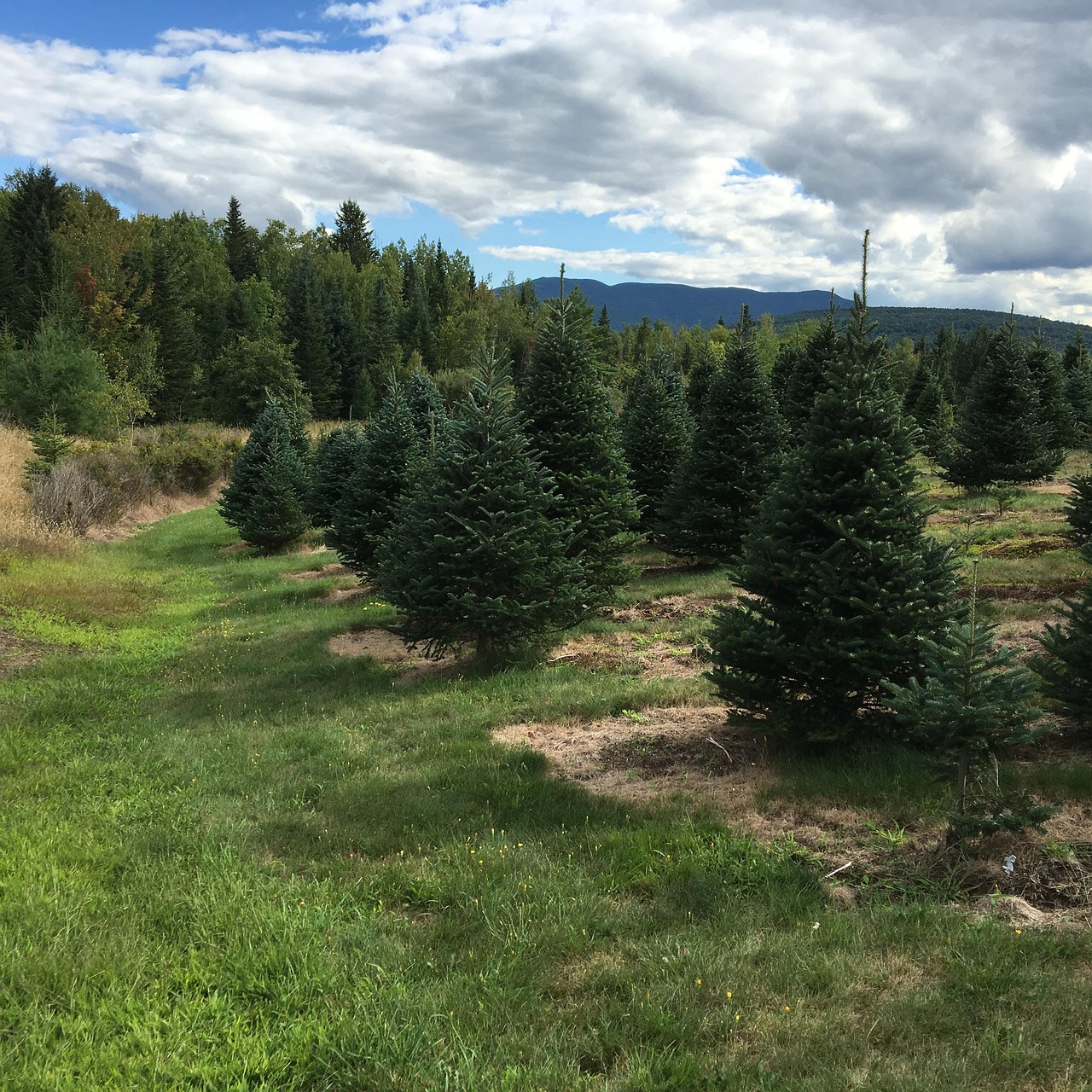
Balsam Fir (Abies balsamea) is native to North America and thrives in cooler, mountainous regions. It is easily recognizable by its dark green needles and pleasant, balsamic scent. Fraser Fir (Abies fraseri), on the other hand, is primarily found in the Southern Appalachian Mountains. It is often praised for its sturdy branches and long-lasting freshness.
Key Features of Balsam Fir and Fraser Fir
When comparing Balsam Fir to Fraser Fir, several key features stand out. These features influence the overall experience of having a Christmas tree. Below is a comparison of their main characteristics:
| Feature | Balsam Fir | Fraser Fir |
|---|---|---|
| Needle Softness | Soft and flexible | Stiff and rigid |
| Fragrance | Strong balsamic scent | Mild, fresh scent |
| Needle Retention | Moderate | Excellent |
| Shape | Conical with a slightly irregular shape | Classic, symmetrical conical shape |
| Branch Strength | Medium strength | Strong, suitable for heavy ornaments |
The softness of Balsam Fir needles makes it a favorite for those who enjoy handling their tree. In contrast, the stiffer needles of Fraser Fir provide better support for heavier decorations. The fragrance of Balsam Fir adds a nostalgic holiday scent, while Fraser Fir offers a more subtle aroma.
Growing Conditions and Availability
Both Balsam Fir and Fraser Fir require specific growing conditions. Balsam Fir prefers cool, moist climates with acidic soils. It can often be found in northern states such as Maine and New York, where it grows in abundance. Fraser Fir thrives at higher elevations, typically found in the Appalachian Mountains and parts of the southeastern United States.
The growing conditions impact their availability during the holiday season. Balsam Firs are often more plentiful in northern markets, while Fraser Firs may be more common in southern regions. Both types are usually harvested in late autumn, just in time for the Christmas season.
Caring for Your Christmas Tree
Regardless of whether you choose a Balsam Fir or a Fraser Fir, proper care is essential to keep your tree fresh throughout the holiday season. Here are some tips:
- Place your tree in a stand that holds water.
- Keep the water level full to prevent drying out.
- Avoid placing your tree near heat sources like radiators or fireplaces.
- Consider using LED lights to reduce heat exposure.
Caring for your Christmas tree not only preserves its beauty but also enhances safety by reducing the risk of fire hazards associated with dry trees. By following these simple steps, families can enjoy their chosen fir for weeks during the festive period.
Personal Preference and Choosing the Right Tree
The decision between Balsam Fir and Fraser Fir ultimately boils down to personal preferences and priorities. Some families cherish the strong scent of Balsam Fir, while others may prioritize the longevity and strength of Fraser Fir branches for hanging ornaments. Understanding these differences helps make an informed decision when selecting the perfect Christmas tree.
Examining the Aesthetic Appeal
When selecting a Christmas tree, aesthetics play a significant role. Balsam Fir and Fraser Fir each possess distinct visual qualities that can enhance holiday decor. Understanding these characteristics can help individuals choose a tree that complements their home.
Balsam Fir Aesthetics
Balsam Fir trees typically have a more natural, rugged appearance. Their needles are dark green and soft to the touch, which gives them a lush, full look. The irregular shape of Balsam Fir can add a rustic charm to holiday decorations.
Fraser Fir Aesthetics
Fraser Fir trees are often valued for their uniform, symmetrical shape. The branches tend to grow in a tiered pattern, creating a classic conical silhouette. This feature makes Fraser Firs ideal for traditional holiday decorations. The silvery undersides of the needles also reflect light beautifully, adding an elegant touch.
Environmental Impact of Choosing a Christmas Tree
Choosing a Christmas tree goes beyond aesthetics and personal preference. It also involves considering the environmental impact of your selection. Both Balsam Fir and Fraser Fir can have different ecological footprints based on their cultivation and harvesting practices.
Benefits of Real Trees
Many people prefer real trees for their sustainability benefits. Here are some reasons why:
- Carbon Footprint: Real trees absorb carbon dioxide, helping to reduce greenhouse gases.
- Renewability: Christmas trees are a renewable resource. They can be replanted after harvesting.
- Habitat: Christmas tree farms can provide habitats for various wildlife species.
Considerations for Balsam Fir and Fraser Fir
When it comes to environmental considerations, both tree types have their pros and cons. Here is a comparison:
| Tree Type | Sustainability Practices | Environmental Impact |
|---|---|---|
| Balsam Fir | Often grown in managed forests with sustainable practices | May involve habitat disruption if not harvested responsibly |
| Fraser Fir | Typically cultivated in controlled environments with minimal pesticides | Lower pesticide use can reduce environmental impact |
Understanding the environmental implications of each type contributes to more informed choices regarding holiday traditions. Opting for sustainably grown trees can minimize negative impacts on the ecosystem.
The Cost Factor: Balsam Fir vs. Fraser Fir
Another important aspect to consider when choosing a Christmas tree is the cost. The price of Balsam Fir and Fraser Fir can vary based on several factors, including size, location, and availability.
On average, here are some cost considerations:
- Balsam Fir tends to be more affordable in northern regions where they are abundant.
- Fraser Fir may be priced higher due to its popularity and demand in southern markets.
- Size significantly affects costs; larger trees generally command higher prices for both types.
Families should also consider additional costs such as transportation, tree stands, and decorations when budgeting for their holiday tree. Comparing prices from local farms can help find the best deals while supporting local businesses.
Cultural Significance of Christmas Trees
The tradition of using Christmas trees is steeped in history and holds various meanings across cultures. Understanding these cultural aspects can deepen appreciation for this festive practice.
Balsam Fir in Tradition
Balsam Fir has strong ties to North American Christmas traditions. Its fragrant scent has been associated with holiday celebrations for generations. Many families have fond memories of selecting and decorating Balsam Firs, making them a sentimental choice.
Fraser Fir in Tradition
The Fraser Fir also carries cultural significance, particularly in the Appalachian region. It is often regarded as the quintessential Christmas tree due to its symmetry and sturdiness, making it ideal for ornament display. Its presence in holiday festivities has become a symbol of celebration and joy.
The cultural roots of both Balsam Fir and Fraser Fir enhance their appeal as Christmas trees, making them more than just decorative items in homes. They are part of cherished traditions that connect families to their heritage and each other during the holiday season.
Decorating Your Christmas Tree
Once you have chosen between Balsam Fir and Fraser Fir, the next step is decorating your tree. The way you adorn your tree can enhance its beauty and create a festive atmosphere in your home. Understanding the best practices for decorating can help make this process enjoyable and memorable.
Choosing Decorations
The choice of decorations can significantly impact the overall look of your Christmas tree. Here are some popular options:
- Ornaments: From glass baubles to handmade crafts, ornaments add personality to your tree.
- Lights: Twinkling lights can create a warm, inviting glow. Consider using colored or white lights based on your preference.
- Garland: Tinsel, ribbon, or beads can be draped around the branches for added texture.
- Tree Topper: A star, angel, or bow can serve as a beautiful focal point at the top of your tree.
Color Themes and Styles
Selecting a color theme can unify the look of your tree. Popular themes include:
- Traditional: Red, green, gold, and silver colors reflect classic holiday hues.
- Winter Wonderland: White, blue, and silver create a frosty, elegant appearance.
- Rustic: Natural elements like burlap, wooden ornaments, and earthy tones lend a cozy feel.
- Modern: Bold colors and geometric shapes can give your tree a trendy twist.
Layering Your Decorations
To achieve a balanced look, consider layering your decorations. Here are steps to follow:
- Start with Lights: Begin by wrapping lights around the tree from the bottom up. Make sure to space them evenly.
- Add Garland: Drape garland in a flowing manner, allowing it to cascade down the branches.
- Hang Ornaments: Place larger ornaments toward the bottom and smaller ones higher up to create depth.
- Finish with a Tree Topper: Secure your chosen topper at the very top for a polished finish.
Storing Your Christmas Tree
After the holiday season ends, proper storage of your Christmas tree is essential for preserving its quality for future use. Here are some tips for both real and artificial trees.
Storing Balsam Fir and Fraser Fir
If you have chosen a live tree like Balsam Fir or Fraser Fir, consider these steps:
- Recycle or Compost: After the holidays, recycle your tree through local programs or compost it for environmental benefits.
- Remove Decorations: Take off all ornaments, lights, and garlands before disposal.
- Keep It Moist: If you plan to keep the tree longer, ensure it stays in water until disposal.
Storing Artificial Trees
If you have an artificial tree, follow these guidelines for effective storage:
- Clean Before Storing: Dust off any decorations and clean the branches to remove debris.
- Use Original Packaging: If possible, store the tree in its original box to minimize damage.
- Avoid Extreme Temperatures: Keep the tree in a cool, dry place away from direct sunlight to prevent fading or deterioration.
The Role of Christmas Trees in Family Traditions
The experience of selecting and decorating a Christmas tree often becomes a cherished family tradition. Many families create lasting memories around this practice, making it an essential part of their holiday celebrations.
Creating Lasting Memories
The process of choosing a Christmas tree can involve family outings to tree farms or local lots. This shared experience often includes:
- Picking the Perfect Tree: Families enjoy browsing through rows of trees, debating which one fits their style.
- Decorating Together: Hanging ornaments and stringing lights become moments of laughter and joy.
- Telling Stories: Each ornament may hold a story or memory, adding sentimental value to the tree.
Cultural Variations in Tree Traditions
Cultural differences can also influence how families celebrate with Christmas trees. In some cultures, specific rituals accompany tree decorating. For instance:
- The Feast of St. Lucia: In Sweden, families celebrate by lighting candles and placing their tree early in December.
- Kwanzaa Celebrations: Some families incorporate trees into Kwanzaa celebrations by using them as symbols of unity and heritage.
- The Burning of the Greens: In parts of Germany, families burn their Christmas trees after the holiday as a symbolic gesture of renewal.
The cultural significance behind these traditions adds depth to the experience of having a Christmas tree in homes around the world. Whether it’s Balsam Fir or Fraser Fir, each tree holds unique meaning for families during this special time of year.
Environmental Considerations in Tree Selection
As the holiday season approaches, many families face the decision of whether to choose a real tree or an artificial one. This choice can have significant environmental implications. Understanding the lifecycle and sustainability of Balsam Fir and Fraser Fir is essential for making an informed decision.
Real Trees: The Sustainable Choice
Balsam Fir and Fraser Fir are both real trees that come with environmental benefits. Here are some points to consider:
- Carbon Sequestration: Real trees absorb carbon dioxide as they grow, helping to mitigate climate change.
- Biodegradable: After the holiday season, real trees can be recycled or composted, returning nutrients to the soil.
- Support Local Economies: Purchasing from local tree farms supports local agriculture and reduces transportation emissions.
Artificial Trees: Long-Term Considerations
While artificial trees may seem convenient, they also come with their own set of environmental concerns:
- Manufacturing Impact: The production of artificial trees often involves the use of non-biodegradable materials and significant energy consumption.
- Longevity: For an artificial tree to be environmentally friendly, it needs to be used for several years to offset its initial environmental impact.
- Disposal Issues: Many artificial trees are not recyclable and can contribute to landfill waste.
As families weigh their options, considering the long-term impact of their choice can lead to more sustainable holiday practices. Opting for a real tree like Balsam Fir or Fraser Fir can often be the more eco-friendly decision when sourced responsibly.
Health Considerations for Indoor Trees
Another aspect worth considering when bringing a Christmas tree into your home is the potential health impacts. Both Balsam Fir and Fraser Fir have unique properties that may affect indoor air quality and the overall environment.
Potential Allergens
Balsam Fir and Fraser Fir are generally hypoallergenic compared to other tree types, making them suitable for many people with allergies. However, certain individuals may still have reactions to tree sap or pollen. Here are some tips to minimize allergens:
- Wash the tree before bringing it indoors to remove dust and pollen.
- Keep the tree well-watered to minimize needle drop, which can contribute to allergens.
- Avoid placing the tree near heating vents that could dry it out quickly.
Aromatherapy Benefits
The scent of Balsam Fir is often described as refreshing and invigorating. Many people find that the aroma of a fresh Christmas tree can enhance their mood during the holiday season. The natural oils in both Balsam Fir and Fraser Fir may have therapeutic effects that contribute to a calming atmosphere.
Final Thoughts
Choosing between Balsam Fir and Fraser Fir for your Christmas tree involves various factors, including aesthetics, environmental impact, cultural significance, and personal preferences. Both types of trees offer unique characteristics that can enhance holiday traditions.
Balsam Fir is often favored for its strong fragrance and soft needles, making it a nostalgic choice for many families. On the other hand, Fraser Fir is celebrated for its durability and classic shape, making it ideal for ornament display. Each tree type brings a distinct charm to holiday celebrations, creating lasting memories for generations.
As you approach the holiday season, consider what aspects are most important for your family when selecting a Christmas tree. Whether you prioritize scent, longevity, or environmental impact, understanding these differences will ensure that your choice aligns with your values and traditions.
The joy of decorating a Christmas tree is an experience filled with memories and family bonding. Regardless of whether you choose Balsam Fir or Fraser Fir, both trees symbolize the spirit of the season and provide a beautiful centerpiece for your holiday celebrations.