
Imaginary plant techniques are creative concepts that evoke the wonders of nature through fantasy. They blend imagination with botanical possibilities, allowing us to explore unique and enchanting ways plants might evolve or function. For example, understanding techniques like Crabapple Tree Pruning to Manage Seasonal Tree Growth can inspire new ideas for our imaginary creations.
Understanding Imaginary Plants and Their Techniques
What Are Imaginary Plants?
Imaginary plants are fictional creations that exist in the realms of fantasy, science fiction, and art. I remember the first time I stumbled upon an imaginary plant in a book; it was a vibrant, luminescent flower that bloomed only under the moonlight. These plants can range from the utterly whimsical to the scientifically plausible, often showcasing extraordinary features that defy the laws of nature. They can grow in extreme conditions, have unique colors, and possess abilities that real plants might only dream of.
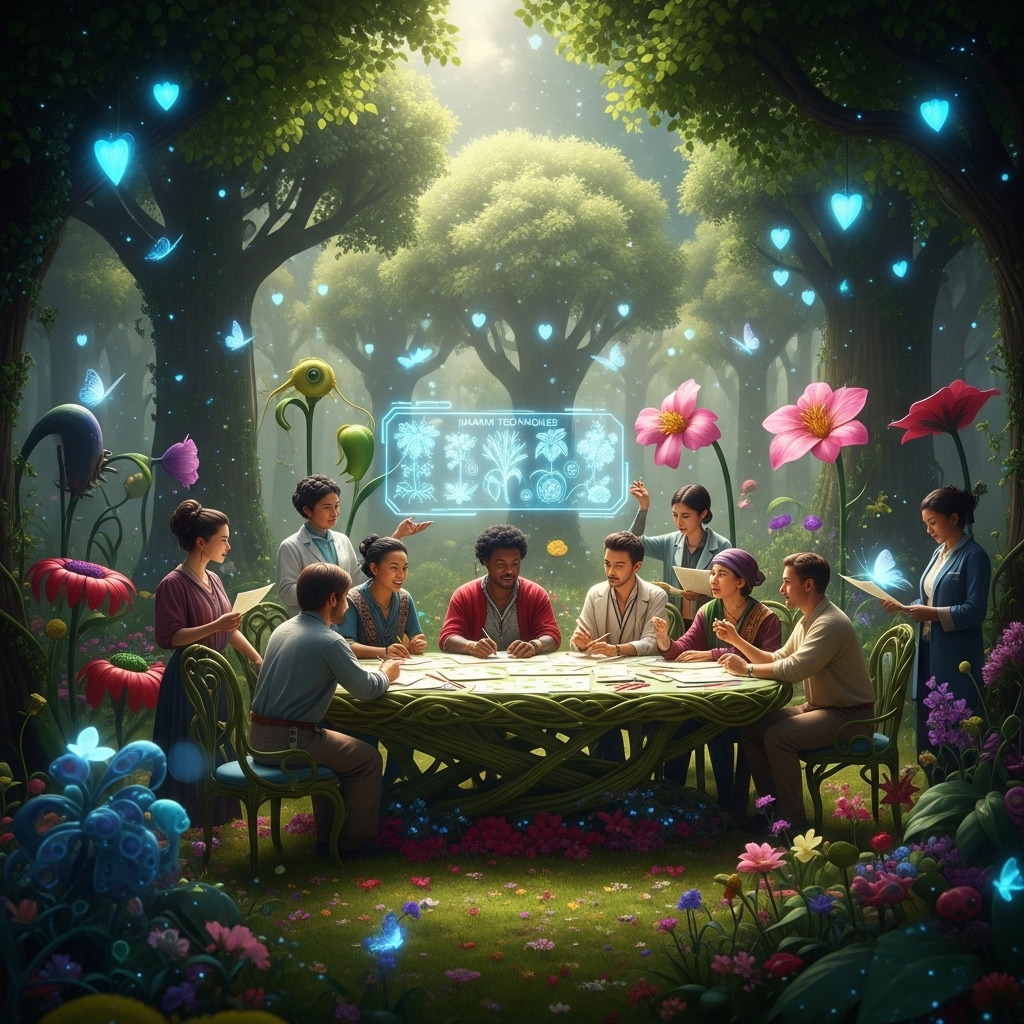
Creating and imagining these plants allows us to tap into our creativity and push the boundaries of what we know about botany. It’s fascinating to think about all the possibilities — like a plant that produces its own light or one that can thrive in complete darkness. This blend of science and fantasy is what makes imaginary plants captivating and enjoyable to explore.
The Role of Creativity in Plant Naming
The names we give to imaginary plants and their techniques are just as important as the plants themselves. I’ve found that a catchy or descriptive name can evoke a sense of wonder and curiosity. When I think of names like “Twilight Blossom” or “Whispering Fern,” I can’t help but imagine what these plants might look like and how they might behave. Naming is an art form in itself, and it plays a critical role in how we perceive these fictional creations.
The process of naming often involves a mix of linguistic creativity and an understanding of the plant’s features. For instance, a plant that changes color with the seasons might be called “Chameleon Petal,” while one that emits a soothing fragrance could be named “Serenity Bloom.” I believe that the more imaginative and descriptive the names, the more they enhance the experience of the imaginary world they inhabit.
Categories of Imaginary Plant Techniques
Magical Growth Techniques
When I think about magical growth techniques, I envision plants that can sprout in moments or grow to extraordinary heights overnight. Imagine a plant that absorbs sunlight and, with a little sprinkle of rain, can expand its leaves in real-time, creating a lush canopy. These techniques tap into the idea of accelerated growth, often powered by mythical elements or enchanted soil. I’ve always been drawn to the idea of plants that can communicate with their environment, adjusting their growth based on the needs of nearby flora and fauna.
Photosynthesis Enhancements
Photosynthesis is the lifeblood of plants, and in the realm of imagination, this process can be enhanced in remarkable ways. Picture a plant that can harness the energy of starlight instead of sunlight. I remember reading about a fictional species that could photosynthesize during the night, glowing softly as it absorbed the moon’s rays. This enhancement opens a world of possibilities where plants could thrive in extreme conditions, like the dark depths of a cave or the cold expanse of outer space.
Unique Pollination Methods
Pollination is such a vital part of plant reproduction, and I find it intriguing to imagine how imaginary plants might evolve unique ways to achieve this. Think about a plant that uses sound to attract pollinators, creating melodic vibrations that resonate through the air. I once came across a concept of a flower that releases pheromones to guide specific insects to its pollen. These creative approaches to pollination can lead to fascinating interactions within the ecosystem of an imaginary world.
Color Transformation Techniques
Imagine a plant that can change its color based on its mood or the surrounding environment. I’ve always been fascinated by the idea of a flower that turns from bright yellow to deep blue when it’s under stress or when the seasons change. These color transformation techniques can serve as a visual cue for other creatures in the ecosystem, signaling changes in weather or the presence of certain pollinators. It’s like a living canvas that reflects the emotions of the natural world.
Environmental Adaptation Strategies
In the wild, plants often adapt to their environments, but in the realm of imagination, these adaptations can reach astonishing levels. Picture a plant that can withstand the harshest desert climates by storing water in its leaves and creating an intricate root system that taps deep underground. I find it incredibly inspiring to think about how these imagined plants might teach us about resilience and adaptability. By creating plants that thrive in extreme conditions, we can explore themes of survival and evolution in our storytelling.
Exploring these categories of imaginary plant techniques opens up a world of creativity and inspiration. It’s exciting to think about how these plants might interact with each other and their environments, creating a rich tapestry of life in fictional settings. Whether it’s through magical growth, unique pollination, or color transformations, each technique adds depth and intrigue to the imaginary plant world.
Creative Names for Imaginary Plant Techniques
Enchanted Blooming
One of my favorite names for an imaginary plant technique is “Enchanted Blooming.” I picture a flower that opens its petals only when it senses pure joy around it. This could be a plant that thrives during celebrations, exuding sweet fragrances that enhance happiness. The idea of a flower blooming in response to positive emotions speaks to the connections we have with nature. It’s like a reminder that joy can be found in the simplest things, and this enchantment adds a layer of magic to the imaginary world.
Whispering Vines
Then there’s “Whispering Vines.” I can almost hear them now—vines that communicate softly with one another, sharing vital information about their surroundings. Imagine a vine that wraps around a tree trunk and gently whispers warnings of impending storms to the other plants nearby. This name evokes an image of a secret network of plants, creating a deep sense of community in the plant kingdom. It reminds me of how connected we all are, even in different ways, and how communication is vital for survival.
Starlight Sprouting
“Starlight Sprouting” is another captivating name that resonates with me. I envision a plant that sprouts only under the light of stars, perhaps requiring a certain alignment of celestial bodies to grow. This technique could represent the idea that timing is everything. I remember feeling a rush of excitement when I thought about how such a plant might look—glistening in the night, drawing energy from the cosmos. It adds an element of wonder, reminding us that nature encompasses mysteries we have yet to uncover.
Twilight Photosynthesis
When I think of “Twilight Photosynthesis,” I imagine plants that harness the unique light of dusk and dawn. These plants might change their color as the sun sets, absorbing the soft hues of twilight to fuel their growth. I find this idea particularly enchanting, as it plays on the idea of transition and the beauty of fleeting moments. It makes me feel that even in the darkness, there’s potential for growth, and that’s a comforting thought in our fast-paced lives.
Frostfire Blossom
The name “Frostfire Blossom” conjures up an image of a plant that can thrive in both cold and hot environments. It might have petals that shimmer like frost in the morning but can also produce a warm glow at night. I love how this name hints at duality, symbolizing balance and adaptability. It reminds me of my own experiences with change and how, like this plant, we can learn to thrive in contrasting situations.
Sunshade Weaving
“Sunshade Weaving” is another fascinating idea. I picture a plant that creates a canopy of leaves, intricately woven together to provide shade for other plants. This technique could be a metaphor for support and collaboration in nature. It makes me think about how we, too, can create spaces for others to thrive, providing comfort and protection in our communities. The name evokes a sense of togetherness that resonates deeply with me.
Echoing Roots
Another compelling name is “Echoing Roots.” I imagine a system of roots that not only anchors the plant but also sends out vibrations, communicating with other plants nearby. I find this idea mesmerizing, symbolizing how interconnected life is, even beneath the surface. It’s a reminder that our actions can have ripple effects, and how we are all part of a larger ecosystem, both in nature and in life.
Dreamweaver Pollination
Lastly, “Dreamweaver Pollination” stands out to me. I envision a technique where plants attract pollinators through vivid dreams or visions. For instance, a flower could emit beautiful scents that inspire dreams in visiting insects, guiding them to the pollen. This imaginative approach to pollination takes the concept of attraction to a whole new level. It makes me think about how our dreams and aspirations can lead us to new opportunities, just like these plants rely on their own unique methods to thrive.
How to Create Your Own Imaginary Plant Technique Names
Combining Elements of Nature
Creating names for imaginary plant techniques can be an exciting journey. One approach I’ve found helpful is combining elements of nature. By mixing different aspects like colors, textures, and behaviors, you can create names that feel rich and evocative. For example, if you take “Luminous” and combine it with “Fern,” you get “Luminous Fern,” which instantly paints a picture of a glowing, magical plant. I think that blending real features with a dash of imagination can lead to some incredibly enchanting names.
Using Descriptive Language
Descriptive language is another powerful tool in the naming process. The more vivid and specific the words you choose, the more your audience can visualize the plant. I love using adjectives that evoke emotions or sensory experiences. For instance, instead of just calling a plant “Blue Bloom,” you might call it “Azure Whisper,” which creates a sense of tranquility and softness. The right descriptors can transport us to the world of the plant, making it feel tangible and real.
Incorporating Fantasy Elements
Finally, don’t shy away from incorporating fantasy elements into your names. Think about mythical creatures, celestial bodies, or magical phenomena. For me, adding these layers of fantasy makes a name feel alive and full of potential. A plant technique called “Celestial Rooting” might suggest roots that reach out to the stars, while “Mystic Fronds” could evoke images of leaves that shimmer with hidden secrets. I believe that the more imaginative we get, the more we can inspire wonder and curiosity.
Examples of Imaginary Plant Techniques in Fiction
Fantasy Novels
Fantasy novels have a treasure trove of imaginary plants that spark our imagination and transport us to worlds far beyond our own. I recall reading a series where a plant called the “Moonshade Bloom” only blossomed under the full moon, casting a silvery glow across the landscape. The author described how this plant not only provided light but also had the ability to heal wounds. That idea stuck with me — a plant that could bring both beauty and healing to its surroundings. It’s fascinating how these fictional plants often reflect deeper themes in the stories, like hope, resilience, and the interconnectedness of life.
Another memorable plant from a fantasy novel is the “Evergrowth Tree.” This tree was said to grow an endless supply of fruit, each representing a different season. I found it compelling how the tree symbolized the cycle of life and nature’s generosity. These unique features not only enhance the storytelling but also expand our understanding of what plants can represent in our lives. It’s incredible to see how authors weave these creations into their narratives, making them integral to the plot and the characters’ journeys.
Video Games
In the realm of video games, imaginary plants often serve as vital components of gameplay, enhancing not just the aesthetics but also the mechanics. I’ve played games where players could cultivate “Sunflare Vines” that produced energy to power their bases. The thrill of nurturing these plants and watching them flourish fueled my creative spirit. The idea that a plant could provide energy and resources made me think about the potential of plants in real life; they truly are powerhouses of life!
Another example is the “Echo Plant” from a sci-fi game, which would respond to sound waves in the environment, adapting its growth patterns based on the sounds it detected. This concept of interaction between plants and their surroundings resonated with me. It highlights our own relationship with nature — how we can influence and be influenced by the environment around us. These plants enhance gameplay while reminding us of the importance of observation and interaction in nature.
Tabletop RPGs
Tabletop role-playing games (RPGs) also feature imaginative plants that contribute to world-building and adventure. I remember a campaign where players encountered the “Dreamsnare Bloom,” a plant that released spores causing vivid dreams to those who slept nearby. This plant added a layer of mystery and intrigue to the game, as players needed to navigate the effects of their dreams on their characters’ abilities and decisions. It sparked interesting discussions about how dreams can influence our actions and perceptions in the real world.
In another tabletop RPG, the “Wispwood Tree” was a central element. This tree emitted a soft light that guided lost travelers home while also providing shelter. The idea of a plant that serves as a protector and guide is something I find quite touching. It reminds us of how nature can play a nurturing role in our lives, echoing themes of support and safety within our communities.
Imaginary Plant Techniques and Their Cultural Significance
Folklore and Mythology
Imaginary plants often have deep roots in folklore and mythology, serving as symbols of cultural beliefs and values. I think about how stories of the “Wishing Tree” are prevalent in various cultures, where people believe that hanging a wish on its branches will lead to its fulfillment. This connection to nature reflects our desire for hope and the longing for transformation. It’s interesting to see how different cultures interpret the role of plants, attributing them with magical properties or spiritual significance.
In many myths, plants are often portrayed as guardians of the earth. For instance, the “Tree of Life” is a common motif representing interconnectedness and the cyclical nature of existence. I’ve always been captivated by how these mythical plants embody the values and beliefs of a society, serving as a bridge between the natural world and our understanding of life’s mysteries.
Modern Fantasy and Sci-Fi Impact
In modern fantasy and science fiction, imaginary plants continue to evolve, reflecting contemporary themes and concerns. For example, the “Synthetic Flora” found in dystopian narratives often represents humanity’s attempts to manipulate nature. I remember reading about a series where scientists created plants designed to absorb pollutants, highlighting our ongoing battle with environmental issues. This concept resonates with me, as it showcases both the potential and the ethical dilemmas of playing god with nature.
Imaginary plants in these genres often serve as metaphors for change, resilience, and innovation. They challenge our perceptions of what is possible and encourage us to think critically about our relationship with the environment. As we explore these fictional worlds, I can’t help but feel inspired to reflect on our responsibilities towards the natural world and the importance of nurturing what we have. The impact of these plants extends beyond fiction; they serve as a commentary on our real-world challenges and aspirations.
Frequently Asked Questions
What are imaginary plants?
Imaginary plants are fictional creations that exist in the realms of fantasy, science fiction, and art. They can showcase extraordinary features that defy the laws of nature, such as growing in extreme conditions or possessing unique colors and abilities.
How do names enhance the experience of imaginary plants?
Catchy or descriptive names evoke a sense of wonder and curiosity, enhancing the experience of the imaginary world. Names like “Twilight Blossom” or “Whispering Fern” can inspire vivid imagery and deeper connections to the plants’ features and behaviors.
What are magical growth techniques?
Magical growth techniques refer to the concept of plants that can sprout quickly or grow to extraordinary heights. These techniques often involve mythical elements or enchanted soil, allowing plants to communicate with their environment and adjust their growth accordingly.
How can photosynthesis be enhanced in imaginary plants?
Imaginary plants can have enhanced photosynthesis processes, such as harnessing starlight instead of sunlight or being able to photosynthesize during the night, thereby thriving in extreme conditions like darkness or cold environments.
What unique methods of pollination might imaginary plants use?
Imaginary plants might evolve unique ways of pollination, such as using sound to attract pollinators or releasing pheromones to guide specific insects to their pollen, creating fascinating interactions within their ecosystems.
What are color transformation techniques in imaginary plants?
Color transformation techniques involve plants that can change their color based on their mood or surrounding environment. These changes can serve as visual cues for other creatures, signaling weather changes or the presence of pollinators.
How do imaginary plants adapt to their environments?
Imaginary plants can exhibit astonishing levels of environmental adaptation, such as withstanding harsh climates by storing water or developing intricate root systems. These adaptations allow them to thrive in extreme conditions and explore themes of resilience and survival.
What is an example of a creative name for an imaginary plant technique?
An example of a creative name is “Enchanted Blooming,” which refers to a flower that opens its petals in response to pure joy around it. This concept highlights the connections between emotions and nature.
How do imaginary plants feature in modern fantasy and science fiction?
In modern fantasy and science fiction, imaginary plants often reflect contemporary themes, such as the manipulation of nature or environmental issues. They serve as metaphors for change, resilience, and innovation, challenging perceptions of reality.
What role do imaginary plants play in folklore and mythology?
Imaginary plants often symbolize cultural beliefs and values in folklore and mythology, such as the “Wishing Tree,” which represents hope and transformation. They serve as a bridge between the natural world and our understanding of life’s mysteries.
Read Interesting article: Orchid Care After Blooms Fall Off – What to Do? (Solution)
Read Interesting article: Oven-Baked Tin Foil Packet Nachos