
Creeping roses are low-growing, spreading varieties ideal for ground cover, edges, or hanging baskets. They offer dense floral display while requiring minimal support and maintenance.
This article introduces various creeping rose types, highlighting their growth habits and best garden applications, helping gardeners choose the right variety for their space and aesthetic goals.
Climbing Rose Varieties for Fast Growth and Abundant Blooms
Choosing the right climbing rose variety can provide rapid coverage and vibrant flowers, transforming fences, walls, or arbors into eye-catching displays. Several varieties excel at quick growth and continuous flowering, making them popular choices for gardeners aiming for immediate visual impact.
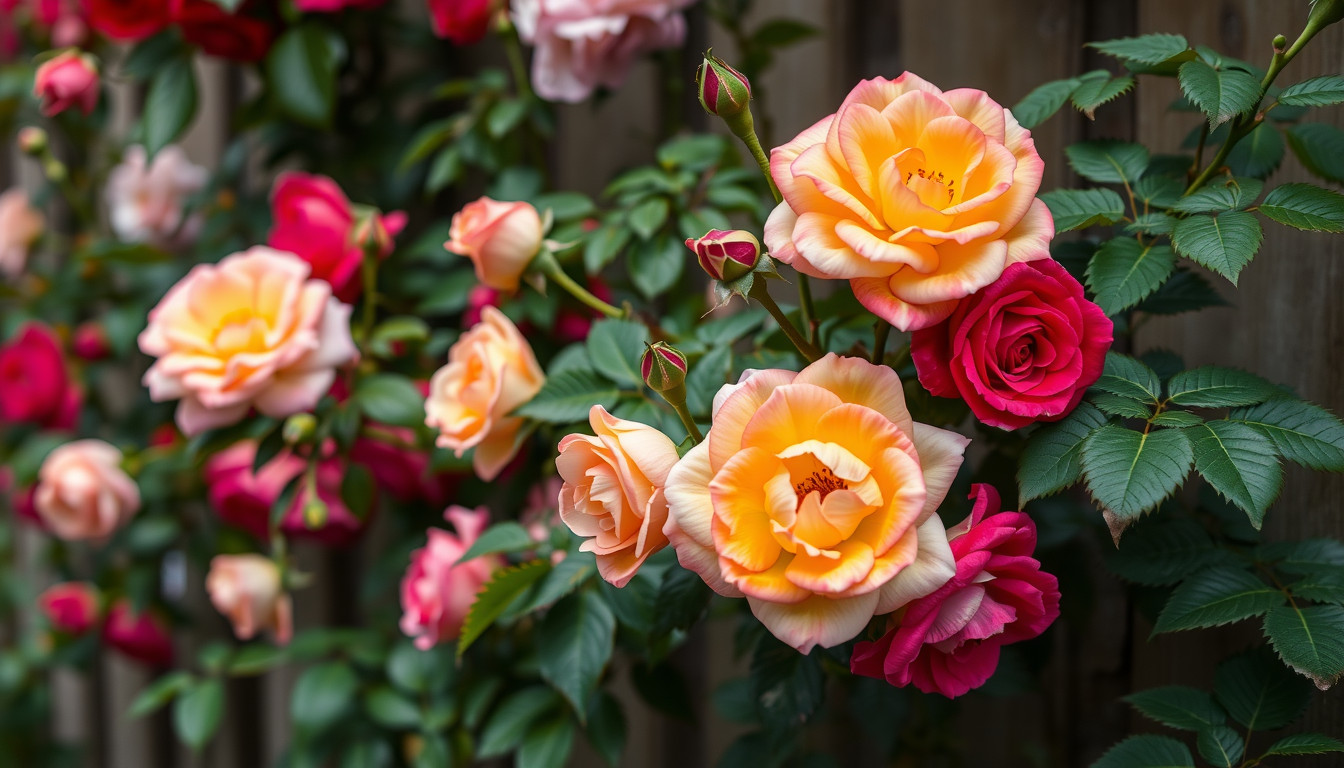
1. Floribunda Climbing Roses
Floribunda climbing roses are prized for their prolific, continuous blooms that appear throughout the growing season. They are especially well-suited for covering large vertical surfaces like fences and walls, often flowering repeatedly from early summer into fall. These roses tend to be more vigorous, with some varieties capable of reaching several meters in height if given appropriate support. Their vibrant color palette and extended flowering period make them ideal for gardeners seeking both immediate and sustained visual appeal.
Disclosure: As an Amazon Associate I earn from qualifying purchases.
If you're interested in establishing your garden quickly, selecting the right climbing roses can make a significant difference. Shop suitable garden climbing roses plants on Amazon (affiliate link).
One key advantage of floribunda climbing roses is their relatively manageable maintenance compared to more delicate varieties. They typically require regular pruning to maintain shape and prevent overgrowth. However, their rapid growth can sometimes demand more frequent watering and fertilizing, especially during hot seasons. Gardeners should also consider their climate adaptability; while many bloom well in temperate zones, some may struggle in regions with high humidity or extreme cold. Nevertheless, for those aiming for quick, abundant blooms with minimal fuss, floribunda climbing roses offer an excellent option—provided they are given ongoing care to support their vigorous growth.
Table of Contents
David Austin Climbing Roses for Classic Charm
These roses are prized for their romantic appearance and fragrant blooms, making them ideal for creating focal points on garden structures or enhancing a romantic garden setting. Their growth habits as creeping roses allow them to elegantly cover trellises, walls, or fences while offering lush blooms and sweet scents.
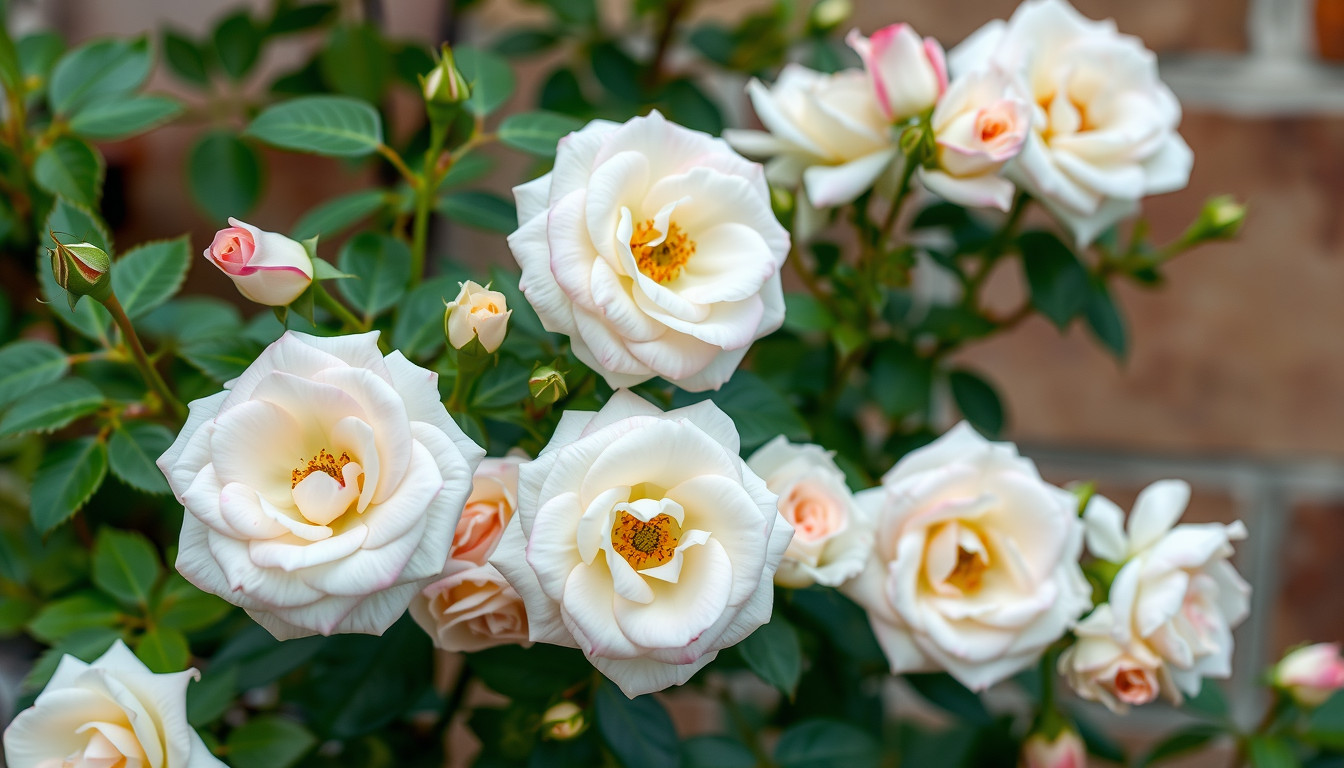
1. White & Cream Climbing Roses
Among the most sought-after variants are the white and cream climbing roses from David Austin. These varieties exude elegance and timeless beauty, often cherished in historic or classic garden designs. Their blooms typically carry a strong, calming fragrance, enhancing the sensory appeal of vertical structures and garden niches.
| Growth Habit | Care Needs | Best Uses | Fragrance | Limitations |
|---|---|---|---|---|
| Creeping and climbing, can reach up to 15-20 feet | Requires full sun, regular pruning, and moderate watering | Ideal for arbors, trellises, and garden walls to add romance and elegance | Intensely fragrant, with notes of old rose and subtle spice | Growth can be vigorous, necessitating consistent maintenance to control overgrowth |
| Flexible, adapts well to various structures | Prefers well-drained soil, benefits from fertilization during active growth | Suitable for vertical accents in both formal and informal gardens | Strong, old-fashioned rose scent that enhances garden ambiance | Climbing habit may require training for shape and coverage |
| Medium to fast growth rate | Prune after flowering to maintain shape and encourage new growth | Excellent for adding historical charm to traditional settings | Delicately sweet and rich aroma | May need winter protection in colder zones |
Rambling Roses for Large-Scale Coverage
Ideal for draping over fences, pergolas, or creating sweeping visual effects, rambling roses are vigorous growers that quickly cover large areas. Their large, spreading habit allows them to fill expansive spaces with color and fragrance, making them a popular choice for landscape designers seeking dramatic boundaries or architectural accents.
1. Large-flowered Rambling Roses
These varieties are distinguished by their expansive blooms, which are fewer in number but significantly larger than those of typical climbing roses. They tend to grow very wide and tall, often requiring support structures to manage their sprawling growth. Their intense fragrance, often reminiscent of old roses with subtle spicy notes, adds a further layer of appeal.
Care-wise, large-flowered rambling roses thrive in well-drained soil and appreciate regular fertilization during their peak growth to support their vigorous spread. They need consistent training and pruning after flowering to maintain shape and prevent overgrowth. Though generally hardy, colder zones may necessitate winter protection to prevent damage.
While they offer substantial coverage, their size and less frequent flowering compared to other roses mean they require dedicated space and maintenance. This makes them suitable for gardeners prepared for extensive care and for those prioritizing visual impact over continuous bloom periods.
Reblooming Climbing Roses for Continuous Color
For gardeners seeking a steady display of blooms, reblooming climbing roses offer a reliable solution. They are bred to flower multiple times throughout the growing season, transforming vertical spaces into vibrant, ever-changing backdrops.
1. Modern Hybrid Climbing Roses
This category includes cultivars specifically engineered for repeat flowering. These roses maintain their aesthetic appeal from spring to fall and sometimes into early winter, often producing large, fragrant blossoms. Their vigorous growth habits mean they can cover trellises, walls, or arches effectively, making them suitable for larger garden features.
Plantting considerations are straightforward but important: these roses thrive in well-drained soil with a neutral to slightly acidic pH. They should be placed in locations with ample sunlight, ideally receiving at least six hours of direct daily exposure to promote robust blooming. Regular fertilization during active growth supports flowering and overall plant health, while pruning after each bloom cycle encourages new growth and additional flower production.
One limitation is that reblooming hybrid climbing roses tend to require heavier maintenance than once-blooming varieties. They need consistent pruning, feeding, and watering to sustain their flowering cycles. Furthermore, their vigorous growth can sometimes lead to overextension, necessitating training and support structures to prevent damage. Though they offer prolonged visual interest, gardeners must be prepared for the ongoing care these roses demand to keep them healthy and continuously blooming.
Apricot & Orange Climbing Roses for Bright Accents
Apricot and orange climbing roses add cheerful, warm hues that stand out against lush greenery. Their vibrant blooms create eye-catching displays in garden beds, on trellises, or along entryways, making them ideal for gardeners seeking bold color with sensory appeal.
1. Apricot Climbing Roses
These roses feature bright, cheerful blossoms with shades of apricot and peach, offering a contrast that enlivens any garden setting. Their vivid colors evoke warmth and bring a lively, inviting atmosphere to outdoor spaces. The visual impact of apricot climbing roses relies heavily on their large, open blooms that display intricate petal formations and subtle color variations. Their scent is often delicate but adds to the sensory experience of the garden, attracting pollinators like bees and butterflies.
Suitable for garden enthusiasts who prefer striking visual contrasts and a splash of warm color, apricot climbing roses work well on garden arches, walls, or fences. They thrive best in full sun with well-drained soil, where their vigorous growth requires regular pruning to maintain shape and health. A useful detail to consider is that many apricot varieties bloom repeatedly through the season, providing prolonged splashes of color. However, their intense coloration might overshadow more delicate flower combinations if not balanced with other plantings, making thoughtful placement essential.
Pink Climbing Roses for Romantic Landscaping
Pink climbing roses are a popular choice for creating soft, romantic garden retreats. Their delicate hues and fragrant blooms add charm and elegance to vertical structures and privacy screens.
1. Soft Pink Climbing Roses
These roses are among the most common varieties used for decorative accents, often seen draping over arbors, fences, or pergolas. They tend to produce abundant flowers in shades of pale pink to deeper rose, contributing a gentle, romantic atmosphere. Many of these varieties are also fragrant, adding a sensory layer to their visual appeal.
Soft pink climbing roses suit gardeners seeking a traditional, cottage-like look or those who wish to enhance a gazebo, pathway, or wall with a tender burst of color. They generally prefer full sun and well-drained soil, thriving with regular pruning to promote healthy growth and flowering. A useful detail is that most varieties bloom repeatedly throughout the season, providing a continuous display of soft florals. However, their light coloration can make them more prone to visible pests or disease issues, requiring attentive care to maintain their delicate appearance.
White & Cream Climbing Roses for Elegant, Clean Looks
White and cream climbing roses are ideal for creating sophisticated, minimalist gardens or enhancing formal landscapes. Their growth habit involves long, flexible canes that tend to sprawl and intertwine, allowing them to cover structures like walls, arbors, or trellises with dense, delicate blooms.
1. White Climbing Roses
These roses are prized for their versatility and timeless elegance. They blend seamlessly with other garden plants, providing a neutral backdrop that accentuates colorful flowers or rich foliage. White climbing roses typically grow vigorously, often reaching several meters in length, and require sturdy support to manage their sprawling habit.
Many varieties bloom repeatedly throughout the season, delivering a continuous display of pure, unblemished white flowers. This trait makes them especially suitable for gardeners seeking persistent visual interest. It’s worth noting that their pale coloration makes them slightly more vulnerable to pests or diseases, necessitating attentive care and regular pruning to maintain their refined appearance.
Yellow Climbing Roses for Bright Garden Highlights
Yellow climbing roses add cheerful focal points to garden beds, providing vibrant color and a lively atmosphere. Their nature as creeping roses makes them versatile for various garden designs, offering both visual interest and a fragrant display.
1. Bright Yellow Climbing Roses
These roses are prized for their lively coloration that energizes outdoor spaces. Many varieties emit a fragrant aroma, enhancing the sensory experience of the garden. Their vigorous growth and abundant blooms make them an ideal choice for trellises, fences, or arbors, where their sprawling habit can be accommodated.
In terms of care, yellow climbing roses require regular pruning to manage their sprawling growth and promote continuous flowering. They thrive in full sun and well-drained soil, with consistent watering during the growing season. Proper support structures are essential due to their vigorous, climbing nature, ensuring they stay upright and healthy.
While they offer abundant visual rewards, their bright blooms can attract pests and diseases if not monitored regularly. Adequate air circulation around the plants and routine inspection help maintain their health. Although generally hardy, some varieties might need extra protection in colder climates or during harsh weather.
Decorative Arbors and Pergolas with Climbing Roses
Using climbing roses on garden structures transforms outdoor spaces into romantic, colorful retreats. Selecting the right variety and understanding planting considerations optimize their growth and visual impact.
1. Climbing roses suited for arbors and pergolas
Varieties with vigorous, fast-growing habits are ideal for covering arbors and pergolas quickly. These roses can span large structures, creating a lush, flowering canopy. Popular choices include vigorous climbers that produce abundant blooms, enhancing shade and visual appeal.
Creating a shaded, flowering retreat often starts with selecting the right climbing roses for structures. Shop suitable climbing rose vines for structures on Amazon (affiliate link).
When planting climbing roses for garden structures, ensure they are suited to your climate and the structure’s support system. They require well-drained soil, full sunlight, and regular watering during peak growth. Proper support, such as sturdy trellises or arbors, is essential to accommodate their vigorous upward and outward growth. Routine pruning helps maintain shape and encourages consistent flowering.
One consideration is that highly vigorous varieties, while quick to cover structures, may need more frequent training and support adjustments. Their sprawling nature can sometimes overshadow smaller plants nearby or strain the support system if not managed correctly. Additionally, these roses often attract pests and diseases, necessitating proactive monitoring for health and vigor. Nonetheless, with proper planting, support, and maintenance, climbing roses can provide an enduring, flowering centerpiece for outdoor structures, creating inviting shaded spaces that flourish each season.
Cold-Climate Climbing Rose Choices
For gardens in colder regions, selecting hardy climbing roses ensures reliable blooms and resilient growth despite harsh winters. These varieties are bred to withstand frost and fluctuating temperatures, making them suitable for outdoor spaces that experience significant cold.
1. Hardy Climbing Roses
These roses feature aesthetic qualities such as dense, glossy foliage and abundant, vibrant flowers. Their resistance to frost allows dependable flowering each season, even in chilly climates. Their visual appeal often includes clusters of blooms that add color and texture to fences, arbors, and other structures. The sensory experience is enriched by their fragrance, which varies among varieties but can include sweet, spicy, or fruity notes.
While hardy climbers deliver consistent performance, they tend to grow vigorously, requiring regular pruning and support adjustments to maintain shape and prevent strain on their trellises. A notable limitation is that some may be susceptible to common rose pests and diseases, such as aphids or black spot, demanding routine monitoring and care. Careful selection of disease-resistant varieties and proper site preparation can mitigate these issues, enabling resilient, attractive climbing roses to flourish in colder environments.
Long-Lasting and Disease-Resistant Climbing Roses
For gardeners prioritizing low-maintenance and resilient plants, disease-resistant climbing roses are ideal. They offer durability against common issues while providing vibrant blooms on structures like trellises and arbors.
1. Resistant Hybrid Climbing Roses
These varieties are specifically bred to withstand frequent rose maladies such as black spot and powdery mildew. Their genetic makeup emphasizes durability, reducing the need for chemical treatments and constant monitoring. Popular choices include cultivars developed through careful hybridization, emphasizing both beauty and resilience.
While resistant hybrid climbers minimize maintenance, they do have limitations. Their vigor might lead to rapid overgrowth, requiring consistent pruning to maintain shape and prevent strain on supports. Some varieties may still be susceptible to pests like aphids, demanding ongoing pest management practices. Selecting varieties labeled as highly resistant or tolerant to diseases can further ease care routines, ensuring long-lasting performance in colder or more temperate climates.
This balance of resilience and aesthetic appeal makes disease-resistant creeping roses suitable for both novice gardeners seeking effortless beauty and experienced growers aiming for reliable performance with minimal intervention.
Frequently Asked Questions
1. Which creeping rose varieties are easiest to grow?
Floribunda and some David Austin white or cream climbing roses are among the easiest, offering vigorous growth with manageable maintenance when planted in well-drained soil.
2. How do I support climbing creeping roses effectively?
Use sturdy trellises, arbors, or walls and train canes along supports, pruning periodically to maintain shape and prevent overgrowth.
3. What soil type is best for groundcover creeping roses?
Well-drained, loamy soil with moderate fertility supports healthy roots and prevents waterlogging, which can cause root rot.
4. How often should I prune different creeping rose types?
Prune after flowering for most varieties; vigorous climbers like floribunda or rambling roses may need more frequent pruning to control overgrowth and encourage blooms.
5. Are creeping roses prone to specific pests or diseases?
They can attract aphids, spider mites, and diseases like black spot or powdery mildew, especially in humid conditions, so regular inspection and treatment are recommended.
6. Can creeping roses be grown in containers?
Yes, with proper spacing, large enough pots, and regular watering and fertilization, certain compact creeping or miniature varieties can thrive in containers.
7. How do I prevent invasive spreading of creeping roses?
Create physical barriers like root barriers or edge beds and prune regularly to contain their growth and avoid unwanted spreading to adjacent areas.