
The Dakota Pinnacle Birch tree offers a striking appearance and high cold hardiness but may face issues like pest susceptibility and limited lifespan in some conditions.
Choosing the right tree for your landscape involves understanding both its benefits and potential drawbacks. The Dakota Pinnacle Birch is a popular choice due to its aesthetic appeal and resilience, but it comes with specific challenges you should consider.
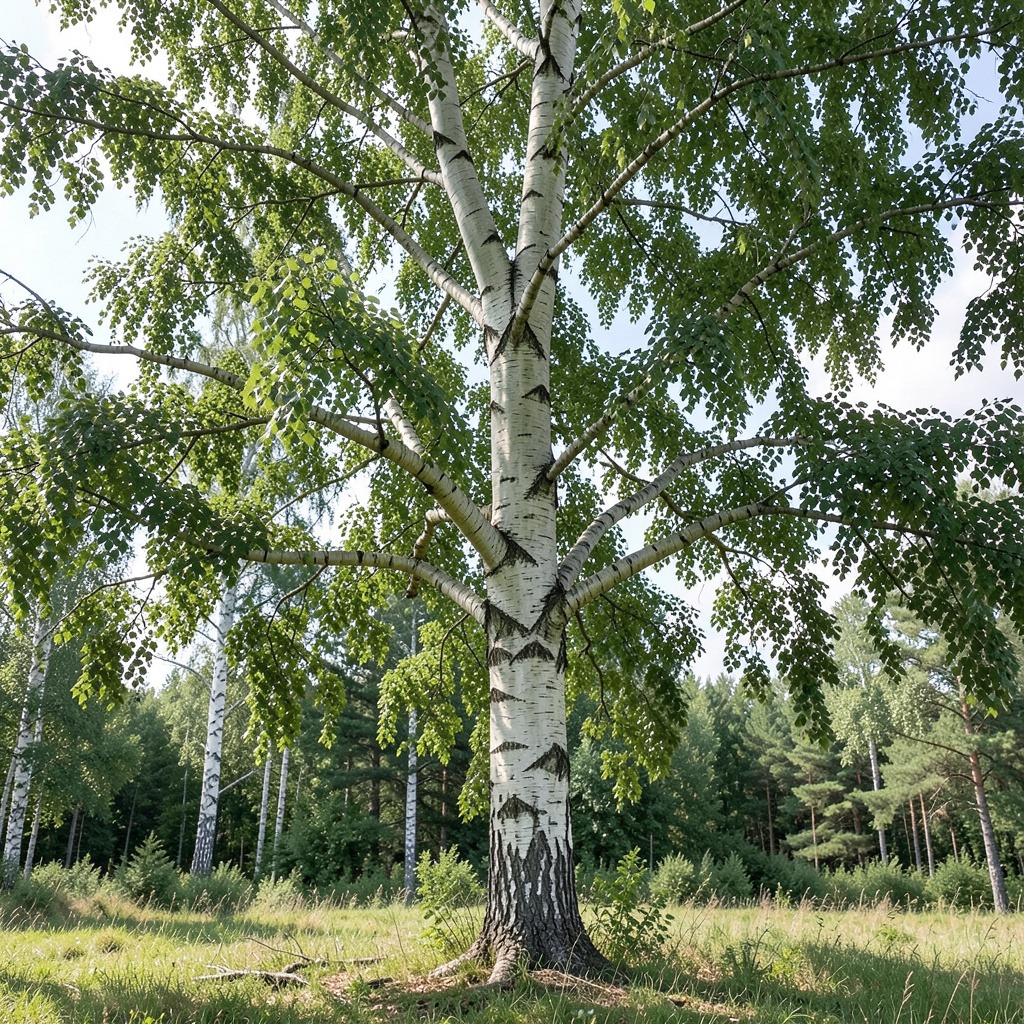
Overview of Dakota Pinnacle Birch
The Dakota Pinnacle Birch is a striking tree known for its columnar shape and adaptability. Developed at North Dakota State University, this variety has gained popularity for its resilience and aesthetic appeal in various landscapes.
Origin and Development
The Dakota Pinnacle Birch was cultivated to thrive in challenging climates. Its development focused on enhancing cold hardiness and pest resistance. This tree is particularly suited for northern regions, where it can withstand harsh winters and fluctuating weather conditions.
Physical Characteristics
- Height and Width: Typically reaches 30-40 feet tall and 10-15 feet wide.
- Bark: Features distinctive white, peeling bark that adds visual interest.
- Foliage: Dark green leaves turn yellow in the fall, providing seasonal color.
These characteristics make the Dakota Pinnacle Birch an excellent choice for narrow spaces, where other trees might not fit.
Landscape Appeal
The Dakota Pinnacle Birch enhances landscape aesthetics through its elegant form and seasonal changes. It serves various purposes:
- Shade Tree: Provides moderate shade with its narrow canopy.
- Windbreak: Effective in creating natural barriers against wind.
- Specimen Tree: Ideal for focal points in gardens and yards.
When selecting trees for your landscape, consider the Dakota Pinnacle Birch for its unique attributes. It is particularly effective in urban settings, where space is limited, yet beauty and function are desired.
Table of Contents
Decision Framework for Choosing Birch Trees
When deciding on the right birch tree for your landscape, consider these factors:
- Climate Compatibility: Ensure the tree can thrive in your local climate.
- Space Availability: Assess the width and height restrictions of your planting area.
- Aesthetic Goals: Determine if you prefer a specimen tree, shade provider, or windbreak.
By evaluating these aspects, you can make an informed choice that enhances your outdoor space.
Pros of Dakota Pinnacle Birch
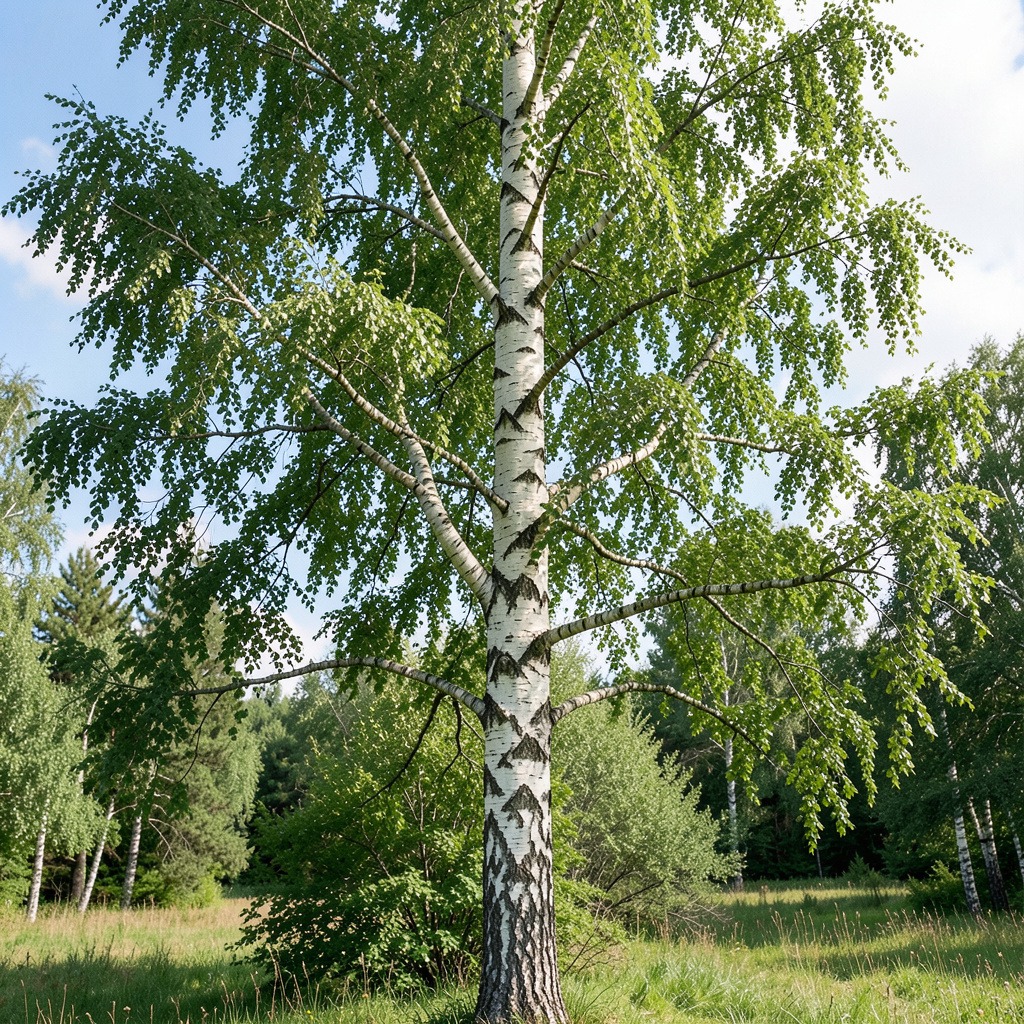
The Dakota Pinnacle Birch tree offers several significant advantages, making it a popular choice for various landscapes. Its cold hardiness and aesthetic appeal, combined with low maintenance requirements, make it an ideal candidate for both urban and suburban settings.
Cold Hardiness and Pest Tolerance
One of the standout features of the Dakota Pinnacle Birch is its exceptional cold hardiness. This tree can thrive in harsh climates, enduring freezing temperatures and heavy snowfall. It is also highly tolerant of pests, which means less worry about infestations that can damage other tree varieties.
- Cold Tolerance: Survives in USDA hardiness zones 2 to 7.
- Pest Resistance: Naturally resistant to common birch pests, reducing the need for chemical treatments.
Aesthetic Benefits Across Seasons
The Dakota Pinnacle Birch is not just functional; it also enhances the beauty of any landscape. Its narrow, upright form makes it suitable for smaller spaces, while its striking white bark adds visual interest year-round.
- Spring and Summer: Bright green leaves provide lush foliage.
- Fall: Leaves turn a vibrant yellow, creating a stunning display.
- Winter: The stark white bark stands out against the winter landscape, offering year-round appeal.
Low Maintenance Requirements
This birch tree is renowned for its low maintenance needs. Once established, it requires minimal care, making it ideal for busy homeowners or those new to gardening.
- Watering: Requires regular watering during the first year; established trees are drought tolerant.
- Pruning: Minimal pruning is needed to maintain its shape.
- Soil Adaptability: Thrives in various soil types, including sandy and acidic soils.
Real-World Testimonials
Homeowners have successfully integrated Dakota Pinnacle Birches into their landscapes. For instance, one user reported that after planting in a tight urban space, the tree flourished, providing shade and enhancing curb appeal without overwhelming the area. Another shared their satisfaction with the tree’s resilience during harsh winters, noting that it remained healthy and vibrant, even in challenging conditions.
These experiences highlight the Dakota Pinnacle Birch’s reliability and versatility, reinforcing its value in diverse landscaping scenarios.
Cons of Dakota Pinnacle Birch
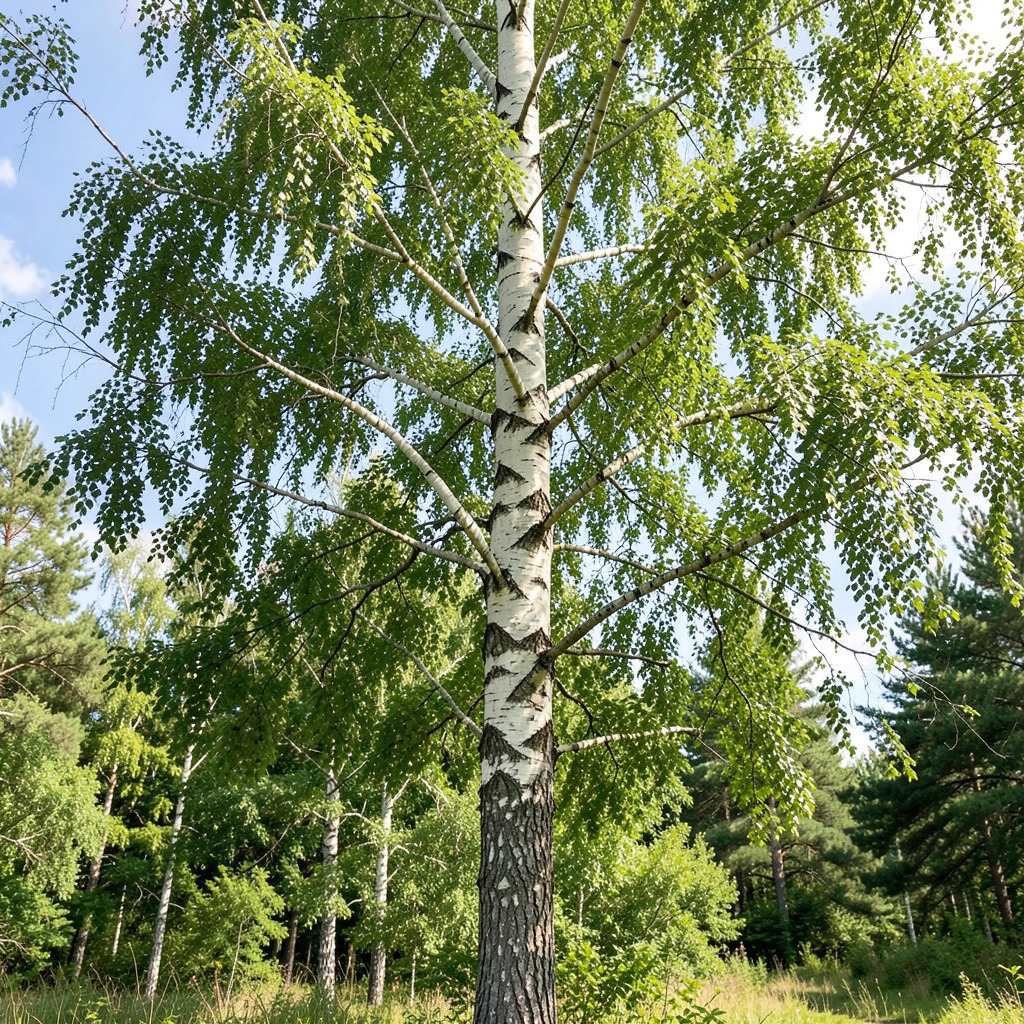
While the Dakota Pinnacle Birch offers many benefits, it also has some disadvantages that potential growers should consider. These concerns mainly revolve around pest susceptibility and its performance in varying climates.
Pest and Disease Issues
The Dakota Pinnacle Birch is susceptible to certain pests and diseases. Common issues include:
- Birch borer: This pest can weaken the tree and lead to decline.
- Leaf spots: Fungal diseases can cause unsightly marks on leaves.
- Root rot: Overwatering or poorly drained soil can lead to root issues.
To combat these problems, consider implementing integrated pest management strategies. Regular monitoring and timely treatments can help maintain tree health.
Growth Rate Concerns
Though the Dakota Pinnacle Birch is known for its robust growth, it can be slower to establish compared to other birch varieties. For instance:
- Initial Growth Delay: It may take a few years to reach its full height of 40 to 50 feet.
- Comparison with River Birch: The River Birch generally grows faster and adapts better to wet soils.
If rapid growth is a priority, weigh these factors before making a decision.
Longevity and Lifespan
The lifespan of the Dakota Pinnacle Birch is generally around 30 to 40 years. Factors impacting longevity include:
- Environmental Stress: Extreme temperatures can shorten lifespan.
- Soil Quality: Poor soil conditions can reduce overall health and durability.
For a long-term investment in your landscape, consider soil amendments and regular care to extend the tree’s lifespan.
Planting and Care Instructions
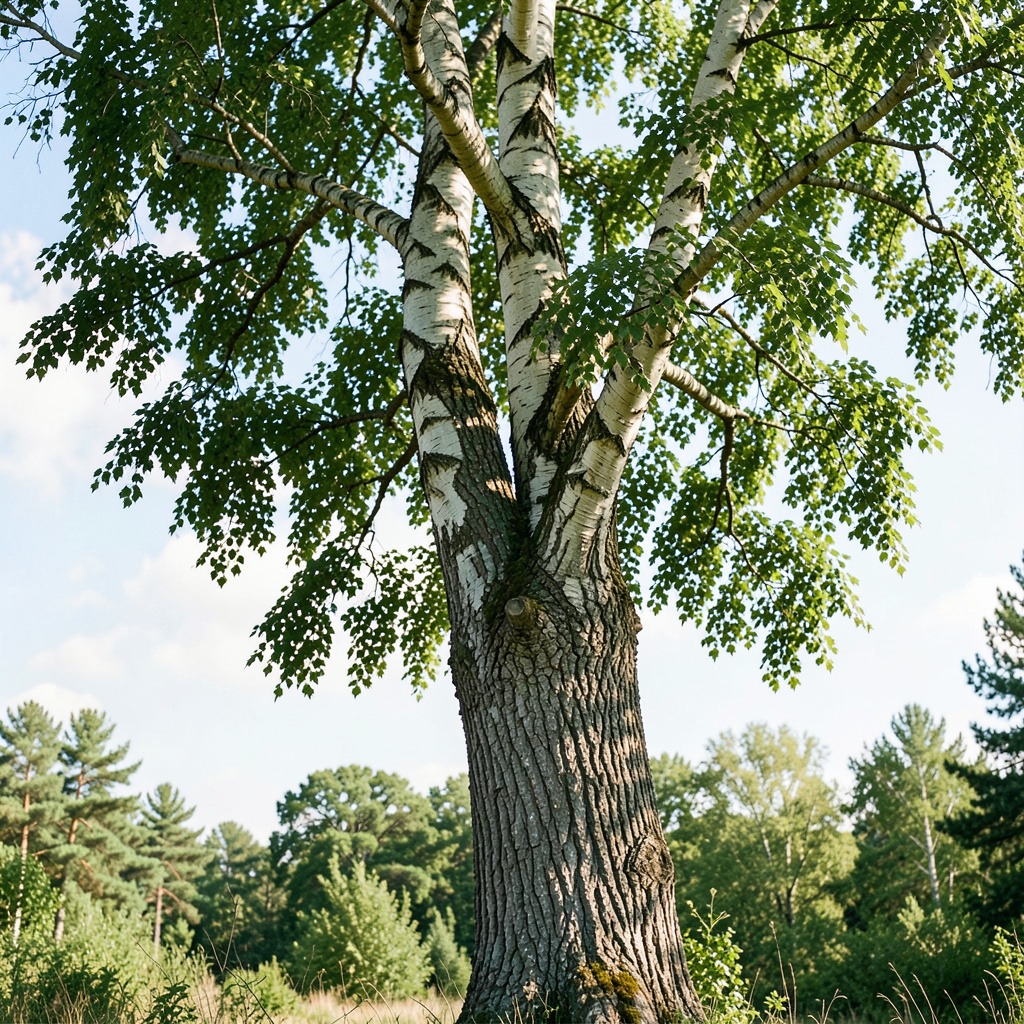
Planting and caring for the Dakota Pinnacle Birch requires attention to specific conditions and practices. These trees thrive in various environments but benefit from proper techniques to ensure their growth and longevity.
Optimal Planting Conditions
To establish a healthy Dakota Pinnacle Birch, follow these guidelines:
- Location: Choose a spot that receives 4 to 6 hours of sunlight daily. Protect the tree from harsh afternoon sun.
- Soil Type: Plant in well-drained soil. The Dakota Pinnacle Birch is adaptable to various soil types, including acidic, sandy, and loamy soils.
- Planting Depth: Dig a hole that is twice as wide as the root ball but equal in depth. This encourages root expansion.
- Mulching: Apply a layer of mulch around the base of the tree. This helps retain moisture and regulate soil temperature.
Watering and Mulching Guidelines
Proper watering is crucial, especially during the first few years:
- Initial Watering: Water the tree deeply at least twice a week for the first three years.
- Drought Conditions: After establishment, provide supplemental water during dry spells.
- Mulch Maintenance: Replenish mulch as needed to maintain a 2 to 4-inch layer, keeping it away from the trunk to prevent rot.
Pruning and Maintenance Tips
While the Dakota Pinnacle Birch requires minimal pruning, follow these recommendations for optimal shape and health:
- When to Prune: Avoid pruning during the active sap flow period in spring. Late winter or early fall is ideal.
- Pruning Purpose: Prune to remove dead or damaged branches. If shaping is necessary, do so conservatively.
- Monitoring Health: Regularly check for pests and diseases. Maintain an eye out for signs of stress, such as discolored leaves or stunted growth.
Checklist for Successful Planting
1. Select a suitable location with partial sunlight.
2. Ensure well-drained soil is available.
3. Dig a wide enough hole for root expansion.
4. Water thoroughly and regularly during establishment.
5. Apply and maintain mulch effectively.
6. Monitor growth and health regularly.
By adhering to these guidelines, you can ensure that your Dakota Pinnacle Birch thrives in your landscape, providing beauty and resilience for years to come.
Alternatives to Dakota Pinnacle Birch
When considering the Dakota Pinnacle Birch, it’s essential to evaluate other suitable tree options for similar climates and landscapes. This comparison helps you make an informed choice based on your specific needs and conditions.
Comparing Other Birch Varieties
Here is a comparison of the Dakota Pinnacle Birch with other popular birch varieties, assessing their pros and cons:
| Feature | Dakota Pinnacle Birch | River Birch | Paper Birch |
|---|---|---|---|
| Cold Hardiness | Very high (Zones 3-7) | Moderate (Zones 4-9) | Moderate (Zones 3-6) |
| Growth Rate | Moderate | Fast | Slow |
| Pest Resistance | Moderate | Low | High |
| Soil Preference | Well-drained | Tolerates wet soil | Well-drained, acidic |
| Aesthetic Appeal | Columnar shape | Attractive bark | Stunning white bark |
| Maintenance Needs | Low | Moderate | High |
- Dakota Pinnacle Birch: Offers superior cold hardiness and a striking columnar shape. However, it faces pest challenges, particularly from the bronze birch borer.
- River Birch: Known for its fast growth and adaptability to wet conditions. It has a beautiful, peeling bark but is more susceptible to pests.
- Paper Birch: Valued for its white bark and striking appearance. It requires more maintenance and is less tolerant of extreme conditions, making it less suitable for warmer climates.
Other Suitable Trees for Cold Climates
In addition to birch varieties, consider these alternative trees that thrive in cold climates:
- Amur Maple: Fast-growing with vibrant fall colors. Ideal for smaller landscapes due to its compact size.
- Norway Spruce: Hardy and tolerant of poor soil. It provides year-round greenery but has a slower growth rate.
- Sugar Maple: Offers stunning fall foliage and is very hardy. It requires well-drained soil and adequate space for growth.
Decision Framework for Tree Selection
When selecting a birch or alternative tree, consider the following factors:
1. Climate Zone: Ensure the tree is hardy for your region.
2. Soil Type: Choose trees that thrive in your soil conditions (well-drained, wet, etc.).
3. Maintenance Level: Assess how much care you are willing to provide.
4. Aesthetic Goals: Determine how the tree fits into your landscape design.
By using this framework, you can make a more informed decision on whether the Dakota Pinnacle Birch or another tree better meets your landscape goals.
Frequently Asked Questions
These quick answers cover the most common questions about this topic, including key details, practical tips, and common concerns.
How fast do Dakota Pinnacle birches grow?
Dakota Pinnacle Birches typically grow at a moderate rate. They can reach heights of 30 to 40 feet, but it may take several years to achieve their full height. During the initial establishment phase, growth can be slower compared to other birch varieties, such as the River Birch, which grows faster. Regular watering and optimal soil conditions can help promote quicker growth.
What are the common problems that affect Dakota Pinnacle birches?
Common issues affecting Dakota Pinnacle Birches include pests like the birch borer, which can weaken the tree, and fungal diseases that cause leaf spots. Additionally, root rot may occur if the tree is overwatered or planted in poorly drained soil. Regular monitoring and integrated pest management can help mitigate these problems.
Which birch tree is considered the best?
The “best” birch tree often depends on your specific needs and conditions. The Dakota Pinnacle Birch is excellent for cold hardiness and aesthetic appeal, especially in narrow spaces. However, if rapid growth and adaptability to wet soil are priorities, the River Birch may be a better choice. Consider factors like climate, space, and maintenance when making your selection.
What are the downsides of having a birch tree?
Downsides of birch trees, including the Dakota Pinnacle Birch, include susceptibility to pests and diseases, which can require management efforts. Additionally, birch trees generally have a shorter lifespan compared to other hardwoods, typically living around 30 to 40 years. They may also struggle in extreme heat or drought conditions, making them less suitable for warmer climates.
What are the best planting conditions for Dakota Pinnacle Birch?
For optimal growth, plant Dakota Pinnacle Birch in a location that receives 4 to 6 hours of sunlight daily. Ensure the soil is well-drained, as this tree prefers various soil types, including sandy or acidic soils. Dig a hole twice as wide as the root ball and apply mulch to retain moisture and regulate temperature.
How do I identify pests on my Dakota Pinnacle Birch?
To identify pests on your Dakota Pinnacle Birch, look for signs such as discolored or wilting leaves, holes in the bark, or visible insects on the tree. The birch borer is a common pest that can cause significant damage. Regular inspections, especially during the growing season, can help catch infestations early and enable timely intervention.
We are potentially going to plant Dakota Pinnacle Birch trees in our backyard. Any pros and cons from people that have them?
Homeowners appreciate the Dakota Pinnacle Birch for its striking appearance and cold hardiness, making it ideal for northern climates. Users often highlight its low maintenance requirements and aesthetic appeal throughout the seasons. However, some have experienced challenges with pests like the birch borer and noted that the tree can be slower to establish compared to other varieties.