
The Dawn Redwood tree offers rapid growth and striking seasonal beauty, but potential drawbacks include its large size and maintenance needs.
The Dawn Redwood, a remarkable deciduous conifer, is prized for its rapid growth and stunning autumn foliage. However, before planting this ancient tree, it’s important to weigh its advantages and disadvantages to determine if it fits your garden’s needs.
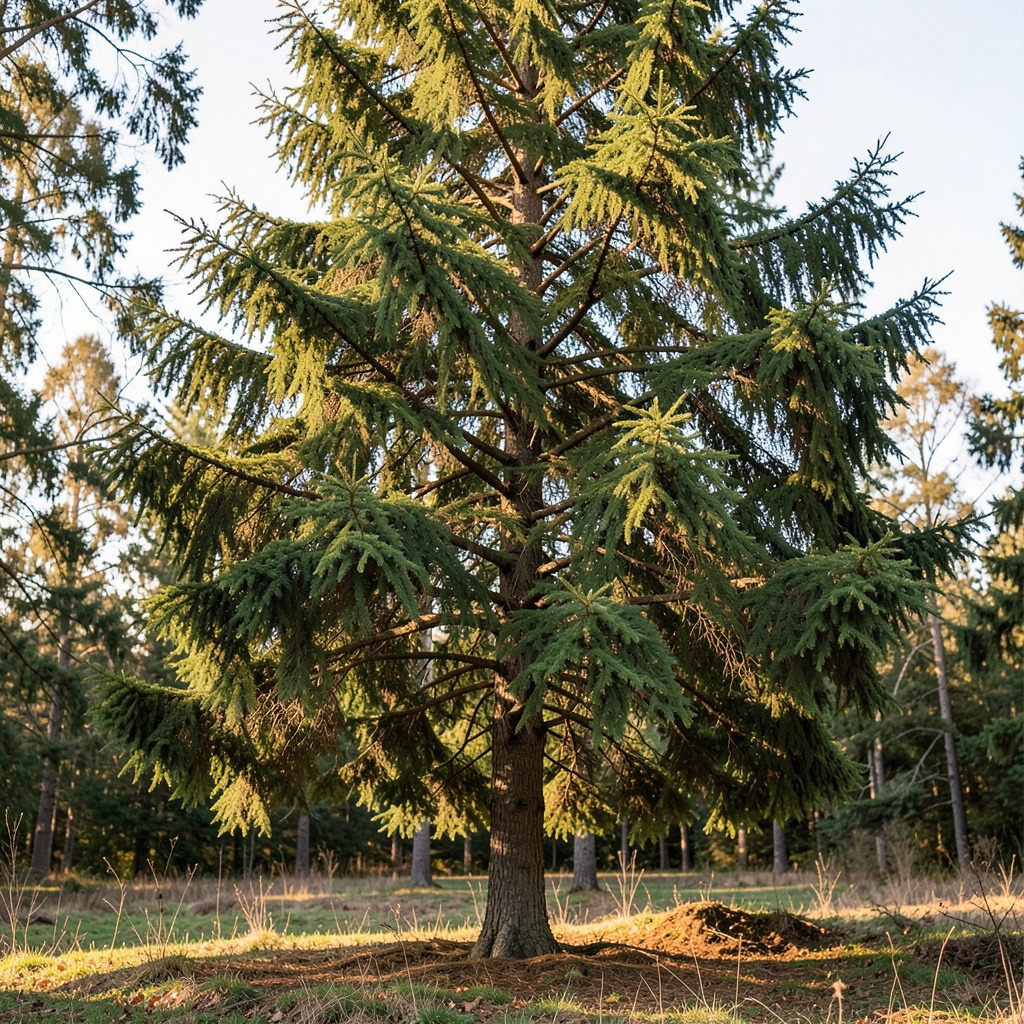
Overview of the Dawn Redwood Tree
The Dawn Redwood is a unique deciduous conifer known for its impressive growth and striking appearance. Understanding its historical significance and characteristics can help gardeners make informed decisions about planting.
Historical Context and Discovery
Discovered in 1946, the Dawn Redwood (Metasequoia glyptostroboides) was thought to be extinct. Fossils dating back 100 million years reveal its ancient lineage. Its re-discovery in China led to its introduction to gardens worldwide. This tree serves as a living link to prehistoric times, making it a fascinating choice for plant enthusiasts.
Unique Characteristics of the Dawn Redwood
The Dawn Redwood boasts several distinctive features:
- Foliage: Its soft, needle-like leaves are arranged in flat, two-row patterns. This gives the tree a delicate, fern-like appearance.
- Growth Rate: The tree is known for its rapid growth, often reaching heights of 100 feet within a few decades.
- Size Potential: Mature trees can span up to 30 feet in width, creating a significant canopy. This expansive growth can provide shade but may also outcompete nearby plants.
Growth Rate and Size Potential
Dawn Redwoods exhibit remarkable growth rates under optimal conditions.
- Initial Growth: In the first few years, they can grow 2 to 3 feet annually.
- Mature Size: A fully grown Dawn Redwood can reach 100 feet tall and 30 feet wide, making it suitable for larger landscapes.
- Planting Considerations: Ensure ample space to accommodate its size. Avoid planting near smaller plants, as the canopy can overshadow them.
By considering these factors, gardeners can better assess whether the Dawn Redwood fits their landscape needs.
Table of Contents
1. Pros of Planting a Dawn Redwood Tree
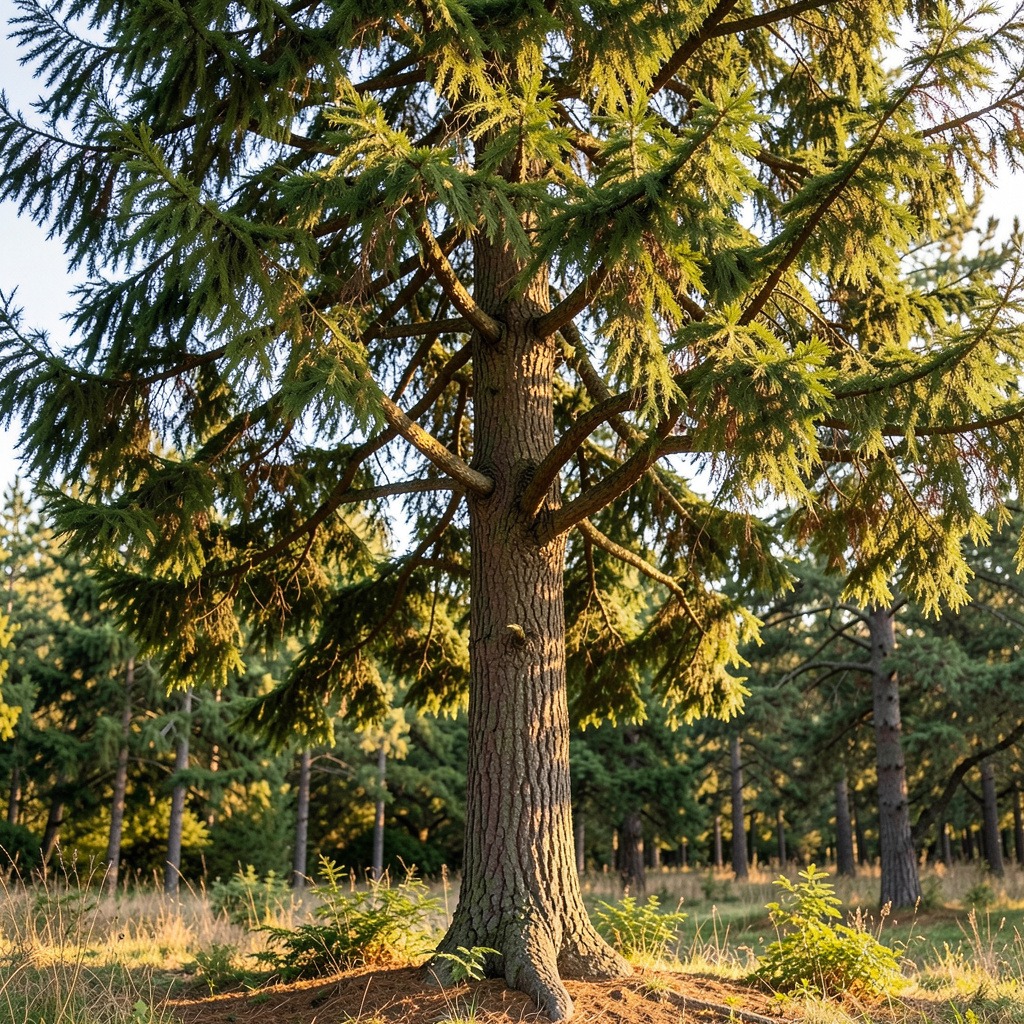
The Dawn Redwood tree offers numerous advantages for gardeners and landscape planners. Its rapid growth, striking aesthetic appeal, and significant environmental benefits make it a compelling choice.
Rapid Growth and Height Potential
One of the most notable benefits of the Dawn Redwood is its remarkable growth rate. Under optimal conditions, this tree can achieve the following:
- Initial Growth: Grows 2 to 3 feet per year in its early years.
- Mature Size: Reaches heights of up to 100 feet and widths of 30 feet, ideal for larger landscapes.
This rapid growth allows for quicker shade and privacy solutions in gardens. Gardeners should consider the tree’s size when selecting a planting location, ensuring sufficient space for its expansive canopy.
Stunning Seasonal Foliage and Aesthetic Appeal
Dawn Redwoods provide captivating seasonal changes, enhancing any landscape. Here are some aesthetic attributes:
- Spring: Fresh green foliage emerges, creating a vibrant backdrop.
- Summer: Dense canopies provide cooling shade.
- Fall: Leaves turn a stunning golden-brown before dropping, adding seasonal interest.
- Winter: The bare branches offer striking silhouettes against a snowy backdrop.
These visual transformations can serve as focal points in gardens, making the tree an attractive option year-round.
Environmental Benefits and Carbon Sequestration
Planting a Dawn Redwood comes with significant ecological advantages. These trees contribute to environmental health in several ways:
- Carbon Sequestration: Their rapid growth enables them to absorb substantial amounts of CO2. This helps combat climate change effectively.
- Habitat Creation: They provide shelter and food for various wildlife, promoting biodiversity.
- Water Management: Dawn Redwoods thrive in wet conditions, making them perfect for planting in areas prone to flooding or near water bodies.
For gardeners aiming to enhance their ecological footprint, the Dawn Redwood stands out as a sustainable choice. Consider planting this tree in waterlogged areas or alongside streams to maximize its environmental benefits.
2. Cons of Planting a Dawn Redwood Tree
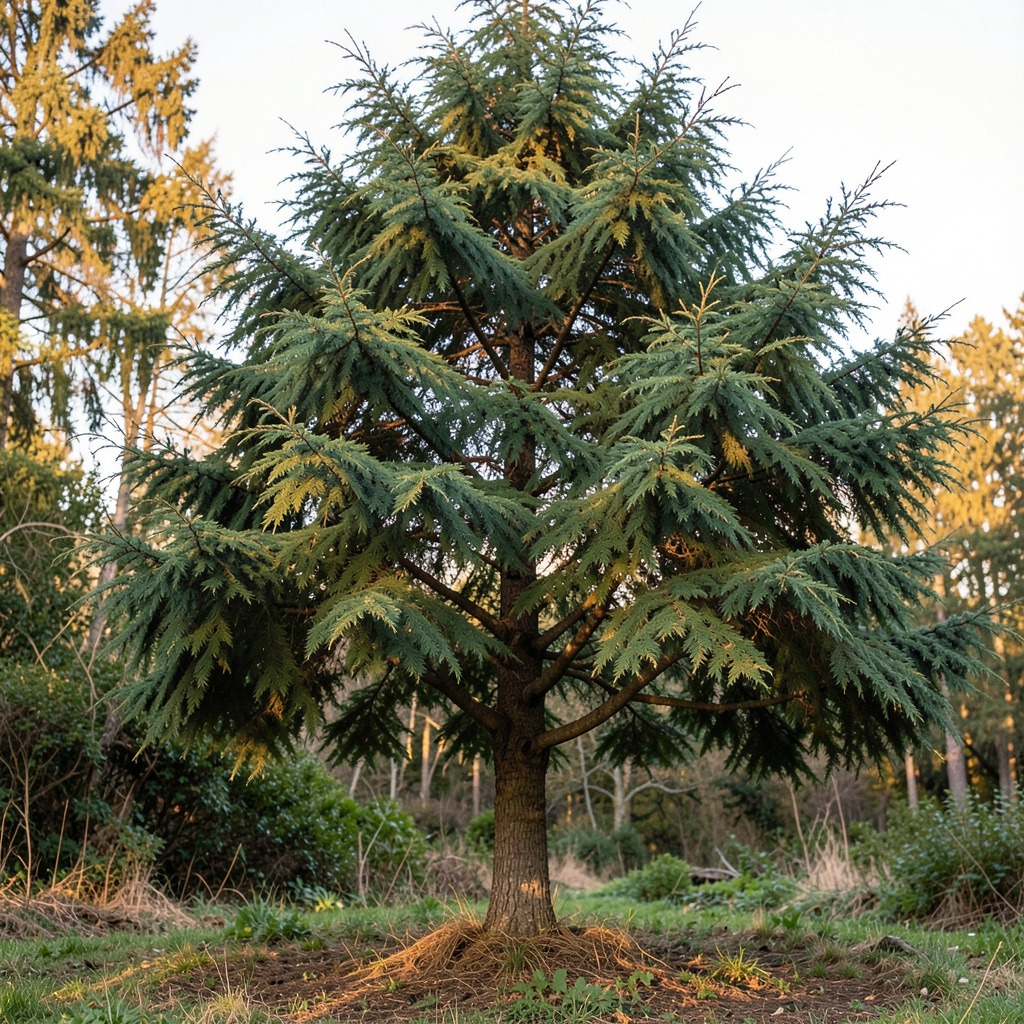
While the Dawn Redwood tree offers numerous benefits, it also presents several challenges for gardeners. Understanding these drawbacks is crucial for making an informed planting decision.
Large Size and Space Requirements
One of the most significant concerns with Dawn Redwoods is their impressive size. Mature trees can reach heights of 70 to 100 feet and spread 15 to 25 feet wide. This growth can pose challenges in smaller gardens or tight spaces.
- Considerations:
- Ensure you have sufficient room for the tree’s mature dimensions.
- Assess nearby structures, power lines, and existing plants that could be overshadowed.
A well-planned location is vital to avoid issues with overcrowding and shading of other plants.
Maintenance and Care Needs
Dawn Redwoods require specific care to thrive. Their fast growth rate means they need regular maintenance, including pruning and watering.
- Pruning: Regular pruning is necessary to manage their size and shape. This helps maintain air circulation and prevents disease.
- Watering: These trees prefer moist soil. In dry spells, consistent watering is essential to prevent stress.
Neglecting these maintenance needs can lead to health issues and reduced aesthetic appeal.
Seasonal Shedding and Cleanup
Like many deciduous trees, Dawn Redwoods shed their leaves each autumn. This seasonal shedding can lead to cleanup challenges in the garden.
- Cleanup Considerations:
- Prepare for leaf collection in the fall.
- Consider the impact on garden aesthetics during the shedding period.
In situations where the tree is planted near paths or patios, the fallen leaves can create additional work for homeowners.
By weighing these cons against the benefits, gardeners can better determine the suitability of a Dawn Redwood for their landscape.
3. Ideal Conditions for Planting a Dawn Redwood
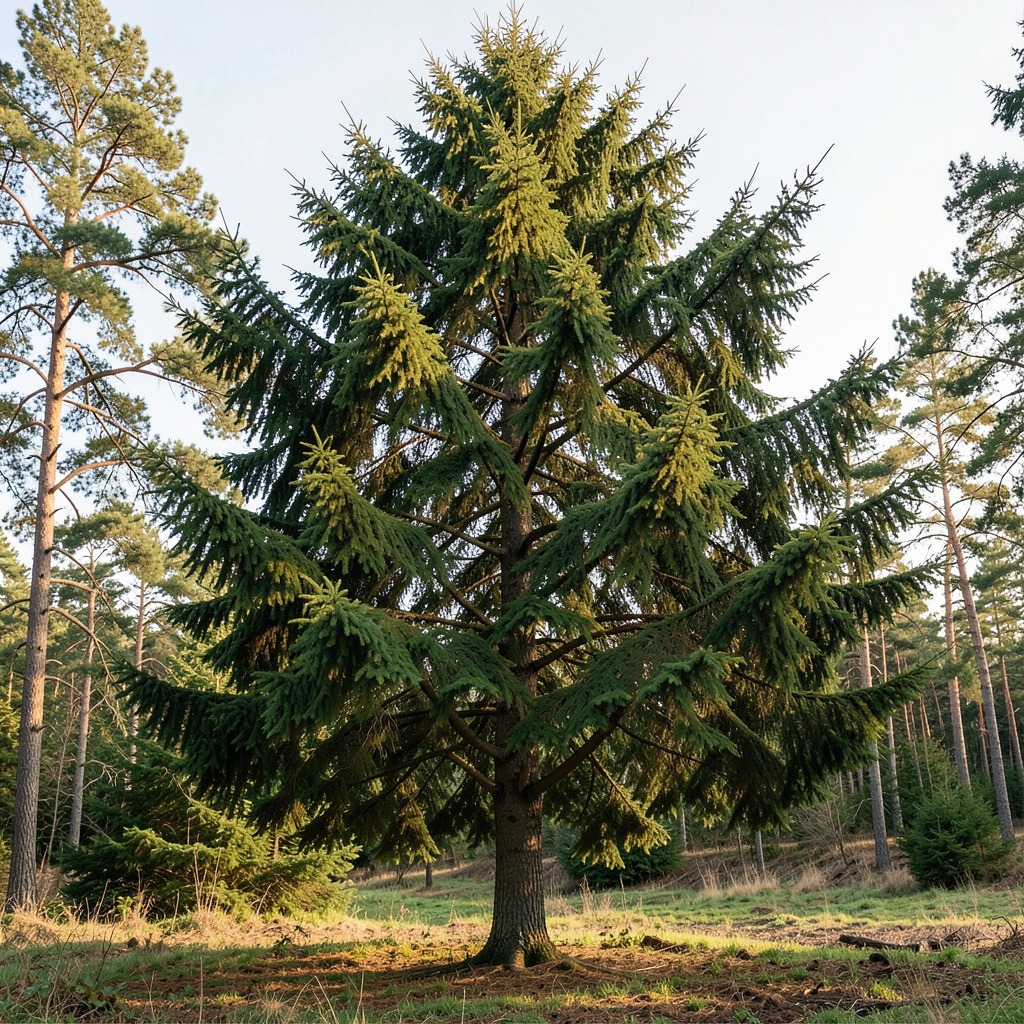
To thrive, Dawn Redwood trees require specific environmental conditions. Understanding these needs helps gardeners make informed decisions about planting.
Soil Type and Quality
Dawn Redwoods flourish in moist, well-drained soils that are rich in organic matter. Here are key soil characteristics:
- Soil pH: Prefers acidic soil, ideally with a pH of 4.5 to 6.0.
- Drainage: Must have good drainage to prevent root rot. Waterlogged conditions can be detrimental.
- Soil Texture: Loamy or sandy soils are ideal, though they can adapt to various soil types.
Sunlight and Water Needs
These trees thrive in full sun to partial shade. Proper sunlight and water management are crucial for growth:
- Sunlight: Aim for at least six hours of direct sunlight daily.
- Watering: Keep the soil consistently moist, particularly during dry spells. Monitor for signs of wilting.
Spacing and Location Considerations
When planting a Dawn Redwood, consider its mature size and growth habits:
- Spacing: Allow ample space for growth; these trees can reach heights of 70-100 feet and spread 25-30 feet wide.
- Location: Choose a location away from power lines and structures to accommodate their height and width.
Planting Checklist
Before planting, evaluate your garden’s suitability with this checklist:
- [ ] Soil pH: Is it between 4.5 and 6.0?
- [ ] Drainage: Does the area drain well?
- [ ] Sunlight: Will the tree receive at least six hours of sunlight?
- [ ] Spacing: Is there enough space for the tree’s mature size?
- [ ] Water Access: Can you provide consistent moisture during dry periods?
By following these guidelines, gardeners can ensure a successful planting of Dawn Redwood trees.
4. Care and Maintenance of Dawn Redwood Trees
Caring for Dawn Redwood trees involves understanding their specific needs for optimal growth. From watering to pruning, proper maintenance ensures these majestic trees thrive in your garden.
Watering and Fertilization Tips
Dawn Redwoods prefer consistently moist soil, especially during their early years. Here’s how to manage watering effectively:
- First 2-3 Years: Water deeply and regularly to establish roots. Aim for moist soil without waterlogging.
- Established Trees: Once established, they can tolerate drier conditions but benefit from deep watering during dry spells.
- Fertilization: Apply a balanced, slow-release fertilizer in early spring. This supports growth, particularly in nutrient-poor soils.
Pruning for Health and Shape
Minimal pruning is needed for Dawn Redwoods. However, strategic pruning helps maintain their natural shape and health:
- Timing: Prune in late winter before new growth begins.
- Focus Areas: Remove dead or crossing branches to improve air circulation. Avoid aggressive pruning of the central leader, as this can disrupt the tree’s natural pyramidal form.
- Maintenance Check: Regularly inspect the tree for any signs of damage or disease to ensure prompt action.
Common Pests and How to Manage Them
While Dawn Redwoods are generally disease-resistant, they can face pest issues. Here’s how to manage common pests:
- Aphids: These can be controlled by introducing beneficial insects like ladybugs or using insecticidal soap.
- Scale Insects: Regularly inspect the bark for scale. If found, treat with horticultural oil to suffocate them.
- Preventive Measures: Maintain tree health through proper watering and fertilization, as healthy trees are less susceptible to pests.
Care Schedule for Optimal Growth
| Care Task | Frequency | Notes |
|---|---|---|
| Deep Watering | Weekly (during dry spells) | Ensure soil remains moist. |
| Fertilize | Annually (spring) | Use a balanced slow-release fertilizer. |
| Prune | Annually (late winter) | Focus on dead or crossing branches. |
| Pest Inspection | Monthly | Check for aphids and scale insects. |
By adhering to these care and maintenance guidelines, gardeners can support the health and beauty of Dawn Redwood trees, ensuring they remain a stunning feature in any landscape.
5. Environmental Impact of Dawn Redwood Trees
Dawn Redwood trees offer significant environmental benefits. Their unique characteristics contribute to carbon sequestration, support local wildlife, and prevent soil erosion.
Carbon Sequestration Benefits
Dawn Redwoods are exceptional at capturing carbon dioxide. They grow rapidly, sequestering large amounts of carbon throughout their lifespan. This capability makes them valuable in combating climate change. For example, a mature Dawn Redwood can sequester up to 50% more carbon than many other tree species due to its fast growth rate.
Support for Local Wildlife
These trees create habitats for various wildlife species. The dense foliage provides shelter for birds and small mammals. Additionally, their seeds attract squirrels and other seed-eating animals, promoting biodiversity. Planting Dawn Redwoods can enhance local ecosystems by supporting these species and fostering a balanced environment.
Soil Erosion Prevention
Dawn Redwoods play a crucial role in soil preservation. Their extensive root systems stabilize soil, reducing erosion, especially in areas prone to heavy rainfall. By planting these trees along riverbanks or sloped terrains, gardeners can effectively mitigate soil loss and improve land stability.
Summary of Environmental Benefits
- Carbon Sequestration: High capacity for carbon capture.
- Wildlife Habitat: Supports diverse species.
- Soil Erosion Prevention: Stabilizes soil and prevents loss.
By including Dawn Redwoods in your landscape, you contribute to environmental health while enjoying the aesthetic benefits of this remarkable tree.
6. Comparisons with Similar Trees
Understanding how the Dawn Redwood compares to other conifer species helps gardeners make informed decisions. This section highlights growth characteristics, maintenance needs, and environmental impacts of the Dawn Redwood in relation to similar trees.
Dawn Redwood vs. Other Conifers
| Feature | Dawn Redwood | Coast Redwood | Bald Cypress |
|---|---|---|---|
| Type | Deciduous conifer | Evergreen conifer | Deciduous conifer |
| Growth Rate | 2 to 3 feet per year | 1 to 2 feet per year | 1 to 2 feet per year |
| Cold Hardiness | Zones 4 to 8 | Zones 7 to 10 | Zones 4 to 9 |
| Soil Tolerance | Prefers moist, well-drained | Prefers well-drained | Tolerates wet soils |
| Unique Traits | Stunning autumn color | Tallest tree species | Develops distinctive “knees” near water |
Growth Rate Comparisons
The Dawn Redwood stands out with its rapid growth. It can add 2 to 3 feet in height annually, making it a favored choice for gardeners seeking quick shade or privacy. In contrast, both the Coast Redwood and Bald Cypress typically grow at a slower pace, averaging 1 to 2 feet per year. This characteristic alone can influence your decision based on your landscaping timeline.
Maintenance and Care Differences
When considering maintenance, the Dawn Redwood requires regular watering, especially in dry spells, to thrive. Its robust growth can lead to extensive root systems that need space. The Coast Redwood, while evergreen, demands specific conditions that may not suit all gardeners. The Bald Cypress, on the other hand, is more adaptable to wet conditions but may require management of its unique “knees” if planted near water.
- Dawn Redwood: Needs ample space and regular watering.
- Coast Redwood: Requires milder climates and specific soil conditions.
- Bald Cypress: Best in wet areas, may develop unique growth features.
In summary, selecting the right tree involves understanding these differences. Consider your local climate, soil type, and desired growth rate when deciding between the Dawn Redwood and its conifer counterparts.
7. Scenarios for Successful Planting
Planting a Dawn Redwood tree can be a rewarding endeavor when tailored to specific environments. Understanding the context of your landscape will help you maximize the benefits of this unique species.
Urban Settings and Large Gardens
In urban areas or expansive gardens, the Dawn Redwood thrives due to its adaptability and rapid growth. Here are key considerations:
- Space Availability: Ensure there is sufficient room for the tree’s mature size, which can reach up to 100 feet tall.
- Soil Quality: The tree prefers moist, well-drained soil, making it ideal for parks or large community gardens.
- Utility Impact: Monitor overhead utilities; the tree’s height may interfere with power lines.
- Aesthetic Appeal: Its stunning autumn foliage offers visual interest, making it a focal point in larger landscapes.
Rural Landscapes and Parks
Rural landscapes provide an ideal backdrop for the Dawn Redwood’s majestic stature. Consider these factors:
- Environmental Impact: Planting in open fields enhances biodiversity and provides habitat for wildlife.
- Water Availability: This tree tolerates wet conditions, making it suitable near ponds or streams.
- Shade Provision: Its expansive canopy can create shaded areas for recreational spaces, benefiting park visitors.
Considerations for Small Spaces
While the Dawn Redwood is a magnificent tree, it may not be suitable for every environment, particularly smaller spaces. Here are some guidelines:
- Assess Growth Potential: If planting in a confined area, consider dwarf varieties or limit growth through pruning.
- Competing Flora: Be cautious of nearby plants. The expansive roots can outcompete smaller plants for nutrients and water.
- Sunlight Requirements: Ensure the site receives ample sunlight, as the tree flourishes in full sun, which promotes healthy growth.
Decision Framework for Planting
When deciding on planting a Dawn Redwood, use the following checklist:
- Location: Urban or rural?
- Space: Is there enough room for growth?
- Soil: Is the soil well-drained and moist?
- Water Access: Will the tree have sufficient water supply?
- Nearby Plants: Are there other plants that may struggle with competition?
By evaluating these scenarios and considerations, you can effectively determine the best environments for planting a Dawn Redwood tree, ensuring a successful and sustainable addition to your landscape.
Frequently Asked Questions
These quick answers cover the most common questions about this topic, including key details, practical tips, and common concerns.
How quickly does a Dawn Redwood grow?
Dawn Redwoods are known for their impressive growth rate. In the first few years, they can grow between 2 to 3 feet annually. Under optimal conditions, a fully mature tree can reach heights of 70 to 100 feet within a few decades.
Is Dawn Redwood a good tree for residential gardens?
Yes, Dawn Redwoods can be a great addition to residential gardens, especially in larger spaces. They provide stunning seasonal foliage and quick shade. However, due to their large size, they may not be suitable for small gardens where space is limited.
Where is the best place to plant a Dawn Redwood tree?
The best location for planting a Dawn Redwood is in well-drained, moist soil with full sun exposure. Aim for an area that allows for its mature height and width, ideally away from power lines and structures. This tree thrives in spaces that can accommodate its expansive root system and canopy.
What are the common problems with Dawn Redwood trees?
Common issues with Dawn Redwoods include susceptibility to pests like aphids and scale insects. They may also experience root rot if planted in poorly drained soils. Regular maintenance, including pruning and monitoring for pests, can help mitigate these problems.
Will a Dawn Redwood tree negatively affect nearby arborvitae?
Dawn Redwoods can overshadow nearby plants, including arborvitae, due to their large size and expansive canopy. This can lead to competition for light and nutrients, potentially harming the growth of smaller plants. It’s essential to consider spacing when planting.
What soil conditions are best for a Dawn Redwood?
Dawn Redwoods prefer moist, well-drained soils rich in organic matter. They thrive in slightly acidic soil with a pH between 4.5 and 6.0. Ensuring good drainage is crucial, as waterlogged conditions can lead to root rot.
What maintenance issues should I expect with a Dawn Redwood?
Maintenance for Dawn Redwoods includes regular watering, especially during dry spells, and periodic pruning to manage their size and shape. Be prepared for seasonal leaf shedding in autumn, which may require cleanup. Monitoring for pests is also important to keep the tree healthy.
What are some alternatives to planting a Dawn Redwood?
If you’re looking for alternatives, consider trees like the Bald Cypress or Coast Redwood, which offer unique characteristics and benefits. Smaller conifers, such as Eastern Red Cedar or Dwarf Alberta Spruce, may be suitable for tighter spaces while still providing aesthetic appeal.