
Tulpen, mit ihren lebhaften Farben, sind bei Gärtnern sehr beliebt. Um eine atemberaubende Blütenpracht zu gewährleisten, ist es entscheidend, die Feinheiten des Pflanzens von Tulpenzwiebeln zu verstehen. Von der Pflanztiefe über den Zeitpunkt und die Menge deckt dieser umfassende Leitfaden jeden Aspekt des Anbaus schöner Tulpen ab.
Wie tief pflanzt man Tulpenzwiebeln?
Pflanzen Sie Tulpenzwiebeln 15–20 cm tief, angepasst an das Klima. Wählen Sie gut durchlässigen Boden und pflanzen Sie die Zwiebeln 10–15 cm auseinander. In Töpfen sollte eine Tiefe von 15–20 cm mit ordnungsgemäßer Drainage gewährleistet sein. Das Pflanzen im Herbst erfolgt optimal vor der Winterkälte. Tulpen durch Ausläufer zu vermehren, ist möglich. Nach der Blüte die verwelkten Blumen zurückschneiden und das Laub natürlich vergilben lassen. Töpfe müssen im Winter vor Frost geschützt werden, und das Pflanzen im Grünen ist möglich.
Planting tulip bulbs at the right depth is fundamental for their growth and blooming. Ideally, tulip bulbs should be planted 15–20 cm deep. This depth provides insulation against extreme weather conditions, especially in colder climates. In regions prone to frost, consider planting them slightly deeper, around 20 cm, to safeguard them from both frost and curious animals.
Digging a hole of the appropriate size is paramount. The hole should be approximately three times the height of the bulb. This ensures ample space for the tulip bulb to establish its roots and flourish. The pointed end of the bulb should face upwards when placing it in the hole, promoting proper growth orientation.
Proper spacing is another essential consideration. Planting multiple tulip bulbs in close proximity can lead to overcrowding and hinder their development. Aim to space the bulbs at least 10–15 cm apart. This not only allows each tulip to grow freely but also enhances the overall visual appeal of the flower bed.
For those in colder climates, taking additional measures to protect the bulbs is advisable. Wrapping them with materials like bubble wrap or cardboard provides an extra layer of insulation against harsh weather conditions.

Wie tief pflanzt man Tulpenzwiebeln im Boden?
Understanding the dynamics of planting tulip bulbs in the ground is crucial for successful cultivation. Choosing a location with well-draining soil is paramount to prevent waterlogging, which can be detrimental to the bulbs. Additionally, ensuring that the selected area receives adequate sunlight is essential for optimal growth.
Digging the right-sized hole is a key step in the process. The hole should match the recommended depth for planting tulip bulbs, which is 15–20 cm. This depth allows the bulbs to establish a stable foundation in the soil.
Considering the broader environmental factors is also essential. In regions with colder climates, planting tulip bulbs deeper than the recommended 20 cm can offer an extra layer of protection. This precaution guards against frost and provides a buffer against potential animal interference.
Ensuring proper drainage is vital when planting tulip bulbs in the ground. Well-draining soil prevents water stagnation, which can lead to root rot and other issues. By combining the right depth with suitable soil conditions, you create an environment conducive to the healthy growth of tulips.
Wie tief pflanzt man Tulpenzwiebeln in Töpfen?
Planting tulip bulbs in pots requires specific considerations to mimic the optimal conditions found in the ground. Container gardening offers flexibility, but it also demands attention to detail for successful tulip cultivation.
When planting tulip bulbs in pots, the depth of the container plays a critical role. Ensure that the pot provides enough depth for the bulbs to be planted at the recommended depth of 15–20 cm. This depth allows for proper root development and stability within the confined space of the container.
Container drainage is equally important. Unlike the ground, excess water in pots can’t naturally dissipate. Thus, it’s crucial to have adequate drainage holes in the pot. This prevents waterlogging, safeguarding the tulip bulbs from potential rot and other water-related issues.
Protecting tulip bulbs in containers during colder weather is a proactive measure. Wrapping the pots with insulating materials, such as bubble wrap or burlap, shields the bulbs from harsh temperatures. This precaution is especially relevant in regions with unpredictable climate variations.
Creating a suitable environment within the pot involves selecting well-draining soil. Potting mixtures designed for bulbous plants provide the necessary nutrients and drainage for healthy tulip growth in containers.
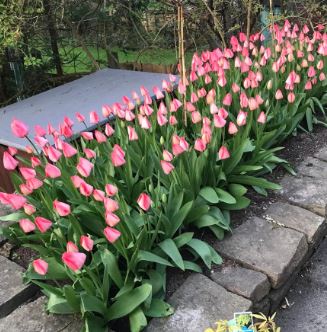
Wann pflanzt man Tulpenzwiebeln in Töpfen?
Determining the right time to plant tulip bulbs in pots is essential for a successful container garden. The ideal planting seasons for tulips generally align with fall, allowing the bulbs to establish their roots before winter sets in. However, adjustments may be necessary based on specific climate variations in your region.
In colder climates, planting tulip bulbs in pots can be done earlier in the fall to ensure sufficient root development. This preemptive planting allows the bulbs to acclimate to the container environment and withstand winter temperatures better.
Considerations for planting tulip bulbs in pots extend beyond seasonal timing. Understanding the unique conditions of container gardening, such as limited space and potential temperature fluctuations, is crucial. By aligning the planting schedule with the local climate and container gardening nuances, you set the stage for a flourishing tulip display.
Kann man Tulpen im Frühling pflanzen?
While fall is the traditional planting season for tulip bulbs, planting them in the spring may be a viable option. However, this choice comes with both advantages and challenges.
In the spring, the soil has warmed up, providing a conducive environment for tulip bulb growth. This can lead to faster establishment and blooming compared to fall-planted bulbs. However, late planting in the spring may result in a delayed or diminished blooming period, as tulips typically require a period of winter chill to thrive.
Adjustments to planting depth may be necessary for spring planting. Planting tulip bulbs slightly shallower, at around 15 cm, allows them to take advantage of the warmer soil while still providing adequate insulation. It’s crucial to monitor soil temperature and select tulip varieties that are more adaptable to spring planting.
Successful spring planting also involves providing proper aftercare. Adequate watering, protection from late frosts, and monitoring the bulbs’ progress are essential steps to ensure the best possible outcome. While unconventional, spring planting can be a rewarding experience for those who missed the fall window.
Wie viele Tulpenzwiebeln pflanzt man in ein Loch?
Determining the optimal quantity of tulip bulbs per hole is crucial for achieving a balanced and visually appealing display. Overcrowding can lead to competition for resources, stunted growth, and diminished flowering. On the other hand, sparse planting may result in a less impactful visual effect.
To strike the right balance, it’s recommended to plant tulip bulbs with a spacing of at least 10–15 cm apart. This spacing allows each bulb enough room to grow and develop without encroaching on its neighbors. When calculating the number of bulbs per hole, consider the overall size of the planting area and the desired density of your tulip display.
Keep in mind that tulips planted closer together may create a more vibrant and intense color effect, while spaced-out planting emphasizes each individual bloom. The choice ultimately depends on your aesthetic preferences and the overall design of your garden.
For larger planting areas, creating a visually appealing pattern with clusters of bulbs can enhance the overall impact. Experimenting with different bulb arrangements allows for creativity in your garden design. Additionally, consider the specific variety of tulips, as some may naturally lend themselves to denser planting.
Kann man Tulpenzwiebeln zu tief pflanzen?
While the recommended planting depth for tulip bulbs is 15–20 cm, planting them too deep can have adverse effects on their growth and blooming. Bulbs buried too deeply may struggle to reach the surface, leading to delayed emergence and potentially stunted growth.
Deep planting may expose tulip bulbs to colder soil temperatures, slowing down their development. In regions with harsh winters, the added depth could expose the bulbs to prolonged freezing conditions, resulting in damage or even death.
Monitoring the depth during planting is essential for avoiding this pitfall. To ensure proper depth, measure the hole and position the bulb with the pointed end facing upwards. This orientation allows the emerging shoot to find its way through the soil more easily.
In cases where bulbs have been planted too deep, corrective measures can be taken. Gently lifting and replanting the bulbs at the appropriate depth during the early stages of growth can mitigate potential issues. Additionally, applying a layer of mulch around the planted area helps regulate soil temperature and moisture, promoting optimal bulb development.
Wie tief muss man graben, um Tulpenzwiebeln zu pflanzen?
Digging the right depth when planting tulip bulbs is a critical step in ensuring their successful growth. The recommended depth is 15–20 cm, allowing for proper root development and insulation against external factors. The depth of the hole should be proportional to the height of the bulb.
Using a gardening tool such as a trowel or bulb planter streamlines the digging process. The goal is to create a hole that accommodates the bulb comfortably, allowing it to settle in without constraints. Additionally, the size of the hole plays a role in preventing overcrowding when planting multiple bulbs in the same area.
While digging, pay attention to the soil structure. Well-draining soil is essential to prevent waterlogging, which can be detrimental to tulip bulbs. If the soil is heavy or compacted, amending it with organic matter improves drainage and creates a more hospitable environment for bulb growth.
In colder climates, where frost is a concern, digging the hole slightly deeper can offer an added layer of protection. However, it’s crucial to strike a balance, as excessively deep planting may lead to the challenges mentioned earlier.
Kann ich Tulpen im Mai pflanzen?
Planting tulips in May, while not the traditional timeframe, may be feasible depending on your region and specific circumstances. Late planting in the spring presents both opportunities and challenges, requiring careful consideration.
In warmer climates, where the soil remains relatively warm in May, late planting can still allow tulip bulbs to establish roots before the onset of summer. However, it’s essential to choose tulip varieties that are more adaptable to later planting, as they may not require the same winter chilling period.
Adjusting the planting depth is advisable when planting tulips in May. Planting slightly shallower, around 15 cm, takes advantage of the warmer soil while still providing insulation for the bulbs. Adequate watering during the establishment period is crucial to support the bulbs in their initial stages of growth.
It’s important to note that late planting may result in a delayed or abbreviated blooming period. While the visual impact may be diminished, successful growth and blooming are still achievable with proper care and attention.
Ist es notwendig, Tulpenzwiebeln vor dem Pflanzen einzuweichen?
Soaking tulip bulbs before planting is a practice that can offer several benefits. While not a strict requirement, this method can enhance the bulb’s readiness for growth and contribute to a more successful planting experience.
Soaking tulip bulbs serves to rehydrate them, especially if they have been stored for an extended period. This rehydration process jumpstarts the metabolic activity within the bulb, promoting quicker root development once planted. Soaking can be particularly beneficial for bulbs that appear dehydrated or shriveled.
The duration of soaking typically ranges from a few hours to overnight. During this time, the bulbs absorb water, becoming plump and ready for planting. Adding a small amount of fungicidal solution to the soaking water can also help prevent potential fungal issues in the soil.
While soaking may not be necessary for all tulip bulbs, it can be especially advantageous for those that have been stored for an extended period or those showing signs of dehydration. Incorporating this step into your planting routine contributes to the overall health and vigor of your tulips.
Benötigen Tulpen viel Wasser?
Watering is a crucial aspect of tulip care, and finding the right balance is key to their successful growth. While tulips don’t require excessive watering, providing consistent moisture, especially during specific stages of their growth, is essential.
After planting tulip bulbs, watering ensures that the soil settles around them, eliminating air pockets. This initial watering also kickstarts the bulb’s development, encouraging root growth. While tulips are generally hardy, they benefit from a consistent water supply, especially in dry climates.
Watering frequency may vary based on environmental factors. In regions with regular rainfall, natural watering may be sufficient. However, in drier climates or during dry periods, supplemental watering becomes crucial. Aim to keep the soil consistently moist but not waterlogged, as excessively wet conditions can lead to root rot.
During the blooming period, maintaining adequate moisture is vital for vibrant and long-lasting flowers. Proper hydration supports the tulip’s ability to produce strong, sturdy stems and ensures the overall health of the plant. Mulching around the base of the tulips helps retain soil moisture and regulates temperature.
Wachsen Tulpen jedes Jahr wieder?
Tulpen sind mehrjährige Pflanzen, was bedeutet, dass sie das Potenzial haben, jedes Jahr zurückzukehren und zu blühen. Allerdings hängt das Ausmaß ihrer Rückkehr von verschiedenen Faktoren ab, einschließlich des lokalen Klimas, der Bodenbedingungen und der richtigen Pflege.
In vielen Regionen werden Tulpen als einjährige Pflanzen behandelt, da ihre Fähigkeit, zuverlässig zurückzukehren, im Laufe der Zeit abnimmt. Die klassische Tulpenblüte ist oft im ersten Jahr am spektakulärsten und nimmt in den folgenden Jahren allmählich an Intensität ab. Einige Sorten können nach den ersten Jahren einen Rückgang der Blüte erleben.
Um Tulpen zu ermutigen, jedes Jahr zurückzukehren, ist die richtige Nachsorge entscheidend. Lassen Sie das Laub nach der Blüte natürlich vergilben und welken, da dieser Prozess den Zwiebeln ermöglicht, Energie für die nächste Wachstumsperiode zu speichern. Widerstehen Sie der Versuchung, das Laub vorzeitig abzuschneiden, da es eine entscheidende Rolle im Erneuerungsprozess der Zwiebel spielt.
In kälteren Klimazonen, in denen Tulpen die notwendige Winterkälteperiode erhalten, ist die Wahrscheinlichkeit ihrer Rückkehr höher. Darüber hinaus trägt die Verbesserung des Bodens mit organischem Material, die Gewährleistung einer ordnungsgemäßen Drainage und die Bereitstellung ausreichender Nährstoffe zum langfristigen Erfolg des Tulpenanbaus bei.
Wie viele Jahre halten Tulpen?
Die Lebensdauer von Tulpen kann variieren, aber im Durchschnitt können sie bei richtiger Pflege mehrere Jahre halten. Während die spektakuläre Darstellung von Tulpen oft im ersten Jahr am ausgeprägtesten ist, können auch die folgenden Jahre noch schöne Blüten hervorbringen, wenn die richtigen Bedingungen aufrechterhalten werden.
Faktoren, die die Langlebigkeit von Tulpen beeinflussen, sind die gepflanzte Sorte, das lokale Klima und die bereitgestellte Pflege. Einige Tulpenarten sind robuster und haben eine längere Lebensdauer, während andere möglicherweise eine begrenztere Rückkehr aufweisen.
Die Umsetzung von richtigen Nachsorgepraktiken trägt erheblich dazu bei, die Lebensdauer von Tulpen zu verlängern. Lassen Sie das Laub seinen natürlichen Zyklus abschließen, stellen Sie essentielle Nährstoffe durch Düngung bereit und beheben Sie potenzielle Probleme umgehend, um die allgemeine Gesundheit der Zwiebeln zu fördern.
In kälteren Klimazonen, in denen Tulpen die notwendige Winterkälte erhalten, ist die Wahrscheinlichkeit höher, dass sie jedes Jahr zuverlässig zurückkehren. Gärtner in wärmeren Regionen können jedoch eine kür