
The Deodar cedar (Cedrus deodara) is a majestic evergreen conifer known for its graceful, weeping branches and rapid growth rate. This guide explores its growth rate, varieties, cones, and essential care information to help you effectively incorporate this stunning tree into your landscape.
Understanding the Deodar Cedar and Its Growth Rate
The Deodar cedar is not just any tree; it’s a showstopper! Known for its stunning weeping branches, it thrives in the right conditions. Let’s dive into its natural habitat, growth rate, and what influences its growth.
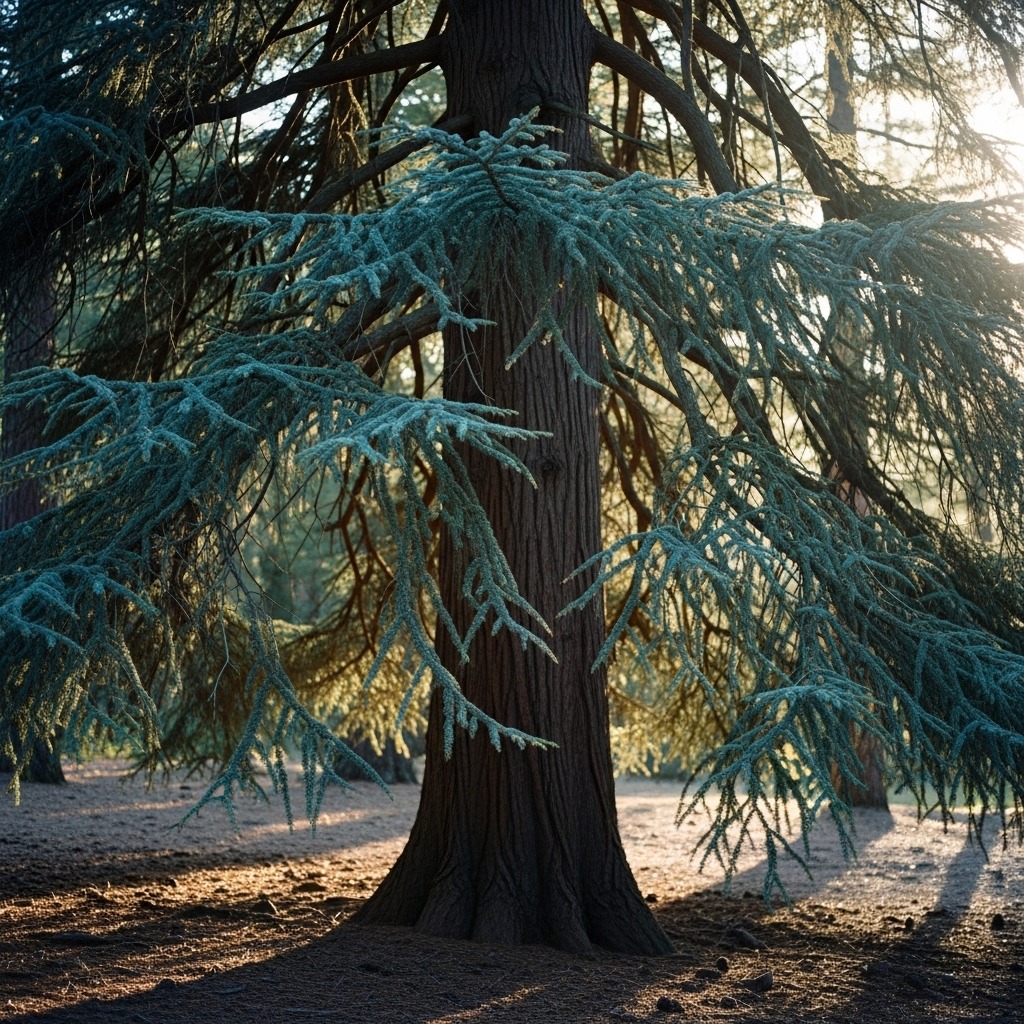
Natural Habitat and Conditions
The Deodar cedar (Cedrus deodara) is native to the western Himalayas. It loves high altitudes and grows best in areas with plenty of sunlight. Here are a few key points about its habitat:
- Soil Type: Prefers well-drained, slightly acidic soil. Good drainage is crucial.
- Sunlight: Needs full sun to thrive. A sunny spot will help it grow strong.
- Space: This tree can spread out, so plant it where it has room to flourish.
Average Growth Rate
Deodar cedars are known for their impressive growth rate. On average, they can grow about 2 to 3 feet per year under ideal conditions. Here’s a quick breakdown:
- Young Trees: Typically grow faster in their early years.
- Mature Trees: Growth may slow down but can still reach heights of 40 to 70 feet over time.
Factors Affecting Growth
Several factors can influence how quickly your Deodar cedar grows. Here’s what to keep in mind:
- Climate: Warmer climates with adequate moisture can boost growth rates.
- Soil Quality: Nutrient-rich, well-draining soil is essential for healthy growth.
- Watering: Young Deodars need regular watering until established. Once mature, they are somewhat drought-resistant.
- Sun Exposure: More sun means better growth. Ensure it’s not shaded by other trees or structures.
Visual Aid: Average Growth Rate Comparison
| Year | Height (Feet) |
|---|---|
| 1 | 2 – 3 |
| 5 | 10 – 15 |
| 10 | 20 – 30 |
| 20 | 40 – 70 |
These factors show how important it is to provide the right conditions for your Deodar cedar. If you plan to plant one, consider its needs for optimal growth!
Exploring the Varieties of Deodar Cedar
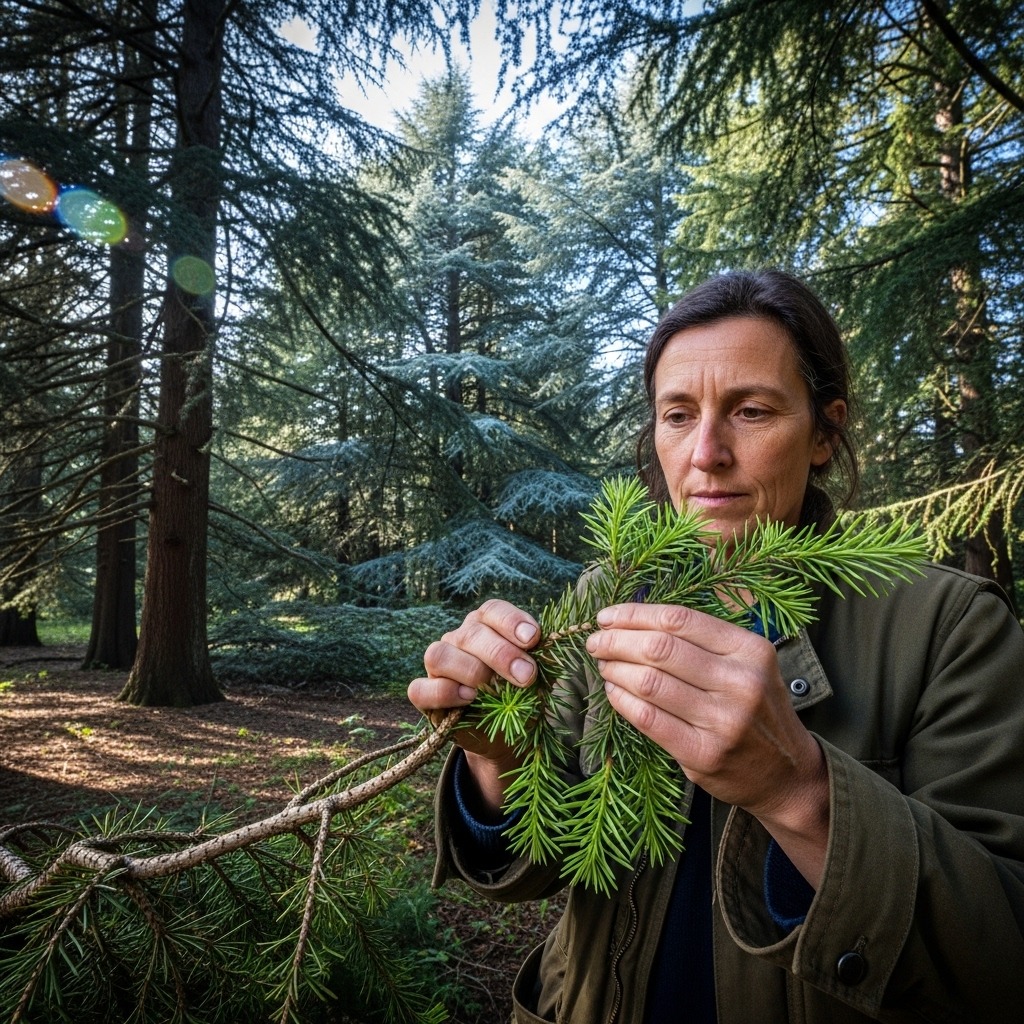
Deodar cedar, or Cedrus deodara, has several stunning varieties, each with its own unique traits. Knowing these varieties can help you choose the perfect one for your garden or landscape.
Table of Contents
Common Varieties and Their Characteristics
Here are some popular varieties of Deodar cedar:
- Fastigiata: This columnar variety grows upright and narrow, making it perfect for small spaces. It typically reaches 25 to 30 feet tall and 10 to 15 feet wide.
- Kashmiriana: Known for its graceful, weeping branches, this cultivar adds a dramatic flair. It can grow up to 40 feet tall, with a spread of 20 feet.
- Aurea: With golden-yellow foliage, this variety is a standout in any landscape. It grows about 30 feet tall and 15 feet wide, providing a bright splash of color.
- Dwarf Varieties: These are slower-growing and ideal for smaller gardens. Some can grow only about 4 feet in a decade, making them easy to maintain.
Identifying Deodar Cedar Cultivars
Identifying different Deodar cedar cultivars can be straightforward with a few key traits:
- Needle Color: Varieties like Aurea have distinctive golden needles, while others like Kashmiriana might have bluish-green needles.
- Branch Habit: Fastigiata has a straight, upright growth, while Kashmiriana features drooping branches.
- Growth Rate: Some varieties grow faster than others. For instance, Fastigiata can reach its height quicker than the dwarf varieties.
Uses in Landscaping
Deodar cedar is not just beautiful; it’s also versatile. Here’s how you can use them in your landscape:
- Focal Points: Taller varieties like Kashmiriana can serve as stunning focal points in larger gardens.
- Windbreaks: Fastigiata’s upright growth makes it excellent for windbreaks, providing shelter for smaller plants.
- Accent Plants: Dwarf varieties work well as accent plants in rock gardens or borders.
Choosing the right Deodar cedar variety can enhance your landscape dramatically. Consider the space you have, the growth habits, and the visual appeal when making your selection!
The Cones of Deodar Cedar: What You Need to Know
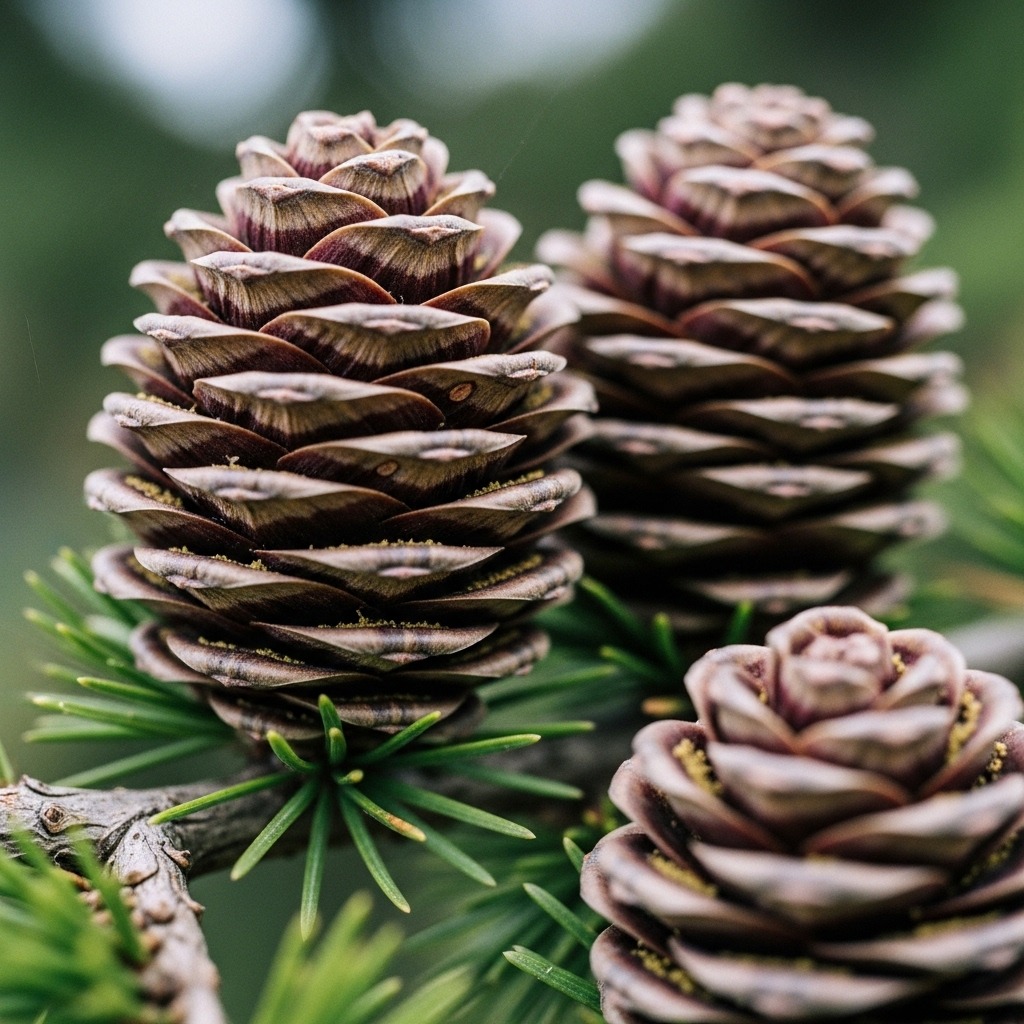
Deodar cedar trees have unique reproductive structures. Understanding their cones is essential for appreciating how these trees grow and thrive.
Male and Female Cones Explained
Deodar cedar produces both male and female cones. Here’s a quick look at their differences:
- Male Cones:
- Smaller in size.
- Found on the lower branches.
- Yellowish or light brown when releasing pollen in autumn.
- These cones produce pollen that fertilizes female cones.
- Female Cones:
- Larger and barrel-shaped.
- Located at the ends of upper branches.
- Start off green or purplish and mature to brown.
- Take about two years to mature before disintegrating to release winged seeds.
Lifecycle and Seed Production
The lifecycle of Deodar cedar cones is fascinating. Here’s how it works:
1. Pollination: Male cones release pollen in fall. This pollen is carried by the wind to pollinate female cones.
2. Development: After pollination, female cones grow during spring and summer.
3. Maturation: Female cones mature over two years. Once mature, they break apart, releasing seeds that germinate in late spring.
This process is crucial for the tree’s reproduction and helps maintain its population.
Importance of Cones in Tree Health
Cones play a significant role in the health of Deodar cedar trees. Here’s why:
- Indicators of Health: The presence of both male and female cones indicates a healthy, mature tree.
- Seed Production: Healthy cones ensure the next generation of trees.
- Ecosystem Contributions: The seeds provide food for local wildlife, contributing to the biodiversity of the area.
By understanding these aspects of Deodar cedar cones, gardeners can better appreciate the tree’s ecological role and ensure their care and maintenance.
Essential Care Tips for Your Deodar Cedar
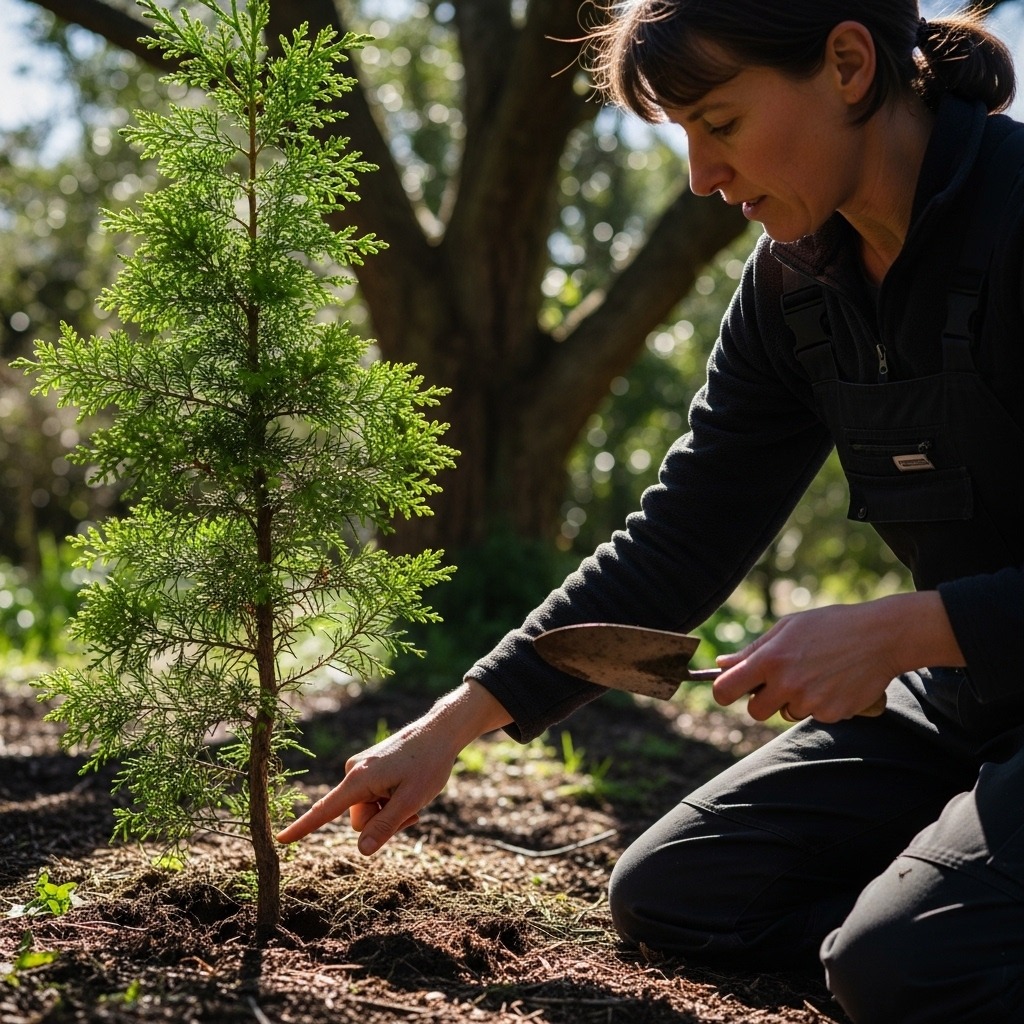
Taking care of your Deodar cedar is key to its growth and health. Here’s how to plant, water, and maintain this beautiful tree for optimal results.
Ideal Soil and Water Requirements
Deodar cedars thrive in well-drained soil. Here’s what you need to consider:
- Soil Type: They can grow in loam, sand, or clay, but drainage is crucial.
- pH Level: Aim for slightly acidic soil, ideally around 5.5.
- Watering: Water young trees regularly, especially in the first few growing seasons. Once established, they’re somewhat drought-resistant.
Tip: If your soil isn’t acidic, consider using an acidifying fertilizer in spring. Just remember, less is more—over-fertilizing can harm the roots.
Pruning and Maintenance Techniques
Pruning helps your Deodar cedar stay healthy and attractive. Here’s a simple guide:
- Timing: Prune in late winter or early spring before new growth starts.
- Method: Remove dead or damaged branches. Aim for a balanced shape.
- Frequency: Regularly check for suckers and unwanted growth.
Checklist for Pruning:
- Check for dead branches.
- Use clean, sharp tools.
- Make cuts at an angle to promote healing.
Common Pests and Diseases
While Deodar cedars are resilient, they can face some common pests and diseases. Here’s what to look out for:
- Pests: Watch for aphids and spider mites. They can weaken the tree.
- Diseases: Root rot can occur in overly wet conditions. Ensure good drainage to prevent this.
Pest Management Steps:
1. Inspect the tree regularly for signs of pests.
2. Use insecticidal soap if necessary, focusing on affected areas.
3. Maintain proper watering habits to avoid root rot.
Example: If you notice yellowing needles, it could indicate pest issues or improper watering. Act quickly to keep your tree healthy!
By following these essential care tips, your Deodar cedar can flourish and become a stunning addition to your landscape.
Common Issues and Mistakes to Avoid with Deodar Cedar
Growing Deodar cedars can be rewarding, but there are some common pitfalls to watch for. Let’s explore these issues and how to sidestep them.
Identifying Common Problems
Deodar cedars are generally hardy, but they can face challenges. Here are some typical issues:
- Pest Infestations: Look out for cedar bark beetles and deodar weevils. These pests can attack weakened trees.
- Root Rot: This occurs in overly wet soil. Ensure your tree has well-drained soil.
- Salt Damage: Trees planted near roads might suffer from salt exposure, leading to browning needles.
- Needle Browning: This can indicate drought stress or pest problems.
Solutions and Best Practices
Preventing issues is easier than dealing with them later. Here are some best practices:
- Planting Location: Choose a sunny spot with plenty of space. Avoid windy areas, as strong gusts can damage branches.
- Watering Habits: Water deeply but infrequently. This encourages strong root growth and prevents rot.
- Soil Quality: Use slightly acidic, well-drained soil. Testing your soil can help you understand its pH and nutrient levels.
- Regular Inspections: Check your tree frequently for pests or signs of stress. Early detection is key!
Example: A gardener noticed browning needles on their Deodar cedar. After inspecting, they found that soil was too wet. They adjusted their watering schedule, and the tree recovered beautifully in the spring.
FAQs on Deodar Cedar Issues
1. What should I do if my Deodar cedar is losing needles?
- Check for pests and evaluate your watering practices. Adjust if necessary.
2. How can I tell if my tree is getting enough sunlight?
- If the tree is growing well and producing cones, it’s likely getting enough light. Stunted growth can indicate insufficient sunlight.
3. Are there any diseases specific to Deodar cedar?
- Yes, while they’re generally resistant, root rot is a common issue if the soil is too wet.
By being proactive and following these tips, you can help your Deodar cedar thrive and avoid common mistakes!
Comparing Deodar Cedar to Other Cedar Varieties
Deodar cedar (Cedrus deodara) is a stunning tree, but how does it stack up against its cedar cousins? Let’s dive into the comparisons with the Atlas cedar and the Lebanon cedar. You’ll see how they differ in growth rates, appearance, and practical uses.
Growth Rates and Characteristics
- Deodar Cedar: Grows about 1 to 2 feet per year. It can reach up to 40-70 feet tall at maturity, forming a lovely, weeping shape.
- Atlas Cedar (Cedrus atlantica): Also grows around 1 to 2 feet a year. However, it often reaches around 40-60 feet with a more upright form.
- Lebanon Cedar (Cedrus libani): It grows slightly slower, about 1 foot per year, and can reach heights of 40-100 feet. Its branches are more horizontal compared to the other cedars.
| Cedar Type | Growth Rate | Mature Height | Branch Formation |
|---|---|---|---|
| Deodar Cedar | 1-2 ft/year | 40-70 ft | Weeping |
| Atlas Cedar | 1-2 ft/year | 40-60 ft | Upright |
| Lebanon Cedar | 1 ft/year | 40-100 ft | Horizontal |
Ideal Uses in Landscaping
- Deodar Cedar: Perfect for parks and large gardens. Its drooping branches create a stunning focal point.
- Atlas Cedar: Great for adding texture to landscapes. The bluish-green needles stand out beautifully.
- Lebanon Cedar: Often used in historical gardens and as a symbol of strength. It’s also popular for timber.
Aesthetic Differences
- Deodar Cedar: Features soft, bluish-green needles. The branches droop elegantly, adding a unique charm.
- Atlas Cedar: Has shorter needles with a bluish hue, giving it a distinct look.
- Lebanon Cedar: Displays a more robust structure with a flat foliage arrangement. Its needles are darker and more rigid.
In summary, if you’re choosing the right cedar for your space, think about the look and growth habits you prefer. Each cedar has its unique flair and growth characteristics that can enhance your landscape in different ways.
Alternatives to Deodar Cedar for Landscaping
If you’re considering alternatives to the Deodar cedar, you’re in luck! There are several trees that can bring beauty and function to your landscape. Here are some great options to think about.
Suitable Alternatives
1. Atlas Cedar (Cedrus atlantica)
- Features a more compact growth habit.
- Has shorter, blue-green needles.
- Tolerates heat well.
2. Lebanon Cedar (Cedrus libani)
- Known for its robust structure.
- Offers dark, rigid needles.
- Grows well in various soil types.
3. Eastern Red Cedar (Juniperus virginiana)
- A hardy choice that’s drought-resistant.
- Provides aromatic wood.
- Features a conical shape that adds elegance.
Pros and Cons of Each Alternative
| Tree Species | Pros | Cons |
|---|---|---|
| Atlas Cedar | Compact growth, stunning appearance | Can be sensitive to heavy clay soil |
| Lebanon Cedar | Strong structure, great for wildlife | Slower growth rate compared to Deodar |
| Eastern Red Cedar | Drought-resistant, low maintenance | Can be invasive in some areas |
Ideal Conditions for Alternatives
- Atlas Cedar: Prefers well-drained soil and full sun. Best planted in areas with minimal wind exposure.
- Lebanon Cedar: Thrives in well-drained, sandy soils. It enjoys sunny locations but can tolerate partial shade.
- Eastern Red Cedar: Grows well in various soil types. It can adapt to dry conditions but prefers full sun for best growth.
These alternatives can complement or even replace the Deodar cedar, depending on your landscaping needs. Whether you’re looking for a unique look or specific growth characteristics, each option brings something special to the table.
Frequently Asked Questions
These quick answers cover the most common questions about this topic, including key details, practical tips, and common concerns.
What’s the fastest growing cedar?
The Deodar cedar (Cedrus deodara) is among the fastest-growing cedar species, typically adding about 2 to 3 feet in height per year under optimal conditions. Its rapid growth makes it a popular choice for quick landscape screening or creating a focal point.
What are the female cones in deodar cedar?
Female cones in Deodar cedar are larger, barrel-shaped structures that develop at the ends of the branches. They start green or purplish and mature to brown over about two years, eventually releasing winged seeds for reproduction.
How fast do deodar cedars grow?
Deodar cedars generally grow about 1 to 3 feet annually, especially during their early years. Growth rate depends on factors like soil quality, climate, and care. Mature trees can reach heights of 40 to 70 feet over several decades.
What are the three types of cedars?
The main cedar species include:
- Deodar cedar (Cedrus deodara): Known for its weeping branches and rapid growth.
- Atlas cedar (Cedrus atlantica): Recognized for its upright form and bluish foliage.
- Lebanon cedar (Cedrus libani): Noted for its broad, horizontal branches and historical significance.
How should I care for my deodar cedar?
Provide well-drained, slightly acidic soil and full sun. Water young trees regularly until established, then reduce watering. Prune to remove dead branches and shape the tree. Watch for pests like aphids and ensure good airflow to prevent diseases.
When is the best time to plant deodar cedar?
Plant Deodar cedar in early spring or fall when temperatures are moderate. This allows the roots to establish before extreme heat or cold. Avoid planting during the hottest summer months or in winter frost.
What is the ideal soil type for deodar cedar?
Deodar cedar prefers well-drained, slightly acidic soil (pH around 5.5). It can tolerate various soil textures, including loam, sandy, or clay, as long as drainage is good to prevent root rot.
How often should I water my Deodar cedar?
Water young trees deeply once a week during the first year. After establishment, reduce frequency but water during prolonged dry spells. Mature Deodars are somewhat drought-tolerant but still benefit from occasional deep watering, especially in hot weather.