
The deodar cedar tree offers rapid growth, aromatic timber, and drought resistance, but it also has shallow roots that can become invasive and messy, making it important to consider both benefits and drawbacks before planting.
Table of Contents
Deodar cedar trees are known for their rapid growth and stunning appearance, making them popular choices for landscaping. However, they come with both advantages and potential drawbacks that should be carefully considered by gardeners and homeowners.
Understanding the Deodar Cedar Tree
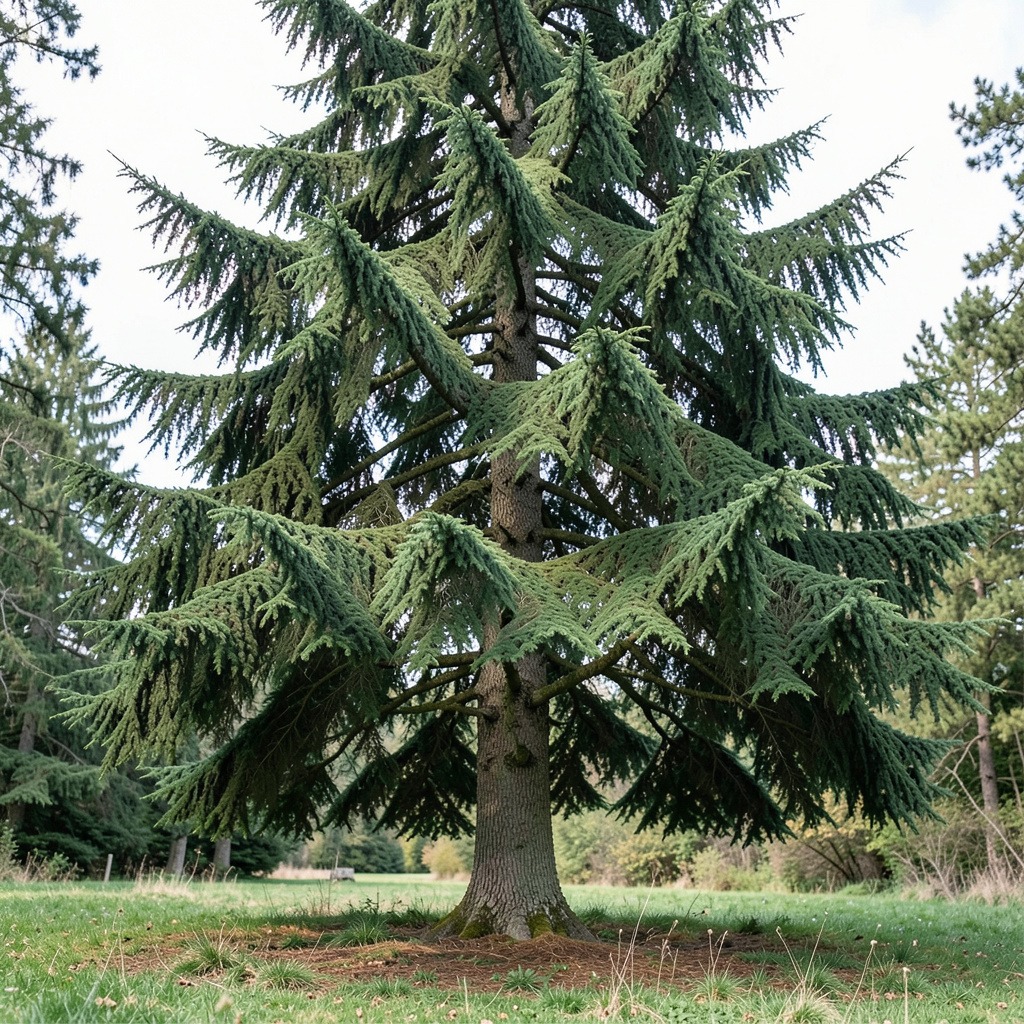
The deodar cedar, scientifically known as Cedrus deodara, is a majestic evergreen conifer valued for its aesthetic qualities and practical uses. This tree’s unique characteristics make it a popular choice for landscaping, while its growth habits and environmental needs are crucial for successful cultivation.
Unique Characteristics of Deodar Cedar
Deodar cedar trees are recognized for their:
- Graceful Appearance: They feature drooping branches that create a pyramidal shape, making them visually striking.
- Needles: The soft, bluish-green needles grow in clusters, adding to their ornamental appeal.
- Height: In ideal conditions, these trees can reach heights of 50 to 200 feet, depending on the cultivar and environment.
- Aromatic Wood: The timber is known for its pleasant scent and natural resistance to decay.
Growth Habits and Ideal Conditions
Deodar cedars thrive in specific conditions:
- Growth Rate: They grow rapidly, often achieving 2 to 3 feet in height annually under optimal conditions.
- Soil Requirements: Prefer well-drained, slightly acidic soil. Heavy, clayey, or waterlogged soils can hinder growth.
- Sunlight: Require full sun, ideally receiving 6 to 8 hours of direct sunlight daily.
- Watering Needs: Establish a deep root system by watering deeply once a week during the first growing season. After establishment, water every 2 to 3 weeks during dry spells.
Decision Framework for Site Selection
When considering planting a deodar cedar, use the following guidelines:
- Space Requirements: Ensure adequate spacing to accommodate their height and wide canopy. For small yards, consider dwarf cultivars.
- Landscape Compatibility: Assess surrounding plants to avoid competition for resources. Successful examples include using deodar cedars as focal points in large gardens or as windbreaks in rural settings.
By understanding these growth characteristics and ideal conditions, gardeners can make informed decisions about incorporating deodar cedars into their landscapes.
Pros of Planting Deodar Cedar Trees
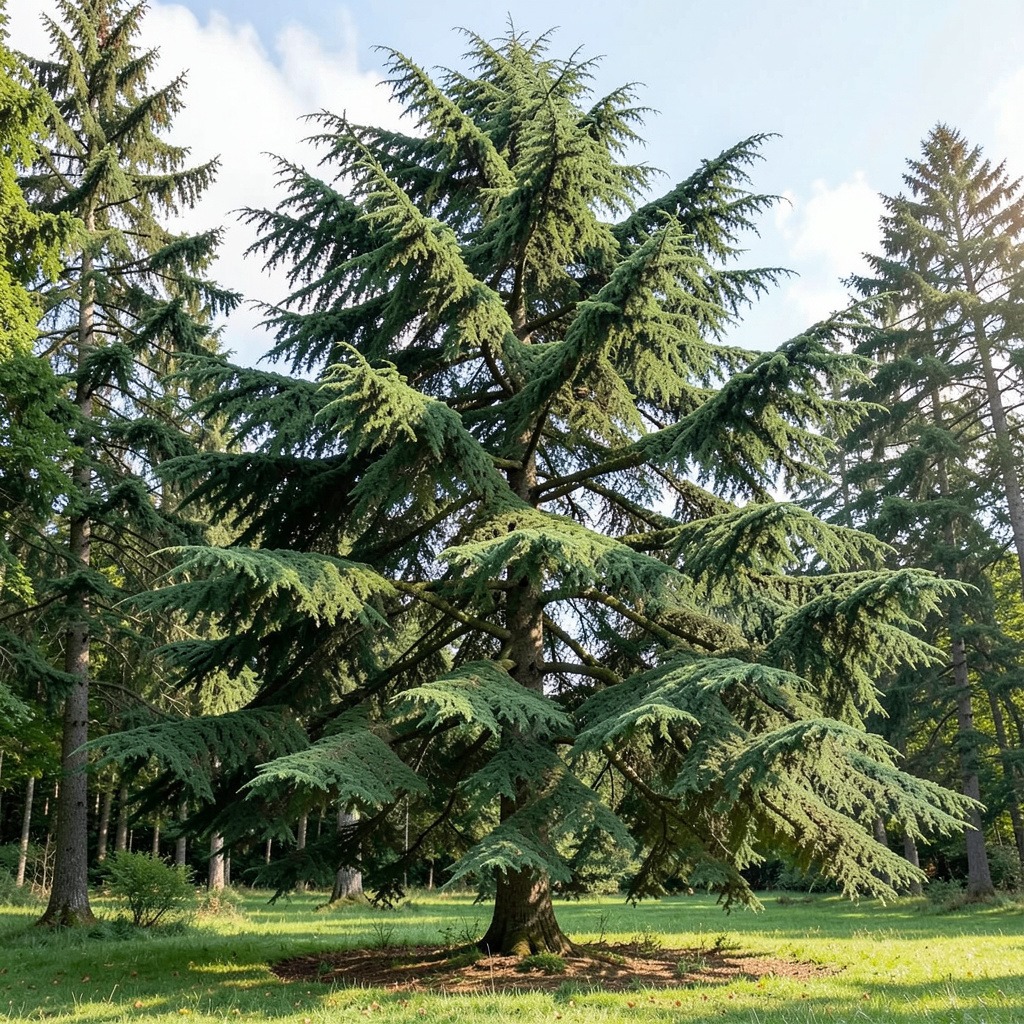
Deodar cedar trees offer numerous benefits that make them an attractive choice for landscaping. Their rapid growth, drought tolerance, and aromatic timber contribute positively to gardens and outdoor spaces.
Rapid Growth and Landscape Impact
Deodar cedars exhibit a remarkable growth rate, typically reaching 2 to 3 feet annually under ideal conditions. This rapid development allows them to establish a significant presence in a short time, making them suitable for various landscaping applications. Here are some key points:
- Early Establishment: In their first decade, deodar cedars can grow several feet, creating a broad, upright crown that can serve as a focal point in gardens.
- Site Selection: Due to their size, it is essential to plan for adequate spacing. Consider using dwarf cultivars in smaller yards to prevent overcrowding.
- Design Versatility: These trees work well as specimen plants in large landscapes or as part of windbreaks in rural settings.
Timber Value and Uses
The timber of the deodar cedar is highly valued in construction and woodworking. It is known for its straight grain, moderate density, and natural resistance to fungal decay. Here’s why this makes deodar cedar a practical choice:
- Durability: The wood’s inherent properties make it suitable for both structural and decorative applications.
- Aesthetic Appeal: Its beautiful grain and aroma enhance the visual and sensory experience of any space.
- Sustainability: Choosing deodar cedar for timber can support sustainable practices when sourced responsibly.
Aromatic Benefits of Essential Oil
Deodar cedar is not only known for its physical presence but also for its aromatic qualities. The essential oil extracted from mature trees is prized in aromatherapy and traditional applications. Consider the following:
- Health Benefits: The oil is valued for its calming properties and can be used in diffusers or for massage.
- Insect Repellent: Its natural aroma can deter pests, making it a functional addition to gardens.
- Harvesting Tips: To maximize oil yield, harvest trees that are at least 15 years old and collect oil during peak seasons.
By understanding these benefits, gardeners can make informed decisions about incorporating deodar cedar trees into their landscapes.
Cons of Planting Deodar Cedar Trees
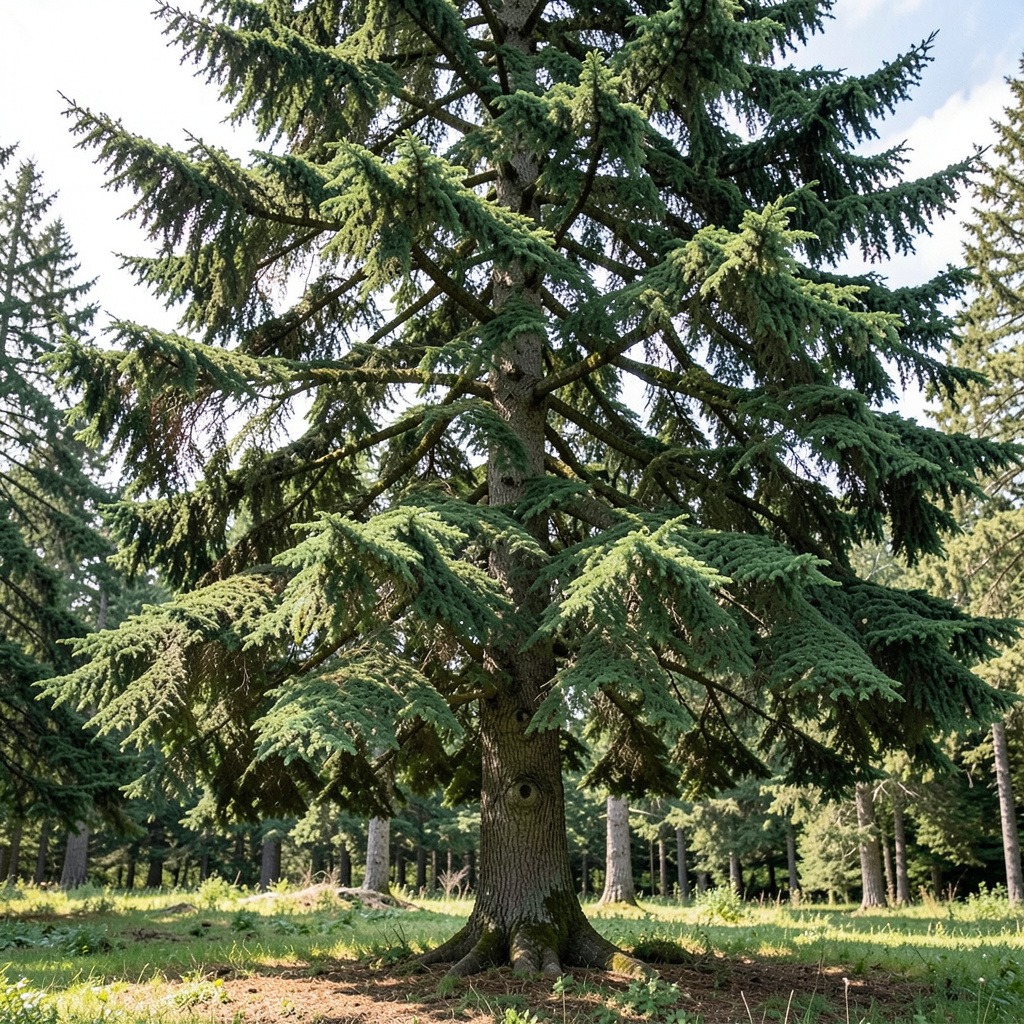
While the deodar cedar tree offers many benefits, it also presents several challenges. Understanding these drawbacks is essential for effective landscaping and tree management.
Root System Challenges and Invasive Potential
Deodar cedar trees develop shallow root systems. This characteristic can lead to several issues:
- Structural Damage: The roots may disrupt sidewalks, driveways, and foundations. This risk necessitates careful site selection.
- Invasive Behavior: In non-native regions, deodar cedar can spread aggressively. It may outcompete local flora, disrupting local ecosystems.
Choosing the right planting location is crucial to mitigate these risks. Consider planting deodar cedars at least 15 feet away from structures to minimize potential damage.
Maintenance and Care Considerations
Deodar cedars require specific maintenance to thrive. Neglecting their needs can result in health issues and aesthetic problems:
- Pruning Needs: Regular pruning is essential to maintain shape and remove dead branches. Failure to prune can lead to an untidy appearance and increased risk of disease.
- Watering Requirements: Although drought-tolerant once established, young trees need significant moisture. Inconsistent watering can stunt growth and lead to root issues.
Establish a maintenance schedule that includes annual pruning and consistent watering for the first few years. This proactive approach ensures tree health and longevity.
Environmental Impact and Ecosystem Compatibility
Planting deodar cedar may have varying effects on local ecosystems:
- Biodiversity Effects: This tree can alter soil composition and water availability. Its extensive canopy may shade out native plants, reducing biodiversity.
- Wildlife Interaction: While it provides habitat for some wildlife, it may not support the same variety of species as native trees. This can lead to a decline in local fauna that depend on native plants.
When considering deodar cedar for landscaping, assess the local ecosystem. If biodiversity is a priority, explore native tree alternatives that offer similar aesthetic benefits without the ecological drawbacks.
Decision Framework for Site Selection
When selecting a site for deodar cedar, consider these factors:
- Space Requirements: Ensure ample room for growth. Deodar cedars can grow to be quite large, requiring at least 20 feet of clearance from other trees and structures.
- Soil Conditions: Test soil pH and drainage. Deodar cedars thrive in slightly acidic, well-drained soils. Poor drainage can lead to root rot.
By implementing this decision framework, you can better align deodar cedar planting with both aesthetic goals and environmental stewardship.
Care and Maintenance of Deodar Cedar Trees
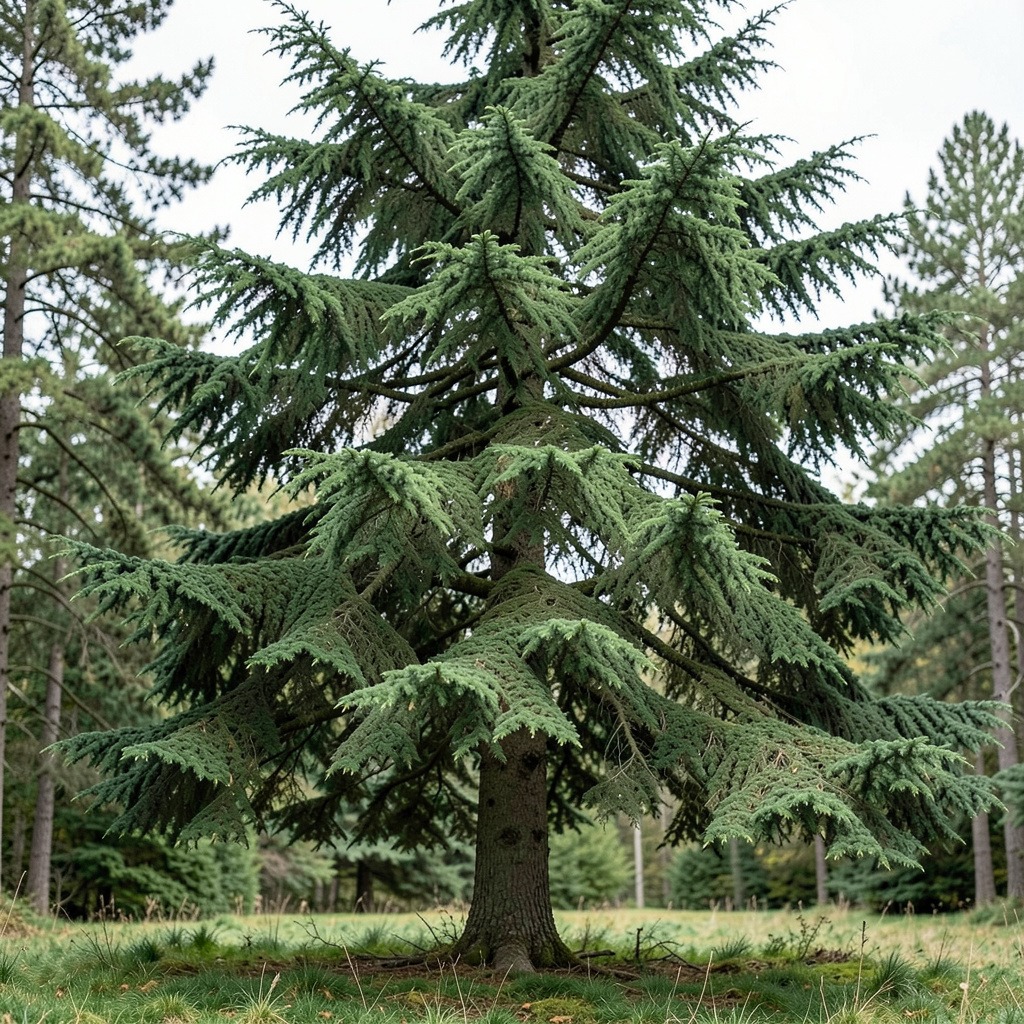
Caring for deodar cedar trees involves understanding their specific needs regarding watering, soil, sunlight, and pest management. Proper maintenance ensures healthy growth and longevity.
Watering and Soil Requirements
Deodar cedars prefer well-drained, slightly acidic soil. They thrive when watered deeply but infrequently. Here’s a checklist for optimal watering and soil conditions:
- Watering Schedule:
- First year: Water weekly to establish roots.
- Established trees: Water every 2-3 weeks during dry spells.
- Soil Conditions:
- pH: Aim for 6.0 to 7.5.
- Texture: Well-drained sandy loam is ideal.
- Amend clay soils with sand and organic matter to improve drainage.
Pruning Techniques for Healthy Growth
Regular pruning helps maintain the tree’s shape and health. Here are effective pruning techniques:
- Timing: Prune in late winter or early spring before new growth starts.
- Techniques:
- Remove dead, damaged, or crossing branches.
- Lightly trim branch tips to enhance shape without over-pruning.
- Considerations: Avoid heavy pruning, which can disrupt the tree’s natural form.
Pest and Disease Management
Deodar cedars can be susceptible to specific pests and diseases. Managing these threats involves proactive measures:
- Common Pests:
- Aphids: Monitor for sticky residue on leaves.
- Scale insects: Check for discolored bark and leaves.
- Disease Prevention:
- Ensure adequate air circulation by spacing trees appropriately.
- Avoid overwatering, which can lead to root rot.
- Management Strategies:
- Use insecticidal soap for aphid control.
- Prune affected areas and improve drainage to combat root rot.
By adhering to these care and maintenance guidelines, you can enhance the health and aesthetic appeal of your deodar cedar while effectively managing its growth challenges.
Alternatives to Deodar Cedar for Landscaping
When considering alternatives to the deodar cedar, several tree species offer similar aesthetic and functional benefits. Each alternative has its own pros and cons, making it crucial to match the tree’s characteristics with the intended landscape purpose.
Comparing Growth Rates and Care Needs
| Tree Species | Average Growth Rate | Soil Requirements | Care Needs | Pros | Cons |
|---|---|---|---|---|---|
| Eastern Red Cedar | 1-2 feet per year | Well-drained, sandy soil | Low maintenance | Drought-resistant, wildlife habitat | Can be invasive in some regions |
| Western Red Cedar | 1-3 feet per year | Moist, well-drained soil | Regular watering needed | Durable wood, aromatic | Susceptible to pests and diseases |
| Norway Spruce | 2-3 feet per year | Slightly acidic, sandy | Moderate maintenance | Fast growth, good for privacy screens | Needles can drop, messy in fall |
| Sugar Maple | 1-2 feet per year | Moist, well-drained soil | Regular watering and fertilization | Stunning fall colors, excellent shade | Slow to establish, requires space |
Aesthetic Considerations and Landscape Use Cases
1. Eastern Red Cedar:
- Ideal for natural hedges and windbreaks.
- Offers a rustic look with evergreen foliage.
2. Western Red Cedar:
- Best suited for coastal areas due to its tolerance for moisture.
- Provides a beautiful, lush appearance and is highly valued for its timber.
3. Norway Spruce:
- Great for creating privacy screens due to its dense foliage.
- Fast-growing, making it suitable for quick landscape screening.
4. Sugar Maple:
- Excellent for adding seasonal color to landscapes.
- Provides ample shade, making it suitable for larger yards.
Decision Framework for Site Selection
When choosing an alternative to deodar cedar, consider the following factors:
- Space Availability: Ensure the tree has enough room to grow without overcrowding.
- Soil Type: Match the tree’s soil requirements with your landscape’s conditions.
- Maintenance Commitment: Assess the level of care you can provide.
- Aesthetic Goals: Choose a species that aligns with your desired landscape design.
By assessing these factors, you can select a tree that complements your landscape while offering the desired benefits and minimizing potential drawbacks.
Frequently Asked Questions
These quick answers cover the most common questions about this topic, including key details, practical tips, and common concerns.
What is special about deodar trees?
Deodar trees, or Cedrus deodara, are renowned for their elegant appearance and rapid growth rate. They can reach heights of 50 to 200 feet and have a graceful pyramidal shape with drooping branches. Their soft, bluish-green needles and aromatic wood make them popular in landscaping and construction. Additionally, the essential oil extracted from their wood is valued for its calming properties in aromatherapy.
Do deodar cedars have invasive roots?
Yes, deodar cedars can develop shallow and invasive root systems. This characteristic can lead to structural damage to sidewalks, driveways, and foundations. To minimize risks, it is advisable to plant them at least 15 feet away from buildings and other structures. Proper site selection is crucial to avoid potential issues with root invasiveness.
What is the average lifespan of a deodar cedar tree?
Deodar cedar trees can live for several decades, with an average lifespan of 50 to 100 years under optimal conditions. Some trees may even exceed this range in ideal environments. Regular maintenance, including proper watering and pruning, can help extend their lifespan and ensure healthy growth.
How far should a cedar tree be from a house?
To prevent damage from the roots and falling branches, deodar cedars should be planted at least 15 to 20 feet away from any structures. This distance allows the tree to grow without interfering with foundations, roofs, or other nearby plants. Proper spacing also ensures adequate sunlight and airflow for the tree’s health.
What are common problems with deodar cedars?
Common issues with deodar cedars include susceptibility to pests like aphids and scale insects, as well as diseases such as root rot due to poor drainage. Additionally, their shallow roots can cause structural damage when planted too close to buildings. Regular monitoring and maintenance, including proper watering and pruning, can help mitigate these problems.
What are the best conditions for growing deodar cedar?
Deodar cedars thrive in well-drained, slightly acidic soil with a pH between 6.0 and 7.5. They require full sunlight, ideally receiving 6 to 8 hours of direct light daily. Young trees need consistent watering during their first growing season to establish deep roots. Once established, they are drought-tolerant but still benefit from occasional watering during dry spells.
How to prune a deodar cedar tree?
Pruning deodar cedar trees is best done in late winter or early spring before new growth begins. Focus on removing dead, damaged, or crossing branches to maintain the tree’s shape and health. Lightly trimming branch tips can enhance the overall appearance without over-pruning. Avoid heavy pruning, as it can disrupt the tree’s natural form and lead to health issues.