
The desert ironwood tree (Olneya tesota) offers numerous ecological benefits, such as providing wildlife habitat and soil enrichment, but it also has drawbacks like slow growth and potential messiness in landscaping.
Table of Contents
The desert ironwood tree, known scientifically as Olneya tesota, is an essential component of the Sonoran Desert ecosystem. Before incorporating it into your landscape, consider its numerous benefits alongside potential drawbacks to make an informed decision.
The Ecological Importance of Desert Ironwood Trees
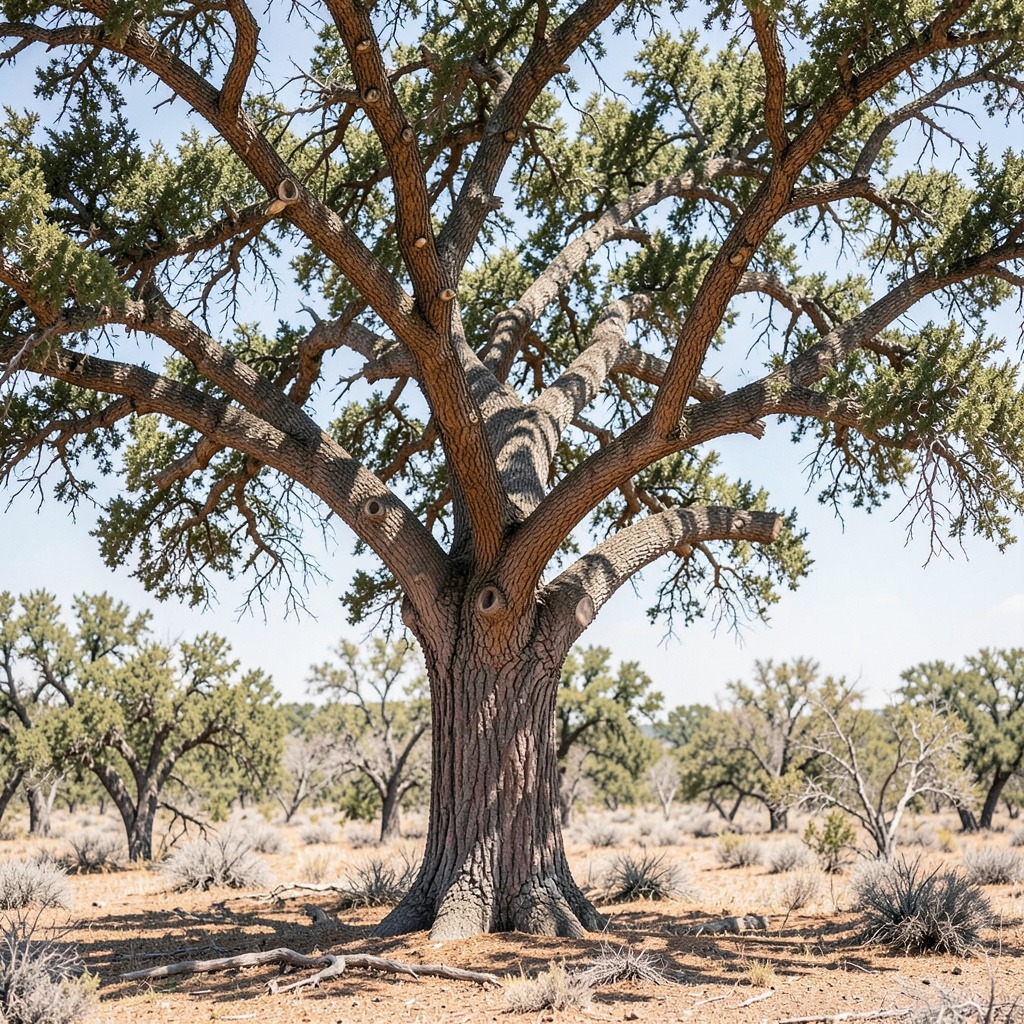
Desert ironwood trees (Olneya tesota) serve critical functions in their native habitat, particularly as keystone species and nurse plants. Their unique characteristics significantly enhance biodiversity and improve soil conditions, making them invaluable to the ecosystem.
Keystone Species in the Sonoran Desert
Desert ironwood trees are key players in the Sonoran Desert ecosystem. As a keystone species, they profoundly influence the distribution and abundance of other plants and wildlife. Their presence creates microenvironments that support diverse life forms.
- Habitat Modification: Ironwood trees generate conditions that favor the growth of understory plants. This includes altering soil moisture and temperature.
- Wildlife Support: They attract birds and other wildlife, increasing species richness. Studies indicate that ironwoods can raise local bird species diversity by up to 63%.
- Nutrient Cycling: Their roots enrich the soil with nitrogen, benefiting surrounding plants and enhancing overall ecosystem health.
Nurse Plant Functions and Wildlife Support
Desert ironwood trees function as nurse plants, offering protection and support to various species. This role is pivotal for the survival and proliferation of plants and animals in arid environments.
- Seedling Protection: Ironwoods provide shelter from extreme temperatures and herbivores. Their thorny branches deter larger animals from preying on seedlings, improving survival rates.
- Microclimate Creation: The dense canopy of ironwood trees lowers temperatures and increases humidity, creating a more hospitable environment for understory vegetation and wildlife.
- Wildlife Habitat: Many species rely on ironwood trees for shelter and food. For example, insects congregate under their canopies, serving as a food source for birds and reptiles.
Example of Wildlife Dependency
The desert ironwood supports a variety of species, including:
- Birds: Over 150 species utilize the tree for nesting and feeding.
- Pollinators: Bees and butterflies are attracted to the ironwood’s flowers, aiding in pollination.
- Herbivores: Smaller mammals find refuge in the shade, contributing to the ecological balance.
Summary of Benefits
| Function | Benefit |
|---|---|
| Habitat Modification | Enhances growth of understory plants |
| Wildlife Support | Increases biodiversity and provides food sources |
| Soil Enrichment | Improves nutrient cycling in the ecosystem |
| Temperature Regulation | Creates microclimates beneficial for survival |
Desert ironwood trees are not just a beautiful addition to landscapes; they are essential for maintaining ecological balance in the Sonoran Desert. Their multifaceted roles contribute significantly to the health and diversity of their environments.
Pros of Incorporating Desert Ironwood in Landscaping
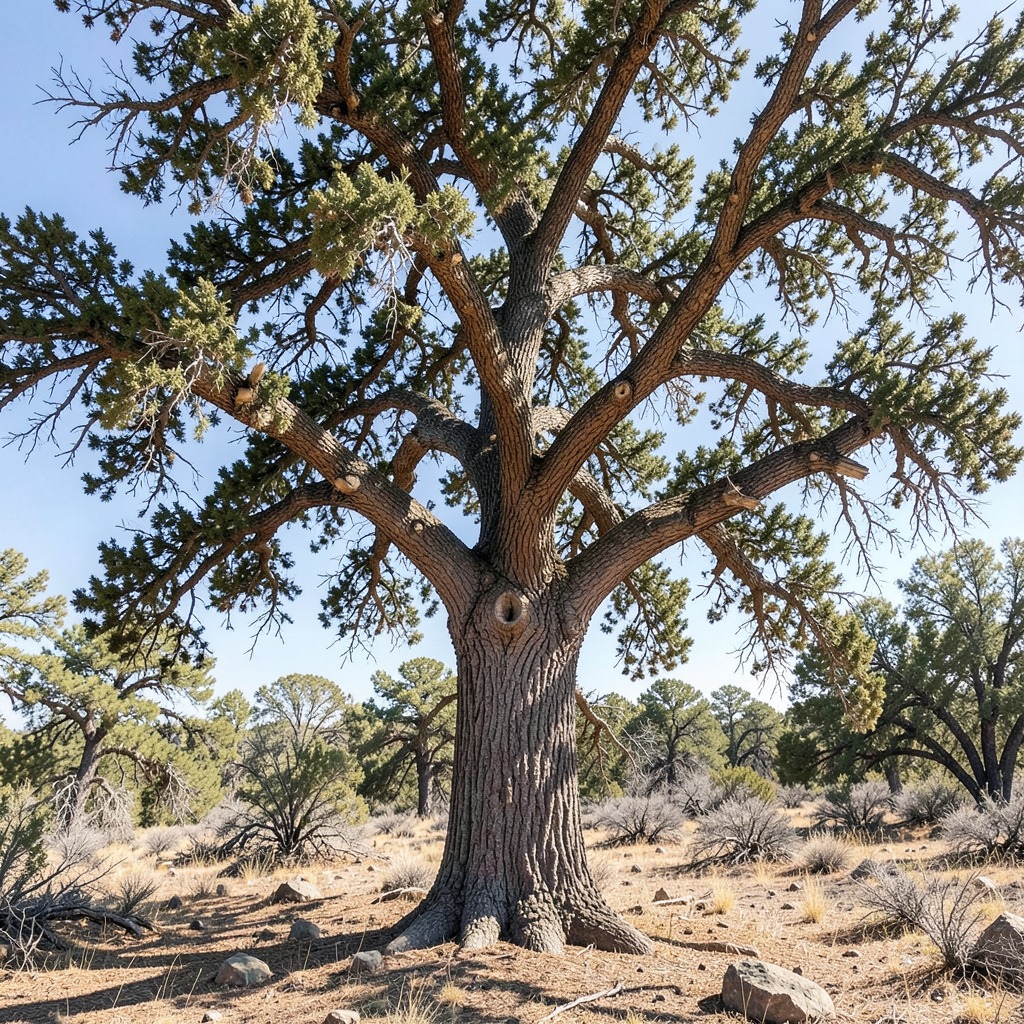
Planting desert ironwood trees (Olneya tesota) can transform your landscape, providing both aesthetic and ecological benefits. These trees thrive in arid environments, making them an excellent choice for water-conscious gardeners.
Drought Tolerance and Low Maintenance
Desert ironwood trees excel in drought tolerance. Their deep root systems tap into underground water sources, allowing them to withstand prolonged dry spells. This makes them ideal for low-water landscapes.
- Water Needs: Minimal once established; occasional watering during extreme drought.
- Maintenance: Requires little care; occasional pruning may be needed.
Aesthetic and Ecological Benefits
Desert ironwood trees enhance visual appeal and support local wildlife. Their dense canopies provide shade and create microhabitats for various species.
- Wildlife Attraction: Supports over 150 bird species and numerous insects, promoting biodiversity.
- Ecological Role: Acts as a keystone species, enhancing soil conditions and fostering plant diversity.
Checklist for Planting Desert Ironwood
When selecting a location for your desert ironwood trees, consider the following:
- Soil Type: Well-draining sandy or rocky soils preferred.
- Sunlight: Full sun exposure is essential for optimal growth.
- Space: Allow ample room for canopy spread; these trees can grow tall and wide.
- Companion Plants: Consider planting with other drought-tolerant species for a diverse landscape.
By leveraging the unique attributes of desert ironwood, you can create a sustainable and visually striking landscape that thrives in arid conditions.
Cons and Challenges of Desert Ironwood Trees
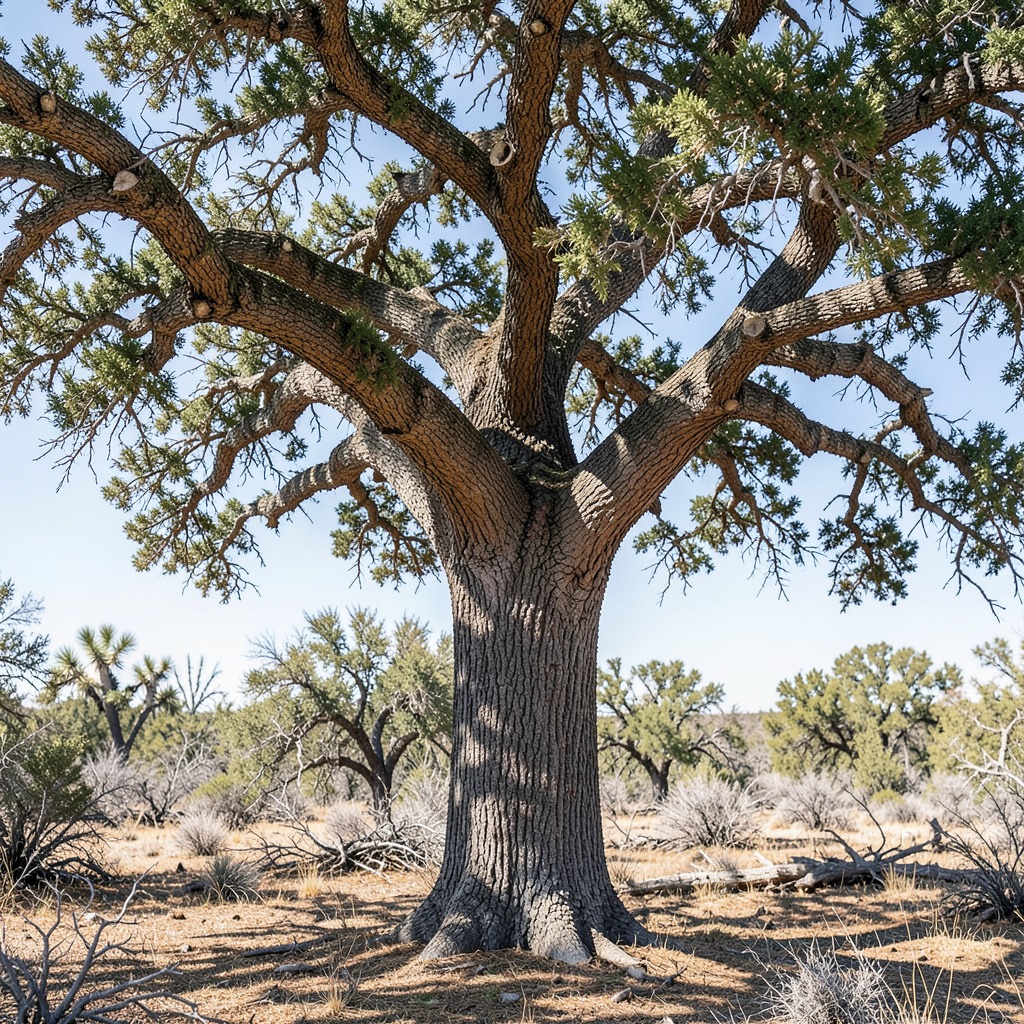
While the desert ironwood tree offers numerous benefits, it also presents some challenges for residential landscapes. Homeowners should consider these factors before planting.
Growth Rate and Time to Maturity
Desert ironwood trees are known for their slow growth rates. They typically take several years to reach maturity, which can be a drawback for those seeking immediate landscape impact.
- Slow Growth: Expect growth rates of about 1-2 feet per year.
- Time to Maturity: Trees may take up to 15-20 years to reach their full height of 15-30 feet.
This slow development can delay the establishment of shade or visual barriers in your landscape. If instant results are a priority, other faster-growing options may be more suitable.
Messiness and Maintenance Needs
Desert ironwoods can create maintenance challenges. Their thick canopies and thorny branches may contribute to a messy landscape.
- Fallen Debris: These trees shed leaves and flowers, which can accumulate on walkways and patios.
- Thorny Branches: The sharp thorns can pose risks for children and pets.
Homeowners should also be aware of their watering needs. Although they are drought-tolerant, young trees require occasional watering to establish strong roots. Overwatering can lead to root rot, so careful monitoring is essential.
Common Problems Faced by Gardeners
When planting desert ironwood, gardeners may encounter specific issues:
- Pest Infestations: Watch for common pests such as aphids and scale insects that can affect foliage.
- Soil Erosion: While they help stabilize soil, newly planted trees may struggle with erosion until they establish deep roots.
Checklist for Care:
- Monitor growth and adjust watering schedules accordingly.
- Regularly clear fallen debris to maintain a tidy landscape.
- Inspect for pests and apply organic treatments as necessary.
By understanding these potential drawbacks, you can make informed decisions about integrating desert ironwood trees into your landscape.
Comparing Desert Ironwood with Other Desert Trees
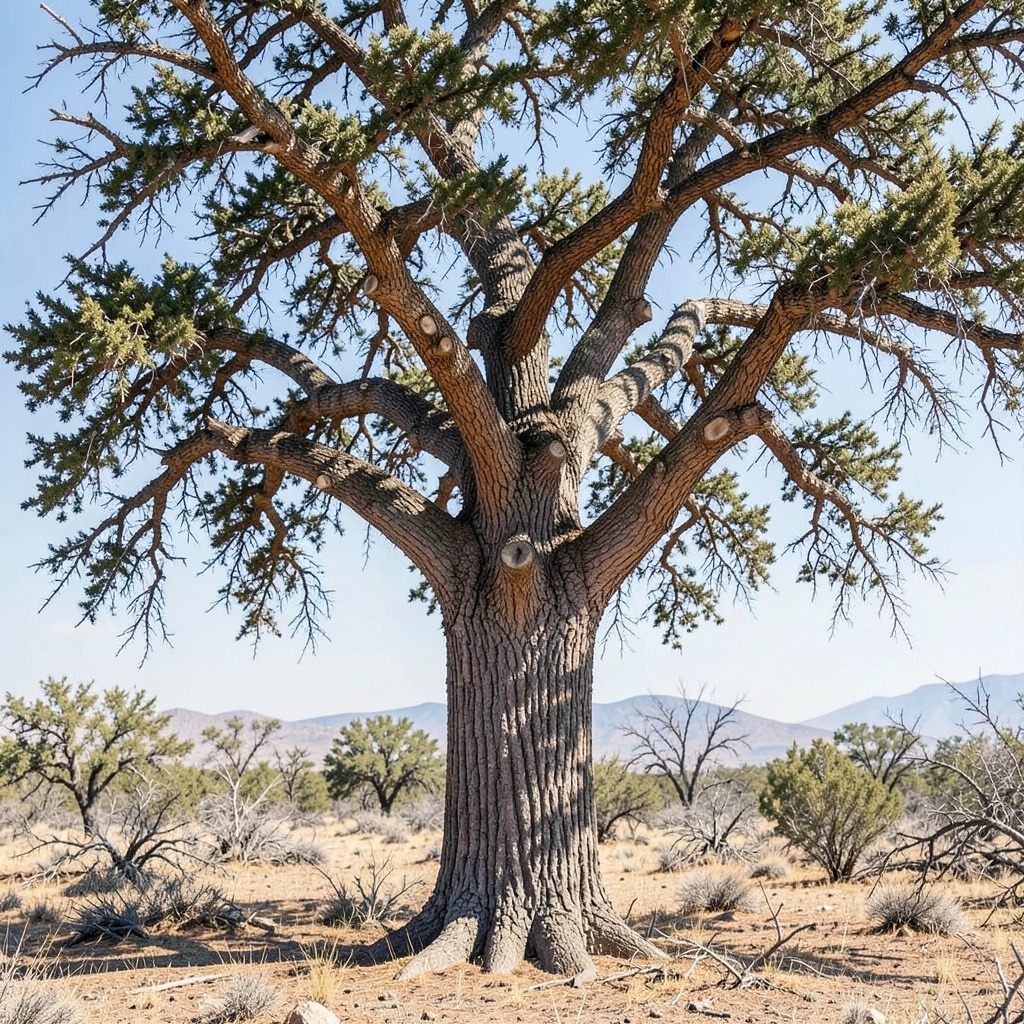
Understanding the strengths and weaknesses of the Desert Ironwood tree (Olneya tesota) in relation to other desert trees can guide your landscaping choices. This section provides a comparative analysis of Desert Ironwood, Mesquite, and Palo Verde, focusing on their growth characteristics and ecological roles.
Desert Ironwood vs. Mesquite Trees
Desert Ironwood
- Growth Rate: Slow; can take decades to reach full size.
- Height: 15-30 feet.
- Wood Density: Extremely dense; sinks in water.
- Ecological Role: Acts as a keystone species and a nurse plant, supporting over 230 plant species and numerous wildlife.
- Pros: Provides excellent habitat, offers shade, and improves soil conditions for understory plants.
- Cons: Slow growth and requires specific conditions.
Mesquite Trees
- Growth Rate: Faster; can reach maturity within a few years.
- Height: 20-30 feet.
- Wood Density: Moderate; good for firewood.
- Ecological Role: Also a keystone species but supports different plant species compared to Ironwood.
- Pros: Quick establishment, excellent for erosion control, and provides food for wildlife.
- Cons: Can be invasive in some areas, with aggressive root systems that may compete with other plants.
Desert Ironwood vs. Palo Verde Trees
Desert Ironwood
- Growth Rate: Slow; longevity is a key feature.
- Height: 15-30 feet.
- Wood Density: Very dense; used for durable items.
- Ecological Role: Supports a diverse range of wildlife and contributes to soil stabilization.
- Pros: Exceptional habitat for birds and mammals; improves ecosystem health.
- Cons: Sensitive to overwatering and poor soil conditions.
Palo Verde Trees
- Growth Rate: Moderate; can reach maturity in approximately 10-15 years.
- Height: 15-30 feet.
- Wood Density: Low; lighter and easier to work with.
- Ecological Role: Important for nitrogen fixation, which benefits surrounding plants.
- Pros: Adaptable to various soil types, provides shade, and attracts pollinators.
- Cons: Prone to pests and diseases that can affect growth and health.
| Characteristic | Desert Ironwood | Mesquite | Palo Verde |
|---|---|---|---|
| Growth Rate | Slow | Fast | Moderate |
| Height | 15-30 feet | 20-30 feet | 15-30 feet |
| Wood Density | Very dense | Moderate | Low |
| Ecological Role | Keystone, nurse plant | Keystone, erosion control | Nitrogen fixer |
| Pros | Habitat, soil improvement | Quick establishment | Adaptable, pollinator-friendly |
| Cons | Sensitive to conditions | Invasive potential | Pest-prone |
This comparative analysis can help you determine which tree best fits your landscape needs. Consider the specific environmental conditions of your area and the ecological roles desired when making your decision.
Practical Tips for Planting and Caring for Desert Ironwood
Successfully planting and caring for the Desert Ironwood tree (Olneya tesota) requires understanding its unique needs and characteristics. Here are essential tips to ensure its growth and integration into your landscape.
Choosing the Right Planting Location
Selecting the right location is crucial for the Desert Ironwood’s success. This tree thrives in well-drained soil and full sun.
- Sunlight: Ensure the site receives at least 6 hours of direct sunlight daily.
- Soil Type: Opt for sandy or rocky soil to avoid waterlogging.
- Space: Allow sufficient space for the tree to spread; it can grow 15-30 feet tall and wide.
- Protection: Consider planting in areas protected from strong winds that can damage young saplings.
Watering and Fertilization Guidelines
Desert Ironwood is drought-tolerant once established, but it benefits from careful watering during its early growth stages.
- Initial Watering: Water young trees deeply once a week for the first year.
- Established Trees: After establishment, reduce watering frequency; water only during prolonged dry spells.
- Fertilization: Use a balanced fertilizer sparingly. Over-fertilization can harm the tree and lead to poor growth.
Scenario-Based Example of Successful Planting
Consider a scenario where a homeowner in the Sonoran Desert decides to plant a Desert Ironwood near their patio. They select a sunny spot with sandy soil, ensuring the tree has adequate space from structures. They water the sapling weekly during its first summer, giving it time to develop a strong root system. By the following year, the tree thrives, providing shade and attracting local wildlife.
Checklist for Planting and Care
- Choose a sunny location with well-draining soil.
- Space adequately for growth.
- Water weekly during the first year; adjust based on rainfall.
- Fertilize only if necessary; monitor tree health regularly.
By following these guidelines, you can ensure that your Desert Ironwood tree not only survives but also enhances the ecological and aesthetic value of your landscape.
Frequently Asked Questions
These quick answers cover the most common questions about this topic, including key details, practical tips, and common concerns.
Are Desert Ironwood trees messy?
Desert Ironwood trees can create some messiness in your landscape. They shed leaves, flowers, and seed pods, which may accumulate on patios or walkways. Regular cleanup is necessary to maintain a tidy appearance. However, the ecological benefits they provide often outweigh the minor inconvenience of fallen debris.
Do ironwood trees have deep roots?
Yes, Desert Ironwood trees have deep root systems that allow them to access underground water sources. This characteristic makes them drought-tolerant and well-suited for arid environments. Their roots also help stabilize soil, preventing erosion and supporting surrounding vegetation.
How fast do Desert Ironwood trees grow?
Desert Ironwood trees are known for their slow growth rate. They typically grow about 1-2 feet per year and can take 15-20 years to reach their full height of 15-30 feet. If you need a quick visual impact in your landscape, consider faster-growing alternatives like Mesquite trees.
What is the average lifespan of an ironwood tree?
Desert Ironwood trees can have a long lifespan, often living for 60 years or more under optimal conditions. Their longevity contributes to their ecological role as a keystone species, providing habitat and support for various wildlife over many decades.
What are the best conditions for planting Desert Ironwood?
For optimal growth, Desert Ironwood trees should be planted in well-drained sandy or rocky soil with full sun exposure. They thrive in arid environments and require minimal water once established. Ensure there is enough space for their canopy to spread, as they can grow quite large.
How do I care for a Desert Ironwood tree?
Caring for a Desert Ironwood tree involves monitoring watering needs, especially during its early growth stages. Water young trees deeply once a week until established. After that, reduce watering to only during prolonged dry periods. Minimal pruning is needed, but regular inspections for pests like aphids can help maintain tree health.
What are common pests or diseases affecting Desert Ironwood?
Desert Ironwood trees can be susceptible to pests such as aphids and scale insects, which may affect their foliage. Additionally, overwatering can lead to root rot. Regular monitoring and organic pest control methods can help protect the tree from these issues.
How does Desert Ironwood compare to other desert trees?
Compared to other desert trees like Mesquite and Palo Verde, Desert Ironwood has a slower growth rate but offers exceptional ecological benefits as a keystone species. While Mesquite trees grow faster and can be invasive, Desert Ironwood provides better habitat support. Palo Verde trees are also beneficial but may attract more pests. Choosing the right tree depends on your landscape goals and environmental conditions.