
The desert willow tree offers drought tolerance and beautiful flowers but may provide limited shade and can be messy due to leaf and seed drop.
The desert willow tree, native to arid regions, is a popular choice for landscaping due to its unique beauty and low maintenance needs. However, potential drawbacks exist, making it essential to weigh the pros and cons before planting.
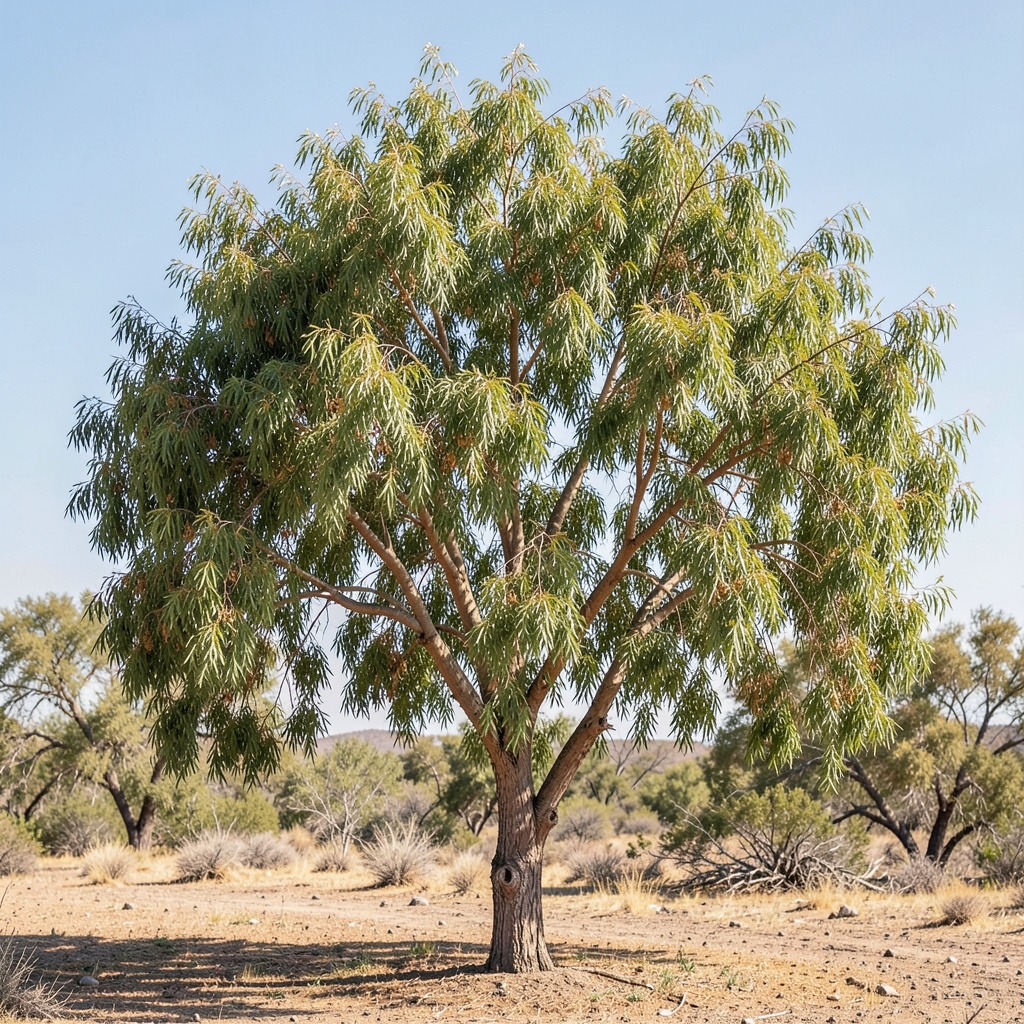
Introduction to Desert Willow Trees
The desert willow tree, scientifically known as Chilopsis linearis, is a small deciduous tree native to the southwestern United States and northern Mexico. Its striking trumpet-shaped flowers and adaptability to arid environments make it a favored choice in landscaping.
Characteristics of the Desert Willow Tree
- Scientific Classification:
- Family: Bignoniaceae
- Genus: Chilopsis
- Species: Chilopsis linearis
- Native Habitat:
- Primarily found in desert regions, thriving in well-drained soils and tolerating extreme temperatures.
Popularity in Landscaping
The desert willow tree is popular among gardeners for several reasons:
- Aesthetic Appeal: The tree produces beautiful flowers that attract pollinators, enhancing the visual appeal of gardens.
- Drought Tolerance: It thrives with minimal water once established, making it ideal for water-wise landscaping.
- Wildlife Benefits: The tree provides habitat and food for various birds and small mammals, contributing positively to local ecosystems.
Understanding the Pros and Cons
Before planting a desert willow, consider both its advantages and disadvantages:
- Pros:
- Low maintenance requirements.
- Excellent drought resistance.
- Attracts pollinators and wildlife.
- Cons:
- Limited shade due to its airy canopy.
- Moderate growth rate; may take time to reach full height.
- Messy seed pods that require cleanup.
By weighing these factors, gardeners can make informed decisions about incorporating the desert willow tree into their landscapes. Its unique characteristics and ecological benefits can significantly enhance outdoor spaces, but understanding its limitations is equally important for successful planting and maintenance.
Benefits of Planting Desert Willow Trees
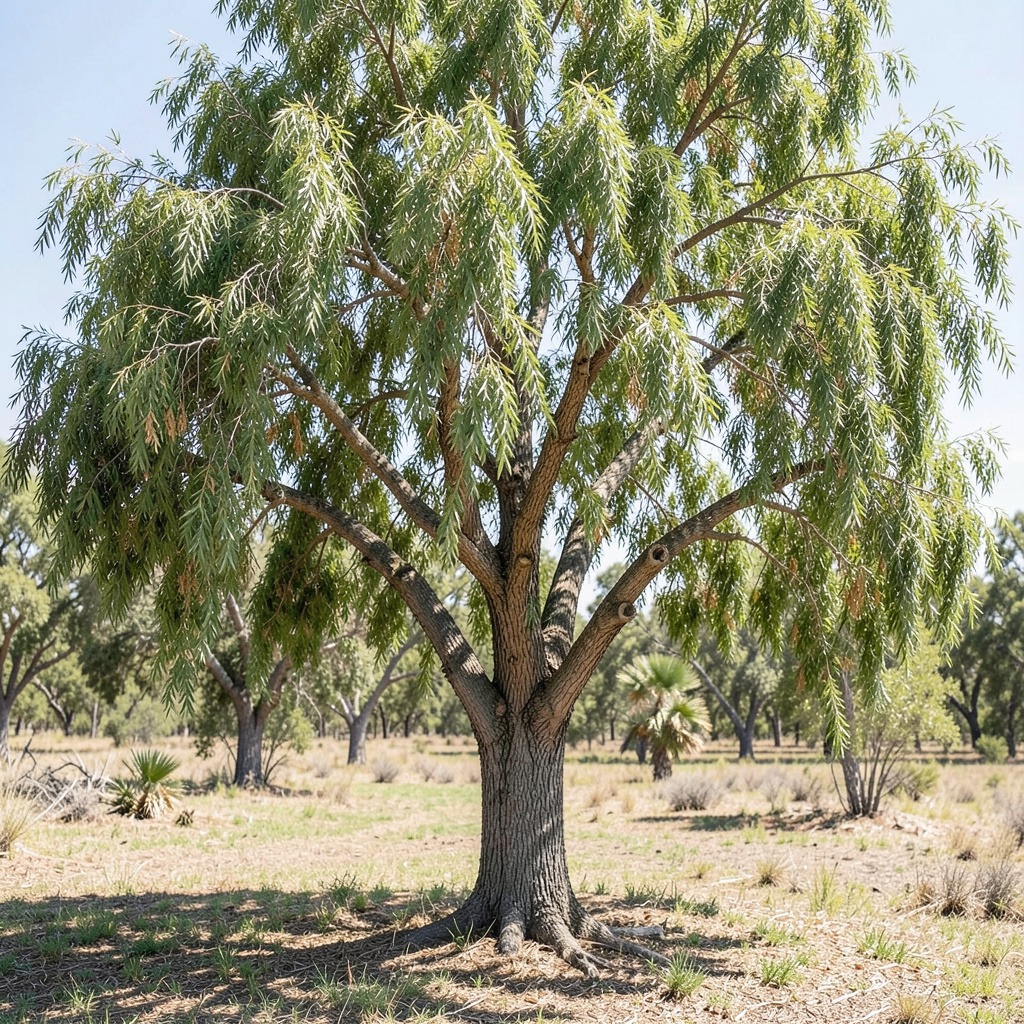
Desert willow trees (Chilopsis linearis) offer several significant advantages for gardeners, particularly in arid environments. Their unique characteristics not only enhance landscapes but also support local ecosystems.
Table of Contents
Drought Tolerance
Desert willows exhibit remarkable drought tolerance. Once established, they require minimal supplemental watering, making them ideal for water-conscious gardeners. This ability to thrive in arid conditions reduces overall irrigation needs.
Key Points:
- Requires little water after establishment.
- Thrives in USDA zones 7-11.
- Ideal for xeriscaping and water-efficient landscapes.
Attracting Pollinators
These trees are a boon for biodiversity. The trumpet-shaped flowers of the desert willow attract a variety of pollinators including bees, butterflies, and hummingbirds. This not only enhances the beauty of your garden but also supports local wildlife.
Examples:
- Gardens featuring desert willows have seen increased pollinator activity.
- Landscapers report that these trees significantly boost the number of beneficial insects in the area.
Aesthetic Appeal
Desert willows contribute a tropical flair to landscapes with their graceful branches and vibrant flowers. Their airy canopy provides visual interest without overwhelming space, making them suitable for smaller gardens or urban settings.
Considerations:
- Blooming occurs in late spring and summer, providing seasonal color.
- The tree’s structure can be shaped through pruning, offering versatility in design.
Incorporating desert willows into your garden not only enhances its aesthetic value but also fosters a sustainable and vibrant ecosystem.
Challenges and Maintenance of Desert Willow Trees
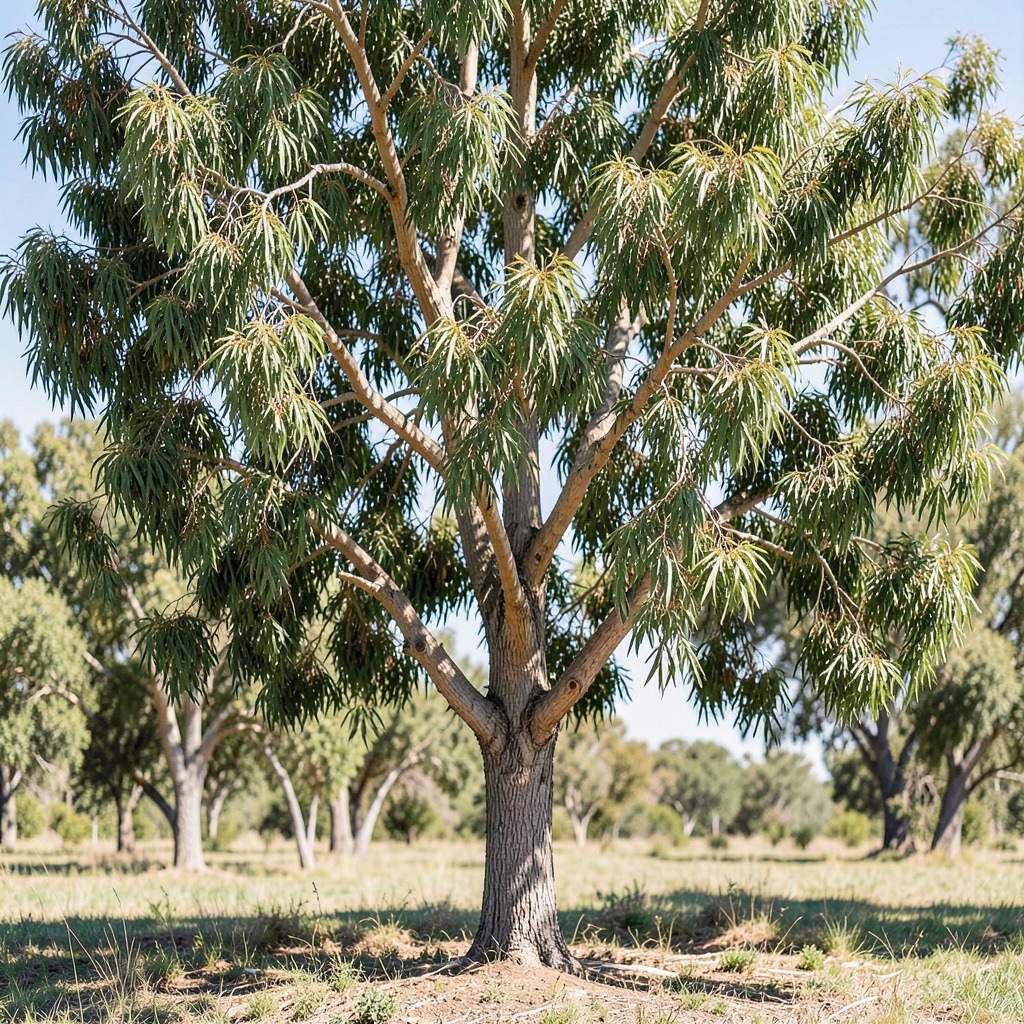
Desert willow trees (Chilopsis linearis) are relatively low-maintenance, but they do require specific care to thrive. Understanding soil requirements, pruning needs, and common pests or diseases will help ensure successful growth.
Soil Requirements
Desert willows prefer well-draining soil. They thrive in slightly alkaline conditions, making them suitable for the limestone-based soils found in many southwestern regions. Here are essential soil considerations:
- Soil Type: Sandy or rocky soils are ideal. Avoid heavy clay or waterlogged conditions.
- Drainage: Ensure good drainage to prevent root rot. Amending clay soils with sand can improve drainage.
- pH Level: Aim for a pH between 6.0 and 8.0 for optimal growth.
Pruning Needs
Pruning is essential for shaping the tree and promoting healthy growth. Here are key pruning strategies:
- Timing: Perform major pruning during late winter or early spring when the tree is dormant.
- Technique: Remove dead or broken branches and thin out crowded areas to improve air circulation.
- Form: Decide whether to maintain a single trunk or let it grow with multiple trunks based on your aesthetic preference.
Common Pests and Diseases
While desert willows are generally resilient, they can face specific pest and disease challenges. Monitor for the following:
- Aphids: These small pests can be controlled with insecticidal soap or neem oil.
- Spider Mites: Look for webbing on leaves. Increase humidity around the tree and apply miticides if necessary.
- Root Rot: This occurs in overly wet soil. Ensure proper drainage and avoid overwatering.
Troubleshooting Guide for Common Issues:
| Problem | Symptoms | Solution |
|---|---|---|
| Aphids | Curling leaves | Apply insecticidal soap |
| Spider Mites | Webbing on leaves | Increase humidity; use miticides |
| Root Rot | Wilting and yellowing leaves | Improve drainage; reduce watering |
By addressing these challenges promptly, gardeners can maintain the health and beauty of their desert willow trees.
When and Where to Plant Desert Willow Trees
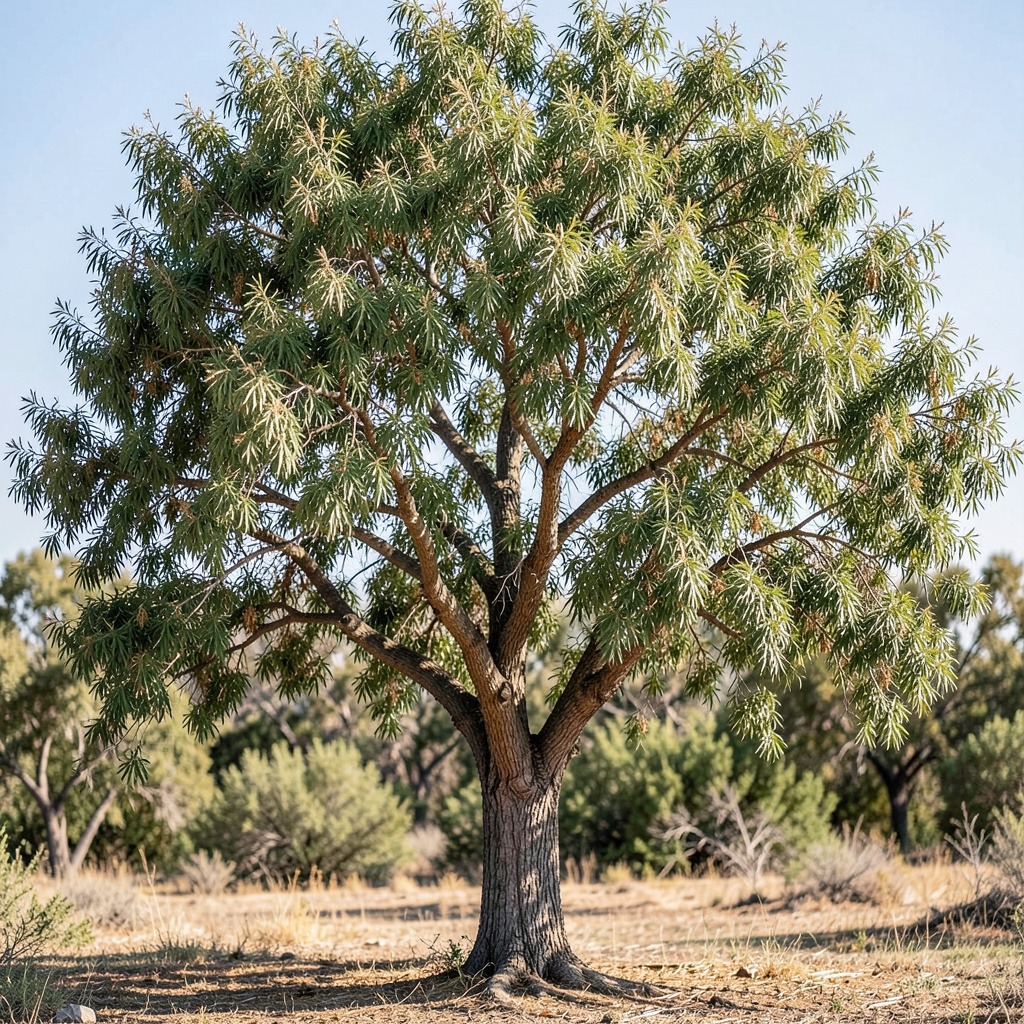
Planting desert willow trees (Chilopsis linearis) requires careful consideration of timing and location. These trees thrive in hot, arid climates and have specific needs for optimal growth.
Optimal Planting Conditions
- Sun Exposure: Desert willows require full sun, ideally receiving at least 6 to 8 hours of direct sunlight each day.
- Soil Requirements: They prefer well-drained soil. Amending the soil with organic matter can enhance drainage and fertility.
- Space Considerations: Ensure adequate space for the tree’s canopy, ideally planting at least 10 to 15 feet away from structures or other plants.
Best Time to Plant
- Spring or Fall: The ideal times to plant desert willow trees are in the spring or fall. Planting in these seasons allows the tree to establish roots before the extreme heat of summer or the cold of winter.
- Temperature Range: Aim for planting when daytime temperatures are consistently between 70°F and 85°F (21°C to 29°C) to promote healthy growth.
Visual Planting Calendar
| Season | Recommended Actions |
|---|---|
| Spring | Plant after the last frost; water regularly during establishment. |
| Summer | Monitor for water needs; provide extra irrigation during dry spells. |
| Fall | Plant at least 6 weeks before the first frost; ensure soil remains moist. |
| Winter | Protect young trees from frost; consider mulching to retain moisture. |
By adhering to these guidelines, gardeners can successfully establish desert willow trees in their landscapes, enjoying their drought tolerance and beautiful blooms.
Comparing Desert Willow Trees with Other Drought-Tolerant Species
Desert willow trees (Chilopsis linearis) are renowned for their drought resistance and unique aesthetic. However, they are not the only option for water-efficient landscaping. This section compares desert willows with other popular drought-tolerant trees, highlighting their respective pros and cons.
Desert Willow vs. Other Drought-Tolerant Trees
| Feature | Desert Willow | Red Maple | Olive Tree |
|---|---|---|---|
| Drought Tolerance | Excellent | Moderate | High |
| Height | 15-25 feet | 40-60 feet | 20-30 feet |
| Flowering | Showy, trumpet-shaped flowers | Subtle, less prominent blooms | None |
| Shade | Limited | Dense | Moderate |
| Wildlife Attraction | High (birds, pollinators) | Moderate | Low |
| Maintenance | Low | Moderate | Low |
| Soil Requirements | Well-draining | Adaptable | Dry, well-draining |
- Drought Tolerance: Desert willows excel in arid climates, requiring minimal water once established. Red maples need more moisture, making them less suitable for extremely dry areas. Olive trees also demonstrate high drought tolerance.
- Wildlife Habitat: The desert willow attracts a variety of pollinators and birds. In contrast, olive trees contribute less to wildlife diversity due to their lack of flowers.
- Maintenance Needs: Desert willows require little care post-establishment. Both red maples and olive trees may need occasional pruning and monitoring for pests.
Utility in Urban Settings
Desert willows fit well in urban landscapes due to their manageable size and low maintenance requirements. They can be planted closer to structures than larger trees, providing flexibility in design. In contrast, red maples and olive trees may require more space for their expansive root systems and height.
Consider your local climate, soil conditions, and landscape goals when selecting a tree. Desert willows are particularly useful in water-conscious designs while offering aesthetic and ecological benefits.
Alternatives to Desert Willow Trees
For those considering alternatives to the desert willow tree, several drought-tolerant plants offer similar benefits. These plants can enhance your landscape while conserving water and attracting pollinators.
Suitable Drought-Tolerant Alternatives
1. Red Yucca (Hesperaloe parviflora)
- Height: 2-3 feet
- Features: Long flower spikes with tubular red blooms that attract hummingbirds.
- Care: Low maintenance; thrives in poor, well-draining soil.
2. Texas Sage (Leucophyllum frutescens)
- Height: 3-5 feet
- Features: Silver-gray foliage with purple flowers that bloom after rainfall.
- Care: Requires minimal watering once established; prefers full sun.
3. Agave (Agave spp.)
- Height: Varies by species
- Features: Distinctive rosette shape, striking architectural presence; some species produce tall flower spikes.
- Care: Very drought-tolerant; thrives in sandy, well-drained soil.
Planning a Drought-Tolerant Garden
When designing a drought-tolerant garden, consider mixing various species to create a diverse ecosystem. Here are key considerations:
- Soil Type: Ensure good drainage to prevent root rot.
- Sun Exposure: Most drought-tolerant plants thrive in full sun.
- Watering Schedule: Establish a deep watering routine during the initial growth phase, then reduce frequency.
For example, pairing desert willows with red yucca and Texas sage can create a vibrant landscape that supports local wildlife while minimizing water usage. This combination not only enhances visual appeal but also provides varied habitats for pollinators.
By selecting the right mix of plants, you can achieve a sustainable and attractive garden that aligns with your landscaping goals.
Frequently Asked Questions
These quick answers cover the most common questions about this topic, including key details, practical tips, and common concerns.
Where is the best place to plant a desert willow tree?
The best place to plant a desert willow tree is in a location that receives full sun, ideally 6 to 8 hours of direct sunlight daily. Choose well-draining soil, such as sandy or rocky types, to prevent root rot. It’s also crucial to allow enough space for the tree’s canopy, planting it at least 10 to 15 feet away from structures or other plants.
What problems can desert willow trees have?
Desert willow trees can face issues such as aphids, spider mites, and root rot. Aphids may cause curling leaves, while spider mites can create webbing on foliage. To manage these pests, use insecticidal soap or neem oil. Root rot typically occurs in overly wet soil, so ensure proper drainage and avoid overwatering.
Are desert willows messy?
Yes, desert willows can be considered messy due to their leaf and seed drop. After flowering, the trees produce long seed pods that may litter the ground. Regular cleanup may be necessary, especially in areas where cleanliness is a priority. However, many gardeners appreciate the beauty of the flowers, which can outweigh the maintenance concerns.
How fast will a desert willow grow?
Desert willow trees typically grow at a moderate rate, reaching heights of 15 to 25 feet. Under optimal conditions, they can grow about 1 to 2 feet per year. While they may take some time to reach their full height, their drought tolerance and low maintenance make them a worthwhile investment for many gardeners.
What are the soil requirements for desert willow trees?
Desert willow trees thrive in well-draining soils, ideally sandy or rocky types. They prefer slightly alkaline conditions, with a pH level between 6.0 and 8.0. Avoid heavy clay soils that retain moisture, as this can lead to root rot. Amending clay soils with sand can improve drainage and support healthy growth.
How often should you water a desert willow tree?
Once established, desert willow trees require minimal watering. During the first growing season, water regularly to help establish roots. After that, they thrive with little supplemental irrigation, especially in arid climates. Monitor soil moisture and only water during prolonged dry spells to maintain healthy growth.
Can desert willow trees survive in colder climates?
Desert willow trees are best suited for USDA hardiness zones 7 to 11. They may struggle in colder climates, particularly if temperatures drop below 20°F (-6°C). If you live in a cooler area, consider planting them in a protected location or exploring alternative drought-tolerant species that are more cold-hardy.
What is the ideal pruning technique for desert willow trees?
Pruning desert willow trees should be done in late winter or early spring while the tree is dormant. Focus on removing dead or broken branches and thinning out crowded areas to improve air circulation. Decide whether to maintain a single trunk or multiple trunks based on your desired aesthetic. Regular pruning helps promote healthy growth and a pleasing shape.