
Balsam fir trees can be utilized in various ways, including as Christmas trees, for landscaping, in the production of essential oils, and for crafting furniture. Their wood is valued for its strength and beauty, making it suitable for many applications.
Introduction to Balsam Fir Trees
Balsam fir (Abies balsamea) is a popular evergreen conifer native to North America. It thrives in cool, moist climates and is commonly found in the northeastern United States and parts of Canada. Known for its fragrant needles and symmetrical shape, the balsam fir is a favorite among tree enthusiasts and homeowners alike.
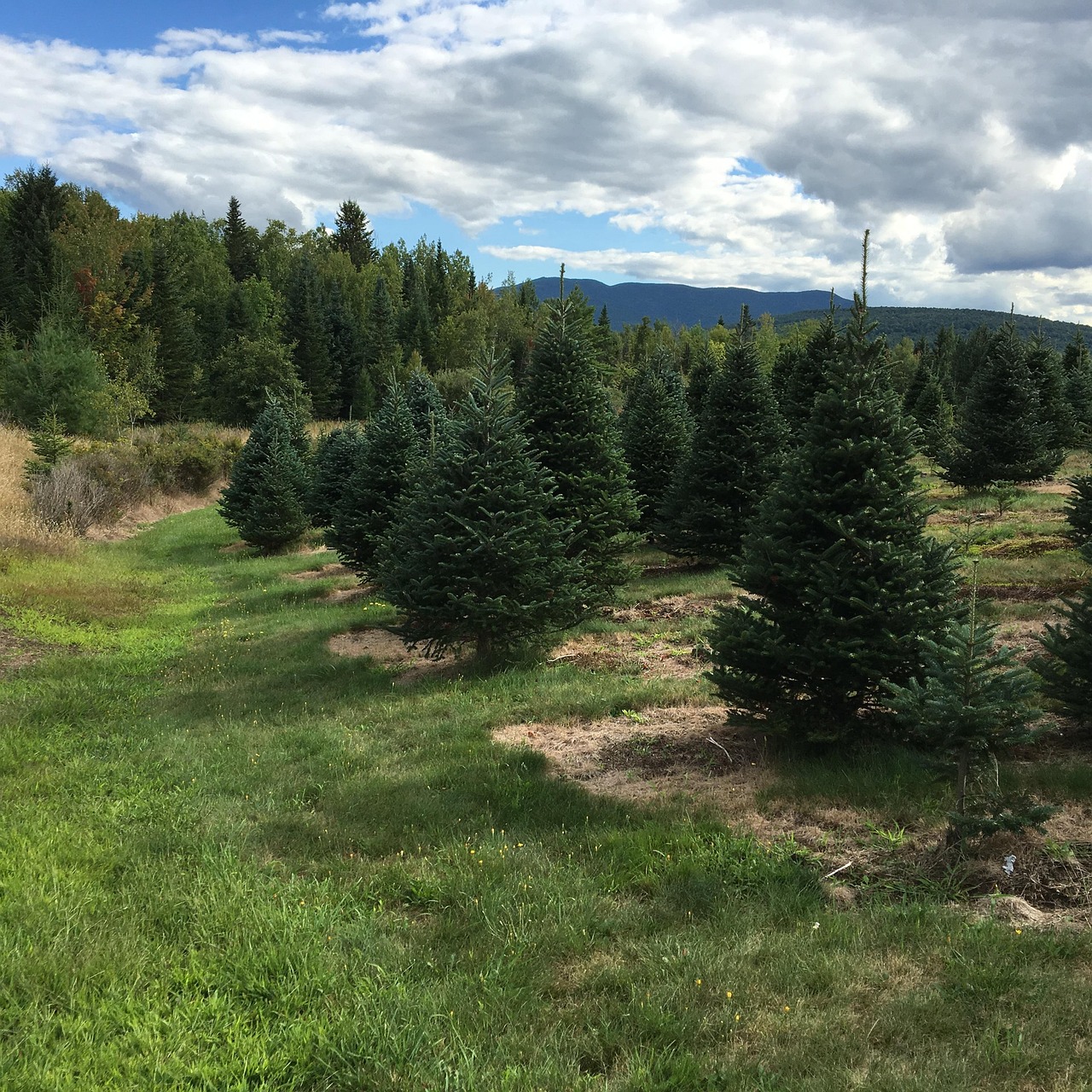
The balsam fir tree can grow up to 60 feet tall and has a trunk diameter that can reach 2 feet. Its needles are dark green on top and have a silver-colored underside, giving the tree a distinctive appearance. In addition to its aesthetic qualities, balsam fir trees have practical uses that range from seasonal decorations to sustainable forestry practices.
Uses of Balsam Fir Trees
There are many ways to utilize balsam fir trees, making them valuable both economically and environmentally. Below are some of the primary uses:
- Christmas Trees: Balsam fir is one of the most popular choices for Christmas trees due to its pleasant aroma and attractive appearance. Its dense branches hold ornaments well, making it ideal for holiday decorations.
- Landscaping: Balsam fir trees are often used in landscaping. Their beautiful shape and evergreen foliage make them excellent choices for parks, gardens, and residential properties.
- Essential Oils: The needles and bark of balsam fir are used in the production of essential oils. These oils are valued for their soothing properties and are often used in aromatherapy and natural health products.
- Wood Products: The wood of the balsam fir is lightweight yet strong. It is used in various applications, including furniture, cabinetry, and construction materials.
- Wildlife Habitat: Balsam fir trees provide habitat and food for various wildlife species. Birds, deer, and small mammals rely on these trees for shelter and sustenance.
Characteristics of Balsam Fir Trees
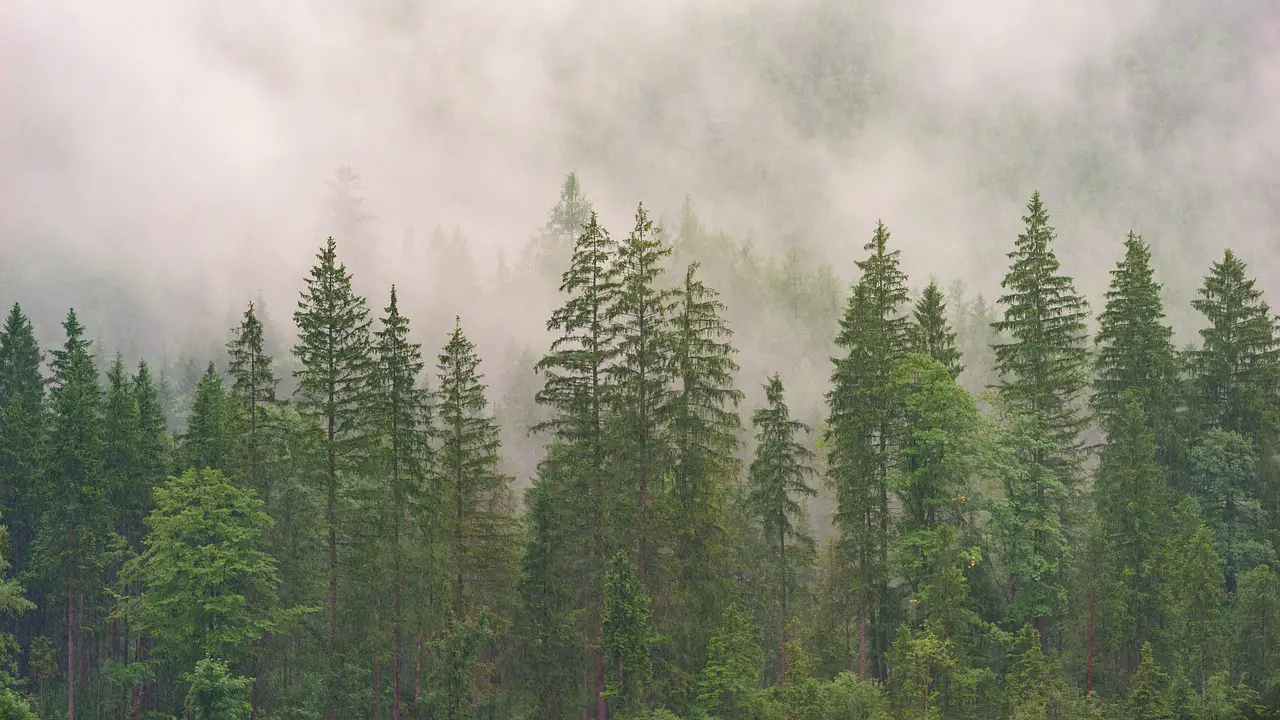
The balsam fir tree possesses unique characteristics that make it stand out among other conifers. Understanding these traits can help individuals appreciate its value further.
| Characteristic | Description |
|---|---|
| Height | Typically reaches 40 to 60 feet tall. |
| Needle Color | Dark green on top with a silver underside. |
| Bark | Smooth and gray-brown when young; becomes thicker and furrowed with age. |
| Growth Rate | Moderate growth rate; approximately 12 to 24 inches per year. |
| Climate Preference | Prefers cool, moist environments with well-drained soil. |
The balsam fir’s adaptability to various soil conditions contributes to its widespread distribution. This tree can thrive in both acidic and neutral soils, making it a versatile choice for different landscaping projects.
Additionally, the balsam fir’s ability to withstand cold temperatures makes it a favorite in colder regions. Its sturdy nature allows it to endure harsh winters while maintaining its aesthetic appeal throughout the year.
Cultural Significance
Balsam fir trees hold cultural significance in many communities. They are often featured in local traditions and celebrations. For instance, many families continue the tradition of selecting a balsam fir as their Christmas tree each year, symbolizing togetherness and joy during the holiday season.
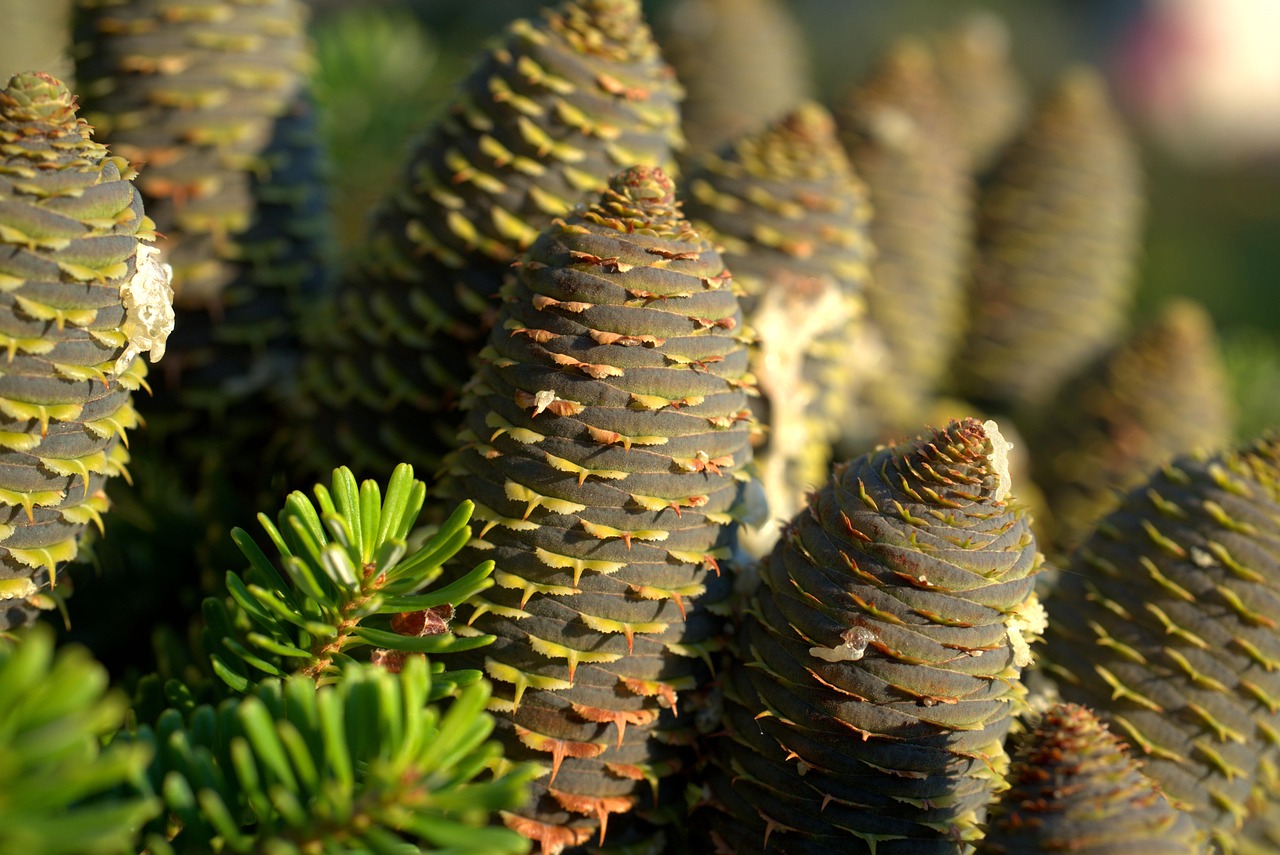
The tree is also significant in indigenous cultures, where it has been used for medicinal purposes. The sap of the balsam fir has been utilized to create balms and ointments, showcasing its versatility beyond mere decoration or construction.
Environmental Benefits of Balsam Fir Trees
Balsam fir trees provide numerous environmental advantages. Their presence in forests and landscapes contributes to ecological balance and biodiversity. Understanding these benefits can help in appreciating their role in our ecosystems.
- Carbon Sequestration: Balsam fir trees absorb carbon dioxide from the atmosphere, helping to mitigate climate change. They store carbon in their biomass, reducing greenhouse gases.
- Soil Erosion Prevention: The root systems of balsam fir trees help anchor the soil, preventing erosion. This is especially important in hilly or sloped areas where soil stability is critical.
- Habitat for Wildlife: These trees provide shelter and food for a variety of wildlife species. Birds, insects, and mammals depend on balsam fir for habitat and sustenance.
- Water Regulation: Balsam fir trees play a role in maintaining watershed health. They help regulate water cycles by absorbing and releasing moisture into the environment.
Commercial Uses of Balsam Fir
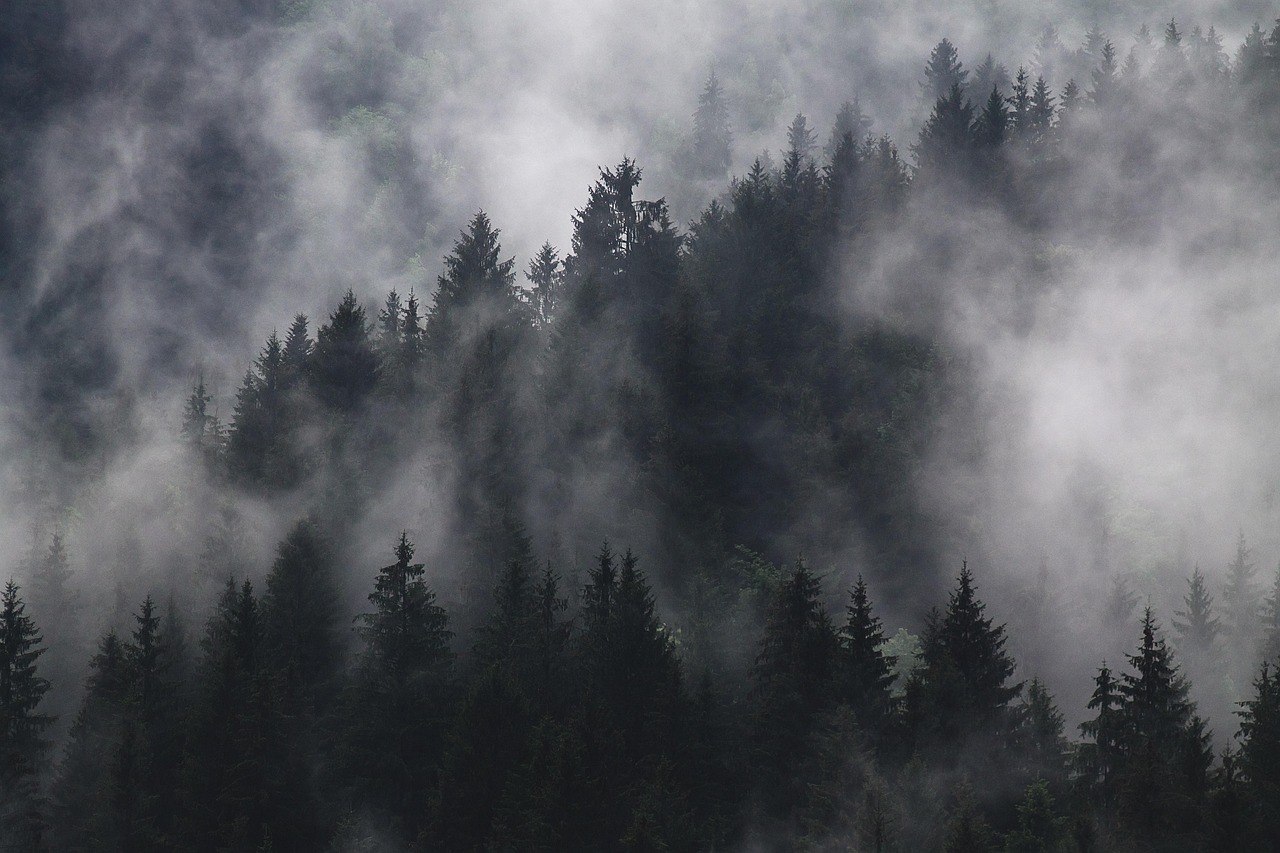
The commercial applications of balsam fir are diverse and economically significant. From timber to essential oils, the tree has much to offer. Below are some of the main commercial uses:
Timber Industry
Balsam fir wood is lightweight but durable, making it highly sought after in the timber industry. Its characteristics include:
- Strength: The wood is strong enough for various construction applications.
- Workability: It is easy to cut and shape, making it a favorite among carpenters.
- Finishing: Balsam fir takes stain and paint well, allowing for attractive finishes in furniture and cabinetry.
Essential Oil Production
Balsam fir essential oil is extracted from the needles, twigs, and bark of the tree. It is popular in aromatherapy due to its numerous benefits:
- Aromatherapy: The oil is widely used for its calming and relaxing properties.
- Natural Remedies: It may help alleviate respiratory issues and muscle pain when used in topical applications.
- Fragrance Industry: Balsam fir oil is incorporated into perfumes and scented products, adding a fresh, woodsy scent.
Cultural and Traditional Uses
Balsam fir trees have also been utilized in various cultural practices. Their significance extends beyond mere utility into traditions and rituals.
Traditional Medicine
Indigenous peoples have long used balsam fir for medicinal purposes. Some traditional uses include:
- Sap Applications: The sap is used to create balms that can heal cuts and soothe skin irritations.
- Infusions: Balsam fir needles can be brewed into teas that are believed to have health benefits such as improving digestion.
Cultural Celebrations
Balsam fir trees play a role in various cultural celebrations, particularly during the winter months. Notably:
- Christmas Traditions: Families often gather to decorate balsam firs as part of holiday celebrations, reinforcing community bonds.
- Crafts and Art: The wood can be carved or crafted into traditional items, reflecting local artistry and heritage.
Growing Balsam Fir Trees
If you are considering planting balsam fir trees, understanding their growing conditions and care is essential. Here are some key factors to consider:
Optimal Growing Conditions
| Factor | Description |
|---|---|
| Soil Type | Well-drained, acidic soils are ideal for balsam fir trees. |
| Sunlight | They prefer partial shade but can tolerate full sun in cooler climates. |
| Watering Needs | Mature balsam firs are drought-tolerant but benefit from consistent moisture during their early years. |
| Pest Management | Regular monitoring for pests like aphids and bark beetles is crucial for tree health. |
Planting balsam fir trees can contribute positively to your landscape while providing ecological benefits. Their low-maintenance nature makes them suitable for a variety of settings, whether in private gardens or public parks.
Economic Importance of Balsam Fir Trees
Balsam fir trees play a significant role in the economy, particularly in regions where they are cultivated. Their multiple uses contribute to various industries, enhancing local economies and creating job opportunities. Below are some key economic aspects associated with balsam fir trees.
Forestry and Timber Production
The forestry sector greatly benefits from balsam fir as a source of timber. The wood is utilized in a range of products, contributing to economic growth. Here are some key points about its economic impact:
- Job Creation: The harvesting and processing of balsam fir provide employment opportunities in rural areas, supporting families and local communities.
- Sustainable Practices: Many forestry operations focus on sustainable harvesting methods, ensuring that balsam fir populations remain healthy and viable for future generations.
- Market Demand: The demand for high-quality timber from balsam fir increases its market value, benefiting landowners and timber companies alike.
Christmas Tree Farming
Christmas tree farming is another important economic activity involving balsam fir. The popularity of balsam fir trees as holiday decorations leads to a thriving market. Consider the following:
- Seasonal Economic Boost: Christmas tree farms generate income during the holiday season, providing a financial boost to local economies.
- Tourism Opportunities: Many tree farms attract visitors for “choose and cut” experiences, fostering tourism and related businesses such as gift shops and cafes.
- Community Events: Farms often host community events, such as tree lighting ceremonies or holiday markets, which encourage local engagement and support.
Ecological Contributions of Balsam Fir Trees
Balsam fir trees not only have economic value but also offer significant ecological contributions. Their presence in forests supports various environmental processes.
Biodiversity Support
The balsam fir tree contributes to maintaining biodiversity within its ecosystem. Key points include:
- Habitat Provision: Balsam firs provide essential habitat for numerous wildlife species, including birds, mammals, and insects. This habitat is crucial for their survival and reproduction.
- Floral Diversity: The shade provided by balsam firs allows for a diverse understory of plants, enhancing overall ecological health.
- Food Source: The tree’s needles and seeds are a food source for various animals. For example, squirrels and birds often feed on the seeds, while deer may browse on the foliage.
Climate Regulation
Balsam fir trees play a role in regulating the climate by influencing local weather patterns. Their contributions include:
- Temperature Moderation: Forested areas with balsam fir help moderate temperatures by providing shade and reducing heat absorption in urban environments.
- Moisture Retention: These trees help retain moisture in the soil, contributing to the water cycle and maintaining local humidity levels.
- Aeration of Soil: The root systems of balsam fir trees aerate the soil, promoting better water infiltration and nutrient availability for other plants.
Culinary Uses of Balsam Fir
Balsam fir trees also have culinary applications that may be less known but are equally interesting. Various parts of the tree can be used in cooking and food preparation.
Balsam Fir Needles
The needles of balsam fir can be utilized in several culinary ways:
- Flavoring: Fresh or dried balsam fir needles can be used to infuse flavors into oils, vinegars, or syrups.
- Teas: The needles can be brewed into a nutritious tea that provides vitamin C and has a refreshing taste.
- Culinary Garnish: The aromatic needles can be used as a garnish for various dishes, adding a unique flavor profile.
Balsam Fir Syrup
Balsam fir syrup is another unique culinary creation. It is made by steeping fresh needles in hot water and then combining it with sugar or honey. This syrup can be used in:
- Pancakes or Waffles: Drizzle it over breakfast items for a unique twist.
- Cocktails: Use it as a sweetener in cocktails to add an herbal note.
- Desserts: Incorporate it into desserts like cakes or pastries for added flavor complexity.
The culinary uses of balsam fir highlight its versatility beyond traditional applications, showcasing its potential in modern cooking and gourmet cuisine.
Innovative Uses of Balsam Fir Trees
As more people become aware of sustainable practices, innovative uses for balsam fir trees are emerging. These uses not only highlight the tree’s versatility but also promote conservation and environmental stewardship. Here are some notable innovative applications:
Eco-Friendly Products
Balsam fir trees are increasingly being utilized to create eco-friendly products. This includes:
- Biodegradable Packaging: The wood pulp from balsam fir can be processed into biodegradable packaging materials, offering a sustainable alternative to plastic.
- Natural Cleaning Products: Extracts from balsam fir are being used in natural cleaning products due to their antibacterial properties. They provide a fresh scent while being safe for the environment.
- Compostable Items: Various by-products from balsam fir trees can be turned into compostable tableware, reducing landfill waste.
Educational and Recreational Uses
Balsam fir trees also play a significant role in education and recreation. Some of these uses include:
- Nature Education: Schools and organizations often use balsam fir trees as subjects for environmental education, teaching students about ecosystems, forestry, and conservation.
- Outdoor Activities: Balsam fir forests provide venues for recreational activities such as hiking, bird watching, and photography, enhancing community engagement with nature.
- Research Opportunities: These trees are studied for their ecological roles and adaptability, providing valuable insights into climate change effects on forest ecosystems.
Future of Balsam Fir Utilization
The future of balsam fir utilization looks promising as innovation and sustainability take center stage. With increasing interest in eco-friendly products and practices, the demand for balsam fir trees may grow. Here are some potential trends:
- Sustainable Forestry Practices: As awareness of environmental issues rises, sustainable harvesting methods will likely become the norm. This ensures that balsam fir populations remain healthy while meeting market demands.
- Expanded Culinary Uses: The culinary applications of balsam fir are likely to expand as chefs and home cooks experiment with new flavors. The unique taste of balsam fir could lead to its incorporation into more gourmet dishes.
- Increased Market for Essential Oils: As the wellness industry continues to grow, the demand for natural essential oils from balsam fir is expected to rise. This could lead to more sustainable extraction practices.
Conclusion
Balsam fir trees are incredibly versatile, serving numerous purposes across various sectors. From their traditional uses as Christmas trees and timber to innovative applications in eco-friendly products and cuisine, these trees contribute significantly to both economy and ecology. Their ability to adapt to changing environments further underscores their importance in our ecosystems.
As we move forward, embracing sustainable practices in managing balsam fir resources will be essential. By recognizing their value and potential, we can ensure that balsam fir trees continue to thrive for generations to come. Whether through environmental education, culinary exploration, or innovative product development, there are countless ways to appreciate and utilize this remarkable tree.
In conclusion, the diverse applications of balsam fir trees demonstrate their importance not only in our lives but also in maintaining ecological balance. As we learn more about these trees and their potential, we can find new methods to utilize them while promoting sustainability and environmental stewardship.