
Balsam fir trees do drop their needles, but not regularly. They typically shed their older needles in the fall, a natural process that occurs every few years. This needle drop is part of their growth cycle and can vary based on environmental conditions.
Understanding Balsam Fir Trees
Balsam fir trees (Abies balsamea) are evergreen conifers native to North America. They are known for their aromatic foliage and conical shape, making them a popular choice for landscaping and Christmas trees. These trees thrive in cool, moist environments and are commonly found in Canada and the northeastern United States. The balsam fir is particularly valued for its wood, which is used in construction, furniture making, and paper production.
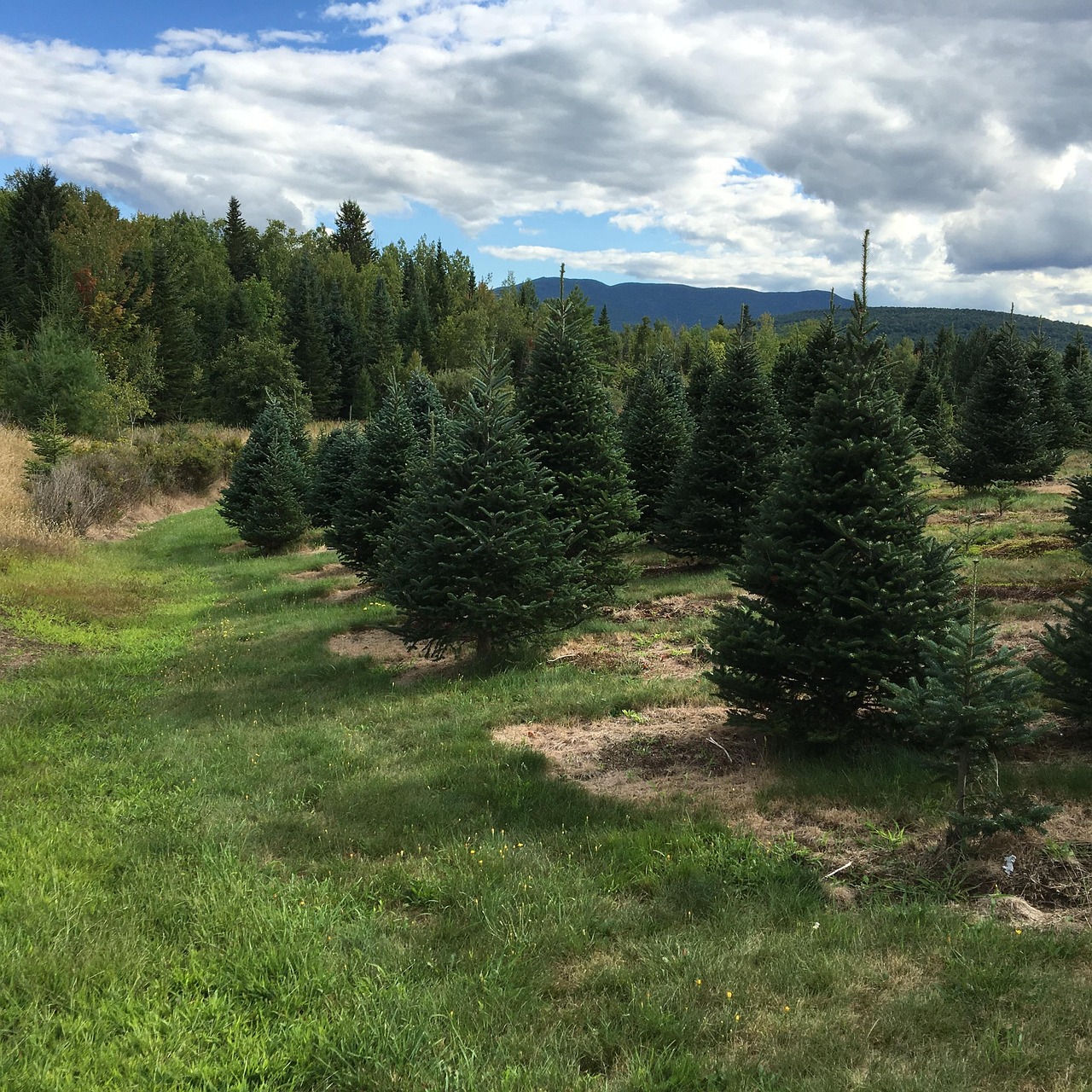
One notable characteristic of balsam fir trees is their needle structure. The needles are flat, soft, and dark green, with a distinct pleasant fragrance when crushed. This scent is often associated with the holiday season, contributing to their popularity as Christmas trees. Understanding the lifecycle of these trees, including how and when they drop their needles, is crucial for anyone who owns or cares for them.
Needle Drop Cycle
Like many conifers, balsam fir trees have a specific needle drop cycle. This cycle is influenced by various factors such as age, health, and environmental conditions. Here are the key points regarding their needle drop:
- Age of Needles: Balsam fir trees usually retain their needles for about 4 to 6 years. After this period, older needles begin to yellow and fall off.
- Seasonal Changes: Needle drop primarily occurs in the fall as part of the tree’s natural preparation for winter. This process helps the tree conserve energy and resources.
- Environmental Stressors: Factors such as drought, pest infestations, or disease can affect needle retention. Stressed trees may drop needles more frequently.
Environmental Influences on Needle Drop
Several environmental factors can influence how often a balsam fir tree drops its needles. Understanding these can help tree owners anticipate needle loss and maintain tree health.

| Factor | Impact on Needle Drop |
|---|---|
| Soil Quality | Poor soil can lead to stress, resulting in increased needle drop. |
| Water Availability | Drought conditions may cause trees to shed needles to conserve water. |
| Pest Infestations | Infestations can weaken trees, leading to premature needle drop. |
| Temperature Fluctuations | Extreme temperatures can stress trees and affect needle retention. |
In summary, while balsam fir trees do shed their needles, this process is not frequent and is influenced by various environmental factors. By understanding these aspects, tree owners can better care for their balsam firs and anticipate any changes in needle retention.
It is essential to monitor the health of your balsam fir trees regularly. This includes checking for signs of stress or disease, as these can lead to increased needle drop. Proper care, such as ensuring adequate water supply and maintaining soil health, can help prolong the life of the tree’s needles and enhance its overall vitality.
The aesthetic appeal of balsam fir trees makes them a favorite among homeowners and landscapers alike. Their ability to retain their green color throughout the winter months adds beauty to any landscape. However, understanding their natural behaviors, including needle drop cycles, is vital for proper care and maintenance.
Why Balsam Fir Trees Drop Needles
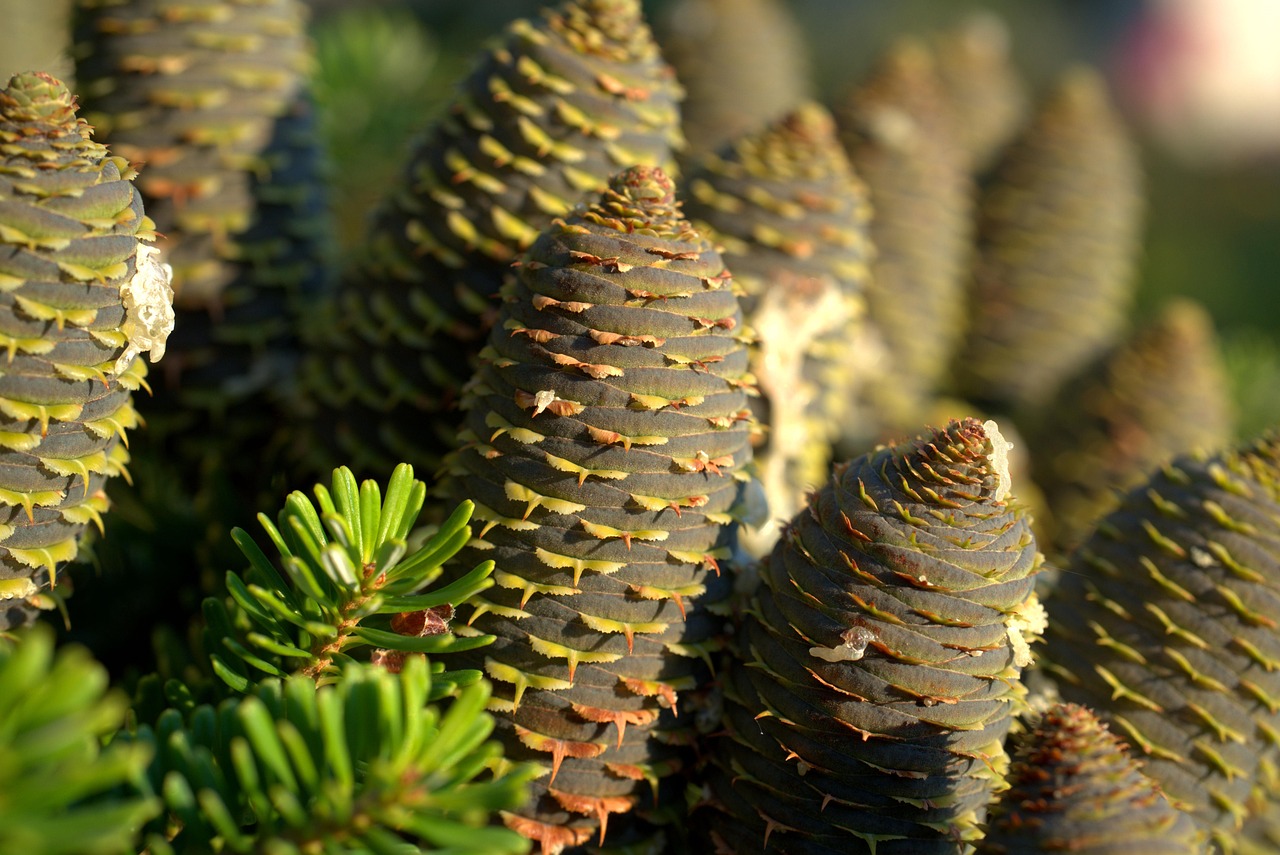
Understanding the reasons behind needle drop in balsam fir trees can provide valuable insights for tree maintenance. Needle shedding is a natural part of a conifer’s life cycle, and it serves several purposes. Here are some key reasons why these trees may drop their needles:
- Natural Aging Process: As balsam fir trees mature, they naturally lose older needles to make way for new growth. This process helps the tree maintain healthy foliage.
- Seasonal Adaptation: In colder months, dropping needles reduces the surface area exposed to harsh winter conditions. This adaptation helps the tree conserve moisture and energy.
- Health and Vitality: Trees that are stressed due to environmental factors may drop needles as a defense mechanism. This helps them redirect energy towards maintaining core health.
Identifying Healthy Needle Retention
For those who wish to maintain the health of their balsam fir trees, recognizing the signs of healthy needle retention is crucial. Here are some indicators of a healthy balsam fir:
- Color: Healthy needles should be vibrant green. A change in color, such as yellowing or browning, may indicate stress.
- Texture: The needles should feel soft and flexible. Brittle or dry needles can be a sign of environmental stress.
- Density: A healthy balsam fir will have a dense canopy. Sparse areas may suggest issues that need addressing.
- Growth Rate: Regular new growth each year is a positive sign. If growth appears stunted, it may point to underlying problems.
Common Problems Leading to Needle Drop
Several common issues can lead to increased needle drop in balsam fir trees. Identifying these problems early can help prevent further damage and promote recovery.

| Problem | Description | Solutions |
|---|---|---|
| Pest Infestation | Pests such as aphids and spruce budworms can weaken trees, leading to needle loss. | Regular monitoring and using appropriate insecticides can help control pests. |
| Disease | Diseases like needle blight can cause needles to turn brown and drop prematurely. | Proper sanitation and treatment with fungicides can mitigate disease spread. |
| Nutrient Deficiency | A lack of essential nutrients can lead to poor needle health and shedding. | Soil testing and fertilizing with the right nutrients can improve tree health. |
| Environmental Stress | Drought or extreme weather conditions can place stress on trees, causing needle drop. | Ensuring adequate watering during dry spells is crucial for tree resilience. |
Caring for Balsam Fir Trees
Caring for balsam fir trees involves several practices aimed at promoting health and longevity. Here are some essential care tips:
- Watering: Ensure the tree receives adequate water, especially during dry periods. Deep watering is preferable to encourage deep root growth.
- Mulching: Apply a layer of mulch around the base of the tree to retain moisture and regulate soil temperature.
- Pruning: Regularly prune dead or diseased branches to prevent the spread of issues and encourage healthy growth.
- Fertilization: Use a slow-release fertilizer in spring to provide necessary nutrients for growth.
- Pest Management: Monitor for pests regularly and take action promptly to prevent infestations from becoming severe.
By implementing these care strategies, homeowners can help ensure that their balsam fir trees remain healthy and vibrant, reducing the likelihood of excessive needle drop. Understanding the specific needs of balsam fir trees allows for better management and appreciation of these beautiful evergreens in any landscape.
Caring for your balsam fir also involves being aware of its surroundings. Factors such as nearby plants, soil conditions, and even local wildlife can impact the health of your tree. Taking a holistic approach will benefit not just the fir but the entire ecosystem it inhabits.
Seasonal Changes and Their Impact on Needle Drop
Seasonal changes play a significant role in the needle drop cycle of balsam fir trees. Understanding how each season affects the tree can help caretakers manage their health effectively. Below is a breakdown of the seasonal impact on needle retention:
Spring
During spring, balsam fir trees enter a phase of active growth. As new shoots emerge, they push out older needles. This is a normal part of the tree’s growth cycle. Signs of healthy growth during spring include:
- New Growth: Fresh green shoots and buds appear.
- Needle Color: Needles maintain a vibrant green color, indicating good health.
- Pest Awareness: Monitoring for pests is crucial as they may become active during this time.
Summer
In summer, balsam firs continue to grow and thrive. However, extreme heat or drought can lead to stress, influencing needle retention. Here are some factors to consider during summer:
- Watering Needs: Ensure consistent watering, especially in dry spells, to maintain tree health.
- Humidity Levels: Balsam fir trees prefer humid conditions; low humidity can lead to needle loss.
- Pest Control: Regular inspections for pests are essential, as some are more prevalent in warmer months.
Fall
Fall is a critical time for balsam fir trees as they prepare for winter. Needle drop often increases during this season due to the natural aging process. Key points include:
- Natural Needle Drop: Older needles yellow and fall, making way for new growth in spring.
- Soil Preparation: Ensuring the soil is well-aerated and free of debris can help the tree store nutrients for winter.
- Mulching: Applying mulch can help retain moisture and protect roots from freezing temperatures.
Winter
During winter, balsam fir trees enter dormancy. While they may not drop needles regularly, environmental stresses can lead to needle loss. Important considerations for winter include:
- Moisture Availability: Snow cover provides moisture; however, extreme cold can stress the tree.
- Wind Exposure: Protecting trees from strong winds can prevent needle damage.
- Pests and Diseases: Some pests may hibernate; a winter inspection is helpful for early detection.
Identifying Stress Factors in Balsam Fir Trees
Caring for balsam fir trees requires an awareness of potential stress factors that can lead to increased needle drop. Identifying these stressors early can help mitigate their effects. Common stress factors include:
| Stress Factor | Description | Signs of Stress |
|---|---|---|
| Drought Conditions | Lack of sufficient water can lead to needle loss and overall decline. | Dry, brittle needles and wilting foliage. |
| Pest Infestation | Pests like aphids and bark beetles can weaken the tree’s structure. | Sparse foliage and visible pest presence. |
| Nutrient Deficiency | Poor soil quality may lead to insufficient nutrients for healthy growth. | Pale needles and stunted growth. |
| Disease | Fungal infections can cause needles to turn brown and drop prematurely. | Browning needles and unusual growth patterns. |
By recognizing these stress factors, tree owners can take appropriate measures to support their balsam fir trees. Early intervention is crucial for maintaining tree health and reducing the likelihood of needle drop.
The Role of Fertilization in Needle Health
Fertilization plays an essential role in maintaining the health of balsam fir trees. Proper nutrient levels ensure that trees can withstand environmental stresses and thrive. Here are some key points regarding fertilization:
- Nutrient Requirements: Balsam fir trees typically require nitrogen, phosphorus, and potassium for optimal growth.
- Soil Testing: Conducting soil tests can help determine nutrient deficiencies and guide fertilization efforts.
- Application Timing: Fertilizing in early spring is usually optimal as it aligns with the tree’s active growth phase.
- Organic Options: Organic fertilizers can improve soil health while supplying necessary nutrients to the trees.
Proper fertilization not only supports healthy needle retention but also enhances the overall resilience of balsam fir trees against pests and diseases. By following a well-planned fertilization schedule, tree owners can significantly contribute to their balsam fir’s vitality and longevity.
Long-Term Care for Balsam Fir Trees
Maintaining the health of balsam fir trees over the long term requires a proactive approach. Regular monitoring and care can prevent issues that lead to needle drop and other health problems. Here are some additional strategies for ensuring your balsam fir trees thrive:
- Regular Pruning: Prune trees annually to remove dead or diseased branches. This not only promotes healthy growth but also improves air circulation within the tree.
- Monitoring Growth Patterns: Keep a record of growth patterns and needle retention. Observing changes over time can help identify potential issues early.
- Seasonal Inspections: Conduct inspections during seasonal changes to assess tree health and readiness for upcoming weather conditions.
- Companion Planting: Consider planting companion plants that can support the growth of balsam firs while deterring pests naturally.
Understanding the Ecosystem Around Balsam Fir Trees
The ecosystem surrounding balsam fir trees plays a crucial role in their overall health. Trees do not exist in isolation; they are part of a larger community that includes soil, plants, animals, and microorganisms. Here are some factors to consider:
- Soil Health: Healthy soil contains organic matter and beneficial microbes that support tree growth. Regularly adding organic material, like compost, can enhance soil quality.
- Wildlife Interaction: Wildlife can both positively and negatively affect balsam fir trees. While some species may help control pests, others may damage the tree. Understanding local wildlife interactions is essential.
- Microclimates: The microclimate around your balsam fir trees can influence their health. Factors such as sunlight exposure, wind patterns, and moisture levels can affect growth and needle retention.
Importance of Education and Resources
Education remains a powerful tool for anyone caring for balsam fir trees. Understanding their biology, needs, and environmental interactions can lead to better management practices. Various resources can assist in this journey:
- Local Extension Services: Many regions have agricultural extension services that offer advice on tree care specific to local conditions.
- Online Forums and Communities: Engaging with online communities focused on horticulture can provide valuable insights and tips from experienced tree caretakers.
- Books and Publications: Numerous books focus on tree care and specific species, including balsam firs. These can be excellent resources for in-depth knowledge.
Final Thoughts
Balsam fir trees are beautiful and valuable additions to any landscape. Their unique characteristics and adaptability make them a favorite among homeowners and gardeners alike. Understanding their needle drop cycle is crucial for effective care and maintenance. Regular monitoring of tree health, awareness of environmental factors, and proactive management can significantly reduce the likelihood of excessive needle loss.
By implementing proper fertilization techniques, watering schedules, and pest management strategies, tree owners can ensure that their balsam fir trees remain healthy and vibrant throughout the seasons. In addition, recognizing the importance of the surrounding ecosystem can further enhance the health and resilience of these trees.
In summary, while balsam fir trees do drop their needles as part of their natural life cycle, proper care can minimize this process and promote overall tree vitality. With dedication and knowledge, anyone can successfully maintain these majestic evergreens in their yards or gardens.