
Balsam fir trees do emit a pleasant aroma that is often described as pine-like. This fragrance comes from the tree’s needles and bark, making them a popular choice for holiday decorations and wreaths.
Understanding Balsam Fir Trees
Balsam fir (Abies balsamea) is a species native to North America. It thrives in the northeastern United States and parts of Canada. Commonly found in moist, cooler environments, these trees can grow up to 60 feet tall. Their straight trunks and dense foliage make them visually appealing.
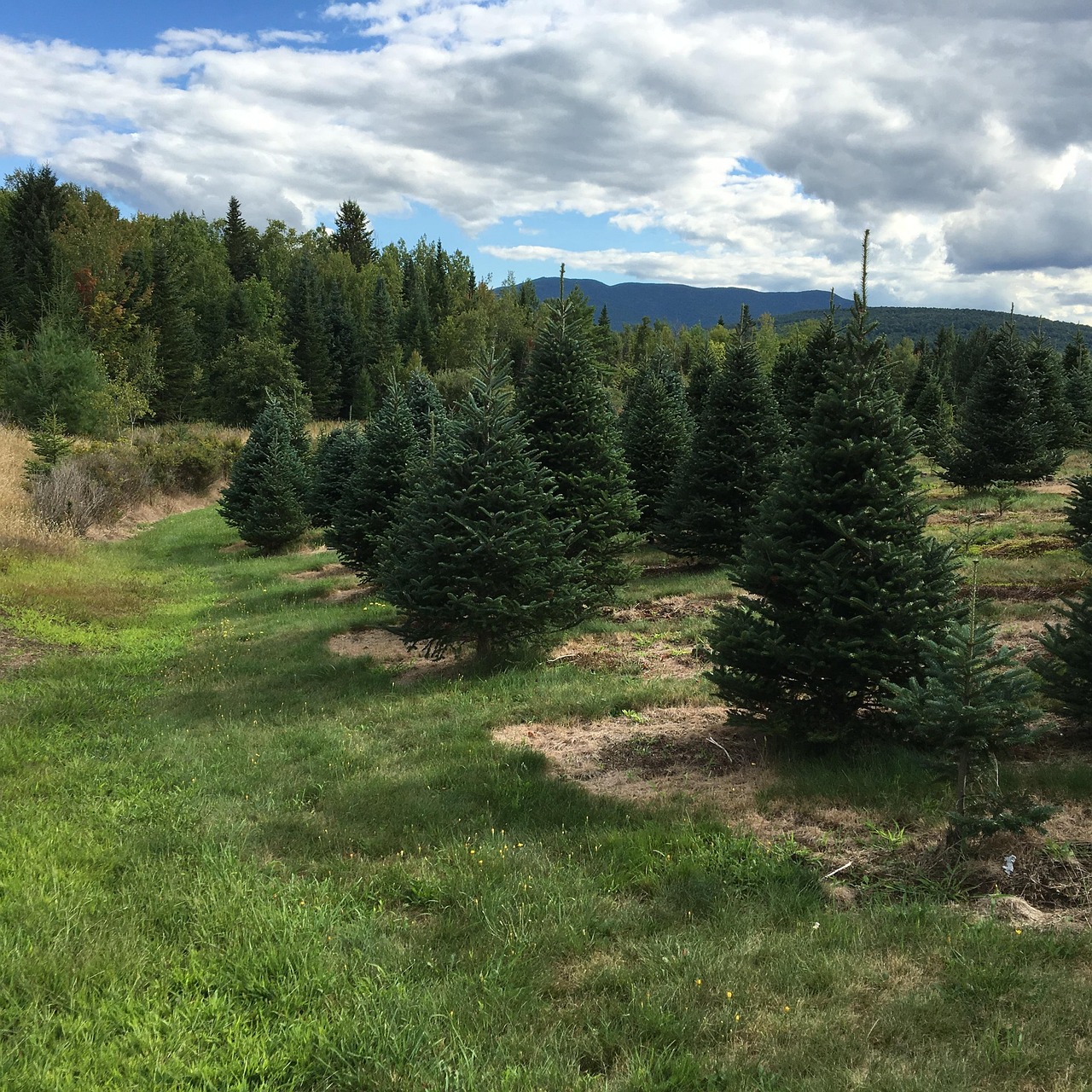
The Balsam fir is part of the Pinaceae family, which includes various coniferous trees known for their needle-like leaves and cones. Unlike some other fir trees, the Balsam fir has a distinctive aroma that many people associate with the scent of Christmas.
Characteristics of Balsam Fir Trees
Balsam fir trees have specific physical traits that contribute to their specific aroma. Here are some key characteristics:
- Needles: The needles are flat, dark green, and have a soft texture. They are typically 0.5 to 1 inch long.
- Bark: The bark is smooth with resin blisters, which release aromatic compounds.
- Cones: Balsam fir cones are cylindrical and can grow up to 4 inches long. They hang down from the branches.
- Growth Habit: These trees often have a conical shape, with layers of branches that create a full appearance.
Aromatic Compounds
The aroma of Balsam fir trees is primarily due to the presence of essential oils. These oils contain compounds such as:
- Alpha-pinene: A common compound in many conifers, contributing to the fresh pine scent.
- Beta-pinene: Adds a woody fragrance that complements the overall aroma.
- Limonene: Imparts a citrus-like note, enhancing the pleasant fragrance.
The combination of these compounds gives Balsam fir its unique scent profile. This is why many people enjoy using Balsam fir branches for holiday decorations or as Christmas trees.
Comparison with Other Fir Trees
Balsam fir is often compared to other fir species in terms of aroma. Here is a simple comparison table:
| Fir Tree | Aroma Description | Common Uses |
|---|---|---|
| Balsam Fir | Pine-like, sweet, and fresh | Christmas trees, wreaths, essential oils |
| Noble Fir | Earthy, subtle citrus notes | Christmas trees, floral arrangements |
| Fraser Fir | Strong pine aroma with hints of citrus | Christmas trees, decorative uses |
As shown in the table, while other fir trees also have pleasant aromas, Balsam fir stands out for its sweet and fresh scent. This distinctiveness makes it a favorite among those seeking the quintessential holiday smell.
Cultural Significance
The aroma of Balsam fir holds cultural significance in various communities. For many, it evokes feelings of nostalgia and warmth during the holiday season. The scent is often associated with family gatherings and festive celebrations.
Additionally, Balsam fir oil has been used in aromatherapy for its calming properties. Many believe that inhaling the scent can reduce stress and promote relaxation. This has led to its use in various products, including candles and air fresheners.
In summary, Balsam fir trees not only contribute to the beauty of natural landscapes but also provide a delightful aroma that enriches human experiences. This connection between scent and emotion highlights the importance of these trees in our lives.
Environmental Benefits of Balsam Fir Trees
Balsam fir trees are not only appreciated for their aroma; they also play a crucial role in the environment. These trees contribute to ecosystem health and offer several benefits to both wildlife and the atmosphere.
Habitat for Wildlife
Balsam fir trees provide essential habitat for various wildlife species. The dense foliage and structure of these trees create ideal nesting sites and shelter. Here are some animals that benefit from Balsam fir ecosystems:
- Birds: Many bird species, such as chickadees and nuthatches, use Balsam firs for nesting and feeding.
- Mammals: Animals like deer and squirrels find shelter and food within the branches and needles.
- Insects: Various insects thrive on Balsam fir trees, contributing to the overall biodiversity of the area.
By supporting these species, Balsam fir trees help maintain a balanced ecosystem, which is vital for environmental health.
Carbon Sequestration
Another significant environmental benefit of Balsam fir trees is their ability to sequester carbon dioxide. As trees grow, they absorb CO2 from the atmosphere, helping to mitigate climate change. Here are some key points about carbon sequestration:
- Growth Rate: Balsam firs are relatively fast-growing compared to other tree species, which enhances their carbon-absorbing capacity.
- Lifespan: While individual trees can live for many years, they continue to capture carbon throughout their lives.
- Forest Density: Planting Balsam firs in forests can increase overall biomass and carbon storage.
This process is essential in the fight against global warming. Healthy forests can significantly reduce atmospheric CO2 levels and improve air quality.
Aromatherapy and Therapeutic Uses
The aromatic properties of Balsam fir extend beyond their pleasing scent; they have been utilized in various therapeutic practices. The essential oils extracted from the needles and bark are known for their beneficial effects on health and well-being.
Uses in Aromatherapy
Balsam fir essential oil is often used in aromatherapy to promote physical and mental well-being. Some common applications include:
- Stress Relief: The calming scent helps to reduce anxiety and promote relaxation.
- Respiratory Health: Inhaling the aroma may aid breathing and alleviate congestion.
- Mood Enhancement: The uplifting scent can improve mood and create a sense of comfort.
The versatility of Balsam fir essential oil makes it a popular choice in wellness practices.
DIY Applications
Many people enjoy incorporating Balsam fir into their daily lives through DIY projects. Here are a few popular ways to use Balsam fir:
- Homemade Candles: Adding Balsam fir essential oil to homemade candles creates a soothing atmosphere.
- Air Fresheners: Mix Balsam fir oil with water in a spray bottle for a natural air freshener.
- Bath Products: Combine Balsam fir oil with bath salts for a relaxing soak.
These applications not only enhance personal well-being but also allow individuals to enjoy the natural fragrance of Balsam fir in their homes.
Cultivation and Maintenance of Balsam Fir Trees
If you are considering cultivating Balsam fir trees, understanding their growing conditions is essential. Proper care can lead to healthy trees that thrive in your landscape.
Optimal Growing Conditions
Balsam firs prefer specific growing conditions to flourish. Here are some important factors:
- Soil Type: They thrive in well-drained, acidic soils rich in organic matter.
- Light Requirements: Balsam fir trees grow best in partial shade to full sun. However, they can tolerate some shade.
- Moisture Levels: These trees prefer moist conditions but should not be waterlogged. Regular watering during dry spells is beneficial.
Ensuring these conditions can help establish strong, healthy Balsam fir trees in your garden or landscape.
Pest and Disease Management
Balsam fir trees are susceptible to certain pests and diseases. Being proactive can prevent significant damage. Common issues include:
- Balsam Woolly Adelgid: This pest can cause needle drop and overall decline in health.
- Pine Bark Beetles: Infestations may lead to tree stress and death if not managed properly.
- Root Rot: Overwatering can lead to root rot, so maintaining proper moisture levels is crucial.
Regular monitoring and timely interventions are essential for maintaining the health of your Balsam fir trees.
Ecological Importance of Balsam Fir Trees
Balsam fir trees play a vital role in their ecosystems, contributing to biodiversity and environmental health. Their presence supports various ecological functions that benefit both wildlife and the surrounding environment.
Role in Forest Ecosystems
As a native species, Balsam fir contributes significantly to forest ecosystems. Here are some of the key roles they play:
- Canopy Structure: Balsam fir trees help create a layered canopy in forests. This structure provides different habitats for various species.
- Soil Stabilization: The extensive root systems of Balsam fir trees help prevent soil erosion, particularly in hilly or mountainous regions.
- Nutrient Cycling: When Balsam fir needles fall to the ground, they decompose and enrich the soil with nutrients, promoting healthy growth of other plant species.
Their contributions to forest structures and soil health make Balsam fir essential for maintaining balanced ecosystems.
Supporting Biodiversity
Biodiversity is crucial for resilient ecosystems, and Balsam fir trees support a wide range of flora and fauna. Here are some ways they contribute:
- Plant Associations: Balsam firs often grow alongside other tree species, such as spruce and deciduous trees, creating diverse plant communities.
- Wildlife Habitat: As previously mentioned, their dense foliage provides nesting sites for birds and shelter for small mammals.
- Food Source: Many species, including insects and mammals, rely on Balsam fir needles and seeds as a food source.
The interdependence between Balsam firs and other species enhances overall biodiversity, fostering healthier ecosystems.
Cultural Uses of Balsam Fir Trees
The cultural significance of Balsam fir extends beyond its aroma. Various communities have historically utilized these trees for numerous purposes, highlighting their importance across different cultures.
Traditional Uses
Balsam fir has been used traditionally by Indigenous peoples and early settlers for various applications:
- Medicinal Uses: The resin from Balsam fir has been used in traditional medicine to treat ailments such as coughs and skin irritations.
- Crafts and Construction: The wood is valued for its straight grain and durability, making it suitable for crafting furniture and constructing buildings.
- Fuel Source: Balsam fir wood burns well, providing heat for cooking and warmth in homes.
These traditional uses demonstrate the versatility of Balsam fir trees throughout history.
Modern Applications
In contemporary society, Balsam fir trees continue to serve multiple purposes:
- Christmas Trees: They are one of the most popular choices for Christmas trees due to their pleasant aroma and attractive appearance.
- Aromatherapy Products: Balsam fir essential oil is used in candles, diffusers, and personal care products, capitalizing on its calming scent.
- Landscaping: Balsam firs are often used in landscaping for their aesthetic appeal and ability to thrive in cooler climates.
The ongoing relevance of Balsam fir in various industries highlights its cultural importance in modern times.
The Economic Impact of Balsam Fir Trees
The economic impact of Balsam fir extends to forestry, tourism, and related industries. Understanding this impact reveals how these trees benefit local economies.
Forestry Industry
Balsam fir is an important species in the forestry industry. Here are some economic aspects:
- Lumber Production: The wood is harvested for various applications, including furniture making, construction, and paper production.
- Christmas Tree Farming: Many farms cultivate Balsam fir specifically for Christmas tree sales, contributing to local economies during the holiday season.
- Non-Timber Forest Products: The collection of resin and essential oils provides additional income opportunities for landowners.
The forestry industry relies on sustainable practices to ensure that Balsam fir populations remain healthy while supporting economic growth.
Tourism and Recreation
Balsam fir trees also contribute to tourism and recreation. Their aesthetic value enhances natural landscapes, attracting visitors. Here are some related benefits:
- Nature Trails: Scenic trails through Balsam fir forests provide opportunities for hiking, birdwatching, and outdoor activities.
- Ecosystem Education: Educational programs often focus on the ecological importance of Balsam fir, promoting conservation efforts.
- Seasonal Attractions: In winter, snow-covered Balsam firs attract tourists for skiing and snowshoeing adventures.
This connection between Balsam fir trees and tourism fosters appreciation for nature while contributing to local economies.
Conservation Efforts for Balsam Fir Trees
As the ecological importance of Balsam fir trees becomes increasingly clear, various conservation efforts are underway to protect these vital trees and their habitats. Several organizations and communities are committed to ensuring the sustainability of Balsam fir populations.
Restoration Projects
Restoration projects aim to rehabilitate areas where Balsam fir trees have declined due to logging, pests, or climate change. These initiatives often involve:
- Reforestation: Planting new Balsam fir saplings in deforested or degraded areas to restore ecosystems.
- Invasive Species Control: Removing invasive plant species that compete with Balsam fir for resources.
- Monitoring Health: Regular assessments of Balsam fir populations to track health and growth patterns.
These efforts help maintain healthy populations of Balsam fir trees, ensuring that they continue to thrive in their natural habitats.
Public Awareness Campaigns
Raising awareness about the importance of Balsam fir trees is essential for their conservation. Public campaigns focus on:
- Educational Workshops: Offering programs that educate the community about the ecological benefits of Balsam fir trees.
- Engagement Activities: Organizing events like tree planting days or guided nature walks to foster appreciation for local flora.
- Advocacy: Promoting policies that protect forested areas where Balsam firs grow.
By engaging the public, these campaigns help build a community of advocates for Balsam fir conservation.
Future of Balsam Fir Trees
The future of Balsam fir trees faces challenges from climate change, pests, and habitat loss. However, proactive measures can enhance their resilience. Research into genetic diversity and adaptation strategies is vital to ensure the longevity of Balsam fir populations. Additionally, sustainable forestry practices will play a crucial role in maintaining healthy forests while meeting economic needs.
Climate Adaptation Strategies
As climate change impacts ecosystems, developing adaptation strategies is essential. Some potential approaches include:
- Diversity in Planting: Encouraging the planting of a mixture of tree species alongside Balsam firs to promote resilience against pests and disease.
- Habitat Protection: Protecting existing natural habitats to provide safe environments for Balsam fir trees to adapt to changing conditions.
- Research and Monitoring: Conducting ongoing research to understand how climate change affects Balsam fir and implementing adaptive management practices accordingly.
These strategies will contribute to healthier forests and ensure that Balsam fir trees can continue to thrive despite environmental changes.
Final Thoughts
Balsam fir trees are more than just beautiful conifers; they play a significant role in our ecosystems, economies, and cultural traditions. Their distinct aroma not only enhances our holiday experiences but also contributes to our emotional well-being. As we recognize the importance of these trees, it becomes crucial to engage in conservation efforts that protect their habitats and promote sustainable practices.
The multifaceted benefits of Balsam fir—from providing wildlife habitat to supporting local economies—underscore the need for continued advocacy and education. By fostering a greater understanding of their significance, we can ensure that future generations will also enjoy the beauty and aroma of Balsam fir trees. Investing in their preservation is not just an ecological imperative but also a cultural one, enriching our lives in countless ways.
In summary, as we move forward, let us celebrate and protect the unique contributions of Balsam fir trees and appreciate the rich experiences they offer throughout the seasons.