
Balsam fir trees do shed their needles, but this occurs primarily during the autumn months. Needle drop is a natural process for these trees, especially as they age or experience environmental stressors.
Understanding Balsam Fir Trees
Balsam fir trees, scientifically known as Abies balsamea, are evergreen conifers native to North America. They are particularly prevalent in the northeastern United States and Canada. These trees are well-known for their fragrant needles and conical shape, making them popular choices for Christmas trees. However, like all conifers, they have their own unique needle retention patterns that can raise questions among tree owners and enthusiasts.
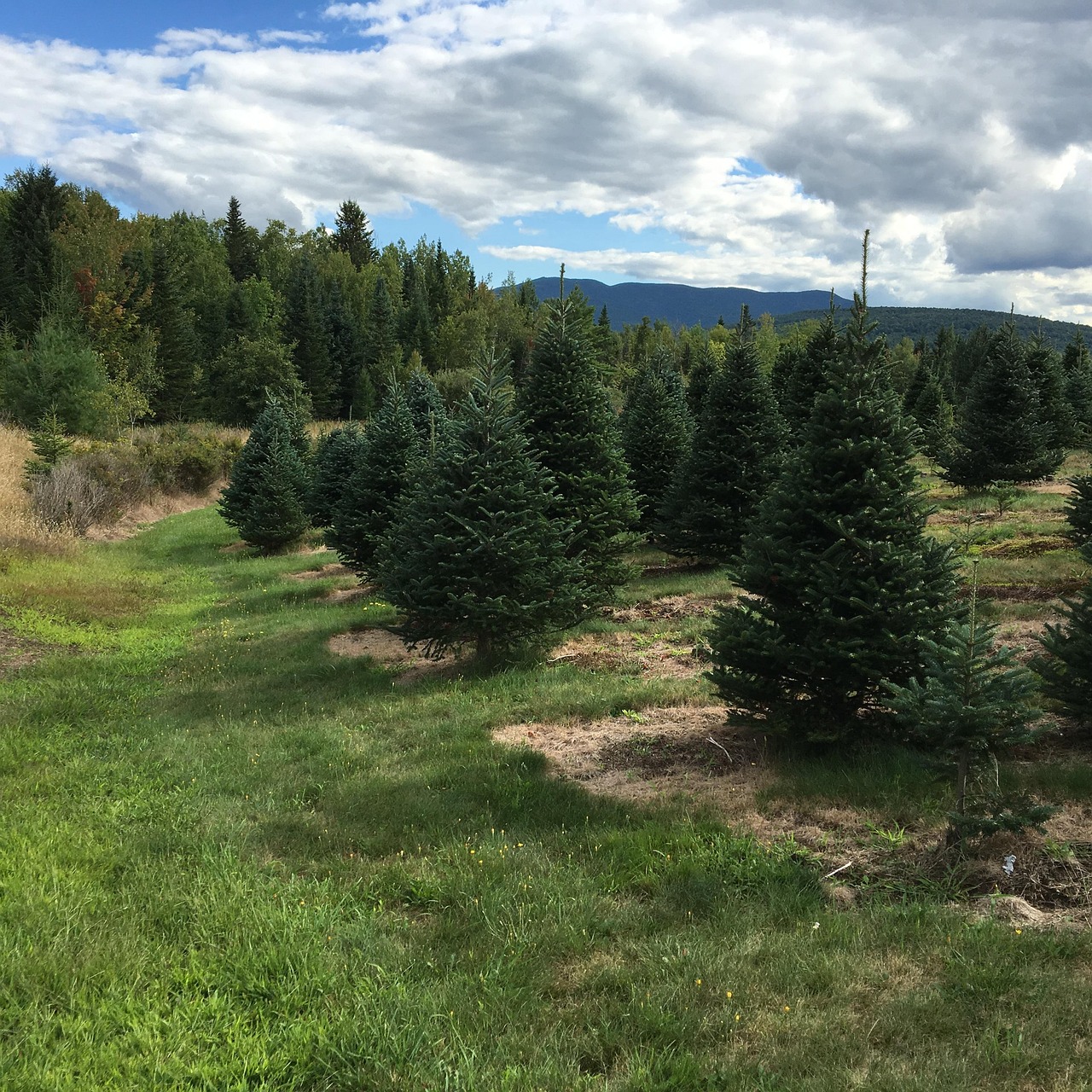
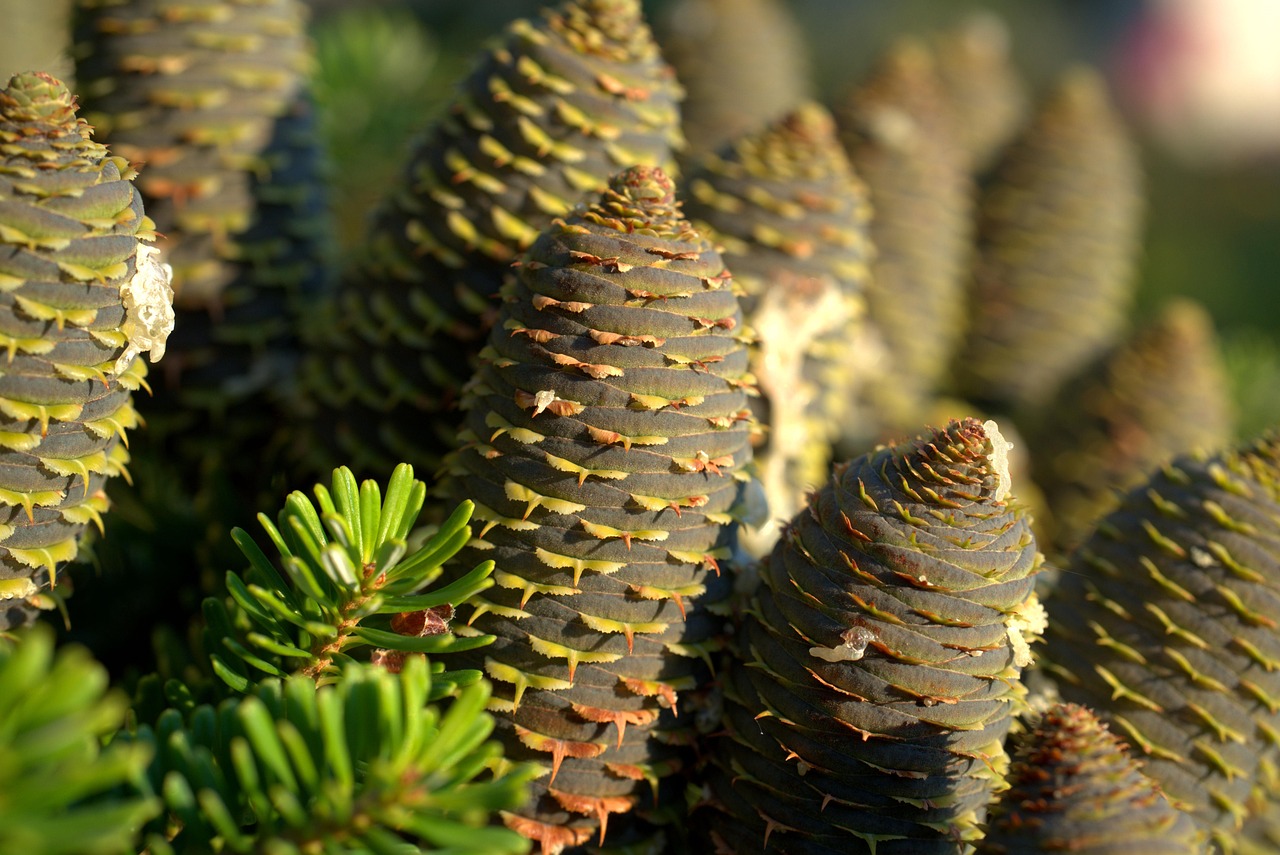
The needles of balsam fir trees are flat, dark green, and typically range from 0.75 to 1.5 inches in length. They are arranged in a spiral pattern around the branch but lie flat. This distinctive arrangement not only contributes to the tree’s aesthetic appeal but also plays a role in how the tree photosynthesizes and collects sunlight.
Needle Shedding in Balsam Fir Trees
Needle shedding, or needle drop, is a common phenomenon in balsam fir trees. It is a natural process that occurs for several reasons:
- Seasonal Changes: Balsam fir trees usually shed older needles in the fall. This is a part of their life cycle and helps the tree conserve energy during the winter months.
- Age of the Tree: As balsam fir trees age, they tend to lose their older needles. Typically, needles that are three to five years old will be shed.
- Environmental Stress: Factors such as drought, excessive moisture, and nutrient deficiencies can lead to increased needle drop. Trees under stress may shed more needles than usual.
- Pest Infestation: Infestations by pests, like the balsam twig aphid, can also cause premature needle drop as they weaken the tree.
Impact of Needle Shedding
The shedding of needles is generally not harmful to healthy balsam fir trees. In fact, it can be beneficial for maintaining the tree’s overall health. By shedding older needles, the tree can redirect resources to newer growth and maintain its vigor.
However, if needle drop occurs excessively or out of season, it may indicate underlying issues. Observing the tree’s overall health and environment can provide insight into whether the needle shedding is normal or a sign of stress.
Comparing Needle Shedding with Other Tree Species
To better understand how balsam fir trees compare to other species in terms of needle shedding, here is a simple comparison:
| Tree Species | Needle Shedding Frequency | Typical Needle Lifespan |
|---|---|---|
| Balsam Fir | Seasonal (autumn) | 3-5 years |
| Norway Spruce | Year-round (especially in spring) | 4-7 years |
| Pine Trees (e.g., Eastern White Pine) | Year-round (older needles) | 2-4 years |
| Blue Spruce | Occasional (older needles) | 3-5 years |
This table illustrates that while balsam firs do shed their needles, their shedding pattern is somewhat predictable and generally aligns with seasonal changes. Understanding these patterns can help tree owners manage their balsam firs effectively.
In summary, needle shedding is a natural process for balsam fir trees, influenced by various factors including age and environmental conditions. Recognizing the signs of healthy needle drop versus stress can be crucial for maintaining the vitality of these beautiful evergreens.
Factors Influencing Needle Shedding
Several factors can influence the frequency and amount of needle shedding in balsam fir trees. Understanding these can help in managing their health effectively.
Environmental Factors
The environment plays a significant role in the health of balsam fir trees and can affect needle retention:
- Soil Quality: Balsam firs thrive in well-drained, acidic soils. Poor soil quality can lead to nutrient deficiencies, which may result in increased needle drop.
- Water Availability: Both drought conditions and excessive moisture can stress the tree. A proper balance is essential for maintaining healthy foliage.
- Temperature Fluctuations: Extreme temperatures, whether hot or cold, can impact the tree’s health and lead to premature needle drop.
- Sunlight Exposure: Adequate sunlight is crucial for photosynthesis. Trees that are shaded by other vegetation may not perform optimally, leading to increased needle loss.
Pest and Disease Issues
Pests and diseases can significantly impact balsam fir trees, contributing to needle shedding:
- Balsam Twig Aphid: This pest feeds on the sap of balsam firs. A severe infestation can weaken the tree, causing it to shed needles earlier than usual.
- Needle Cast Diseases: Fungal infections, such as Rhizosphaera needle cast, can lead to needle loss. These diseases often thrive in humid conditions and can spread quickly in unhealthy trees.
- Other Insect Infestations: Various insects can damage the foliage. Regular inspection can help detect problems before they escalate.
Seasonal Needle Drop Patterns
Understanding the seasonal patterns of needle drop is essential for recognizing when shedding is normal versus when it may indicate a problem.
Autumn Needle Drop
The most significant period for needle shedding in balsam firs occurs during autumn. This seasonal drop is a natural process where older needles are shed to prepare for winter. Typically, the needles that are three years or older may begin to turn yellow or brown before falling off. This is part of a tree’s adaptation to conserve energy and resources during the cold months ahead.
Signs of Stress-Related Needle Drop
While some needle loss is normal, certain signs may indicate that a balsam fir tree is experiencing stress:
- Non-Seasonal Shedding: If needles are dropping significantly outside of the autumn season, it may be a sign of stress.
- Yellowing Needles: Needles that turn yellow before dropping may indicate nutrient deficiencies or environmental stress.
- Brittle Needles: If the needles feel dry or brittle, it could suggest drought stress or pest damage.
Best Practices for Maintaining Healthy Balsam Fir Trees
To minimize excessive needle shedding and maintain overall tree health, consider implementing the following best practices:
- Regular Watering: Ensure that balsam fir trees receive adequate water, especially during dry spells. However, avoid overwatering to prevent root rot.
- Nutrient Management: Test soil quality regularly and apply appropriate fertilizers as needed to provide essential nutrients.
- Pest Control: Monitor for signs of pests and diseases. Use organic pesticides or consult with a local arborist for effective treatments.
- Pruning: Regularly prune dead or diseased branches to promote airflow and reduce the risk of disease spread.
- Mulching: Apply a layer of mulch around the base of the tree to retain moisture and regulate soil temperature.
The Role of Balsam Fir in Ecosystems
Balsam fir trees play an essential role in their ecosystems, providing habitats for various wildlife species. Birds, insects, and mammals often rely on these trees for shelter and food sources. The dense foliage offers cover from predators and harsh weather conditions.
Moreover, balsam firs contribute to soil health by supporting diverse undergrowth that benefits from their shade. This interaction helps maintain local biodiversity, making these trees vital components of forest ecosystems.
Understanding the ecology of balsam fir trees not only enhances appreciation for them but also underscores the importance of maintaining their health through proper care and management practices.
Common Myths About Balsam Fir Needle Shedding
As with many tree species, several myths surround balsam fir trees and their needle shedding. Addressing these misconceptions is crucial for proper care and understanding.
Myth 1: Balsam Firs Do Not Shed Needles
One common myth is that balsam firs do not shed their needles at all. In reality, these trees naturally lose their older needles each autumn. This process is essential for the tree’s health and helps it conserve resources during the winter months.
Myth 2: Needle Shedding Indicates a Sick Tree
Another misconception is that any needle shedding signifies a sick tree. While excessive needle drop can indicate stress or disease, normal seasonal shedding is part of the balsam fir’s life cycle. Observing the timing and condition of the needles can provide insights into the tree’s health.
Myth 3: All Needle Drop Is Harmful
Some people believe that all types of needle drop are harmful to the tree. However, shedding older needles helps the tree allocate energy to new growth. It is a natural and beneficial process when occurring within the expected seasonal pattern.
How to Diagnose Needle Shedding Issues
Understanding how to diagnose problems related to needle shedding can help maintain the health of balsam fir trees. Here are key signs to look for:
Visual Inspection
Regularly inspecting your balsam fir tree can reveal important health indicators:
- Needle Color: Healthy needles should be vibrant green. Yellowing or browning needles may signal nutrient deficiencies or stress.
- Needle Texture: Needles should feel flexible and resilient. Brittle or dry needles can indicate water stress or pest infestation.
- Branch Health: Examine branches for signs of dieback or lesions, which may suggest disease or pest issues.
Soil Testing
Testing the soil around your balsam fir can provide valuable information about nutrient levels:
- Nutrient Levels: Soil tests can identify deficiencies in essential nutrients like nitrogen, phosphorus, and potassium.
- pH Levels: Balsam firs prefer slightly acidic soils, typically with a pH of 5.5 to 6.5. Testing can help determine if amendments are necessary.
Seasonal Care Tips for Balsam Fir Trees
Caring for balsam firs throughout the seasons can help reduce needle shedding and ensure healthy growth. Here are some seasonal care tips:
Spring Care
- Fertilization: Apply a balanced fertilizer in early spring to support new growth.
- Pest Monitoring: Begin monitoring for pests as temperatures rise. Early detection can prevent infestations.
- Watering: Ensure adequate moisture as the tree emerges from winter dormancy.
Summer Care
- Mulching: Keep a layer of mulch around the base of the tree to retain moisture and suppress weeds.
- Irrigation: Water during dry spells, especially if young trees are establishing roots.
- Pest Control: Regularly inspect for signs of pests or diseases, treating promptly if noticed.
Autumn Care
- Final Watering: Water adequately before winter sets in to help trees withstand cold temperatures.
- Pruning: Trim dead or diseased branches to promote airflow and reduce disease risk.
- Needle Drop Observation: Monitor needle drop closely during this season; normal shedding should occur but excessive loss may need investigation.
Winter Care
- Avoid Injury: Protect trees from heavy snow loads and ice accumulation that can break branches.
- Shelter from Wind: If possible, plant windbreaks nearby to shield young balsam firs from harsh winter winds.
- Pest Monitoring: Be aware of potential pests that may be active in winter, such as certain beetles that can affect tree health.
The Importance of Professional Help
If you notice concerning symptoms or if your balsam fir trees experience excessive needle drop, seeking professional help can be beneficial. Arborists can provide expert advice on diagnosis and treatment options, ensuring your trees remain healthy and vibrant.
Professional services may include soil testing, pest management, and targeted fertilization plans tailored to the specific needs of your balsam fir trees. Investing in expert care can yield long-term benefits for both the health of the trees and the overall landscape.
Additional Considerations for Balsam Fir Tree Care
While understanding needle shedding patterns and tree health management is essential, there are additional considerations that can enhance the growth and longevity of balsam fir trees. These include understanding their ecological significance, practical uses, and community involvement in tree care.
Ecological Significance
Balsam fir trees are integral to forest ecosystems. They provide habitat for various wildlife species, including birds, small mammals, and insects. Their dense foliage offers shelter and nesting sites, while their cones serve as food sources for squirrels and birds. The presence of balsam firs can support biodiversity in both urban and rural landscapes.
Practical Uses of Balsam Fir Trees
Beyond their ecological role, balsam fir trees have practical applications that make them valuable to human communities:
- Timber Production: The wood of balsam fir is lightweight and has good workability, making it suitable for construction, furniture, and paper products.
- Christmas Trees: Due to their pleasant aroma and attractive appearance, balsam firs are popular choices for Christmas trees, especially in North America.
- Aromatic Uses: The needles and resin of balsam fir are used to produce essential oils, contributing to the fragrance industry.
- Environmental Benefits: As evergreens, balsam firs act as carbon sinks, helping to mitigate climate change by absorbing carbon dioxide from the atmosphere.
Community Involvement and Tree Care
Community engagement plays a vital role in the preservation and care of balsam fir trees. Local tree care initiatives can foster a sense of responsibility towards maintaining healthy landscapes. Here are some ways communities can get involved:
- Tree Planting Events: Organizing tree planting days can help increase the population of balsam firs in urban areas, enhancing green spaces.
- Educational Workshops: Hosting workshops on tree care can empower community members with knowledge about maintaining local flora.
- Volunteer Programs: Creating volunteer opportunities for tree maintenance can strengthen community bonds while ensuring the health of local trees.
- Partnerships with Local Arborists: Collaborating with professionals can provide the community with access to expertise for better tree management practices.
Final Thoughts
Balsam fir trees are remarkable evergreens that contribute significantly to both natural ecosystems and human activities. Understanding their needle shedding patterns is essential for recognizing their health and ensuring proper care. While needle drop is a natural process, excessive shedding can indicate underlying issues that require attention.
By implementing best practices for tree care, engaging with professional services when necessary, and fostering community initiatives, individuals can play a crucial role in promoting the health of balsam firs. The ecological, economic, and aesthetic benefits of these trees highlight their importance in our environment.
Ultimately, whether you own a balsam fir tree or simply appreciate their beauty in the landscape, being informed about their needs can enhance your experience and connection with nature. Embracing responsible stewardship will ensure that these beautiful trees continue to thrive for generations to come.