
Balsam fir trees generally grow faster in full sunlight. When exposed to ample light, these trees can achieve optimal growth rates, developing strong trunks and dense foliage. However, factors like soil quality and water availability also play crucial roles in their growth.
Understanding Balsam Fir Trees
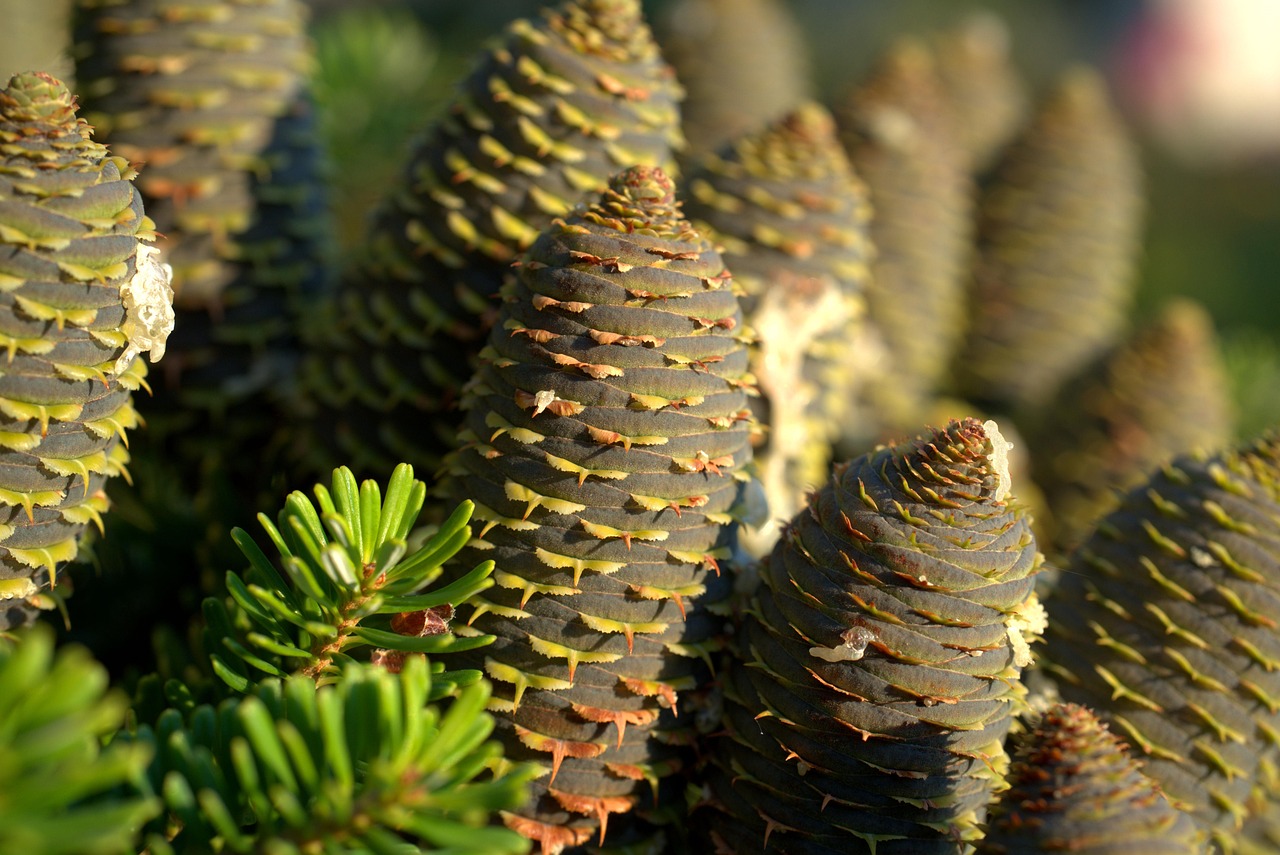
Balsam fir (Abies balsamea) is a popular evergreen tree known for its distinctive fragrance and beautiful appearance. This tree is native to North America and thrives in various environments, particularly in colder regions. Balsam firs are often used for landscaping, windbreaks, and Christmas trees due to their attractive shape and lush green needles.
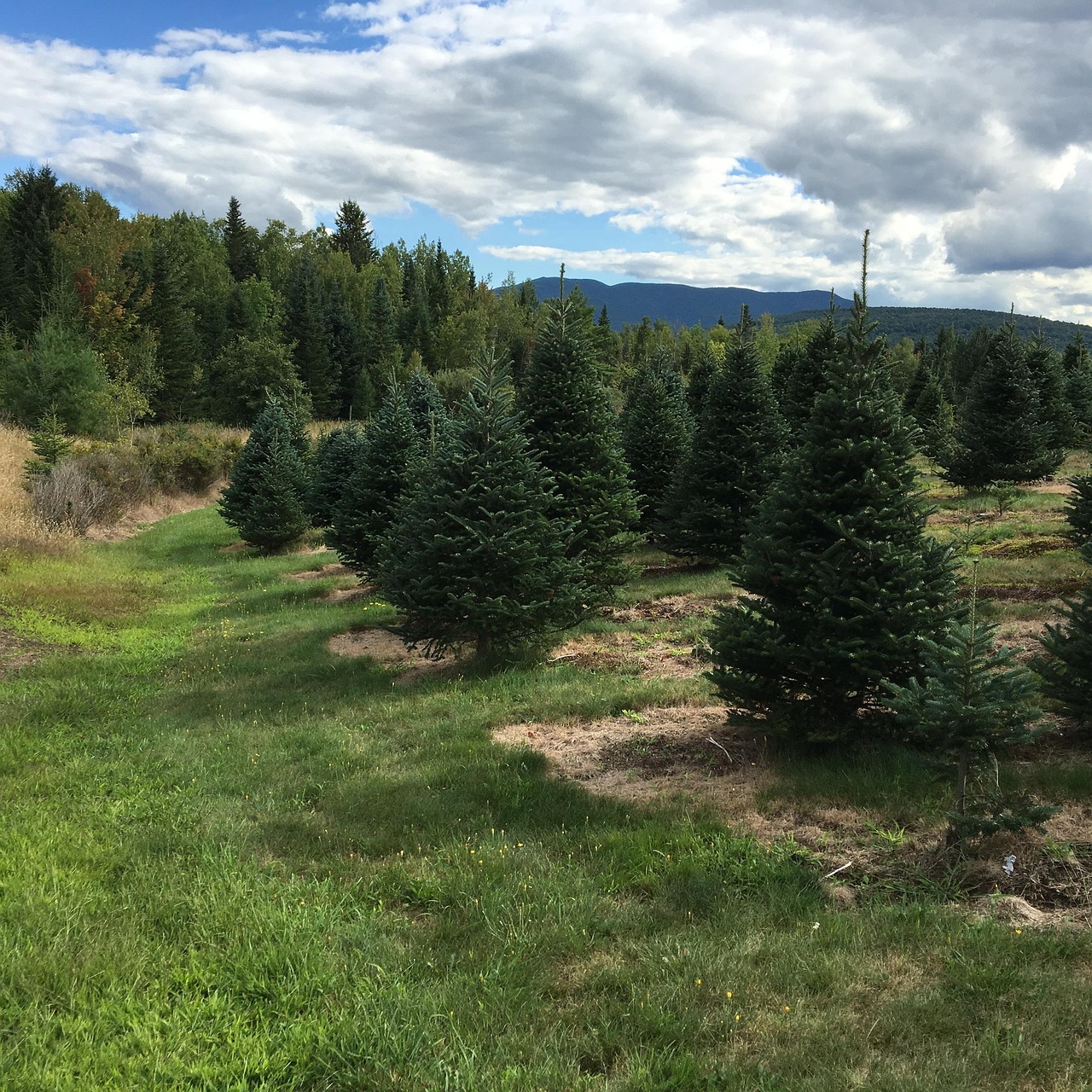
The growth of balsam fir trees can be influenced by several environmental factors. Among these, sunlight plays a significant role. Understanding how sunlight affects the growth of these trees can help gardeners and landowners make informed decisions when planting and caring for balsam firs.
Optimal Growing Conditions
Balsam fir trees prefer specific growing conditions to flourish. Here are some key factors that contribute to their growth:
- Sunlight: Full sunlight is essential for the best growth rates. Balsam firs typically require at least six hours of direct sunlight daily.
- Soil Type: Well-drained, acidic soils are ideal for balsam firs. They thrive in sandy or loamy soils that retain moisture without becoming waterlogged.
- Watering: Consistent moisture is important, especially during dry spells. However, overwatering can lead to root rot.
- Temperature: These trees prefer cooler climates and can withstand cold temperatures better than many other species.
Growth Rates in Different Conditions
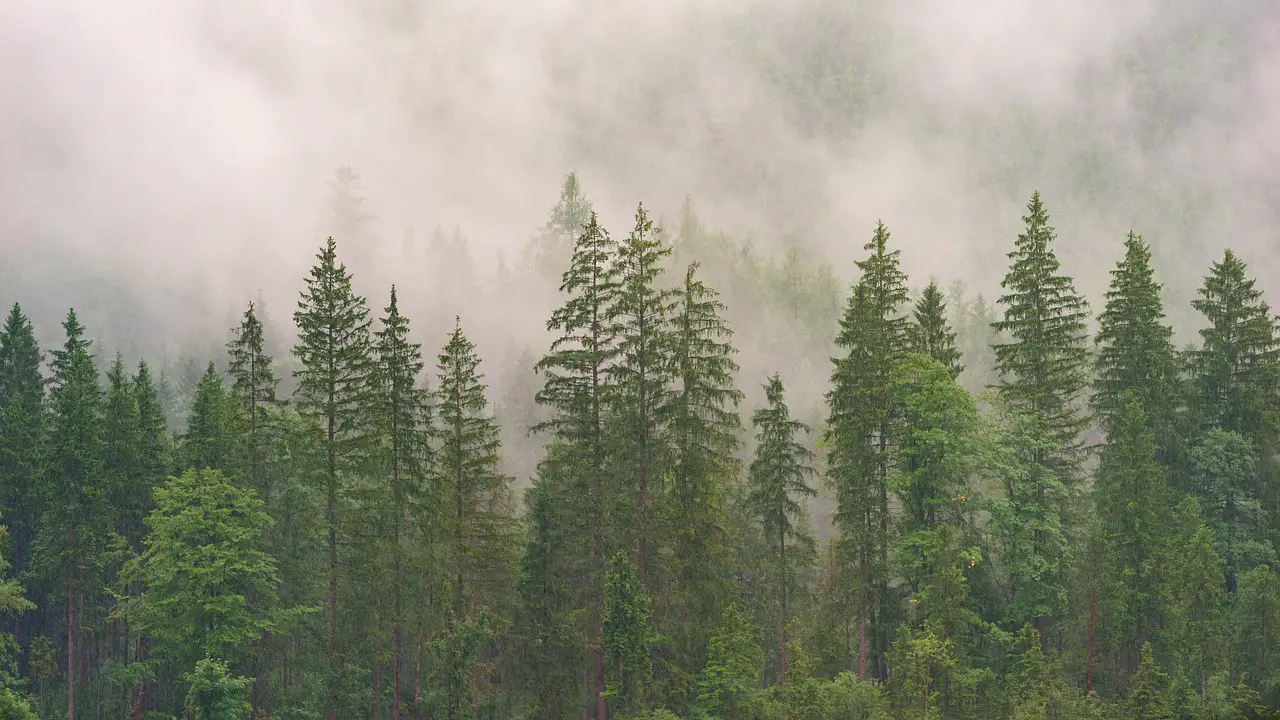
The growth rates of balsam fir trees can vary significantly based on their exposure to sunlight. Research has shown that trees planted in shaded areas often exhibit slower growth compared to those in full sun. Below is a comparison of growth rates under different light conditions:
| Light Condition | Average Height Growth (per year) | Foliage Density |
|---|---|---|
| Full Sunlight | 1 to 2 feet | High |
| Partial Shade | 0.5 to 1 foot | Moderate |
| Full Shade | Less than 0.5 feet | Low |
The table above illustrates how light conditions directly impact both the height growth and foliage density of balsam fir trees. In full sunlight, these trees not only grow taller but also develop a fuller appearance, making them more visually appealing.
The Role of Sunlight in Photosynthesis
Sunlight is vital for the process of photosynthesis, which allows trees to convert light energy into chemical energy. Balsam fir trees use this process to produce the sugars necessary for growth and development. When balsam firs receive adequate sunlight, they can photosynthesize more efficiently, leading to stronger and healthier trees.
In contrast, trees in shaded areas may struggle to gather enough energy for their growth needs. This inefficiency can result in thinner trunks and sparse foliage, making these trees less resilient against pests and diseases.
Practical Considerations for Planting Balsam Firs
If you plan to plant balsam fir trees, consider the following tips to ensure they thrive:
- Select a location with full sun exposure for at least six hours each day.
- Test the soil pH and amend it if necessary to ensure it is acidic.
- Water the trees consistently, especially during dry periods, but avoid waterlogged conditions.
- Monitor the trees for pests and diseases regularly to maintain their health.
By following these guidelines, you can help your balsam firs reach their full potential in terms of growth and appearance. Understanding the relationship between sunlight and tree health is crucial for successful cultivation.
Factors Influencing Growth Beyond Sunlight
While sunlight is crucial for the growth of balsam fir trees, several other factors also contribute to their overall health and development. Understanding these elements can further enhance your ability to cultivate strong and vibrant balsam firs. Some of these factors include soil quality, water availability, and climate conditions.
Soil Quality and Composition
The type and quality of soil directly affect the growth of balsam fir trees. They thrive in well-drained, acidic soils that provide the necessary nutrients for healthy development. The following aspects of soil quality are particularly important:
- pH Level: Balsam firs prefer slightly acidic soils with a pH between 4.5 and 6.5. Soil testing can help determine if amendments are needed to achieve the ideal pH.
- Nutrient Content: Essential nutrients such as nitrogen, phosphorus, and potassium must be present in adequate amounts. Organic matter can help improve nutrient availability.
- Drainage: Well-drained soils prevent waterlogging, which can lead to root rot. Sandy or loamy soils are often the best choices for these trees.
Water Availability
Water is another critical factor influencing the growth of balsam fir trees. These trees require consistent moisture, particularly during their early years of growth. Here are some considerations regarding water:
- Frequency: Young balsam firs should be watered regularly, especially in dry seasons. Newly planted trees need about 1 inch of water per week.
- Watering Techniques: Deep watering encourages deeper root growth. Avoid shallow watering that only wets the surface.
- Mulching: Applying mulch around the base of the trees helps retain soil moisture and reduce competition from weeds.
Climate Considerations
The climate in which balsam fir trees are planted also plays a vital role in their growth. These trees are well-suited to cooler climates and may struggle in warmer areas. Key climate considerations include:
- Temperature Extremes: Balsam firs can endure cold temperatures but may suffer in areas that experience high heat and humidity.
- Seasonal Changes: Seasonal variations impact growth patterns. For example, a late frost in spring can damage new growth.
- Wind Exposure: Strong winds can damage young trees. Planting them in sheltered areas can help minimize wind exposure.
Pest and Disease Management
Pests and diseases can significantly hinder the growth of balsam fir trees. Understanding common threats is essential for maintaining tree health. Here are some common pests and diseases to watch for:
Common Pests
- Balsam Woolly Adelgid: This pest attacks the bark of balsam fir trees, causing damage to the cambium layer.
- Eastern Pine Beetle: This beetle infests stressed trees, leading to decline and eventual death if not managed properly.
- Spruce Budworm: Feeding on new growth, this caterpillar can severely impact the tree’s health if infestations are not controlled.
Diseases to Monitor
- Phytophthora Root Rot: A fungal disease that thrives in wet conditions, leading to root decay.
- Bacterial Blight: Caused by bacteria, this disease results in needle discoloration and can spread quickly if not treated.
- Needle Cast Diseases: These fungal diseases cause needles to drop prematurely, affecting the tree’s appearance and vigor.
Long-term Care for Balsam Fir Trees
To ensure the long-term health and growth of balsam fir trees, regular maintenance is crucial. Here are some tips for ongoing care:
- Regular Inspections: Routinely check trees for signs of pests or diseases and take action as needed.
- Fertilization: Applying a balanced fertilizer in early spring can promote healthy growth, especially for young trees.
- Pruning: Prune dead or damaged branches to encourage healthy new growth and improve airflow.
By understanding the various factors that influence the growth of balsam fir trees, including soil quality, water availability, climate conditions, pest management, and long-term care practices, you can create an optimal environment for these beautiful evergreens to thrive.
Environmental Benefits of Balsam Fir Trees
Balsam fir trees are not only valued for their aesthetic appeal but also for the numerous environmental benefits they provide. Understanding these advantages can enhance appreciation for these trees and inform decisions about planting them in various settings.
Carbon Sequestration
One of the most significant environmental benefits of balsam fir trees is their ability to sequester carbon dioxide. Through the process of photosynthesis, these trees absorb CO2 from the atmosphere and convert it into oxygen and biomass. Here are some key points about carbon sequestration:
- Climate Change Mitigation: By absorbing carbon dioxide, balsam firs help reduce greenhouse gases in the atmosphere, contributing to climate change mitigation.
- Long-term Storage: As these trees grow, they store carbon in their wood, roots, and soil, providing a long-term solution for carbon storage.
- Forest Ecosystems: Balsam firs contribute to the overall health of forest ecosystems, enhancing biodiversity and ecosystem resilience.
Habitat for Wildlife
Balsam fir trees provide essential habitat for a variety of wildlife species. Their dense foliage and structure create shelter and food sources for many animals. Key points regarding wildlife habitat include:
- Nesting Sites: Birds such as chickadees and nuthatches often use balsam firs for nesting due to their dense branches.
- Food Sources: The needles and seeds of balsam fir trees serve as food for various birds and mammals, including squirrels and deer.
- Refuge: The thick canopy provides refuge from predators and harsh weather conditions, supporting a diverse range of species.
Landscaping and Aesthetic Value
Balsam fir trees are popular choices in landscaping due to their attractive appearance and numerous uses. They can enhance the beauty of residential and commercial properties. Here are several landscaping benefits:
Visual Appeal
The aesthetic qualities of balsam fir trees make them highly desirable in landscape design. Their vertical growth habit and lush greenery add an evergreen element to any space. Consider the following:
- Year-Round Greenery: Balsam firs maintain their green color throughout the year, providing visual interest even in winter.
- Symmetry and Shape: Their natural conical shape adds structure and balance to garden designs.
- Fragrance: The unique scent of balsam firs enhances outdoor spaces, creating a pleasant atmosphere.
Uses in Landscaping
Balsam firs can be used in various ways within landscape design, including:
- Privacy Screens: Planting balsam firs in rows can create effective privacy screens or windbreaks.
- Accent Trees: Their appealing shape makes them excellent focal points in gardens or parks.
- Christmas Trees: Balsam firs are a popular choice for Christmas trees due to their symmetrical shape and pleasant fragrance.
Potential Challenges in Cultivation
While there are many advantages to planting balsam fir trees, potential challenges exist that growers should be aware of. Addressing these challenges is essential for successful cultivation.
Environmental Sensitivities
Balsam fir trees can be sensitive to environmental changes. Some factors to consider include:
- Soil Conditions: Poor soil quality or improper pH levels can hinder growth. Regular soil testing is recommended.
- Disease Vulnerability: As discussed previously, balsam firs are susceptible to certain pests and diseases that can affect their health.
- Drought Stress: Inadequate watering during dry spells can lead to stress and reduced growth rates.
Competition from Other Plants
Balsam firs may face competition from surrounding vegetation. This competition can impact their growth and overall health. Here are some points to consider:
- Shade Competition: Nearby taller trees may cast shade over young balsam firs, affecting their access to sunlight.
- Nutrient Competition: Other plants may compete for soil nutrients, impacting the growth rate of balsam firs.
- Pest Attraction: Certain plants can attract pests that may also target balsam firs, necessitating careful management.
By understanding the environmental benefits, landscaping uses, and potential challenges associated with balsam fir trees, you can make informed decisions on planting and care practices that will promote their growth and sustainability in various settings.
Long-term Impacts of Balsam Fir Growth
The growth rate of balsam fir trees is influenced by various factors, including sunlight, soil quality, and water availability. Understanding these impacts goes beyond immediate growth and can affect the ecosystem and landscape in the long term. Here are some key considerations regarding the long-term impacts of balsam fir growth:
Impact on Soil Health
Balsam fir trees contribute positively to soil health over time. As these trees grow, they create a rich ecosystem that benefits the surrounding soil.
- Leaf Litter: The needles that fall from balsam firs decompose and enrich the soil with organic matter, enhancing nutrient content.
- Soil Structure: The root systems of balsam firs help improve soil structure, promoting better water retention and aeration.
- Microbial Activity: Balsam firs support diverse microbial communities in the soil, which play a crucial role in nutrient cycling and plant health.
Climate Resilience
As climate change continues to impact ecosystems globally, balsam fir trees can play a significant role in promoting climate resilience. Their growth patterns can help mitigate some effects of climate change:
- Shade Provision: Mature balsam firs provide shade that can help regulate temperature in their immediate vicinity, benefiting understory plants.
- Water Conservation: By maintaining moisture levels in the soil, these trees help create a more stable environment for other plants and wildlife.
- Carbon Sink: The continued growth of balsam firs contributes to carbon storage, thereby helping to offset greenhouse gas emissions.
Aesthetic and Cultural Significance
Balsam fir trees hold significant aesthetic and cultural value. Their beauty makes them popular in landscaping, while their historical use as Christmas trees adds to their cultural significance. Here are some points to consider:
- Cultural Traditions: Balsam firs have been used for generations in various cultural celebrations, particularly during the holiday season.
- Community Spaces: Incorporating balsam firs into public parks and community spaces enhances the visual appeal and provides recreational opportunities.
- Educational Opportunities: Balsam fir forests can serve as living laboratories for students and researchers studying ecology and environmental science.
Final Thoughts
In conclusion, balsam fir trees are remarkable for their growth patterns and the benefits they provide. While they thrive best in full sunlight, their overall growth is influenced by a combination of factors such as soil conditions, water availability, and care practices. Additionally, these trees contribute significantly to environmental health through carbon sequestration, habitat creation for wildlife, and improvements in soil quality.
Understanding the challenges associated with growing balsam firs allows gardeners and landowners to make informed decisions. By ensuring optimal conditions for these trees—such as selecting the right planting location, providing adequate water, and managing pests—one can promote healthy growth and longevity.
Balsam firs not only enhance landscapes but also play a vital role in maintaining ecological balance. Their ability to adapt to various environments makes them a valuable addition to any garden or natural setting. Whether used for aesthetic purposes or ecological benefits, planting balsam fir trees contributes positively to both local environments and global efforts against climate change.
As you consider planting balsam fir trees in your area, remember the importance of providing them with the right conditions for growth. With proper care, these trees can thrive and continue to offer their many benefits for years to come.