
Yes, Balsam Fir trees naturally grow pine cones. These trees are conifers, which means they produce cones as part of their reproductive process.
Balsam Fir Trees: An Overview
Balsam Fir (Abies balsamea) is a popular evergreen tree known for its fragrant needles and symmetrical shape. Native to North America, it thrives in cool, moist environments. This tree is commonly found in regions ranging from the northeastern United States to Canada. Balsam Firs are frequently used as Christmas trees due to their appealing appearance and pleasant scent.
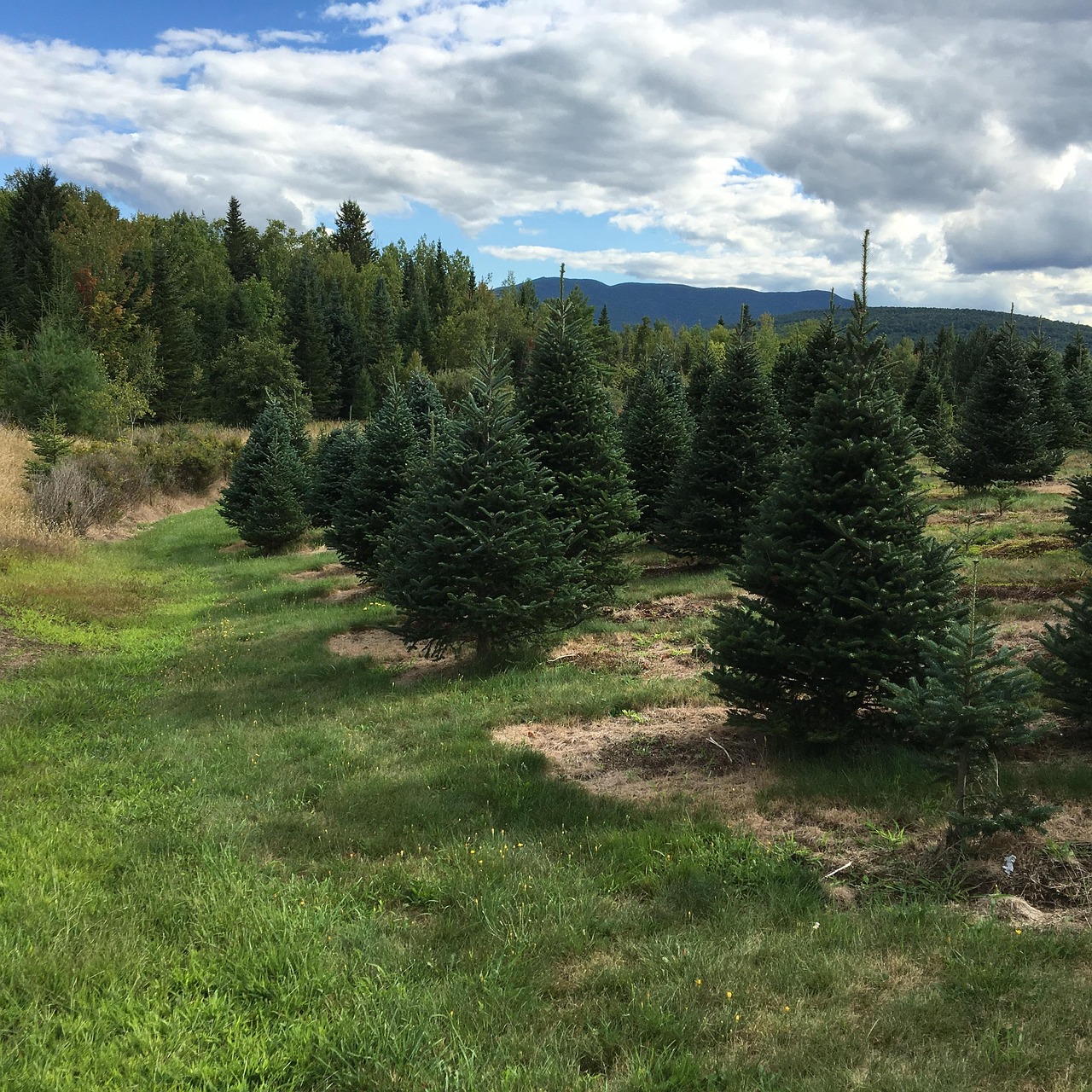
The Balsam Fir is part of the Pinaceae family, which includes other well-known conifers such as pines and spruces. Understanding how Balsam Fir trees grow and reproduce is essential for both nature enthusiasts and those interested in forestry or horticulture.
Growth Characteristics of Balsam Fir Trees
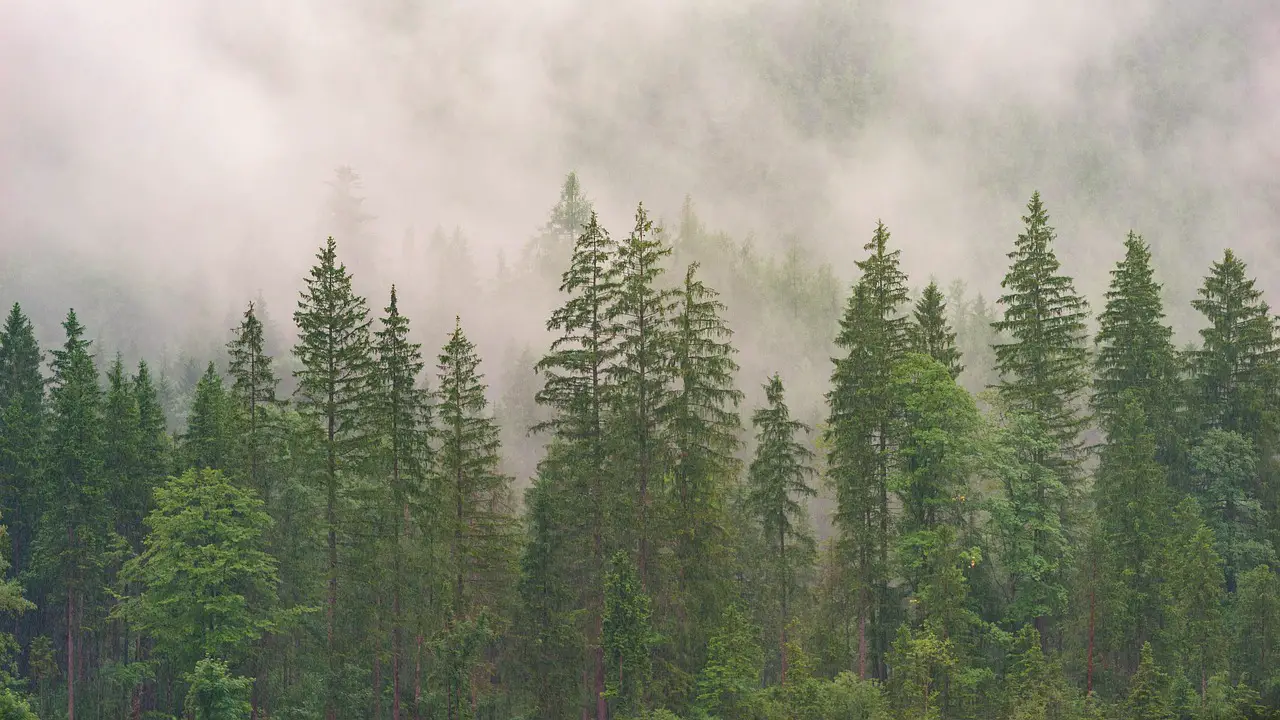
Balsam Fir trees can reach heights of 40 to 60 feet. They have a narrow, conical shape, with branches that grow horizontally. The needles are typically dark green and range from 0.5 to 1 inch in length. One of the most distinctive features of this tree is its bark, which is smooth and gray when young but becomes dark and furrowed as it matures.
These trees prefer well-drained soils that retain moisture. They are often found in mixed forests and thrive in areas with plenty of sunlight. The growth rate can vary depending on environmental conditions, but under ideal circumstances, a Balsam Fir can grow between 12 to 18 inches per year.
Reproductive Process of Balsam Fir Trees
Balsam Fir trees reproduce through seeds produced in their cones. The cones of these trees are typically cylindrical and can grow up to 3-5 inches long. They usually mature in about one growing season and begin to open in late summer or fall to release seeds.
Here are some key points regarding the reproductive process:
- Balsam Fir trees are monoecious, meaning they have both male and female cones on the same tree.
- Male cones produce pollen, while female cones develop seeds.
- The pollen is dispersed by wind, fertilizing the seeds in female cones.
- Seeds are small, winged, and can be easily carried away by the wind.
Understanding Pine Cones
Pine cones are often associated with coniferous trees. However, it is essential to clarify that not all conifers produce pine cones specifically. The term “pine cone” usually refers to the reproductive structures of pine trees. In contrast, Balsam Fir produces what are known as fir cones.
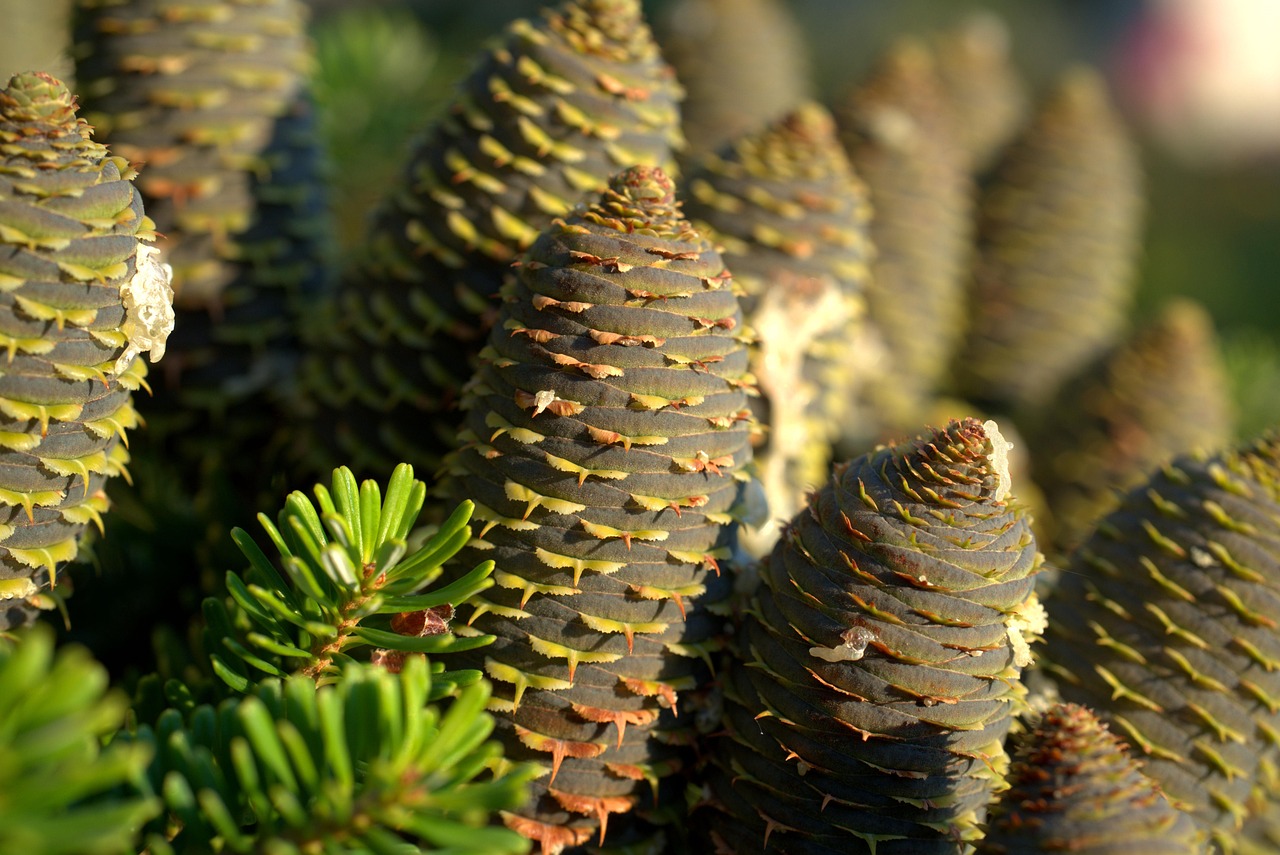
Here’s a comparison table illustrating the differences between pine cones and fir cones:
| Feature | Pine Cones | Fir Cones |
|---|---|---|
| Shape | Cylindrical or elongated | Cylindrical or upright |
| Scale Arrangement | Scales are woody and flexible | Scales are thin and papery |
| Seed Release | Scales open outwards | Scales fall off to release seeds |
| Common Trees | Pine species (e.g., Eastern White Pine) | Balsam Fir and other fir species |
The unique characteristics of Balsam Fir cones contribute to their role in the ecosystem. These cones provide food for various wildlife, including birds and small mammals, making them an important component of their habitat.
Overall, Balsam Fir trees are fascinating organisms that play a significant role in their environments. Their ability to grow pine cones—more accurately termed fir cones—highlights the complexity of their reproductive strategies and ecological importance.

Environmental Factors Influencing Balsam Fir Cone Production
The production of cones in Balsam Fir trees is significantly influenced by various environmental factors. Understanding these factors can help explain why some trees produce more cones than others in certain conditions.
Soil Conditions
Balsam Fir trees thrive in well-drained, moist soils. The soil composition can greatly affect cone production. Ideal soil conditions include:
- pH Level: Balsam Fir prefers slightly acidic soils with a pH ranging from 4.5 to 6.5.
- Nutrient Availability: Adequate levels of nitrogen, phosphorus, and potassium promote healthy growth and reproductive success.
- Moisture: Consistent moisture helps support the tree’s overall health, which is crucial for cone development.
Climate and Weather
The climate plays a critical role in how well Balsam Fir trees can produce cones. Some key climatic factors include:
- Temperature: Balsam Fir trees prefer cooler temperatures. Extremely high temperatures can stress the trees and affect their reproductive cycles.
- Precipitation: Regular rainfall during the growing season is essential. Drought conditions can lead to reduced cone production.
- Seasonal Variations: A typical cold winter followed by a warm spring promotes healthy growth and flowering, which can enhance cone production.
Age and Maturity of Balsam Fir Trees
The age of a Balsam Fir tree is another crucial factor that influences its ability to produce cones. Generally, Balsam Fir trees start producing cones when they reach maturity, which can take several years.
Growth Stages
Balsam Fir trees go through several growth stages before they become cone-bearing trees. These stages include:
- Seedling Stage: This is the initial stage after germination, lasting about 1 to 5 years.
- Juvenile Stage: During this phase, which lasts until approximately 10 years, the tree develops its structure but does not produce cones.
- Mature Stage: After reaching around 10 to 15 years, the tree may begin to produce its first cones.
The cone production rate typically increases as the tree ages. Mature Balsam Firs that are 20 years or older are generally more prolific in cone production compared to younger trees.
Pest and Disease Impact on Cone Production
Pests and diseases can severely impact the health of Balsam Fir trees and subsequently affect their ability to produce cones. Some common threats include:
- Balsam Woolly Adelgid: This insect pest feeds on the tree’s bark and can weaken the tree, reducing its cone output.
- Root Rot: Fungal infections that affect the roots can lead to poor overall health and diminished reproductive capability.
- Needle Cast Diseases: These diseases cause needle loss, which negatively affects photosynthesis and energy reserves necessary for cone production.
Management Practices
To ensure healthy growth and optimal cone production, landowners and forest managers should consider implementing management practices such as:
- Pest Monitoring: Regularly check for signs of pests and take action when infestations are detected.
- Disease Management: Implement strategies to reduce disease spread, including proper spacing between trees and removing infected specimens.
- Nutrient Management: Conduct soil tests and apply fertilizers as needed to ensure nutrient levels are adequate for healthy growth.
Cultural Significance of Balsam Fir Cones
Balsam Fir trees have cultural significance in various communities, especially among indigenous peoples and in forestry practices. The cones are not only important for ecological reasons but also hold value in traditional practices.
- Traditional Uses: Indigenous communities often use Balsam Fir cones for crafting, medicine, and ceremonial purposes.
- Cultural Symbolism: The Balsam Fir represents resilience and endurance in many cultures due to its ability to thrive in harsh conditions.
- Ecological Education: Understanding the role of Balsam Fir cones in the ecosystem promotes awareness about forest conservation and biodiversity.
Ecological Role of Balsam Fir Trees
Balsam Fir trees play a vital role in their ecosystems. They are not only significant for their cone production but also contribute to the overall health and diversity of forest environments. Understanding their ecological functions helps appreciate their value beyond aesthetics.
Habitat for Wildlife
Balsam Fir forests provide essential habitat for various species. The structure and composition of these forests support a rich biodiversity. Key aspects include:
- Nesting Sites: The dense foliage of Balsam Fir offers excellent nesting sites for birds such as chickadees, nuthatches, and woodpeckers.
- Food Source: The seeds from Balsam Fir cones are a food source for small mammals and birds, including squirrels and crossbills.
- Cover and Shelter: The trees provide cover for many species, helping them evade predators and endure harsh weather conditions.
Soil Stabilization and Erosion Control
The root systems of Balsam Fir trees play an essential role in stabilizing soil. Their extensive roots help reduce erosion, particularly on slopes and in areas susceptible to water runoff. Key benefits include:
- Soil Integrity: The roots bind the soil, preventing it from washing away during heavy rains.
- Water Retention: Healthy root systems enhance soil structure, promoting better water retention and reducing drought stress for other plants.
- Organic Matter Contribution: As Balsam Fir trees shed needles and branches, they contribute organic matter to the soil, enriching it over time.
Conservation Efforts for Balsam Fir Trees
Given the ecological significance of Balsam Fir trees, various conservation efforts aim to protect these trees and their habitats. These initiatives are crucial for maintaining biodiversity and ensuring the health of forest ecosystems.
Protected Areas and Reserves
Many regions have established protected areas or reserves specifically to conserve Balsam Fir populations. These areas may include national parks, wildlife refuges, or designated forest reserves. Important considerations include:
- Habitat Preservation: Protecting these areas helps maintain the natural habitat for numerous species that depend on Balsam Fir trees.
- Research Opportunities: Protected forests provide valuable opportunities for research on forest ecology, climate change impacts, and conservation strategies.
- Public Awareness: These areas often serve as educational platforms to raise awareness about the importance of Balsam Fir trees and forest ecosystems.
Sustainable Forestry Practices
Sustainable forestry practices are essential for managing Balsam Fir populations while ensuring the health of forest ecosystems. Some practices include:
- Selective Logging: This practice involves removing only certain trees while preserving the overall structure and function of the forest.
- Reforestation: Planting new Balsam Fir trees in logged areas helps ensure the continued presence of this species in the ecosystem.
- Monitoring Tree Health: Regular assessments of tree health can help identify threats from pests, diseases, or environmental changes.
The Economic Importance of Balsam Fir Trees
Balsam Fir trees hold significant economic value. Their uses range from timber products to decorative purposes during the holiday season.
Timber Production
Balsam Fir wood is known for its light weight and straight grain, making it a popular choice for various applications:
- Construction Materials: The wood is used in framing, paneling, and furniture due to its workability.
- Pulpwood: Balsam Fir is also harvested for paper production, contributing to the forestry economy.
- Musical Instruments: The wood’s acoustic properties make it suitable for crafting musical instruments like guitars and pianos.
Christmas Tree Industry
The Balsam Fir is one of the most popular choices for Christmas trees due to its aesthetic appeal and pleasant fragrance. The economic impact includes:
- Agricultural Revenue: Christmas tree farms generate significant income, especially during the holiday season.
- Tourism Boost: Some regions promote “choose-and-cut” Christmas tree farms, attracting tourists and boosting local economies.
- Cultural Events: Many communities celebrate the Christmas season with events centered around Balsam Fir trees, enhancing local traditions and community spirit.
Future Challenges Facing Balsam Fir Trees
Balsam Fir trees face several challenges that threaten their populations and ecosystems. Awareness of these challenges is crucial for effective conservation efforts.
Climate Change Impacts
Climate change poses a significant threat to Balsam Fir trees. Key issues include:
- Temperature Changes: Increasing temperatures can shift suitable habitats northward or to higher elevations, potentially reducing their range.
- Drought Conditions: Extended periods of drought can weaken trees, making them more susceptible to pests and diseases.
- Altered Ecosystems: Changes in plant and animal communities may disrupt symbiotic relationships that support Balsam Fir health.
Pest Infestations
Pests such as the Balsam Woolly Adelgid continue to threaten Balsam Fir populations. Management strategies must adapt to effectively combat these invasive species while minimizing harm to native ecosystems.
The ongoing research into both conservation techniques and pest management will be crucial in ensuring that Balsam Fir trees continue to thrive in their natural habitats.
Future Research Directions for Balsam Fir Conservation
As the challenges facing Balsam Fir trees grow more complex, it becomes increasingly important to focus on future research directions. Understanding the biology, ecology, and genetics of Balsam Fir will help inform conservation strategies and management practices.
Genetic Studies
Researching the genetic diversity of Balsam Fir populations can provide insights into their adaptability to changing environmental conditions. Key areas of focus include:
- Genetic Resilience: Identifying genetic traits that confer resistance to pests and diseases can aid in breeding programs aimed at developing more resilient tree varieties.
- Population Genetics: Studying genetic variation across different populations can help determine how isolated groups might respond differently to climate change.
- Conservation Genetics: Genetic studies can guide conservation efforts by ensuring that breeding programs maintain genetic diversity.
Climate Change Adaptation Models
Developing models to predict how climate change will affect Balsam Fir populations is essential. These models should consider:
- Habitat Suitability: Analyses that predict shifts in suitable habitats will help identify areas for conservation and potential reforestation efforts.
- Phenological Changes: Studying how changing temperatures affect the timing of flowering and cone production can inform management practices.
- Ecosystem Interactions: Understanding how Balsam Fir interacts with other species within its ecosystem is crucial for maintaining biodiversity.
Community Involvement in Conservation Efforts
Engaging local communities in conservation efforts is vital for the long-term sustainability of Balsam Fir forests. Community involvement can take various forms:
- Educational Programs: Initiatives that educate the public about the ecological importance of Balsam Fir can foster a sense of stewardship.
- Volunteer Programs: Organizing tree planting and maintenance events allows community members to participate actively in conservation efforts.
- Collaboration with Indigenous Communities: Partnering with indigenous peoples who have traditional knowledge about Balsam Fir can enhance conservation strategies and promote cultural heritage.
The Role of Technology in Monitoring Balsam Fir Health
The advancement of technology offers new tools for monitoring the health of Balsam Fir trees. Important technological innovations include:
- Drones: Unmanned aerial vehicles can be used to survey large areas of forest, providing valuable data on tree health and distribution.
- Sensors: Soil and weather sensors can monitor environmental conditions, helping researchers understand how these factors influence tree health.
- Remote Sensing: Satellite imagery can help track changes in forest cover and health over time, allowing for more informed conservation decisions.
Conclusion
Balsam Fir trees are not only significant for their aesthetic appeal and role in forest ecosystems but also for their ecological, economic, and cultural importance. Understanding their ability to grow cones, the factors influencing this process, and the threats they face is crucial for their survival. Conservation efforts, informed by ongoing research and community involvement, will be essential in ensuring that Balsam Fir trees continue to thrive in their natural habitats.
The unique characteristics of Balsam Fir trees, combined with their resilience and adaptability, highlight the need for a comprehensive approach to conservation. By addressing the challenges they face, we can work towards preserving these magnificent trees for future generations. Ultimately, protecting Balsam Fir trees contributes to the health of our forests, the well-being of wildlife, and the richness of our natural heritage.