
Balsam fir trees do naturally produce seed cones. These cones are crucial for the tree’s reproduction, developing from the female flowers that bloom in spring. Once mature, the cones release seeds that can grow into new balsam fir trees.
Understanding Balsam Fir Trees
Balsam fir (Abies balsamea) is a species of evergreen coniferous tree native to North America. It primarily thrives in the cooler, northern regions, such as Canada and parts of the northeastern United States. These trees are well-known for their fragrant needles and symmetrical shape, making them popular as Christmas trees.
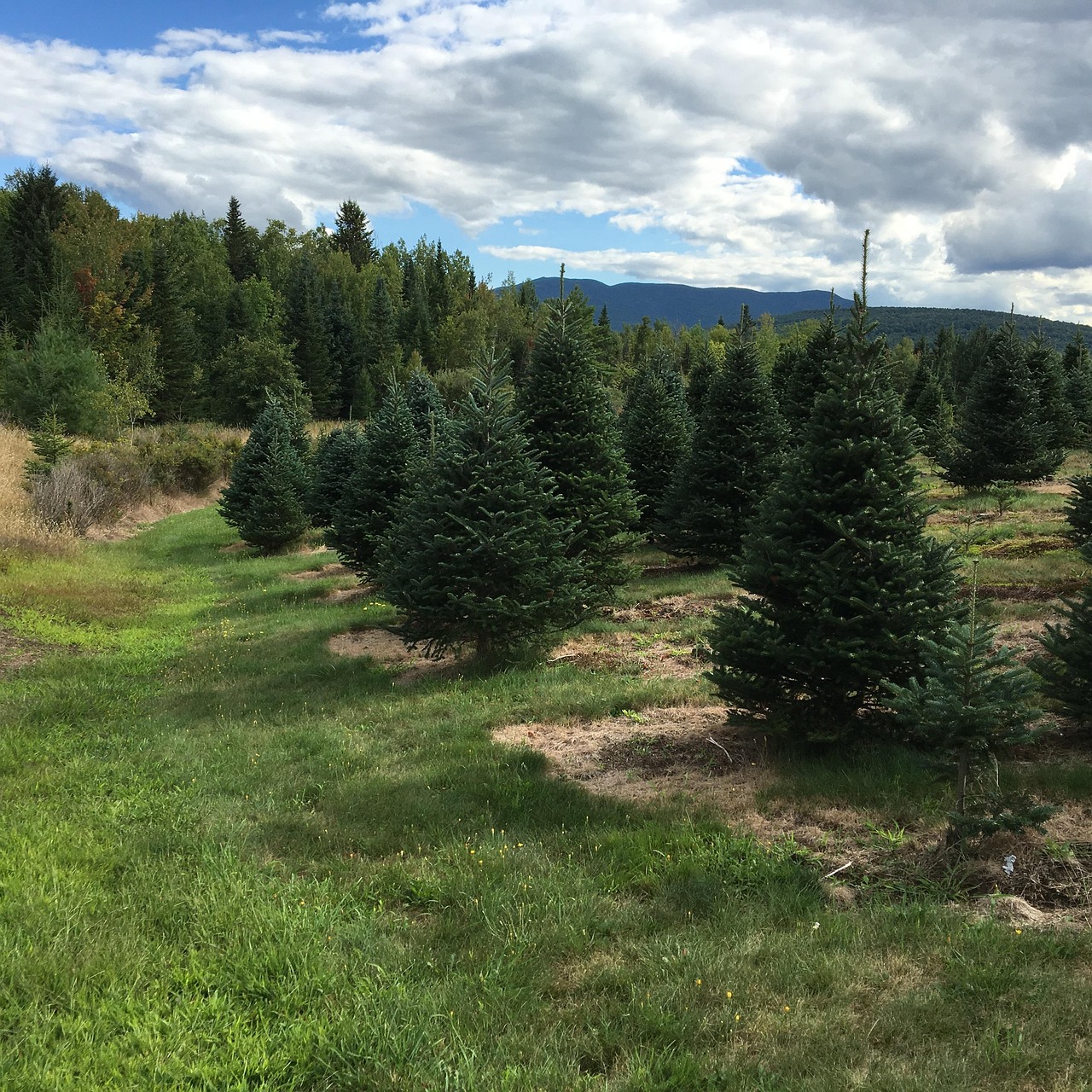
The balsam fir typically reaches heights of 40 to 60 feet, with some specimens growing even taller. The bark is smooth and grayish-brown when young, becoming furrowed and darker as the tree matures. The needles of the balsam fir are flat and range in color from dark green to bluish-green. They are arranged in a spiral pattern around the twigs, which contributes to the tree’s aesthetic appeal.
Reproductive Cycle of Balsam Fir
Balsam fir trees have a unique reproductive cycle that involves both male and female cones. The male cones are small and cylindrical, usually found at the ends of the branches. In contrast, the female cones are larger and more elongated, developing in an upright position on the branches.
The reproductive process begins in early spring when male cones release pollen. This pollen is carried by the wind to fertilize the female cones. After fertilization, the female cones develop over several months before maturing in late summer or early fall.
Key Facts About Balsam Fir Seed Cones
| Aspect | Description |
|---|---|
| Cone Size | Female seed cones typically measure 2 to 4 inches in length. |
| Seed Maturity Time | It takes approximately five to seven months for seeds to mature after pollination. |
| Seed Dispersal | Seeds are released from the cones when they open, usually in late fall or winter. |
| Seed Characteristics | Seeds are small, winged, and easily dispersed by wind. |
This reproductive strategy allows balsam fir trees to spread their seeds effectively across their habitat. The seeds fall to the ground and may germinate if conditions are favorable, leading to new growth and the continuation of the species.
Importance of Seed Cones for Ecosystems
The seed cones of balsam fir trees play a crucial role in their ecosystems. They provide food for various wildlife species, including birds and small mammals. Animals such as squirrels and crossbills depend on these seeds for nutrition during winter months when other food sources are scarce.
Moreover, balsam fir trees contribute to forest health and biodiversity. Their presence supports a variety of other plants and animals. The trees also help stabilize soil and provide shelter for numerous species. Therefore, understanding how balsam firs produce seed cones is vital for forest management and conservation efforts.
In conclusion, the natural production of seed cones by balsam fir trees is essential for their reproduction and ecological contribution. These trees not only sustain themselves but also support a diverse range of life within their habitats.
Life Cycle of Balsam Fir Trees
The life cycle of balsam fir trees is a fascinating process that highlights their growth and reproductive strategies. Understanding this cycle provides insight into how these trees thrive in their native habitats. The life cycle can be divided into several stages, including seed germination, seedling establishment, and mature growth.
Seed Germination
Seed germination is the first critical phase in the life cycle of a balsam fir tree. After the seeds are dispersed from the mature cones, they fall to the ground. The success of germination depends on various environmental factors:
- Moisture: Adequate moisture in the soil is essential for seed germination.
- Temperature: Seeds typically require cool temperatures to germinate effectively.
- Light: Some shade is beneficial, as seeds may not germinate in direct sunlight.
When conditions are right, the seeds absorb water and begin to sprout. This process usually occurs in late spring or early summer, allowing young seedlings to take advantage of favorable growing conditions.
Seedling Establishment
Once germinated, the balsam fir seedling enters a critical establishment phase. During this stage, it develops a root system and begins to grow above ground. Key factors influencing seedling establishment include:
- Nutrient Availability: Young seedlings require nutrients from the soil to support their growth.
- Competition: Seedlings must compete with other plants for sunlight, water, and nutrients.
- Protection from Herbivores: Young balsam firs are vulnerable to browsing by animals such as deer and insects.
If the seedlings successfully navigate these challenges, they will grow into juvenile trees over several years. This phase can last anywhere from five to ten years, depending on environmental conditions and competition.
Mature Growth and Cone Production
As balsam fir trees mature, they begin to produce cones. Typically, trees reach reproductive maturity between 20 to 30 years of age. The production of cones is a significant milestone in the life of a balsam fir tree, as it ensures the continuation of the species.
Cone Development Stages
The development of cones involves several stages:
- Pollination: In early spring, male cones release pollen. The wind carries this pollen to fertilize female cones.
- Fertilization: After pollination, fertilization occurs within the female cones, leading to seed development.
- Maturing Cones: Female cones grow larger and begin to change color as they mature.
- Seed Dispersal: Once mature, the cones open up to release seeds into the environment.
This reproductive cycle allows balsam fir trees to produce new generations, ensuring their survival and proliferation in their natural habitats.
Factors Affecting Cone Production
The production of seed cones in balsam fir trees can be influenced by several environmental factors. Understanding these influences is essential for forest management practices. Key factors include:
- Climate Conditions: Changes in temperature and precipitation patterns can affect cone production.
- Pest Infestation: Insects and diseases can weaken trees and reduce their ability to produce cones.
- Soil Quality: Nutrient-rich soils promote healthier trees capable of producing more cones.
Additionally, disturbances such as wildfires or logging can impact cone production. While some disturbances may stimulate cone production by opening up the canopy and providing more light, others can have detrimental effects on tree health.
Biodiversity and Ecosystem Interactions
The relationship between balsam fir trees and their ecosystem is complex. The production of seed cones not only benefits the trees but also has broader implications for forest biodiversity. Various species rely on balsam fir seeds as a food source:
- Squirrels: They actively forage for seeds during winter months.
- Birds: Species like crossbills have adapted beaks specifically for extracting seeds from conifer cones.
- Mammals: Deer and other herbivores may consume young seedlings if cone production is low.
This interplay between balsam fir trees and wildlife supports a healthy forest ecosystem, emphasizing the importance of maintaining healthy populations of these trees in their native habitats.
Management Practices for Balsam Fir Trees
Effective management practices are essential for maintaining healthy populations of balsam fir trees and ensuring their ability to reproduce through seed cones. These practices can enhance growth, increase cone production, and protect the ecosystem. Below are several key management strategies.
Forest Thinning
Forest thinning is a practice that involves selectively removing some trees to reduce competition among remaining trees. This technique can significantly benefit balsam firs by:
- Improving Light Availability: Thinning allows more sunlight to reach the forest floor, promoting the growth of balsam fir seedlings.
- Reducing Competition: With fewer trees competing for nutrients and water, balsam firs can grow healthier and stronger.
- Enhancing Cone Production: Healthier trees are more likely to produce seed cones, ensuring the next generation of trees.
Properly timed thinning operations can also reduce the risk of pest infestations and diseases by improving airflow within the forest.
Pest and Disease Management
Balsam fir trees are susceptible to various pests and diseases that can hinder their growth and reproductive capabilities. Effective pest and disease management strategies include:
- Monitoring: Regularly checking for signs of pests, such as spruce budworm or bark beetles, can help identify issues early on.
- Biological Controls: Introducing natural predators of harmful pests can help manage their populations without using chemicals.
- Pesticide Application: If infestations become severe, targeted pesticide treatments may be necessary to protect tree health.
By implementing these strategies, forest managers can help maintain the health of balsam fir trees and promote successful seed cone production.
The Role of Climate in Cone Production
Climate plays a significant role in the reproductive success of balsam fir trees. Variations in temperature, precipitation, and seasonal patterns can directly affect the tree’s ability to produce seed cones. Understanding these influences can help in planning conservation efforts.
Temperature Effects
Balsam fir trees thrive in cooler climates. However, climate change is altering temperature patterns, which can impact cone production:
- Early Springs: Warmer temperatures may lead to earlier flowering, disrupting the synchronization between male and female cones.
- Prolonged Heat Waves: Extended periods of high temperatures can stress trees, reducing their reproductive success.
Precipitation Patterns
Adequate moisture is essential for seed germination and seedling establishment. Changes in precipitation can have varying effects:
- Drought Conditions: Insufficient rainfall can weaken trees and diminish their ability to produce cones.
- Excessive Rainfall: Heavy rains can lead to soil erosion and root rot, negatively affecting tree health.
| Climate Factor | Impact on Balsam Fir |
|---|---|
| Temperature Increase | Can lead to earlier flowering and reduced cone production. |
| Drought | Reduces seed germination rates and weakens overall tree health. |
| Heavy Rainfall | Increases risk of root diseases and soil erosion. |
The Future of Balsam Fir Populations
The future of balsam fir populations depends on various factors, including effective management practices, climate adaptability, and ecosystem health. As climate change continues to affect forest ecosystems, it is crucial to monitor these trees closely and adapt management strategies accordingly.
Research and Conservation Efforts
Ongoing research into the biology and ecology of balsam fir trees is vital for understanding their needs and vulnerabilities. Conservation efforts may include:
- Genetic Research: Studying genetic diversity among balsam fir populations can help identify resilient strains that may better withstand climate change.
- Habitat Restoration: Restoring degraded habitats can enhance conditions for balsam fir regeneration.
- Community Engagement: Involving local communities in conservation efforts fosters awareness and support for protecting balsam fir ecosystems.
The combination of scientific research, sustainable management practices, and community involvement will be crucial in ensuring the survival of balsam fir trees and their ability to produce seed cones effectively. By focusing on these areas, we can promote healthy forests that benefit both wildlife and future generations.
Challenges Facing Balsam Fir Trees
Despite their resilience and adaptations, balsam fir trees face several challenges that threaten their populations and reproductive success. Identifying these challenges is crucial for developing effective management strategies and conservation efforts.
Climate Change
One of the most significant challenges is climate change. Rising temperatures and shifting precipitation patterns can disrupt the delicate balance of ecosystems where balsam fir thrives. Specific concerns include:
- Increased Temperature: Higher temperatures may lead to heat stress, affecting tree health and reducing cone production.
- Altered Growing Seasons: Changes in the timing of seasons can affect pollination and seed dispersal, potentially leading to mismatches in reproductive cycles.
- Extreme Weather Events: More frequent storms and droughts can physically damage trees and hinder growth.
Pests and Diseases
Pests and diseases remain a constant threat to balsam fir trees. Some of the most concerning include:
- Spruce Budworm: This insect can cause significant defoliation, weakening trees and reducing their reproductive capacity.
- Bark Beetles: Infestations can lead to tree mortality, impacting overall forest health.
- Fungal Diseases: Various fungi can attack balsam firs, leading to root rot or needle cast, further compromising tree vigor.
Human Activities
Human activities such as logging, urban development, and land conversion also pose threats to balsam fir habitats. Unsustainable logging practices can lead to habitat fragmentation, making it difficult for trees to reproduce and thrive. Additionally, urban sprawl can encroach on natural habitats, further diminishing available spaces for growth.
Conservation Strategies Moving Forward
To ensure the future viability of balsam fir populations, several conservation strategies can be implemented:
- Sustainable Forestry Practices: Implementing sustainable logging practices that focus on maintaining forest health can help preserve balsam fir habitats.
- Protected Areas: Establishing protected areas where balsam fir forests can thrive without human interference is vital for conservation efforts.
- Restoration Projects: Engaging in restoration projects that focus on replanting balsam firs in areas where they have been depleted can aid in population recovery.
Collaboration among government agencies, environmental organizations, and local communities is essential for the success of these strategies. By working together, stakeholders can create a comprehensive approach to managing balsam fir ecosystems effectively.
Final Thoughts
Balsam fir trees play a critical role in their ecosystems by providing habitat and food for various wildlife species. Their natural ability to produce seed cones ensures the continuation of their populations, contributing to forest biodiversity and health. However, these trees face numerous challenges ranging from climate change to pest infestations and human activities.
Understanding the life cycle of balsam fir trees and the factors affecting their growth and reproduction is vital for developing effective conservation strategies. By focusing on sustainable management practices, habitat restoration, and community engagement, we can work towards preserving these majestic trees for future generations.
The collective effort to protect balsam fir ecosystems will not only benefit the trees themselves but also support the broader forest ecosystem. With continued research and commitment to conservation, we can ensure that balsam fir trees remain a thriving part of North America’s natural heritage.