
Yes, plant cells do have a nucleus, which is vital for their function and growth. The nucleus serves as the control center of the cell, housing the genetic material that dictates cellular activities. Read Interesting article: Do Plant Cells Have a Plasma Membrane? Explained
Understanding Plant Cells: An Overview
Definition of Plant Cells
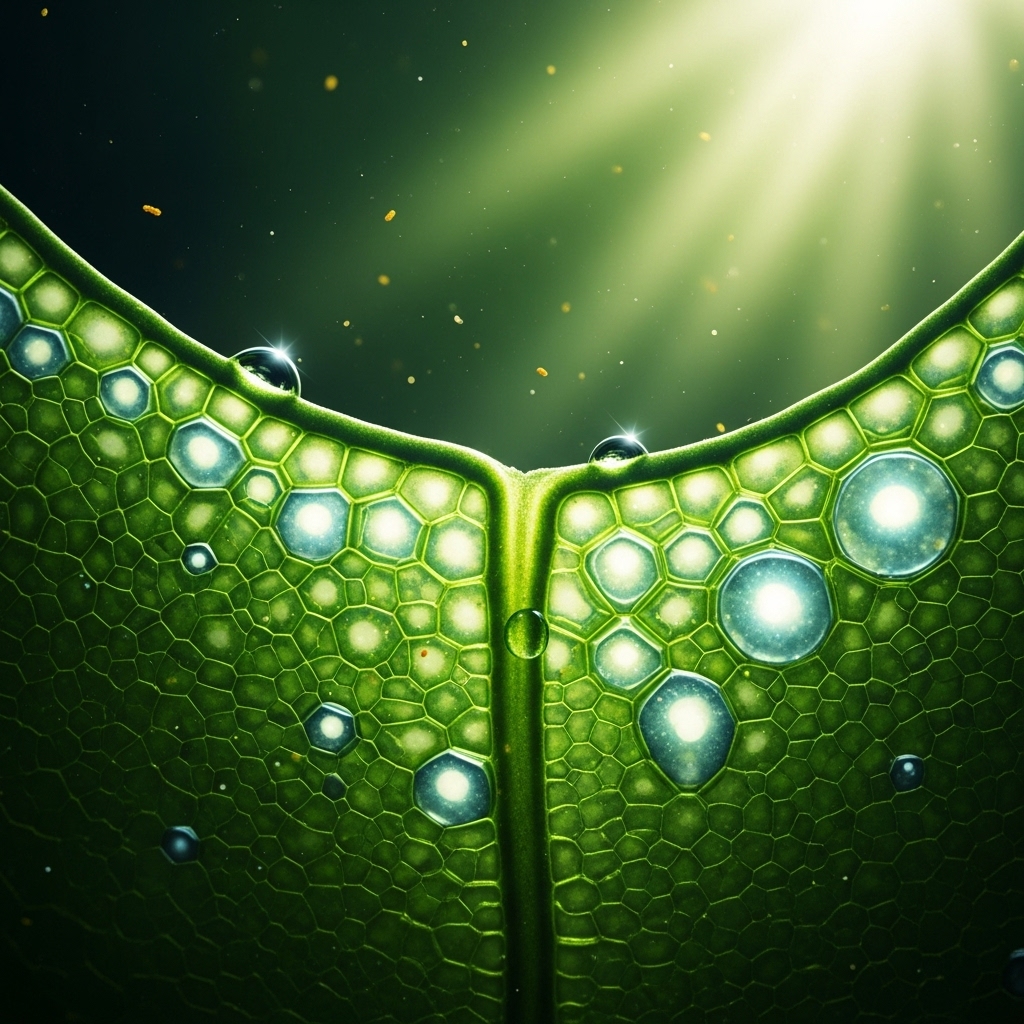
Plant cells are the building blocks of plants, functioning as the structural and functional units that make up various plant tissues and organs. Unlike other cell types, plant cells have unique features, such as a rigid cell wall, chloroplasts for photosynthesis, and a large central vacuole. Each of these components plays a crucial role in maintaining the plant’s health and functionality.
Differences Between Plant and Animal Cells
When I first started exploring biology, the differences between plant and animal cells fascinated me. While both types of cells share similarities, such as having a nucleus and organelles like mitochondria, there are significant distinctions. One of the most noticeable differences is the presence of a cell wall in plant cells, which offers added support and protection. Additionally, plant cells contain chloroplasts, allowing them to perform photosynthesis, a process not found in animal cells that produce energy through cellular respiration. These differences reflect the unique adaptations of plants to their environments and lifestyles, providing insights into how life on Earth has evolved. Read Interesting article: How Are Plant and Animal Cells Different? Simple Guide
The Role of the Nucleus in Cells
What is a Nucleus?
The nucleus is often referred to as the “command center” of the cell. It’s a membrane-bound organelle that contains most of the cell’s genetic material, organized into structures called chromosomes. I remember learning that this organelle is not just a storage space for DNA; it also plays a significant role in managing cellular functions. The nucleus is surrounded by a double membrane known as the nuclear envelope, which protects the contents inside while allowing communication with the cytoplasm through nuclear pores.
Functions of the Nucleus in Eukaryotic Cells
The nucleus has several key functions in eukaryotic cells, including plant cells. First and foremost, it stores the genetic material, which is essential for the cell’s operation and reproduction. I find it fascinating that the information encoded in DNA determines everything from the color of a flower to how a tree grows. Additionally, the nucleus regulates gene expression, ensuring that the right proteins are produced at the right times. This regulation is crucial for the cell’s response to environmental changes, growth, and differentiation. Overall, the nucleus is responsible for maintaining cellular integrity and guiding the cell’s development.
Do Plant Cells Have a Nucleus?
Yes, Plant Cells Have a Nucleus
It’s important to emphasize that plant cells indeed have a nucleus, similar to animal cells. This organelle is essential for their growth and function. I remember the excitement of discovering how this tiny structure plays such a significant role in the life of a plant. It is often centrally located in the cell, surrounded by the cytoplasm, and is usually the largest organelle present.
Location and Structure of the Nucleus in Plant Cells
In plant cells, the nucleus is typically situated near the center, which allows it to efficiently communicate with other organelles and regulate various cellular processes. Understanding the structure of the plant cell nucleus is intriguing. The nuclear envelope is composed of two lipid bilayers, and its pores facilitate the selective exchange of materials between the nucleus and the cytoplasm. Within the nucleus, you’ll find the nucleoplasm, which provides a medium where the chromatin (the material that makes up chromosomes) and the nucleolus reside. The nucleolus is responsible for ribosome production, which is critical for protein synthesis. I find it remarkable how this complex organization supports the life of the plant, allowing it to thrive in its environment.
Importance of the Nucleus in Plant Cells
Genetic Material Storage
The nucleus serves as a critical storage site for genetic material in plant cells. It’s where DNA is housed, protected, and organized into chromosomes. I find it fascinating to think about how this genetic blueprint not only determines the physical traits of the plant but also its ability to adapt to different environments. For instance, the way a plant responds to changes in light, water availability, or even soil nutrients is all dictated by the genes stored within the nucleus. This means that the health and vitality of the plant start right there in the nucleus, making it a central player in its overall development.
Regulation of Cellular Activities
The nucleus does more than just store genetic material; it also regulates various cellular activities. One of the most interesting aspects I learned is how the nucleus controls gene expression. This process involves turning genes on or off to produce specific proteins that the cell needs at any given time. For example, when a plant experiences stress from drought or pests, the nucleus can activate genes that help the plant to cope with these challenges. I remember being amazed by the intricate dance of signals and responses that occur within a cell, all orchestrated by the nucleus. This regulatory role is essential for the plant’s growth, development, and overall survival.
Cell Division and Growth
Another critical function of the nucleus is its role in cell division and growth. During the process of mitosis, the nucleus ensures that the genetic material is accurately replicated and evenly distributed to the daughter cells. I’ve seen how this process is vital for plant development, as it allows for the formation of new cells that contribute to growth. For example, when a seed germinates, the cells divide and expand rapidly, driven by the instructions stored in the nucleus. It’s incredible to realize that a tiny nucleus is at the heart of this transformation, guiding the plant from a single seed into a complex organism.
Comparative Analysis: Nucleus in Plant Cells vs. Other Cell Types
Nucleus in Animal Cells
When I started studying cell biology, comparing the nucleus in plant and animal cells was eye-opening. While both cell types have a nucleus that performs similar functions—like housing genetic material and regulating cellular activities—there are some distinct differences. For instance, animal cells typically have a smaller and more spherical nucleus compared to the larger, more centralized nucleus found in plant cells. Moreover, animal cells lack a rigid cell wall, which means they can change shape more easily. This flexibility affects how the nucleus interacts with the rest of the cell. I find it fascinating how these structural differences reflect the unique needs of each organism.
Nucleus in Fungal Cells
Fungal cells present another interesting comparison. Like plant and animal cells, fungi are eukaryotic, meaning they also possess a nucleus. However, the structure of fungal nuclei can vary depending on the type of fungus. Many fungi have multiple nuclei within a single cell, a condition called coenocytic or multinucleate structure. I remember being intrigued by how this could allow for rapid growth and adaptability in changing environments, a trait that helps fungi thrive in diverse ecosystems. This complexity adds another layer to our understanding of how different organisms utilize their nuclei in unique ways.
Nucleus in Prokaryotic Cells (Bacteria)
In contrast, prokaryotic cells, like bacteria, do not have a nucleus at all. Instead, their genetic material is found in a single, circular strand of DNA located in a region called the nucleoid. This was one of the most striking differences I learned about; it illustrates how evolution has shaped the organizational structures of different life forms. Without a nucleus, prokaryotic cells can replicate and respond to their environment much more rapidly. I find it incredible that such simple structures can still be so effective and resilient. This comparison highlights how nature has developed various strategies for survival across the tree of life.
Common Questions about Plant Cell Nuclei
What Happens if the Nucleus is Damaged?
When I think about the importance of the nucleus, I can’t help but wonder what would happen if it were damaged. In plant cells, a damaged nucleus can lead to severe consequences, as it disrupts the regulation of gene expression and the storage of genetic material. This can manifest in various ways, such as stunted growth, abnormal development, or even cell death. I remember reading about how researchers are exploring ways to repair or protect the nucleus to improve plant resilience against environmental stresses. It shows just how vital this organelle is for plant health and vitality.
How is the Nucleus Involved in Photosynthesis?
While the nucleus isn’t directly involved in the photosynthesis process, it plays a supportive role by regulating the expression of genes required for the development of chloroplasts, the organelles responsible for photosynthesis. I think about how chloroplasts contain their DNA, but without proper instruction from the nucleus, these organelles wouldn’t function optimally. This interdependence highlights the collaborative nature of cellular processes, where the nucleus ensures that plant cells can harness sunlight effectively to produce energy.
Can Plant Cells Function Without a Nucleus?
The question of whether plant cells can function without a nucleus is intriguing. From what I’ve learned, while some cellular processes might continue briefly without a nucleus, the long-term viability of the cell is compromised. Without a nucleus, a plant cell cannot regulate its activities, reproduce, or respond effectively to environmental changes. This makes the nucleus essential not just for normal functioning but for the overall survival of the plant. I find it remarkable that such a small structure can have such a profound impact on life.
Scientific Studies and Discoveries Related to Plant Cell Nuclei
Recent Research Findings
As I delve deeper into the world of plant cell nuclei, I’m excited about recent research findings that uncover new aspects of their function. Scientists are exploring how the nucleus can influence plant responses to climate change, disease, and other stresses. For instance, studies have shown that understanding gene expression in the nucleus can lead to the development of more resilient crops. I believe this research opens up possibilities for enhancing food security and sustainability in agriculture. Read Interesting article: Are Plants Eukaryotes or Prokaryotes? Explained Simply
Implications for Biotechnology and Agriculture
The implications of these discoveries are significant for biotechnology and agriculture. By manipulating the genetic material within the nucleus, researchers are working on developing plant varieties that can withstand extreme weather or pest infestations. I find it fascinating that we can harness the power of the nucleus to create plants that not only survive but thrive under challenging conditions. This intersection of science and agriculture holds great promise for addressing global food challenges and ensuring a sustainable future.
Understanding Plant Cells: An Overview
Definition of Plant Cells
Plant cells are unique in their structure and function, designed specifically to support the life processes of plants. Each cell acts as a building block, contributing to the overall health and vitality of the plant. For me, understanding plant cells has been like unlocking the secrets of how nature functions at a microscopic level. They come equipped with distinct features such as chloroplasts for photosynthesis, a rigid cell wall that provides shape and support, and a large central vacuole that aids in maintaining turgor pressure. This combination of components ensures that plants can thrive in a variety of environments, making them truly remarkable organisms.
Differences Between Plant and Animal Cells
When I reflect on the differences between plant and animal cells, I can’t help but appreciate the adaptations that have evolved over time. Yes, both cell types share some common features, like having a nucleus and organelles, but those unique characteristics of plant cells are what make them stand out. For instance, the rigid cell wall not only provides structure but also protects the plant from external stress. Chloroplasts are like tiny factories, converting sunlight into energy, while animal cells lack these structures and rely on consuming food for energy. Observing these differences helped me realize how evolution has shaped the diverse life forms we see today.
The Role of the Nucleus in Cells
What is a Nucleus?
The nucleus is often thought of as the brain of the cell, and I can see why. It’s where all the critical decisions are made regarding growth, development, and response to environmental changes. The double membrane that surrounds it, known as the nuclear envelope, not only protects the DNA but also regulates the traffic of molecules in and out of the nucleus. I remember being amazed at how this organelle is not just a passive container, but rather an active participant in the life of the cell.
Functions of the Nucleus in Eukaryotic Cells
In eukaryotic cells, including plant cells, the nucleus performs several vital roles. First, it houses the genetic material, which is essential for reproduction and cellular function. I often think of DNA as the recipe book for life, providing the instructions needed for everything from growth to repair. The nucleus also regulates gene expression, which means it can turn genes on or off based on what the cell needs at any moment. This dynamic adaptability is crucial for survival, especially in a plant’s ever-changing environment. The way the nucleus orchestrates these processes is a beautiful reminder of the complexity and elegance of life at the cellular level.
Do Plant Cells Have a Nucleus?
Yes, Plant Cells Have a Nucleus
There’s no doubt about it: plant cells do indeed have a nucleus, just like their animal counterparts. This organelle is a key player in ensuring plant cells function properly. I can vividly recall my first encounter with plant cells under a microscope; spotting the nucleus was like finding the heart of the cell. It is usually the most prominent organelle and is central to many cellular processes, highlighting its importance in the overall health of the plant.
Location and Structure of the Nucleus in Plant Cells
The nucleus in plant cells is usually centrally located, which I find quite interesting. Its position helps facilitate communication with other organelles, allowing for efficient cellular functions. The nuclear envelope, made of two lipid membranes, is dotted with pores that control what enters and exits the nucleus. Inside, the nucleoplasm serves as a gel-like substance where chromatin and the nucleolus reside. The nucleolus, in particular, is fascinating to me because it’s where ribosomes are produced. This whole setup emphasizes the nucleus’s role as a hub for genetic activity and cellular coordination, forming the backbone of plant cell functionality.
Importance of the Nucleus in Plant Cells
Genetic Material Storage
The storage of genetic material within the nucleus is one of its most crucial roles in plant cells. This is where DNA is safeguarded and organized into chromosomes. I often marvel at how this genetic information not only influences a plant’s physical characteristics but also its ability to adapt to environmental changes. For example, plants can express certain genes to respond to drought or pest attacks, showcasing the nucleus’s role as a guardian of survival.
Regulation of Cellular Activities
Beyond storage, the nucleus is essential for regulating cellular activities. It controls gene expression, ensuring that the right proteins are produced as needed. I find it fascinating that when plants are under stress, the nucleus can activate specific genes to help the plant cope. This regulatory function allows plants to grow and adapt, proving that the nucleus is a dynamic player in the plant’s life processes.
Cell Division and Growth
Cell division is another critical function of the nucleus. During mitosis, the nucleus ensures that genetic material is accurately copied and divided between daughter cells. I’ve seen how this process is fundamental for plant growth, especially during germination when a single seed transforms into a multitude of cells. It’s incredible to think that such a tiny nucleus can drive the transformations that lead to the complex structures we observe in mature plants.
Frequently Asked Questions
Do plant cells have a nucleus?
Yes, plant cells do have a nucleus, which is essential for their growth and function.
What is the role of the nucleus in plant cells?
The nucleus serves as the control center of the cell, housing genetic material and regulating cellular activities, including gene expression and cell division.
Where is the nucleus located in plant cells?
The nucleus is typically situated near the center of the plant cell, allowing it to efficiently communicate with other organelles.
What are the components of the nucleus in plant cells?
The nucleus is surrounded by a nuclear envelope and contains nucleoplasm, chromatin, and a nucleolus, which is responsible for ribosome production.
How does the nucleus contribute to plant growth?
The nucleus regulates cell division and growth by ensuring that genetic material is accurately replicated and distributed during mitosis, facilitating the formation of new cells.
What happens if the nucleus is damaged in a plant cell?
A damaged nucleus can lead to severe consequences, such as stunted growth, abnormal development, or even cell death, as it disrupts gene regulation and storage of genetic material.
Can plant cells function without a nucleus?
While some cellular processes may continue briefly without a nucleus, the long-term viability of the cell is compromised, as the nucleus is essential for regulating activities and responding to environmental changes.
How does the nucleus regulate cellular activities in plant cells?
The nucleus controls gene expression, turning genes on or off to produce specific proteins needed by the cell at any given time, especially in response to environmental stresses.
What is the difference between the nucleus in plant cells and in animal cells?
The nucleus in plant cells is typically larger and more centralized than in animal cells, which have a smaller and more spherical nucleus.
What recent research findings are related to the nucleus in plant cells?
Recent research is exploring how the nucleus influences plant responses to climate change and stresses, with implications for developing more resilient crops in agriculture.