
Yes, plant cells do have a plasma membrane, which is a vital component of their structure. This membrane plays a crucial role in maintaining the integrity and functionality of the cell. Read Interesting article: Do Plants Have a Cell Membrane? Explained Simply
Understanding Plant Cells
What Are Plant Cells?
Plant cells are the basic building blocks of plants, and they play a crucial role in growth, development, and overall function. Each plant cell is a complex unit, equipped with various organelles that contribute to processes like photosynthesis, respiration, and nutrient storage. I remember my first biology class where we learned that plant cells are unique in their ability to produce their food through photosynthesis, utilizing sunlight, carbon dioxide, and water. This process not only sustains the plant but also provides oxygen and organic compounds that support life on Earth.
Key Components of Plant Cells
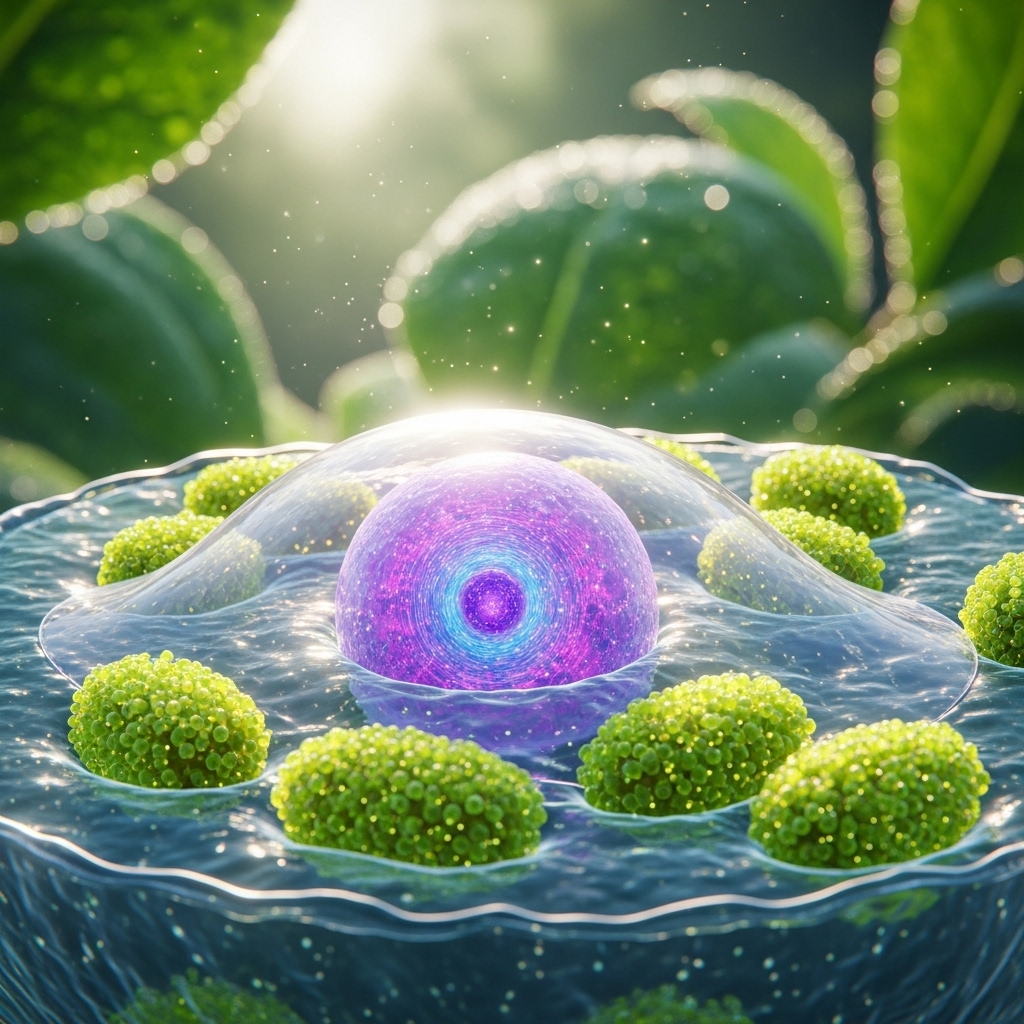
There are several key components that make up a plant cell, each with specific functions. The most notable include:
- Cell Wall: This rigid layer outside the plasma membrane provides structural support and protection.
- Chloroplasts: These organelles are where photosynthesis occurs, allowing the plant to convert sunlight into energy.
- Vacuoles: Plant cells often contain large central vacuoles that store nutrients and waste products, and help maintain turgor pressure.
- Nucleus: The control center of the cell, it houses the genetic material and coordinates activities like growth and reproduction.
From my experience, when we looked at plant cells under a microscope, the vibrant green chloroplasts stood out, highlighting how these cells are not just passive structures but active participants in life processes.
Differences Between Plant and Animal Cells
One of the most striking differences between plant and animal cells is the presence of the cell wall in plant cells. While animal cells have a flexible membrane, plant cells have a rigid structure that provides shape and support. Additionally, plant cells contain chloroplasts, which animal cells do not, as animals do not perform photosynthesis. Another difference is the size of the vacuoles; plant cells typically have larger central vacuoles compared to the smaller, more numerous vacuoles found in animal cells. I often reflect on how these differences allow plants to thrive in various environments, adapting their structures to fulfill their unique needs. Read Interesting article: Are Ribosomes in Plant and Animal Cells? Explained
The Plasma Membrane: An Overview
What Is a Plasma Membrane?
The plasma membrane, also known as the cell membrane, is a dynamic and semi-permeable barrier that surrounds the cell. It is primarily composed of a phospholipid bilayer with embedded proteins, cholesterol, and carbohydrates. This might sound a bit technical, but think of the plasma membrane as a selective gatekeeper. It controls what enters and exits the cell, maintaining the delicate balance necessary for the cell’s health and function. In my exploration of cell biology, I found it fascinating how this seemingly simple structure is so crucial to life.
Functions of the Plasma Membrane
The plasma membrane serves several essential functions:
- Selective Permeability: It allows certain substances to pass while blocking others, ensuring that essential nutrients enter the cell, and waste products are removed.
- Cell Communication: The proteins in the membrane can act as receptors, helping the cell to respond to external signals.
- Structural Support: Although the plasma membrane is flexible, it also provides support and maintains the shape of the cell.
- Cell Recognition: Carbohydrates on the surface act as markers for cell recognition, which is essential for processes like immune response.
In my opinion, one of the most intriguing functions of the plasma membrane is its role in communication. I remember learning how cells send and receive signals, allowing them to work together to form tissues and organs in plants and animals alike.
Structure of the Plasma Membrane
The structure of the plasma membrane is primarily composed of a phospholipid bilayer, where the hydrophilic (water-attracting) heads face outward, and the hydrophobic (water-repelling) tails face inward. This arrangement creates a barrier that is fluid and flexible, allowing proteins to move within the layer. I was amazed to discover that this fluid mosaic model explains how various components, such as proteins and cholesterol, come together to form a dynamic environment that is both stable and adaptable. The proteins embedded in the membrane serve various roles, including transport, signaling, and acting as enzymes.
As I delve deeper into the world of plant cells, I find myself captivated by the intricate balance and coordination that allows these cells to perform their functions seamlessly. The plasma membrane, as the first line of defense and communication for the cell, is essential in this delicate dance of life.
Do Plant Cells Have a Plasma Membrane?
Evidence of Plasma Membrane in Plant Cells
Absolutely, plant cells do have a plasma membrane, and there’s plenty of evidence to support this. During my studies, I learned that the plasma membrane can be observed through various microscopy techniques. For instance, electron microscopy has provided detailed images that reveal the plasma membrane’s structure, showing its phospholipid bilayer and embedded proteins. This technology allows scientists to see the membrane’s intricate design and how it interacts with other cellular components.
Moreover, experiments with dyes and tracers have shown that the plasma membrane selectively allows certain substances to enter and exit the cell. I remember an experiment we conducted in the lab where we used a dye that only penetrated the cells after they were treated with a specific enzyme. This demonstrated how the plasma membrane can change in response to various conditions, affirming its presence and functionality.
Additionally, studies on membrane proteins provide insight into the plasma membrane’s role in plant cells. These proteins are involved in a variety of processes, including transport and signaling, which further confirms that the plasma membrane is a crucial component of plant cell architecture.
Role of the Plasma Membrane in Plant Cells
The plasma membrane plays several vital roles in the life of a plant cell, and I find each function fascinating. First and foremost, it acts as a barrier, protecting the cell’s internal environment from the outside world. This is particularly important for plant cells, which often face varying environmental conditions. I’ve always been intrigued by how the selective permeability of the plasma membrane allows the plant to absorb essential nutrients and water while keeping harmful substances out.
Moreover, the plasma membrane is involved in cellular communication. The presence of receptor proteins enables plant cells to respond to external stimuli, such as changes in light or water availability. I think it’s amazing how plants can ‘sense’ their environment and make necessary adjustments to survive. For instance, when a plant experiences drought conditions, specific signals are sent through the plasma membrane that trigger adaptive responses, like closing stomata to conserve water.
In my experience, these cellular responses emphasize the importance of the plasma membrane in maintaining homeostasis within the cell and ensuring the overall health of the plant. It acts almost like a nervous system, coordinating responses to environmental changes.
Comparison with Other Cell Types
When I think about the plasma membrane in plant cells, I can’t help but compare it to that of animal cells. While both types of cells possess a plasma membrane, there are some key differences in their structure and function. For example, animal cells often have cholesterol embedded in their membranes, which helps maintain fluidity and stability. In plant cells, the presence of a rigid cell wall means that the plasma membrane can be more flexible, adapting to internal pressures and changes.
Additionally, the proteins found in the plasma membranes of plant cells are often unique to their functions in photosynthesis and plant-specific signaling pathways. I remember studying how certain plant enzymes and receptors are specifically designed to interact with environmental cues, enabling plants to effectively manage resource allocation and growth.
This comparison highlights the adaptability of the plasma membrane, showing how it can evolve to meet the needs of different organisms. I believe this adaptability is one of the reasons why plants can thrive in so many different environments, from deserts to rainforests.
Interactions Between Plasma Membrane and Cell Wall
What Is a Cell Wall?
The cell wall is another fundamental structure found in plant cells, and it serves as a protective barrier outside the plasma membrane. Composed primarily of cellulose, hemicellulose, and pectin, the cell wall provides rigidity and strength to the plant, supporting its overall structure. I’ve always found it fascinating how the cell wall allows plants to grow tall and withstand the pressure of wind and rain. Without this sturdy wall, we wouldn’t see the towering trees or beautiful flowers that grace our planet.
During my studies, I learned that the composition of the cell wall can vary depending on the type of plant and its environmental conditions. For example, the cell walls of herbaceous plants are generally thinner and more flexible, while those of woody plants are thicker and more rigid. This variability helps plants adapt to their specific habitats, and I think it’s a great example of nature’s ingenuity.
How the Plasma Membrane Functions with the Cell Wall
The interaction between the plasma membrane and the cell wall is crucial for maintaining the integrity and function of plant cells. The plasma membrane is responsible for regulating the flow of materials in and out of the cell, while the cell wall provides structural support. Together, they create a balanced system that allows the plant to thrive.
In my experience, one of the most interesting aspects of this interaction is how the plasma membrane can influence the properties of the cell wall. For instance, when a plant is under stress, such as drought or disease, the plasma membrane can signal the cell wall to strengthen or modify its composition. This adaptability is vital for the plant’s survival, helping it to respond to environmental challenges.
Importance of the Cell Wall in Plant Cells
The cell wall is essential not just for structural support but also for protecting the plant against pathogens. I remember learning about how the cell wall acts as the first line of defense against bacteria and fungi. By providing a physical barrier, it helps prevent these harmful agents from invading the cell. Additionally, the cell wall can contain compounds that are toxic to pathogens, further safeguarding the plant.
The importance of the cell wall extends beyond protection; it also plays a role in cellular communication and growth. As plants grow, the cell wall must be flexible enough to allow for expansion, yet strong enough to maintain the plant’s shape. I find it remarkable how plants manage to balance these contrasting needs through their cell wall structure.
Common Misconceptions About Plant Cell Structure
Are Plant Cells Only Surrounded by a Cell Wall?
One common misconception I’ve encountered is the belief that plant cells are solely defined by their cell walls. While it’s true that the cell wall is a significant structural component, it’s essential to remember that plant cells are also surrounded by the plasma membrane. I’ve often found that many people overlook this critical aspect, thinking the rigid structure of the cell wall is all the protection these cells need. However, the plasma membrane plays a crucial role in maintaining cellular integrity, regulating what enters and exits the cell, and facilitating communication. Without the plasma membrane, a plant cell wouldn’t be able to function properly, regardless of how strong the cell wall is. It’s like having a beautiful house surrounded by a sturdy fence but forgetting to lock the doors. The house might look secure, but without proper access control, it could easily be compromised.
Plasma Membrane vs. Cell Wall: Key Differences
It’s helpful to clarify the differences between the plasma membrane and the cell wall to dispel any confusion. I remember discussing this in class, and it made such a difference in my understanding. The plasma membrane is a living, dynamic structure that is involved in many essential functions, such as transport and communication. In contrast, the cell wall is a rigid, static structure that provides support and protects the cell from mechanical stress and pathogens.
Another key difference lies in their composition. The plasma membrane is primarily made up of a phospholipid bilayer with various proteins, while the cell wall consists of cellulose, hemicellulose, and pectin. I’ve read that the composition of the cell wall can vary significantly among different plant species, adapting to their environmental needs. For instance, some plants have thicker cell walls to withstand harsh conditions, while others have more flexible walls that allow for growth and expansion.
Understanding these differences has truly enriched my appreciation for how plant cells operate. Each component plays its role in ensuring the overall health and functionality of the plant. I often find myself marveling at how these structures work together harmoniously to create resilient organisms capable of thriving in diverse environments. Read Interesting article: 10 Easiest Flowers to Grow from Seed for Beginners
Frequently Asked Questions
Do plant cells have a plasma membrane?
Yes, plant cells do have a plasma membrane, which is a vital component of their structure. It plays a crucial role in maintaining the integrity and functionality of the cell.
What are the key components of plant cells?
The key components of plant cells include the cell wall, chloroplasts, vacuoles, and nucleus. Each of these components has specific functions that contribute to the cell’s overall processes, such as photosynthesis and nutrient storage.
How do plant cells differ from animal cells?
Plant cells possess a rigid cell wall, which provides structural support, while animal cells have a flexible membrane. Additionally, plant cells contain chloroplasts for photosynthesis and typically have larger central vacuoles compared to the smaller vacuoles in animal cells.
What is the function of the plasma membrane?
The plasma membrane serves several essential functions, including selective permeability, cell communication, structural support, and cell recognition. It controls what enters and exits the cell and helps maintain the cell’s health and function.
What is the structure of the plasma membrane?
The plasma membrane is primarily composed of a phospholipid bilayer, with hydrophilic heads facing outward and hydrophobic tails facing inward. This arrangement creates a fluid and flexible barrier that allows proteins to move within the layer.
How does the plasma membrane interact with the cell wall?
The plasma membrane and cell wall work together to maintain the integrity and function of plant cells. The plasma membrane regulates material flow in and out of the cell, while the cell wall provides structural support.
What is the importance of the cell wall in plant cells?
The cell wall is crucial for structural support, protecting the plant against pathogens, and facilitating growth. It acts as a physical barrier and can contain compounds that are toxic to pathogens, safeguarding the plant.
Are plant cells only surrounded by a cell wall?
No, plant cells are not solely defined by their cell walls. They are also surrounded by a plasma membrane, which is essential for maintaining cellular integrity and regulating what enters and exits the cell.
What are the key differences between the plasma membrane and the cell wall?
The plasma membrane is a living, dynamic structure involved in transport and communication, while the cell wall is a rigid, static structure that provides support and protection. They also differ in composition; the plasma membrane is primarily made of phospholipids and proteins, while the cell wall consists of cellulose, hemicellulose, and pectin.
How does the plasma membrane contribute to plant cell communication?
The plasma membrane contains proteins that act as receptors, allowing plant cells to respond to external signals. This communication is essential for coordinating responses to environmental changes, such as light and water availability.