
No, plant cells do not contain lysosomes in the same way that animal cells do. Instead, they utilize other organelles, such as lytic vacuoles, to perform similar functions related to digestion and waste management.
Table of Contents
This distinction is important in understanding how plant cells manage cellular processes differently from their animal counterparts.
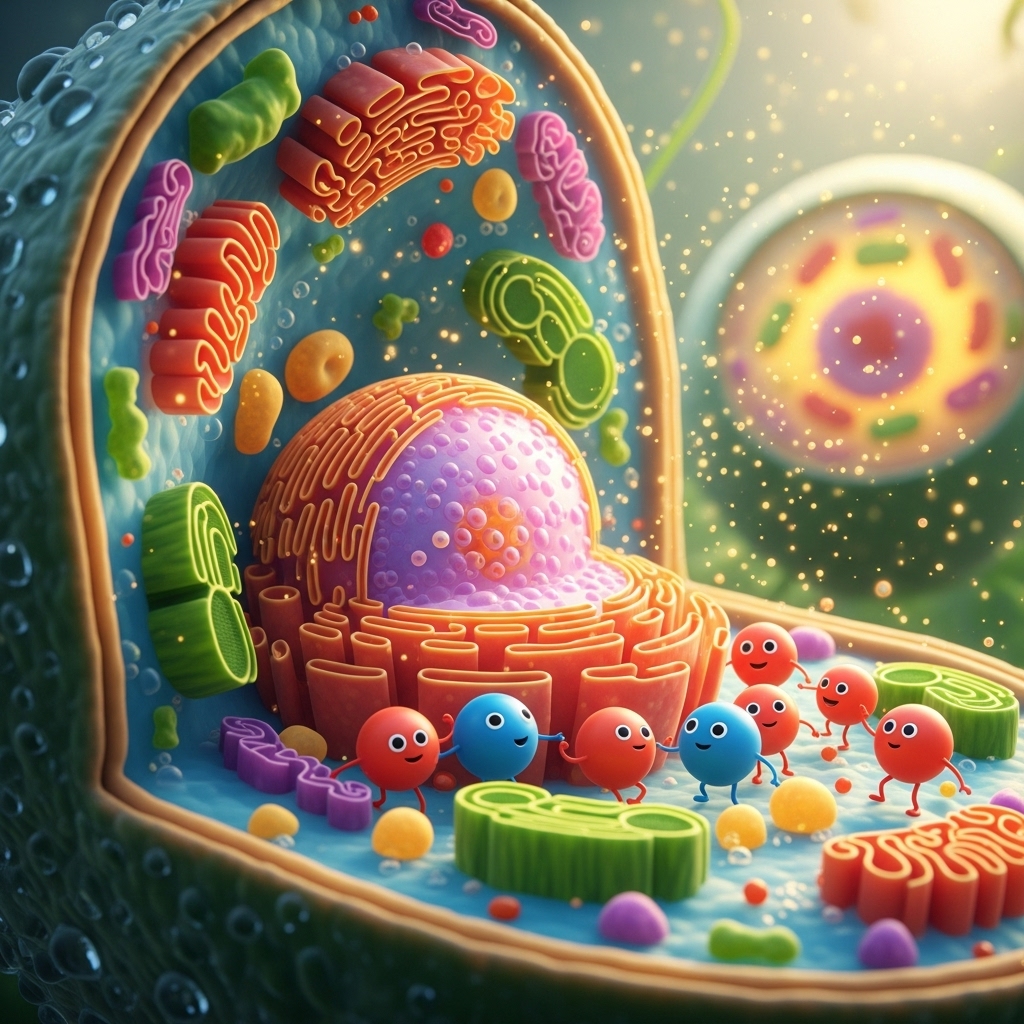
Understanding Plant Cell Structure
Overview of Plant Cells
Plant cells are fascinating and complex entities that play a vital role in our ecosystem. I remember my first biology class where we delved into the world of cells, and I was amazed to learn how plant cells are structured. Unlike animal cells, plant cells have unique features that set them apart, such as a rigid cell wall, chloroplasts for photosynthesis, and large central vacuoles. These components give plant cells their distinct shape and functionality.
Each plant cell is surrounded by a cell wall made of cellulose, which provides structural support and protection. This rigid boundary allows plants to maintain their shape and withstand various environmental pressures. Additionally, chloroplasts enable plants to capture sunlight and convert it into energy through photosynthesis, which is critical for their growth and survival. Overall, the structure of plant cells allows them to thrive in diverse environments, from lush forests to arid deserts.
Key Organelles in Plant Cells
When I think about plant cells, several key organelles come to mind. Each plays a specific role in maintaining the cell’s health and function. For example, the nucleus directs all cellular activities and houses the genetic material. Then there are mitochondria, often referred to as the powerhouse of the cell, which generate energy for various cellular processes.
One of the most significant organelles in plant cells is the large central vacuole. This organelle serves multiple purposes, including storing nutrients, waste products, and maintaining turgor pressure, which is crucial for keeping the plant rigid and upright. I’ve often marveled at how a plant can stand tall without bones, and much of that is due to the effective functioning of the vacuoles. Read Interesting article: Bushy Palms: Create Instant Tropical Vibes With These stunners!
Moreover, in addition to chloroplasts, plant cells contain other organelles like endoplasmic reticulum, ribosomes, and Golgi apparatus, which are essential for synthesizing proteins and lipids. These organelles work in harmony to ensure that the plant cell operates efficiently and adapts to its environment.
Differences Between Plant and Animal Cells
Understanding the differences between plant and animal cells has always intrigued me. While both types of cells share several organelles, there are key distinctions that make plant cells unique. For instance, animal cells lack a cell wall; instead, they have a flexible membrane that allows for a variety of shapes and functions. This flexibility is crucial for animal cells, as it enables movement and interaction with surrounding cells.
Another significant difference is the presence of chloroplasts in plant cells. These organelles are absent in animal cells because animals obtain energy through consumption rather than photosynthesis. Additionally, plant cells typically have larger vacuoles compared to animal cells, which often contain smaller vesicles for storage.
These differences highlight how plants and animals have adapted to their environments. For instance, the rigid structure of plant cells allows them to stand firm and grow towards sunlight, while the flexible nature of animal cells allows for mobility and diverse tissue formation. Reflecting on these differences, I’ve come to appreciate the unique evolutionary paths of plants and animals.
What are Lysosomes?
Definition and Function of Lysosomes
Lysosomes are often referred to as the cell’s recycling center. These organelles are filled with enzymes that break down waste materials and cellular debris. I remember learning how important lysosomes are for maintaining cellular health by digesting unwanted substances. Their ability to break down complex molecules into simpler ones is crucial for the cell’s overall metabolism.
In animal cells, lysosomes play a vital role in various processes, including the degradation of damaged organelles, digestion of food particles, and even the destruction of pathogens. This process of digestion is essential for cellular homeostasis and allows cells to recycle materials, which is something I find quite remarkable.
Composition of Lysosomes
Lysosomes are membrane-bound organelles that contain a variety of hydrolytic enzymes. These enzymes are responsible for breaking down lipids, proteins, carbohydrates, and nucleic acids. I find it fascinating that these enzymes work best at acidic pH levels, which is why lysosomes maintain an internal acidic environment. This unique composition allows lysosomes to efficiently carry out their digestive functions.
Interestingly, the membranes surrounding lysosomes also play a crucial role in protecting the rest of the cell from the potentially harmful effects of these enzymes. Without this protective barrier, the enzymes could accidentally digest vital cellular components, leading to cellular damage. I think this is a great example of how cellular structures are designed with specific purposes in mind.
Role of Lysosomes in Cellular Digestion
Lysosomes are integral to a cell’s digestive processes. I’ve often been amazed at how they manage to break down and recycle materials that the cell no longer needs. This process is known as autophagy, where lysosomes engulf damaged or obsolete organelles and break them down, allowing the cell to reuse their components. For me, understanding this process made me appreciate how cells maintain their health and functionality over time.
Moreover, lysosomes are involved in phagocytosis, a process where cells engulf larger particles or even other cells. After engulfing these materials, lysosomes fuse with the vesicles containing them, releasing their enzymes to digest the contents. This is especially important for immune cells, which rely on lysosomes to eliminate pathogens and protect the body.
In summary, lysosomes are essential for keeping cells clean and functioning efficiently. Their ability to digest and recycle materials contributes to overall cellular health and longevity.
Do Plant Cells Have Lysosomes?
Presence of Lysosomes in Plant Cells
It’s an interesting question: do plant cells even have lysosomes? From my studies and observations, I’ve found that while plant cells don’t have lysosomes in the traditional sense, they do possess organelles that perform similar functions. Instead of lysosomes, plant cells utilize structures called lytic vacuoles. I remember being surprised to learn that these vacuoles are vital for managing waste and breaking down materials, much like lysosomes do in animal cells.
These lytic vacuoles contain enzymes that help with the degradation of macromolecules. They play a significant role in recycling cellular components, thereby allowing the plant cell to maintain its health. This kind of parallel really opened my eyes to the incredible adaptability of cells. Each type has evolved its own solutions to similar problems, which I find quite fascinating.
Comparison with Animal Cells
When comparing plant cells to animal cells, I noticed that one of the key differences lies in how they handle waste. In animal cells, lysosomes serve as the main storage and digestion site for waste materials. In contrast, plant cells rely on lytic vacuoles. This distinction might seem small, but it highlights the different evolutionary pathways that plants and animals have taken.
In animal cells, lysosomes can be quite versatile, adjusting to the cell’s needs at any given time. Meanwhile, lytic vacuoles in plant cells are relatively stable in their composition and function. I often think about this as an example of how plant cells prioritize structural integrity while still effectively managing waste. The rigid cell wall and large vacuole create a robust system that allows plants to thrive in diverse environments, sometimes in ways that animal cells cannot.
Alternative Organelles with Similar Functions
While lytic vacuoles are the primary organelles in plant cells that take on the role of lysosomes, I found it intriguing that there are other organelles involved in similar processes. For instance, peroxisomes are another type of organelle that plays a role in breaking down fatty acids and detoxifying certain metabolites. I remember learning how these organelles contribute to the overall metabolic processes within the cell, which made me appreciate the complexity of plant cell functions.
Additionally, autophagy, a process where cells degrade their own components, is also facilitated by lytic vacuoles in plants. This is somewhat analogous to how lysosomes function in animal cells. I’ve come to believe that the presence of multiple organelles performing similar tasks points to an evolutionary strategy designed to ensure that plant cells can cope with varying environmental stresses and cellular demands.
Functions of Lysosome-like Organelles in Plant Cells
Vacuoles and Their Roles
Vacuoles are truly remarkable organelles, and their roles in plant cells extend far beyond waste disposal. I’ve always been fascinated by their ability to store not only waste but also nutrients, pigments, and even defensive compounds. For example, my experience with gardening led me to discover how vacuoles can store anthocyanins, giving fruits and flowers their vibrant colors. This not only enhances aesthetic appeal but also plays a role in attracting pollinators.
Moreover, vacuoles are crucial for maintaining turgor pressure in plant cells. This pressure is what allows plants to stand upright and access sunlight effectively. I’ve often marveled at how such a simple organelle can impact the overall health and growth of a plant so significantly. It’s like having a water reservoir that supports the entire structure of the plant.
Fruit and Seed Development
During my exploration of plant biology, I learned that vacuoles also play a pivotal role in fruit and seed development. They store nutrients that are essential for the developing seeds, and I find it fascinating how they facilitate the processes that lead to ripening and maturation. As fruits develop, their vacuoles can change in size and composition, adjusting to the plant’s needs.
This transformation can affect taste, texture, and even the nutritional profile of the fruit. For instance, the vacuoles in ripe tomatoes expand, leading to a juicy and flavorful fruit. I think it’s a wonderful example of how plant cells have evolved specialized functions to ensure their reproductive success. It’s incredible to think that all of this is happening at the cellular level!
Response to Stress and Damage
One of the aspects that I find most compelling about plant cells and their organelles is how they respond to stress and damage. Vacuoles, in particular, act as storage sites for protective compounds during times of stress, like drought or pathogen attack. I remember being amazed to learn how vacuoles can sequester harmful substances, effectively isolating them from the rest of the cell.
This response is not merely reactive; it’s a proactive strategy to maintain cellular health. For me, it’s inspiring to see how these tiny organelles can play such a massive role in a plant’s ability to adapt to challenging conditions. It shows the resilience of plant cells and their intricate mechanisms to ensure survival. I’ve come to realize that understanding these processes is crucial not just for biology enthusiasts but also for anyone interested in agriculture and environmental conservation.
Importance of Understanding Lysosomal Function
Implications for Plant Biology
Understanding lysosomal function, or in the case of plants, the role of lytic vacuoles, is crucial for unraveling the complexities of plant biology. From my perspective, delving into these organelles opens a window to appreciating how plants operate on a cellular level. They’re not just passive structures; they’re active participants in the life of a plant, continually managing resources, processing waste, and supporting growth. This knowledge pushes us to consider how factors like nutrient availability, environmental stresses, and even climate change can affect plant health and productivity.
I’ve learned that studying these organelles can lead to insights about how plants adapt to their surroundings. For example, understanding how lytic vacuoles manage waste can inform research on plant resilience in adverse conditions. If we can better comprehend these processes, we can also develop strategies to enhance plant adaptability, which is increasingly important in the face of global challenges like food security and climate change.
Impact on Agriculture and Crop Science
As someone who enjoys gardening and is passionate about sustainable practices, I feel that understanding lysosomal function in plants has direct implications for agriculture and crop science. When we understand how plants recycle nutrients and manage waste, we can cultivate crops that are not only more resilient but also more efficient in their resource use. I remember attending a workshop where experts discussed how enhancing the function of lytic vacuoles could lead to higher yields and better-quality produce.
For instance, researchers are exploring ways to optimize lytic vacuoles to improve nutrient storage and stress responses in crops. This could mean developing varieties that thrive in drought conditions or that are more resistant to diseases. Knowing how these organelles interact with other cellular processes can inform breeding programs, allowing farmers to grow crops that are better suited for specific environments. It’s exciting to think about the potential advancements in agriculture that stem from such a detailed understanding of plant cell biology! Read Interesting article: Authentic Southern Memphis-Style Dry Rub Ribs
Potential Medical Applications
The study of lysosomal functions in plant cells also has fascinating implications beyond agriculture. I’ve come across several intriguing discussions about how understanding these organelles may lead to medical applications. For instance, some plant metabolites stored in vacuoles have been found to possess medicinal properties. By learning more about how plants store and manage these compounds, we might unlock new avenues for drug discovery and development.
Moreover, the mechanisms behind plant organelles can sometimes mirror processes in human cells. By understanding how lytic vacuoles function in plants, we might gain insights into lysosomal disorders in humans—conditions like Tay-Sachs disease or Pompe disease, which arise from lysosomal dysfunction. This connection between plant biology and human health is something that genuinely excites me, as it showcases the interdisciplinary nature of biological sciences. It serves as a reminder of how interconnected all life forms are, and studying one area can lead to breakthroughs in another.
Common Questions About Lysosomes in Plant Cells
How Do Lysosomes Differ in Plant and Animal Cells?
One common question that often arises is how lysosomes differ in plant and animal cells. From my understanding, while animal cells have traditional lysosomes that are highly versatile and dynamic, plant cells utilize lytic vacuoles that serve similar functions but with some distinctions. For example, lytic vacuoles tend to be more stable in their structure and function compared to the adaptable nature of lysosomes. Additionally, lytic vacuoles not only digest waste materials but also play a critical role in storing nutrients and maintaining turgor pressure, which is something traditional lysosomes do not do.
This difference highlights the unique evolutionary adaptations of plants versus animals. I find it fascinating to think about how these adaptations arise from the different challenges each organism faces in its environment. Understanding these distinctions can enhance our appreciation for the diversity of life and the various strategies that organisms employ to thrive.
What Are the Consequences of Lysosomal Dysfunction?
Another important aspect to consider is the consequences of lysosomal dysfunction, or its equivalent in plant cells. In animals, lysosomal dysfunction can lead to a buildup of waste materials and has been linked to various diseases. Similarly, if lytic vacuoles in plant cells fail to function properly, it can lead to detrimental effects on plant health. I remember reading about how inefficiencies in waste processing or nutrient storage could stunt growth or even lead to plant death.
This isn’t just theoretical; it has real-world implications for agriculture. If crops cannot effectively manage their internal environments, they may become more susceptible to diseases or environmental stresses. This leads us to the importance of research focused on improving the function of these organelles in plants. By addressing issues of dysfunction, we can contribute to healthier crops and more sustainable agricultural practices.
How Are Lysosomes Studied in Plant Research?
Finally, you might wonder how scientists study lysosomes and their plant equivalents in research. From my experience, researchers often use a variety of techniques, including microscopy and molecular biology methods, to visualize and analyze these organelles. For example, fluorescent markers can be used to tag specific vacuoles, allowing scientists to track their behavior and interactions with other organelles in living plant cells.
Additionally, genetic studies can shed light on the roles of specific genes in lytic vacuole function. I find it fascinating that advancements in technology, such as CRISPR-Cas9 gene editing, are enabling researchers to manipulate these genes and observe the effects on plant health and growth. This kind of hands-on research is vital for deepening our understanding and improving our utilization of plant cells in agriculture and medicine.
Frequently Asked Questions
Do plant cells contain lysosomes?
No, plant cells do not contain lysosomes in the same way that animal cells do. Instead, they utilize other organelles, such as lytic vacuoles, to perform similar functions related to digestion and waste management.
What are lytic vacuoles?
Lytic vacuoles are structures in plant cells that perform functions similar to lysosomes in animal cells. They contain enzymes that help with the degradation of macromolecules and play a significant role in recycling cellular components.
How do plant cells manage waste compared to animal cells?
In animal cells, lysosomes serve as the main storage and digestion site for waste materials. In contrast, plant cells rely on lytic vacuoles to manage waste, highlighting differences in how each type of cell has adapted to its environment.
What roles do vacuoles play in plant cells?
Vacuoles in plant cells store not only waste but also nutrients, pigments, and defensive compounds. They are also crucial for maintaining turgor pressure, which helps plants stand upright and access sunlight effectively.
What is autophagy in the context of plant cells?
Autophagy is a process where cells degrade their own components. In plant cells, lytic vacuoles facilitate this process, allowing the cell to recycle materials and maintain its health and functionality.
How do lytic vacuoles contribute to fruit and seed development?
Lytic vacuoles store nutrients essential for developing seeds and facilitate processes that lead to ripening and maturation. As fruits develop, their vacuoles can change in size and composition, affecting taste and nutritional profiles.
What are the implications of understanding lysosomal function in plants?
Understanding lysosomal function, or the role of lytic vacuoles, is crucial for appreciating how plants operate on a cellular level. This knowledge can inform research on plant resilience and adaptability in the face of environmental challenges.
How can lysosomal function in plants impact agriculture?
Researching lysosomal functions in plants can lead to advancements in agriculture by optimizing lytic vacuoles for better nutrient storage and stress responses, potentially resulting in higher yields and improved crop resilience.
What are the consequences of dysfunction in lytic vacuoles?
Dysfunction in lytic vacuoles can lead to detrimental effects on plant health, such as stunted growth and increased susceptibility to diseases. This highlights the need for research focused on improving the function of these organelles in plants.
How do scientists study lysosomes and lytic vacuoles in research?
Scientists use various techniques, including microscopy and molecular biology methods, to study lysosomes and lytic vacuoles. Fluorescent markers can track their behavior, and genetic studies can reveal the roles of specific genes in their function.