
Plant cells do not contain lysosomes in the same way that animal cells do. Instead, they have alternative structures that perform similar functions, such as vacuoles and other organelles. Read Interesting article: Do Plant Cells Have Lysosomes? Explained Simply
Table of Contents
Understanding Plant Cell Structure
Plant cells are fascinating and complex. When I first delved into cell biology, I was amazed at how different plant cells are compared to animal cells. Understanding these differences is crucial for grasping how plants function and thrive in their environments. For a deeper insight, check out this article on Animal Cell vs Plant Cell: Key Differences.
Key Components of Plant Cells
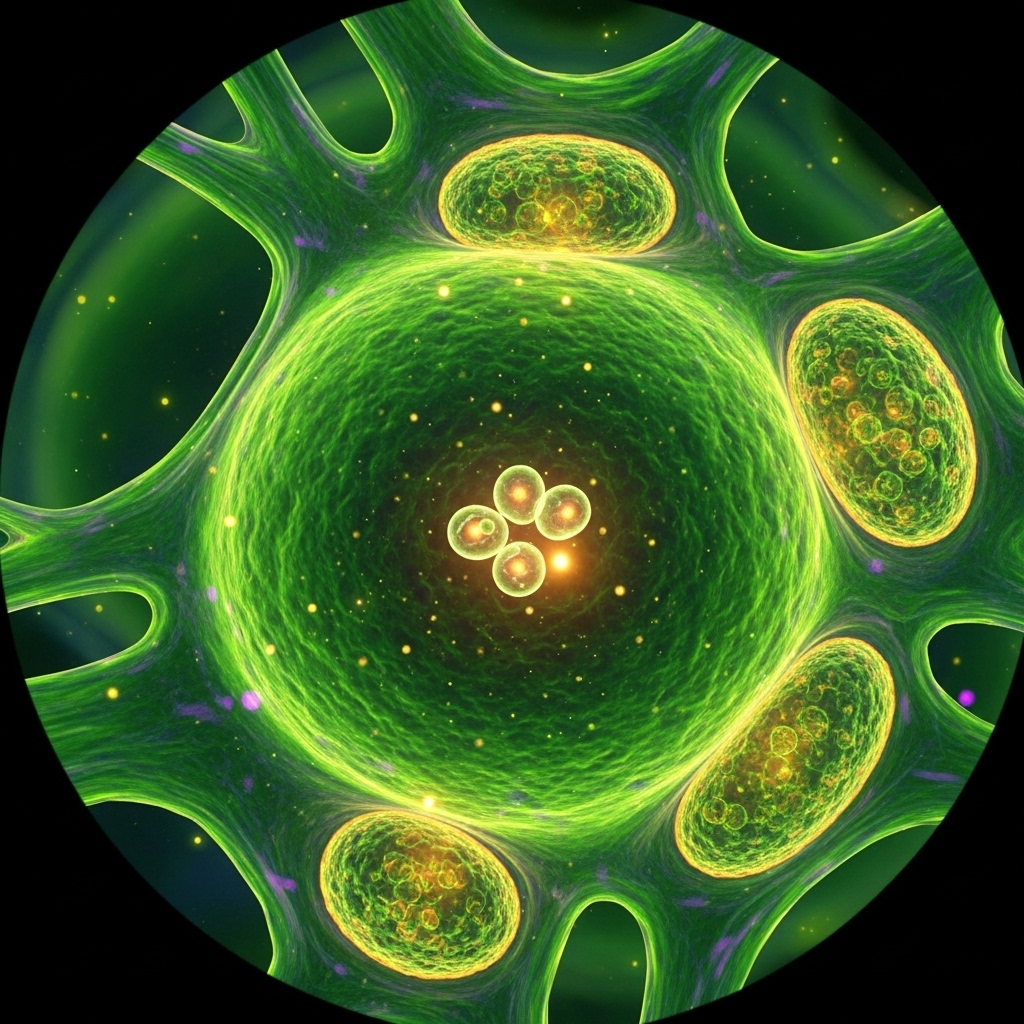
Plant cells have unique features that set them apart. One of the most significant components is the cell wall, which provides structure and support. Unlike animal cells, which are flexible and lack a rigid outer layer, plant cells are encased in this sturdy barrier made primarily of cellulose. This gives plants their shape and protects them from external damage.
Inside the cell wall, there’s the cell membrane, which regulates what enters and exits the cell, much like in animal cells. Plant cells also contain chloroplasts, where photosynthesis occurs, allowing them to convert sunlight into energy. These green organelles are what give plants their vibrant colors and are vital for their survival.
Another important component is the large central vacuole, which occupies a significant portion of the cell’s interior. This vacuole helps maintain turgor pressure, which keeps the plant upright and aids in nutrient storage and waste disposal. It’s fascinating to think that while animal cells have lysosomes to deal with waste, plant cells have developed this alternative approach through their vacuoles.
Differences Between Plant and Animal Cells
In addition to having a cell wall and chloroplasts, plant cells differ from animal cells in several key ways. For one, plant cells typically have a fixed shape due to their sturdy walls, while animal cells are more irregular and flexible. This structural difference affects how plants grow and respond to their environment.
Another notable difference is the presence of plastids, which are involved in the synthesis and storage of food. For instance, chloroplasts help in photosynthesis, while other types of plastids can store starch, oils, or pigments. Animal cells do not have these plastids, which highlights another aspect of plant cell specialization.
Furthermore, animal cells often contain multiple small vacuoles, whereas plant cells have a single, large central vacuole. This central vacuole plays a role in maintaining pressure within the plant, and it acts as a storage site for various substances. It’s clear that each type of cell has adapted uniquely to its role in nature.
What Are Lysosomes?
Lysosomes are often referred to as the “digestive system” of the cell. They contain enzymes that break down waste materials and cellular debris. During my studies, I found it intriguing how these organelles help recycle components by digesting macromolecules and returning the resulting materials to the cytoplasm for reuse.
Definition of Lysosomes
To put it simply, lysosomes are membrane-bound organelles found in animal cells. They contain enzymes that are capable of breaking down a variety of biomolecules, including proteins, lipids, carbohydrates, and nucleic acids. I remember being surprised to learn how crucial they are for the overall health of the cell, acting like a cleanup crew that ensures cellular environments remain balanced and functional.
Functions of Lysosomes in Cells
The primary function of lysosomes is autophagy, a process where cells remove damaged organelles or proteins. They also play a critical role in apoptosis, or programmed cell death, which is vital for growth and development. I found it fascinating how these tiny organelles help keep cells healthy by managing waste and recycling materials.
Additionally, lysosomes can destroy pathogens that enter the cell, making them essential for the immune response. When I learned about this, I appreciated how interconnected our bodily systems are, working together to maintain health and vitality.
Structure of Lysosomes
Lysosomes are spherical vesicles that are filled with hydrolytic enzymes. These enzymes are synthesized in the endoplasmic reticulum and then transported to the lysosome, where they’re activated. The lysosome’s membrane is crucial because it protects the rest of the cell from these powerful enzymes. Imagine if those enzymes were released into the cytoplasm; it could cause havoc! This delicate balance is vital for cellular integrity.
Do Plant Cells Contain Lysosomes?
Current Scientific Consensus
When I first started learning about plant cells, I was taken aback to discover that they do not contain lysosomes in the same way animal cells do. I remember being curious about whether this meant that plant cells lacked the ability to handle waste. As I dug deeper, I found that the current scientific consensus acknowledges that while plant cells do not have lysosomes, they perform similar functions through different structures, primarily vacuoles and other organelles. This revelation was eye-opening for me, as it highlighted how diverse cellular strategies can be across different life forms. For more details, you can check this article: Animal Cell vs Plant Cell: Differences Explained.
Researchers have shown that the enzymes typically found in lysosomes can be present in plant cells, but they are housed within vacuoles. This means that even without lysosomes, plant cells have evolved effective mechanisms to manage waste and recycling tasks. I felt a sense of relief knowing that these cells have their own ways of maintaining health and balance, even if it looks different from what we see in animal cells. The adaptability of life never ceases to amaze me.
Alternative Organelles in Plant Cells
In my exploration, I discovered that plant cells utilize several alternative organelles that fulfill roles similar to lysosomes. For example, the vacuole, which I mentioned earlier, serves as a multifunctional structure that not only stores nutrients and waste products but also contains enzymes capable of breaking down biomolecules. This function is crucial because it helps the plant manage cellular debris and recycle valuable materials.
Another organelle that piqued my interest is the peroxisome. While it isn’t exactly like a lysosome, peroxisomes play a significant role in lipid metabolism and the detoxification of harmful byproducts. The fact that plants have evolved these different structures is a testament to their ability to adapt and thrive in various environments. I’ve come to appreciate how every organelle has its purpose, working in harmony to sustain the plant’s life processes.
Role of Vacuoles in Plant Cell Function
Vacuoles are perhaps the stars of plant cells when it comes to waste management. I learned that they can take up to 90% of a plant cell’s volume, depending on the cell type and the plant species. This enormous space allows vacuoles to store not just waste but also essential nutrients, pigments, and even secondary metabolites that can deter herbivores or attract pollinators.
One of the most fascinating aspects of vacuoles is their role in turgor pressure. I remember feeling impressed when I discovered how vacuoles help maintain the rigidity of plant cells. When they fill with water, they exert pressure against the cell wall, helping the plant stand tall and firm. Without this pressure, plants would wilt, and their structure would collapse. It’s incredible to think that such a simple-looking organelle can have such profound effects on the overall health and appearance of a plant.
Additionally, vacuoles are involved in the plant’s response to environmental stresses. For instance, they can store excess ions or harmful substances, effectively isolating them from the rest of the cell and preventing damage. This detoxification process is crucial for plants living in challenging conditions, such as saline or heavy metal-polluted soils. I couldn’t help but admire the resilience of plants and how those vacuoles play such a pivotal role in their survival.
Comparative Analysis: Lysosomes vs. Other Organelles
Lysosomes vs. Vacuoles
When comparing lysosomes and vacuoles, my understanding deepened significantly. Lysosomes are specialized for digestion and waste removal, while vacuoles have a broader range of functions, including storage and maintaining turgor pressure. It was enlightening to realize that although they serve some overlapping purposes, their mechanisms and overall roles within the cell are distinct. I often think of lysosomes as the “cleanup crew” of animal cells, neatly disposing of waste, while vacuoles are more like the “storage facility” and “pressure maintainers” for plant cells.
Interestingly, the enzymes in vacuoles can be similar to those found in lysosomes, allowing plant cells to break down waste materials effectively. However, the larger size and multifunctionality of vacuoles give them a unique advantage in plant biology. This adaptability reflects the evolutionary paths taken by different organisms in response to their environments. It’s a beautiful reminder of how life finds a way to thrive, no matter the circumstances.
Lysosomes vs. Peroxisomes
As I continued my exploration, I became intrigued by the differences between lysosomes and peroxisomes. While lysosomes focus on breaking down waste and damaged organelles, peroxisomes primarily deal with metabolic processes, including the breakdown of fatty acids and the detoxification of hydrogen peroxide. Both organelles play critical roles in cellular health, but they serve different functions within the cell.
From my experience, understanding these distinctions helped me appreciate the complexity of cellular life. Each organelle contributes to the cell’s overall function, creating a well-oiled machine that keeps everything running smoothly. In plants, this means that while vacuoles absorb some functions of lysosomes, peroxisomes add another layer of metabolic management, ensuring that plants can efficiently handle toxins and surplus materials. I found this interconnectedness of cellular structures fascinating and a reminder of how meticulously nature has crafted its systems.
Functions of Lysosomal-Like Structures in Plants
Cellular Digestion and Waste Management
As I continued to explore the functions of plant cells, I became fascinated by how cellular digestion and waste management operate in the absence of lysosomes. The vacuoles, with their impressive capacity to store and break down materials, truly shine in this role. I learned that vacuoles house enzymes similar to those found in lysosomes, enabling them to digest macromolecules like proteins and carbohydrates. It dawned on me that while the process might look different, the end goal remains the same: keeping the cell clean and functional.
During my studies, I realized that vacuoles can engage in a form of autophagy, akin to what lysosomes do in animal cells. They can engulf damaged organelles and break them down, recycling their components. I remember feeling a sense of awe at the efficiency of this system. It’s like the plant cell has its own internal recycling plant, ensuring that nothing goes to waste. This ability to manage waste effectively is crucial for plant health, especially since they are often stationary and must cope with their environment in unique ways.
Furthermore, the vacuole’s involvement in detoxification processes fascinated me. Plants often encounter various toxins from the soil or air, and the vacuoles play a pivotal role in storing these harmful substances, isolating them from the rest of the cell. This function not only protects the cellular integrity but also ensures that the plant can continue to thrive in less-than-ideal conditions. The fact that these organelles can adapt and serve multiple purposes left me with a profound appreciation for the complexity of plant cell biology.
Recycling of Cellular Components
One of the standout features of vacuoles is their role in recycling cellular components. I discovered that when plant cells need to break down and reuse materials, vacuoles are the go-to structures. Just thinking about how plants efficiently recycle nutrients made me reflect on how vital this process is for their survival and growth. Instead of relying on external resources constantly, plants have developed mechanisms to make the most of what they have on hand.
Vacuoles can store enzymes that help degrade old or damaged cellular components, allowing the plant to reclaim valuable resources. This recycling process also plays a significant role during the plant’s life cycle. For instance, during periods of stress or dormancy, plants can tap into these stored nutrients to sustain themselves. I found it remarkable how nature has engineered such resilience into plant life.
Moreover, the vacuoles contribute to the turnover of various metabolites. Secondary metabolites, which can serve protective roles against herbivores or pathogens, are also stored and managed within these organelles. When I learned about this, it struck me that plants are not just passive entities; they actively engage in a complex biochemical dialogue with their environment. This adaptability is a testament to the intricate mechanisms that have evolved over millions of years.
Implications for Plant Biology and Research
Impact on Understanding Plant Health
As I dove deeper into the implications of lysosomal-like structures in plant cells, I recognized their significance in understanding plant health. The way these structures manage waste and recycle materials directly influences a plant’s ability to cope with stressors like drought, salinity, and nutrient deficiencies. This insight was eye-opening for me. I realized that by studying vacuoles and their functions, researchers can gain a clearer picture of how plants respond to their environments and, ultimately, their overall health.
For instance, understanding how vacuoles interact with other cellular components can provide valuable information about plant resilience. I learned that by enhancing vacuole function, scientists might be able to help plants better withstand adverse conditions. This could have significant implications for agriculture, especially in the face of climate change and the increasing need for sustainable farming practices.
Additionally, the insights gained from studying cellular digestion and recycling can inform breeding programs. By selecting for plant varieties with more efficient vacuoles, we could potentially improve crop yields and nutrient utilization. This perspective excites me, as it highlights the importance of fundamental research in promoting food security and sustainable practices in the future.
Applications in Biotechnology and Agriculture
The potential applications of understanding lysosomal-like structures in plant cells extend beyond just academic curiosity. I found it fascinating that this knowledge could be harnessed in biotechnology and agriculture. For example, researchers can explore ways to manipulate vacuole functions to enhance a plant’s resistance to pests or environmental stressors. This could lead to the development of genetically modified crops that require fewer chemical inputs, promoting a more sustainable agricultural system.
In my readings, I came across studies where scientists were investigating how to enhance the storage capabilities of vacuoles to improve nutrient content in crops. Imagine crops that not only yield more but also contain higher levels of essential nutrients! This possibility truly highlights the intersection of science and practical application, and it left me feeling optimistic about the future of food production.
Furthermore, there’s ongoing research into using plant-derived compounds stored in vacuoles for medicinal purposes. The potential to extract valuable secondary metabolites for pharmaceuticals is an exciting avenue of research that could benefit human health. I couldn’t help but marvel at how interconnected our lives are with plant biology, from the food we eat to the medicines we rely on.
Understanding these aspects of plant cell biology not only deepens our appreciation for the complexity of life but also underscores the importance of continued research. It’s a reminder that every cell, every organelle, plays a vital role in the larger tapestry of life on Earth. I feel inspired to learn more and share this knowledge, knowing that it has profound implications for both science and society.
Frequently Asked Questions
Do plant cells contain lysosomes?
No, plant cells do not contain lysosomes in the same way that animal cells do. Instead, they utilize vacuoles and other organelles to perform similar functions.
What are the key components of plant cells?
Key components of plant cells include the cell wall, cell membrane, chloroplasts, and large central vacuole. The cell wall provides structure, chloroplasts conduct photosynthesis, and the vacuole maintains turgor pressure and aids in storage and waste management.
How do plant cells manage waste without lysosomes?
Plant cells manage waste through vacuoles and other organelles that contain enzymes capable of breaking down biomolecules, similar to the functions of lysosomes in animal cells.
What role do vacuoles play in plant cells?
Vacuoles play a crucial role in maintaining turgor pressure, storing nutrients, and managing waste products. They can occupy a significant portion of a plant cell’s volume and are involved in detoxification processes.
What are plastids and how do they differ from lysosomes?
Plastids are organelles involved in the synthesis and storage of food in plant cells, such as chloroplasts for photosynthesis. Unlike lysosomes, which focus on digestion and waste removal, plastids serve different functions related to energy storage and utilization.
What is the function of peroxisomes in plant cells?
Peroxisomes are involved in lipid metabolism and the detoxification of harmful byproducts. They serve a different role compared to lysosomes and vacuoles, focusing on metabolic processes.
Why is turgor pressure important for plant cells?
Turgor pressure is important because it helps maintain the rigidity of plant cells. When vacuoles fill with water, they exert pressure against the cell wall, allowing the plant to stand upright and preventing wilting.
How do vacuoles contribute to recycling in plant cells?
Vacuoles contribute to recycling by storing enzymes that degrade old or damaged cellular components. They enable the plant to reclaim valuable resources and manage cellular debris effectively.
What implications does understanding vacuoles have for plant health?
Understanding vacuoles is significant for plant health as it influences how plants cope with stressors like drought and nutrient deficiencies. Enhancing vacuole function could improve plant resilience and agricultural practices.
How might research on vacuoles benefit agriculture and biotechnology?
Research on vacuoles could lead to genetically modified crops with enhanced resistance to pests and environmental stressors, improved nutrient content, and the potential extraction of valuable compounds for medicinal purposes.