
Yes, plants do have cell walls, which are rigid structures surrounding their cells, providing support and protection. These walls are essential for maintaining the plant’s structure and play a crucial role in various biological functions. For a comparison, you can check out the differences between Animal Cells vs Plant Cells: Key Differences.
Understanding Cell Walls in Plants
What is a Cell Wall?
A cell wall is a tough, protective layer that surrounds the cell membrane of certain cells, including those in plants, fungi, and bacteria. In plants, this wall is primarily composed of cellulose, a type of carbohydrate that forms a strong, fibrous network. I remember first learning about cell walls in biology class and being fascinated by how they provide not just structure but also a kind of armor for the cell. The cell wall is crucial for the plant’s survival, allowing it to withstand various environmental stresses.
Composition of Plant Cell Walls
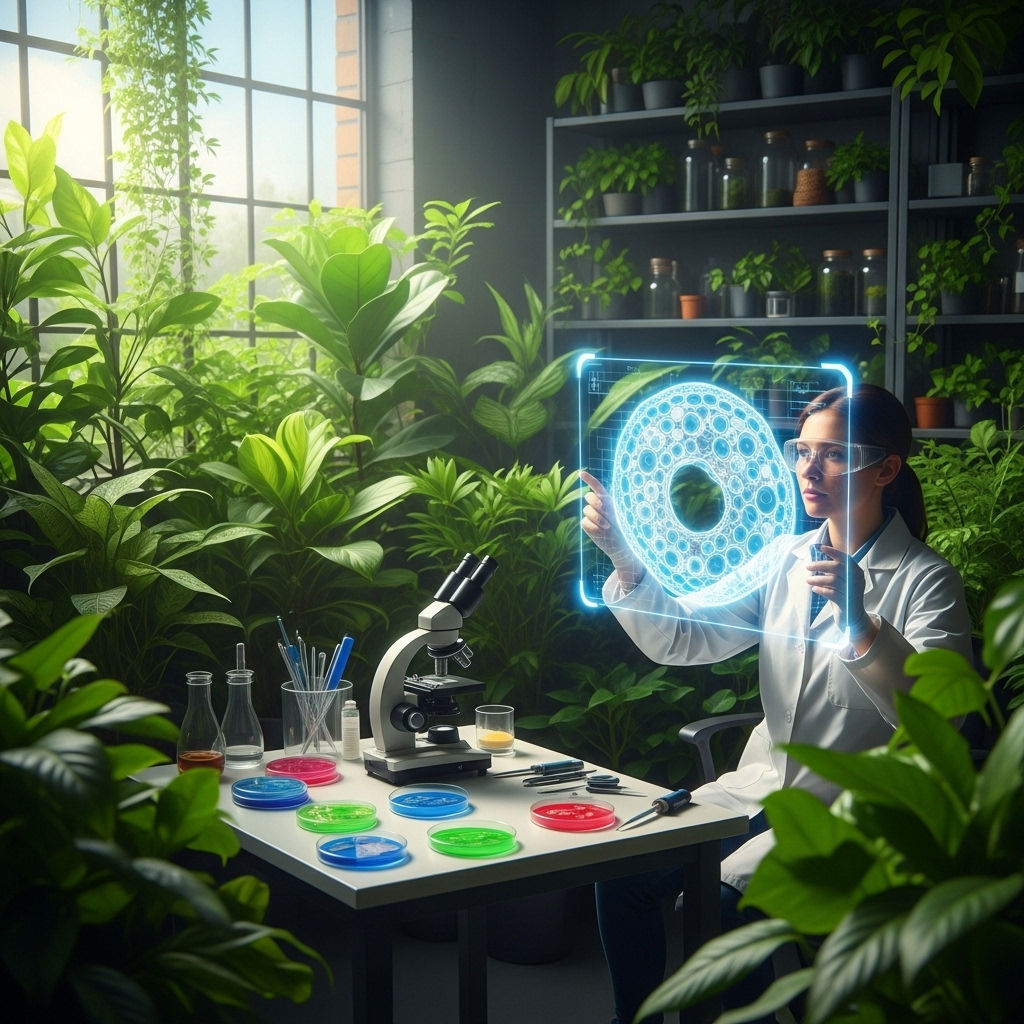
The composition of plant cell walls is quite interesting. The primary component is cellulose, which makes up about 25-30% of the wall. Cellulose fibers are long chains of glucose molecules that weave together to form a sturdy mesh. Besides cellulose, the cell wall also contains hemicellulose, pectin, and lignin. Hemicellulose acts like a filler, binding with cellulose fibers to provide additional strength. Pectin, on the other hand, helps hold the cells together and maintains the wall’s flexibility. Lignin adds rigidity and is particularly abundant in woody plants. I learned that this combination of materials allows plants to maintain their shape while also being flexible enough to grow and expand.
Functions of Cell Walls in Plants
The functions of cell walls go beyond just physical structure. They play several vital roles in a plant’s life. For one, the rigidity of the cell wall helps support the plant and keeps it upright, allowing it to capture sunlight effectively for photosynthesis. I remember being amazed by how tall trees can grow, and much of that is thanks to their strong cell walls that hold them up against gravity.
Additionally, cell walls provide protection from pathogens and pests. They act as a first line of defense against harmful microbes and insects. I’ve seen firsthand how damaged cell walls can lead to disease, as weakened plants often succumb to infections more easily. The walls also help regulate the movement of water and nutrients into and out of the cells, acting like a selective barrier. This regulation is crucial for maintaining homeostasis within the plant. For instance, when I water my houseplants, I know that the cell walls are key to controlling how much water is absorbed and retained.
Moreover, during the process of cell division, the cell wall plays a crucial role in determining the shape and size of the new cells. As cells divide and grow, the cell wall must adapt and sometimes even reform. This adaptability is fascinating because it shows how dynamic plant growth can be. I often reflect on how much we take for granted in the plant world; we see a flower or a tree, but behind it is this complex structure working tirelessly to support life.
In summary, plant cell walls are not just passive barriers; they are active participants in the life of the plant, contributing to growth, protection, and overall health. Their complex composition and multifunctional roles make them a vital subject of study, and it’s a topic that continues to intrigue me as I learn more about plant biology.
Do All Plants Have Cell Walls?
Types of Plants with Cell Walls
When I think about the diversity of plants, it’s fascinating to realize that all types of plants, from the tiniest mosses to the tallest redwoods, possess cell walls. I remember hiking through a forest and being surrounded by a mix of conifers and broadleaf trees, and I couldn’t help but appreciate how their cell walls contribute to their strength and survival. Angiosperms, or flowering plants, have cell walls that are rich in cellulose and other components, while gymnosperms, like pines and spruces, also feature robust cell walls designed for their unique environments.
Even non-vascular plants, like liverworts and hornworts, have cell walls that help them absorb water and nutrients, albeit in a different way than their vascular counterparts. I’ve seen how these plants often thrive in moist environments, using their cell walls to maintain structure without a vascular system to distribute water. It’s a wonderful reminder of how adaptable plants can be, using their cell walls as a tool for survival across various habitats.
Exceptions: Plants Lacking Cell Walls
While most plants have cell walls, there are exceptions that I found quite intriguing. Some species, particularly certain algae, do not have traditional cell walls in the same way land plants do. Instead, they might have flexible cell membranes or unique structures that fulfill similar roles. For instance, red algae possess a cell wall made of polysaccharides, which is different from cellulose. I remember being surprised to learn that these differences can affect how these organisms interact with their environment and how they carry out photosynthesis.
Another example is the fascinating world of certain parasitic plants, such as dodder. These plants have evolved to lack significant cell walls because they rely on their host plants for nutrients. I once encountered dodder wrapping around a healthy plant, almost like a vine, and it made me think about how even the absence of a cell wall can be an adaptation for survival in nature.
Comparison with Other Organisms
Cell Walls in Fungi
Fungi have their own unique twist on cell walls, and delving into this comparison has been eye-opening for me. Unlike plants, where cellulose is the main component, fungal cell walls are primarily made of chitin, a tough substance also found in the exoskeletons of insects. When I first learned about this, it struck me how different and yet how similar these organisms are. Chitin provides fungi with strength and flexibility, allowing them to grow in various environments, from decaying wood to rich soil.
While they may seem worlds apart, plants and fungi share a crucial relationship. I’ve seen how fungi often form mycorrhizal associations with plant roots, helping with nutrient absorption. It’s a beautiful partnership, showcasing how diverse cell wall compositions can lead to harmonious interactions in nature.
Cell Walls in Bacteria
Bacteria, on the other hand, have cell walls composed of peptidoglycan. This structure is different from both plant and fungal cell walls and provides bacteria with strength and protection. I remember studying how variations in bacterial cell wall composition can affect their response to antibiotics, which has huge implications for medicine and health. The differences in cell wall structures among these organisms highlight the complexity of life and how various adaptations have evolved to meet different challenges.
Differences Between Plant and Animal Cells
Unlike plants, animal cells do not have cell walls. This fact always amazes me! Instead, they have flexible cell membranes that allow for a variety of shapes and functions. I often think about how this flexibility enables animals to move freely, which is quite different from the rigidity provided by plant cell walls. The absence of a cell wall in animals allows for dynamic movements and interactions but also means that they rely heavily on other structures, like their skeletons, for support. For a deeper understanding, you can read about Plant vs Animal Cell: Differences Explained.
I’ve found it interesting to consider how these differences in cell structure influence how plants and animals adapt to their environments. For instance, while plants can maintain their position and structure thanks to their cell walls, animals have developed muscles and other mechanisms for movement. It’s a beautiful dance of evolution, where each organism finds its way to thrive.
Structure of Plant Cell Walls
Primary and Secondary Cell Walls
Plant cell walls can be categorized into primary and secondary walls, each serving distinct purposes. The primary cell wall is formed during cell growth and is relatively thin and flexible, allowing cells to expand. I remember being captivated by the idea that this is where most of the action happens during plant growth, as cells are continuously dividing and enlarging. It’s in this primary cell wall that the plant first establishes its shape and rigidity.
As plants mature, some cells develop a secondary cell wall that adds strength and durability. This wall is often thicker and contains more lignin, which reinforces the structure. I’ve often admired the resilience of old trees with their mighty trunks, realizing that much of that strength comes from these secondary cell walls. It’s incredible to think about how these structures evolve with the plant, providing the necessary support for life above ground.
Role of Cellulose in Plant Cell Walls
Cellulose plays a critical role in maintaining the structure of both primary and secondary cell walls. I find it fascinating that these cellulose fibers form a mesh-like network that is not only strong but also flexible. This unique combination allows plants to grow tall and adapt to environmental pressures like wind and rain. I remember watching a storm and observing how trees bend but don’t break, all thanks to the properties of cellulose.
Other Components: Hemicellulose and Lignin
Alongside cellulose, hemicellulose and lignin are vital components of plant cell walls. Hemicellulose acts as a sort of glue that binds cellulose fibers together, enhancing the wall’s overall strength. I often marvel at how something that seems so simple can be so effective. Lignin, with its complex structure, provides additional rigidity, especially in woody plants. I recall learning that this is why wood is so much sturdier than other plant materials; it’s all thanks to the lignin content that fortifies the secondary cell wall. Together, these components work symbiotically to create a resilient structure that supports plant life.
Importance of Cell Walls in Plant Health
Protection Against Pathogens
Cell walls are like a fortress for plants, providing essential protection against pathogens and pests. I’ve seen how a healthy cell wall can be the difference between a thriving plant and one that succumbs to disease. When a plant’s cell wall is intact, it forms a robust barrier against harmful bacteria, fungi, and insects. I’ve occasionally noticed that plants with damaged cell walls show signs of distress much more quickly, which emphasizes just how significant this protective function is.
Role in Maintaining Cell Shape and Structure
Maintaining cell shape is another critical function of plant cell walls. The rigidity provided by the walls allows plants to grow steadily towards light and water sources. I often think about how this characteristic is visible in the way plants lean toward sunlight, a phenomenon known as phototropism. The cell walls support this directionality, allowing plants to optimize their growth and maximize photosynthesis.
Influence on Water Regulation
Water regulation is crucial for plant health, and cell walls play an essential role in this process. They help manage how much water enters and exits the cell, acting as a selective barrier. I remember when I first started gardening; I learned quickly that overwatering could weaken a plant’s cell walls, making them susceptible to diseases. Understanding this relationship has made me more attentive to my watering habits, ensuring that my plants remain healthy and strong.
Current Research on Plant Cell Walls
Innovations in Plant Biotechnology
Research on plant cell walls has opened up exciting avenues in biotechnology. Scientists are exploring how to modify cell wall composition to improve crop resilience and productivity. I recently read about efforts to engineer plants with stronger cell walls to withstand pests and diseases better. It’s thrilling to think that the very structures that have evolved over millions of years are now being studied for innovative agricultural solutions.
Implications for Agriculture and Horticulture
The implications of this research are significant for agriculture and horticulture. I’ve seen firsthand how stronger plants can lead to reduced reliance on pesticides and fertilizers, promoting healthier ecosystems. There’s a growing interest in breeding crops with enhanced cell wall traits, allowing them to thrive in less-than-ideal conditions. It makes me hopeful for the future of sustainable farming practices.
Climate Change and Plant Cell Wall Adaptations
As climate change continues to impact our environment, understanding plant cell walls can help scientists develop strategies for adaptation. I’ve learned that some plants may need to alter their cell wall structures to cope with increased temperatures and altered water availability. This research is crucial for ensuring food security as we face new environmental challenges. It’s a powerful reminder of the interconnectedness of life and how our knowledge of plant biology can lead to innovative solutions for our planet’s future.
Frequently Asked Questions
Do plants have cell walls?
Yes, plants have cell walls, which are rigid structures surrounding their cells that provide support and protection.
What is the primary composition of plant cell walls?
The primary component of plant cell walls is cellulose, which makes up about 25-30% of the wall. Other components include hemicellulose, pectin, and lignin.
What functions do cell walls serve in plants?
Cell walls support the plant’s structure, protect against pathogens and pests, regulate the movement of water and nutrients, and play a role in cell division and growth.
Do all types of plants have cell walls?
Yes, all types of plants, including angiosperms, gymnosperms, and non-vascular plants, possess cell walls.
Are there any plants that lack cell walls?
Some species, particularly certain algae and parasitic plants like dodder, may lack traditional cell walls and instead have flexible membranes or unique structures.
How do cell walls in fungi differ from those in plants?
Fungal cell walls are primarily made of chitin, whereas plant cell walls are mainly composed of cellulose.
What is the role of cellulose in plant cell walls?
Cellulose plays a critical role in maintaining the structure of both primary and secondary cell walls, forming a strong yet flexible mesh-like network.
How do cell walls contribute to plant health?
Cell walls provide protection against pathogens, help maintain cell shape and structure, and regulate water movement, which are all crucial for plant health.
What current research is being conducted on plant cell walls?
Current research focuses on modifying cell wall composition to improve crop resilience and productivity, with implications for agriculture and strategies for adaptation to climate change.
How can understanding plant cell walls help in agriculture?
Understanding plant cell walls can lead to breeding stronger plants that require fewer pesticides and fertilizers, promoting healthier ecosystems and sustainable farming practices. For further reading, check out Plant Cell vs Animal Cell: Full Difference Explained.