
Yes, red maples can produce syrup, though they are not as commonly tapped as sugar maples. The sap from red maples can be collected and processed similarly, leading to a sweet syrup that has a unique flavor.
Table of Contents
Understanding Red Maples
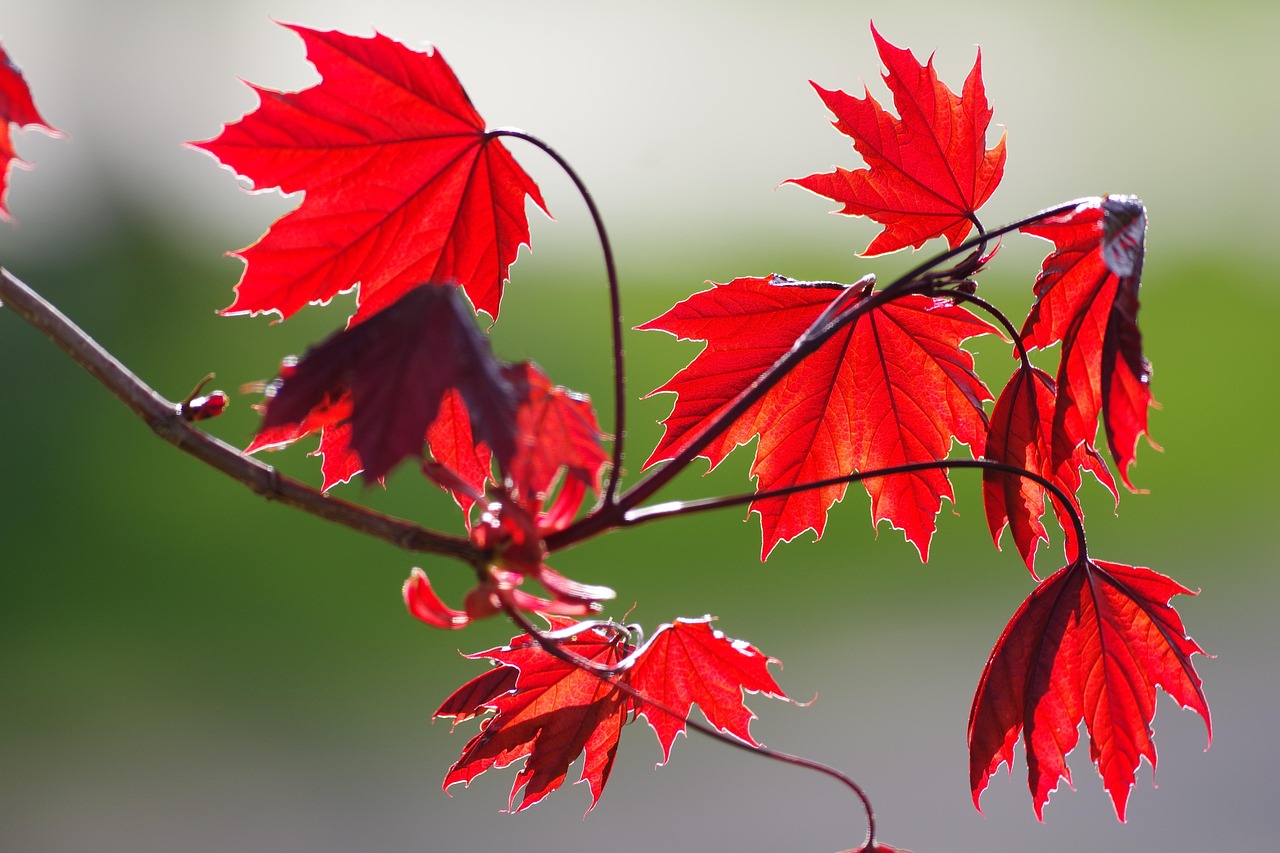
The red maple tree, scientifically known as Acer rubrum, is a widely distributed tree in North America. It thrives in a variety of environments, including urban areas and forests. The tree is known for its vibrant fall colors, with leaves transitioning from green to brilliant shades of red and yellow.
Red maples typically grow to be 40 to 60 feet tall and can live for over 100 years. They are often found near water sources, as they prefer moist soil. The tree blooms in early spring, producing small red flowers that attract pollinators.
One of the most interesting aspects of red maples is their sap. Like other maples, they produce sap that can be tapped for syrup production. While sugar maples are preferred due to their higher sugar content, red maples can still yield syrup, particularly in regions where sugar maples are less prevalent.
Tapping Red Maples
Tapping red maples involves drilling holes into the tree and inserting spouts to collect the sap. The ideal time for tapping is in late winter to early spring when daytime temperatures rise above freezing, and nighttime temperatures drop below freezing. This temperature fluctuation creates pressure within the tree, causing the sap to flow.
Here is a step-by-step guide on how to tap red maples:
- Select a healthy red maple tree with a diameter of at least 10 inches.
- Drill a hole approximately 1.5 to 2 inches deep at a slight upward angle.
- Insert the spout into the hole and gently tap it in place.
- Hang a collection bucket or bag on the spout to gather the sap.
- Check the sap levels daily and collect it regularly.
It is important to monitor the health of the tree throughout the tapping process. Over-tapping can harm the tree, so it is recommended to limit the number of taps per tree. Generally, one tap is sufficient for trees with smaller diameters, while larger trees may accommodate two taps.
Sap Collection and Processing
The sap from red maples contains about 1-3% sugar, which is lower than the 2-6% found in sugar maples. This means that it takes more sap to produce a gallon of syrup from red maples than from sugar maples. The collection process usually spans several weeks, depending on weather conditions.
Once collected, the sap must be processed quickly to prevent spoilage. The processing involves boiling down the sap to concentrate the sugars and create syrup. Here’s how the process works:
- Filter the sap to remove any debris or impurities.
- Boil the sap in a large pot or evaporator until it reaches a temperature of around 219°F (104°C).
- Monitor the sap closely to prevent burning.
- Once it reaches the desired consistency, filter it again and bottle it while hot.
Uses of Red Maple Syrup
Red maple syrup has a unique flavor profile that differentiates it from the more common sugar maple syrup. It tends to be lighter in color and has a slightly different taste, which some people find appealing. This syrup can be used in various culinary applications:
- Pancakes and waffles
- Glazes for meats
- Baking ingredients for desserts
- Flavoring for beverages
In addition to its culinary uses, red maple syrup is also utilized in some traditional medicine practices. Some believe it possesses health benefits due to its natural antioxidants and minerals. However, scientific evidence supporting these claims is limited.
In conclusion, tapping red maples for syrup production is a feasible option for those interested in exploring alternative sources of maple syrup. With proper techniques and care, one can enjoy the unique flavors that red maple syrup offers.
The Benefits of Tapping Red Maples
Tapping red maples for syrup production offers several benefits, both for individuals and the environment. As more people become interested in sustainable living and local food sources, understanding the advantages of tapping these trees becomes increasingly important.
Here are some key benefits of tapping red maples:
- Sustainability: Tapping red maples is a sustainable practice. The process does not harm the tree when done correctly, allowing it to continue growing and producing sap for many years.
- Local Economy: By tapping local trees, individuals can create a small business or supplement their income. Selling homemade syrup can be a profitable venture in local farmers’ markets or online.
- Educational Opportunities: Tapping trees can provide educational experiences for families and communities. It teaches about nature, ecology, and food production.
- Flavor Variety: Red maple syrup offers a unique flavor that adds diversity to the maple syrup market. Many people enjoy exploring different flavors of syrup.
Comparing Red Maple Syrup to Other Syrups
When considering syrup options, it is essential to compare red maple syrup with other types, such as sugar maple syrup and other fruit syrups. Each type has its distinct characteristics, uses, and flavor profiles.
| Type of Syrup | Sugar Content | Flavor Profile | Common Uses |
|---|---|---|---|
| Red Maple Syrup | 1-3% | Light, slightly floral | Pancakes, glazes, beverages |
| Sugar Maple Syrup | 2-6% | Rich, robust | Waffles, baking, cooking |
| Fruit Syrups (e.g., Raspberry) | Varies | Fruity, sweet | Desserts, toppings, cocktails |
This comparison illustrates the differences in sugar content and flavor profiles among various syrups. Those who enjoy experimenting with flavors may appreciate the light and floral notes that red maple syrup offers.
Harvesting Techniques and Best Practices
To ensure a successful tapping season and maintain the health of the red maple trees, it is essential to follow best practices during the harvesting process. Here are some recommended techniques:
- Choose the Right Time: Tap trees during the late winter or early spring when temperatures fluctuate between freezing at night and above freezing during the day.
- Use Clean Equipment: Ensure that all tools and containers are clean to prevent contamination of the sap.
- Limit Taps: Only tap healthy trees and limit the number of taps per tree. Generally, one tap is sufficient for smaller trees, while larger trees may handle two taps.
- Monitor Sap Flow: Regularly check buckets or bags for sap collection. Fresh sap should be processed quickly to prevent spoilage.
- Seal Holes After Tapping: After the tapping season is over, consider sealing holes to protect the tree from pests and diseases.
Potential Challenges in Tapping Red Maples
While tapping red maples can be rewarding, there are also challenges to consider. Understanding these potential issues can help prepare aspiring syrup producers for a successful experience.
- Lower Sugar Content: As mentioned previously, red maples have a lower sugar content compared to sugar maples. This means more sap is needed to produce the same amount of syrup.
- Weather Dependency: The success of sap flow is highly dependent on weather conditions. A prolonged warm spell or consistent cold temperatures can impact sap production.
- Pest Infestation: Tapped trees may attract pests. Monitoring and protecting the tree’s health is crucial for long-term success.
By being aware of these challenges, individuals can better prepare for their tapping adventures and enjoy the process of creating their own maple syrup from red maples.
2>Environmental Impact of Tapping Red Maples
Tapping red maples not only provides syrup but also has various environmental implications. Understanding these impacts can help individuals make informed decisions about sustainable practices in maple syrup production. Here are some key environmental considerations:
>Red maple syrup is not just a delicious sweetener; it also contains several health benefits. While it should be consumed in moderation due to its sugar content, here are some potential health advantages: While these benefits offer exciting possibilities, it’s important to remember that syrup should still be enjoyed as part of a balanced diet. Incorporating red maple syrup into recipes can elevate flavors and add a unique twist. Here are some delicious ways to use red maple syrup in your cooking and baking: No breakfast is complete without pancakes or waffles drizzled with red maple syrup. This classic combination enhances the dish’s flavor and adds a touch of sweetness. Red maple syrup works beautifully as a marinade or glaze for meats. Its natural sweetness caramelizes when cooked, creating a delicious crust on chicken, pork, or salmon. Try mixing it with soy sauce, garlic, and ginger for an easy marinade. Use red maple syrup in baking recipes to add moisture and flavor. Whether in muffins, cakes, or cookies, it can replace refined sugars without sacrificing sweetness. Create a delightful salad dressing by combining red maple syrup with olive oil, vinegar, salt, and pepper. This simple dressing adds a sweet contrast to bitter greens. Add red maple syrup to desserts like ice cream, yogurt, or fruit salads for an extra layer of flavor. It pairs well with nuts and berries, making it a versatile ingredient. Proper storage of red maple syrup is essential for preserving its flavor and quality. Here are some tips to ensure your syrup remains fresh: If stored correctly, red maple syrup can last for several months in the refrigerator. However, always check for signs of spoilage, such as off odors or changes in color before use. Tapping red maples can also foster community spirit and involvement. Many regions celebrate the tradition of maple sugaring through festivals and events. Participating in these activities provides opportunities for education, connection, and enjoyment. The sense of community created around tapping red maples and producing syrup can strengthen local bonds while promoting an appreciation for nature and sustainable practices.
>As interest in local and sustainable food sources grows, red maple syrup production is poised to gain more popularity. The unique flavor and characteristics of red maple syrup provide a refreshing alternative to traditional sugar maple syrup. Moreover, as climate change continues to affect tree health and sap production, exploring diverse species like the red maple becomes essential for future syrup endeavors. Research and development in tapping techniques and syrup production can enhance the efficiency of red maple syrup extraction. Innovations such as improved tapping methods and better sap collection systems could help increase yield and reduce resource waste. Additionally, education about sustainable practices is crucial for ensuring that both producers and consumers remain aware of their environmental impact. Education plays a vital role in the future of red maple syrup production. By providing resources and training for aspiring syrup makers, communities can cultivate a new generation of producers who prioritize sustainability and environmental stewardship. Here are some potential areas of focus for educational initiatives: Tapping red maples offers an opportunity to connect with nature in a meaningful way. It allows individuals to participate in a time-honored tradition while fostering an appreciation for the environment. Engaging with the natural world through activities like tapping can promote mental well-being and encourage mindfulness. Nature-based activities, such as visiting a sugar bush or participating in local tapping events, can enhance community bonds. Individuals who share a common interest in sustainable practices often form friendships and support networks that extend beyond syrup production. The production and sale of red maple syrup can significantly impact local economies. By tapping into this market, small producers can thrive while supporting their local communities. The sale of homemade syrup at farmers’ markets or local stores creates opportunities for economic growth and job creation. Additionally, syrup production can encourage tourism in rural areas. Visitors may flock to regions known for their maple syrup festivals or sugar houses, driving revenue to local businesses such as restaurants, hotels, and shops. This influx of visitors can help sustain local economies while promoting cultural heritage. Tapping red maples for syrup presents an exciting opportunity for individuals interested in sustainable practices, culinary exploration, and community building. While there are challenges associated with lower sugar content and environmental factors, the rewards of producing unique syrup far outweigh these obstacles. The benefits extend beyond personal enjoyment; they encompass environmental sustainability, community engagement, and economic growth. As more people discover the joys of tapping red maples, this practice will continue to evolve and flourish. By embracing education, innovation, and responsible practices, we can ensure that red maple syrup production remains a cherished tradition for generations to come. Whether you are a seasoned syrup maker or an enthusiastic beginner, the journey of tapping red maples is one filled with flavor, community spirit, and a deep connection to nature.
Health Benefits of Red Maple Syrup
Recipes Using Red Maple Syrup
Pancakes and Waffles
Marinades and Glazes
Baking
Salad Dressings
Desserts
Storing Red Maple Syrup
Community Involvement and Events
Exploring the Future of Red Maple Syrup Production
The Role of Education in Maple Syrup Production
Connecting with Nature Through Tapping
Supporting Local Economies
Final Thoughts