
Capsaicin can help keep bugs off plants, but its effectiveness varies by insect type and environmental conditions. I’ve experimented with it in my own garden and found it to be a useful part of my pest management strategy. Read Interesting article: Blue Spruce Pruning for Windbreak Effectiveness and Density
Understanding Capsaicin
What is Capsaicin?
Capsaicin is the active compound found in chili peppers that gives them their heat. It interacts with the pain receptors in our mouths, which is why spicy foods can cause a burning sensation. This unique property is not only fascinating for culinary enthusiasts but also has practical applications in gardening. I first learned about capsaicin when I was researching natural pest control methods for my vegetable garden. It intrigued me that a substance that makes us feel heat could potentially repel insects as well.
Sources of Capsaicin
The primary source of capsaicin is the Capsicum genus of plants, which includes various types of chili peppers such as jalapeños, habaneros, and cayennes. These peppers vary in heat level, which is measured in Scoville Heat Units (SHU). For example, bell peppers have a SHU of zero, while habaneros can reach up to 350,000. When I started experimenting with capsaicin for pest control, I chose to use cayenne pepper because it offers a good balance of potency and availability. You can find it in many grocery stores or even grow your own peppers if you’re feeling adventurous!
Health Benefits of Capsaicin
Beyond gardening, capsaicin is known for several health benefits. It has anti-inflammatory properties, can boost metabolism, and may even help alleviate pain by acting as a natural analgesic. I’ve read studies that suggest capsaicin can assist with weight loss by increasing energy expenditure. While I focus on its pest-repelling qualities, it’s hard not to appreciate the broader health aspects of this compound. It’s fascinating how something that can be so beneficial for our health can also serve as a natural deterrent for unwanted garden pests.
Insect Pests on Plants
Common Garden Pests
When I first started gardening, I was surprised by how many pests could invade my plants. Some of the most common garden pests include aphids, spider mites, whiteflies, and caterpillars. Each of these pests has its own way of damaging plants, from sucking sap to chewing through leaves. I remember seeing my once vibrant tomato plants getting devoured by aphids, and it felt disheartening. Learning about these pests helped me identify them early and take action before they could do too much damage.
Impact of Insects on Plant Health
The impact of these pests can be severe. They can reduce plant vigor, stunt growth, and even lead to the death of plants if not managed properly. I once neglected to check for pests and lost a whole batch of young seedlings due to an aphid infestation. I’ve learned that being proactive in pest management is crucial for maintaining healthy plants. This is where I started exploring more natural solutions like capsaicin to help keep these pests at bay.
Traditional Pest Control Methods
Most gardeners seem to rely on chemical pesticides to manage insect populations. While these can be effective, they often come with risks, such as harming beneficial insects, polluting the environment, and impacting human health. I tried using chemical sprays at first, but I quickly became uneasy about the potential side effects. This led me to research natural alternatives, and that’s when I discovered the use of capsaicin. I felt more comfortable knowing that I was using something derived from nature rather than synthetic chemicals.
Capsaicin as an Insect Repellent
How Capsaicin Works Against Insects
Capsaicin works as an insect repellent by affecting the insects’ sensory receptors. When they come into contact with capsaicin, it creates a burning sensation, deterring them from feeding on the plants. I’ve noticed that when I spray a capsaicin solution on my plants, pests tend to avoid them. It’s like a natural warning sign that says, “Stay away!” This unique mechanism makes capsaicin an appealing option for gardeners looking to protect their plants organically.
Types of Insects Affected by Capsaicin
Research has shown that capsaicin can effectively repel various types of insects, including aphids, beetles, and some types of caterpillars. I’ve personally seen a significant decrease in aphid populations when using capsaicin sprays. However, it’s important to remember that not all pests react the same way. Some may be more resistant to capsaicin than others, so it’s good to monitor your plants closely after application.
Scientific Studies on Capsaicin and Insect Repellency
There have been several scientific studies exploring the effectiveness of capsaicin as an insect repellent. One study I came across highlighted its use in agriculture, showing that crops treated with capsaicin had lower infestation rates compared to untreated crops. This evidence really encouraged me to continue using it in my garden. It’s reassuring to know that there’s research supporting what I had noticed in my own experience.
I look forward to diving deeper into discussing how to apply capsaicin effectively and its overall effectiveness in pest control strategies in the next sections!
Application Methods for Capsaicin
Homemade Capsaicin Sprays
Creating a homemade capsaicin spray was one of the first things I tried when I decided to incorporate this powerful compound into my pest management strategy. It’s surprisingly simple! I usually start by gathering a few ingredients: dried chili peppers (cayenne works well), water, and a few drops of dish soap to act as a surfactant. I blend the dried peppers with water, letting it steep overnight to extract the capsaicin. After straining out the solids, I add a bit of dish soap, and voilà! I have a natural insect repellent ready to go. I’ve found this method not only saves money but also gives me peace of mind knowing exactly what’s in my spray.
Commercial Capsaicin Products
If DIY isn’t your style, there are plenty of commercial capsaicin products available on the market. I’ve tried a few, and they often come in ready-to-use spray bottles, which makes the application process super convenient. Some of these products are specifically formulated to be more potent than homemade versions, which can be beneficial if you’re dealing with a heavy infestation. I appreciate that many companies focus on eco-friendly formulations, so I’m not just blasting my garden with chemicals. When choosing a commercial product, I always look for ones that highlight their effectiveness against specific pests, as it helps to know what I’m working with. Read Interesting article: How to Plant Lavender for Big Healthy Blooms
Best Practices for Application
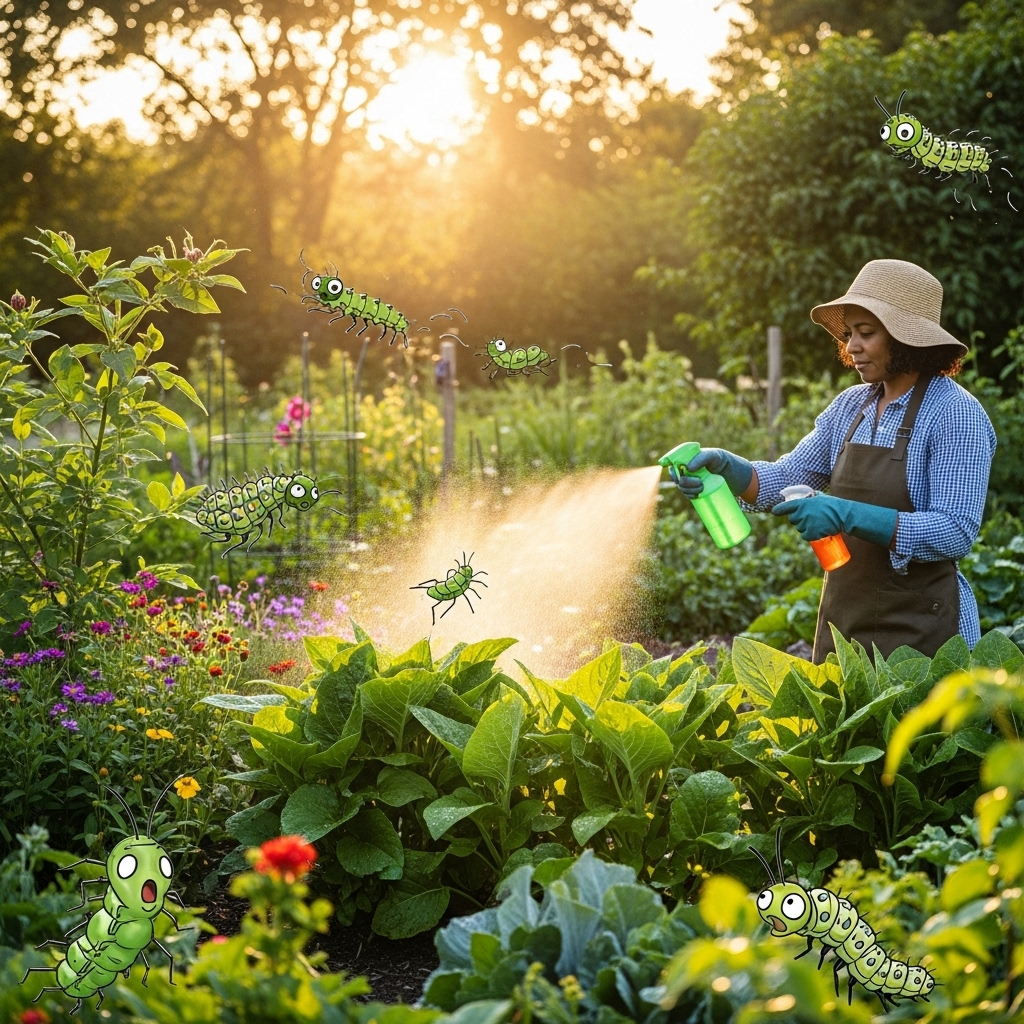
Over time, I’ve learned a few best practices for applying capsaicin effectively. First, I try to apply it early in the morning or late in the evening when temperatures are cooler and there’s less sun. This helps prevent the solution from evaporating too quickly. I also find that spraying directly on the pests, when possible, yields the best results. It’s important to cover both the tops and undersides of leaves since many pests like to hide there. I usually reapply after rain or watering, as moisture can wash away the capsaicin. Regular monitoring of my plants helps me adjust my application frequency based on pest activity.
Effectiveness of Capsaicin in Pest Control
Duration of Effectiveness
One thing I’ve noticed is that the effectiveness of capsaicin can vary. After applying my homemade spray, I’ve typically seen a reduction in pest activity for about a week, but this can depend on factors like rainfall and pest population. I’ve learned that reapplication is key, especially during peak pest seasons. It’s a bit of a dance—balancing effectiveness and ensuring I’m not over-spraying. I keep a journal of my gardening activities, noting when I spray and how the plants respond, which helps me fine-tune my approach.
Comparing Capsaicin to Other Natural Repellents
As I explored natural pest control options, I stumbled upon other repellents like neem oil and essential oils. What I found interesting was how capsaicin stacks up against these alternatives. While neem oil has its own benefits and can tackle a wider range of pests, I’ve noticed that capsaicin works particularly well against soft-bodied insects like aphids. In my experience, it’s often a matter of trial and error to see what works best for my specific garden. I’ve even combined capsaicin with other natural repellents to create a more comprehensive pest management strategy.
Limitations of Using Capsaicin
While I’ve had success with capsaicin, it’s important to acknowledge its limitations. For one, it doesn’t provide a long-term solution. I’ve faced situations where pests returned quickly after the spray wore off. Additionally, some insects seem to develop resistance over time, which can be frustrating. When I first began using capsaicin, I was amazed by its effectiveness—but over the years, I’ve realized that relying solely on it isn’t enough. I strive to maintain a diverse pest management approach, incorporating capsaicin along with other techniques to keep my garden thriving.
Safety Considerations
Effects on Beneficial Insects
One of my major concerns in using any pest control method is the impact on beneficial insects. I’ve noticed that while capsaicin repels certain pests, it can also affect pollinators like bees if applied carelessly. To minimize this risk, I make sure to apply sprays in the evening when bees are less active. I also try to avoid spraying flowering plants directly, as I want to protect the creatures that help my garden flourish. I feel a sense of responsibility as a gardener to strike a balance between protecting my plants and fostering a healthy ecosystem.
Human Safety and Sensitivity to Capsaicin
Using capsaicin requires some caution on my part as well. I remember the first time I applied my homemade spray without gloves, and I definitely learned my lesson! Capsaicin can irritate the skin and eyes, so I always wear gloves and protective eyewear. It’s also a good idea to keep the spray away from children and pets. I find that a little precaution goes a long way, and being mindful of safety helps me enjoy gardening without any nasty surprises.
Environmental Impact
Finally, I’ve considered the environmental impact of using capsaicin. Unlike synthetic pesticides, capsaicin is biodegradable and less harmful to the environment. Knowing that I’m using a natural substance gives me peace of mind. I often think about how my gardening practices can contribute to a healthier planet, and using capsaicin aligns with my values. However, I do keep in mind that overuse of even natural substances can disrupt local ecosystems, so moderation is key.
Alternative Natural Pest Control Methods
Essential Oils for Pest Control
As I continued my journey in organic gardening, I stumbled upon the world of essential oils. I was amazed at how these concentrated plant extracts could be utilized as natural pest repellents. Some of my favorites include peppermint, tea tree, and lavender oils. I learned that these oils contain compounds that are not only fragrant but also effective in deterring pests. For instance, peppermint oil seems to be quite effective against ants and spiders. I remember mixing a few drops of peppermint oil with water to create a spray, and it worked wonders around my home and garden. The scent was refreshing for me, but it definitely sent the pests packing!
Neem Oil and Other Natural Repellents
Another natural remedy that caught my attention was neem oil. Derived from the seeds of the neem tree, this oil has been used for centuries in traditional Indian medicine and agriculture. I found that neem oil acts as a growth regulator for pests, disrupting their life cycles and preventing them from reproducing. This was particularly useful for managing tougher pests like aphids and whiteflies. I remember when I combined neem oil with my capsaicin spray, and the results were impressive. The two worked in tandem, providing a multi-faceted approach to pest management that I hadn’t experienced before!
Besides neem oil, there are other natural repellents worth exploring, such as garlic and diatomaceous earth. I’ve read that garlic spray can repel a variety of pests, while diatomaceous earth works by causing dehydration in insects that crawl over it. Each of these methods offers a unique angle in tackling pest issues, and it’s fascinating to see how they can complement the use of capsaicin in my garden.
Companion Planting Strategies
In addition to sprays and oils, I discovered the concept of companion planting, which is when you plant certain species together to naturally deter pests. Some plants, like marigolds, are known to repel nematodes and aphids, while basil can help keep flies and mosquitoes at bay. I’ve had success planting marigolds alongside my vegetable garden, and it feels great knowing that I’m enhancing my garden’s defenses while adding beauty and diversity to the space. I also noticed that growing herbs like rosemary and sage not only provided culinary delights, but they also seemed to help keep unwanted insects away.
Integrating these strategies into my gardening routine has been an eye-opener. Each method has its own strengths, and by mixing and matching them, I’m able to create a more resilient ecosystem in my garden. I’ve realized that pest management doesn’t have to be a one-size-fits-all approach; rather, it can be a harmonious blend of various techniques that work together for my specific needs.
Frequently Asked Questions
What is capsaicin and where does it come from?
Capsaicin is the active compound found in chili peppers that gives them their heat. It primarily comes from the Capsicum genus of plants, which includes various types of chili peppers such as jalapeños, habaneros, and cayennes.
How does capsaicin work as an insect repellent?
Capsaicin works by affecting the sensory receptors of insects, creating a burning sensation that deters them from feeding on the plants. This makes it an appealing option for gardeners looking to protect their plants organically.
What types of insects can capsaicin repel?
Research has shown that capsaicin can effectively repel various types of insects, including aphids, beetles, and some types of caterpillars.
How can I make a homemade capsaicin spray?
To make a homemade capsaicin spray, gather dried chili peppers (cayenne works well), water, and a few drops of dish soap. Blend the dried peppers with water, let it steep overnight, strain out the solids, and add the dish soap to create a natural insect repellent.
What are the best practices for applying capsaicin?
Best practices for applying capsaicin include spraying early in the morning or late in the evening to prevent evaporation, targeting both the tops and undersides of leaves, and reapplying after rain or watering.
How long does the effectiveness of capsaicin last?
The effectiveness of capsaicin can vary, typically reducing pest activity for about a week, depending on factors like rainfall and pest population. Regular reapplication is important, especially during peak pest seasons.
What are the safety considerations when using capsaicin?
When using capsaicin, it’s important to wear gloves and protective eyewear to avoid skin and eye irritation. Additionally, apply sprays in the evening to minimize impact on beneficial insects like bees.
What are some alternative natural pest control methods besides capsaicin?
Alternative natural pest control methods include using essential oils (such as peppermint, tea tree, and lavender), neem oil, garlic spray, and diatomaceous earth, as well as implementing companion planting strategies.
What are the limitations of using capsaicin in pest control?
Limitations of using capsaicin include its lack of long-term effectiveness, as pests may return quickly after the spray wears off, and the potential for some insects to develop resistance over time.
How does capsaicin compare to traditional chemical pesticides?
Capsaicin is a natural alternative to chemical pesticides, which can harm beneficial insects and pollute the environment. Capsaicin is biodegradable and less harmful, making it a more eco-friendly option for pest management.