
Drake elm trees offer numerous benefits, including fast growth and aesthetic appeal, but they also have drawbacks like weak wood structure and invasive tendencies, making careful consideration essential before planting.
Table of Contents
The Drake Elm, also known as the Chinese Elm, is popular for its beauty and low maintenance requirements. However, like any tree, it has both pros and cons that potential planters should carefully consider before making a decision.
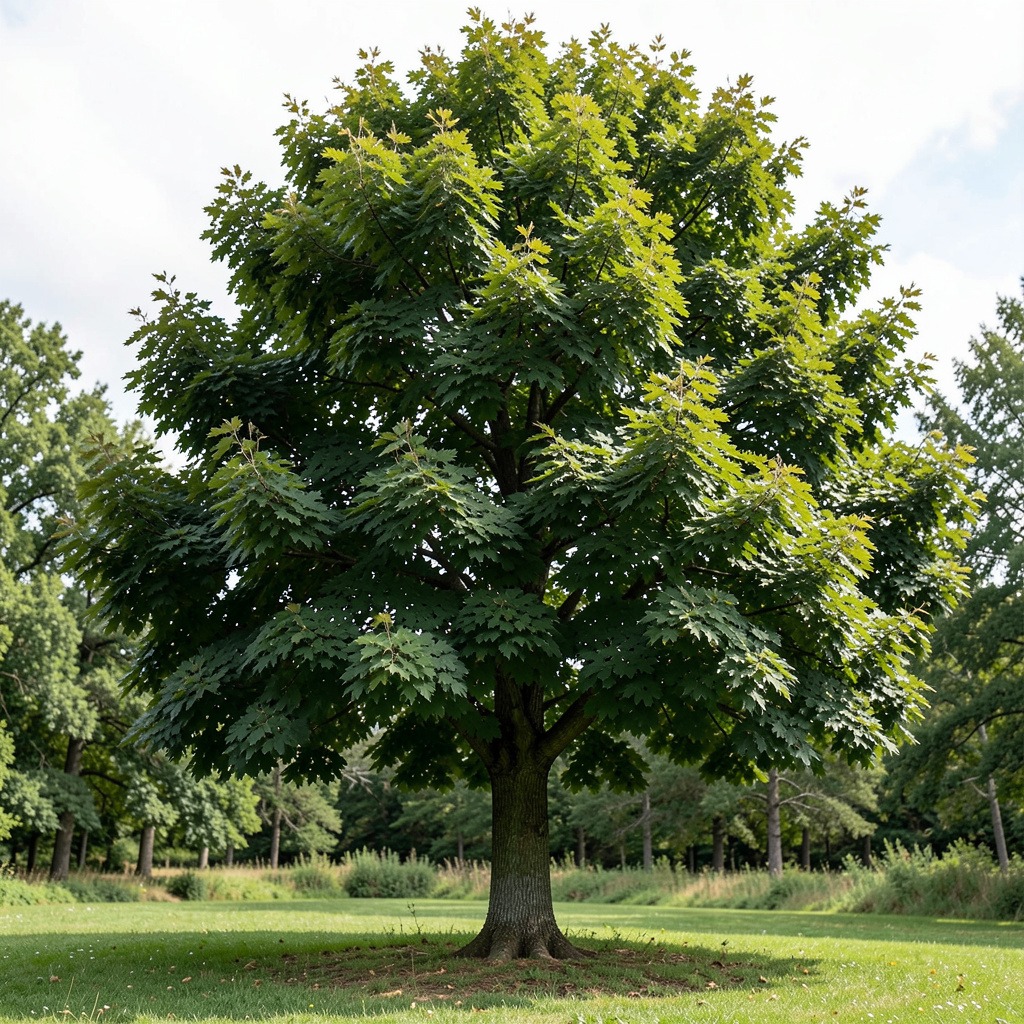
Understanding the Drake Elm Tree
The Drake Elm, scientifically known as Ulmus parvifolia ‘Drake’, is a widely favored tree renowned for its aesthetic appeal and low-maintenance requirements. Understanding its characteristics will help you make informed decisions about including it in your landscape.
Scientific Classification
- Kingdom: Plantae
- Order: Rosales
- Family: Ulmaceae
- Genus: Ulmus
- Species: Ulmus parvifolia
Key Characteristics
The Drake Elm is celebrated for several notable traits:
- Height: Typically reaches 30 to 50 feet.
- Canopy: Spreading habit with a rounded shape.
- Bark: Distinctive exfoliating bark that reveals a smooth, greenish-gray surface underneath.
- Leaves: Glossy, dark green leaves that turn yellow in the fall.
- Growth Rate: Fast-growing, with a robust structure.
These features make the Drake Elm a visually striking addition to any landscape.
Common Uses in Landscaping
The Drake Elm serves multiple purposes in landscaping:
- Shade Tree: Provides excellent shade due to its broad canopy.
- Ornamental Tree: Its unique bark and foliage enhance aesthetic appeal.
- Windbreak: Effective in reducing wind impact in gardens and yards.
When compared to other elm varieties, such as the American Elm, the Drake Elm stands out for its superior disease resistance and adaptability to different environmental conditions. This resilience makes it a preferred choice for urban settings where stress factors like pollution and soil compaction are prevalent.
In summary, the Drake Elm’s combination of beauty, resilience, and utility positions it as an excellent option for enhancing your outdoor space.
Pros of Planting a Drake Elm Tree

The Drake Elm tree offers numerous advantages that make it an appealing choice for landscaping. From its stunning appearance to its practical benefits, this tree can enhance your outdoor space significantly.
Aesthetic Appeal and Unique Bark
Drake Elms feature distinctive exfoliating bark. This characteristic provides visual interest throughout the seasons. The tree’s foliage presents a lush green canopy that turns vibrant hues in autumn. Such aesthetic qualities make it a favorite among homeowners and landscape designers alike.
Fast Growth Rate
One of the standout features of the Drake Elm is its rapid growth. These trees can reach substantial heights within a few years, offering shade and privacy sooner than many other species. This quick establishment makes them ideal for those looking to enhance their landscape without a long wait.
Low Maintenance Requirements
Drake Elms require minimal upkeep. Their hardy nature allows them to thrive in various soil types and weather conditions. Key maintenance practices include:
- Watering: Moderate watering is sufficient, especially during dry spells.
- Pruning: Occasional pruning helps maintain shape and health.
- Pest Management: They generally resist pests and diseases, reducing the need for chemical treatments.
This low-maintenance profile appeals to novice gardeners and busy homeowners who desire a beautiful landscape without extensive care commitments.
Adaptability to Environment
Drake Elms adapt well to urban settings. They tolerate pollution, compacted soil, and varying moisture levels. This resilience makes them suitable for planting in streetscapes, parks, and residential areas. Their ability to thrive in challenging conditions contributes to biodiversity and enhances the environment.
Example of Successful Landscaping
Consider a residential area that integrated Drake Elms along sidewalks. The trees not only provided shade but also improved property values due to their aesthetic appeal. Homeowners reported increased enjoyment of their outdoor spaces and a more welcoming community atmosphere.
By choosing a Drake Elm, you invest in a tree that combines beauty, practicality, and resilience, making it a worthwhile addition to any landscape.
Cons and Drawbacks of Drake Elm Trees

While Drake Elm trees offer numerous benefits for landscaping, they also come with potential drawbacks that homeowners should consider. Understanding these cons can help you make an informed decision about whether to incorporate them into your landscape.
Weak Wood Structure
Drake Elms are known for their weak wood structure. This characteristic can lead to several issues:
- Susceptibility to Breakage: High winds and heavy snow can easily cause branches to snap.
- Maintenance Needs: Regular pruning may be required to remove damaged limbs and maintain the tree’s health.
- Aesthetic Concerns: Broken branches can detract from the tree’s visual appeal.
This vulnerability raises a crucial question: Are you prepared to invest time and resources into maintaining a tree that may require frequent care?
Invasive Growth Potential
Another significant drawback of the Drake Elm is its invasive growth potential. In certain environments, these trees can spread aggressively, leading to:
- Competition with Native Species: Drake Elms may outcompete local flora, disrupting the ecosystem.
- Management Challenges: Controlling their spread can require additional effort and resources.
Before planting, consider your local environment. If you live in an area where invasive species pose a challenge, consulting with local horticulturists can provide valuable insights.
Pest Concerns
Drake Elms can attract various pests, which may lead to further complications:
- Insect Infestations: Aphids and scale insects are common pests that can weaken the tree.
- Disease Vulnerability: Their susceptibility to diseases like Dutch elm disease can compromise overall health.
Here’s a decision framework to assess whether the drawbacks outweigh the benefits:
1. Evaluate Your Climate: Consider whether your area has conditions that exacerbate weak wood or pest issues.
2. Assess Local Biodiversity: Determine if planting a Drake Elm may negatively impact native species.
3. Maintenance Commitment: Reflect on your willingness to manage potential invasive growth and pest infestations.
By weighing these factors, you can make a more informed choice about planting a Drake Elm in your landscape.
Care and Maintenance of Drake Elm Trees

Caring for Drake Elm trees is essential for their health and longevity. Understanding their specific needs can enhance their growth and aesthetic value in your landscape.
Watering and Soil Requirements
Drake Elms thrive in well-draining soil and require consistent moisture. Follow these guidelines for optimal watering and soil conditions:
- Watering Frequency: Water when the top inch of soil feels dry. Ensure thorough watering, allowing excess to drain away.
- Soil Mix: Use a combination of potting soil, perlite, and sand to retain moisture while ensuring good drainage.
- Seasonal Adjustments: In winter, reduce watering frequency as the tree enters dormancy. This prevents overwatering and root rot.
Pruning Techniques
Regular pruning helps maintain the shape and health of your Drake Elm. Adhere to these practices:
- Timing: Prune during late winter or early spring before new growth begins.
- Technique: Remove dead or crossing branches to improve air circulation and light penetration.
- Shape Maintenance: Aim for a balanced structure. Avoid excessive trimming, which can stress the tree.
Common Pests and Diseases
While Drake Elms are generally resistant to pests, it’s crucial to monitor for common issues:
- Pest Identification: Watch for aphids, spider mites, and leaf spot diseases. Signs include webbing or discoloration on leaves.
- Management Strategies: Use insecticidal soap or neem oil to treat infestations. Regularly wipe leaves to remove dust and prevent pest attraction.
Seasonal Care Checklist
To ensure your Drake Elm thrives throughout the year, follow this seasonal care checklist:
- Spring:
- Prune as needed.
- Check for pests and diseases.
- Fertilize with a balanced tree fertilizer.
- Summer:
- Water consistently, especially during heat waves.
- Monitor for pest activity.
- Fall:
- Rake fallen leaves to prevent mold and pests.
- Prepare for winter by reducing watering frequency.
- Winter:
- Protect the trunk from extreme cold with burlap wrapping if necessary.
- Limit watering as the tree is dormant.
By implementing these care strategies, you can maximize the benefits of planting a Drake Elm while minimizing potential drawbacks.
Comparing Drake Elm with Other Elm Varieties
When evaluating the Drake Elm against other elm varieties, it’s essential to consider growth patterns, maintenance needs, and overall suitability for landscaping. Each elm type offers unique advantages and potential drawbacks.
Drake Elm vs. American Elm
- Growth Rate: The Drake Elm grows faster than the American Elm, reaching maturity quicker.
- Disease Resistance: Drake Elms exhibit superior resistance to Dutch elm disease, a significant concern for American Elms.
- Aesthetic Appeal: While both trees feature attractive foliage, the Drake Elm has distinctive exfoliating bark that adds visual interest year-round.
| Feature | Drake Elm | American Elm |
|---|---|---|
| Growth Rate | Fast | Moderate |
| Disease Resistance | High | Moderate |
| Bark Appearance | Exfoliating | Smooth |
| Leaf Shape | Smaller, dense | Larger, wider |
Drake Elm vs. Lacebark Elm
- Environmental Adaptability: The Drake Elm adapts well to various soil types, while Lacebark Elms thrive best in well-drained soils.
- Maintenance Needs: Both trees are relatively low-maintenance, but Lacebark Elms may require more frequent pruning and care for optimal shape.
- Usage: The Drake Elm is often preferred for residential landscaping due to its compact size. In contrast, Lacebark Elms are suitable for larger spaces and parks.
| Feature | Drake Elm | Lacebark Elm |
|---|---|---|
| Soil Adaptability | Versatile | Well-drained |
| Maintenance | Low | Moderate |
| Ideal Landscaping Use | Residential | Public Spaces |
Suitability for Urban vs. Rural Landscaping
Drake Elms are particularly well-suited for urban environments due to their compact size and resilience to city conditions. They thrive in confined spaces and can tolerate urban pollution. In contrast, other elms like the American Elm or Lacebark Elm may be better suited for rural or larger properties.
Key Considerations:
- Urban Areas: Choose Drake Elm for its adaptability and disease resistance.
- Rural Areas: Consider other elms for larger shade coverage and aesthetic diversity.
By understanding these comparisons, you can make informed decisions about which elm tree best fits your landscaping needs.
Alternatives to Drake Elm for Landscaping
If you’re considering alternatives to the Drake Elm, several tree species can fit your landscaping needs while offering similar benefits. Here are some options that provide comparable aesthetics or low-maintenance care.
Suitable Native Trees
Choosing native trees can enhance local biodiversity and support wildlife. Here are a few native alternatives:
- Red Maple (Acer rubrum): Known for its vibrant fall color, the Red Maple thrives in various soils and is adaptable to different conditions.
- White Oak (Quercus alba): This majestic tree provides excellent shade and supports numerous bird and insect species.
- Black Gum (Nyssa sylvatica): With its stunning autumn foliage, the Black Gum is resilient and thrives in wet or dry conditions.
Low-Maintenance Alternatives
For homeowners seeking low-maintenance options, consider these trees:
- Crape Myrtle (Lagerstroemia indica): This tree offers beautiful blooms throughout summer and requires minimal care.
- Eastern Red Cedar (Juniperus virginiana): Known for its drought resistance, this tree is easy to maintain and provides year-round greenery.
- Serviceberry (Amelanchier spp.): This small tree produces white flowers in spring and edible berries in summer, all while being low-maintenance.
Trees with Similar Aesthetic Appeal
If the visual characteristics of the Drake Elm appeal to you, consider these trees that provide similar beauty:
- Japanese Maple (Acer palmatum): Renowned for its striking foliage, the Japanese Maple adds elegance and works well in smaller spaces.
- Lacebark Elm (Ulmus parvifolia): This species shares the Drake Elm’s exfoliating bark and offers a unique texture, making it a great decorative choice.
- Honeylocust (Gleditsia triacanthos): With its delicate foliage and open canopy, the Honeylocust provides dappled shade and complements various landscape designs.
When selecting an alternative tree, consider your climate, soil conditions, and desired aesthetic. Each of these options can provide ecological benefits, such as supporting local wildlife and enhancing soil health, while avoiding some of the drawbacks associated with non-native species.
Frequently Asked Questions
These quick answers cover the most common questions about this topic, including key details, practical tips, and common concerns.
What are the downsides of having elm trees?
Elm trees, including the Drake Elm, can have several drawbacks. One significant issue is their weak wood structure, which makes them susceptible to breakage during storms or heavy winds. This can lead to increased maintenance needs, as damaged branches may require frequent pruning.
Additionally, some elm species are prone to invasive growth, potentially outcompeting native plants and disrupting local ecosystems. It’s essential to consider these factors before deciding to plant an elm tree in your landscape.
How fast does a Drake Elm tree grow?
The Drake Elm is known for its rapid growth rate. Under optimal conditions, it can grow 3 to 5 feet per year, reaching heights of 30 to 50 feet within a relatively short time. This fast growth makes it an attractive option for homeowners looking for quick shade and privacy.
However, the growth rate can vary based on soil quality, water availability, and overall care. Ensuring proper maintenance can help maximize its growth potential.
How far should an elm tree be from a house?
When planting a Drake Elm or any elm tree, it’s recommended to place it at least 10 to 20 feet away from your house. This distance helps prevent potential damage to your home from falling branches and allows for adequate space for the tree’s root system to develop without interfering with foundations or underground utilities.
Consider the mature size of the tree when determining the distance. Allowing enough room will ensure both the tree and your property remain healthy and safe.
Is an elm tree good to have in your yard?
Elm trees, including the Drake Elm, can be a great addition to your yard if you consider their pros and cons. They provide excellent shade, have aesthetic appeal, and are relatively low-maintenance. Their adaptability to various soil types and urban conditions makes them suitable for many landscapes.
However, be aware of potential issues like weak wood structure and invasive growth. Assess your local environment and maintenance commitment to determine if an elm tree is the right fit for your yard.
Why are Drake Elms bad for my North Florida landscape?
In North Florida, Drake Elms can present challenges due to their susceptibility to pests and diseases, particularly in humid climates. The region’s warm and moist conditions may encourage infestations of aphids and diseases like leaf spot, which can weaken the tree.
Moreover, their invasive growth potential can disrupt local ecosystems, outcompeting native species. It’s crucial to evaluate these factors before planting a Drake Elm in this specific environment.
What are common pests affecting Drake Elm trees?
Drake Elms can attract several pests, with aphids and scale insects being the most common. These pests can weaken the tree by feeding on its sap, leading to stunted growth and potential disease susceptibility.
Regular monitoring and prompt treatment with insecticidal soap or neem oil can help manage these infestations. Keeping the tree healthy through proper care will also reduce the likelihood of pest problems.
What are alternatives to Drake Elm for landscaping?
If you’re considering alternatives to the Drake Elm, several trees can offer similar benefits. Native options like the Red Maple or White Oak provide excellent shade and support local wildlife, enhancing biodiversity in your landscape.
For low-maintenance choices, consider the Crape Myrtle or Eastern Red Cedar, both of which require minimal care while adding beauty to your yard. Each alternative has its unique characteristics, so evaluate your specific needs and local environment when making a selection.