
Dwarf Japanese maples are compact ornamental trees, typically growing between 3 to 10 feet tall, known for their stunning foliage and suitability for small gardens or container gardening.
Table of Contents
Dwarf Japanese maples, belonging to the Acer palmatum species, are ideal for gardeners with limited space. Their vibrant foliage and varied forms make them a favorite choice for small landscapes and container gardening. Explore 18 remarkable varieties in this guide.
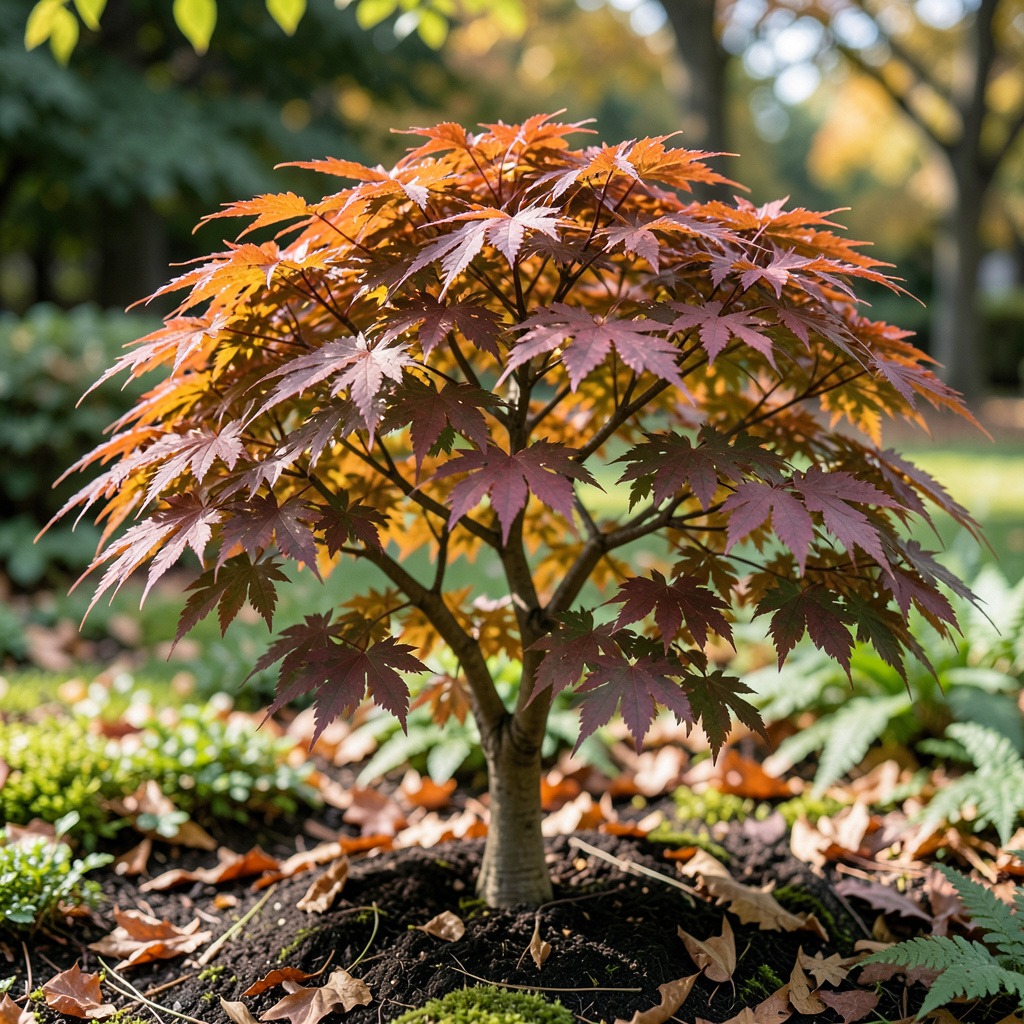
Understanding Dwarf Japanese Maples
Dwarf Japanese maples, classified under the species Acer palmatum, are compact ornamental trees prized for their stunning foliage and adaptability to small spaces. Their unique characteristics make them a popular choice among gardeners seeking beauty without requiring extensive garden areas.
Characteristics of Dwarf Japanese Maples
Dwarf Japanese maples typically grow between 3 and 10 feet (1–3 meters) tall. They are either naturally compact cultivars or selectively bred for slow growth and smaller size. Their defining features include:
- Foliage: Vivid colors in spring and fall, ranging from deep reds to bright greens.
- Form: Varieties exhibit diverse growth habits, including mounding, weeping, and upright shapes.
- Hardiness: Suitable for USDA hardiness zones 5 to 8, making them versatile for various climates.
Why Choose Dwarf Japanese Maples?
1. Space Efficiency: Ideal for small gardens, patios, or container gardening.
2. Aesthetic Appeal: Their unique shapes and vibrant colors enhance any landscape design.
3. Low Maintenance: Once established, they require minimal care, making them suitable for both novice and experienced gardeners.
Popular Varieties of Dwarf Japanese Maples
Here are some noteworthy varieties that showcase the diversity of dwarf Japanese maples:
- Crimson Queen: Known for its cascading branches and striking red foliage, this variety thrives in partial shade.
- Shishigashira: Features dense, lion’s mane-like leaves that change color with the seasons, ideal for small gardens.
- Burgundy Lace: Offers delicate, finely dissected leaves with a rich burgundy color, perfect for adding texture.
For a stunning addition to your garden, consider the Dwarf Japanese Maple Tree – Acer Palmatum Crimson Queen.
Dwarf Japanese maples combine beauty and practicality, providing an ideal solution for limited spaces while enriching any landscape with their elegance.
18 Best Dwarf Japanese Maple Varieties

Dwarf Japanese maples are celebrated for their stunning foliage and compact size, making them perfect for small gardens and container gardening. Here are 18 exquisite varieties that can enhance any landscape with their unique characteristics.
1. Crimson Queen
- Foliage: Cascading branches with striking red leaves.
- Growth Habit: Weeping form, ideal for draping over rocks or containers.
- Sunlight Needs: Thrives in partial shade.
2. Fireball
- Foliage: Bright red leaves that emerge in spring.
- Growth Habit: Compact and rounded, reaching about 3 feet tall.
- Sunlight Needs: Prefers full sun to partial shade.
3. Tamukeyama
- Foliage: Deep burgundy leaves that retain color throughout the season.
- Growth Habit: Fast-growing and slightly upright.
- Sunlight Needs: Tolerates full sun but prefers some afternoon shade.
4. Red Filigree
- Foliage: Exceptionally small, delicate burgundy leaves.
- Growth Habit: Compact, suitable for small spaces.
- Sunlight Needs: Thrives in deep shade, maintaining rich color.
5. Orangeola
- Foliage: Pendulous branches with orange-red leaves.
- Growth Habit: Fast growth with a waterfall appearance.
- Sunlight Needs: Best in partial shade.
6. Viridis
- Foliage: Lacy, green leaves that turn golden in fall.
- Growth Habit: Weeping form, perfect for ground cover.
- Sunlight Needs: Prefers partial shade to full sun.
7. Shishigashira
- Foliage: Dense, lion’s mane-like leaves that shift in color.
- Growth Habit: Upright and compact, about 3-5 feet tall.
- Sunlight Needs: Thrives in partial shade.
8. Garnet
- Foliage: Deep red foliage that holds color well.
- Growth Habit: Compact size, reaching up to 5 feet tall.
- Sunlight Needs: Full sun to partial shade.
9. Burgundy Lace
- Foliage: Finely dissected leaves with a rich burgundy hue.
- Growth Habit: Small and bushy, suitable for containers.
- Sunlight Needs: Partial shade is ideal.
10. Seiryu
- Foliage: Unique, finely dissected green leaves.
- Growth Habit: Upright form, reaching up to 8 feet.
- Sunlight Needs: Prefers full sun.
11. Kiyohime
- Foliage: Small green leaves that turn yellow in fall.
- Growth Habit: Compact and rounded, perfect for small spaces.
- Sunlight Needs: Full sun to partial shade.
12. Bloodgood
- Foliage: Dark red leaves that provide stunning contrast.
- Growth Habit: Slightly taller than most dwarf varieties, about 6-8 feet.
- Sunlight Needs: Thrives in full sun.
13. Sango Kaku (Coral Bark Maple)
- Foliage: Bright green leaves with striking coral-red bark.
- Growth Habit: Upright and graceful, reaching about 8 feet.
- Sunlight Needs: Best in full sun.
14. Hime Shojo
- Foliage: Small, bright red leaves that maintain color well.
- Growth Habit: Compact and bushy, growing up to 3 feet.
- Sunlight Needs: Full sun to partial shade.
15. Little Princess
- Foliage: Soft, green leaves with a delicate appearance.
- Growth Habit: Compact, reaching around 3-4 feet tall.
- Sunlight Needs: Prefers partial shade.
16. Aoyagi
- Foliage: Bright green leaves that turn golden in fall.
- Growth Habit: Compact and rounded, about 4-5 feet tall.
- Sunlight Needs: Full sun for optimal color.
17. Murasaki Kiyohime
- Foliage: Deep purple leaves that change color throughout the seasons.
- Growth Habit: Compact and bushy, ideal for containers.
- Sunlight Needs: Prefers partial shade.
18. Butterfly
- Foliage: Variegated leaves with green and white colors.
- Growth Habit: Reaches about 5 feet tall, with a graceful form.
- Sunlight Needs: Best in partial shade to protect its colors.
These varieties not only enhance the aesthetic appeal of small gardens but also adapt well to container gardening. When selecting a dwarf Japanese maple, consider its unique traits, including growth habits and seasonal color changes, to find the perfect fit for your landscape.
Why Choose Dwarf Japanese Maples for Your Garden?

Dwarf Japanese maples are sought after for their stunning foliage and versatility in small spaces. These compact trees not only enhance the aesthetic appeal of gardens but also thrive in container settings.
Aesthetic Appeal
The beauty of dwarf Japanese maples lies in their vibrant colors and unique leaf shapes. Here are some characteristics that make them visually striking:
- Seasonal Color Changes: Varieties like ‘Fireball’ maintain bright red foliage from spring through fall, while ‘Butterfly’ shifts from pink-tinged white to magenta.
- Diverse Foliage Shapes: Leaves can range from palmate to finely dissected, adding texture to your garden.
- Compact Growth Habit: With heights ranging from 3 to 10 feet, they fit perfectly in tight spaces without overwhelming the landscape.
Adaptability to Small Spaces
Dwarf Japanese maples are ideal for urban gardening and small yards. Their adaptability allows for various planting scenarios:
- Container Gardening: They thrive in pots, making them perfect for patios, balconies, or small courtyards. Regular watering and a well-draining mix keep them healthy.
- Garden Design: Use as focal points or in groupings with other low-growing plants. Their striking color contrasts beautifully with greens and perennials.
- Bonsai Potential: Many cultivars are suitable for bonsai, allowing gardeners to create miniature landscapes.
Successful Garden Examples
Consider the following scenarios to maximize the beauty of dwarf Japanese maples in your landscape:
- Urban Rooftops: Pair ‘Crimson Queen’ with trailing plants for a stunning display. This variety offers cascading branches and vibrant colors, perfect for vertical interest.
- Japanese Zen Gardens: Position ‘Murasaki Kiyohime’ among rocks and gravel. Its compact form and delicate foliage create tranquility.
- Mixed Border Plantings: Combine several dwarf varieties for a dynamic look. Use ‘Orange Dream’ for its bright spring color and ‘Pixie’ for its steady summer presence.
In summary, dwarf Japanese maples provide exceptional aesthetic value and adaptability, making them a top choice for small gardens and containers. For a vibrant addition, consider the Dwarf Japanese Maple Tree – Acer Palmatum Crimson Queen.
Care and Maintenance of Dwarf Japanese Maples
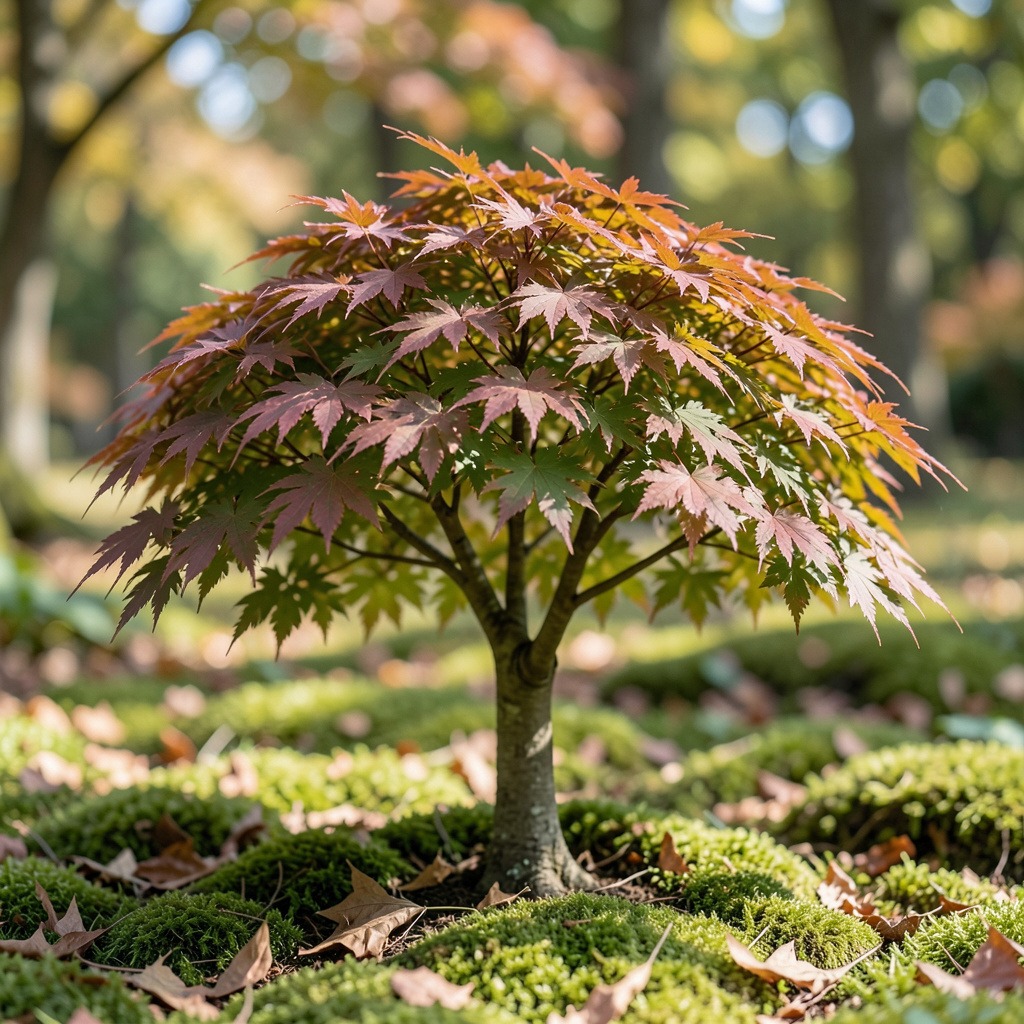
Dwarf Japanese maples require careful attention to thrive. Proper watering, sunlight, and fertilization are crucial for their health.
Watering Requirements
Dwarf Japanese maples need consistent moisture, especially during their early growth stages. Here’s a quick guideline:
- Establishment Period: Water regularly for the first two years. Aim for deep watering rather than frequent shallow watering.
- Established Trees: Once established, these trees can tolerate short dry spells. However, during prolonged droughts, provide deep, infrequent irrigation.
- Watering Checklist:
- Check soil moisture weekly.
- Water deeply until the top 12 inches of soil are moist.
- Avoid overwatering; ensure good drainage.
Sunlight Needs
Sunlight is vital for the growth and color of dwarf Japanese maples, but the amount varies by cultivar:
- Partial Shade: Most prefer partial shade, especially in warmer climates. This prevents leaf scorch.
- Full Sun: Green-leaved varieties can tolerate full sun but may still benefit from dappled shade.
- Specific Needs: Red- and purple-leaved cultivars require some sun for optimal leaf coloration.
Fertilization Tips
Fertilization is simple but essential for healthy growth:
- Feeding Schedule: Apply a slow-release, balanced fertilizer in early spring.
- Frequency: Most established trees require only one application per year.
- Caution: Avoid over-fertilizing. Excessive nutrients lead to rapid growth that is susceptible to frost damage and diseases.
- Fertilization Checklist:
- Use slow-release formulas.
- Follow the manufacturer’s recommended rates.
- Monitor growth and adjust feeding if necessary.
Pruning for Health and Aesthetics
Pruning helps maintain shape and health:
- Timing: Prune in late winter or early spring before new growth begins.
- Techniques: Remove dead or crossing branches to improve air circulation.
- Aesthetic Pruning: Shape the tree to enhance its natural form, particularly for container-grown specimens.
By following these care guidelines, you can ensure your dwarf Japanese maple thrives. Each step contributes to a vibrant and healthy tree, enhancing your garden’s beauty.
Common Issues with Dwarf Japanese Maples
Dwarf Japanese maples, while stunning, can encounter several common problems. Understanding these issues and their solutions is crucial for maintaining the health and beauty of your tree.
Pest Management
Pests can significantly affect the vitality of dwarf Japanese maples. Here are some typical pests and their treatment options:
- Aphids: These small insects suck sap and can cause leaf curling. Use insecticidal soap or neem oil for effective control.
- Spider Mites: Indicated by webbing and stippled leaves, spider mites thrive in dry conditions. Increase humidity and apply miticides if necessary.
- Scale Insects: These pests appear as small bumps on stems and leaves. Treat with horticultural oil to suffocate them.
Disease Prevention
Dwarf Japanese maples are also susceptible to various diseases. Awareness of these diseases can help you take preventive measures:
- Root Rot: Caused by overwatering, root rot leads to yellowing leaves and wilting. Ensure proper drainage and reduce watering frequency.
- Fungal Infections: Leaf spot and powdery mildew can develop in humid conditions. Improve air circulation and remove infected leaves promptly.
- Verticillium Wilt: This soil-borne fungus causes wilting and yellowing. Unfortunately, there is no cure, but maintaining healthy soil can reduce risk.
Care Strategies
Implement these care strategies to enhance the resilience of your dwarf Japanese maple:
- Watering: Water deeply but infrequently to encourage strong root growth. Avoid waterlogging.
- Mulching: Apply a layer of mulch to retain moisture and suppress weeds. Ensure it does not touch the trunk.
- Fertilization: Light feeding in early spring with a slow-release fertilizer will support healthy growth without encouraging vulnerability to pests.
By recognizing and addressing these common issues, you can maintain the health and aesthetic appeal of your dwarf Japanese maple.
Dwarf vs. Standard Japanese Maples: Key Differences
Dwarf Japanese maples and standard Japanese maples differ significantly in size, growth habits, and ideal growing conditions. Understanding these distinctions helps gardeners choose the right variety for their space.
Growth Habits
Dwarf Japanese maples, such as Acer palmatum cultivars, typically reach heights of 3 to 10 feet. In contrast, standard Japanese maples can grow between 20 to 25 feet. This size difference makes dwarf varieties ideal for small gardens and container planting.
| Feature | Dwarf Japanese Maple | Standard Japanese Maple |
|---|---|---|
| Height | 3 to 10 feet | 20 to 25 feet |
| Growth Rate | Slower, compact growth | Faster, larger growth |
| Space Requirement | Minimal, suitable for tight spaces | Requires ample space |
Suitability for Small Spaces
Dwarf Japanese maples excel in urban gardens, balconies, and small backyards. Their compact form allows them to fit into narrow borders and tight passages. In contrast, standard Japanese maples need more room to thrive.
Key Considerations for Choosing Dwarf Varieties:
- Container Gardening: Dwarf varieties adapt well to containers, making them flexible for various settings.
- Design Aesthetics: Their unique foliage and shape provide striking visual interest without overwhelming smaller areas.
Care Requirements
Both types require similar care, but dwarf varieties tend to be more forgiving in limited spaces. They typically need less water and nutrients, making them easier to manage in confined gardens.
| Care Aspect | Dwarf Japanese Maple | Standard Japanese Maple |
|---|---|---|
| Watering | Deep, infrequent | Consistent, more frequent |
| Fertilization | Light feeding | Regular feeding |
By comparing these growth habits, suitability for small spaces, and care requirements, gardeners can make informed decisions on which maple variety best meets their needs.
Container Gardening with Dwarf Japanese Maples
Growing dwarf Japanese maples in containers offers a fantastic way to enjoy their beauty, especially in limited spaces. These compact trees thrive in pots, allowing you to create stunning displays on patios, balconies, or any small garden area.
Choosing the Right Pot
Selecting the right container is crucial for the health of your dwarf Japanese maple. Consider these factors:
- Size: Choose a pot that is at least 12-18 inches in diameter. This provides enough room for root growth.
- Material: Opt for breathable materials like terracotta or ceramic. These help regulate moisture levels.
- Drainage: Ensure the pot has adequate drainage holes. This prevents root rot by allowing excess water to escape.
Ideal Soil Types
The soil you use plays a significant role in the success of your container garden. Here are key recommendations:
- Acidic Soil: Dwarf Japanese maples prefer a soil pH between 5.5 and 6.5. Use an ericaceous potting mix to maintain this acidity.
- Well-Draining Mix: Combine potting soil with perlite or grit to increase drainage. A good mix might include 60% potting soil and 40% perlite.
- Moisture Retention: Add a layer of mulch on top of the soil. This helps retain moisture and keeps the temperature stable.
Step-by-Step Potting Guide
1. Select Your Dwarf Maple: Choose a cultivar that suits your aesthetic preferences and growing conditions.
2. Prepare the Pot: Place a layer of gravel or small stones at the bottom for drainage.
3. Add Soil: Fill the pot with your well-draining soil mix, leaving space at the top for the plant.
4. Planting: Remove the dwarf maple from its nursery container and gently loosen any tightly bound roots. Place it in the pot at the same depth it was growing in its original container.
5. Watering: Water the plant thoroughly after potting. Ensure the water drains out completely.
6. Positioning: Place the container in a location with partial shade, especially during the hottest part of the day.
By following these guidelines, you can create a thriving environment for your dwarf Japanese maple in a container. Each step ensures that your tree not only survives but flourishes, enhancing your garden’s beauty.
Seasonal Care Tips for Dwarf Japanese Maples
Dwarf Japanese maples require specific care throughout the year to thrive. Understanding their seasonal needs will enhance their beauty and longevity.
Spring Care: Awakening Growth
- Fertilization: Apply a slow-release, balanced fertilizer in early spring. This provides essential nutrients as the tree begins to grow.
- Watering: Increase watering frequency as temperatures rise. Ensure the soil remains moist but not waterlogged.
- Pruning: Lightly prune to shape the tree and remove any dead or damaged branches. This encourages healthy new growth.
Summer Care: Managing Heat
- Watering: During hot months, ensure deep, infrequent watering. This promotes strong root development and drought tolerance.
- Mulching: Apply a layer of mulch around the base. This helps retain moisture and suppress weeds.
- Shade: Monitor leaf scorch. If leaves appear burnt, provide temporary shade during the hottest part of the day.
Autumn Care: Preparing for Dormancy
- Watering: Gradually reduce watering as the season progresses. Ensure the tree is hydrated before the first frost.
- Leaf Cleanup: Rake fallen leaves to prevent disease. This also allows for better air circulation around the tree.
- Winter Preparation: Consider wrapping the base of the tree with burlap in colder climates to protect against frost.
Winter Care: Protecting Your Tree
- Watering: Water sparingly. Only check if the ground is dry. Overwatering in winter can lead to root rot.
- Mulching: Maintain mulch to protect roots from extreme cold.
- Location: Ensure container-grown trees are insulated from freezing temperatures. Move them to a sheltered location if necessary.
Seasonal Care Calendar for Dwarf Japanese Maples
| Season | Care Activity |
|---|---|
| Spring | Fertilize, Water, Prune |
| Summer | Deep Water, Mulch, Provide Shade |
| Autumn | Reduce Water, Clean Leaves, Prepare |
| Winter | Minimal Water, Maintain Mulch |
By following these seasonal guidelines, you can ensure your dwarf Japanese maple remains healthy and visually striking in your garden or container.
Selecting the Right Dwarf Japanese Maple for Your Garden
Choosing the right dwarf Japanese maple involves understanding your garden’s conditions and aesthetic goals. These compact trees offer a range of colors and shapes, making them suitable for various small spaces.
Consider Your Garden Conditions
When selecting a dwarf Japanese maple, consider these factors:
- Light Requirements: Most dwarf varieties thrive in partial shade, especially in warmer climates. In cooler zones, some may tolerate full sun.
- Soil Type: Dwarf Japanese maples prefer well-draining, slightly acidic soil. Poor drainage can lead to root rot.
- USDA Hardiness Zones: Match the cultivar to your zone. Common varieties are rated for zones 5 through 8, but specific selections may have narrower tolerances.
Aesthetic Goals and Size
Dwarf Japanese maples can enhance your garden’s visual appeal. Here’s how to choose based on aesthetics:
- Leaf Shape and Color: Varieties like ‘Viridis’ feature lacy green leaves, while ‘Bloodgood’ offers striking red foliage. Decide on a color palette that complements your garden.
- Growth Habit: Some cultivars, such as ‘Waterfall’, have a weeping form, ideal for containers or garden edges. Others, like ‘Shaina’, maintain a more upright shape, perfect for focal points.
Checklist for Selection
Use this checklist to ensure you select the right dwarf Japanese maple:
- Assess light and soil conditions.
- Choose based on desired color and leaf shape.
- Confirm the cultivar’s hardiness zone compatibility.
- Consider the tree’s growth habit and mature size.
- Plan for seasonal changes and maintenance.
By following these guidelines, you can select a dwarf Japanese maple that thrives in your garden.
Integrating Dwarf Japanese Maples into Landscape Design
Dwarf Japanese maples are versatile ornamental trees that can enhance various landscape designs. Their compact size and stunning foliage make them ideal for small gardens, containers, and urban settings.
Creative Uses in Landscape Design
1. Focal Points: Position dwarf Japanese maples as central features in your garden. Their vibrant colors and unique shapes draw attention and create visual interest. For instance, a ‘Shaina’ can serve as a striking centerpiece against a backdrop of evergreen shrubs.
2. Container Gardening: Utilize dwarf Japanese maples in decorative pots for patios, balconies, or entryways. This approach allows easy mobility and adaptability. Choose varieties like ‘Waterfall’ for their weeping form, which softens hardscapes and adds elegance.
3. Layered Planting: Combine dwarf Japanese maples with other plants to create depth and texture. Pair them with perennials or ground covers for a multi-dimensional effect. For example, planting ‘Viridis’ alongside colorful flowering plants can enhance seasonal beauty.
Design Considerations
- Sunlight Requirements: Ensure your selected variety matches the light conditions of your space. Most dwarf Japanese maples prefer partial shade, especially in hotter climates.
- Soil Compatibility: Use well-draining soil enriched with organic matter. This promotes healthy root development and vibrant foliage.
- Seasonal Interest: Select varieties that showcase different colors in spring, summer, and fall. This ensures your landscape remains visually appealing throughout the year.
Case Studies of Successful Integrations
- Urban Rooftops: A city garden featured ‘Crimson Queen’ dwarf Japanese maples in containers, providing a lush, green escape in a concrete environment. These trees thrived with careful attention to watering and sunlight.
- Small Backyards: In a compact backyard design, ‘Green Cascade’ was paired with stepping stones and low-growing ground cover. This combination created a serene pathway that highlighted the maple’s cascading branches.
By integrating dwarf Japanese maples thoughtfully, you can enhance your landscape with beauty and functionality. These trees not only provide aesthetic value but also contribute to a harmonious garden environment.
Conclusion: The Beauty of Dwarf Japanese Maples
Dwarf Japanese maples are not only visually striking but also practical for small gardens and container gardening. Their compact size and stunning foliage make them a favorite among gardeners looking to enhance limited spaces.
Aesthetic Appeal
The unique coloration and delicate leaf shapes of dwarf Japanese maples add year-round interest. Here are some key benefits:
- Variety of Colors: From deep reds to vibrant greens, there’s a cultivar for every aesthetic preference.
- Seasonal Changes: The foliage transforms beautifully with the seasons, offering dynamic visual interest.
- Space Efficiency: Their smaller stature makes them ideal for confined spaces like balconies and small yards.
Care and Maintenance
Caring for dwarf Japanese maples is straightforward, allowing even novice gardeners to thrive:
- Watering Needs: Regular watering during establishment; once established, they require deep, infrequent irrigation.
- Fertilization: A single application of slow-release fertilizer in early spring suffices.
- Pruning: Minimal pruning is needed, focusing on maintaining shape and removing dead or damaged branches.
Growing Conditions
Understanding the growing requirements is essential for success:
- Sunlight: Most varieties prefer partial shade to full sun, depending on the specific cultivar.
- Soil Type: Well-draining, slightly acidic soil is ideal for healthy growth.
- Hardiness Zones: Many dwarf Japanese maples thrive in USDA hardiness zones 5-8, making them versatile for various climates.
In summary, dwarf Japanese maples provide beauty and functionality in small landscapes. Their diverse varieties, manageable care needs, and stunning seasonal transformations make them a valuable addition to any garden.
Frequently Asked Questions
These quick answers cover the most common questions about this topic, including key details, practical tips, and common concerns.
How tall do dwarf Japanese maples get?
Dwarf Japanese maples typically range from 3 to 10 feet in height, depending on the variety. For example, cultivars like ‘Crimson Queen’ may grow to about 5 feet, while ‘Tamukeyama’ can reach up to 8 feet. Their compact size makes them ideal for small gardens and container gardening.
What are the downsides of Japanese maples?
While dwarf Japanese maples are beautiful, they have some drawbacks. They can be susceptible to pests like aphids and spider mites, which may require management. Additionally, their preference for well-draining, slightly acidic soil means they can struggle in poorly drained or overly alkaline conditions. Lastly, they may not thrive in extremely hot or cold climates outside their hardiness zones.
Do dwarf Japanese maples like full sun?
Most dwarf Japanese maples prefer partial shade, especially in warmer climates, as too much direct sunlight can cause leaf scorch. However, some varieties, like ‘Bloodgood,’ can tolerate full sun if given adequate moisture. It’s essential to consider the specific needs of the variety you choose to ensure optimal health.
What are the best dwarf Japanese maple trees?
Some of the best dwarf Japanese maples include ‘Crimson Queen’ for its cascading red foliage, ‘Tamukeyama’ for its deep burgundy leaves, and ‘Shishigashira’ for its unique lion’s mane-like foliage. Each variety offers distinct colors and growth habits, making them suitable for various landscape designs and container gardening.
What are the common problems with dwarf Japanese maples?
Common issues include pests like aphids and spider mites, which can affect leaf health. Fungal diseases such as leaf spot may also occur in humid conditions. Additionally, overwatering can lead to root rot, so ensuring proper drainage is crucial. Regular monitoring and prompt treatment can help maintain their health.
How do I choose the right dwarf Japanese maple for my garden?
To select the right dwarf Japanese maple, consider your garden’s light conditions, soil type, and desired aesthetic. Assess whether you want vibrant red or green foliage and think about the tree’s growth habit. Check the USDA hardiness zone of the variety to ensure it will thrive in your climate. This thoughtful approach will help you find the perfect fit for your landscape.
Are there alternatives to dwarf Japanese maples?
Yes, several small ornamental trees can serve as alternatives to dwarf Japanese maples. Consider options like ‘Little Gem’ magnolia, ‘Royal Burgundy’ crabapple, or ‘Snow Fountain’ weeping cherry. These trees also offer beautiful foliage and compact sizes, making them suitable for small gardens and containers.