
The Dwarf Korean Lilac tree offers compact beauty and fragrant blooms, making it an excellent choice for small gardens.
Table of Contents
The Dwarf Korean Lilac (Syringa meyeri ‘Palibin’) is a popular choice for gardeners seeking a compact shrub with beautiful purple blooms. This guide explores the 11 pros and cons of growing this delightful plant, helping you make an informed decision.
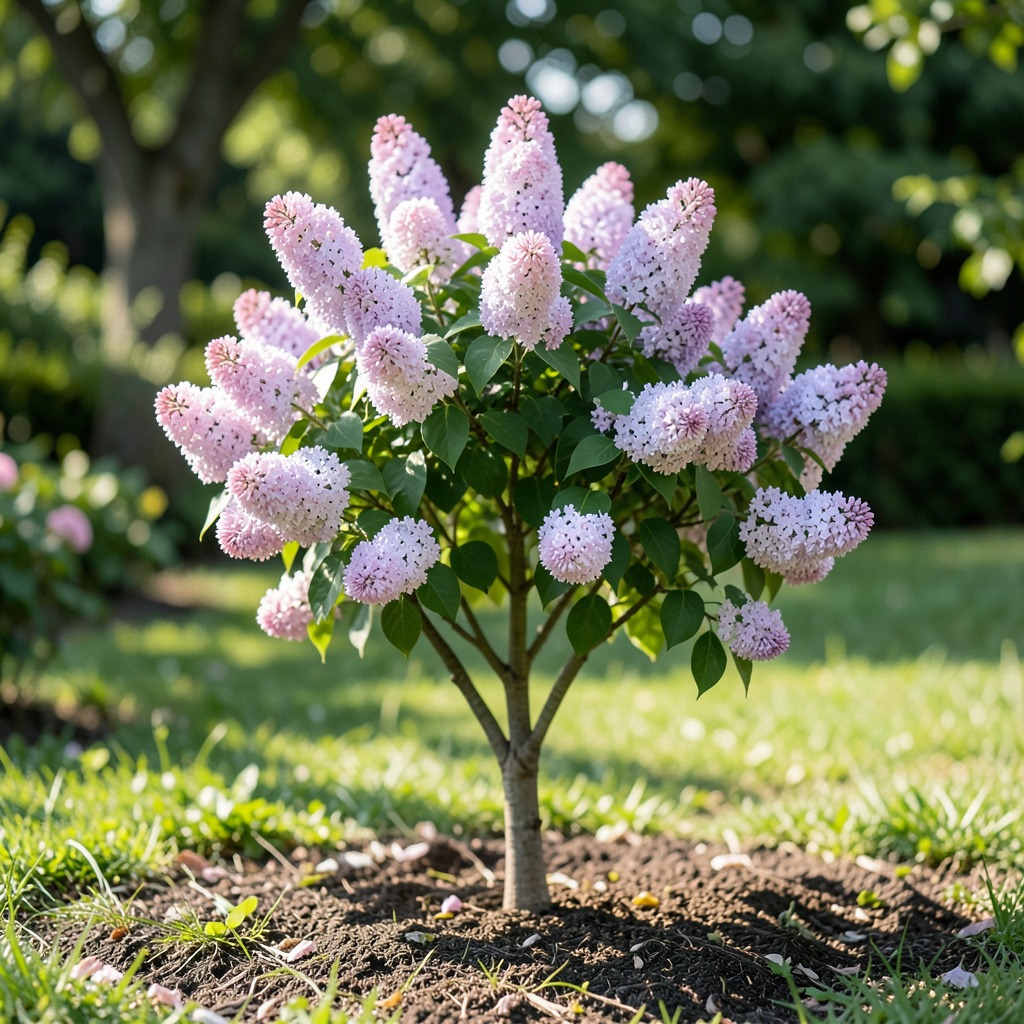
Understanding the Dwarf Korean Lilac Tree
The Dwarf Korean Lilac (Syringa meyeri ‘Palibin’) is a compact, deciduous shrub admired for its stunning lavender-purple blooms and manageable size. It thrives in small gardens, making it an ideal choice for urban landscapes.
Key Characteristics of Dwarf Korean Lilac
- Scientific Classification: The Dwarf Korean Lilac belongs to the family Oleaceae and is scientifically known as Syringa meyeri ‘Palibin’.
- Size: Typically grows to a height of 4-5 feet and spreads about 6-8 feet wide, making it suitable for limited spaces.
- Blooming: Produces dense clusters of small flowers in late spring to early summer, attracting pollinators like bees and butterflies.
- Foliage: Features dark green, heart-shaped leaves that provide an elegant backdrop, enhancing its visual appeal.
- Growth Rate: Exhibits a slow growth rate, reaching maturity in approximately 5-7 years depending on environmental conditions.
Planting and Care Requirements
To ensure optimal growth, consider the following planting and care guidelines:
- Sunlight: Prefers full sun to partial shade for the best flowering.
- Soil: Thrives in well-drained, loamy soil. Amend heavy soils with organic matter for improved drainage.
- Watering: Requires consistent moisture during the first year. Once established, it tolerates drought but benefits from occasional deep watering.
Advantages and Disadvantages
Advantages
- Compact Size: Perfect for small gardens and urban settings.
- Low Maintenance: Minimal pruning needed compared to other lilacs that sucker.
- Fragrant Blooms: Offers a delightful scent that enhances garden aesthetics.
Disadvantages
- Slow Growth: Takes time to reach full size, which may deter impatient gardeners.
- Limited Color Range: Primarily available in shades of purple, which may not suit every landscape design.
Environmental Benefits
Planting Dwarf Korean Lilacs contributes to biodiversity. Their flowers attract various pollinators, supporting local ecosystems. Additionally, their compact size allows for more efficient use of space, making them a versatile choice for sustainable landscaping.
1. Compact Size: Perfect for Small Gardens
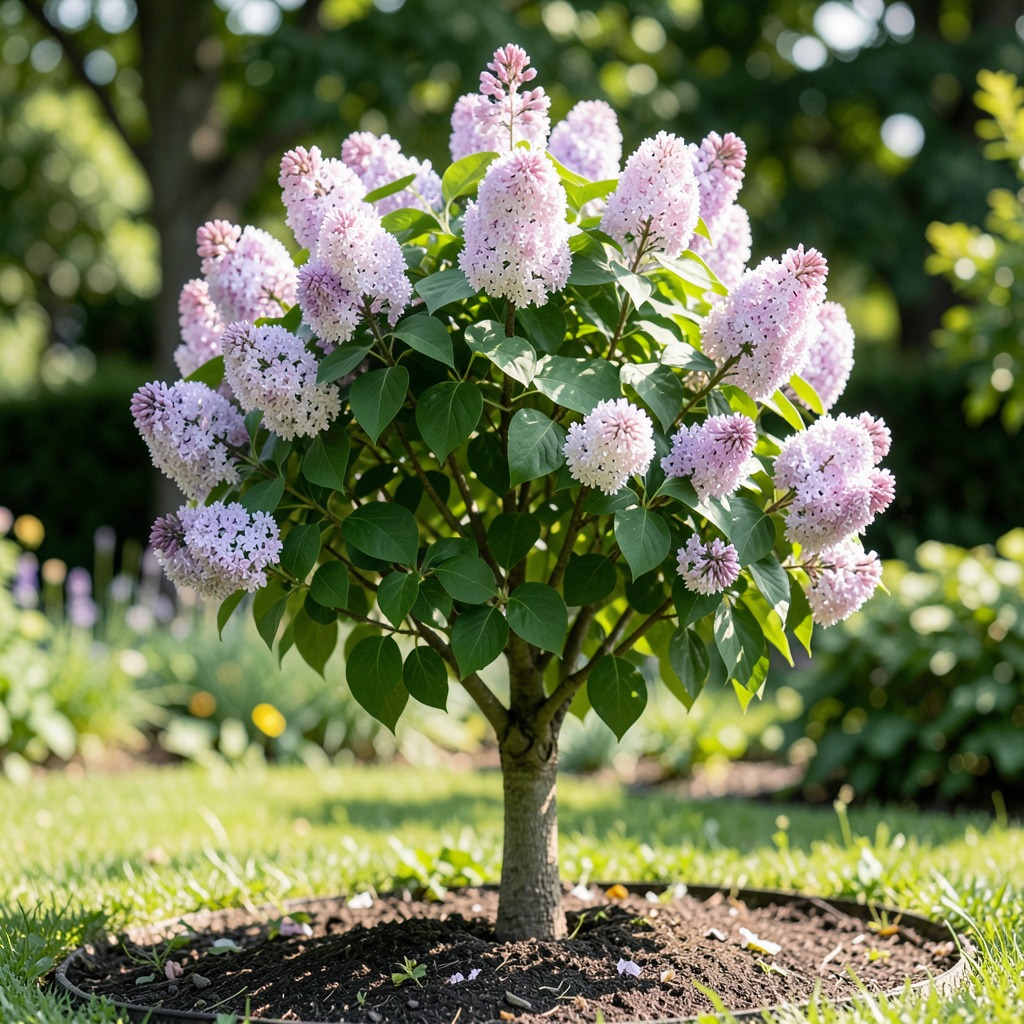
The Dwarf Korean Lilac tree’s compact size makes it an excellent choice for limited spaces. It thrives in small gardens, urban settings, and container arrangements, allowing gardeners to enjoy its beauty without sacrificing valuable square footage.
Ideal Dimensions for Small Spaces
The Dwarf Korean Lilac typically grows to a height of 4 to 5 feet and spreads about 4 to 5 feet wide. This makes it suitable for various landscaping scenarios, including:
- Container Gardening: Perfect for patios or balconies.
- Garden Borders: Ideal for creating defined edges without overwhelming other plants.
- Foundation Planting: Complements the exterior of homes without crowding.
Versatility in Garden Design
The Dwarf Korean Lilac fits seamlessly into different garden styles. It enhances aesthetics while serving practical purposes. Here are specific design ideas:
- Cottage Gardens: Adds a charming touch with its fragrant blooms.
- Modern Landscapes: Provides a clean, compact look that aligns with minimalist designs.
- Pollinator Gardens: Attracts bees and butterflies, contributing to biodiversity.
Planting Considerations
When incorporating Dwarf Korean Lilacs into your garden, consider the following:
- Sunlight Needs: Prefers full sun to partial shade.
- Soil Type: Adaptable but thrives in well-drained, fertile soil.
- Spacing: Allow at least 3 feet between plants for optimal air circulation and growth.
By understanding these aspects, gardeners can effectively leverage the Dwarf Korean Lilac’s compact size to enhance their landscape while enjoying its aromatic blooms.
2. Fragrant Blooms: Attracting Pollinators
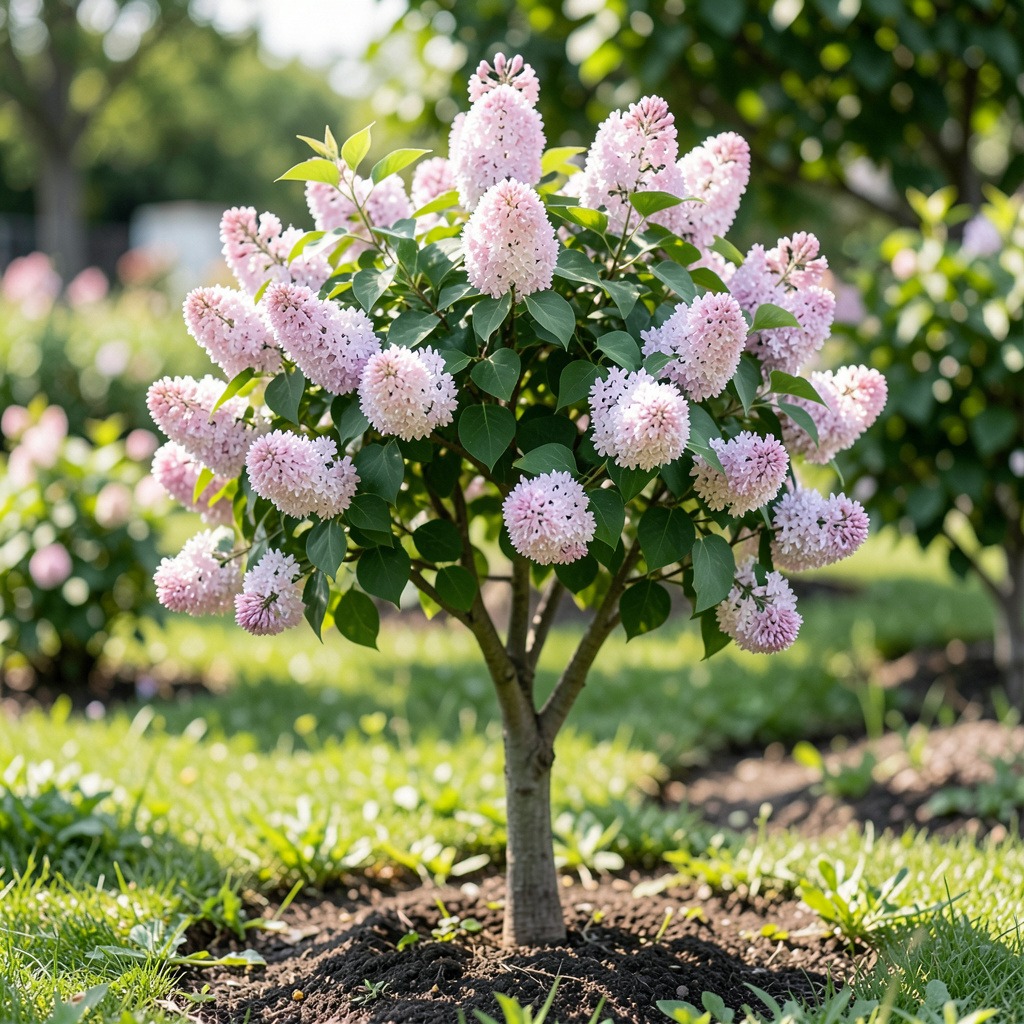
The Dwarf Korean Lilac tree is renowned for its aromatic flowers, which play a vital role in attracting various pollinators. These fragrant blooms not only enhance your garden’s beauty but also contribute significantly to local ecosystems.
Pollinator Species Attracted by Dwarf Korean Lilacs
Dwarf Korean Lilacs attract a variety of beneficial pollinators, including:
- Bees: Both honeybees and native bees are drawn to the nectar-rich flowers, helping to pollinate other plants in the vicinity.
- Butterflies: These colorful insects are enticed by the lilac’s vibrant blooms, providing visual delight and supporting biodiversity.
- Hummingbirds: The sweet scent and nectar of the flowers attract these small birds, adding life to your garden.
Benefits of Supporting Pollinators
Planting Dwarf Korean Lilacs can offer several benefits to your garden and the environment:
- Biodiversity: By attracting pollinators, you contribute to the health of local ecosystems, promoting a balanced environment.
- Fruit and Vegetable Production: Increased pollinator activity can enhance the yield of nearby flowering plants, fruits, and vegetables.
- Aesthetic Appeal: The presence of butterflies and hummingbirds adds dynamic beauty to your garden, creating a lively atmosphere.
Decision Framework for Pollinator-Friendly Gardening
When considering plants to enhance your garden’s pollinator-friendly environment, keep these factors in mind:
- Plant Variety: Include a mix of flowering plants that bloom at different times to provide a continuous food source for pollinators.
- Plant Placement: Position Dwarf Korean Lilacs in sunny locations where pollinators are more likely to visit.
- Avoid Pesticides: Minimize or eliminate pesticide use to protect beneficial insects that frequent your garden.
Incorporating Dwarf Korean Lilacs not only beautifies your space but also supports essential pollinator populations, making it a wise choice for eco-conscious gardeners.
3. Low Maintenance Requirements
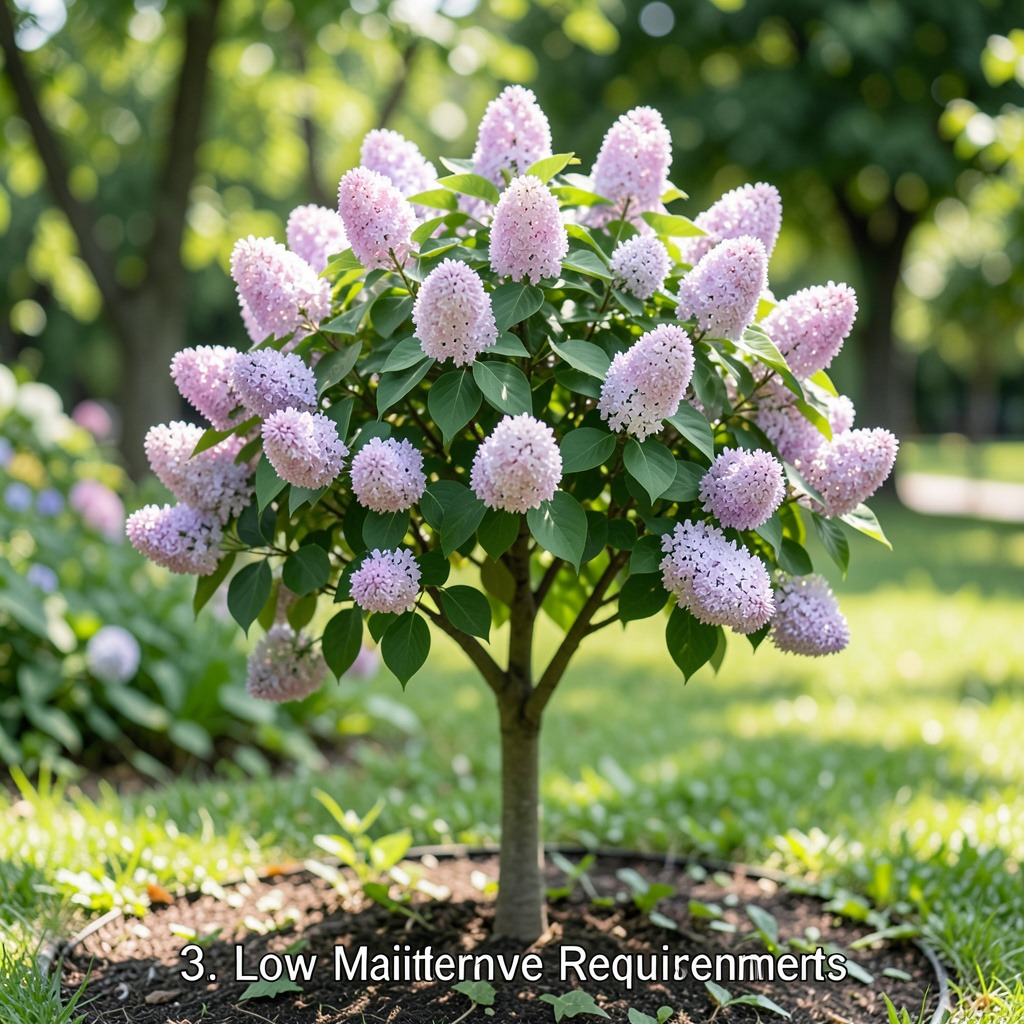
The Dwarf Korean Lilac is renowned for its low-maintenance characteristics, making it an appealing choice for gardeners. Its care requirements are minimal, allowing you to enjoy its beauty without extensive effort.
Simple Care Guidelines
1. Watering Needs:
Dwarf Korean Lilacs require moderate watering. Aim for deep watering once a week in dry conditions. This supports healthy root development and prevents drought stress.
2. Soil Conditions:
These lilacs thrive in well-drained soil. A pH of 6.0 to 7.0 is ideal. Poor drainage can lead to root rot, so consider using mulch to retain moisture while enhancing drainage.
3. Pruning:
Minimal pruning is necessary. Light trimming after flowering helps maintain shape and encourages new growth. Avoid heavy pruning, which can reduce flowering in the following season.
Pest and Disease Resistance
Dwarf Korean Lilacs are generally resistant to pests and diseases. They do not sucker like other lilac species, reducing maintenance time significantly. However, keep an eye out for common issues such as:
- Powdery Mildew: Ensure good air circulation by spacing plants adequately.
- Aphids: Occasionally, aphids may appear. Treat with insecticidal soap if necessary.
Environmental Benefits
Planting Dwarf Korean Lilacs contributes positively to the environment. Their fragrant blooms attract beneficial pollinators like bees and butterflies, enhancing local biodiversity. Additionally, their compact size makes them ideal for urban gardens, reducing the need for extensive lawn areas.
By selecting Dwarf Korean Lilacs, gardeners can enjoy vibrant blooms with minimal care, making them a practical choice for both novice and experienced gardeners alike.
4. Hardiness in Various Climates
The Dwarf Korean Lilac (Syringa meyeri ‘Palibin’) thrives in USDA hardiness zones 3 to 7. This adaptability makes it an excellent choice for a variety of climates, allowing gardeners in different regions to enjoy its beauty.
Optimal Hardiness Zones
- Zone 3: Survives harsh winters with temperatures as low as -40°F (-40°C).
- Zone 4: Handles minimum temperatures down to -30°F (-34°C).
- Zone 5: Coping well with -20°F (-29°C) winters.
- Zone 6: Suitable for regions with lows of -10°F (-23°C).
- Zone 7: Tolerates mild winters with minimum temperatures of 0°F (-18°C).
Climatic Adaptability
The Dwarf Korean Lilac adapts well to different climates by:
- Drought Tolerance: Once established, it can handle periods of drought, making it ideal for areas with fluctuating rainfall.
- Soil Versatility: Prefers well-drained soil but can tolerate various soil types, including sandy and clay soils.
- Sunlight Requirements: Thrives in full sun to partial shade, enabling growth in diverse garden settings.
Decision Framework for Planting
When considering the Dwarf Korean Lilac, evaluate the following:
- Climate Suitability: Ensure your growing zone aligns with its hardiness.
- Soil Type: Test your soil drainage to prevent water retention.
- Sun Exposure: Identify areas in your garden that receive adequate sunlight.
By understanding these factors, gardeners can maximize the success of their Dwarf Korean Lilac trees while enhancing the aesthetic appeal of their landscapes.
5. Aesthetically Pleasing Year-Round
The Dwarf Korean Lilac tree offers visual delight across all seasons. Its compact size and unique features make it a versatile choice for any garden.
Spring: A Burst of Color and Fragrance
In early spring, the Dwarf Korean Lilac (Syringa meyeri ‘Palibin’) displays clusters of fragrant, reddish-purple flowers. These blossoms attract pollinators, enhancing the biodiversity of your garden. The vivid colors contrast beautifully with the emerging green foliage, providing a fresh and vibrant landscape.
Summer: Lush Foliage
During summer, the Dwarf Korean Lilac showcases deep green leaves that create a lush backdrop for other garden plants. The compact size allows for easy integration into various landscape designs. Pair it with evergreens or flowering perennials for a dynamic look that maintains interest.
Fall: Golden Hues
As autumn approaches, the leaves transition to shades of yellow and gold. This seasonal change adds warmth to your garden. The Dwarf Korean Lilac retains its structure, offering visual stability as other plants begin to fade.
Winter: Sculptural Beauty
In winter, the Dwarf Korean Lilac’s form remains intact, providing a sculptural quality to the landscape. Its size makes it suitable for smaller gardens where space is limited. The bare branches can create striking silhouettes against a snowy backdrop, adding interest even in the cold months.
Visual Interest Checklist
- Spring: Fragrant flowers attract pollinators.
- Summer: Deep green foliage provides a lush backdrop.
- Fall: Leaves shift to golden hues for warmth.
- Winter: Sculptural branches enhance winter landscapes.
Incorporating the Dwarf Korean Lilac into your garden design ensures year-round appeal. Its seasonal transformations provide continual visual interest, making it an excellent choice for landscaping.
6. Potential for Pests and Diseases
Dwarf Korean Lilac trees, while generally hardy, can be susceptible to certain pests and diseases. Awareness of these issues is crucial for maintaining healthy plants and ensuring their vibrant blooms.
Common Pests
1. Aphids
Small, soft-bodied insects that suck sap from the leaves. They can cause curling and yellowing of foliage.
2. Spider Mites
These tiny pests thrive in dry conditions. Infestations lead to stippled leaves and webbing on branches.
3. Scale Insects
Scale appear as small bumps on stems and leaves. They can weaken the plant by extracting sap.
Common Diseases
1. Powdery Mildew
This fungal disease forms a white, powdery coating on leaves and stems, particularly in humid conditions. It can hinder photosynthesis and weaken the plant.
2. Root Rot
Caused by overwatering or poor drainage, root rot leads to wilting and yellowing leaves. It can be fatal if not addressed promptly.
Preventative Measures
- Regular Monitoring
Inspect leaves and stems regularly for signs of pests or disease. Early detection can prevent severe damage.
- Proper Watering
Ensure adequate drainage to avoid root rot. Water only when the top inch of soil feels dry.
- Pruning
Remove any infected or dead branches promptly to improve air circulation and reduce disease spread.
- Natural Predators
Introduce beneficial insects like ladybugs to control aphid populations naturally.
By implementing these practices, you can enhance the health and longevity of your Dwarf Korean Lilac, maximizing its beauty and fragrance while minimizing potential issues.
7. Limited Re-Blooming Potential
The Dwarf Korean Lilac tree (Syringa meyeri ‘Palibin’) is known for its beautiful blooms, but its re-blooming potential is limited compared to other lilac varieties. Understanding this aspect can help gardeners set realistic expectations.
How Does Re-Blooming Compare?
- Dwarf Korean Lilac: Typically blooms once in late spring to early summer. While it can re-bloom under ideal conditions, this is not guaranteed.
- Other Lilac Varieties: For instance, the Miss Kim lilac often has less re-blooming potential, making Dwarf Korean a slightly better choice for gardeners seeking multiple blooms.
Factors Influencing Re-Blooming
Several factors contribute to the re-blooming potential of the Dwarf Korean Lilac:
- Pruning: Prune immediately after the first bloom to encourage new growth and potential second blooms.
- Sunlight: Ensure the tree receives at least 6 hours of direct sunlight daily to maximize blooming opportunities.
- Soil Health: Well-draining soil with a pH of 6.5-7.5 supports the overall health of the tree, which can impact blooming frequency.
Tips for Maximizing Bloom Potential
1. Deadheading: Regularly remove spent blooms to encourage further flowering.
2. Fertilization: Use a balanced fertilizer in early spring to boost nutrient levels.
3. Watering: Maintain consistent moisture without saturation to promote healthy growth.
By focusing on these care techniques, gardeners can enhance the blooming performance of their Dwarf Korean Lilac trees, making them a more vibrant addition to any landscape.
8. Soil and Watering Needs
The Dwarf Korean Lilac tree thrives in specific soil and watering conditions. Understanding these requirements is essential for promoting optimal growth and blooming.
Ideal Soil Conditions
To ensure the health of your Dwarf Korean Lilac, focus on the following soil characteristics:
- Drainage: Well-draining soil is critical. Avoid areas with standing water.
- Soil Type: Preferably use loamy soil, but it can tolerate clay and sandy mixtures if amended properly.
- pH Level: Aim for a pH between 6.5 and 7.5. Test your soil and adjust with lime if necessary.
Soil Preparation Checklist
Before planting, follow this checklist to prepare the soil:
1. Test Soil: Use a home kit to determine soil pH and nutrient levels.
2. Amend as Needed: Add organic matter to sandy soil or lime to acidic soil.
3. Ensure Drainage: If drainage is poor, create a mound about 18 inches high for planting.
4. Space: Allow for 4-6 feet of space around the tree for air circulation.
Watering Requirements
Proper watering is vital during the establishment phase. The following guidelines will help maintain healthy moisture levels:
- Initial Watering: Water the tree thoroughly after planting.
- Consistency: Keep the soil consistently moist but not saturated during the first growing season.
- Established Trees: Once established, reduce watering frequency. The tree prefers drier conditions.
Watering Management Checklist
Use this checklist to manage watering effectively:
- Water deeply once a week during dry spells.
- Monitor soil moisture with your finger; if the top 2 inches are dry, it’s time to water.
- Avoid watering during heavy rain to prevent waterlogging.
By adhering to these soil and watering guidelines, gardeners can significantly enhance the growth and blooming potential of Dwarf Korean Lilac trees.
9. Growth Rate and Size Considerations
The Dwarf Korean Lilac tree, scientifically known as Syringa meyeri ‘Palibin’, is celebrated for its compact stature, making it suitable for small gardens and urban landscapes. Understanding its growth rate and size is crucial for effective planning and care.
Expected Growth Rate
Dwarf Korean Lilacs grow slowly but steadily. Here’s a breakdown of their growth timeline:
- Initial Growth: In the first year, expect a growth of about 6 inches.
- Mature Size: Typically reaches a height of 4 to 5 feet and a width of 4 to 5 feet within 5 to 7 years.
- Growth Conditions: Factors like sunlight, soil quality, and care can influence growth rates.
Size Characteristics
The Dwarf Korean Lilac exhibits distinct size characteristics:
- Height: Generally grows to a maximum height of 4 to 5 feet.
- Width: Can spread up to 4 to 5 feet, maintaining a more rounded shape as it matures.
- Comparison with Other Lilacs: Unlike larger lilac varieties, the Dwarf Korean Lilac does not sucker, meaning it maintains its size and shape without extensive maintenance.
Planting Considerations
When planting Dwarf Korean Lilacs, consider the following:
- Spacing: Ensure at least 4 to 5 feet of space between each plant for optimal growth.
- Site Selection: Full sun to partial shade is ideal for thriving growth.
- Soil Requirements: Well-drained soil enhances growth and flowering potential.
By understanding the growth rate and size of Dwarf Korean Lilacs, gardeners can make informed decisions about their placement and care in the landscape.
10. Comparison with Other Dwarf Lilacs
The Dwarf Korean Lilac, specifically Syringa meyeri ‘Palibin,’ offers unique characteristics compared to other dwarf lilac varieties, such as Miss Kim. Understanding these differences can help gardeners make informed decisions about which lilac best fits their landscape needs.
Size and Growth Rate
| Feature | Dwarf Korean Lilac | Miss Kim Lilac |
|---|---|---|
| Mature Height | Up to 6 feet | Up to 9 feet |
| Mature Width | Up to 8 feet | Approximately equal height and width |
| Annual Growth Rate | About 7 inches | Approximately 10 inches |
Dwarf Korean Lilacs tend to be smaller and grow slower than Miss Kim Lilacs. This size difference can influence placement in gardens and overall landscape design.
Shape and Growth Habit
- Dwarf Korean Lilac: Typically has a wider than taller appearance, resulting in a slightly flattened shape.
- Miss Kim Lilac: Exhibits a more spherical shape, making it equally wide and tall.
This difference in shape affects how each variety fits into garden designs, especially in smaller spaces.
Maintenance and Care
- Dwarf Korean Lilac: Does not sucker, meaning fewer maintenance efforts to control growth.
- Miss Kim Lilac: More vigorous growth may require additional pruning to maintain desired size.
Choosing the Dwarf Korean Lilac can save time in upkeep, making it ideal for gardeners seeking low-maintenance options.
Environmental Benefits
Both lilacs attract pollinators, but the Dwarf Korean Lilac’s compact size allows for planting in diverse environments, including urban settings where space is limited. This adaptability can enhance biodiversity in smaller gardens.
In summary, the Dwarf Korean Lilac provides a unique option for gardeners looking for a compact, low-maintenance lilac, while Miss Kim may suit those desiring a slightly taller and more vigorous plant.
11. User Testimonials: Experiences with Dwarf Korean Lilacs
Gardeners often share their experiences with Dwarf Korean Lilacs, highlighting their unique benefits and challenges. Here are some insights from those who have cultivated this charming shrub.
Positive Experiences
Many gardeners appreciate the Dwarf Korean Lilac for its compact size and fragrant blooms. Here are some common praises:
- Low Maintenance: “I love how little pruning my Dwarf Korean Lilac requires. It’s perfect for my busy schedule.”
- Fragrant Blooms: “The lavender-purple flowers are stunning and fill my garden with a sweet scent every spring.”
- Adaptability: “I planted mine in a small urban garden, and it thrives beautifully even in limited space.”
Challenges Faced
While many enjoy the Dwarf Korean Lilac, some have encountered specific challenges:
- Slow Growth Rate: “I expected quicker results. It took a few years to reach its full size, but it was worth the wait.”
- Susceptibility to Pests: “I’ve noticed some aphid activity, but a simple spray with soapy water cleared it up.”
- Limited Winter Hardiness: “In harsh winters, my lilac struggled a bit. I had to provide extra mulch for protection.”
Decision Framework
When considering a Dwarf Korean Lilac, gardeners recommend evaluating your specific needs:
- Space Availability: Ideal for small gardens or containers.
- Time Commitment: Great for those seeking low-maintenance plants.
- Climate Conditions: Ensure your zone aligns with the plant’s hardiness for best results.
These testimonials illustrate the Dwarf Korean Lilac’s appeal and potential issues, helping prospective growers make informed decisions.
Frequently Asked Questions
These quick answers cover the most common questions about this topic, including key details, practical tips, and common concerns.
How big will a Dwarf Korean Lilac get?
The Dwarf Korean Lilac typically grows to a height of 4 to 5 feet and spreads about 4 to 5 feet wide. This compact size makes it an excellent choice for small gardens or urban landscapes, where space is limited.
Where is the best place to plant a Dwarf Korean Lilac?
The best place to plant a Dwarf Korean Lilac is in an area that receives full sun to partial shade. It thrives in well-drained, loamy soil. Ensure there is enough space for air circulation, ideally allowing at least 3 feet between plants.
What are common problems with Dwarf Korean Lilacs?
Common problems include pests like aphids and spider mites, which can cause damage if not managed. Additionally, powdery mildew may occur in humid conditions. Regular monitoring and proper care, such as ensuring good air circulation and avoiding overwatering, can help mitigate these issues.
How does Dwarf Korean Lilac compare to Miss Kim Lilac?
Dwarf Korean Lilac is smaller, reaching up to 5 feet in height, while Miss Kim Lilac can grow up to 9 feet. Dwarf Korean Lilac blooms once in late spring, while Miss Kim may have more vigorous growth and re-blooming potential. Choose based on your space and aesthetic preferences.
When is the best time to plant a Dwarf Korean Lilac?
The best time to plant a Dwarf Korean Lilac is in early spring or fall. This timing allows the plant to establish roots before the heat of summer or the cold of winter. Ensure the soil is workable and not frozen when planting.
What is the best dwarf lilac for a small garden?
The Dwarf Korean Lilac (Syringa meyeri ‘Palibin’) is one of the best choices for small gardens due to its compact size and fragrant blooms. Other options include the Miss Kim Lilac, which offers a slightly taller alternative but still remains manageable for limited spaces.
How often should I water my Dwarf Korean Lilac?
Water your Dwarf Korean Lilac deeply once a week during dry spells, especially in the first year of establishment. Once established, it can tolerate drought but benefits from consistent moisture. Always check the soil; if the top inch is dry, it’s time to water.
Where should you not plant lilac bushes?
Avoid planting lilac bushes in areas with poor drainage, as this can lead to root rot. They also should not be placed in full shade, as insufficient sunlight will hinder their blooming potential. Additionally, steer clear of locations near large trees that may compete for nutrients and water.