
The Eastern Black Swallowtail, scientifically known as Papilio polyxenes, is a captivating butterfly species found throughout North America. This guide explores its unique features, lifecycle, habitat, and ecological importance, providing insight into how to support and appreciate this beautiful insect.
Overview of the Eastern Black Swallowtail Butterfly
The Eastern Black Swallowtail is a stunning butterfly that captures the hearts of nature lovers. Known scientifically as Papilio polyxenes, this butterfly is easily recognized by its bold colors and patterns.
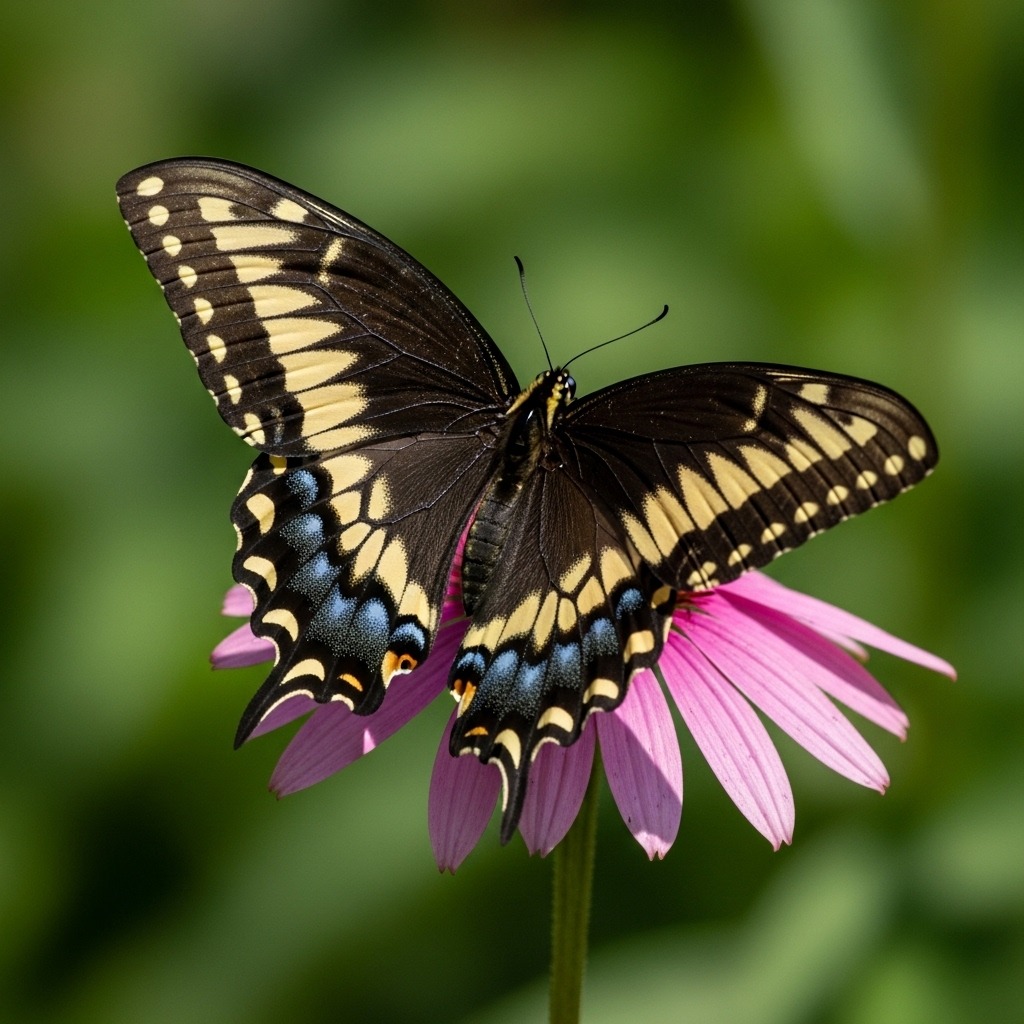
Scientific Classification
- Kingdom: Animalia
- Phylum: Arthropoda
- Class: Insecta
- Order: Lepidoptera
- Family: Papilionidae
- Genus: Papilio
- Species: P. polyxenes
Habitat and Distribution
The Eastern Black Swallowtail is found across a vast range in North America. It thrives in various habitats, including:
- Gardens
- Meadows
- Forest edges
- Agricultural fields
These butterflies prefer areas rich in nectar-producing flowers and their specific host plants. Ideal host plants include parsley, dill, and fennel for the caterpillar stage. This adaptability helps them flourish in diverse environments.
Importance in Ecosystems
Eastern Black Swallowtails play a vital role in their ecosystems. As pollinators, they help fertilize plants by transferring pollen from flower to flower. This process is crucial for plant reproduction, supporting the growth of fruits and seeds.
Additionally, they serve as food for birds and other wildlife, contributing to the food chain. Protecting their habitats ensures the health of local ecosystems and promotes biodiversity.
By planting native flowers and host plants in your garden, you can create a welcoming environment for these beautiful butterflies. This not only supports their lifecycle but also enhances the beauty of your outdoor space.
Table of Contents
Identification Characteristics of the Eastern Black Swallowtail
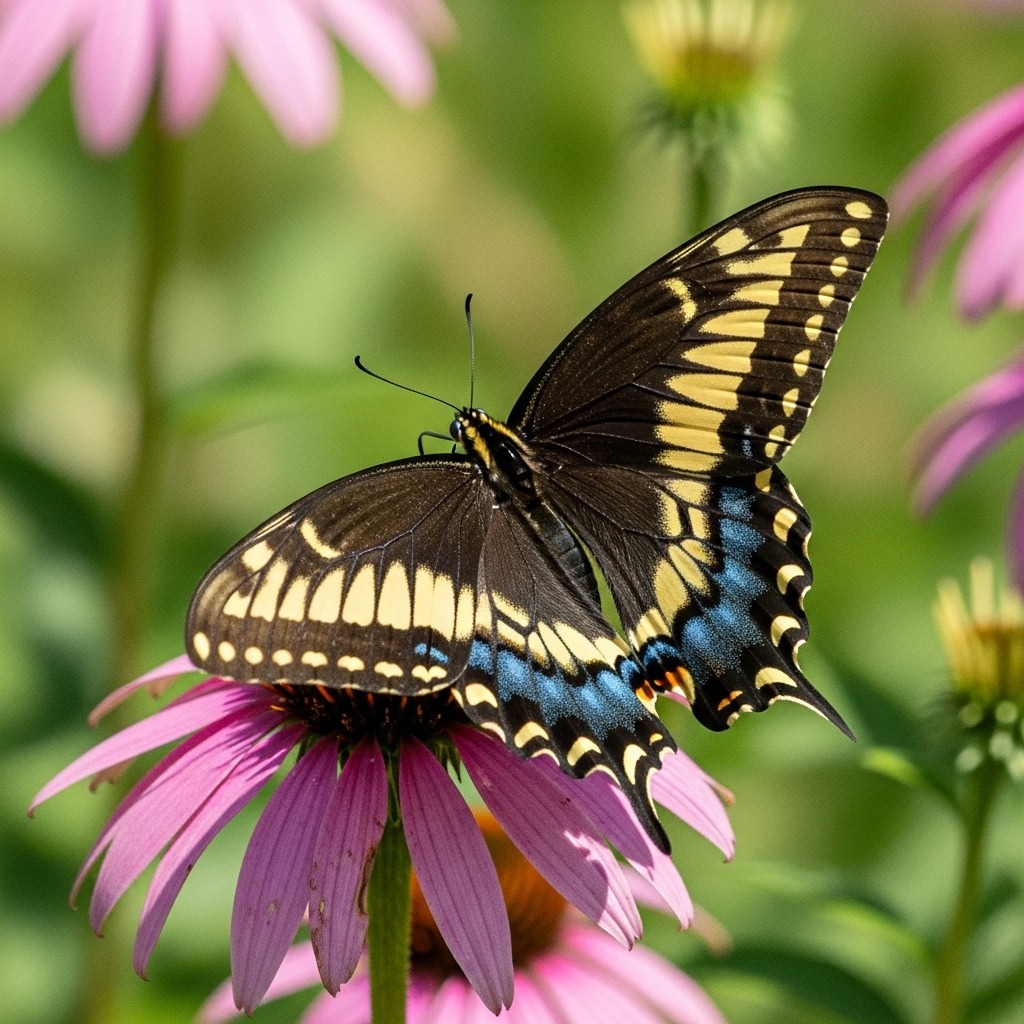
Spotting the Eastern Black Swallowtail can be a fun adventure! Their unique features make them stand out, especially among similar species. Let’s dive into what makes them special.
Color and Size Differences
The Eastern Black Swallowtail is a visually striking butterfly. Here are some key features:
- Color: Males are mostly black with bright yellow spots on their wings. Females have more blue markings along with the yellow spots, making them even more colorful.
- Wingspan: They typically range from 6.9 cm to 8.4 cm (2.71 – 3.30 in). This size helps them glide gracefully through gardens and fields.
Here’s a quick visual comparison with similar species:
| Feature | Eastern Black Swallowtail | Similar Species |
|---|---|---|
| Primary Color | Black with yellow and blue spots | Yellow with black stripes |
| Hindwing Spots | Red spots with black centers | Yellow spots |
| Wingspan | 6.9 – 8.4 cm | Varies (generally smaller) |
Sexual Dimorphism Explained
One of the most fascinating aspects of the Eastern Black Swallowtail is sexual dimorphism. This means the males and females look different:
- Males: They flaunt bright yellow spots. Their wings have a rich black color, making them look bold and striking.
- Females: They are darker and have blue markings. These differences help during mating and can affect their behavior in the wild.
Behavioral Traits
The Eastern Black Swallowtail isn’t just pretty; they have interesting behaviors too:
- Flight Patterns: They have a fluttering style of flight. You’ll often see them flit around flowers.
- Caterpillar Behavior: The caterpillars are green with distinctive black and yellow bands. They blend well with their environment, making them harder for predators to spot.
Identifying the Eastern Black Swallowtail is all about noticing these unique characteristics. The more you observe, the better you’ll get at spotting them in the wild!
Lifecycle of the Eastern Black Swallowtail
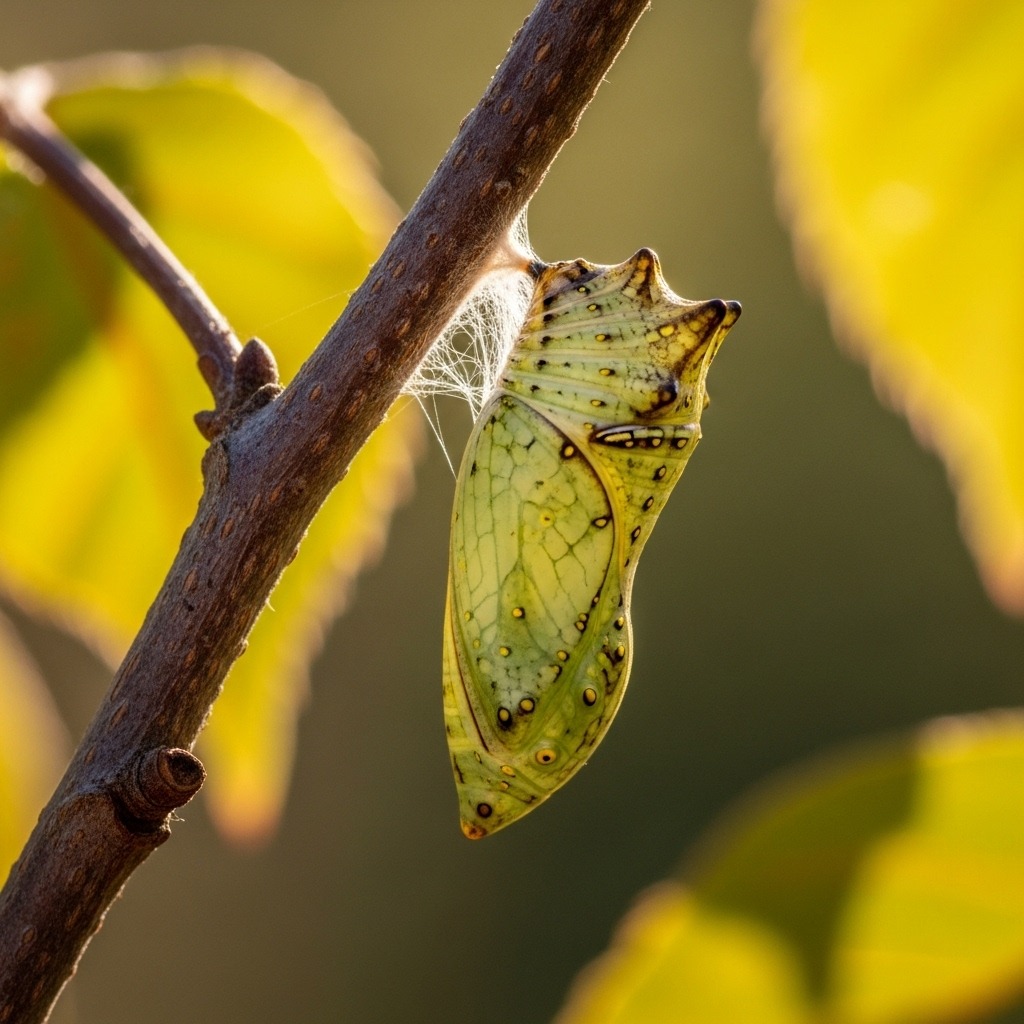
The Eastern Black Swallowtail, known scientifically as Papilio polyxenes, undergoes a fascinating transformation through several distinct stages. Each stage plays a crucial role in its life cycle, from tiny eggs to beautiful butterflies.
Egg Stage
The journey begins when the female Eastern Black Swallowtail lays her eggs. These eggs are small, round, and often laid on the underside of host plants.
- Duration: Eggs hatch in about 7 to 10 days.
- Host Plants: Common host plants include parsley, dill, and fennel.
Caterpillar Development
After hatching, the caterpillars emerge, ready to munch on their host plants. They go through several growth phases called instars.
- Appearance: Young caterpillars are green with black and yellow bands. This coloration helps them blend into their surroundings, making them less visible to predators.
- Growth Phase: Caterpillars can grow significantly, shedding their skin 4 to 5 times as they mature. This stage lasts about 2 to 3 weeks.
- Diet: They primarily feast on the leaves of their host plants, fueling their growth for the next stage.
Chrysalis Transformation
Once fully grown, the caterpillar finds a safe spot to transform into a chrysalis, also known as a pupa.
- Duration: This stage lasts about 10 to 14 days.
- Process: Inside the chrysalis, the caterpillar undergoes a miraculous change. It reabsorbs its caterpillar tissues and reorganizes into a butterfly.
- Appearance: The chrysalis can vary in color, often resembling the twig or leaves around it, providing camouflage.
Adult Butterfly
Finally, the Eastern Black Swallowtail emerges as a stunning butterfly.
- Wingspan: They typically have a wingspan of 6.9 to 8.4 cm (2.71 – 3.30 in).
- Lifespan: Adult butterflies can live for about 2 to 4 weeks, depending on environmental conditions.
Lifecycle Timeline
Here’s a handy visual timeline showing the lifecycle stages of the Eastern Black Swallowtail:
| Lifecycle Stage | Duration | Key Characteristics |
|---|---|---|
| Egg | 7-10 days | Small, round, laid on host plants |
| Caterpillar | 2-3 weeks | Green with black/yellow bands, eats leaves |
| Chrysalis | 10-14 days | Transformation stage, camouflaged |
| Adult Butterfly | 2-4 weeks | Beautiful, vibrant wings, active pollinator |
Understanding this lifecycle helps in appreciating the Eastern Black Swallowtail’s role in nature. By planting their host plants in your garden, you can attract these lovely butterflies and support their population.
Host Plants and Their Ecological Importance
Eastern Black Swallowtail caterpillars have specific taste preferences when it comes to their host plants. These plants are crucial for their growth and development. Let’s dive into what they love to munch on!
Favorite Host Plants
Eastern Black Swallowtail caterpillars primarily feed on the following plants:
- Cherry Trees: They enjoy the tender leaves.
- Birch Trees: Another favorite for their nutritious leaves.
- Willow Trees: These provide essential nutrients.
- Ash Trees: Caterpillars find them tasty too.
These host plants are vital for the caterpillars. Without them, the caterpillars can’t grow into beautiful butterflies.
Impact on Butterfly Survival
The choice of host plants directly impacts the survival of Eastern Black Swallowtail butterflies. Here’s why:
- Nutritional Needs: The right plants provide the necessary nutrients for healthy caterpillar growth.
- Protection: Many of these plants offer camouflage. This helps caterpillars avoid predators.
- Lifecycle Stages: After feeding on these plants, caterpillars will transform into chrysalises and eventually into adult butterflies.
A well-fed caterpillar is more likely to survive its transformation into an adult, ensuring the continuation of the species.
Gardening Tips to Support Host Plants
Want to attract Eastern Black Swallowtails to your garden? Here are some gardening tips:
- Plant Native Species: Use native cherry, birch, willow, and ash trees. They thrive in your local ecosystem.
- Create a Butterfly Garden: Combine host plants with nectar-rich flowers. This provides food for adult butterflies.
- Avoid Pesticides: Chemicals can harm caterpillars and adult butterflies. Go organic to keep them safe.
By planting these host plants, you’re not just beautifying your garden. You’re also supporting the lifecycle of the Eastern Black Swallowtail!
Conservation Efforts for Eastern Black Swallowtails
The Eastern Black Swallowtail faces several challenges in its habitat. Conservation efforts are vital to protect these stunning butterflies. Here’s how we can help.
Current Threats Faced
Eastern Black Swallowtails encounter various threats, including:
- Habitat Loss: Urban development and agricultural expansion reduce their natural habitats.
- Pesticides: Chemicals used in gardening and farming can harm both caterpillars and adult butterflies.
- Climate Change: Changing weather patterns affect their lifecycle and food sources.
How You Can Help
You can make a difference! Here’s a checklist of actions that individuals can take:
- Create Butterfly Habitats: Plant native flowers and host plants to provide food and shelter.
- Avoid Chemical Pesticides: Use organic gardening methods to protect butterflies and other pollinators.
- Participate in Local Conservation Groups: Join or support organizations focused on butterfly conservation.
- Spread Awareness: Share information with friends and family about the importance of protecting Eastern Black Swallowtails.
Importance of Biodiversity
Biodiversity is crucial for a healthy ecosystem. The Eastern Black Swallowtail plays an important role in pollination. By supporting their conservation, we help maintain the balance of nature. Healthy populations of butterflies indicate a thriving environment, benefiting other species as well.
By taking simple steps in our gardens and communities, we can support the Eastern Black Swallowtail and contribute to a richer, healthier ecosystem.
Frequently Asked Questions
These quick answers cover the most common questions about this topic, including key details, practical tips, and common concerns.
How do I identify Eastern Black Swallowtail butterflies?
Eastern Black Swallowtails are large butterflies with a wingspan of about 6.9 to 8.4 cm. Males are mostly black with bright yellow spots, while females have more blue markings along with yellow spots. Their hindwings often feature red spots with black centers. Look for their distinctive fluttering flight and vibrant coloration to distinguish them from similar species.
How to attract Eastern Black Swallowtails to your garden?
Plant native host plants like parsley, dill, fennel, cherry, birch, and willow trees. These provide essential food for caterpillars. Include nectar-rich flowers to attract adult butterflies. Avoid using pesticides, as chemicals can harm both caterpillars and butterflies. Creating a diverse, pesticide-free habitat encourages these butterflies to visit and lay eggs.
Why are Eastern Black Swallowtails important for ecosystems?
They are key pollinators, helping fertilize a variety of plants and supporting biodiversity. Their caterpillars also serve as food for birds and other wildlife, contributing to the food chain. Protecting their populations helps maintain ecological balance and healthy habitats.
When is the best time to observe them in the wild?
In most parts of North America, adult Eastern Black Swallowtails are most active from late spring through summer, typically May to August. The lifecycle stages, such as eggs and caterpillars, are visible during late spring and early summer. Observing them depends on your local climate and specific habitat conditions.
What are common misconceptions about Eastern Black Swallowtails?
One misconception is that all black butterflies are the same; however, Eastern Black Swallowtails are distinguished by their specific color patterns and size. Some believe they are endangered, but they are generally common across their range. Another myth is that they only appear in gardens, but they thrive in various wild habitats.
What threats do Eastern Black Swallowtails face in the wild?
They are threatened by habitat destruction due to urbanization and agriculture. Pesticide use can kill caterpillars and adult butterflies. Climate change also affects their migration patterns and food sources, leading to population declines in some areas.
How do Eastern Black Swallowtails differ from Black Swallowtails?
Eastern Black Swallowtails (Papilio polyxenes) are often mistaken for Black Swallowtails, but they have distinct markings. Eastern Black Swallowtails have yellow and blue spots, with red spots on the hindwings, and are generally larger. Black Swallowtails tend to have more uniform black coloration without the bright yellow and blue accents.
What other butterfly species are similar to Eastern Black Swallowtails?
Species like the Pipevine Swallowtail and Spicebush Swallowtail are similar in size and flight but differ in coloration. Pipevine Swallowtails are mostly black with iridescent blue or green highlights, while Spicebush Swallowtails have a distinctive eye spot pattern on their wings. Proper identification often relies on examining wing patterns and coloration details.