
Elberta peach trees are known for their large, sweet, freestone peaches, self-pollination, and strong disease resistance.
Table of Contents
The Elberta peach tree is a popular choice for gardeners due to its delicious fruit and hardiness. While it offers many benefits, potential growers should also be aware of its drawbacks to ensure a successful planting experience.
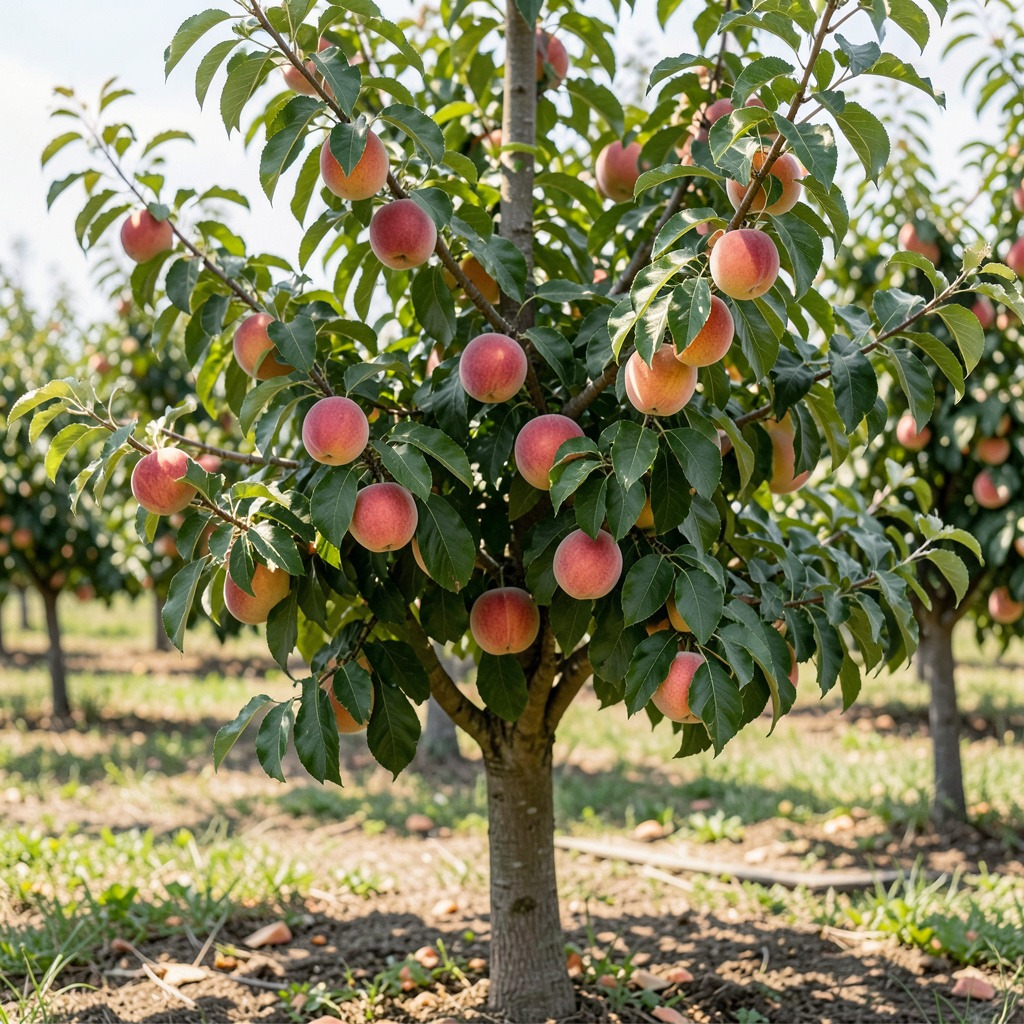
Understanding the Elberta Peach Tree
The Elberta peach tree is well-regarded among gardeners for its beautiful blossoms and productive fruit yield. This section explores its historical significance, key characteristics, and popularity among horticulturists.
Historical Background
The Elberta peach tree originated in Georgia and was developed in 1870 by Samuel H. Rumph. He named this heirloom variety after his wife, Elberta. Bred for high production and resilience against pests and diseases, the Elberta peach quickly became a favorite in home gardens and orchards. Its adaptability to various climates and conditions solidified its place as a staple fruit tree.
Key Characteristics
Elberta peach trees are known for their distinctive features:
- Fruit Quality: Produces large, juicy freestone peaches with yellow skin and a sweet flavor.
- Self-Pollination: The tree is self-pollinating, meaning it can bear fruit without another tree nearby. However, planting a second tree can enhance yields.
- Growth Habit: Typically reaches heights of 15 to 25 feet, allowing for easy harvest and maintenance.
- Pest Resistance: Exhibits strong resistance to common peach pests and diseases, making it easier to grow organically.
These characteristics make the Elberta peach tree a practical choice for both novice and experienced gardeners.
Popularity Among Gardeners
Gardeners favor Elberta peaches for several reasons:
- Early Fruiting: Trees often begin to produce fruit in their third or fourth year, which is relatively quick compared to other varieties.
- Bountiful Harvests: A well-cared-for tree can yield up to 150 pounds of peaches each season, providing ample fruit for fresh consumption and preservation.
- Versatile Uses: The sweet, juicy peaches are excellent for eating fresh, baking, canning, and making preserves.
Given these advantages, the Elberta peach tree remains a preferred choice for home orchards, blending beauty and productivity seamlessly.
Benefits of Growing Elberta Peach Trees
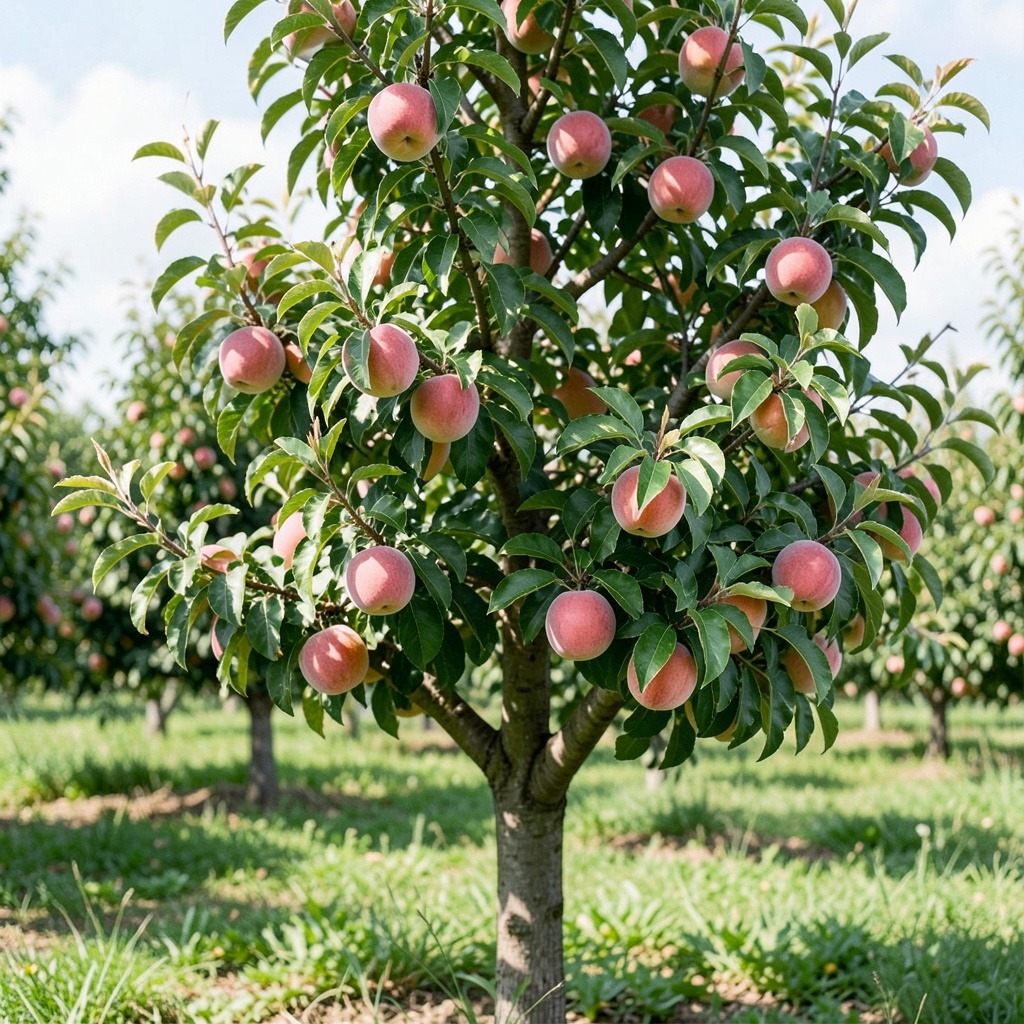
Elberta peach trees offer several compelling advantages that make them a favorite among home gardeners. Their exceptional fruit quality, self-pollination capabilities, and resilience to certain diseases contribute to their popularity.
Exceptional Fruit Quality
Elberta peaches are renowned for their large, freestone fruit. They have a sweet, juicy flavor that appeals to many palates. Here are some highlights of their fruit quality:
- Size and Flavor: Elberta peaches can weigh up to 8 ounces and are known for their luscious taste, making them ideal for fresh eating and culinary uses.
- Versatility: These peaches are perfect for canning, baking, and preserving, allowing gardeners to enjoy their harvest in various forms.
- Harvest Yield: A healthy Elberta peach tree can produce up to 150 pounds of fruit in a single season, providing an abundant supply for families.
Self-Pollination Benefits
One significant advantage of the Elberta peach tree is its self-pollinating nature. This characteristic simplifies the gardening process:
- Less Space Required: Gardeners do not need multiple trees for successful fruiting, making Elberta ideal for smaller gardens.
- Increased Yields with Companions: Planting another peach variety nearby can enhance fruit production due to cross-pollination, leading to even more substantial harvests.
Disease Resistance
Elberta peach trees exhibit resilience to several common peach tree diseases. This resilience can be a major benefit for gardeners:
- Bacterial Spot Resistance: While susceptible to bacterial spot, proper care and pruning can mitigate risks, allowing for healthier trees.
- Environmental Adaptability: Elberta peaches thrive in a variety of climates, making them suitable for many regions. They require 800-950 chill hours, balancing cold and warmth effectively for optimal growth.
In summary, the advantages of growing Elberta peach trees far outweigh potential drawbacks, particularly for those looking for fruitful and beautiful additions to their gardens.
Drawbacks of Elberta Peach Trees
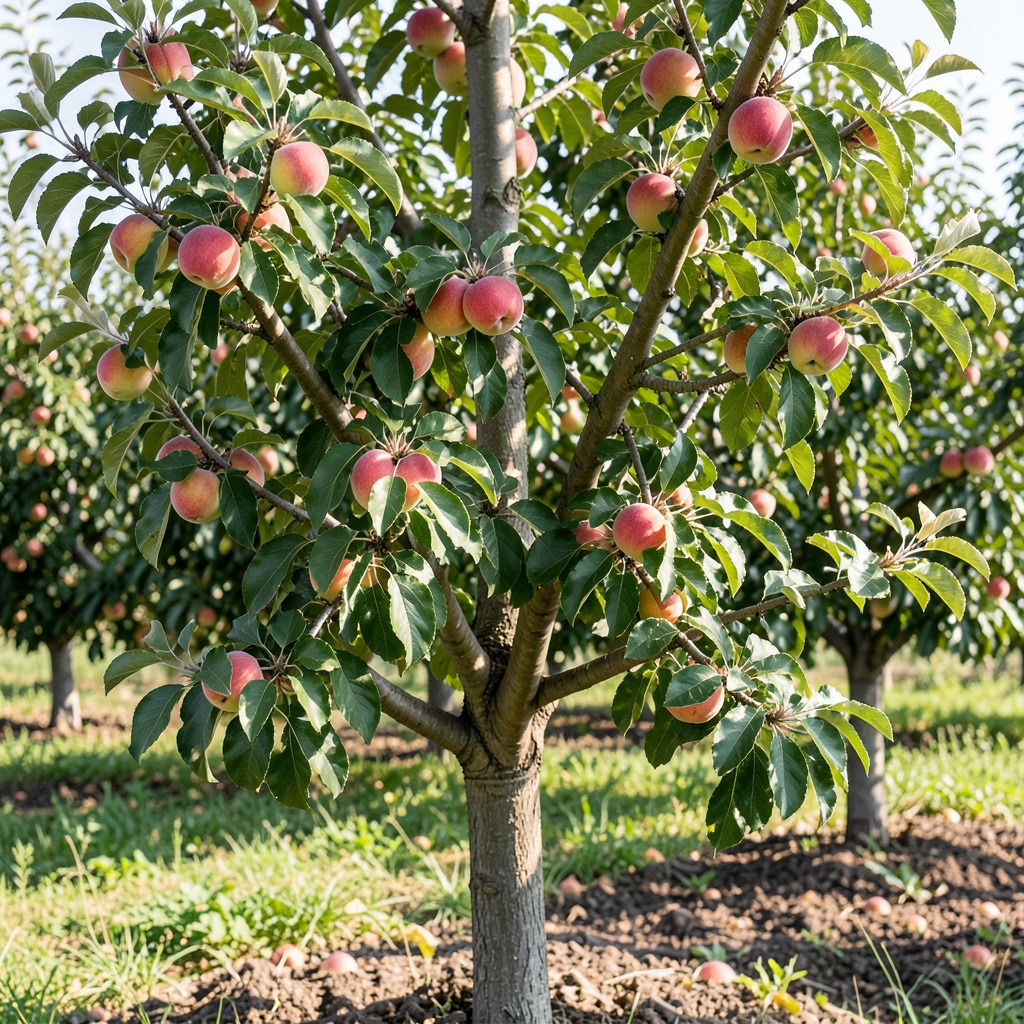
While Elberta peach trees offer many benefits, they also present specific challenges that gardeners must consider. These challenges primarily revolve around pest susceptibility and care requirements.
Pest Susceptibility
Elberta peach trees face threats from various pests that can impact their growth and fruit yield. Common pests include:
- Peach Tree Borer: This insect bores into the trunk, weakening the tree.
- Aphids: These small insects suck sap, leading to reduced vigor.
- Spider Mites: They can cause leaf damage and stippling.
Effective management strategies are essential. Here’s a checklist for managing common pests:
- Regular Inspections: Check trees weekly for signs of pests.
- Use Traps: Employ sticky traps to monitor pest populations.
- Organic Insecticides: Apply neem oil or insecticidal soap when infestations occur.
- Preventative Measures: Maintain tree health through proper watering and fertilization.
Care Requirements
Elberta peach trees require dedicated care to thrive. Key care requirements include:
- Watering: Young trees need consistent moisture, especially in their first year. Overwatering can lead to root rot, while under-watering stresses the tree.
- Pruning: Regular pruning is necessary to maintain shape and improve air circulation. The open-vase method is recommended, allowing sunlight to reach inner fruit.
- Fertilization: A balanced fertilizer should be applied in early spring to support growth.
Environmental Considerations
Growing Elberta peach trees requires specific environmental conditions. They prefer well-drained soil to prevent moisture-related diseases, and they thrive in areas with 800-950 chill hours. However, these requirements may limit their suitability in warmer climates.
When choosing between Elberta and other peach varieties, consider these factors:
- Adaptability: Some varieties may be more tolerant of local conditions.
- Disease Resistance: Other peaches may offer stronger resistance to common diseases.
- Harvest Timing: Assess when fruits mature, as this can affect your harvest schedule.
Understanding these drawbacks will help gardeners make informed decisions about whether Elberta peach trees fit their gardening plans.
Growing Conditions for Elberta Peach Trees
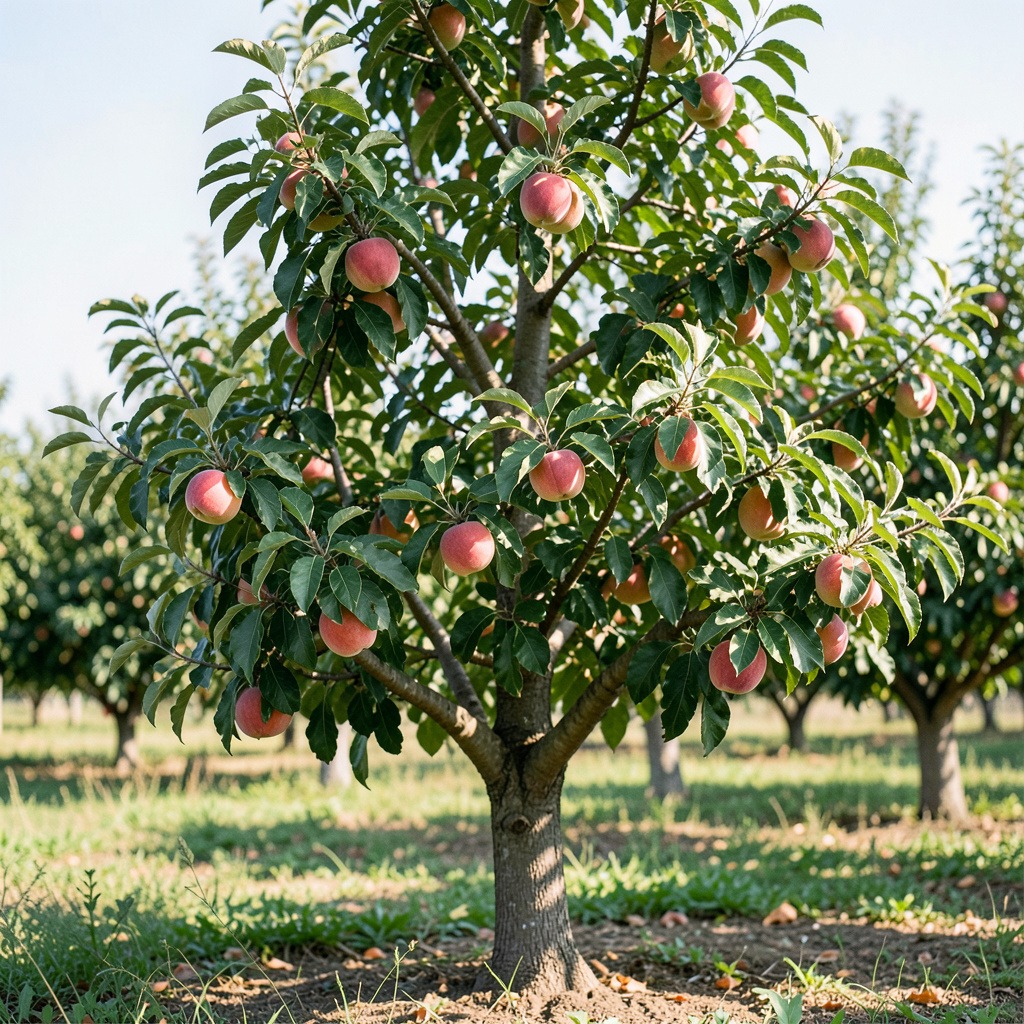
Elberta peach trees thrive under specific growing conditions. Understanding these requirements is crucial for successful cultivation and optimal fruit yield.
Soil and Sun Requirements
Elberta peach trees prefer well-drained soil to prevent root rot and moisture-related diseases. Here are key factors to consider:
- Soil Type: Sandy loam or loamy soils are ideal. They provide the necessary drainage while retaining nutrients.
- pH Level: Aim for a soil pH between 6.0 and 6.8. Testing and amending soil may be necessary to achieve this balance.
- Sunlight: These trees require at least six hours of direct sunlight daily. Full sun exposure enhances fruit quality and tree health.
Watering and Fertilization
Proper watering and fertilization are essential for the growth of Elberta peach trees. Follow these guidelines:
- Watering: Keep the soil consistently moist but not soggy. Deep watering once a week is recommended, especially during dry spells.
- Fertilization: Use a balanced fertilizer in early spring. A 10-10-10 NPK formula is effective for promoting growth and fruit development.
Pruning Techniques
Regular pruning helps maintain tree shape and boosts fruit production. Consider these techniques:
- Open-Vase Method: Train young trees to an open-center shape. This allows better sunlight penetration and air circulation.
- Timing: Prune in late winter or early spring before bud break. Remove dead or crossing branches to improve airflow.
By optimizing these growing conditions, gardeners can enhance the productivity and resilience of their Elberta peach trees.
Comparison: Elberta vs. Other Peach Varieties
When considering an Elberta peach tree for your garden, it’s essential to compare it with other popular peach varieties. This will help you understand its unique strengths and potential drawbacks.
Elberta vs. Red Haven
The Red Haven peach is another well-known variety. Here’s how it stacks up against the Elberta:
| Feature | Elberta Peach | Red Haven Peach |
|---|---|---|
| Fruit Type | Yellow freestone | Yellow freestone |
| Flavor | Sweet, aromatic | Sweet, slightly tart |
| Maturity Time | Early to mid-season | Mid-season |
| Chill Hours Required | 800–950 | 700–1,000 |
| Pest Resistance | High | Moderate |
| Self-Fertility | Yes | Yes |
| Yield Potential | High | Very high |
Key Takeaway: Elberta peaches mature earlier and may be less tolerant of pests, while Red Haven offers a slightly more robust yield and better pest resistance.
Modern Hybrids and Their Advantages
Modern peach hybrids often combine desirable traits from multiple varieties. They can offer advantages over traditional varieties like Elberta.
- Disease Resistance: Many hybrids are bred specifically for improved disease resistance.
- Flavor Profiles: Some hybrids may offer unique flavors that appeal to a broader range of tastes.
- Growing Conditions: Hybrids may require fewer chill hours, making them suitable for warmer climates.
Example: The Arctic Supreme peach is a hybrid known for its low chill hour requirement and excellent flavor, making it a viable alternative for gardeners in warmer regions.
Best Peach Varieties for Home Gardens
Choosing the right peach variety depends on your specific gardening conditions and preferences. Here are some top contenders alongside Elberta:
- Belle of Georgia: Known for its large, sweet fruit and high yield; requires similar chill hours as Elberta.
- Chinese Cling: Produces clingstone peaches; beneficial for canning and cooking.
- Frost: A newer variety that ripens late and has excellent disease resistance.
When selecting a variety, consider factors such as climate, desired fruit characteristics, and maintenance needs. This ensures you choose a peach tree that aligns with your gardening goals.
Alternatives to Elberta Peach Trees
For gardeners seeking options beyond the Elberta peach tree, several other peach varieties offer unique attributes. These alternatives can better suit specific gardening conditions or personal preferences.
Other Recommended Peach Varieties
Here are a few noteworthy alternatives to the Elberta peach tree:
- Belle of Georgia: This variety produces large, sweet peaches with a high yield. It requires similar chill hours as Elberta, making it suitable for similar climates.
- Chinese Cling: Known for its clingstone peaches, this variety is excellent for canning and cooking. It tends to be very productive and disease-resistant.
- Frost: A newer addition to the peach family, Frost ripens late in the season. It boasts excellent disease resistance and can thrive in various climates.
Factors to Consider When Choosing
When selecting a peach tree, consider the following factors:
- Climate Compatibility: Different varieties have specific chill hour requirements. Ensure your choice aligns with your local climate.
- Fruit Characteristics: Assess whether you prefer freestone or clingstone peaches, as this impacts culinary uses.
- Disease Resistance: Some varieties are bred for resistance to common peach diseases, which can reduce maintenance efforts.
A decision framework might look like this:
1. Assess your climate: Match the variety’s chill hour needs.
2. Determine usage: Decide if you want fresh eating, canning, or cooking peaches.
3. Evaluate maintenance: Consider how much time you can dedicate to care.
By weighing these factors, you can choose a peach variety that complements your gardening style and objectives.
Frequently Asked Questions
These quick answers cover the most common questions about this topic, including key details, practical tips, and common concerns.
Which peach is better, Elberta or Red Haven?
Both Elberta and Red Haven peaches have their strengths. Elberta peaches are known for their large, sweet, freestone fruit and early maturity. They typically ripen earlier in the season, making them a popular choice for those wanting to enjoy peaches sooner. Red Haven peaches, on the other hand, are slightly more resistant to pests and diseases, and they yield a very high quantity of fruit. If you prefer a sweet, aromatic peach with an earlier harvest, Elberta may be the better option. If you prioritize pest resistance and a later harvest, consider Red Haven.
What should not be planted near peach trees?
Avoid planting near peach trees any species that are susceptible to the same pests and diseases. For example, other stone fruits like cherries or apricots can attract similar pests. Additionally, avoid planting tall plants that may shade the peach tree, as they require full sunlight for optimal growth. Companion plants like garlic or marigolds can be beneficial, as they may deter pests without competing for resources.
How long does it take an Elberta Peach Tree to produce fruit?
An Elberta peach tree typically begins to bear fruit in its third to fourth year after planting. This relatively quick production timeline makes it an appealing choice for home gardeners eager to enjoy fresh peaches. With proper care, including adequate watering, fertilization, and pest management, you can maximize fruit yield as the tree matures.
Are Elberta peaches good for canning?
Yes, Elberta peaches are excellent for canning. Their freestone nature makes them easy to pit, and their sweet, juicy flesh holds up well during the canning process. Many home canners appreciate Elberta peaches for preserves, jams, and other preserves, allowing you to enjoy their flavor long after the harvest season.
What are the best practices for pruning Elberta peach trees?
To maintain healthy growth and maximize fruit production, prune Elberta peach trees annually in late winter or early spring before bud break. Use the open-vase method to create a structure that allows sunlight and air to reach the inner branches. Focus on removing dead, crossing, or overcrowded branches to improve airflow and reduce disease risk. Regular pruning helps shape the tree and encourages better fruiting.
What are the common problems with Elberta peach trees?
Elberta peach trees can face several issues, including pests like peach tree borers, aphids, and spider mites. These pests can weaken the tree and reduce fruit yield. Additionally, they may be susceptible to diseases such as bacterial spot, which can affect leaf health. Regular monitoring, proper care, and timely interventions are crucial to managing these challenges effectively.
What are some alternatives to Elberta peach trees?
If you’re considering alternatives to Elberta peaches, look into varieties like Belle of Georgia, known for its large, sweet fruit, or Chinese Cling, which is great for canning. Frost is another option, ripening late in the season with strong disease resistance. Each of these varieties has unique characteristics, so consider your climate and intended use when choosing.