
Yes, certain species of the elephant ear plant, particularly Colocasia, are edible when properly cooked, while others, like Alocasia, are not safe to eat due to toxicity from calcium oxalate crystals.
Table of Contents
The elephant ear plant, known for its striking foliage, raises questions about its edibility [1]. This guide explores which varieties are safe to eat, the preparation methods required, and the health benefits associated with consuming these plants.
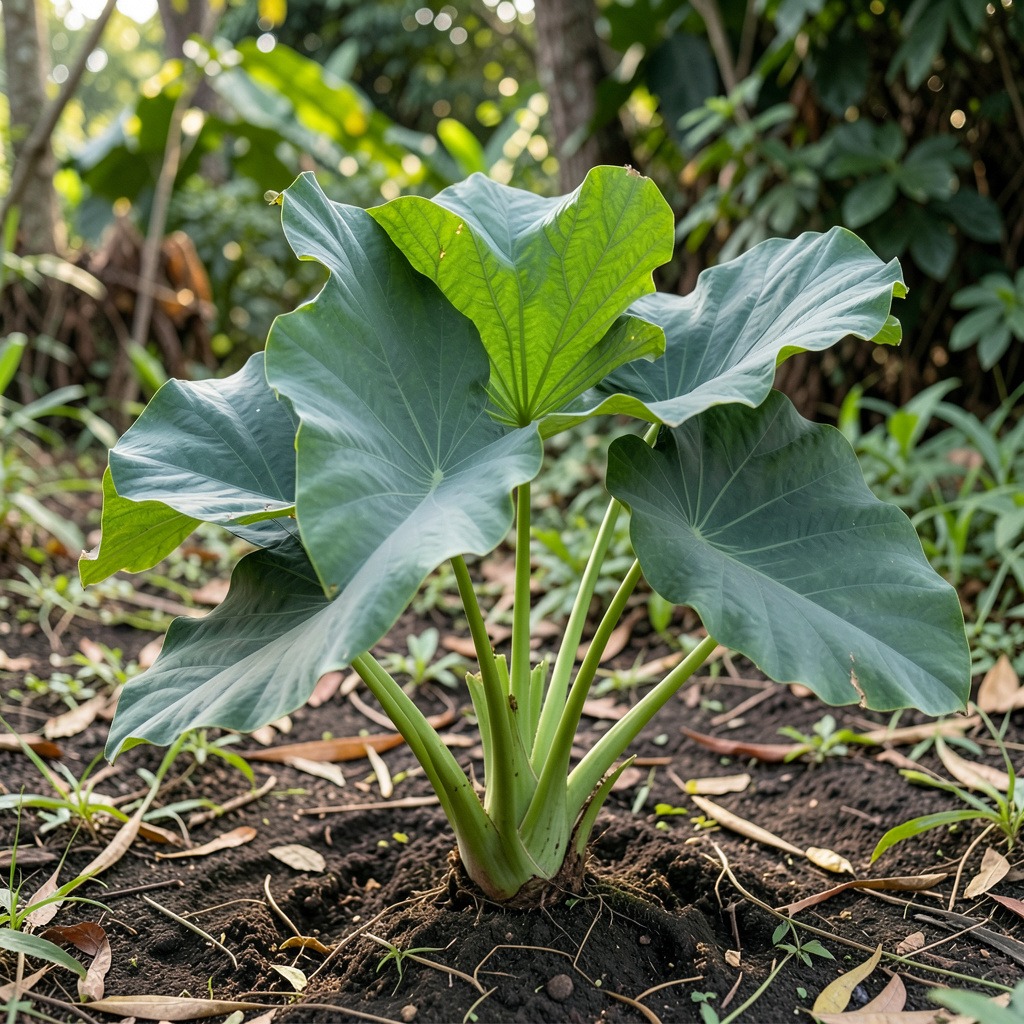
Understanding the Elephant Ear Plant and Its Varieties
The elephant ear plant encompasses several species, primarily Colocasia, Alocasia, and Xanthosoma. Understanding these varieties is crucial for identifying which are safe to consume.
Key Characteristics of Colocasia
Colocasia, commonly known as taro, is the most recognized edible variety.
- Appearance: It features large, heart-shaped leaves with a glossy surface. The leaves can reach up to 2 feet in length.
- Habitat: Colocasia thrives in wet, tropical regions and is often cultivated in flooded fields.
- Edibility: The tubers are edible and rich in carbohydrates. However, they must be cooked thoroughly to remove calcium oxalate, which can cause irritation if consumed raw.
Identifying Alocasia and Its Toxicity
Alocasia is often confused with Colocasia but is not safe to eat.
- Appearance: Alocasia leaves are typically arrow-shaped and have prominent veins. They also tend to grow taller than Colocasia plants.
- Habitat: Alocasia prefers well-drained soil and is often found in subtropical regions.
- Toxicity: This species contains higher levels of calcium oxalate, making it potentially toxic. Consumption can lead to severe irritation and discomfort.
Overview of Xanthosoma Edibility
Xanthosoma, another member of the family, is also edible.
- Appearance: Its leaves resemble those of Colocasia but are generally broader and can be more lobed.
- Habitat: Xanthosoma grows well in tropical climates, often in similar environments as Colocasia.
- Edibility: Like Colocasia, Xanthosoma tubers are edible once cooked, and they provide a similar nutritional profile.
Visual Identification Guide
| Species | Leaf Shape | Height | Edibility |
|---|---|---|---|
| Colocasia | Heart-shaped | Up to 3 ft | Edible |
| Alocasia | Arrow-shaped | Up to 6 ft | Toxic |
| Xanthosoma | Broad, lobed | Up to 4 ft | Edible |
Understanding these differences assists in safely identifying and utilizing elephant ear plants in culinary applications.
The Edibility of Elephant Ear Plants: Which Varieties Are Safe?
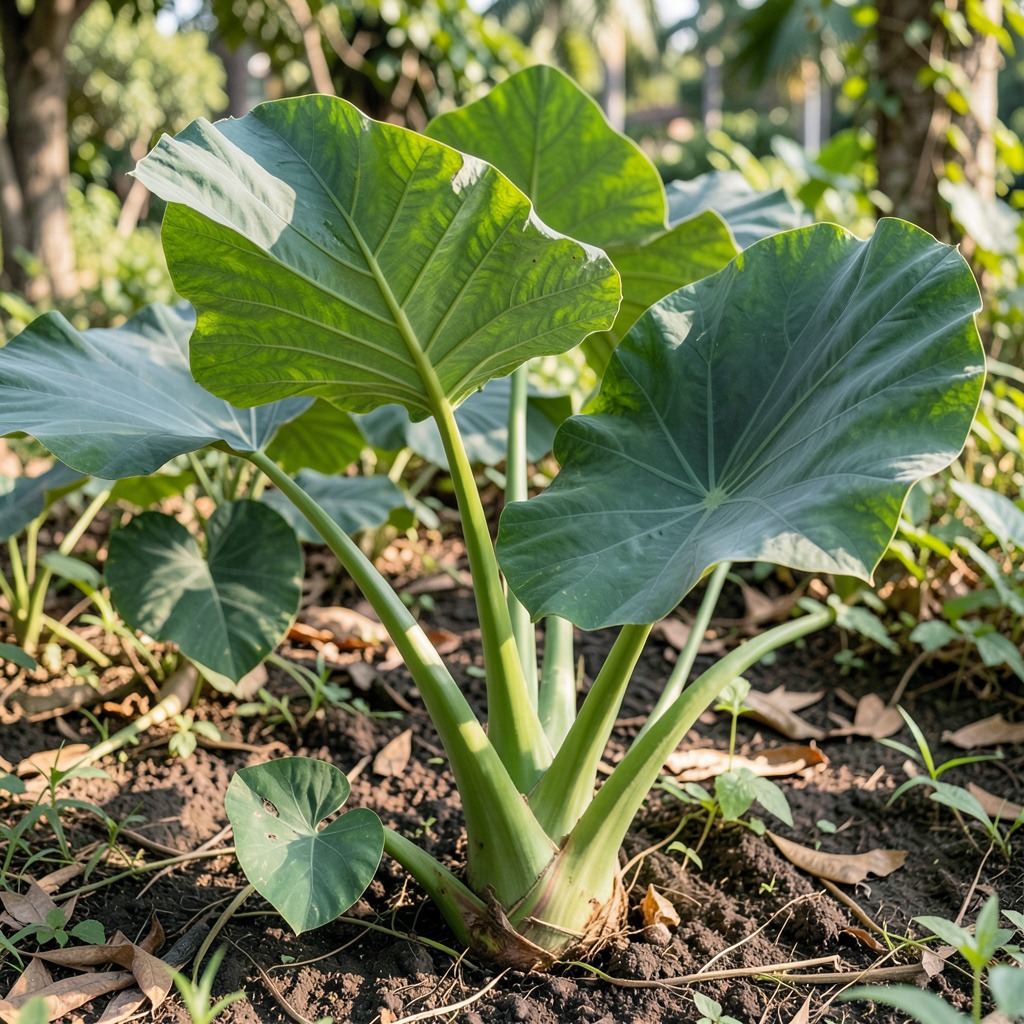
The elephant ear plant, primarily recognized for its ornamental value, also includes varieties that are safe for consumption. Understanding which parts are edible and the necessary preparation methods is crucial for safe culinary use.
Colocasia: The Edible Elephant Ear
Colocasia esculenta, commonly known as taro, is the most notable edible variety of the elephant ear plant. Its tubers are rich in starch and can be used in a variety of dishes. The leaves can also be consumed, but require careful preparation.
- Edible Parts:
- Tubers: Cooked and used similarly to potatoes.
- Leaves: Can be incorporated into salads or cooked as a vegetable.
To safely consume these parts, follow these guidelines:
1. Cooking: Always cook the tubers and leaves thoroughly to eliminate calcium oxalate, a toxic compound that can cause irritation if ingested raw. Boiling or steaming is recommended.
2. Preparation: Peel the tubers before cooking, as this helps to reduce potential toxicity.
3. Serving Suggestions: Mashed taro is a popular dish, while leaves can be used in soups or as wraps.
Understanding Toxicity in Alocasia
While some elephant ear plants are edible, others like Alocasia are not. These varieties contain higher levels of calcium oxalate and should be avoided.
- Inedible Parts:
- All parts of Alocasia are toxic and can cause severe irritation and gastrointestinal distress if consumed.
It is vital to distinguish between Colocasia and Alocasia. Always verify the plant type before consumption.
Overview of Xanthosoma Edibility
Xanthosoma is another genus within the elephant ear family that contains edible species. Similar to Colocasia, its tubers can be consumed after proper cooking.
- Key Points:
- Cooking Method: Tubers must be boiled to reduce oxalate content.
- Culinary Uses: Can be prepared in soups, stews, or fried as chips.
In summary, while Colocasia esculenta and certain Xanthosoma species are edible, caution is essential. Proper identification and preparation are vital to ensure safe consumption.
Safety Precautions and Cooking Methods for Elephant Ear Plants
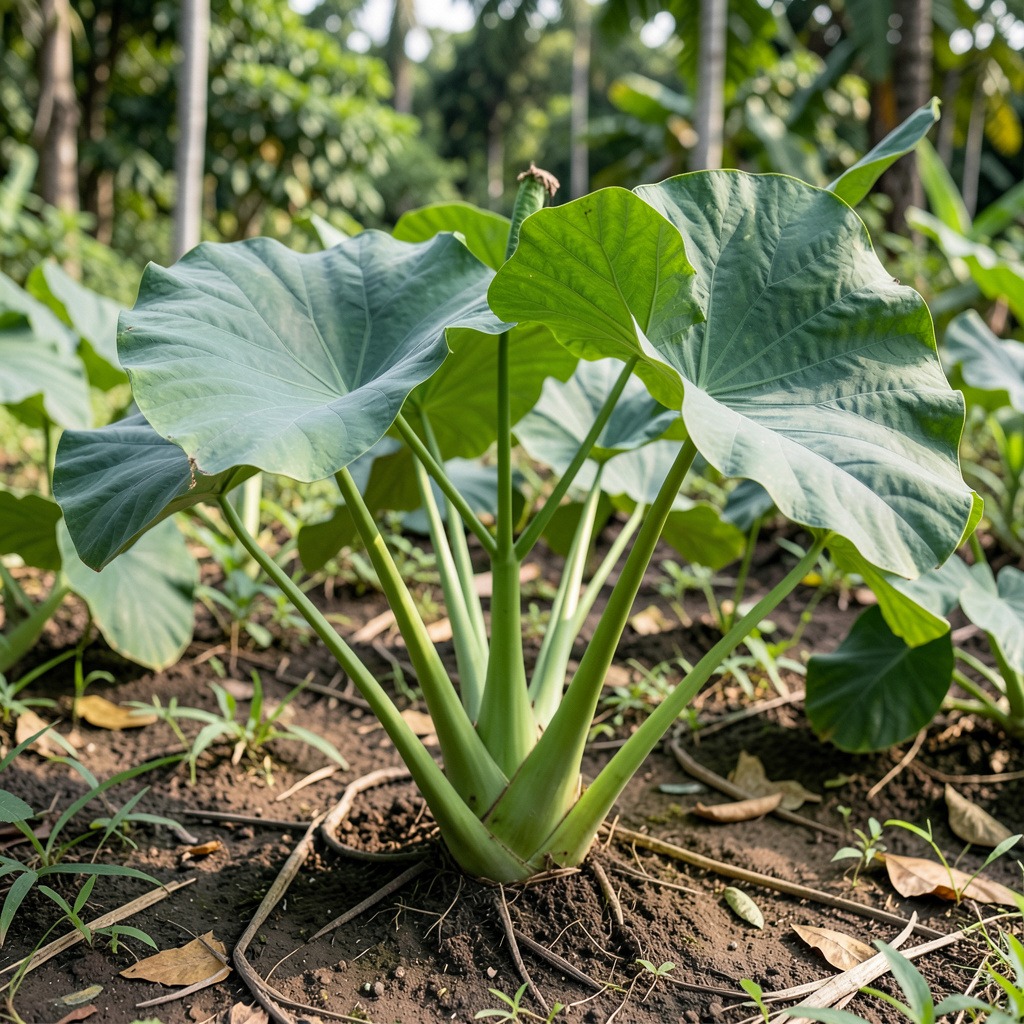
Preparing elephant ear plants requires careful attention to safety and cooking methods. The presence of calcium oxalate crystals in the plant can cause irritation if not handled and cooked properly. Here’s how to safely enjoy this unique ingredient.
Cooking Techniques to Remove Toxins
To ensure safe consumption of elephant ear plants, follow these key cooking methods:
1. Boiling:
- Boil the tubers for 30-45 minutes. This method effectively reduces calcium oxalate levels.
2. Steaming:
- Steam the tubers for at least 20 minutes. This retains more nutrients while still neutralizing oxalates.
3. Roasting:
- Roast at 375°F (190°C) for about 45 minutes after boiling. This enhances flavor and texture.
4. Sautéing:
- Cut leaves into small pieces and sauté with other vegetables for 5-10 minutes. Ensure they are well cooked to break down toxins.
Important Safety Guidelines
When preparing elephant ear plants, keep these safety guidelines in mind:
- Identification: Always confirm you are using Colocasia species, as Alocasia plants are inedible and potentially toxic.
- Handling: Wear gloves when cutting or preparing the plant. The sap can irritate skin.
- Cooking is Essential: Never consume raw parts of the plant. Cooking is vital to neutralize harmful compounds [6].
- Allergy Consideration: Individuals with sensitivities should start with small amounts and observe their body’s reaction.
Common Mistakes to Avoid When Preparing
Avoid these frequent errors to ensure a safe and enjoyable culinary experience:
- Neglecting Cooking: Skipping cooking entirely can lead to irritation; always cook all edible parts.
- Ignoring Plant Type: Confusing edible species with inedible ones can lead to health risks. Always verify plant identification.
- Underestimating Cooking Time: Insufficient cooking can leave toxins intact. Follow recommended cooking times closely.
By adhering to these guidelines and cooking methods, you can safely enjoy the nutritional benefits of the elephant ear plant while minimizing potential health risks.
Nutritional Benefits and Health Risks of Elephant Ear Plants
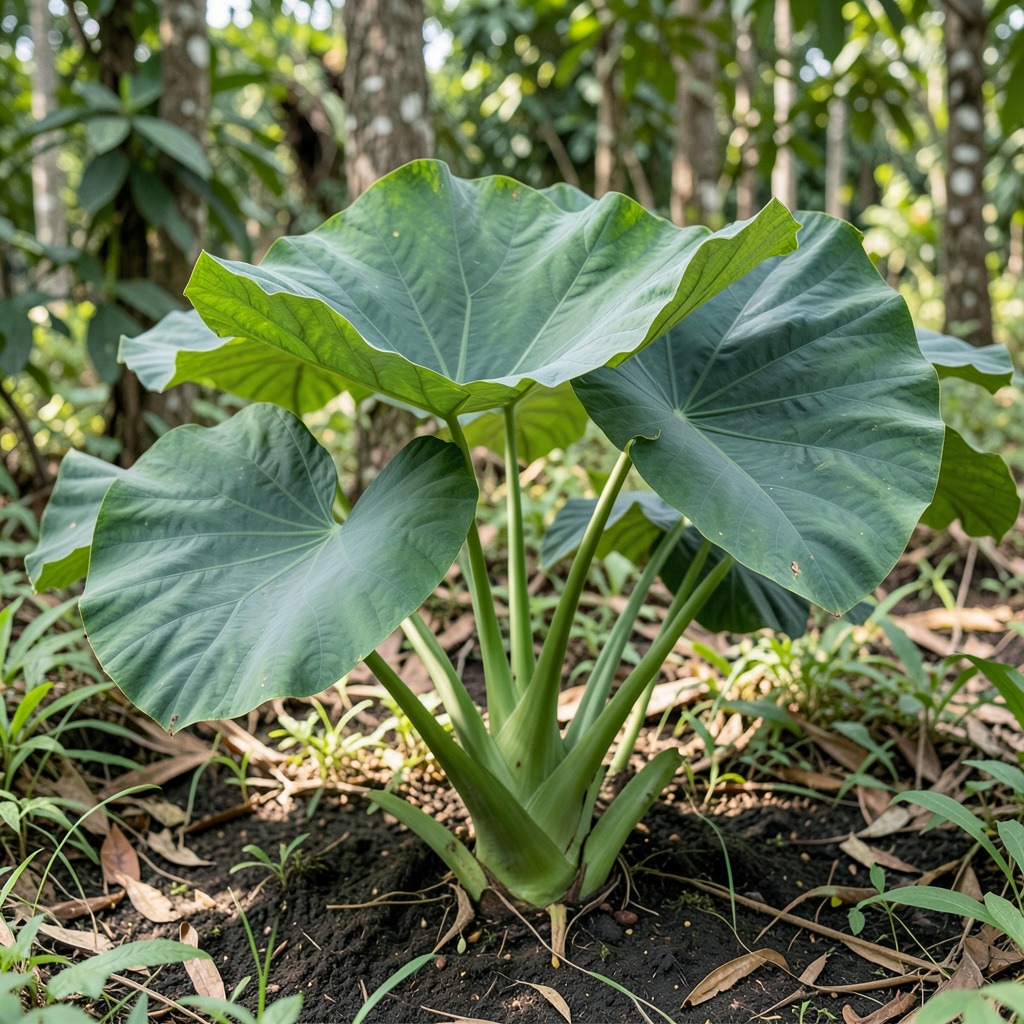
The elephant ear plant, specifically the Colocasia species, offers significant nutritional benefits but also poses potential health risks if not handled properly. Understanding these aspects is crucial for safe consumption.
Nutritional Profile of Colocasia
Colocasia, commonly known for its large, distinctive leaves, is notably high in starch and dietary fiber. The tubers serve as a primary food source and are rich in complex carbohydrates, providing a good energy source. Key nutrients found in the elephant ear plant include:
- Vitamins: A and C, essential for immune function and skin health.
- Minerals: Calcium, iron, and potassium, which support bone health and cardiovascular function.
- Antioxidants: Various phytochemicals that help combat oxidative stress and inflammation.
The nutritional composition highlights the potential of elephant ear plants as a valuable addition to a balanced diet [8].
Health Benefits of Consuming Taro
When properly prepared, the health benefits of consuming elephant ear plants, particularly the taro variety, are notable. These benefits include:
- Digestive Health: The high fiber content aids digestion and promotes regular bowel movements.
- Antioxidant Properties: The presence of antioxidants may reduce the risk of chronic diseases, such as heart disease and diabetes.
- Low Caloric Value: With low calories and fat, it is suitable for weight management and health-conscious diets.
Traditional dishes, such as taro soup and steamed taro cakes, showcase these health benefits while enhancing the culinary experience [9].
Risks of Improper Preparation
Despite their nutritional advantages, consuming elephant ear plants without proper preparation can lead to health risks. Key concerns include:
- Calcium Oxalate Content: The plant contains calcium oxalate, which can cause severe irritation and allergic reactions if ingested raw. Cooking the plant thoroughly neutralizes this compound.
- Skin Irritation: The sap can irritate the skin, so handling should be done with care. Always wash your hands after contact with the plant.
- Specific Health Conditions: Individuals with kidney stones or gout should avoid consuming elephant ear plants due to their high oxalate levels.
To safely enjoy the nutritional benefits, always ensure that the plant is well-cooked and the right species is being consumed [10].
Cultural Significance and Traditional Uses of Elephant Ear Plants
Elephant ear plants, particularly the Colocasia species, have deep roots in various cultures, especially within Asian cuisines. Their edible tubers and leaves feature prominently in traditional dishes, reflecting their nutritional importance and cultural heritage.
Traditional Dishes Featuring Colocasia
In many Pacific Island cultures, the tubers of the Colocasia plant are a staple food. They are often boiled, mashed, or fermented. One notable dish is “poi,” a staple in Hawaiian cuisine made from the fermented tubers. The preparation involves cooking and mashing, which enhances the nutritional profile while providing a unique flavor [11].
In Southeast Asia, elephant ear leaves are commonly used in soups and stews. They impart a distinct taste and texture, often likened to that of spinach but with a heartier feel. Additionally, the leaves are utilized as wrappers for steaming dishes, showcasing their versatility.
Historical Context of Taro in Cuisine
The historical significance of the elephant ear plant, particularly its close relative taro, is profound. Taro, a key ingredient in many Asian dishes, has been cultivated for thousands of years. It symbolizes sustenance and cultural identity in various societies. For instance, in many Asian cultures, the consumption of taro is associated with celebrations and rituals, reflecting its importance beyond mere nutrition [12].
Modern Adaptations of Elephant Ear Recipes
Today, chefs are reimagining traditional uses of elephant ear plants. Innovative recipes include elephant ear chips and fries, which capitalize on the plant’s unique texture. Additionally, the edible flowers and stems of the plant are used as garnishes, adding a delicate flavor and crunchy element to modern dishes. These adaptations not only preserve cultural heritage but also introduce the plant to new audiences, encouraging its continued appreciation as a culinary ingredient [13].
Frequently Asked Questions
These quick answers cover the most common questions about this topic, including key details, practical tips, and common concerns.
What are the health benefits of eating elephant ear plants?
Eating elephant ear plants, specifically Colocasia, can provide several health benefits. They are rich in dietary fiber, vitamins A and C, and essential minerals like calcium, iron, and potassium. These nutrients support digestive health, boost the immune system, and contribute to overall well-being. Additionally, the antioxidants present may help reduce the risk of chronic diseases such as heart disease and diabetes [4].
Is it safe to eat elephant ear plants?
Yes, certain varieties of the elephant ear plant, particularly Colocasia, are safe to eat when properly prepared. However, other species like Alocasia contain high levels of calcium oxalate, making them toxic. Always ensure you are consuming the correct species and cook the plant thoroughly to neutralize harmful compounds [10].
How to tell the difference between taro and a regular elephant ear?
To differentiate between taro (Colocasia) and other elephant ear plants, look for key characteristics. Taro typically has heart-shaped leaves and is usually shorter than Alocasia, which has arrow-shaped leaves and can grow taller. Additionally, taro is cultivated mainly for its edible tubers, while Alocasia is primarily ornamental and toxic [1].
Are elephant ears poisonous to humans?
Yes, some elephant ear species, particularly Alocasia, are poisonous due to their high calcium oxalate content. Consuming these plants can lead to severe irritation and gastrointestinal distress. It’s essential to identify the plant correctly and only consume safe varieties like Colocasia, which are edible when cooked properly [10].
What precautions should be taken when consuming elephant ear plants?
When consuming elephant ear plants, always cook them thoroughly to eliminate calcium oxalate, which can cause irritation if ingested raw. Wear gloves while handling the plant to avoid skin irritation from its sap. Additionally, confirm you are using the edible species, Colocasia, and avoid any inedible varieties like Alocasia [6].
Can you eat Elephant Ear roots?
Yes, the roots of the elephant ear plant, specifically from the Colocasia species, are edible. They are rich in starch and can be prepared in various dishes. However, they must be cooked to reduce calcium oxalate levels, making them safe for consumption. Common cooking methods include boiling, steaming, or roasting [4].
Are you trying to identify a specific plant in your yard?
If you’re trying to identify a specific plant in your yard, look for characteristics such as leaf shape, height, and growth conditions. Colocasia has heart-shaped leaves and thrives in wet areas, while Alocasia has arrow-shaped leaves and prefers well-drained soil. Visual identification guides can help distinguish between these species [1].
References
1. Colocasia esculenta (L.) Schott – USDA Plants Database
2. Home | U.S. Department of Education
3. The Tropical
4. Taro Roots: An Underexploited Root Crop – PMC
5. Goal 12: Responsible Consumption and Production
6. Oxalate in Foods: Extraction Conditions, Analytical Methods, Occurrence, and Health Implications
7. Are Elephant Ears plants edible? – Facebook
8. Top 10 Composition Tips – Photography Course 3/10
9. Welcome to the Health Insurance Marketplace® | HealthCare …
10. Elephant Ear Poisoning – UF Health
11. Plant Based RD: Add Plants to Your Meals – Vegan Recipes