
The Emerald Queen maple tree offers rapid growth and attractive foliage, but it presents challenges like invasiveness and shallow roots, which can affect nearby structures and landscapes.
Table of Contents
The Emerald Queen maple tree is a popular choice for many landscapes due to its aesthetic appeal and environmental tolerance. However, potential drawbacks exist, necessitating a thorough understanding of both its benefits and limitations for successful planting and care.
Overview of the Emerald Queen Maple Tree
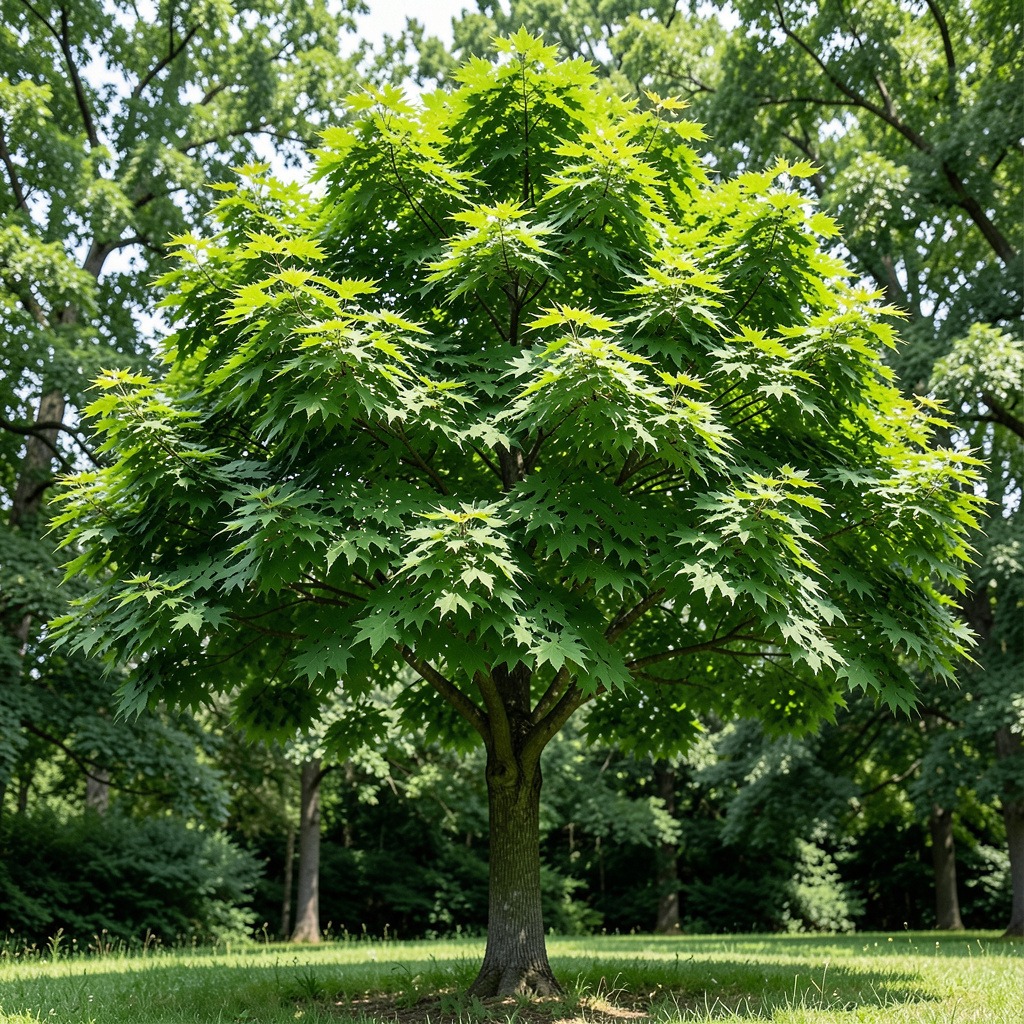
The Emerald Queen maple (Acer platanoides ‘Emerald Queen’) is a versatile tree prized for its beauty and adaptability. Understanding its botanical classification and growth characteristics is essential for homeowners considering this species.
Botanical Classification and Description
- Genus: Acer
- Species: platanoides
- Cultivar: Emerald Queen
The Emerald Queen maple belongs to the genus Acer, which includes various species of maples. This cultivar is a deciduous tree native to Europe, frequently planted in urban areas across the United States.
General Characteristics:
- Height: 40-50 feet
- Spread: 30-40 feet
- Leaf Shape: Five sharply pointed lobes, deep glossy green
- Fall Color: Notable yellow
- Flowers: Small yellow clusters in spring, followed by samaras
Growth Characteristics and Lifespan
The Emerald Queen maple is known for its rapid growth. It typically reaches maturity within 20 to 30 years. This tree can live for over 100 years, making it a long-term investment for landscapes.
Growth Requirements:
- Light: Prefers full sun to partial shade
- Soil: Thrives in well-drained, moist soil
- Watering Needs: Weekly watering during summer; less frequent in spring and autumn
Example Scenario:
When planting an Emerald Queen maple, consider a site that receives at least six hours of sunlight daily. Ensure the soil has good drainage to promote healthy growth. If planted in an urban setting, it can tolerate pollution and compacted soil, enhancing its suitability for city landscapes.
Overall, understanding these characteristics will help homeowners assess the Emerald Queen maple’s fit for their properties while weighing its pros and cons.
Pros of the Emerald Queen Maple Tree
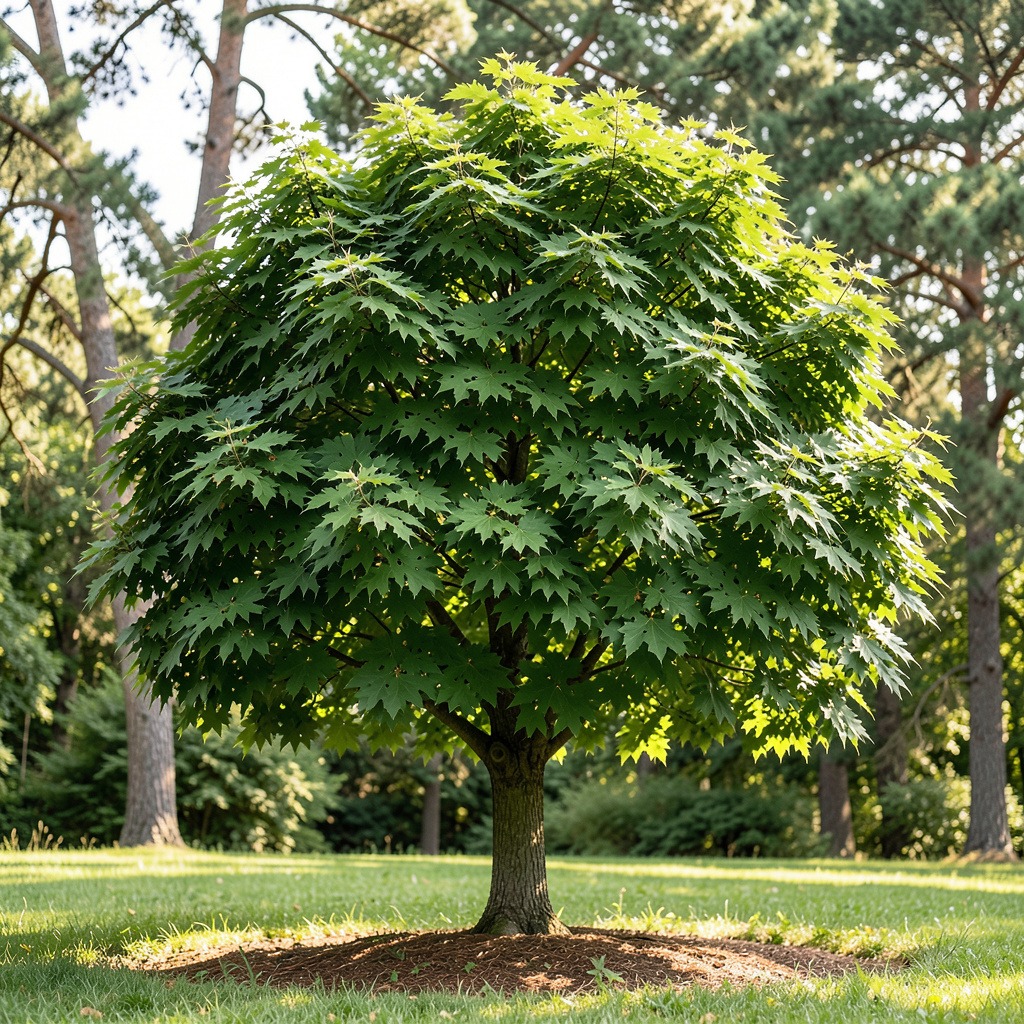
The Emerald Queen maple tree offers numerous advantages for homeowners. Its aesthetic appeal, environmental benefits, and practical applications make it a popular choice for urban landscapes.
Attractive Foliage and Shape
- Vibrant Green Leaves: The Emerald Queen features deep, glossy green leaves that add a lush look to any landscape.
- Symmetrical Canopy: Its rounded crown provides a thick canopy, creating ample shade for outdoor spaces.
- Seasonal Interest: In fall, the leaves transition to an attractive yellow, enhancing the visual appeal of the tree.
Environmental Tolerance and Resilience
- Urban Pollution Tolerance: This tree withstands traffic pollution, making it ideal for city planting. Its resilience contributes to urban cooling and improved air quality.
- Soil Adaptability: The Emerald Queen thrives in various soil types, including compacted and urban soils, making it an excellent choice for challenging environments.
- Moisture Requirements: While it prefers well-drained, moist soil, the tree can tolerate some drought once established. This adaptability ensures survival in fluctuating urban conditions.
Urban Adaptability
- Long Lifespan: The Emerald Queen maple can live for over 100 years. This longevity makes it a valuable investment for long-term landscaping.
- Low Maintenance: This tree requires minimal pruning and care, allowing homeowners to enjoy its beauty without extensive upkeep.
- Successful Urban Planting Examples: Cities like Chicago have successfully integrated Emerald Queen maples into their streetscapes, providing shade and improving the urban environment. These trees can effectively reduce heat islands and enhance street aesthetics.
In summary, the Emerald Queen maple tree is a wise choice for homeowners seeking an attractive, resilient, and low-maintenance addition to their landscape. Its numerous benefits make it a standout option among tree varieties for urban settings.
Cons of the Emerald Queen Maple Tree
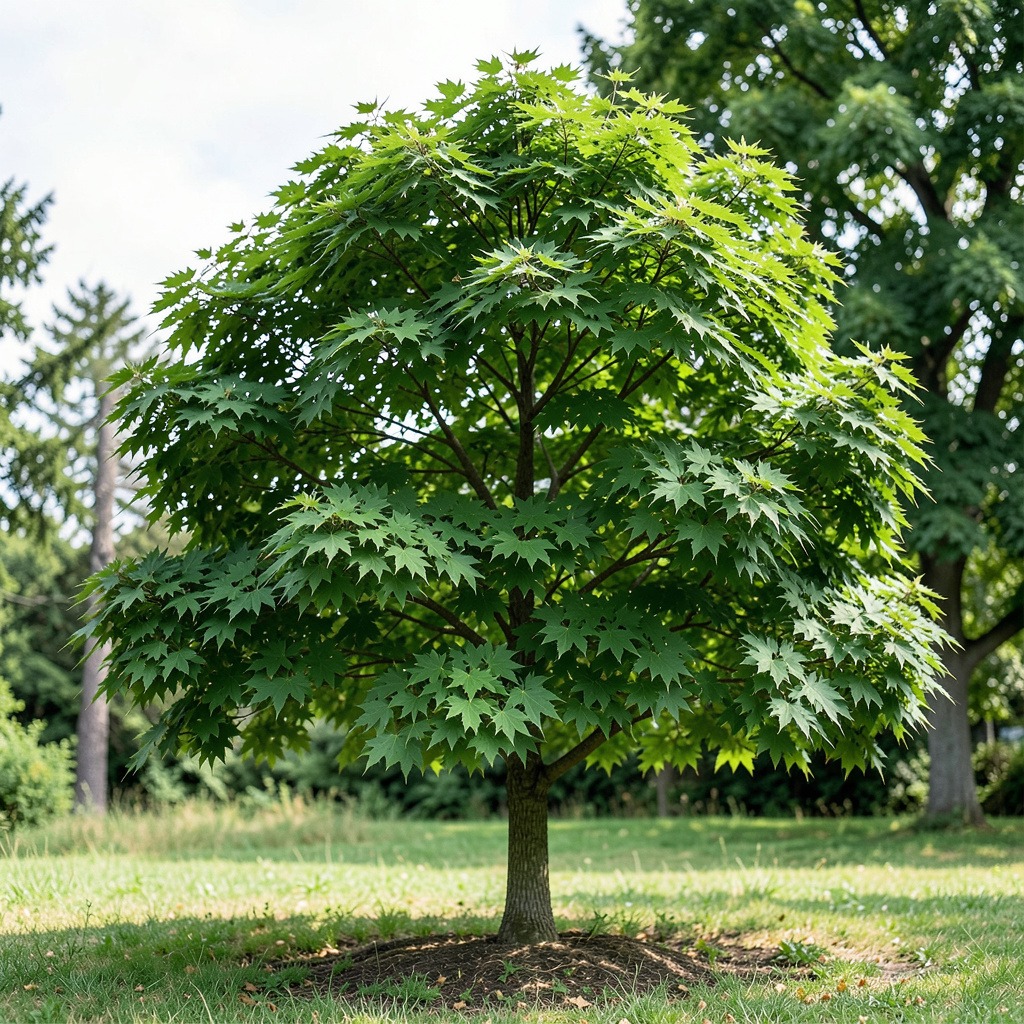
While the Emerald Queen maple tree offers many advantages, several notable disadvantages warrant consideration. These include its invasive nature, shallow root system, and specific maintenance challenges.
Invasive Nature and Ecological Concerns
The Emerald Queen maple can be invasive in certain regions. Its ability to reseed easily may lead to unintended growth in areas where it is not desired. This can disrupt local ecosystems and outcompete native plant species. Homeowners should assess their landscape and surrounding environment to determine if this tree is suitable.
Shallow Root System Issues
The shallow root system of the Emerald Queen maple poses several problems:
- Structural Damage: Shallow roots can crack or heave nearby sidewalks, driveways, and foundations.
- Interference with Turf: These surface roots can hinder lawn maintenance and growth, making it difficult for grass to thrive.
- Limited Planting Options: The extensive canopy limits what can be planted in the tree’s drip line, restricting landscaping choices.
Maintenance and Care Challenges
Although labeled as low maintenance, the Emerald Queen maple has specific care requirements that can present challenges:
- Pruning Needs: While it requires minimal pruning, improper timing can lead to sap bleeding. The best time to prune is during the summer after the leaves are fully developed.
- Watering Requirements: The tree prefers moist, well-drained soil. During summer, mature trees need weekly watering, increasing the workload for homeowners.
- Disease Susceptibility: The Emerald Queen is susceptible to verticillium wilt, a condition that can be fatal. This factor necessitates vigilance and proactive care.
Comparison with Other Maple Varieties
When considering alternatives, some maple varieties are less invasive and have deeper root systems, such as the Sugar Maple. This species generally requires less maintenance and poses fewer structural risks. Homeowners should evaluate the specific needs of their landscape and consider these characteristics when selecting a tree.
Ultimately, understanding these cons will help homeowners make informed decisions regarding the Emerald Queen maple tree’s suitability for their property.
Care Requirements for the Emerald Queen Maple Tree
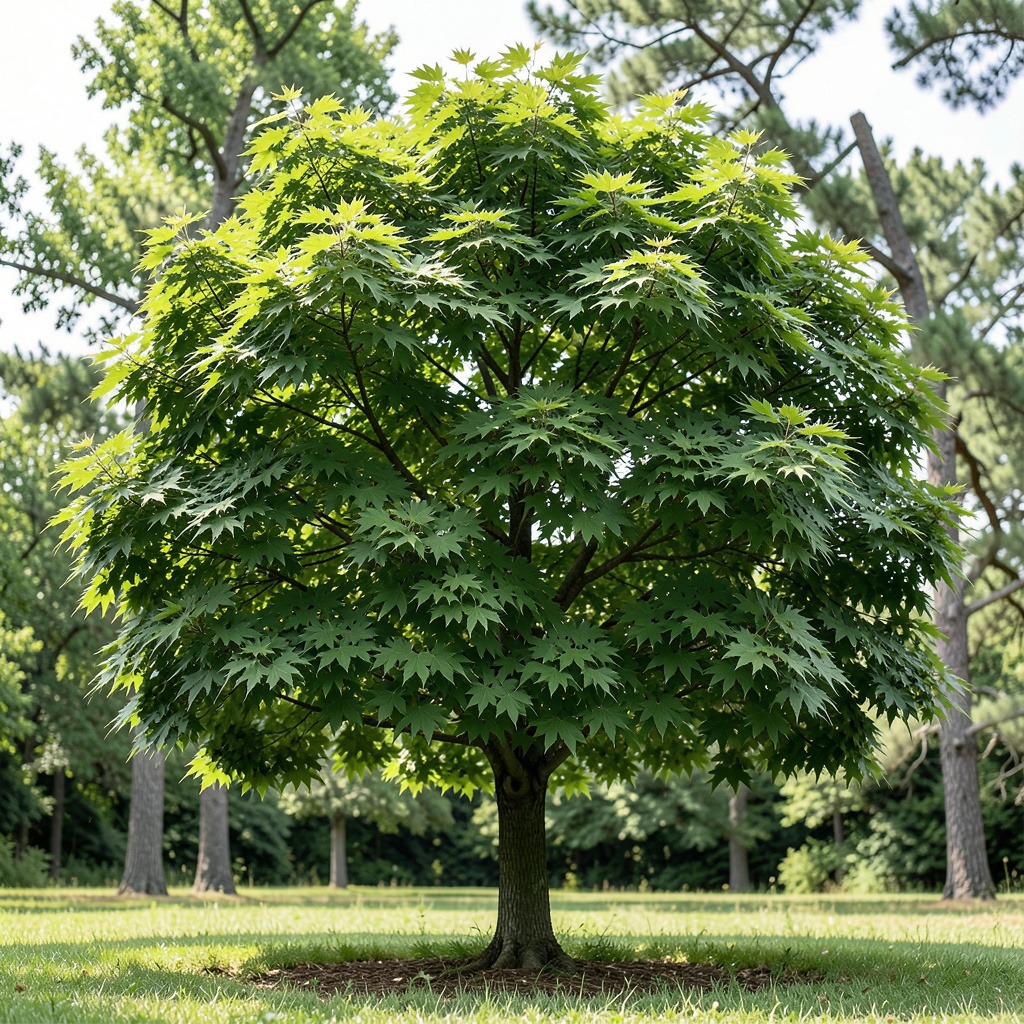
The Emerald Queen Maple requires specific care to thrive and maintain its beauty. Proper watering, soil conditions, and pruning practices are essential for its health.
Watering and Soil Requirements
The Emerald Queen Maple prefers moist, well-drained soil. Here are the key watering and soil guidelines:
- Watering Frequency:
- Mature Trees: Water once a week for 15 minutes during the summer.
- Spring and Autumn: Water every 2 to 3 weeks for about 10 minutes.
- Winter: Water occasionally when the soil feels dry.
- Soil Type:
- Tolerant of acidic, neutral, and alkaline soils.
- Ensure good drainage to prevent root rot.
Pruning Best Practices and Timing
Pruning is crucial for maintaining the structure and health of the Emerald Queen Maple. Follow these best practices:
- Timing:
- Prune in summer after the leaves have fully developed. Avoid late winter or early spring pruning to prevent sap bleeding.
- Pruning Focus:
- Remove dead, diseased, or damaged branches.
- Thin the canopy to improve airflow and light penetration.
- Pruning Limit:
- Do not remove more than 1/3 of the live crown in a single year to allow for recovery.
Pest Management Strategies
The Emerald Queen Maple may face pest challenges, including verticillium wilt. Implement these strategies to manage pests effectively:
- Regular Inspections: Check for signs of disease or insect infestations regularly.
- Cultural Practices: Maintain good air circulation around the tree and avoid excessive moisture near the base.
- Professional Help: Consult an arborist at the first sign of disease or severe pest problems.
Care Checklist
To ensure the Emerald Queen Maple thrives, follow this practical care checklist:
- [ ] Water mature trees weekly in summer.
- [ ] Water every 2-3 weeks in spring and autumn.
- [ ] Inspect soil drainage and amend if necessary.
- [ ] Prune in summer, focusing on dead or damaged branches.
- [ ] Remove no more than 1/3 of the crown annually.
- [ ] Monitor for pests and diseases regularly.
By adhering to these care requirements, homeowners can enjoy the vibrant beauty and shade provided by the Emerald Queen Maple tree while mitigating potential drawbacks.
Comparing the Emerald Queen Maple with Other Maple Varieties
When considering the Emerald Queen maple tree, it is essential to compare it with other popular maple varieties. This will help homeowners make informed decisions based on growth, care requirements, and suitability for their environment.
Emerald Queen vs. Crimson King Maple
The Emerald Queen and Crimson King maple both offer unique benefits and characteristics. Here’s a comparison:
| Feature | Emerald Queen Maple | Crimson King Maple |
|---|---|---|
| Scientific Name | Acer platanoides ‘Emerald Queen’ | Acer platanoides ‘Crimson King’ |
| Growth Rate | Fast (up to 3 feet per year) | Moderate (1-2 feet per year) |
| Height | 40-50 feet | 30-40 feet |
| Fall Color | Yellow | Red to burgundy |
| Shade Tolerance | High | Moderate |
| Invasiveness | Moderate | Low |
| Care Requirements | Low maintenance | Moderate maintenance |
Pros and Cons of Alternative Maple Varieties
Homeowners may also consider other maple varieties. Each has its pros and cons:
- Sugar Maple (Acer saccharum)
- Pros: Excellent fall color, high shade tolerance.
- Cons: Slow growth, prefers well-drained soil.
- Red Maple (Acer rubrum)
- Pros: Fast growth, adaptable to various soil types.
- Cons: Can be invasive in some areas.
- Silver Maple (Acer saccharinum)
- Pros: Rapid growth, good for quick shade.
- Cons: Weak wood, prone to storm damage.
Decision Framework for Site Suitability
When choosing a maple variety, consider the following:
- Space: Ensure the selected tree fits your landscape without overcrowding.
- Soil Type: Test soil drainage and pH to match tree preferences.
- Sunlight: Assess sunlight exposure to determine the best maple for your yard.
- Maintenance: Evaluate your ability to maintain the tree, including pruning and pest control.
By understanding these comparisons and factors, homeowners can select the most suitable maple variety for their needs and environment.
Practical Tips for Urban Planting of the Emerald Queen Maple
Successfully planting an Emerald Queen maple in urban settings involves understanding its specific needs and potential challenges. This tree can thrive in city landscapes, but careful planning and maintenance are essential.
Ideal Conditions for Planting
To maximize the growth and health of your Emerald Queen maple, consider the following conditions:
- Sunlight: Aim for 6 to 8 hours of direct sunlight daily. Morning sun with some afternoon shade is ideal.
- Soil: Ensure well-drained, loamy soil. Test pH levels to maintain neutrality (6.0 to 7.5).
- Space: Select a location with ample room for the canopy to grow, ideally away from overhead power lines.
- Watering: Establish a consistent watering routine, especially during the first few years, to encourage deep root development.
Managing Invasiveness in Urban Areas
Emerald Queen maples can self-seed, which may lead to unwanted saplings. Here are strategies to manage this issue:
- Regular Monitoring: Check your planting area for seedlings in early spring. Remove any that appear.
- Pruning: Prune during late winter or early spring to maintain shape and reduce clutter. This also helps with air circulation, minimizing pest issues.
- Mulching: Apply mulch around the base to suppress weeds and retain moisture, which can help control seedlings.
Expert Insights on Urban Planting Practices
Engage with urban forestry experts to refine your planting approach. Consider the following best practices:
- Planting Depth: Ensure the tree is planted at the same depth as it was in the nursery. This promotes strong root establishment.
- Spacing Guidelines: Maintain a distance of at least 20-30 feet from other large trees to prevent competition for resources.
- Community Involvement: Collaborate with local urban forestry programs. They can provide resources and support for maintaining the tree’s health while enhancing the community’s green space.
By following these guidelines, homeowners can effectively address the pros and cons of planting an Emerald Queen maple in urban environments, ensuring a healthy and aesthetically pleasing addition to their landscapes.
Frequently Asked Questions
These quick answers cover the most common questions about this topic, including key details, practical tips, and common concerns.
What is the growth rate of an Emerald Queen maple tree?
The Emerald Queen maple tree is known for its fast growth rate, typically reaching heights of 40 to 50 feet within 20 to 30 years. Under optimal conditions, it can grow up to 3 feet per year. This rapid growth makes it an attractive option for homeowners looking to establish shade quickly.
How far away from a house should a maple tree be?
When planting an Emerald Queen maple, it’s advisable to position it at least 20 to 30 feet away from your house. This distance helps prevent potential damage from its shallow root system, which can disrupt foundations, sidewalks, and driveways. Adequate spacing also allows the tree to develop its full canopy without overcrowding nearby structures.
What are common problems with Emerald Queen maple trees?
Emerald Queen maples can face several issues, including susceptibility to verticillium wilt, which can be fatal. Their shallow root system may also cause structural damage to nearby surfaces and hinder lawn growth. Additionally, the tree can become invasive, reseeding itself and potentially outcompeting native plants in the area.
What is the ideal climate for growing an Emerald Queen maple?
Emerald Queen maples thrive in a variety of climates but prefer temperate zones with well-defined seasons. They are adaptable to urban environments, tolerating pollution and compacted soil. However, they require full sun to partial shade for optimal growth, making them suitable for most residential settings.
What are the best soil conditions for an Emerald Queen maple?
The ideal soil for an Emerald Queen maple is well-drained and moist, with a pH range of 6.0 to 7.5. While it can tolerate various soil types, including acidic and alkaline soils, good drainage is crucial to prevent root rot. Amending the soil with organic matter can enhance drainage and nutrient availability.
Can I plant an Emerald Queen maple near power lines?
It is not recommended to plant an Emerald Queen maple near power lines due to its potential height and broad canopy spread. Aim to plant it at least 20 to 30 feet away from overhead lines to avoid interference and ensure safe growth. This distance helps prevent future pruning or damage to the tree and utility lines.
How does the Emerald Queen compare to other maple varieties?
Compared to other maples, the Emerald Queen is known for its rapid growth and vibrant yellow fall color. In contrast, the Crimson King maple offers a striking red foliage but grows more slowly. Additionally, the Sugar Maple is less invasive and has a deeper root system, making it a better choice for some landscapes. Each variety has unique benefits, so consider your specific needs when choosing a tree.
What are alternatives to the Emerald Queen maple for urban settings?
If you’re looking for alternatives to the Emerald Queen maple, consider the Sugar Maple or the Red Maple. The Sugar Maple offers beautiful fall colors and is less invasive, while the Red Maple grows quickly and adapts well to various soil types. Both can provide similar aesthetic benefits without some of the challenges associated with the Emerald Queen.