
The Espresso Kentucky Coffee Tree offers unique aesthetic benefits and shade but has drawbacks like toxic seed pods and maintenance needs.
Table of Contents
The Espresso Kentucky Coffee Tree, a popular choice in landscaping, provides unique aesthetic and environmental benefits. However, it also has its drawbacks, making it essential for potential planters to weigh its pros and cons before planting.
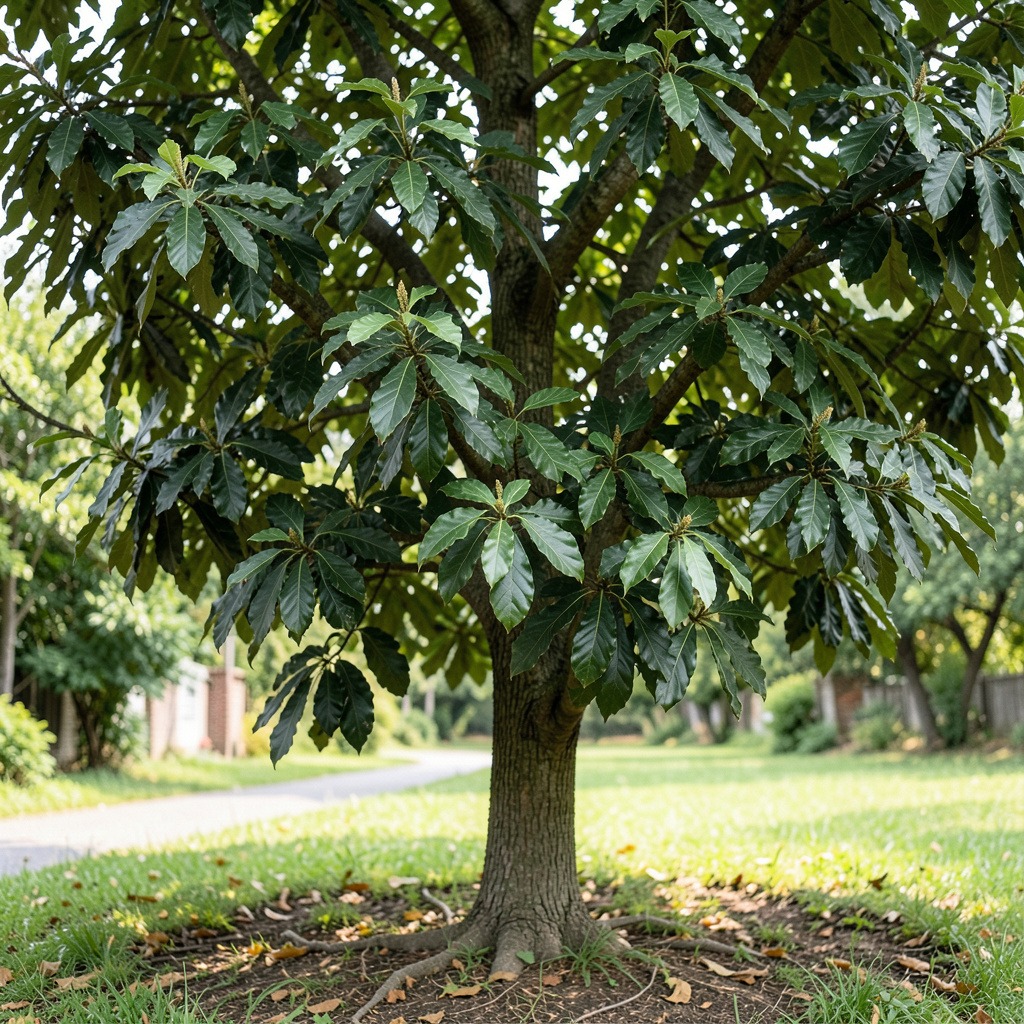
Overview of the Espresso Kentucky Coffee Tree
The Espresso Kentucky Coffee Tree (Gymnocladus dioicus ‘Espresso’) is a notable cultivar known for its striking appearance and unique growth characteristics. This tree plays a significant role in landscaping, offering both aesthetic appeal and functional benefits.
Characteristics of the Espresso Kentucky Coffee Tree
- Scientific Classification: A seedless male cultivar of the Kentucky Coffee Tree.
- Size: Grows up to 50 feet tall with a spread of 30 feet.
- Foliage: Features large, compound leaves that provide dappled shade.
- Growth Habit: Adopts a vase-like shape as it matures, with a high canopy clearance of about 7 feet.
Pros of the Espresso Kentucky Coffee Tree
1. Aesthetic Appeal: The tree’s lush green foliage turns a vibrant yellow in the fall, enhancing landscape beauty.
2. Dappled Shade: Provides gentle, filtered shade, making it ideal for gardens where partial sunlight is beneficial.
3. Low Maintenance: It generally requires minimal care once established, thriving in various soil types.
Cons of the Espresso Kentucky Coffee Tree
1. Size Requirements: This tree needs ample space for roots and canopy, which may not suit smaller yards.
2. Late Leafing: It is one of the last trees to leaf out in spring, which may be a drawback for those seeking early greenery.
3. Toxicity: While the tree is visually appealing, its seeds and foliage can be toxic if ingested, necessitating caution around pets and children.
Care and Maintenance
The Espresso Kentucky Coffee Tree thrives in USDA hardiness zones 3 to 8. It prefers full sunlight and can adapt to both moist and dry locations. Regular pruning is necessary to maintain shape and manage low-hanging branches.
Growth Rate and Conditions
This tree has a slow growth rate, taking several years to reach maturity. Proper planting conditions include well-drained soil and adequate sunlight to promote healthy growth.
By understanding these pros and cons, potential planters can make informed decisions about incorporating the Espresso Kentucky Coffee Tree into their landscapes.
1. Aesthetic Appeal of the Espresso Kentucky Coffee Tree
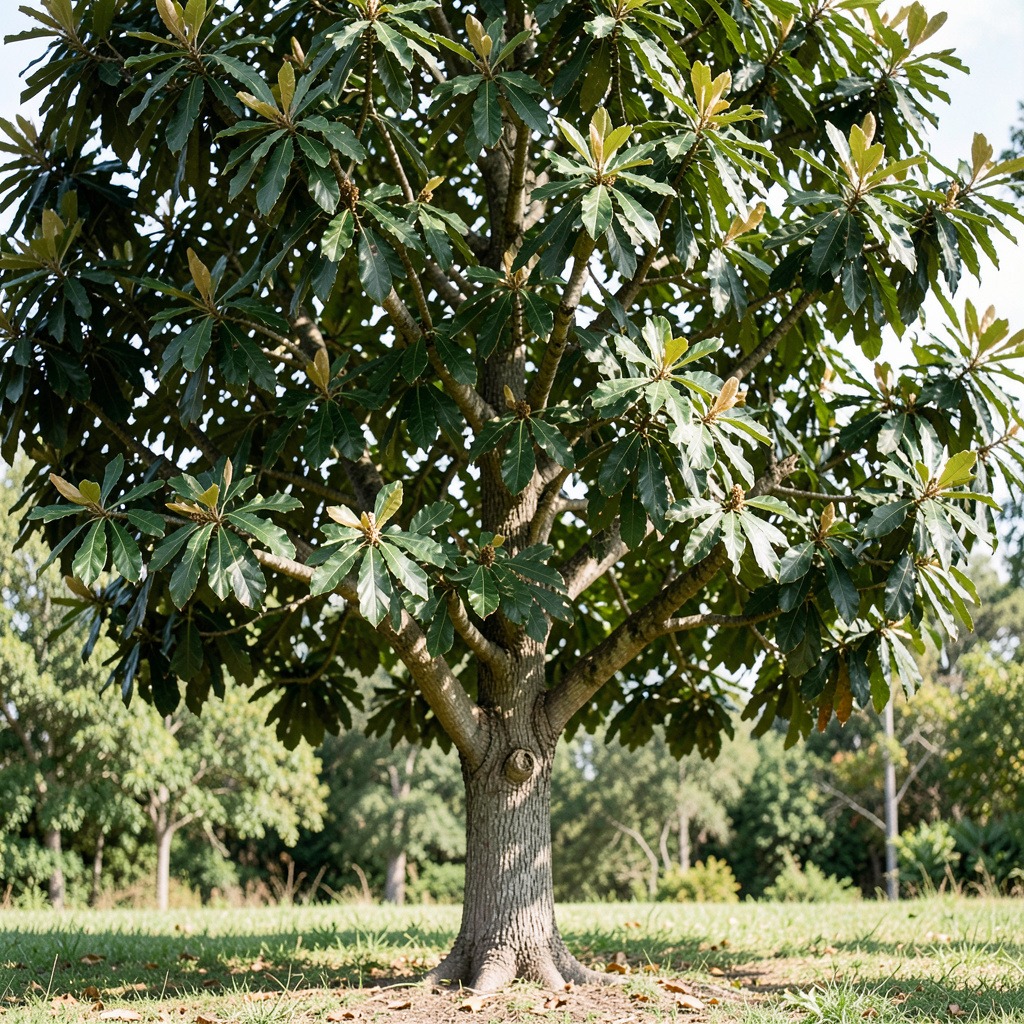
The Espresso Kentucky Coffee Tree is celebrated for its striking visual characteristics, making it a valuable addition to various landscapes. Its unique foliage and seasonal color changes greatly enhance outdoor aesthetics.
Unique Foliage and Structure
The Espresso Kentucky Coffee Tree features large, compound leaves that create a tropical feel. These leaves are dark green and offer dappled shade, which is ideal for underplanting other shade-loving species. The tree’s architecture is characterized by:
- Vase-like shape: Mature trees develop a distinctive vase shape, adding height and structure to the landscape.
- Rugged bark: The dark, rough bark provides an attractive contrast against the lush foliage.
- Arching branches: The soft, arching branches contribute to a graceful canopy, enhancing the overall visual appeal.
These qualities make the tree a standout choice for parks, front yards, and expansive gardens.
Seasonal Color Changes
The Espresso Kentucky Coffee Tree offers dynamic visual interest throughout the year.
- Spring: The tree is one of the last to leaf out, allowing for a gradual introduction of greenery in the landscape.
- Summer: During the warmer months, the dense foliage provides a cooling effect and light, dappled shade.
- Fall: As autumn approaches, the leaflets transform into a vibrant yellow, creating a stunning display against the backdrop of an autumn sky.
This seasonal transformation not only adds beauty but also enhances the overall landscape design, ensuring year-round visual interest.
Landscaping Examples
In successful landscaping projects, the Espresso Kentucky Coffee Tree has been used to create serene, shaded areas. For instance, homeowners have positioned this tree near patios and seating areas to provide comfortable shade. Additionally, its structure works well to frame views, drawing the eye upward and creating a sense of space.
By considering the aesthetic attributes of the Espresso Kentucky Coffee Tree, landscapers can make informed decisions that align with their design goals.
2. Benefits of Providing Dappled Shade
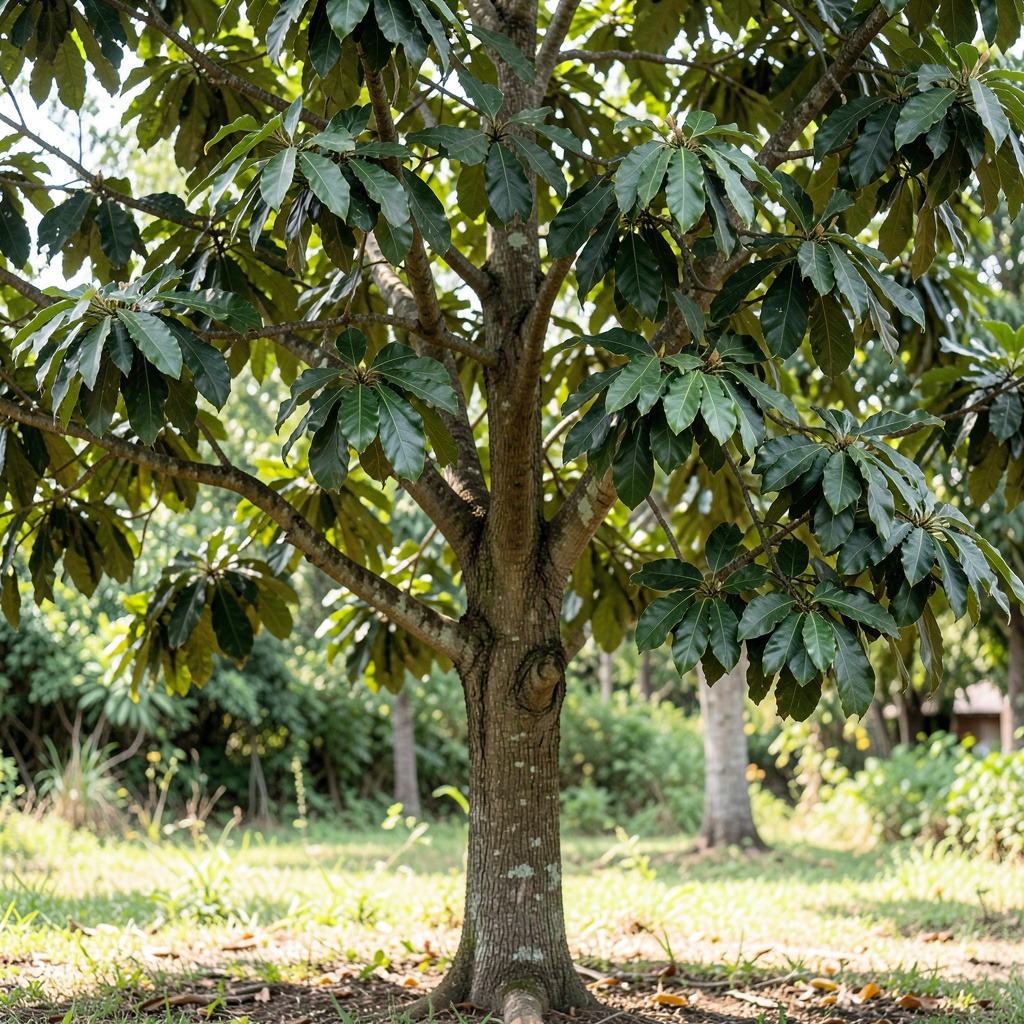
The Espresso Kentucky Coffee Tree offers distinct advantages through its dappled shade, enhancing the health and aesthetics of nearby plants and outdoor spaces.
Enhancing Plant Growth
Dappled shade is beneficial for many plants that thrive in partial sunlight. Here are some examples:
- Shade-Tolerant Plants: Varieties like ferns, hostas, and astilbes flourish under the filtered light provided by the tree’s canopy.
- Vegetable Gardens: Leafy greens, such as spinach and lettuce, can benefit from the cooler temperatures and reduced sunlight, extending their growing season.
- Flower Beds: Perennials like columbine and bleeding heart prefer some shade, allowing for vibrant blooms without the stress of direct sun exposure.
Improving Outdoor Comfort
The dappled shade from the Espresso Kentucky Coffee Tree creates a more pleasant environment for outdoor activities. Homeowners can use this feature to enhance their landscapes in the following ways:
- Patios and Decks: Position the tree near seating areas to provide natural cooling, making outdoor lounging more enjoyable.
- Play Areas: Families can create shaded play zones for children, reducing the risk of sunburn and heat-related issues.
- Garden Walkways: Using the tree to shade pathways can create a more inviting space, encouraging outdoor exploration.
Design Considerations
When incorporating the Espresso Kentucky Coffee Tree into your landscape, consider the following guidelines:
- Placement: Ensure the tree is strategically located to maximize its shade benefits for surrounding plants and spaces.
- Maintenance: Regularly check for low-hanging branches that may obstruct pathways or seating areas.
- Growth Potential: Be aware that this tree can reach heights of up to 50 feet, so plan accordingly to accommodate its mature size.
By understanding the advantages of dappled shade, homeowners can make informed decisions that enhance both the functionality and beauty of their landscapes.
3. Low-Maintenance Characteristics
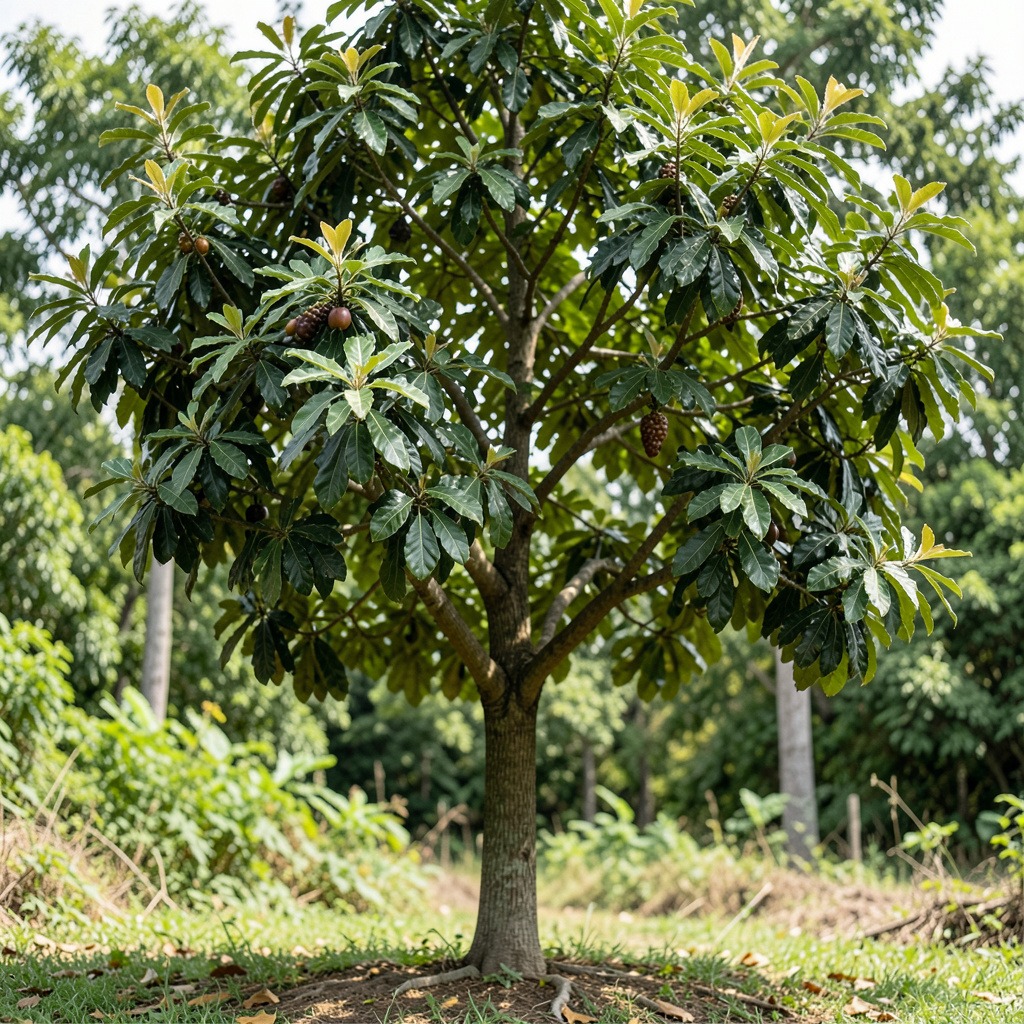
The Espresso Kentucky Coffee Tree is known for its resilience and minimal care requirements. Compared to many other tree species, it stands out as an excellent choice for homeowners seeking a low-maintenance landscaping option.
Resilience to Pests and Diseases
The Espresso Kentucky Coffee Tree exhibits a strong resistance to common pests and diseases. This characteristic significantly reduces the need for chemical treatments or frequent monitoring. Homeowners can enjoy a more sustainable landscape without the burden of constant upkeep.
- Pest Resistance: The tree is highly resistant to infestations, minimizing the risk of damage.
- Disease Tolerance: It is less susceptible to diseases that typically affect other tree species.
- Low Maintenance: Reduced pest and disease issues mean fewer interventions are necessary.
Watering and Soil Preferences
This tree thrives in a variety of soil conditions and requires minimal watering once established. Understanding its preferences helps ensure optimal growth with minimal effort.
- Soil Type: Adaptable to clay, loam, and sandy soils, provided they are well-drained.
- Watering Needs: Requires regular watering during the first year, but becomes drought-tolerant afterward.
- Checklist for Low-Maintenance Care:
- Plant in a well-drained area.
- Water deeply but infrequently once established.
- Mulch around the base to retain moisture and control weeds.
- Prune only as needed to maintain shape and remove any low-hanging branches.
In contrast to other trees, such as oaks or maples, which may require more frequent watering and pest management, the Espresso Kentucky Coffee Tree presents a straightforward option for those looking to enhance their landscape without excessive maintenance demands.
4. Drawbacks: Toxic Parts of the Tree
The Espresso Kentucky Coffee Tree, while visually appealing, contains toxic components that require caution. Understanding these elements is essential for safe landscaping, especially if children or pets are present.
Toxic Components
The tree has specific parts that can pose risks if ingested. Here’s a breakdown:
| Toxic Part | Description | Potential Risks |
|---|---|---|
| Seeds | Contain toxic compounds that can be harmful. | Nausea, vomiting, and digestive issues. |
| Pods | Also toxic and may cause similar effects. | Gastrointestinal distress. |
| Leaves | Generally less toxic but should be avoided. | Mild irritation if ingested. |
Safety Precautions
To ensure safety when planting the Espresso Kentucky Coffee Tree, consider these precautions:
- Keep Away from Children and Pets: Educate family members about the tree’s toxic parts.
- Regular Maintenance: Remove fallen pods and seeds promptly to minimize risks.
- Supervise Outdoor Activities: Monitor play areas near the tree, especially for younger children.
Decision-Making Considerations
When deciding whether to plant this tree, weigh the aesthetic benefits against the potential hazards:
- Assess Your Space: If you have children or pets, consider alternative trees that do not have toxic elements.
- Educate Yourself: Familiarize yourself with the tree’s growth patterns and maintenance needs to manage risks effectively.
By being informed about the toxic components and taking safety precautions, homeowners can enjoy the benefits of the Espresso Kentucky Coffee Tree while minimizing risks.
5. Growth Rate and Longevity
The Espresso Kentucky Coffee Tree exhibits a moderate growth rate and can thrive for decades. Understanding its growth characteristics helps in planning your landscape effectively.
What is the Growth Rate?
The Espresso Kentucky Coffee Tree typically grows 1 to 2 feet per year. This moderate pace means it takes time to reach its full height, which can be around 50 feet at maturity. Consider this growth rate when planning your garden layout.
- Initial Growth: The tree often has a coarse appearance when young.
- Mature Form: As it matures, it develops a vase-like shape that enhances its aesthetic appeal.
Lifespan and Longevity
This tree boasts an impressive lifespan, often living up to 90 years. Its longevity makes it a valuable addition to any landscape, as it provides long-term benefits such as shade and beauty.
Optimal Growth Conditions
To maximize growth and longevity, plant the Espresso Kentucky Coffee Tree in the following conditions:
- Sunlight: Requires full sunlight for optimal growth.
- Soil: Adapts well to both moist and dry soils.
- Spacing: Ensure ample space above and below ground to accommodate its size.
Example Scenarios for Planting
- Residential Areas: Ideal for spacious backyards where its dappled shade can be fully appreciated.
- Public Parks: Provides significant shade and aesthetic value in larger landscapes.
By understanding the growth rate and longevity of the Espresso Kentucky Coffee Tree, homeowners can make informed decisions that align with their landscaping goals.
6. Common Issues and Problems
While the Espresso Kentucky Coffee Tree offers numerous advantages, potential issues may arise during planting and maintenance. Understanding these challenges enables homeowners to make informed decisions.
Maintenance Needs and Tree Litter
One of the primary concerns is the maintenance associated with fallen leaves and potential litter. Although the Espresso variant is seedless, it still produces some leaf drop, which can require periodic cleanup. This is particularly important in urban landscapes where cleanliness is a priority.
Growth Characteristics and Space Requirements
The tree’s growth rate is relatively slow, which can be misleading. Homeowners may expect quicker results when establishing shade or aesthetic appeal. It is essential to plan for ample spacing, both above and below ground, to accommodate its mature size. Neglecting this can lead to overcrowding and stunted growth.
Pests and Diseases
Although the Espresso Kentucky Coffee Tree is generally resistant to pests and diseases, it is not immune. Regular monitoring is vital. Common issues may include:
- Aphids: These can occasionally infest the leaves, causing damage.
- Fungal diseases: While rare, they can occur in overly damp conditions.
User Experiences
Many users have shared practical insights regarding common problems. For instance, one homeowner noted that, despite the tree’s drought resistance, regular watering was necessary during its establishment phase. Others found that the tree’s appearance improved significantly once it reached maturity, reinforcing the importance of patience in landscaping decisions.
By understanding these potential issues, homeowners can better prepare for the challenges of cultivating an Espresso Kentucky Coffee Tree, ensuring a thriving landscape that meets their aesthetic and functional needs.
7. Best Planting Conditions for Success
To ensure the optimal growth of the Espresso Kentucky Coffee Tree, it is crucial to plant it under the right conditions. This tree thrives in specific soil types and sunlight exposure, making careful planning essential for a successful landscape.
Ideal Soil Types
The Espresso Kentucky Coffee Tree prefers well-draining soil. Here are the optimal soil conditions:
- Loamy Soil: A balanced mix of sand, silt, and clay promotes healthy root development.
- Sandy Soil: Provides excellent drainage, reducing the risk of root rot.
- Clay Soil: While it can retain moisture, it should be amended with organic matter for better drainage.
Sunlight Requirements
This tree flourishes in full sunlight. Here’s what to consider:
- Full Sun: Aim for at least 6-8 hours of direct sunlight daily. This encourages robust growth and vibrant foliage.
- Partial Shade: While it can tolerate some shade, too little sunlight can stunt growth and reduce leaf quality.
Checklist for Planting Success
1. Select the Right Location: Ensure the site receives ample sunlight.
2. Test Soil Quality: Check for drainage and amend as necessary.
3. Watering Strategy: Establish a consistent watering routine, especially during the establishment phase.
4. Space for Growth: Allow sufficient room for the tree to reach its full height of about 50 feet and spread of 30 feet.
Growth Rate and Establishment
The Espresso Kentucky Coffee Tree grows at a slow rate. It may take several years to reach maturity. Here are some guidelines for establishment:
- Initial Growth: Expect limited height increase during the first few years.
- Long-Term Care: Once established, it can withstand drought conditions but benefits from regular watering.
By carefully considering soil types, sunlight exposure, and maintenance practices, you can create an ideal environment for the Espresso Kentucky Coffee Tree.
8. Comparisons with Other Tree Species
When considering the Espresso Kentucky Coffee Tree for your landscape, it’s beneficial to compare it with other popular tree species. This comparison can help you make an informed decision based on your specific needs and preferences.
Espresso Kentucky Coffee Tree vs. Eastern Redbud
| Feature | Espresso Kentucky Coffee Tree | Eastern Redbud |
|---|---|---|
| Size at Maturity | 50 ft tall, 30 ft spread | 20-30 ft tall, 25 ft spread |
| Shade | Dappled shade | Full to partial shade |
| Growth Rate | Slow | Moderate |
| Foliage Color in Fall | Yellow | Yellow to reddish |
| Pest Resistance | Highly resistant | Moderate |
Key Takeaway: If you have limited space, the Eastern Redbud might be a better fit due to its smaller size. The Espresso Kentucky Coffee Tree offers more significant shade but requires more room.
Espresso Kentucky Coffee Tree vs. Sugar Maple
| Feature | Espresso Kentucky Coffee Tree | Sugar Maple |
|---|---|---|
| Size at Maturity | 50 ft tall, 30 ft spread | 60-75 ft tall, 40 ft spread |
| Shade | Dappled shade | Dense shade |
| Growth Rate | Slow | Moderate to fast |
| Foliage Color in Fall | Yellow | Vibrant orange/red |
| Pest Resistance | Highly resistant | Moderate |
Key Takeaway: The Sugar Maple provides denser shade and vibrant fall colors but requires more space and has a faster growth rate. The Espresso Kentucky Coffee Tree is ideal for those who prefer a slower-growing option with unique aesthetics.
Decision-Making Framework
To choose the right tree for your landscape, consider the following criteria:
- Space Availability: Measure your planting area to determine which tree fits best.
- Shade Requirements: Decide whether you need full shade or prefer dappled light.
- Growth Rate Preference: Choose between a quick-growing tree or one that matures slowly.
- Aesthetic Appeal: Consider the seasonal changes in foliage color and texture.
- Maintenance Level: Assess your willingness to manage pests and care for the tree.
By evaluating these factors, you can select a tree that aligns with your landscaping goals while weighing the pros and cons of the Espresso Kentucky Coffee Tree against its alternatives.
9. Final Thoughts on the Espresso Kentucky Coffee Tree
The Espresso Kentucky Coffee Tree offers unique aesthetic benefits and functional shade for various landscapes. However, potential planters should carefully consider its characteristics and requirements before making a decision.
Key Pros of the Espresso Kentucky Coffee Tree
- Dappled Shade: Provides gentle, filtered sunlight, making it suitable for gardens with underplantings.
- Aesthetic Appeal: Features tropical-like leaves that transition from forest green in summer to vibrant yellow in fall.
- Low Maintenance: As a seedless cultivar, it reduces litter and eliminates concerns about seeds germinating in undesired areas.
Considerations and Cons
- Space Requirements: The tree grows significantly tall (up to 50 feet) and wide (up to 30 feet), which may not suit smaller yards.
- Delayed Leafing: It is one of the last trees to leaf out in spring, which may impact your landscape’s early-season appearance.
- Toxic Parts: All parts of the tree are toxic if ingested, particularly the seeds of non-grafted varieties, which could pose risks to pets and children.
Decision-Making Framework
When deciding whether to plant an Espresso Kentucky Coffee Tree, consider the following criteria:
- Space Availability: Ensure you have ample room for growth, including both height and canopy spread.
- Shade Needs: Assess if your landscape requires full shade or if dappled light suffices.
- Maintenance Willingness: Determine your readiness to manage potential pests and care for the tree as it matures.
By weighing these pros and cons against your landscaping goals, you can make an informed decision about planting the Espresso Kentucky Coffee Tree.
Frequently Asked Questions
These quick answers cover the most common questions about this topic, including key details, practical tips, and common concerns.
What are the pros and cons of a Kentucky coffee bean tree?
Pros: The Espresso Kentucky Coffee Tree offers aesthetic appeal with its lush green foliage that turns vibrant yellow in fall. It provides dappled shade, making it ideal for gardens with other shade-loving plants. Additionally, it is low-maintenance, requiring minimal care once established.
Cons: This tree can be quite large, reaching up to 50 feet tall and 30 feet wide, which may not suit smaller yards. It is also one of the last trees to leaf out in spring, potentially delaying the arrival of greenery in your landscape. Furthermore, its seeds and foliage can be toxic if ingested, posing risks to pets and children.
How quickly does a Kentucky coffeetree grow?
The Espresso Kentucky Coffee Tree grows at a moderate pace of about 1 to 2 feet per year. It takes several years to reach its full height of around 50 feet. During the initial years, growth may appear slow, so patience is required for homeowners looking to establish shade or aesthetic appeal.
Are Kentucky coffee trees messy?
While the Espresso Kentucky Coffee Tree is a seedless cultivar, it can still produce some leaf litter, requiring occasional cleanup. However, compared to other tree species, it generates less debris. It’s important to maintain the area around the tree, especially in urban settings where cleanliness is a priority.
Where is the best place to plant a Kentucky coffeetree?
The best location for planting a Kentucky Coffee Tree is in an area that receives full sunlight for at least 6-8 hours a day. It thrives in well-drained soil, whether it’s sandy, loamy, or clay-based with amendments. Ensure there is ample space for its mature size to avoid overcrowding with other plants.
I have some Kentucky coffee trees. Are they good for anything?
Yes, Kentucky Coffee Trees can be beneficial in several ways. They provide dappled shade, making them suitable for planting near patios or play areas. Additionally, their unique foliage and seasonal color changes add aesthetic value to landscapes. The tree’s strong wood can also be used for various woodworking projects.
Are there any diseases that affect Kentucky Coffee Trees?
While the Espresso Kentucky Coffee Tree is generally resistant to pests and diseases, it can occasionally face issues like aphid infestations or fungal diseases in overly damp conditions. Regular monitoring and maintenance can help mitigate these risks and ensure the tree remains healthy.
How does the Espresso Kentucky Coffee Tree compare to the standard variety?
The Espresso Kentucky Coffee Tree is a seedless male cultivar of the standard Kentucky Coffee Tree, which produces toxic seeds. The Espresso variant offers similar aesthetic benefits but eliminates concerns about seed litter. Additionally, it tends to have a more refined shape and can be easier to maintain due to its low litter production.