
The Eumundi Quandong tree offers attractive foliage and ecological benefits but can pose issues like invasive roots and frost sensitivity, making careful placement essential for optimal growth and maintenance.
Table of Contents
Eumundi Quandong, scientifically known as Elaeocarpus eumundi, is a native Australian tree celebrated for its ornamental qualities and wildlife benefits. However, understanding its pros and cons is crucial for gardeners considering this unique addition to their landscapes.
Understanding the Eumundi Quandong Tree
The Eumundi Quandong, or Elaeocarpus eumundi, is a striking native Australian tree known for its aesthetic appeal and ecological benefits. It is essential for gardeners to understand its characteristics, habitat, and uses in landscaping to evaluate its suitability for their gardens.
Description and Appearance
The Eumundi Quandong features glossy dark green leaves and attractive red to bronze new growth. This evergreen tree can reach heights of 8 to 10 meters, making it an impressive specimen in any landscape. Its narrow, upright form is ideal for creating natural screens or boundaries. The tree produces small, cream-colored flowers in summer, followed by fruit that attracts various bird species.
Native Habitat and Distribution
Eumundi Quandong thrives in the subtropical climates of Queensland and New South Wales. It prefers well-drained soils and can adapt to both rainforest edges and open situations. This adaptability makes it a versatile choice for a variety of garden settings. In its natural habitat, it provides vital resources for wildlife, including nectar and seeds for birds.
Common Uses in Landscaping
Gardeners commonly use Eumundi Quandong for several purposes:
- Screening and Privacy: Its height and dense foliage make it an excellent choice for natural privacy screens.
- Aesthetic Appeal: The tree’s striking appearance enhances garden aesthetics, serving as a feature tree or focal point.
- Wildlife Habitat: It attracts nectar and seed-eating birds, contributing to local biodiversity.
- Erosion Control: Its root system helps stabilize soil, making it beneficial for sloped areas.
When planning its integration into a landscape, consider spacing to allow for its mature size. A spacing of 3 to 5 meters is generally recommended to promote healthy growth and airflow.
Pros of Planting Eumundi Quandong
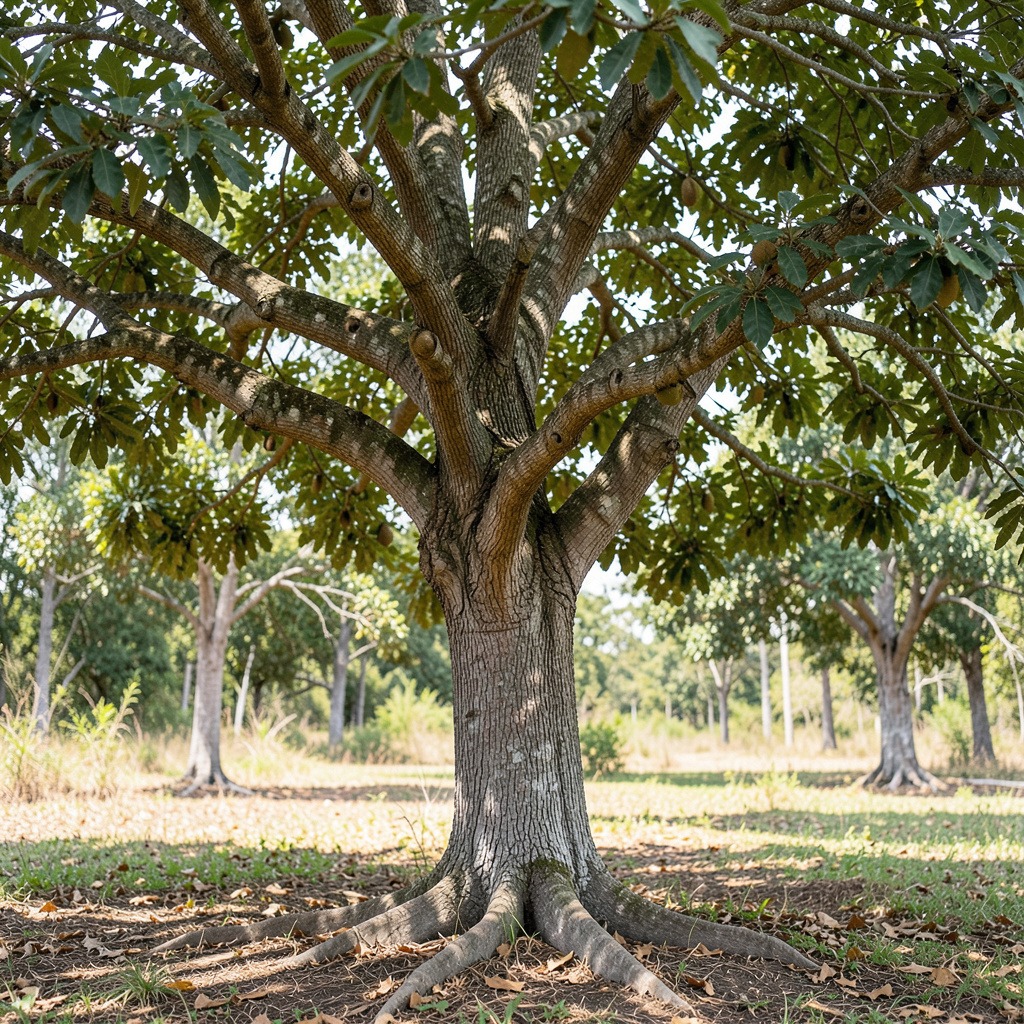
The Eumundi Quandong (Elaeocarpus eumundi) offers numerous advantages for gardeners. Its aesthetic appeal, ecological benefits, and low maintenance requirements make it a desirable choice for various landscapes.
Aesthetic Appeal and Growth Characteristics
Eumundi Quandong is known for its striking appearance. It features dense, glossy foliage and can reach heights of 8 to 10 meters. This upright growth habit makes it suitable for creating natural screens or focal points in gardens.
- Height: 8-10 meters, ideal for privacy.
- Foliage: Dense and glossy, enhancing visual interest.
- Shape: Narrow and upright, fitting well in compact spaces.
Environmental Benefits and Wildlife Attraction
This tree plays a vital role in supporting local biodiversity. Eumundi Quandong attracts various wildlife, including nectar and seed-eating birds. Its fruit, while not widely consumed by humans, serves as a food source for native fauna, promoting ecological health.
- Wildlife Support: Attracts birds and insects, enhancing ecosystem functionality.
- Soil Stabilization: Its root system aids in preventing soil erosion, making it beneficial for sloped areas.
Low Maintenance and Care Requirements
Eumundi Quandong is relatively low-maintenance, making it suitable for busy gardeners. It thrives in free-draining soils with a preference for warm, humid conditions. Once established, it requires minimal care.
- Watering: Moderate watering needs; well-drained soil is essential.
- Fertilization: Benefits from low-phosphorus native fertilizers in early spring.
- Pest Resistance: Generally resilient against common pests and diseases.
In comparison to other native trees, such as the Blueberry Ash, Eumundi Quandong requires less pruning and offers a narrower profile, making it advantageous for tighter spaces without compromising on privacy or aesthetics. This unique combination of characteristics positions the Eumundi Quandong as an excellent choice for sustainable and visually appealing gardening.
Cons of Planting Eumundi Quandong
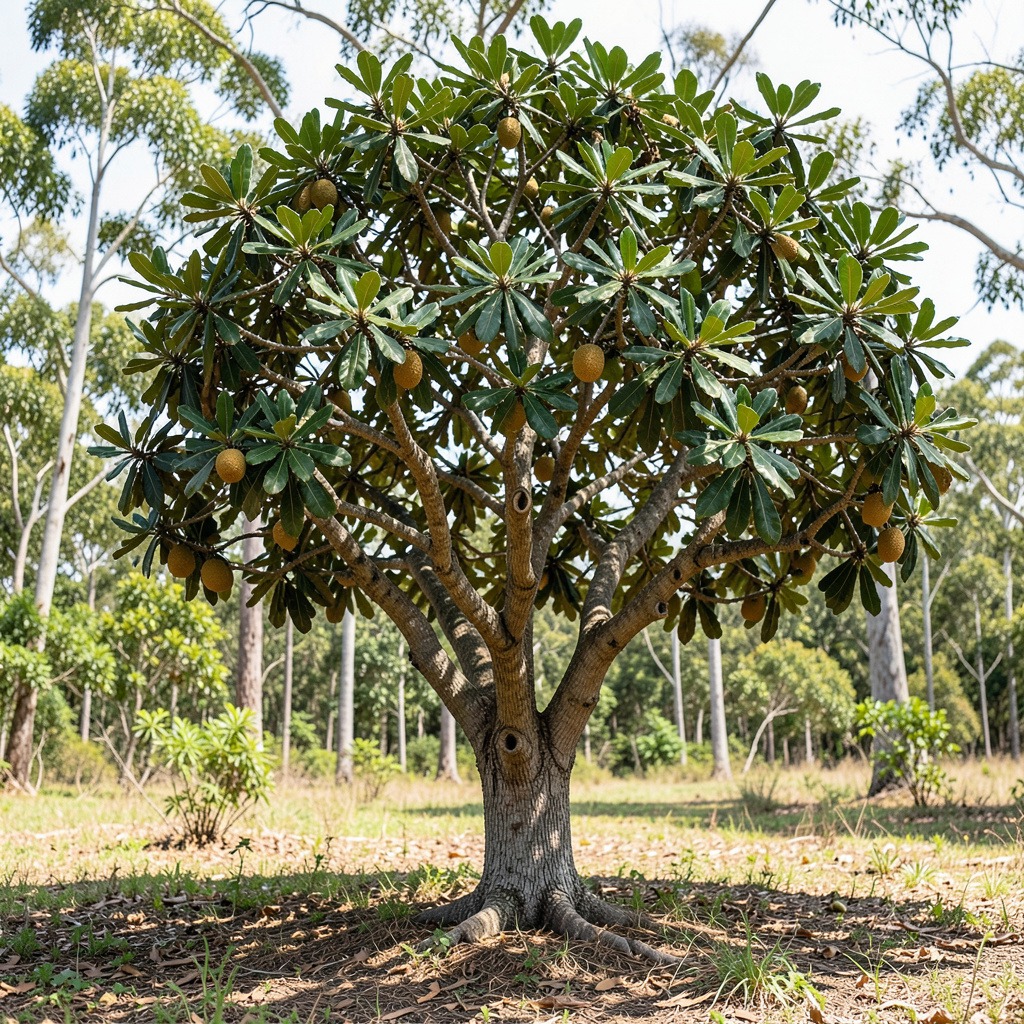
While the Eumundi Quandong offers numerous benefits, it also presents several challenges for gardeners. Understanding these drawbacks is essential to making an informed decision.
Frost Sensitivity and Growth Limitations
Eumundi Quandong is sensitive to frost and may struggle in cooler climates. It thrives best in subtropical and tropical zones. In areas with occasional frost, the tree may require protective measures to ensure its survival.
- Frost Tolerance: The Eumundi Quandong tolerates light frost, but heavy frost can damage young plants.
- Ideal Climate: Plant in regions with warm temperatures and humidity for optimal growth.
Gardeners in borderline climate zones should consider providing winter protection, such as mulching or temporary coverings, to mitigate frost damage.
Invasive Roots and Spacing Considerations
The root system of the Eumundi Quandong can become invasive, which may lead to complications in garden design. It’s crucial to plan spacing carefully to prevent root encroachment into nearby plants or structures.
- Root Behavior: Roots can spread aggressively, potentially damaging nearby pavements or competing with other plants for nutrients.
- Planting Distance: Maintain a distance of at least 2-3 meters from other plants or structures to minimize conflicts.
When integrating Eumundi Quandong into your garden, consider using barriers or planting it in designated areas to control its spread effectively.
Maintenance Challenges: Pests and Diseases
Despite its resilience, the Eumundi Quandong can face challenges from pests and diseases. Regular monitoring is essential to maintain the health of the tree.
- Common Pests: Watch for scale insects and caterpillars that may affect foliage.
- Disease Risks: Root rot can occur in poorly drained soils, emphasizing the importance of well-draining conditions.
Management Tips:
- Inspect the tree regularly for signs of pests.
- Use organic insecticides or introduce beneficial insects to control infestations.
- Ensure proper soil drainage to prevent root rot.
By implementing these management strategies, gardeners can successfully mitigate the potential drawbacks of planting Eumundi Quandong.
Care and Maintenance of Eumundi Quandong
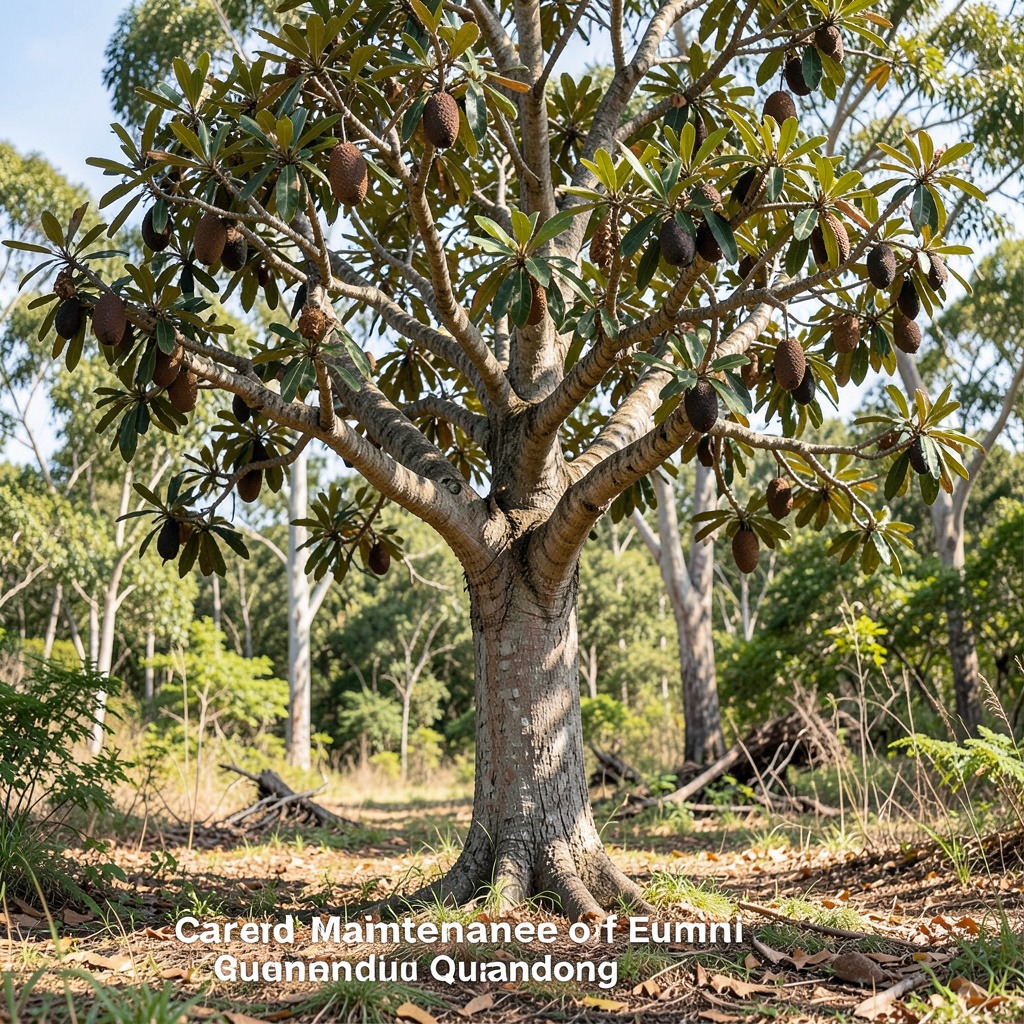
Caring for the Eumundi Quandong involves understanding its specific soil, watering, and pruning needs. These practices will enhance the tree’s growth and overall health, allowing gardeners to enjoy its many benefits.
Soil and Watering Needs
The Eumundi Quandong thrives in well-drained, nutrient-rich soils that mirror its native habitat. Here are the key soil and watering guidelines:
- Soil Composition: Aim for a mix that includes organic matter like compost and well-rotted manure. This will retain moisture while preventing waterlogging.
- Soil pH: Maintain a pH level between 6 and 7 to ensure nutrient accessibility.
- Watering Schedule: Water weekly during warmer months, ensuring the soil remains moist, but not saturated. Adjust based on rainfall.
- Drainage: Ensure good drainage to avoid root rot, especially in heavy soils.
Pruning and Maintenance Techniques
Regular pruning helps maintain the Eumundi Quandong’s shape and encourages healthy growth. Follow these maintenance techniques:
- Timing: Prune in late winter or early spring before new growth begins.
- Technique: Remove dead or crossing branches to improve air circulation. This also helps reduce disease risk.
- Frequency: Aim for light pruning annually. Heavy pruning can stress the tree.
Pest Management Strategies
While the Eumundi Quandong is resilient, it can still face challenges from pests. Implement these strategies for effective management:
- Regular Inspections: Check the tree weekly for signs of pests like scale insects and caterpillars.
- Organic Control: Use organic insecticides when necessary. Consider introducing beneficial insects like ladybugs to manage pests naturally.
- Soil Health: Maintain proper drainage to prevent root rot, which can attract pests.
Quick Care Checklist
- Soil: Well-drained, nutrient-rich, pH 6-7
- Watering: Weekly, adjust for rain
- Pruning: Late winter/spring, remove dead branches
- Pest Management: Regular checks, organic controls
By adhering to these care guidelines, gardeners can optimize the health and beauty of the Eumundi Quandong.
Integrating Eumundi Quandong into Your Garden Design
Incorporating the Eumundi Quandong into your garden design can enhance both aesthetic appeal and ecological function. Understanding its pros and cons will help you make informed decisions for various garden scenarios.
Design Scenarios for Successful Planting
The Eumundi Quandong thrives in subtropical climates, making it suitable for gardens in Australia’s warmer regions. Here are some design scenarios to consider:
- Screening and Privacy: Due to its tall, narrow structure, the Eumundi Quandong serves as an excellent privacy screen. Space trees approximately 2-3 meters apart for optimal growth and coverage.
- Wildlife Habitat: This tree attracts native birds with its fruits and flowers. Planting in clusters can enhance habitat diversity and promote wildlife engagement.
- Erosion Control: The deep root system of the Eumundi Quandong helps stabilize soil, making it ideal for planting on slopes or areas prone to erosion.
Balancing Aesthetics and Functionality
When integrating the Eumundi Quandong, balance visual appeal with functional benefits. Consider the following:
- Height and Shape: With a mature height of 8-10 meters, this tree provides significant shade while maintaining a slender profile. Its upright growth can complement broader plants in mixed borders.
- Seasonal Interest: The Eumundi Quandong offers year-round greenery. In spring, its flowers attract pollinators, while the fruits provide food for birds and other wildlife in summer.
- Soil and Water Requirements: Ensure well-drained, nutrient-rich soil with a pH of 6-7. Water weekly, adjusting for rainfall, to support healthy growth.
Examples of Successful Integrations
Real-world examples can inspire your own garden design:
1. Suburban Privacy Screens: Homeowners have successfully used Eumundi Quandong to create dense privacy screens along property lines, enhancing both aesthetics and seclusion.
2. Community Gardens: Many community gardens plant Eumundi Quandong among native flora to promote biodiversity while providing shade and food sources for local wildlife.
3. Erosion Control Projects: Environmental initiatives have employed Eumundi Quandong in reforestation efforts on degraded lands, showcasing its effectiveness in stabilizing soil while contributing to ecological restoration.
By thoughtfully integrating Eumundi Quandong into your garden design, you can capitalize on its benefits while mitigating potential drawbacks.
Conclusion: Weighing Your Decision on Eumundi Quandong
The Eumundi Quandong offers several advantages and disadvantages for gardeners. Understanding these factors can help you make an informed decision about whether to incorporate this tree into your landscape.
Pros of Eumundi Quandong
- Aesthetic Appeal: The Eumundi Quandong’s tall, narrow form provides a striking visual element in any garden. It can grow up to 10 meters, making it ideal for creating vertical interest.
- Ecological Benefits: This tree attracts local wildlife, including birds and beneficial insects, enhancing biodiversity in your garden. It also plays a role in soil stabilization, making it valuable for erosion control.
- Low Maintenance: Once established, the Eumundi Quandong requires minimal care. It’s relatively drought-tolerant and needs less frequent pruning compared to other screening trees.
Cons of Eumundi Quandong
- Soil Requirements: The Eumundi Quandong thrives in well-drained, nutrient-rich soils. Poor soil conditions can hinder its growth and overall health.
- Climate Sensitivity: While adaptable, this tree may struggle in colder regions or extreme drought conditions. Gardeners in such areas need to consider its limitations before planting.
- Fruit Considerations: While the Eumundi Quandong produces fruit, it may not be suitable for all gardens. The fruit is not commonly harvested for culinary use, which could be a downside for gardeners seeking edible plants.
Decision-Making Framework
When considering the Eumundi Quandong, evaluate the following:
- Space and Height: Ensure you have sufficient space for its growth. This tree works well as a privacy screen or boundary marker in larger gardens.
- Soil Preparation: Assess your soil quality. If it does not meet the requirements, consider amending it before planting.
- Climate Compatibility: Check your local climate conditions. If you live in a colder region, explore alternatives that offer similar benefits.
By weighing these pros and cons, you can determine if the Eumundi Quandong fits your gardening goals and environmental conditions.
Frequently Asked Questions
These quick answers cover the most common questions about this topic, including key details, practical tips, and common concerns.
How fast does Eumundi Quandong grow?
Eumundi Quandong typically grows at a moderate pace, reaching a height of 8 to 10 meters within 5 to 10 years. The growth rate can vary based on soil quality, climate, and care. In optimal conditions, you can expect noticeable growth each year, particularly during the warm months.
Do Eumundi Quandongs have invasive roots?
Yes, Eumundi Quandongs can develop invasive roots. Their root systems may spread aggressively, potentially damaging nearby structures or competing with other plants for nutrients. To mitigate this risk, it’s advisable to plant them at least 2-3 meters away from buildings and other plants.
What is the price of an Eumundi Quandong?
The price of an Eumundi Quandong can vary depending on factors such as size and nursery location. Generally, young trees can range from AUD 20 to AUD 60. Larger specimens may cost more, so checking with local nurseries for current pricing is a good idea.
Can you prune Eumundi Quandong?
Yes, you can prune Eumundi Quandong to maintain its shape and health. It’s best to prune in late winter or early spring before new growth begins. Focus on removing dead or crossing branches to improve airflow and reduce disease risk. Regular light pruning helps keep the tree healthy and visually appealing.
When is the best time to plant Eumundi Quandong?
The ideal time to plant Eumundi Quandong is during the spring or early summer when temperatures are warm, and the risk of frost has passed. This timing allows the tree to establish its roots before the cooler months. Ensure the soil is well-drained and enriched for optimal growth.
What are the common pests affecting Eumundi Quandong?
Eumundi Quandong can be affected by common pests such as scale insects and caterpillars. Regular inspections are essential to catch infestations early. Using organic insecticides or introducing beneficial insects can effectively manage these pests while keeping your garden eco-friendly.
What are alternatives to Eumundi Quandong for screening?
If you’re looking for alternatives to Eumundi Quandong for screening, consider native trees like Blueberry Ash (Elaeocarpus reticulatus) or Lilly Pilly (Syzygium spp.). Both offer similar aesthetic and ecological benefits, with varying heights and growth habits to suit different garden designs.