
The female gamete of the pumpkin plant is the ovule, which is essential for fertilization and the production of seeds. Understanding this role helps us appreciate the intricate process of pumpkin reproduction and growth. Read Interesting article: Tuckeroo Tree Growth Rate in Coastal Australian Regions
Understanding the Female Gamete in Plants
Definition of Gametes
Gametes are specialized reproductive cells that play a vital role in the life cycle of plants and animals. In flowering plants, gametes are crucial for sexual reproduction. They come in two types: male and female. The male gamete is typically represented by pollen, while the female gamete is found within the ovule. I remember learning that these tiny cells are responsible for carrying genetic material, which combines during fertilization to create a new organism.
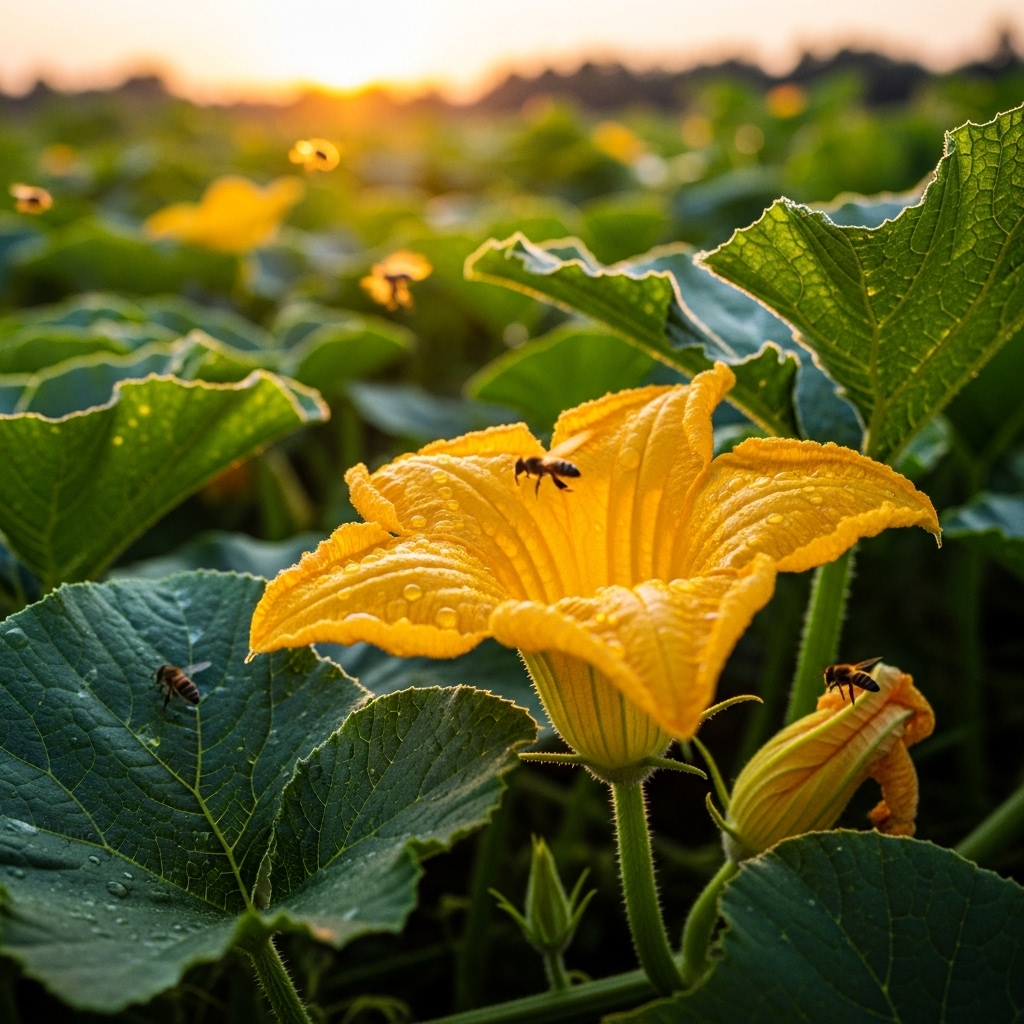
Types of Gametes: Male vs. Female
In the world of plants, the distinction between male and female gametes is significant. Male gametes, or pollen grains, are produced in the anthers of flowers and are often dispersed by wind or pollinators. On the other hand, female gametes are found in the ovules, which develop inside the ovary of the flower. I find it fascinating how these two gametes work together during the reproduction process, ensuring genetic diversity and the continuation of plant species. When I first learned about this interaction, it opened my eyes to the complexity of plant life.
Overview of the Pumpkin Plant
Scientific Classification
The pumpkin, scientifically known as Cucurbita pepo, belongs to the Cucurbitaceae family. This family includes other familiar plants like cucumbers and melons. Understanding this classification helps in recognizing the pumpkin’s biological relatives and their shared characteristics. When I discovered this, I was surprised to learn how diverse this family is and how many different types of edible plants it includes.
Common Varieties of Pumpkin
There are several varieties of pumpkins, each with unique characteristics. Some of the most popular types include the Sugar Pumpkin, which is great for pies, and the Jack-o’-Lantern, commonly used for Halloween decorations. There’s also the White Pumpkin, known for its distinctive color and sweet flavor. I’ve tried growing both Sugar and Jack-o’-Lantern pumpkins in my garden, and each offers a different experience. I enjoy experimenting with various recipes, especially during the fall season. Read Interesting article: The Shocking Truth About Dog Food Brands You Trust
Importance of Pumpkins in Agriculture
Pumpkins hold significant importance in agriculture not just for their culinary uses but also for their economic value. They are a staple in many cultures, especially during harvest festivals and holidays like Halloween and Thanksgiving. I’ve seen local farmers markets thrive because of pumpkin sales in the fall. Additionally, pumpkins are great for soil health, as they can be part of crop rotation strategies, helping to replenish nutrients in the soil. This balance in agriculture is something I’ve come to appreciate as I learn more about sustainable farming practices.
The Role of the Female Gamete in the Pumpkin Plant
What is the Female Gamete?
The female gamete in the pumpkin plant, known as the ovule, is critical for reproduction. Each ovule contains the female reproductive cell, which is involved in fertilization. I remember feeling a sense of wonder when I realized that this tiny structure holds the potential for creating a new plant. It’s remarkable how something so small can contribute to the growth of a large pumpkin!
Structure of the Female Gamete in Pumpkins
The ovule in pumpkins has a complex structure. It consists of several parts: the integuments, which protect it, and the nucellus, where the female gamete, or egg cell, resides. The arrangement of these structures is fascinating. I’ve often marveled at how nature designs such intricate systems to ensure the survival of the species. When I dive deeper into plant biology, I often find myself reflecting on the elegance of these structures.
Function of the Female Gamete in Reproduction
The primary function of the female gamete is to participate in fertilization, where it merges with a male gamete (pollen) to form a zygote. This process kickstarts the development of seeds, which will eventually grow into new pumpkin plants. I’ve learned that this union is critical for genetic diversity, which is vital for the resilience of the species. It’s amazing to think about how every pumpkin we see is the result of this delicate process. I find it equally fascinating how gardeners and farmers can influence this cycle through methods like selective breeding.
Pollination Process in Pumpkins
How Pollination Occurs
Pollination is a critical step in the reproductive cycle of pumpkins, and it’s a process that I’ve found both fascinating and essential. In pumpkins, pollination typically occurs when the male flowers release pollen, which then needs to reach the female flowers. I’ve learned that this can happen in several ways, but the most common method is through animal pollinators, especially bees. When I see bees buzzing around my garden, I can’t help but smile, knowing they’re hard at work ensuring the next generation of pumpkins. It’s a beautiful dance of nature, where the male flower’s pollen grains make their way to the stigma of the female flower, setting the stage for fertilization.
Role of Bees and Other Pollinators
Bees play such an important role in the pollination of pumpkin plants, and I’ve developed a real appreciation for these little creatures. They’re not just cute; they’re crucial for successful pumpkin cultivation. When bees visit male flowers, they collect pollen on their bodies. As they move from flower to flower, they inadvertently transfer some of that pollen to female flowers. I remember the first time I noticed this happening in my garden; it was like watching nature’s own miracle unfold. Besides bees, other pollinators like butterflies and even some hummingbirds can help with this process. I’ve found that creating a pollinator-friendly environment not only helps my pumpkins but also supports the overall ecosystem. Read Interesting article: Portulaca Perfection: Tips for Growing Vibrant Moss Roses
Impact of Weather on Pollination
The weather can have a significant influence on the pollination process. I’ve noticed that hot, sunny days are often the best for pumpkin pollination, as bees are more active and flowers open fully to receive pollen. However, excessive rain or cool temperatures can deter bees and may lead to poor pollination rates. I remember one season where a sudden cold snap hit just as my pumpkins were blooming. The flowering period was disrupted, and I learned firsthand how sensitive this process can be. Monitoring the weather conditions and understanding their effects on pollination has become an important part of my gardening routine.
Fertilization in Pumpkins
Process of Fertilization
Once pollination occurs, the next step is fertilization, which is where the magic truly happens. After the pollen grain lands on the stigma of a female flower, it forms a pollen tube that grows down through the style to reach the ovule within the ovary. I find it incredible that this tiny tube goes on a journey to deliver the male gamete to the female gamete. It’s like a little adventure! When the sperm cells travel down the pollen tube and reach the ovule, fertilization occurs, creating a zygote. This is such a vital stage for the development of the seeds, and every time I plant pumpkins, I think about this amazing process.
Formation of Seeds from Female Gamete
After fertilization, the zygote begins to develop into a seed. The female gamete, now fused with the male gamete, will undergo several transformations. The ovule develops into a seed, which contains the embryo of the future pumpkin plant. I’ve always been amazed at how these tiny seeds can grow into something so large and substantial. It’s a reminder of the potential that exists within nature. As the seed matures, it will eventually be surrounded by a seed coat and stored energy, which will support the plant’s growth once it germinates.
Development of Pumpkin Fruit
As the seeds develop, so does the pumpkin fruit itself. The ovary of the flower begins to swell and grow, transforming into the pumpkin we all know and love. I find it fascinating to watch this process unfold in my garden. The fruit starts off small and green, and as it matures, it takes on its characteristic color and shape. This stage is not only crucial for the seeds but also for the joy of harvest. I remember the excitement I felt the first time I harvested my pumpkins. It was rewarding to see the fruits of my labor, all thanks to the intricate processes of pollination and fertilization. Every pumpkin I pick is a reminder of the amazing cycle of life in the garden.
Factors Influencing the Female Gamete and Pumpkin Growth
Soil Conditions and Nutrients
Soil health is one of the biggest factors that influence the growth of pumpkins and the development of their female gametes. I’ve learned that pumpkins thrive in nutrient-rich, well-draining soil. When I started gardening, I often overlooked soil quality, but now I realize how vital it is. I regularly test my soil and add compost or organic matter to ensure my plants receive the right nutrients. This not only promotes healthy growth but also supports the overall reproductive process, including the maturation of ovules.
Water Requirements
Water is another critical component in the life of a pumpkin plant. I’ve found that pumpkins require consistent moisture, especially during flowering and fruit development. I remember a year when I neglected to water my pumpkins adequately, and the flowers wilted, affecting the pollination process. Now, I make it a point to establish a regular watering schedule, especially during dry spells. I’ve seen firsthand how proper watering leads to better flower development and, ultimately, a more abundant harvest.
Pest and Disease Management
Pests and diseases can pose significant challenges to pumpkin growth. I’ve encountered a few issues in my garden, from aphids to powdery mildew. These problems can affect the health of the plant and, in turn, the ovules. I’ve learned to be proactive, using organic pest control methods and practicing crop rotation to minimize these risks. I often remind myself that by taking care of my plants and managing their environment, I’m also taking care of the female gametes and ensuring they have the best chance at successful fertilization and growth.
Understanding the Female Gamete in Plants
Definition of Gametes
Gametes are the reproductive cells in plants, playing a critical role in sexual reproduction. They are responsible for carrying and combining genetic material from each parent to form a new organism. I find it fascinating that each gamete, whether male or female, holds the blueprint for the characteristics of the future plant. When I think about it, these tiny cells are like little packages of potential, each with their special contributions to the next generation.
Types of Gametes: Male vs. Female
In the plant world, understanding the difference between male and female gametes is essential. Male gametes, typically found in pollen grains, are produced in the anthers of flowers, while female gametes reside in the ovules within the ovary of the flower. I often marvel at how these two types of gametes work in tandem. When I first started gardening, I had no idea how crucial this relationship was. It’s like a dance that ensures the survival of the species, bringing together the best traits from both parents to create something entirely new.
Overview of the Pumpkin Plant
Scientific Classification
As I mentioned earlier, the pumpkin is scientifically classified as Cucurbita pepo. It’s amazing to think that this classification links pumpkins to a vast family of plants. Cucurbita pepo includes not only pumpkins but also squashes and zucchinis. I’ve become more aware of how this classification reflects their shared characteristics and growth habits. Understanding this has deepened my appreciation for the diversity of plants I encounter, as well as the ecological relationships they share.
Common Varieties of Pumpkin
When it comes to pumpkin varieties, I’ve had the pleasure of exploring different types. The Sugar Pumpkin is a favorite of mine for baking, while the Jack-o’-Lantern is perfect for carving during Halloween. I’ve also experimented with growing Blue Moon pumpkins, which have a unique color and flavor. Each variety has its own charm and uses, and I love discovering new recipes and ways to enjoy them. I remember the satisfaction of cooking with pumpkins I grew myself; it felt like a real achievement to transform them into delicious treats.
Importance of Pumpkins in Agriculture
Beyond their delicious taste and fun aesthetics, pumpkins hold considerable significance in agriculture. I’ve seen firsthand how they contribute to local economies during the fall season, particularly at farmer’s markets. They bring communities together for harvest festivals and celebrations. It’s heartwarming to participate in these events, seeing people share their love for pumpkins through cooking contests and pumpkin-themed activities. Moreover, pumpkins play a role in sustainable farming practices, improving soil health and supporting crop rotation. I’ve learned how essential it is to appreciate this economic and ecological value as a gardener.
The Role of the Female Gamete in the Pumpkin Plant
What is the Female Gamete?
The female gamete in pumpkins, the ovule, is integral to the plant’s reproductive process. I often think about how this small structure holds the key to creating a new generation of plants. It’s amazing to realize that every pumpkin I see started as an ovule, waiting for the right conditions to develop. This connection to the life cycle is something I cherish as I tend to my garden.
Structure of the Female Gamete in Pumpkins
The structure of the ovule in pumpkins is quite intricate. It consists of several protective layers known as integuments, which shield the inner components. Within the ovule is the nucellus, where the egg cell, or female gamete, resides. I find it inspiring how nature designs these complex systems to ensure the survival of the species. Every time I learn about these structures, I’m reminded of the hidden wonders of plant life that often go unnoticed.
Function of the Female Gamete in Reproduction
The primary role of the female gamete is to unite with the male gamete during fertilization. This union leads to the formation of a zygote, which will eventually develop into a seed. I’ve come to appreciate how vital this process is for genetic diversity, which allows for stronger and more resilient plants. Each pumpkin I grow is not just a fruit; it’s a testament to the remarkable journey of the female gamete and the intricate dance of life that unfolds in my garden.
Pollination Process in Pumpkins
How Pollination Occurs
Pollination is a key event in the reproductive cycle of pumpkins, and it’s one that I’ve always found captivating. During this process, pollen from male flowers must reach female flowers to facilitate fertilization. I’ve observed it happening in my garden; bees and other pollinators play a crucial role in this transfer. It’s like nature has its own little delivery service, ensuring that the right pollen reaches the right flowers. This connection to the natural world makes my gardening experience feel richer.
Role of Bees and Other Pollinators
Bees are some of the most effective pollinators for pumpkin plants, and I’ve grown to admire their hard work. When I first started gardening, I didn’t fully understand the importance of these little creatures. Now, I take great care to create a bee-friendly environment, knowing they are vital for my pumpkin’s success. I’ve even planted flowers that bloom alongside my pumpkins to attract more pollinators. Watching bees buzz from flower to flower is a reminder of how interconnected our ecosystem is.
Impact of Weather on Pollination
Weather can significantly affect the pollination process. I’ve noticed that warm, sunny days are ideal for bees, as they tend to be more active and the flowers are more open. I recall a particularly rainy season that led to poor pollination in my garden. It was disappointing to see fewer pumpkins develop, and it taught me just how sensitive this process can be to environmental conditions. Now, I pay close attention to the weather, knowing it can have a direct impact on my gardening success.
Frequently Asked Questions
What is the female gamete in the pumpkin plant?
The female gamete in the pumpkin plant is known as the ovule, which is critical for reproduction and fertilization.
How do male and female gametes differ in plants?
Male gametes are typically found in pollen grains produced in the anthers of flowers, while female gametes reside in the ovules within the ovary of the flower.
What scientific classification does the pumpkin belong to?
The pumpkin is scientifically classified as Cucurbita pepo, which belongs to the Cucurbitaceae family.
What are some common varieties of pumpkins?
Some popular varieties of pumpkins include the Sugar Pumpkin, which is great for pies, the Jack-o’-Lantern, commonly used for Halloween decorations, and the White Pumpkin, known for its distinctive color and sweet flavor.
Why are pumpkins important in agriculture?
Pumpkins hold significant importance in agriculture for their culinary uses, economic value, and their role in improving soil health through crop rotation strategies.
What is the process of pollination in pumpkins?
Pollination in pumpkins occurs when pollen from male flowers reaches female flowers, often facilitated by pollinators like bees.
How do bees contribute to the pollination of pumpkin plants?
Bees collect pollen from male flowers and transfer it to female flowers as they move from flower to flower, which is crucial for successful fertilization.
What factors can impact the pollination process in pumpkins?
Weather conditions, such as hot, sunny days being ideal for bee activity, can significantly influence the pollination process, while excessive rain or cool temperatures can deter bees and lead to poor pollination rates.
What happens after fertilization in pumpkin plants?
After fertilization, the zygote begins to develop into a seed, and the ovule develops into a seed that contains the embryo of the future pumpkin plant.
How do soil conditions affect pumpkin growth?
Soil health is vital for pumpkin growth; pumpkins thrive in nutrient-rich, well-draining soil, which supports the overall reproductive process, including the maturation of ovules.