
The Flame Thrower Redbud tree features stunning multicolored foliage and vibrant spring blooms, making it a popular ornamental choice.
Table of Contents
The Flame Thrower Redbud tree is celebrated for its unique beauty and adaptability, but it’s essential to weigh its advantages against potential drawbacks. This guide explores eight key pros and cons to help you decide if this tree is right for your landscape.
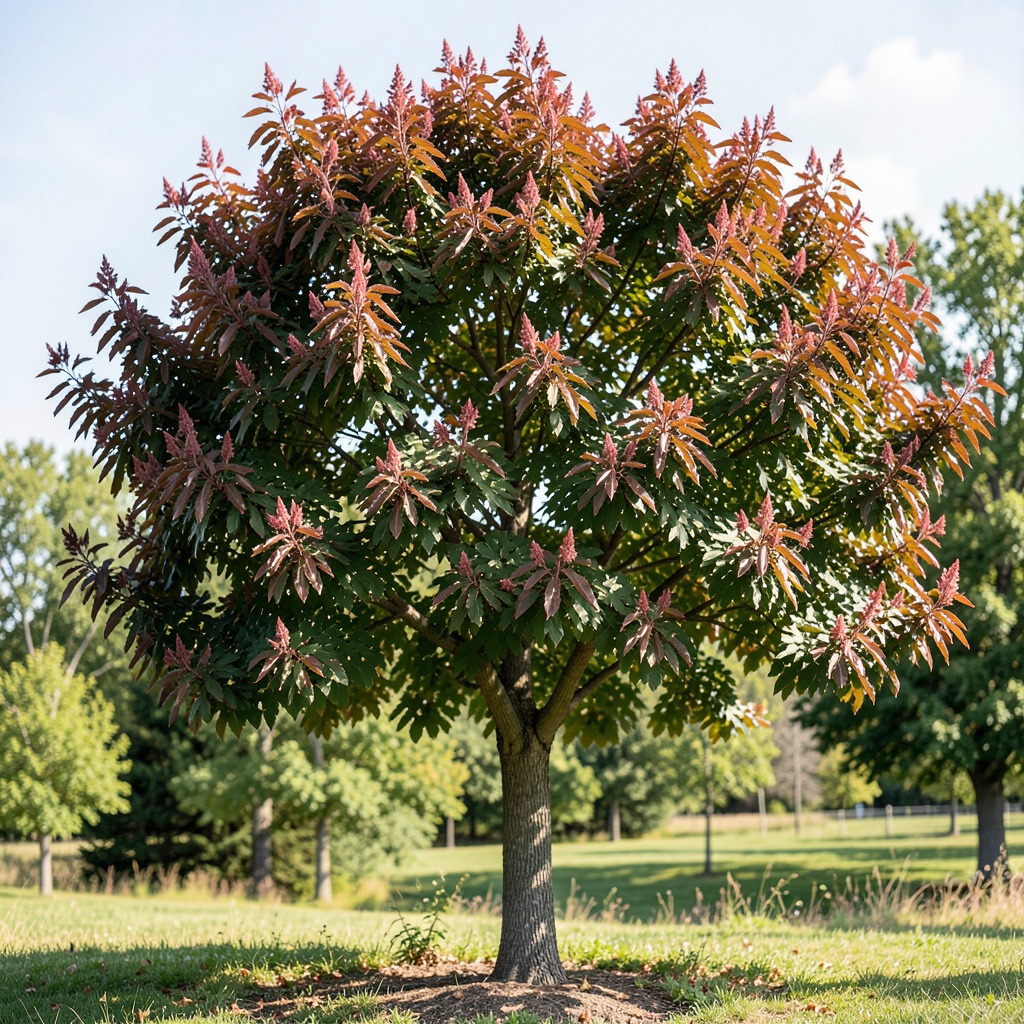
Understanding the Flame Thrower Redbud Tree
The Flame Thrower Redbud tree, scientifically known as Cercis canadensis, is a visually striking addition to any garden. Its unique foliage and vibrant flowers offer multiple seasons of interest, making it a popular choice among gardeners.
What is the Flame Thrower Redbud?
The Flame Thrower Redbud is a small deciduous tree that typically grows up to 15 feet tall. It thrives in USDA hardiness zones 5 to 9, making it suitable for various climates. This tree is renowned for its stunning display of dark pink, pea-like flowers that bloom in early spring, before the leaves emerge.
Key Features of the Flame Thrower Redbud
- Foliage Color: The tree features heart-shaped leaves that start as glossy red, transitioning to shades of orange, yellow, and green throughout the seasons. This dynamic color change can showcase up to five different hues on a single branch during its peak.
- Flowering Patterns: In spring, the clusters of pink flowers create a dramatic visual effect. This early bloom supports local pollinators, enhancing the ecological value of your garden.
- Growth Habit: The Flame Thrower Redbud maintains a compact form, making it ideal for smaller gardens or container planting.
Seasonal Appeal
- Spring: The vibrant flowers are the first sign of life after winter, attracting bees and other pollinators.
- Summer: As the leaves mature, the tree becomes a lush green, providing shade and visual privacy.
- Fall: The foliage exhibits a fiery display of colors before dropping, adding a seasonal transition to your landscape.
This tree’s aesthetic appeal and adaptability make it a noteworthy choice for enhancing your garden’s visual interest while supporting local wildlife.
The 4 Major Pros of the Flame Thrower Redbud
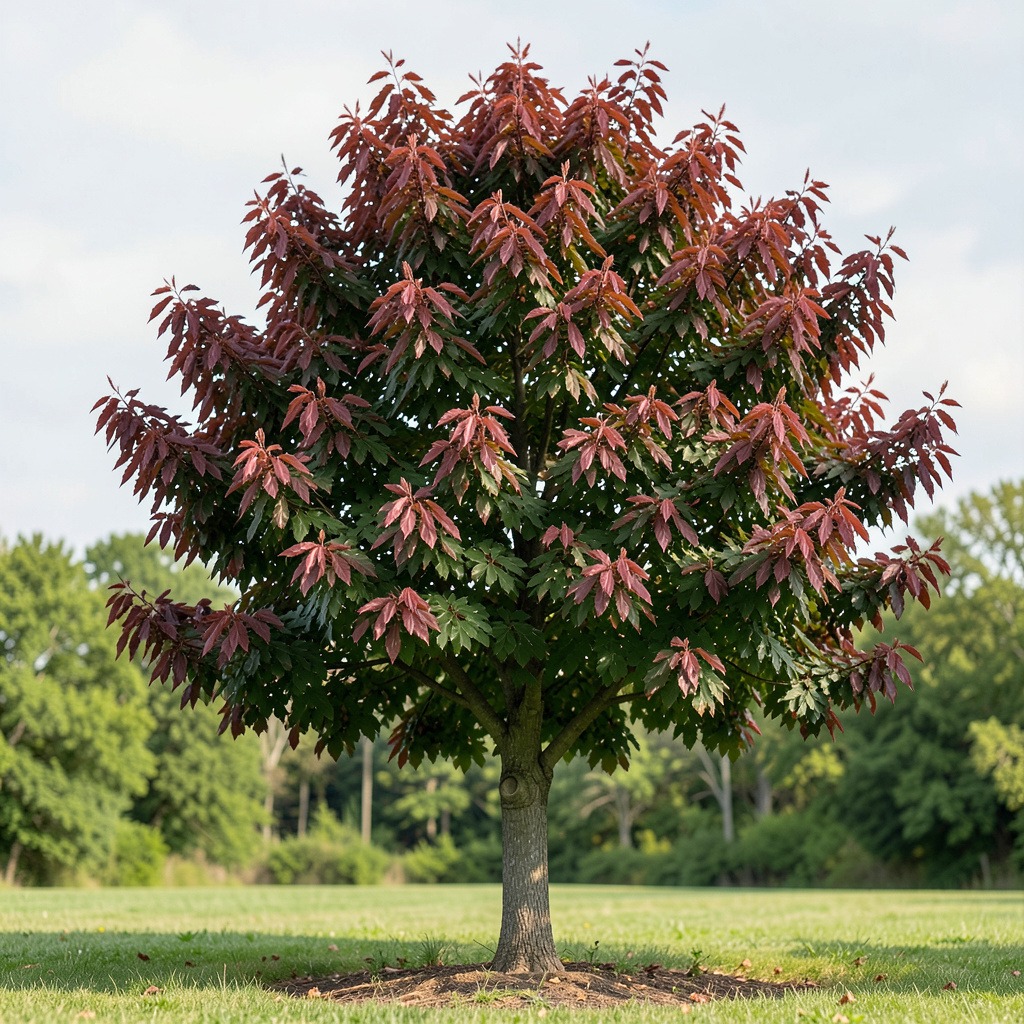
The Flame Thrower Redbud offers several advantages that make it an appealing choice for gardeners. From its striking appearance to its ecological benefits, this tree enhances any landscape.
Aesthetic Appeal and Seasonal Color Changes
The Flame Thrower Redbud is celebrated for its vibrant, fiery foliage. In spring, it bursts into a stunning display of pink flowers, drawing attention from afar. As summer progresses, the lush green leaves provide a beautiful backdrop. In autumn, the leaves transform to bright oranges and reds, ensuring a captivating seasonal transition.
- Spring Blooms: Bright pink flowers signal the end of winter.
- Summer Foliage: Lush green leaves create shade and visual interest.
- Fall Colors: Foliage turns fiery red and orange, enhancing landscape aesthetics.
Attracting Pollinators and Supporting Biodiversity
The Flame Thrower Redbud is a magnet for pollinators. Its flowers attract honeybees, butterflies, and other beneficial insects. This not only supports local wildlife but also enhances the health of your garden ecosystem. By planting this tree, you contribute to biodiversity, making your garden a haven for pollinators.
- Pollinator Friendly: Attracts bees and butterflies.
- Ecosystem Contribution: Supports local wildlife populations.
Drought Tolerance and Low Maintenance
One of the significant advantages of the Flame Thrower Redbud is its drought tolerance. Once established, it requires minimal watering, making it suitable for areas with limited water availability. This low-maintenance requirement allows gardeners to enjoy its beauty without extensive care.
- Drought Resistant: Thrives in dry conditions.
- Low Maintenance: Ideal for busy gardeners looking for a resilient tree.
Incorporating the Flame Thrower Redbud into your garden can elevate its beauty while providing essential ecological benefits.
The 4 Key Cons of the Flame Thrower Redbud
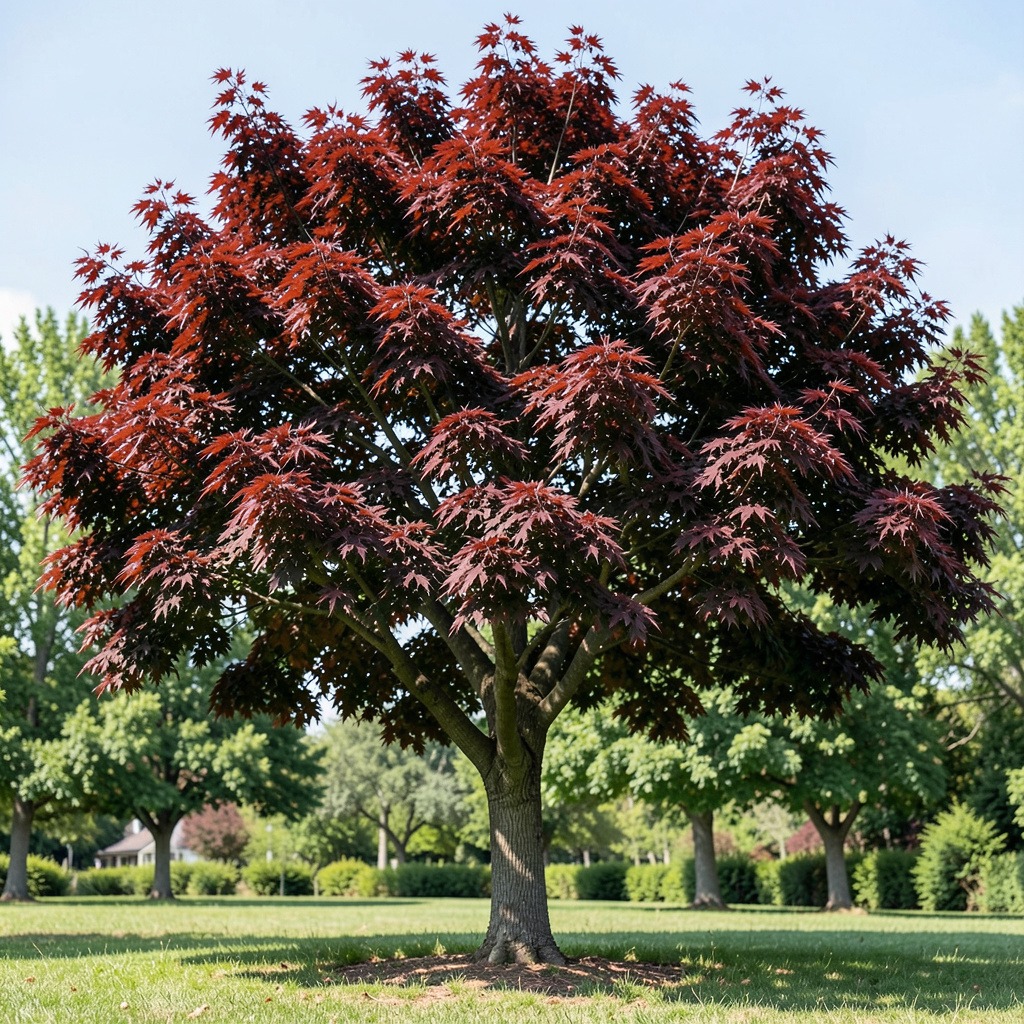
While the Flame Thrower Redbud tree offers stunning aesthetics and environmental benefits, it also comes with notable drawbacks. Understanding these cons can help you make an informed decision before planting.
Susceptibility to Pests and Diseases
The Flame Thrower Redbud is vulnerable to various pests and diseases, which can impact its health and longevity. Common issues include:
- Aphids: These small insects can infest the leaves, causing damage and weakening the tree.
- Fungal Diseases: Conditions like Verticillium Wilt and Leaf Anthracnose are prevalent. These diseases can lead to leaf drop and overall decline.
Effective management involves regular inspections and prompt treatment. For instance, introducing beneficial insects can help control aphid populations naturally.
Short Lifespan Compared to Other Varieties
The Flame Thrower Redbud has a shorter lifespan compared to other redbud varieties, typically living around 20 years. In contrast, some species, like the Eastern Redbud, can thrive for 30 years or more. This disparity makes longevity a significant consideration for gardeners seeking a long-term investment.
- Lifespan Comparison:
- Flame Thrower Redbud: ~20 years
- Eastern Redbud: ~30 years
When choosing a tree for your garden, weigh the aesthetic benefits against the potential need for replacement within a decade or two.
Potential for Invasive Growth Behavior
In certain conditions, the Flame Thrower Redbud may exhibit invasive growth patterns. It can spread quickly and outcompete native plants if not properly managed. This behavior can disrupt local ecosystems and alter garden dynamics.
- Invasive Traits:
- Fast growth
- Seed dispersal in favorable conditions
To mitigate this, consider regular pruning and monitoring seed dispersal. Establishing a clear boundary for growth can prevent unwanted spread.
These cons highlight the importance of careful planning and maintenance when incorporating a Flame Thrower Redbud into your landscape.
Essential Care and Maintenance Tips
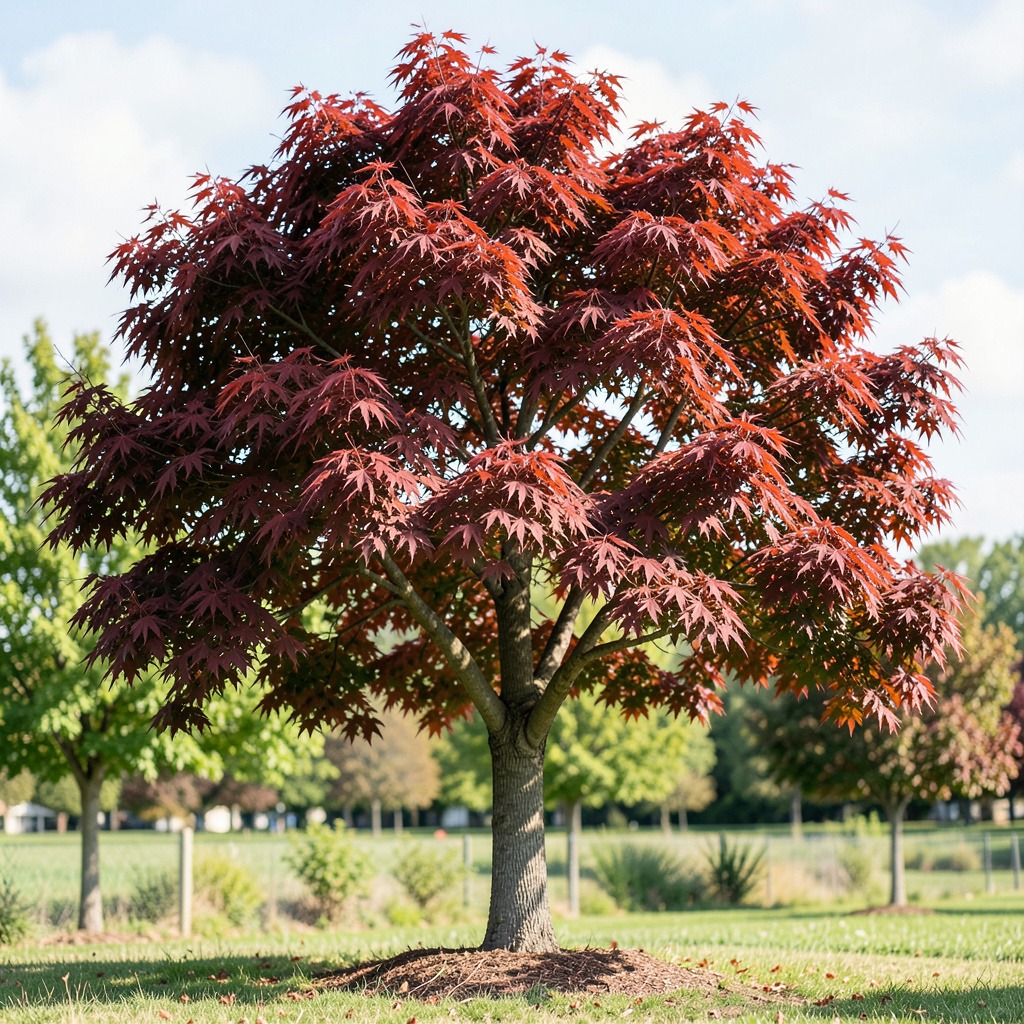
Caring for a Flame Thrower Redbud tree requires attention to watering, fertilizing, and pruning to ensure healthy growth and vibrant blooms. Below are essential maintenance tips for optimal tree health.
Watering and Soil Requirements
- Watering Frequency: Water deeply once a week during the growing season. Adjust frequency based on rainfall.
- Soil Type: Prefer well-draining, slightly acidic soil. Avoid waterlogged conditions to prevent root rot.
- Establishment Period: During the first year, ensure consistent moisture to help establish the root system.
Fertilizing for Optimal Growth
- Fertilizer Type: Use a balanced, slow-release fertilizer in spring. This supports healthy growth and flowering.
- Application Rate: Follow package instructions for dosage based on tree size. Over-fertilizing can harm the tree.
- Timing: Fertilize in early spring before new growth begins.
Pruning Techniques for Healthier Trees
- When to Prune: Prune in late winter or early spring before new growth appears. This encourages strong branching and reduces disease risk.
- How to Prune: Remove dead, damaged, or crossing branches. Maintain an open center for better air circulation.
- Pruning Tools: Use clean, sharp pruning shears to make precise cuts, minimizing stress to the tree.
Care Checklist
| Task | Timing | Notes |
|---|---|---|
| Water deeply | Weekly during summer | Adjust based on rainfall |
| Fertilize | Early spring | Use slow-release fertilizer |
| Prune | Late winter/spring | Focus on dead and damaged branches |
Following these care guidelines will help your Flame Thrower Redbud thrive, enhancing your garden with its striking color and form.
Best Planting Conditions for Flame Thrower Redbuds
The Flame Thrower Redbud tree thrives under specific growing conditions. Understanding its sunlight and soil preferences is crucial for ensuring its health and aesthetic appeal in your garden.
Sunlight Requirements
The Flame Thrower Redbud tree requires at least six hours of full sunlight each day. This exposure promotes vibrant flowering and strong growth. Inadequate sunlight can lead to sparse blooms and weak branches.
Soil Preferences and pH Levels
Flame Thrower Redbuds prefer slightly acidic to neutral soil with a pH between 6.0 and 7.0. Well-draining soil is essential to prevent root rot. Consider the following characteristics for optimal soil conditions:
- Soil Type: Loamy or sandy soils are ideal.
- Moisture Retention: Ensure the soil retains moisture but drains excess water effectively.
- Nutrient Content: Incorporate organic matter to enhance soil fertility.
Choosing the Right Location in Your Garden
Selecting the right location is vital for the Flame Thrower Redbud’s success. Consider these factors:
- Space: Allow for the tree’s mature spread, typically around 20-30 feet in width.
- Shelter: Avoid windy areas that may lead to branch breakage.
- Companion Plants: Pair with low-growing perennials or shrubs that thrive in similar conditions, enhancing your garden’s biodiversity.
Quick Planting Checklist:
| Criteria | Ideal Conditions |
|---|---|
| Sunlight | 6+ hours of full sun |
| Soil Type | Loamy or sandy |
| Soil pH | 6.0 – 7.0 |
| Moisture | Well-drained, retains moisture |
| Space | 20-30 feet width for mature spread |
Choosing the right conditions will help your Flame Thrower Redbud flourish, showcasing its unique color and form throughout the seasons.
Common Pests and Diseases to Watch Out For
The Flame Thrower Redbud, while visually stunning, is not immune to certain pests and diseases. Understanding these threats is crucial for maintaining the tree’s health and vibrancy. Below are common issues to look out for and effective management strategies.
Identifying Common Pests
1. Aphids: These small, soft-bodied insects suck sap from leaves, leading to yellowing and curling. They can also attract ants and sooty mold.
2. Spider Mites: These tiny arachnids thrive in dry conditions, causing stippling on leaves and webbing.
3. Scale Insects: These pests attach to stems and leaves, weakening the tree by feeding on sap.
Preventive Measures for Disease Control
1. Fungal Diseases: The Flame Thrower Redbud is susceptible to several fungal infections, including:
- Verticillium Wilt: This disease causes wilting and yellowing of leaves. It often leads to tree decline.
- Leaf Anthracnose: This affects young leaves, causing dark spots and premature leaf drop.
2. Cultural Practices:
- Proper Watering: Ensure deep watering, especially during dry spells, to enhance root health.
- Pruning: Remove dead or diseased branches to improve air circulation and reduce disease incidence.
- Mulching: Apply a layer of mulch to maintain soil moisture and suppress weeds.
When to Seek Professional Help
If you notice persistent pest infestations or severe disease symptoms despite your efforts, consult a professional arborist. They can provide targeted treatments and advice tailored to your specific situation. Regular monitoring can also prevent problems from becoming severe, ensuring your Flame Thrower Redbud thrives in your garden.
Comparing the Flame Thrower Redbud to Other Varieties
The Flame Thrower Redbud offers unique characteristics that set it apart from other popular redbud varieties. Understanding these differences can help you choose the right tree for your landscape.
Flame Thrower vs. Forest Pansy Redbud
| Feature | Flame Thrower Redbud | Forest Pansy Redbud |
|---|---|---|
| Foliage Color | Burgundy red to yellow to green | Deep purple throughout the season |
| Flower Color | Pink | Pink |
| Growth Habit | Compact and rounded | Spreading and wider canopy |
| Soil Preference | Adaptable, prefers well-drained soil | Prefers slightly acidic, well-drained |
| Pollinator Attraction | High | High |
The Flame Thrower Redbud is known for its vibrant foliage that transitions color throughout the growing season. In contrast, the Forest Pansy maintains a rich purple hue, providing a striking visual impact. If you desire a more compact tree, the Flame Thrower may be the better option.
Flame Thrower vs. Eastern Redbud
| Feature | Flame Thrower Redbud | Eastern Redbud |
|---|---|---|
| Growth Height | 10-12 feet | 20-30 feet |
| Shape | Rounded | Heart-shaped canopy |
| Flowering Period | Early spring | Early spring |
| Disease Resistance | Moderate | Moderate to high |
The Eastern Redbud is generally taller, creating a more substantial presence in the landscape. In contrast, the Flame Thrower remains smaller and is ideal for limited spaces. Both trees bloom in early spring, attracting pollinators effectively.
Which Redbud is Right for Your Garden?
When selecting a redbud for your garden, consider the following:
- Space Available: Choose the Flame Thrower for compact areas and the Eastern Redbud for larger gardens.
- Aesthetic Preference: Opt for the Forest Pansy for a consistent purple look or the Flame Thrower for dynamic seasonal color changes.
- Maintenance Requirements: All redbuds require similar care, but the size difference affects pruning and maintenance frequency.
By evaluating these factors, you can make an informed decision on which redbud variety will enhance your garden’s beauty and functionality.
Best Companion Plants for Flame Thrower Redbuds
Choosing the right companion plants can enhance the beauty and biodiversity of a garden featuring the Flame Thrower Redbud. These plants can complement its vibrant foliage and attract beneficial pollinators.
Native Plants That Complement the Flame Thrower
Incorporating native plants can create a harmonious ecosystem. Here are some excellent choices:
- Purple Coneflower (Echinacea purpurea): This drought-tolerant perennial attracts bees and butterflies. Its striking purple flowers contrast beautifully with the redbud’s foliage.
- Black-eyed Susan (Rudbeckia hirta): Known for its bright yellow flowers, this plant provides late summer color and supports local pollinators.
- Wild Blue Indigo (Baptisia australis): This legume enriches the soil with nitrogen and features stunning blue flowers in spring.
Flowering Plants for Seasonal Interest
To ensure year-round appeal, consider these flowering plants that thrive alongside the Flame Thrower Redbud:
- Astilbe: This shade-loving perennial blooms in shades of pink and white, offering a soft texture that contrasts with the redbud’s leaves.
- Japanese Anemone (Anemone hupehensis): This late-blooming perennial provides delicate white or pink flowers in the fall, extending the garden’s color palette.
- Salvia: Available in several colors, salvia attracts hummingbirds and adds vibrant spikes of flowers from spring to fall.
Foliage Plants for Year-Round Color
Incorporate foliage-rich plants for dynamic interest throughout the seasons:
- Hostas: These shade-loving plants come in various sizes and colors, providing lush greenery that complements the redbud’s leaves.
- Heuchera (Coral Bells): Known for its colorful leaves, heuchera adds texture and contrast, thriving in similar conditions as the Flame Thrower Redbud.
- Ferns: Varieties like the Japanese Painted Fern can add a delicate touch and thrive in the same environment, creating a layered look.
By selecting these companion plants, you can enhance the ecological benefits and visual appeal of your garden featuring the Flame Thrower Redbud.
Frequently Asked Questions
These quick answers cover the most common questions about this topic, including key details, practical tips, and common concerns.
What are the best conditions for planting a Flame Thrower Redbud?
Flame Thrower Redbuds thrive in full sun, requiring at least six hours of sunlight daily. They prefer well-draining, slightly acidic to neutral soil with a pH of 6.0 to 7.0. Ensure the planting site has enough space for the tree’s mature width of 20-30 feet to avoid overcrowding.
How often should I water my Flame Thrower Redbud?
Water your Flame Thrower Redbud deeply once a week during the growing season. Adjust the frequency based on rainfall and soil moisture. In the first year, maintain consistent moisture to help establish the root system, but avoid waterlogged conditions to prevent root rot.
What pests should I watch out for with Flame Thrower Redbuds?
Common pests affecting Flame Thrower Redbuds include aphids, spider mites, and scale insects. Aphids can cause leaf curling and yellowing, while spider mites thrive in dry conditions, leading to stippling on leaves. Regular inspections and introducing beneficial insects can help manage these pests effectively.
How tall does a Flame Thrower Redbud grow?
The Flame Thrower Redbud typically grows to a height of 10 to 15 feet. Its compact growth habit makes it suitable for smaller gardens or even container planting, allowing you to enjoy its stunning foliage and flowers without needing a large space.
Can Flame Thrower Redbuds be grown in containers?
Yes, Flame Thrower Redbuds can be grown in containers, making them ideal for patios or small gardens. Choose a large container with good drainage and use quality potting soil. Ensure the container is big enough to accommodate the tree’s root system, and be attentive to watering needs.
What are the best companion plants for Flame Thrower Redbuds?
Companion plants that thrive alongside Flame Thrower Redbuds include native species like Purple Coneflower and Black-eyed Susan, which attract pollinators. Additionally, flowering plants like Astilbe and Japanese Anemone can offer seasonal interest, while foliage plants such as Hostas provide year-round texture and color.
How do I prune a Flame Thrower Redbud?
Prune your Flame Thrower Redbud in late winter or early spring before new growth appears. Focus on removing dead, damaged, or crossing branches to maintain a healthy structure. Ensure you use clean, sharp pruning tools to minimize stress and promote strong branching.
What should readers know about specific pest management strategies?
Effective pest management for Flame Thrower Redbuds includes regular monitoring for signs of infestation, such as leaf damage or discoloration. Introduce beneficial insects like ladybugs to control aphid populations naturally. For fungal diseases, ensure good air circulation through proper pruning and avoid overhead watering to minimize moisture on leaves.