
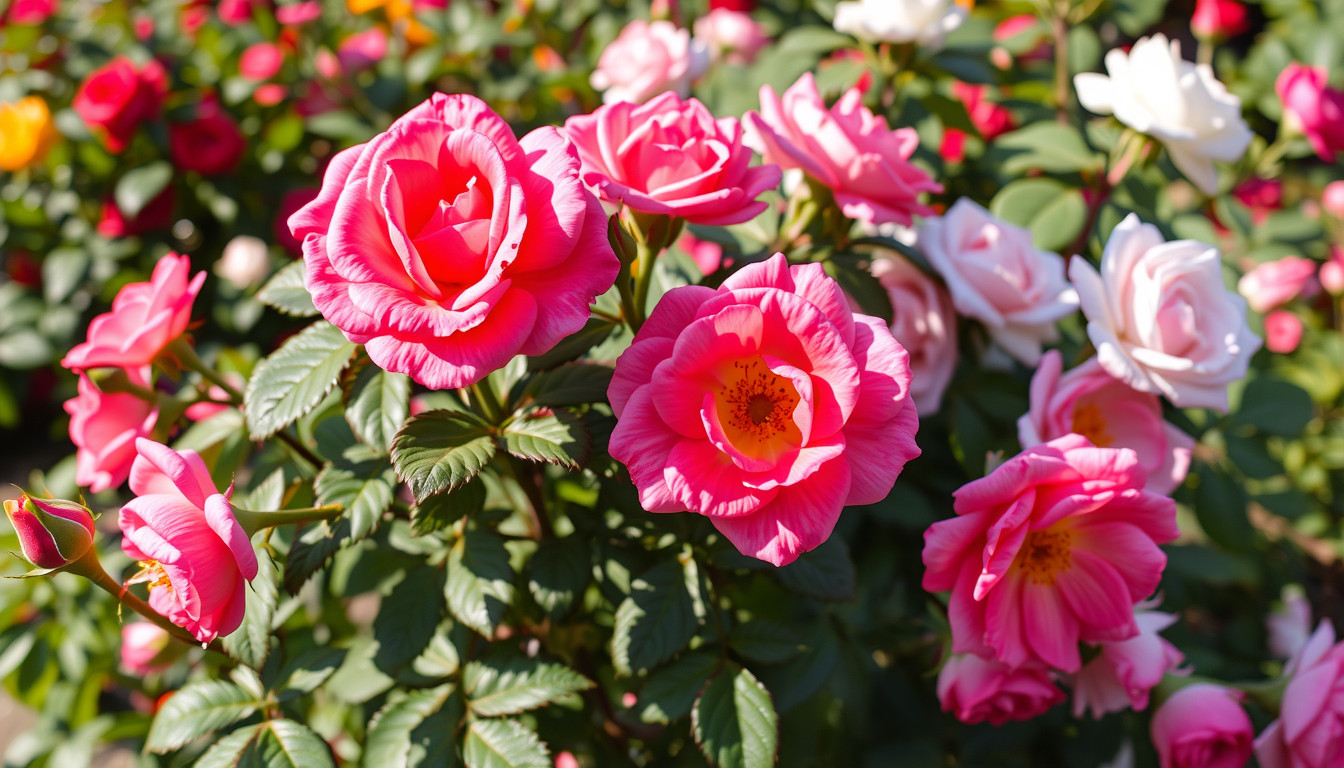
Floribunda roses are compact, flowering shrub roses known for their abundant blooms and vibrant colors, making them popular for gardens and landscapes.
This article offers practical tips for planting, caring for, and maintaining healthy floribunda rose bushes. It covers site selection, watering, pruning, pest control, and seasonal care to help gardeners establish thriving, beautiful rose gardens with informed decisions and effective techniques.
Key Conditions That Change Floribunda Roses
Understanding the physical and botanical characteristics of floribunda roses is essential, but their growth and maintenance are also heavily influenced by environmental and cultural conditions. Recognizing these factors helps gardeners adapt care routines to ensure healthy, vibrant bushes despite changing circumstances.
1. The factors with the biggest effect
For floribunda roses, climate, soil, sunlight, and watering practices are primary determinants of their overall health and flowering performance. These roses thrive in USDA zones where temperatures remain within specific ranges, typically between 5 and 9, depending on the variety. Extreme cold or heat can inhibit growth, cause stress, or lead to dieback if not managed with proper protections or site selection.
Disclosure: As an Amazon Associate I earn from qualifying purchases.
If your growing conditions are unusual or less than ideal, consider enhancing your soil for better results. Shop suitable garden soil amendments on Amazon (affiliate link).
Their botanical structure—compact, rounded shrubs with multiple blooms—depends on consistent pruning and fertilization, which are affected by seasonal changes and soil composition. A well-drained, fertile soil rich in organic matter encourages vigorous growth and abundant flowering. Conversely, poorly drained or nutrient-deficient soils limit the plant’s potential, stunting growth or increasing susceptibility to pests and diseases.
Table of Contents
Light exposure is another critical condition. Floribunda roses require full sun—at least six hours daily—to produce optimal blooms. Insufficient sunlight reduces flowering and can lead to leggy, weak plants, while too much intense, midday sun in hot climates might cause leaf scorch, requiring some shading or afternoon shade protection.
2. What evidence or details to check
When assessing the conditions affecting floribunda roses, observe plant vigor, flowering abundance, and disease presence. Sufficient sunlight should result in strong, colorful blooms and lush, healthy foliage. Signs of stress, such as yellowing leaves, pale color, or sparse flowering, indicate inadequate light, poor soil, or watering issues.
Soil testing reveals nutrient levels and pH, which should ideally be slightly acidic to neutral (pH 6.0–7.0). If the soil is overly compacted or poorly drained, roots are prone to rot, and the plant becomes more vulnerable to pests. Checking for pests and diseases regularly can also help identify environmental stresses early, allowing action before severe damage occurs.
3. When the usual advice does not apply
Standard care practices may need adjustment in unique conditions. In regions with high humidity or frequent rain, avoiding overwatering and ensuring good air circulation prevents fungal diseases common to floribunda roses. In very hot or dry climates, supplemental watering, mulching to conserve moisture, and shade during peak sunlight hours become necessary. Conversely, in colder zones, winter protection such as mulching or burlap covers can prevent cold damage.
Extreme conditions—such as drought, excessive rain, or unseasonably cold temperatures—call for tailored interventions. For example, supplemental irrigation and soil amendments can counter drought stress, while strategic pruning and site modifications can mitigate the effects of poor drainage or temperature swings. Adjusting fertilization schedules based on observed growth patterns ensures roses receive appropriate nutrients, even when environmental conditions are less than ideal.
How to Evaluate Floribunda Roses Before Acting
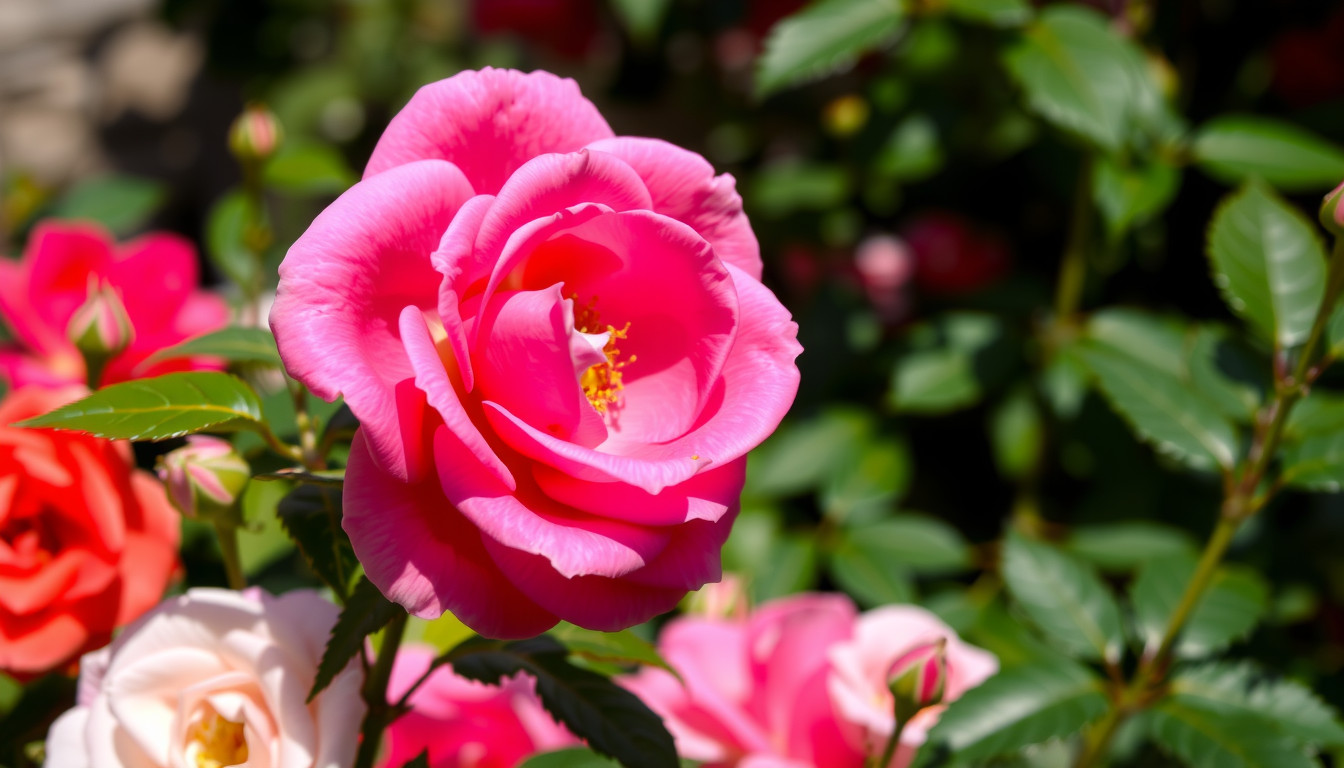
Before planting or purchasing floribunda roses, it’s crucial to assess whether your growing conditions align with their environmental needs. Proper evaluation helps ensure healthy growth, abundant blooms, and resilience against pests and diseases. The primary factors to examine include sunlight, soil quality, drainage, wind exposure, and microclimate. By systematically observing and testing these parameters, gardeners can decide whether a specific site is suitable or if modifications are necessary. This approach minimizes failure and promotes optimal flowering and longevity of floribunda roses.
Accurate evaluation can help guide effective actions; exploring diagnostic tools may be beneficial. Shop suitable plant health diagnostic tools on Amazon (affiliate link).
1. What to check first
- Sunlight: Floribunda roses thrive in full sun, requiring at least 6 hours of direct sunlight daily. Check if the chosen site receives adequate sunlight throughout the day, especially in the morning when roses benefit from gentle, consistent light.
- Soil conditions: Test soil pH and fertility. Floribunda roses prefer slightly acidic to neutral soil (pH 6.0-7.0). Ensure the soil is rich in organic matter, well-draining, and not overly compacted.
- Drainage: Poor drainage leads to root rot and other diseases. Dig a small test hole; if water pools after heavy rain or the soil remains soggy for days, consider amending the soil with organic matter or installing drainage solutions.
- Wind exposure: Strong winds can damage delicate blooms and cause stress. Observe if the site is sheltered by natural barriers such as fences, trees, or structures, or if you need to create windbreaks.
- Microclimate factors: Consider nearby heat sources or reflective surfaces that might increase temperature or create heat pockets. Conversely, overly shaded or cold areas may delay blooming or inhibit growth.
2. How to interpret the result
If your site meets these conditions—ample sunlight, well-draining soil with appropriate pH, limited wind, and a suitable microclimate—it is well-suited for floribunda roses. If issues are detected, consider remediation, such as soil amendments, planting in more sheltered spots, or adjusting site features to improve growing conditions. For example, if the soil’s pH is too high, elemental sulfur can lower alkalinity; if drainage is poor, raised beds or soil mixes with grit can improve water flow. Understanding these signals ensures that cultivation efforts are well-directed and that the roses have the best chance to flourish.
A Step-by-Step Approach to Floribunda Roses
Establishing healthy, vibrant floribunda roses requires a clear sequence of actions that guide you from planting to ongoing maintenance. Starting with the right preparations ensures your roses have a strong foundation, while regular checks and adjustments promote vigorous growth and abundant blooms. Following this structured process helps optimize your efforts and address issues proactively, leading to more successful cultivation of these colorful, adaptable shrubs.
Having the right tools ready can make your process smoother and more effective. Shop suitable gardening tools and supplies kits on Amazon (affiliate link).
1. Prepare the essentials
- Choose a planting site with full sun exposure, ideally receiving at least six hours of direct sunlight daily.
- Ensure well-draining soil enriched with organic matter such as compost or well-rotted manure to support root development.
- Select healthy, disease-free floribunda rose bushes suited to your climate zone, based on reputable sources like Heirloom Roses or Jackson & Perkins.
- Gather necessary tools: shovels, garden gloves, watering cans, mulch, and fertilizer specific for roses.
2. Take the first action
- If planting from bare-root, soak the roots in water for several hours before planting.
- Dig a hole twice as wide and just as deep as the root ball, making sure the site is free of weeds and grass.
- Place the rose bush in the hole, spreading the roots gently, and fill with soil, firming it around the base.
- Water thoroughly to settle the soil and eliminate air pockets, then apply a layer of mulch around the base to retain moisture.
3. Check the early result
- Observe the plant’s response within the first few weeks, noting new growth and leaf development.
- Maintain consistent watering, keeping the soil moist but not waterlogged, especially during dry spells.
- Apply a balanced rose fertilizer according to package instructions after the first six weeks of planting.
- Inspect for pests or disease symptoms, such as discolored leaves or spots, and address promptly using appropriate treatments.
4. Adjust for changing conditions
- Monitor environmental changes, like increased heat or unexpected frosts, and modify care routines accordingly, e.g., providing shade or frost protection.
- Prune dead or weak growth as needed to shape the plant, improve air circulation, and encourage new flowering stems.
- Reapply mulch and adjust watering schedules based on weather, soil moisture, and plant needs.
- Evaluate growth regularly and consider additional fertilization or pest control measures to sustain healthy flowering throughout the season.
Choosing the Right Approach for Your Situation
Deciding on the level of care and maintenance for floribunda roses depends on factors such as your gardening goals, available time, experience level, and the specific environment of your garden. For beginners or those seeking a low-maintenance option, adopting a simpler approach can support healthy growth through basic planting, regular watering, and minimal pruning. Conversely, gardeners aiming for optimal bloom quality and plant health may justify a more involved approach, involving detailed soil amendments, pest management, and precise pruning schedules. Understanding these options and their trade-offs helps ensure that care practices match individual circumstances, maximizing both the health of the roses and the satisfaction of the gardener.
In some cases, a detailed plan or consultation might better address specific gardening goals. Shop suitable garden planning and design guides on Amazon (affiliate link).
1. When the simpler approach fits
| Condition | Care & Maintenance Approach | Supporting Healthy Growth Through |
|---|---|---|
| Limited gardening experience | Basic planting and watering | Consistency in watering, regular deadheading, minimal pruning |
| Restrictive schedule or small garden | Low input, no specialist treatments | Use of hardy varieties, mulching, and routine pruning to maintain plant shape |
| Budget constraints | Minimal fertilizer and pest control products | Relying on natural soil fertility and beneficial insects |
2. When a more involved approach is justified
| Condition | Care & Maintenance Approach | Supporting Healthy Growth Through |
|---|---|---|
| Seeking high-quality blooms | Targeted fertilization, pruning, and pest management | Enhanced flower production and disease resistance |
| Experienced gardener or dedicated hobbyist | Soil testing, customized treatments, and seasonal pruning schedules | Optimal plant health, longevity, and aesthetic appeal |
| Varieties with specific growth needs | Implementing species-specific care protocols | Support for unique needs of certain floribunda cultivars |
3. Trade-offs to consider
- Time and effort: The simple approach requires less time daily or weekly, whereas the detailed care involves regular monitoring and detailed interventions.
- Cost: More involved methods may increase expenses due to specialized fertilizers, pest controls, and tools.
- Plant health and aesthetics: Higher maintenance can lead to healthier plants with more abundant blooms but may require more technical knowledge.
- Learning curve: Greater care complexity demands learning new skills and staying informed about specific rose requirements.
Choosing between these approaches involves balancing personal capacity with desired outcomes. For many, starting with a simpler routine and gradually adopting more involved practices as expertise develops may be a practical strategy. Regardless of choice, consistent care tailored to your specific floribunda roses helps support vibrant, healthy plants that flourish in your garden environment.
Mistakes That Change the Result
Growing floribunda roses requires attention to detail; common errors can significantly impact their health and bloom quality. Recognizing and correcting these mistakes ensures a more successful and vibrant rose garden.
1. Mistaking a symptom for a cause
One frequent error is addressing visible issues like yellowing leaves or leaf spots without identifying the real root causes. For instance, yellowing leaves might be mistaken for nutrient deficiencies, but they could also result from overwatering or poor drainage. Correctly diagnosing the underlying problem is essential before applying fertilizers or pesticides. Misdiagnosis can lead to unnecessary treatments that may worsen the plant’s condition or cause additional stress.
2. Skipping a critical condition
Failing to monitor for signs of pests, diseases, or environmental stresses often leads to more severe problems. For example, neglecting to check for early indicators of powdery mildew or aphid infestations allows these issues to establish and spread. Regular inspection, especially during peak growing seasons, helps catch problems early. Immediate intervention—such as pruning affected areas or applying targeted treatments—minimizes damage and prevents escalation.
3. Misjudging soil and situational needs
Another mistake involves neglecting the specific soil conditions and site requirements for floribunda roses. These plants thrive in well-drained, slightly acidic soil with adequate organic matter. Planting roses in heavy clay or overly sandy soil can lead to poor hydration and nutrient uptake. Amending the soil before planting and adjusting watering practices are practical corrections. Additionally, in regions with limited sunlight or high humidity, choosing the right rose varieties and adapting care routines are critical for success.
4. Over-fertilizing and improper watering
Overfeeding roses with high-nitrogen fertilizers or watering excessively can lead to lush, weak growth and increased susceptibility to pests and diseases. Conversely, under-fertilizing stunts growth and flowering. Establishing a balanced fertilization schedule—based on soil tests and plant needs—prevents these issues. Consistent, deep watering helps roots develop without waterlogging, particularly in hot or dry environments. Adjustments based on weather conditions and seasonal changes support healthier, more resilient floribunda roses.
5. Ignoring availability and acquisition options
Choosing floribunda roses from unreliable sources or without verifying their health and provenance can result in introducing pests or diseases into the garden. Purchasing from reputable nurseries with known stock quality ensures healthier plants. Note that floribunda roses are widely available, both locally and online, but inspecting plants upon purchase for signs of damage, disease, or pest infestation is essential. Properly sourcing your roses forms the foundation for a thriving garden, reducing the need for corrective actions down the line.
When to Adapt or Seek More Help
Growing and caring for floribunda roses involves understanding their botanical characteristics and responding appropriately to their needs over time. While they are generally hardy and versatile, certain conditions or issues may signal the need for changes in care or expert assistance. Recognizing signs early can prevent problems from escalating and ensure healthy, vibrant blooms.
1. Key points: next steps
- Assess plant health regularly: Check for signs of disease, pests, or nutrient deficiencies. Floribunda roses typically have dense clusters of flowers and bushy foliage, but yellowing leaves or black spots may indicate underlying issues.
- Adjust care practices: If growth slows, or blooms become scanty, consider modifying watering schedules, fertilization, or pruning techniques. For example, overwatering can cause root rot, while insufficient nutrients might lead to weak flowering.
- Consult botanical resources and experts: When problems persist despite adjustments, seeking advice from gardening professionals or referring to reputable sources ensures appropriate diagnosis and treatment.
2. Limitations
While floribunda roses are resilient, they are not immune to all environmental or biological challenges. For instance, extreme weather conditions such as late frosts or prolonged drought can damage plants regardless of care changes. Some diseases, like botrytisblight, require targeted treatments that may need specialized expertise. Additionally, botanical characteristics—such as their dense flower clusters and broad foliage—can sometimes mask early signs of disease or pest infestation, making it essential to conduct thorough and frequent inspections.
Understanding the limits of your current knowledge and the plant’s resilience helps determine whether a problem warrants professional intervention or if it can be managed with adjusted care practices at home. When in doubt, consulting with horticulturists or local extension services can provide tailored guidance, especially for persistent or severe issues that threaten the health and beauty of your floribunda roses.
Frequently Asked Questions
1. What are the best growing conditions for floribunda roses?
Floribunda roses thrive in full sun with at least six hours daily, in well-draining, fertile soil with a pH of 6.0 to 7.0, and in areas with good air circulation, avoiding extreme temperatures and wind exposure.
2. When is the optimal time to plant floribunda roses?
Plant floribunda roses in early spring after the last frost or in early fall when temperatures are mild, allowing roots to establish before extreme weather conditions.
3. How often should I water and fertilize floribunda roses?
Water deeply once or twice weekly during the growing season and fertilize with a balanced rose fertilizer every 4-6 weeks, adjusting frequency based on weather and plant response.
4. What are common pests and diseases, and how can I control them?
Common issues include aphids, black spot, and powdery mildew; control them with proper pruning, good air circulation, and targeted organic or chemical treatments when necessary.
5. How do I prune floribunda roses for maximum flowering?
Prune in early spring by removing dead or weak growth, cutting back to healthy buds, and shaping the shrub to promote air circulation and abundant bloom production.
6. Where can I buy healthy floribunda rose plants?
Purchase from reputable nurseries or garden centers that guarantee healthy, pest-free stock, preferably with cultivated, locally adapted varieties.
7. Can I propagate floribunda roses from cuttings or seeds?
Yes, floribunda roses can be propagated from stem cuttings taken in early summer, but propagating from seeds is less reliable and may take longer to produce mature plants.