
The flowering plum tree offers beautiful spring blossoms and attractive foliage.
Table of Contents
Flowering plum trees are popular ornamental choices, celebrated for their stunning blooms and vibrant foliage. However, potential plant owners should weigh the benefits against several downsides, such as susceptibility to diseases and varying fruit production capabilities, to make informed decisions.
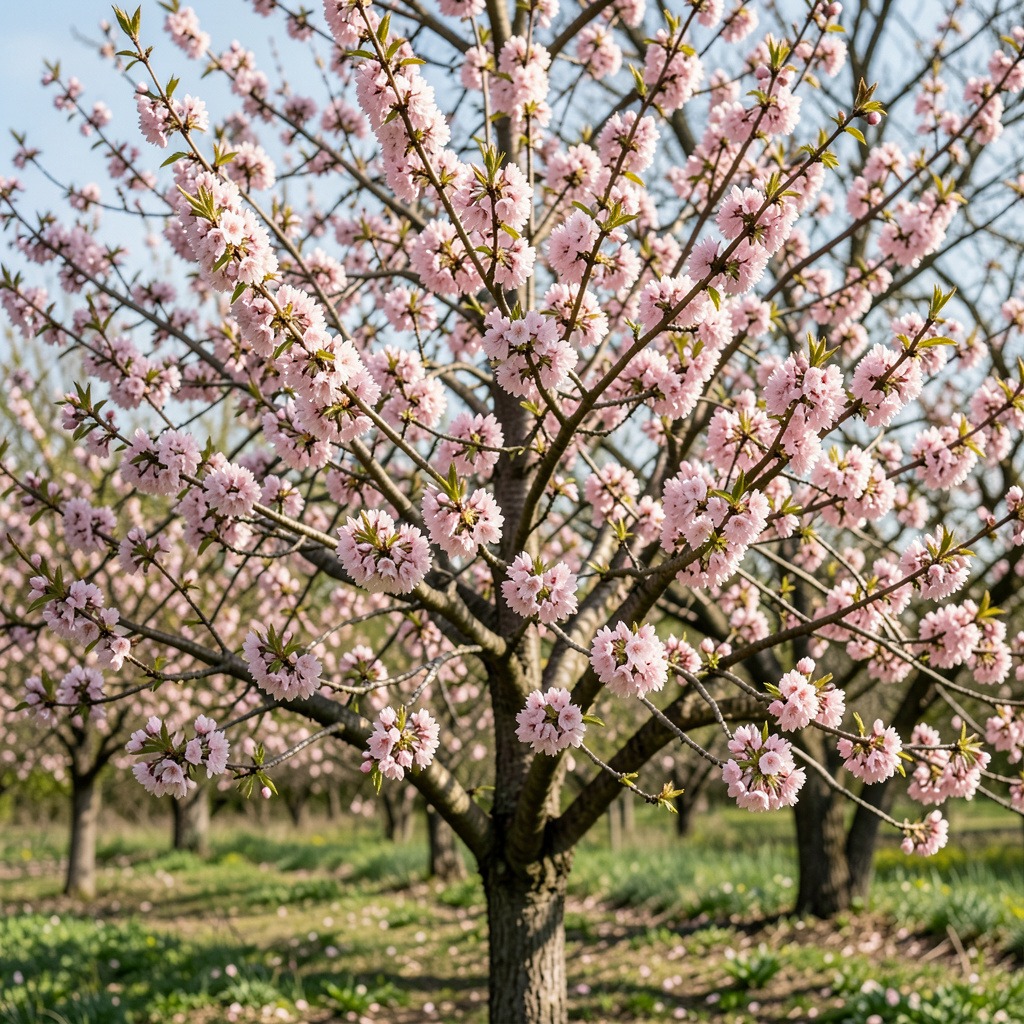
Understanding Flowering Plum Trees
Flowering plum trees, belonging to the Prunus genus, are cherished for their striking aesthetics and adaptability in various landscapes. Their unique characteristics make them a popular choice among gardeners looking to enhance their outdoor spaces.
Botanical Classification
The flowering plum tree primarily falls under the species Prunus cerasifera. This species is renowned for its ornamental qualities. Various cultivars exist, each exhibiting distinct traits:
- Purple Leaf Plum (Prunus cerasifera ‘Atropurpurea’): Features deep purple leaves and pink blossoms, providing a dramatic contrast in gardens.
- Cherry Plum (Prunus cerasifera): Produces small, tart fruits that can be used in preserves, although they are not typically favored for fresh eating.
- American Flowering Plum (Prunus americana): Known for its sweet, dark red drupes, ideal for fresh consumption.
Common Features and Varieties
Flowering plum trees stand out for their ornamental value and adaptability. Here are some common features:
- Aesthetic Appeal: They bloom early in spring, offering vibrant flowers that attract pollinators. Their foliage can range from green to deep purple, adding visual interest throughout the seasons.
- Size and Growth: Typically, these trees reach heights of 15 to 30 feet, making them suitable for various garden sizes.
- Disease Resistance: Many cultivars exhibit good resistance to common pests and diseases, enhancing their viability in diverse environments.
When selecting a flowering plum tree, consider the following decision rules:
- Purpose: If the goal is ornamental beauty, focus on flowering varieties. For fruit production, opt for the Cherry Plum or American Flowering Plum.
- Space: Assess your garden size to choose a cultivar that fits comfortably without overcrowding.
- Climate Compatibility: Ensure the chosen variety is well-suited to your local climate conditions.
By understanding these classifications and features, gardeners can make informed choices about integrating flowering plum trees into their landscapes.
Pros of Flowering Plum Trees
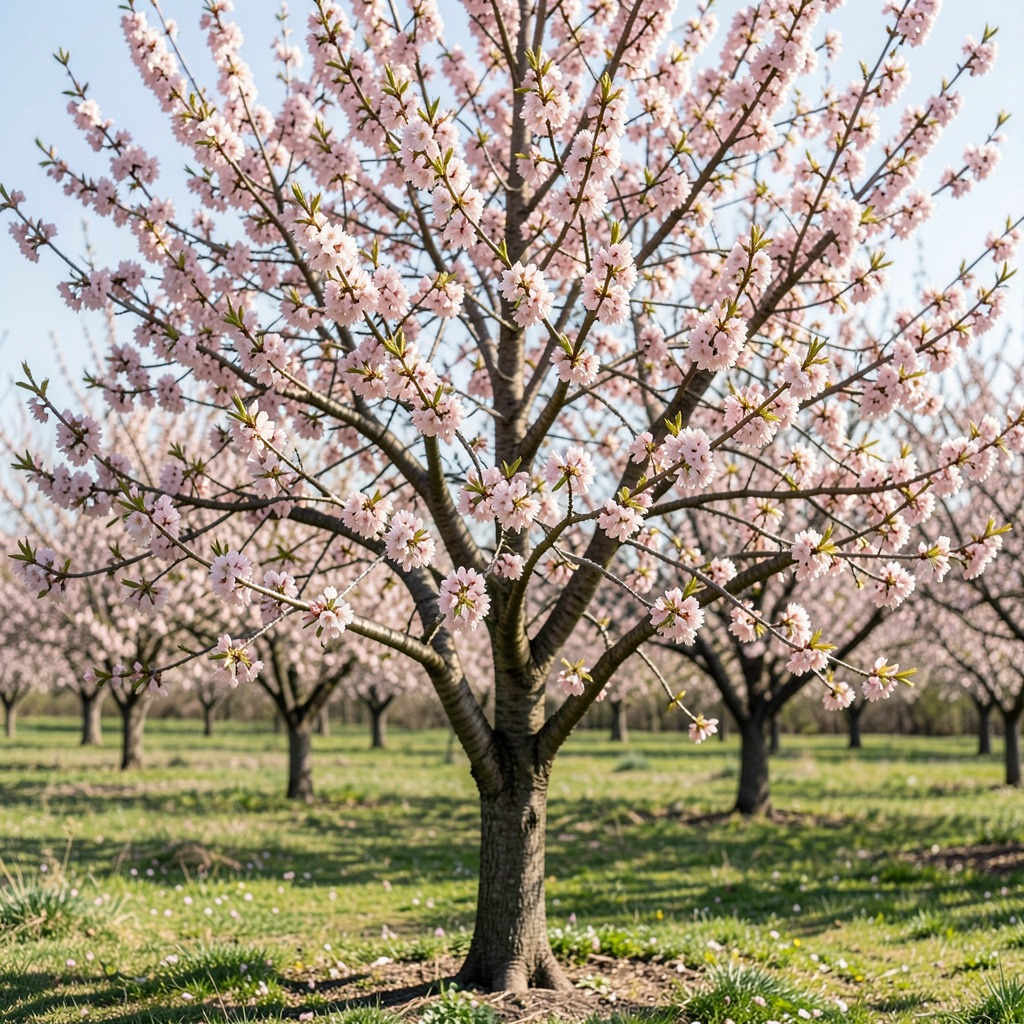
Flowering plum trees offer a variety of benefits, making them a popular choice among gardeners and landscapers. Their aesthetic appeal, adaptability, and environmental contributions enhance any outdoor space.
Aesthetic Appeal and Seasonal Beauty
One of the most compelling reasons to plant flowering plum trees is their stunning visual display. These trees produce delicate pink and white blossoms in spring, transforming gardens into vibrant showcases. As the seasons change, their foliage shifts from lush green to rich burgundy, ensuring year-round interest.
- Cultivar Variety: Different cultivars, such as Prunus × blireiana and ‘Krauter Vesuvius,’ cater to various landscaping styles and space requirements.
- Design Flexibility: Their compact size makes them ideal for small gardens, while larger varieties can serve as focal points in expansive landscapes.
Adaptability to Various Climates
Flowering plum trees thrive in a range of climates, making them suitable for various geographical regions. Once established, they require minimal care and are resilient to different environmental conditions.
- Low Maintenance: After planting, these trees adapt well, needing less water and fertilizer.
- Pruning Benefits: Regular pruning encourages healthy growth and maintains shape, making them a practical option for busy gardeners.
Environmental Contributions
Planting flowering plum trees positively impacts local ecosystems. They contribute to improved air quality, provide shade, and help prevent soil erosion through their robust root systems.
- Wildlife Habitat: These trees support pollinators and other wildlife, creating a thriving ecosystem in your garden.
- Urban Beautification: Statistics show that trees like the flowering plum can reduce urban heat by up to 10°F, enhancing livability in city environments.
Incorporating flowering plum trees into your landscape not only enhances its beauty but also supports local ecology, making them a worthwhile investment for any gardener.
Cons of Flowering Plum Trees
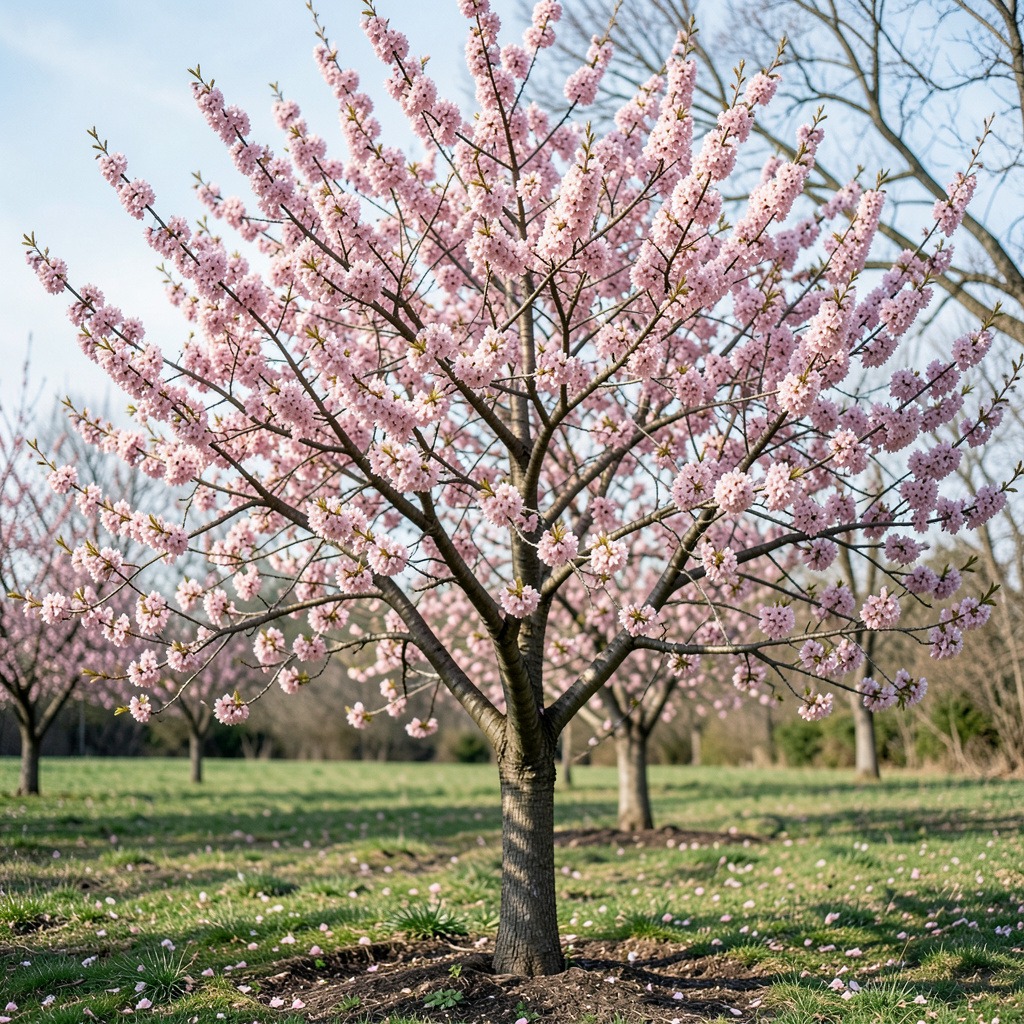
While flowering plum trees offer numerous benefits, they also present several drawbacks that gardeners should consider. These cons can impact their suitability for your landscape.
Disease Susceptibility
Flowering plum trees are susceptible to a range of diseases. Common issues include:
- Bacterial Canker: This disease causes dark lesions on branches, leading to dieback. It often results from excessive moisture and poor air circulation.
- Powdery Mildew: A fungal infection that manifests as a white powdery coating on leaves. This can stunt growth and reduce the tree’s vigor.
- Crown Gall: This bacterial infection creates growths on roots and stems, which can hinder nutrient uptake.
Understanding these diseases can help you take preventive measures and maintain tree health.
Limited or Inedible Fruit Production
Many flowering plum trees produce small drupes that are often inedible for humans. While some cultivars may yield fruit that wildlife enjoys, the majority do not provide edible benefits. The fruit’s quality and quantity depend heavily on the specific cultivar and environmental conditions. For example:
- Prunus cerasifera: Produces small, tart drupes that are not palatable, primarily serving ornamental purposes.
- Cultivar Variability: Some cultivars may produce fruit attractive to birds, but gardeners seeking edible fruit may find this disappointing.
Maintenance Challenges
Maintaining flowering plum trees can be demanding. Key challenges include:
- Pruning Needs: Regular pruning is essential to control size and shape, as well as to remove any dead or diseased branches.
- Pest Management: These trees can attract pests like aphids and scale insects, which require monitoring and treatment.
- Watering Requirements: They need consistent moisture, especially during dry spells, making them less suitable for low-maintenance gardens.
When choosing to plant flowering plum trees, weigh these cons against their benefits. Understanding potential challenges ensures better decision-making and tree care.
Planting and Care Tips for Flowering Plum Trees
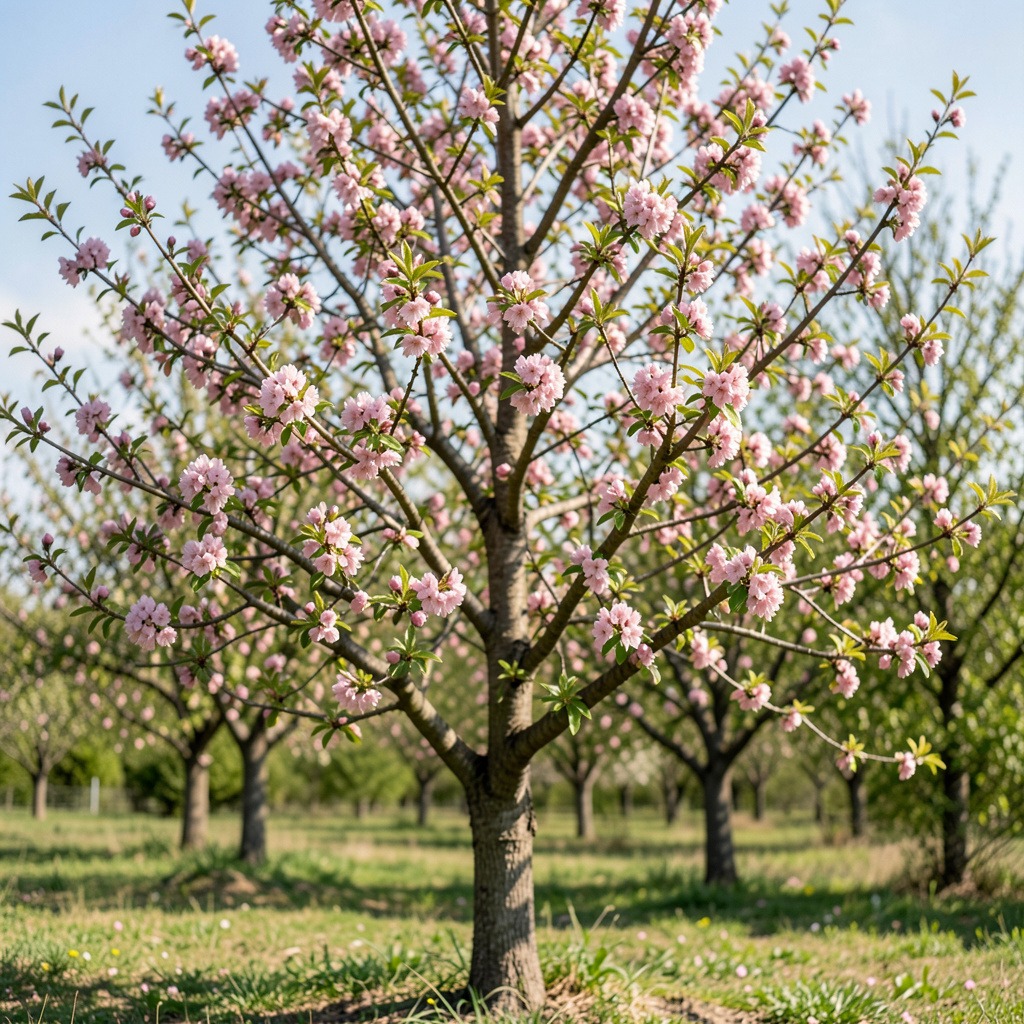
Successfully planting and caring for flowering plum trees requires attention to soil conditions, watering practices, and maintenance strategies. Here are essential guidelines to ensure healthy growth and vibrant blooms.
Ideal Growing Conditions
Flowering plum trees thrive in specific conditions. Here are the key requirements:
- Soil: Well-drained, loamy soil is ideal. These trees struggle in heavy clay or overly sandy soils.
- Sunlight: Full sun exposure is crucial. Aim for at least six hours of direct sunlight each day.
- Space: Ensure adequate space for growth. Flowering plum trees can reach heights of up to 30 feet, so plan accordingly.
Watering and Fertilization Strategies
Proper watering and fertilization support robust growth. Follow these strategies:
- Watering: Water deeply during dry spells. Once established, flowering plum trees are drought-tolerant but still benefit from consistent moisture.
- Fertilization: Use a balanced fertilizer in early spring. This promotes healthy foliage and blooming. Avoid over-fertilizing, as it can lead to excessive leaf growth at the expense of flowers.
Pruning Best Practices
Regular pruning helps maintain the health and appearance of flowering plum trees. Consider these best practices:
- Timing: Prune in late winter or early spring, just before new growth begins.
- Technique: Remove dead or diseased branches. Thin out crowded areas to improve air circulation and light penetration.
- Check for Common Mistakes:
- Avoid heavy pruning, which can stress the tree.
- Ensure cuts are clean and angled to prevent water accumulation.
Common Planting Mistakes Checklist
To maximize success, avoid these common mistakes when planting flowering plum trees:
- Poor Soil Preparation: Ensure the planting hole is at least twice the width of the root ball.
- Planting Too Deep: The root flare should be visible above ground level.
- Ignoring Local Climate: Choose cultivars that are suited to your climate zone.
- Neglecting Watering Needs: Water thoroughly after planting and maintain moisture during the establishment phase.
By following these guidelines, you can enhance the beauty and health of your flowering plum trees, allowing them to thrive in your landscape.
Alternatives to Flowering Plum Trees
When considering alternatives to flowering plum trees, several options offer similar aesthetic appeal and lower maintenance requirements. These trees can enhance your landscape while providing unique characteristics.
Other Ornamental Trees
1. Cherry Blossom (Prunus serrulata)
- Pros: Stunning spring blooms, fragrant flowers, and a strong cultural significance.
- Cons: Requires well-drained soil and can be susceptible to pests.
2. Redbud (Cercis canadensis)
- Pros: Beautiful pink flowers in early spring, heart-shaped leaves, and attracts pollinators.
- Cons: Limited to specific climates and may need protection from harsh winds.
3. Serviceberry (Amelanchier spp.)
- Pros: Attractive white flowers, edible berries, and excellent autumn color.
- Cons: Can be prone to diseases like leaf spot.
Native Alternatives
1. Eastern Dogwood (Cornus florida)
- Pros: Stunning flowers, provides habitat for wildlife, and offers vibrant fall foliage.
- Cons: Requires consistent moisture and can be affected by anthracnose disease.
2. Black Gum (Nyssa sylvatica)
- Pros: Resilient to various soil types, beautiful fall colors, and supports local wildlife.
- Cons: Grows slowly and may take years to reach full height.
Fruit-Bearing Options
1. Flowering Cherry Plum (Prunus cerasifera)
- Pros: Produces small, tart fruits ideal for jellies and jams while showcasing beautiful flowers.
- Cons: Fruit may attract pests and requires regular maintenance.
2. American Plum (Prunus americana)
- Pros: Sweet, dark red drupes, excellent for fresh eating, and supports pollinators.
- Cons: Can be susceptible to plum curculio and other pests.
Comparison Summary
| Tree Type | Aesthetic Appeal | Maintenance Level | Additional Notes |
|---|---|---|---|
| Cherry Blossom | High | Moderate | Needs well-drained soil |
| Redbud | Moderate | Low | Attracts pollinators |
| Serviceberry | High | Moderate | Edible berries |
| Eastern Dogwood | High | Moderate | Susceptible to disease |
| Black Gum | Moderate | Low | Slow growth |
| Flowering Cherry Plum | High | Moderate | Attracts pests |
| American Plum | High | Moderate | Requires pest management |
Choosing the right alternative depends on your specific landscape needs and local conditions. Each tree offers unique benefits that can complement your garden while retaining the visual appeal of flowering plum trees.
Frequently Asked Questions
These quick answers cover the most common questions about this topic, including key details, practical tips, and common concerns.
What are the best conditions for planting flowering plum trees?
Flowering plum trees thrive in well-drained, loamy soil. They prefer full sun, requiring at least six hours of direct sunlight daily. When planting, ensure the hole is twice the width of the root ball and that the root flare is visible above ground level. This will help establish a healthy root system.
How do I care for flowering plum trees?
Caring for flowering plum trees involves regular watering, especially during dry spells. Once established, they are drought-tolerant but still benefit from consistent moisture. Pruning is essential for maintaining shape and removing dead or diseased branches. It’s best to prune in late winter or early spring before new growth begins.
When is the best time to plant flowering plum trees?
The ideal time to plant flowering plum trees is in early spring or fall. Planting during these seasons allows the trees to establish their roots before the stress of summer heat or winter cold. Make sure to monitor soil moisture during the establishment phase to support healthy growth.
What are common problems with flowering plum trees?
Common issues include susceptibility to diseases such as bacterial canker, powdery mildew, and crown gall. These can lead to dieback and reduced vigor. Additionally, flowering plum trees can attract pests like aphids and scale insects, which may require monitoring and treatment.
How do flowering plum trees compare to other ornamental trees?
Flowering plum trees stand out for their stunning spring blooms and vibrant foliage, similar to trees like cherry blossoms and redbuds. However, they may produce less edible fruit than some other ornamental varieties. While some trees may require more maintenance, flowering plums are generally low-maintenance once established.
What alternatives are there to flowering plum trees?
Alternatives include cherry blossoms, redbuds, and serviceberries. Each of these offers unique aesthetic qualities and benefits, such as edible fruit or attracting pollinators. For example, serviceberries produce sweet berries and have beautiful spring flowers, making them a great choice for similar visual appeal.
How often should I prune my flowering plum tree?
Pruning should be done annually, ideally in late winter or early spring. This helps maintain the tree’s shape and encourages healthy growth. Regularly check for dead or diseased branches and remove them promptly to prevent the spread of disease.