
The Frontier elm tree offers resistance to Dutch elm disease, moderate growth, and attractive fall foliage, making it suitable for urban landscaping.
Table of Contents
The Frontier elm tree is increasingly popular for urban landscapes due to its hardiness and aesthetic appeal. Understanding its pros and cons is essential for making informed planting decisions, especially for urban gardeners and landscape designers.
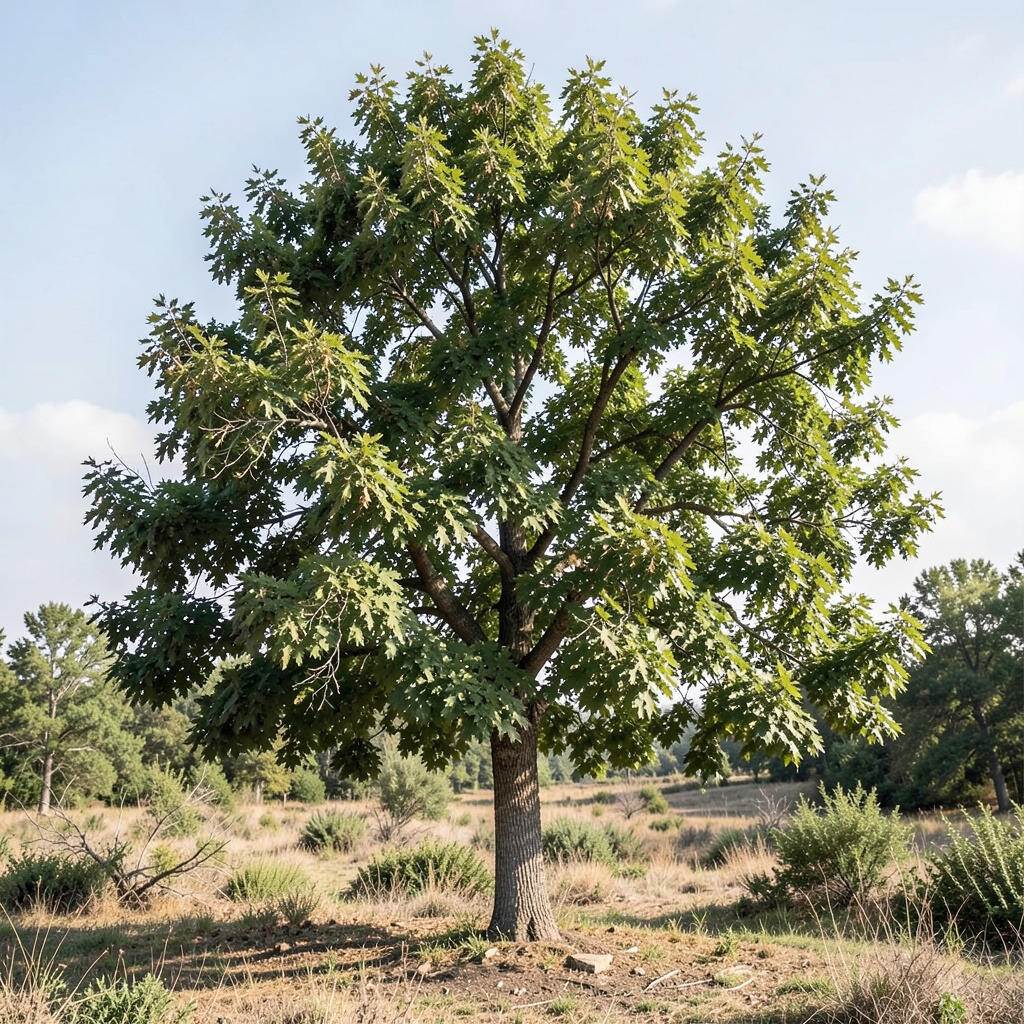
Understanding the Frontier Elm Tree
The Frontier elm tree combines resilience with aesthetic appeal, making it a top choice for urban landscapes. This hybrid cultivar offers unique characteristics that cater to the challenges of city environments.
Origins and Hybrid Characteristics
The Frontier elm (Ulmus minor x parvifolia) is a product of careful breeding by the U.S. National Arboretum. Its development focused on creating an elm tree resistant to Dutch elm disease, a fungal infection that devastated many elm species in the 20th century. By combining traits from European and Asian elms, the Frontier elm exhibits several valuable characteristics:
- Disease Resistance: This cultivar is notably resistant to Dutch elm disease, which is crucial for urban areas where such diseases can spread rapidly.
- Moderate Pest Resistance: It also shows moderate resistance to the elm leaf beetle and tolerance to elm yellows, enhancing its suitability for various environments.
Significance in Urban Landscaping
The Frontier elm’s design and growth characteristics make it particularly appropriate for urban settings. Its branches grow in an upward, oval or pyramid shape, allowing it to fit well in confined spaces.
Key Attributes:
- Growth Rate: It grows at a medium pace, typically reaching a mature height of around 40 feet, making it smaller than traditional elms like the American elm, which can grow up to 80 feet.
- Aesthetic Appeal: In summer, its leaves are vibrant green, transitioning to a striking deep red in fall, adding seasonal interest to urban landscapes.
Ideal Planting Scenarios
When planning to plant a Frontier elm, consider the following factors:
- Soil Tolerance: The Frontier elm adapts well to various soil types, including clay and loam, making it versatile for different urban soils.
- Environmental Impact: Its ability to thrive in city conditions, including pollution and compacted soil, makes it a sustainable choice for enhancing urban green spaces.
By understanding these characteristics, urban gardeners and landscape designers can make informed decisions about incorporating the Frontier elm into their projects.
Key Benefits of Planting Frontier Elm Trees

The Frontier elm tree offers several advantages that make it a suitable choice for urban landscapes. Its disease resistance, aesthetic appeal, growth rate, and adaptability to various soil types enhance its desirability for both homeowners and landscape professionals.
Disease Resistance and Hardiness
One of the standout features of the Frontier elm is its robust disease resistance. This tree is specifically bred to withstand Dutch elm disease, which has devastated many elm species.
- High Resistance: The Frontier elm exhibits a high level of tolerance to Dutch elm disease and moderate resistance to pests like the elm leaf beetle. This resilience makes it a safer choice for urban planting.
- Survival in Urban Conditions: Its ability to thrive in challenging environments, including polluted air and compacted soil, further underscores its hardiness.
Aesthetic Appeal: Fall Color and Structure
The Frontier elm is not only functional but also visually appealing. Its structure and seasonal changes add beauty to urban settings.
- Striking Fall Foliage: In autumn, the Frontier elm transforms into a deep red color, which contrasts beautifully with the green of summer. This vibrant display can elevate the aesthetic value of parks and streetscapes.
- Compact Form: The tree’s upward-reaching branches create a tidy, oval shape. This compact growth habit allows it to fit well in smaller urban spaces where larger trees may not be feasible.
Growth Rate and Maintenance Needs
The growth rate of the Frontier elm is moderate, making it a practical choice for quick establishment in urban environments.
- Mature Size: It typically grows to about 40 feet tall and wide, reaching this height at a rate of one to two feet per year. This makes it manageable for urban landscaping projects.
- Low Maintenance: The Frontier elm generally requires minimal upkeep once established. Regular watering and occasional pruning are sufficient to maintain its health and shape.
Quick Reference Checklist for Planting Frontier Elm:
- Plant in well-draining soil: Adaptable to clay and loam.
- Choose a location with full sun: Ensures optimal growth and health.
- Monitor for pests: While resistant, occasional checks can prevent issues.
- Prune in late winter: Encourages healthy growth and maintains structure.
By understanding these key benefits, urban planners and homeowners can make informed decisions when incorporating the Frontier elm into their landscapes.
Potential Drawbacks of Frontier Elm Trees

While the Frontier elm offers numerous benefits for urban landscapes, it also has limitations that potential planters should consider. Understanding these drawbacks can help make informed decisions about whether this tree is suitable for specific planting scenarios.
Limitations in Drought Tolerance
The Frontier elm is moderately drought-tolerant but does not excel in extremely dry conditions. This limitation can affect its health and growth rate, especially in urban areas with heat islands or limited water access.
- Watering Needs: Regular irrigation is essential during prolonged dry spells.
- Signs of Stress: Look for wilting leaves or premature leaf drop as indicators of insufficient moisture.
Size Constraints for Urban Landscapes
Although the compact form of the Frontier elm makes it suitable for smaller spaces, its size can still pose challenges.
- Mature Height: Reaching an average height of 40 feet, it may still overshadow smaller structures.
- Crown Width: The width of the canopy can be similar to its height, which could conflict with nearby buildings or power lines.
When planning urban planting, ensure there is adequate vertical and horizontal space to accommodate this tree’s growth.
Maintenance Requirements and Considerations
While generally low-maintenance, the Frontier elm does require specific care to thrive.
- Pruning Needs: Regular pruning is advisable to maintain shape and remove any dead or diseased branches.
- Pest Monitoring: Despite its disease resistance, occasional checks for pests like the elm leaf beetle are recommended.
Decision Framework for Maintenance:
- Assess your ability to provide regular care. If you prefer a tree with minimal intervention, consider alternatives.
- Evaluate local environmental conditions. If drought is a concern, ensure you can offer supplemental watering.
These factors can help you weigh the pros and cons of planting a Frontier elm in your landscape.
Comparing Frontier Elm with Other Elm Varieties

The Frontier elm stands out among elm varieties for its unique characteristics, particularly in disease resistance and urban suitability. Below, we compare the Frontier elm with the American elm and other common varieties.
American Elm vs. Frontier Elm
| Feature | Frontier Elm | American Elm |
|---|---|---|
| Height | 30-40 feet | 60-80 feet |
| Crown Width | 20-30 feet | 40-60 feet |
| Growth Rate | Medium (1-2 feet/year) | Fast (up to 3 feet/year) |
| Disease Resistance | High (resistant to Dutch elm disease) | Low (susceptible to Dutch elm disease) |
| Fall Color | Deep burgundy | Golden yellow |
| Urban Tolerance | High | Moderate |
| Maintenance Needs | Moderate | High |
The Frontier elm’s compact size makes it ideal for urban environments. In contrast, the American elm, while majestic, requires more space and is vulnerable to diseases like Dutch elm disease.
Other Elm Varieties Worth Considering
- Chinese Elm (Ulmus parvifolia): Known for its adaptability and low maintenance needs. It is also resistant to many pests.
- Siberian Elm (Ulmus pumila): Fast-growing and drought-tolerant, but can become invasive in certain areas.
- Liberty Elm: A hybrid that offers disease resistance and a classic elm shape, making it suitable for urban planting.
Decision Points for Selection
When choosing between the Frontier elm and other varieties, consider the following:
- Space Availability: Urban areas often have limited space. The Frontier elm’s compact form may fit better.
- Disease Resistance: If Dutch elm disease is a concern, the Frontier elm is a safer choice.
- Aesthetic Preferences: Decide if the fall color is a significant factor for your landscape design.
By evaluating these elements, you can make a more informed choice regarding which elm variety best suits your landscape needs.
Ideal Conditions for Planting Frontier Elm Trees
Planting and maintaining Frontier elm trees requires specific conditions to ensure healthy growth and longevity. Understanding these requirements will help urban gardeners make informed decisions.
Soil and Environmental Requirements
Frontier elms thrive in a variety of soil types, but they prefer well-drained, loamy soils. They can tolerate clay and sandy soils, making them adaptable to different urban settings. Here are key soil considerations:
- pH Level: Aim for a soil pH between 6.0 and 7.5 for optimal growth.
- Drainage: Ensure good drainage to prevent root rot. Avoid areas with standing water.
- Nutrient-Rich: Incorporate organic matter to enrich the soil and improve fertility.
Spacing and Placement Considerations
The compact nature of Frontier elms allows for flexible planting in urban environments. Here are recommendations for spacing and placement:
- Spacing: Plant trees 25 to 30 feet apart to allow for mature crown development.
- Sunlight: Choose a location that receives full sun to partial shade for at least 6 hours a day.
- Avoiding Conflicts: Keep trees away from power lines and buildings to minimize maintenance needs and ensure healthy growth.
Care Tips for Healthy Growth
Regular maintenance is crucial for the health of Frontier elm trees. Follow these care tips for optimal results:
- Watering: Water deeply during dry spells, especially in the first few years after planting.
- Mulching: Use organic mulch around the base to retain moisture and suppress weeds.
- Pruning: Prune in late winter or early spring to maintain shape and remove any dead or diseased branches.
- Fertilization: Apply a balanced fertilizer in early spring to support growth, especially in nutrient-poor soils.
By adhering to these guidelines, urban gardeners can ensure their Frontier elm trees flourish, contributing beauty and ecological benefits to their landscapes.
Frequently Asked Questions
These quick answers cover the most common questions about this topic, including key details, practical tips, and common concerns.
How fast do Frontier Elm trees grow?
Frontier Elm trees grow at a moderate rate, typically reaching a height of 30 to 40 feet within 20 to 30 years. They generally grow about 1 to 2 feet per year, making them a practical choice for urban landscapes where quicker establishment is desired.
What are the downsides of having elm trees?
While Frontier Elms offer many benefits, they do have some drawbacks. They are moderately drought-tolerant but may struggle in extreme dry conditions, requiring regular watering. Additionally, they need routine maintenance, including pruning and monitoring for pests like the elm leaf beetle, which can still affect them despite their disease resistance.
How far should an elm tree be from a house?
It is recommended to plant Frontier Elm trees at least 25 to 30 feet away from houses and other structures. This distance allows for their mature canopy size and helps prevent potential damage to foundations or roofs from falling branches.
Is an elm tree good to have in your yard?
Yes, a Frontier Elm can be an excellent addition to your yard. Its disease resistance, attractive fall color, and moderate size make it suitable for urban settings. The tree provides shade, enhances aesthetics, and contributes to urban biodiversity, making it a valuable landscape choice.
Can Frontier Elm trees survive in drought conditions?
Frontier Elm trees are moderately drought-tolerant, but they do not thrive in severe drought conditions. Regular watering is essential during prolonged dry spells, especially in their early years. Signs of stress include wilting leaves and premature leaf drop, indicating they need more moisture.
What pests are common to Frontier Elm trees?
While Frontier Elms are resistant to many pests, they can still be affected by the elm leaf beetle and elm yellows. Regular monitoring for these pests is advisable to maintain tree health. Spotting early signs of infestation can help prevent more severe damage.
Are Frontier Elm trees suitable for small yards?
Yes, Frontier Elm trees are suitable for small yards due to their compact size. They typically grow to 30 to 40 feet tall and have a moderate crown width, making them a good fit for urban environments where space is limited.
What is the ideal soil for planting a Frontier Elm tree?
Frontier Elm trees prefer well-drained, loamy soils but can adapt to various soil types, including clay and sandy soils. The ideal pH level for optimal growth is between 6.0 and 7.5. Ensuring good drainage and incorporating organic matter can enhance soil fertility and tree health.