
The pros of planting olive trees include low maintenance, aesthetic appeal, and drought resistance, while the cons involve climate limitations, potential invasiveness, and care considerations, especially regarding fruiting versus fruitless varieties.
Table of Contents
Olive trees are increasingly popular for residential landscapes due to their beauty and resilience. This guide explores the pros and cons of planting olive trees, helping homeowners make informed decisions about integrating these trees into their gardens.
Understanding Olive Trees: An Overview
Olive trees are renowned for their durability and aesthetic charm, making them a desirable choice for many homeowners. Their unique characteristics and cultural significance enhance their appeal in residential landscaping.
What are Olive Trees?
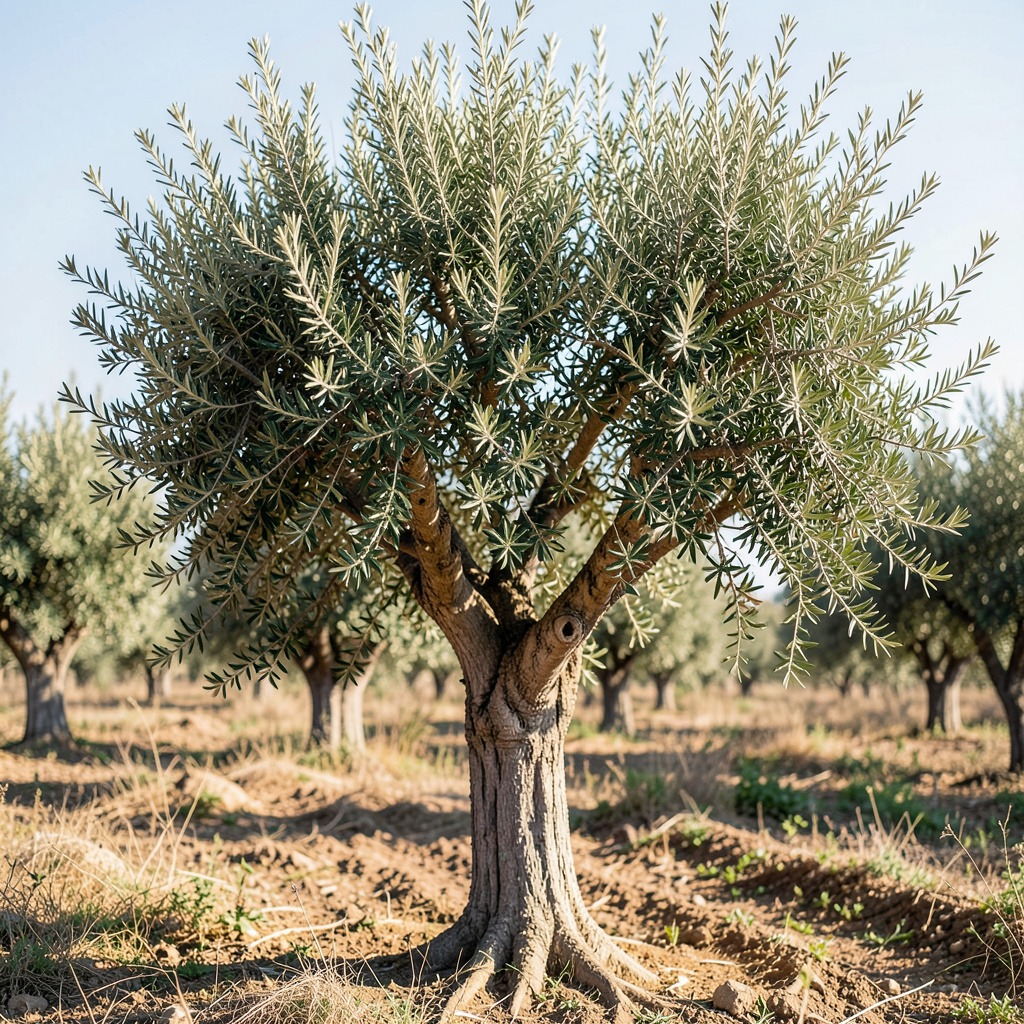
Olive trees (Olea europaea) are evergreen trees native to the Mediterranean basin. Known for their gnarled trunks and silvery leaves, they can grow up to 30 feet tall. Olive trees are valued not only for their fruit but also for their ornamental qualities.
Fruiting vs. Fruitless Olive Trees
Homeowners must choose between two main types of olive trees: fruiting and fruitless.
- Fruiting Olive Trees: These trees produce olives annually. While they are beautiful, they may require more maintenance due to fallen fruit, which can attract pests and create mess.
- Fruitless Olive Trees: These varieties, such as Swan Hill and Wilsonii, do not produce edible fruit. They are often preferred for landscaping because they provide the same aesthetic appeal without the hassle of fruit cleanup.
Pros and Cons of Each Variety
| Type | Pros | Cons |
|---|---|---|
| Fruiting Olive Trees | Provides edible olives; classic appearance | Requires maintenance; potential mess |
| Fruitless Olive Trees | Low maintenance; no fruit mess | No edible harvest; less traditional appeal |
Cultural Significance of Olive Trees
Olive trees hold significant cultural importance in many regions. They symbolize peace, wisdom, and prosperity. In Mediterranean cultures, olive trees have been cultivated for centuries, serving as a staple food source and a critical component of local economies.
Their historical context adds depth to their appeal in modern landscaping. Homeowners may appreciate not only the beauty of these trees but also their rich heritage and symbolism.
When considering olive trees for landscaping, think about your goals. Are you seeking a low-maintenance option, or do you desire the fruit as a culinary asset? Understanding these factors can guide your decision-making process.
Pros of Planting Olive Trees
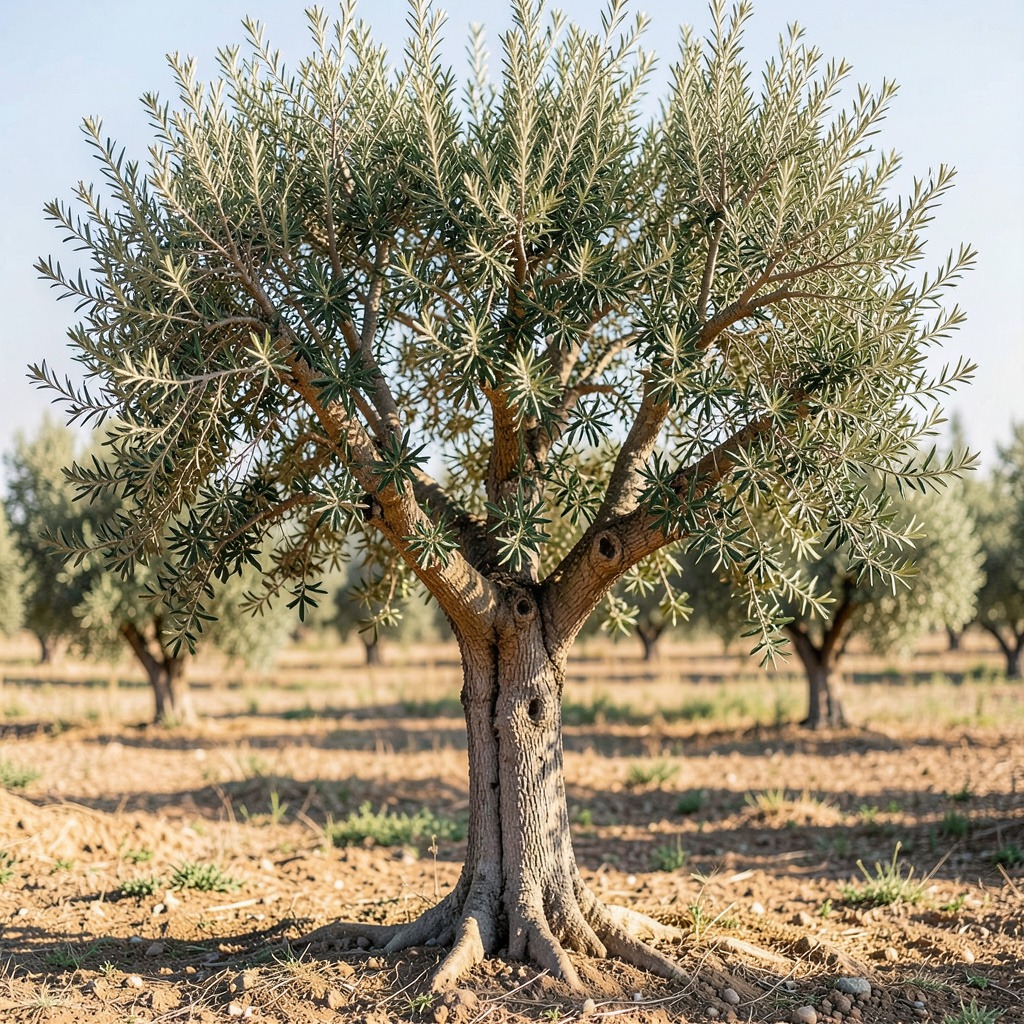
Olive trees offer numerous benefits for homeowners considering landscape options. Their low maintenance requirements, aesthetic appeal, and drought resistance make them especially attractive choices for residential gardens.
Low Maintenance Requirements
Olive trees are renowned for their minimal upkeep. Once established, these trees require little attention. Key maintenance aspects include:
- Pruning: Regular pruning helps shape the tree and can prevent unwanted fruit on fruiting varieties.
- Watering: Olive trees thrive with infrequent watering. They prefer well-drained soil and can tolerate drought conditions.
Homeowners report that after the initial planting phase, olive trees often become a “set it and forget it” landscaping solution.
Aesthetic Appeal in Landscapes
The unique appearance of olive trees adds character to any garden. Their gnarled trunks and silvery leaves create a distinctive look. Consider these aesthetic advantages:
- Versatile Design: Olive trees can complement various landscaping styles, from Mediterranean to modern.
- Year-Round Interest: Their evergreen nature ensures that gardens maintain visual appeal throughout the seasons.
Homeowners have expressed satisfaction with how olive trees enhance their property’s overall aesthetic. One homeowner noted, “The olive tree has become the focal point of my garden, drawing admiration from visitors.”
Drought Resistance and Sustainability
Olive trees are exceptionally drought-resistant, making them ideal for water-conscious homeowners. Their roots adapt well to dry conditions, reducing the need for irrigation. This characteristic contributes to sustainability in landscaping:
- Water Conservation: Planting olive trees helps conserve water resources.
- Environmental Benefits: By reducing water usage, homeowners contribute to sustainable gardening practices.
A homeowner in a semi-arid climate shared, “The olive tree thrives even in summer heat, which saves us water and maintenance costs.” This resilience underscores the olive tree’s suitability for various climates, especially those prone to drought.
Cons of Planting Olive Trees
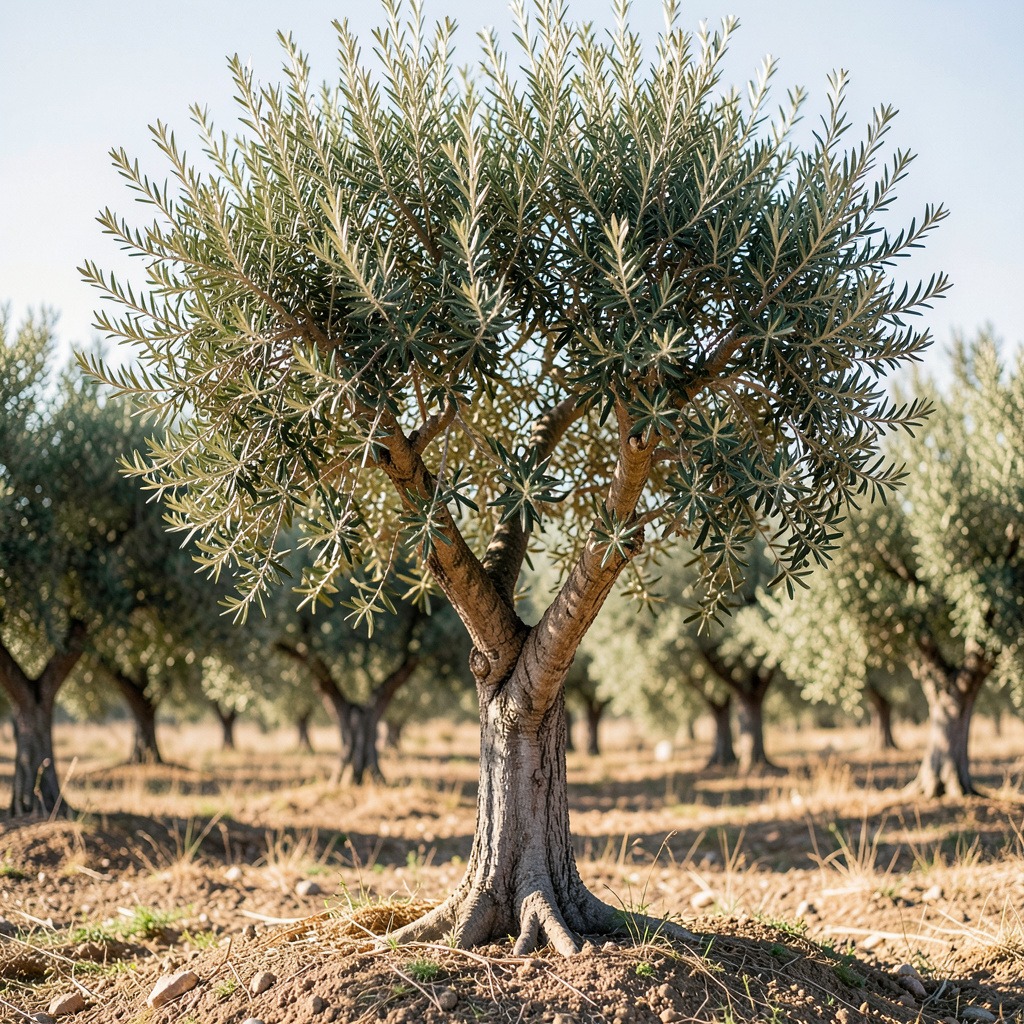
While olive trees offer numerous benefits, they also come with certain drawbacks. Homeowners must carefully consider climate limitations, potential invasiveness, and maintenance challenges, particularly with fruiting varieties.
Climate Limitations
Olive trees thrive in warm, Mediterranean climates. They struggle in areas with harsh winters or excessive humidity. Homeowners in cooler regions may face the following challenges:
- Frost Sensitivity: Olive trees are susceptible to frost damage. Planting them in regions where winter temperatures drop below 30°F can result in significant loss.
- Soil Drainage: These trees require well-draining soil. Poor drainage can lead to root rot and other issues, making it critical to choose the right planting site.
Invasiveness Concerns
Fruiting olive trees can become invasive in certain environments. They produce abundant seeds that may spread easily, leading to unwanted growth in gardens and natural areas. Homeowners should be aware of the following:
- Competition with Native Flora: Olive trees can outcompete local plants, disrupting local ecosystems.
- Regulatory Issues: Some regions regulate or restrict the planting of olive trees due to their invasive tendencies. Check local guidelines before planting.
Maintenance Challenges for Fruiting Varieties
Fruiting olive trees require more care compared to their fruitless counterparts. Maintenance needs include:
- Regular Pruning: Pruning is essential to control growth and enhance fruit production. It also helps prevent overcrowding.
- Pest and Disease Management: Fruiting varieties are more susceptible to pests like the olive fruit fly and diseases such as olive knot. Homeowners should implement strategies to manage these issues, including:
- Regular Inspections: Monitor trees for signs of pests or disease.
- Organic Treatments: Use insecticidal soap or neem oil for pest control.
- Cultural Practices: Maintain healthy soil and proper watering to enhance tree resilience.
Homeowners must weigh these cons against the benefits when considering olive trees for their landscapes. Understanding these challenges will guide decision-making and ensure a successful planting experience.
Care and Maintenance of Olive Trees
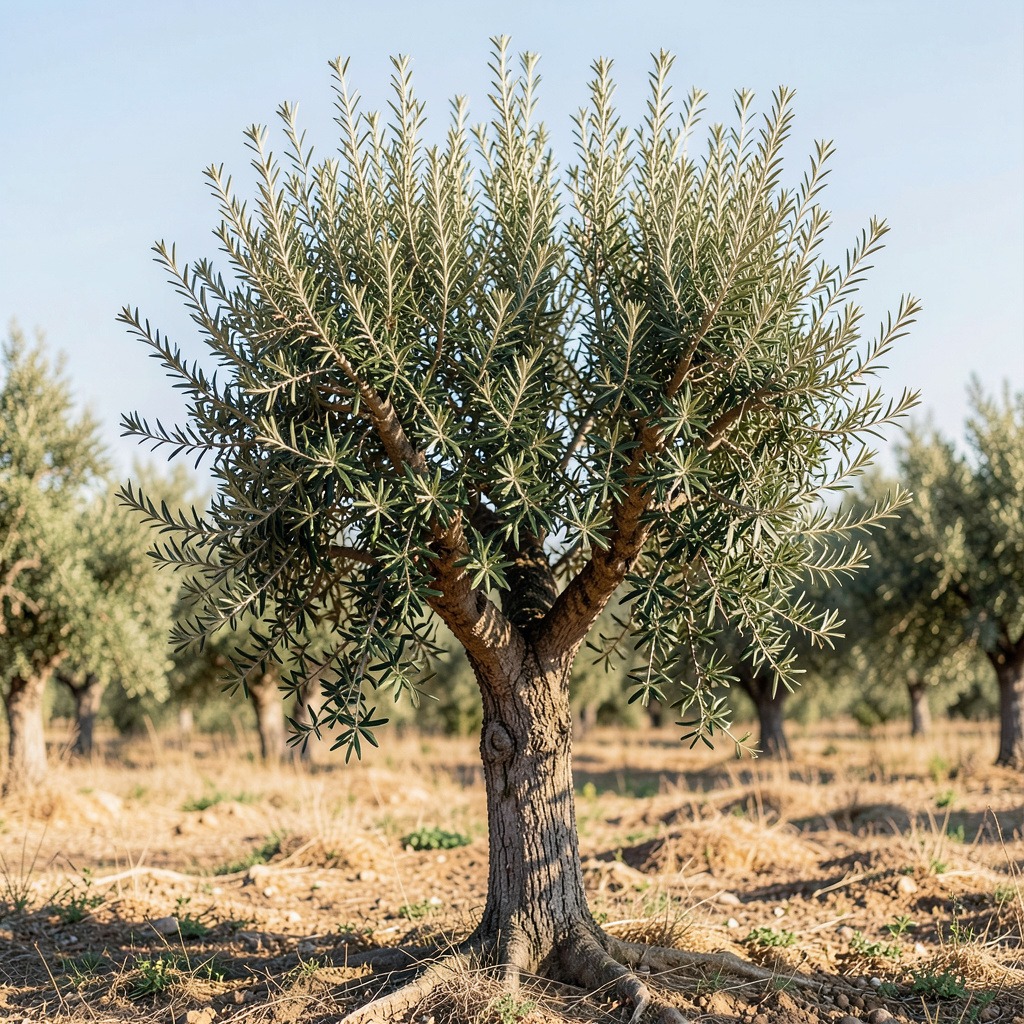
Olive trees require specific care to thrive, whether they are fruiting or fruitless varieties. Understanding their needs in terms of watering, pruning, and pest management is essential for homeowners.
Watering and Soil Needs
1. Watering Frequency:
- Water young trees deeply once a week for the first year.
- Mature trees generally need watering every two to four weeks, depending on rainfall and soil drainage.
2. Soil Requirements:
- Plant olive trees in well-draining soil. Sandy loam is ideal.
- Ensure pH levels range from 6 to 8 for optimal growth.
3. Drought Resistance:
- Olive trees are drought-tolerant. After establishing, they can thrive with minimal water, making them suitable for arid climates.
Pruning Practices
1. Timing:
- Prune olive trees in late winter or early spring, before new growth begins.
2. Techniques:
- Remove dead, damaged, or crossing branches to improve air circulation.
- For fruiting varieties, thin out excess growth to encourage better fruit production.
3. Fruitless Varieties:
- Focus on shaping the tree for aesthetics, as they do not produce fruit.
Pest and Disease Management
1. Regular Inspections:
- Check for pests like the olive fruit fly. Look for signs such as unusual leaf drop or stunted growth.
2. Organic Treatments:
- Use insecticidal soap or neem oil if pests are detected. Apply early in the morning or late afternoon to avoid harming beneficial insects.
3. Cultural Practices:
- Maintain healthy soil through mulching and organic fertilizers. Healthy trees are more resilient to pests and diseases.
Checklist for Olive Tree Care
| Care Aspect | Recommendations |
|---|---|
| Watering | Young: weekly; Mature: every 2-4 weeks |
| Soil | Well-draining, pH 6-8 |
| Pruning | Late winter/spring; shape and thin as needed |
| Pest Management | Regular checks; organic treatments if needed |
| Fertilization | Use organic fertilizers to promote growth |
This comprehensive checklist ensures homeowners can effectively care for their olive trees, promoting healthy growth and minimizing potential issues.
Choosing Between Fruiting and Fruitless Olive Trees
When considering olive trees for your landscape, homeowners must weigh the benefits and drawbacks of both fruiting and fruitless varieties. Each type serves different needs and preferences.
Benefits of Fruiting Olive Trees
Fruiting olive trees are known for their annual production of olives. Here are key benefits:
- Fruit Production: Homeowners can harvest olives for personal use or culinary purposes.
- Aesthetic Appeal: Fruiting varieties often exhibit beautiful blossoms and lush greenery, enhancing the landscape.
- Wildlife Attraction: These trees can attract birds and beneficial insects, contributing to biodiversity.
Advantages of Fruitless Olive Trees
Fruitless olive trees offer several advantages, particularly for those prioritizing low maintenance. Consider the following:
- Low Maintenance: They require less care and do not drop messy fruit, making them ideal for busy homeowners.
- Drought Resistance: Fruitless varieties thrive in arid conditions, making them suitable for dry climates.
- Consistent Aesthetic: They maintain a neat appearance year-round without the concern of rotting fruit.
Making the Right Choice for Your Landscape
Deciding between fruiting and fruitless olive trees depends on your specific needs. Use this decision framework:
1. Purpose: Are you interested in harvesting olives or simply enhancing your garden’s beauty?
2. Maintenance Level: How much time can you dedicate to tree care? If minimal maintenance is crucial, opt for fruitless.
3. Climate Conditions: Assess your local climate. If you live in a drought-prone area, fruitless varieties may be more suitable.
Decision Checklist
| Criteria | Fruiting Olive Trees | Fruitless Olive Trees |
|---|---|---|
| Fruit Harvesting | Yes | No |
| Maintenance Level | Moderate | Low |
| Aesthetic Appeal | High (seasonal fruit) | Consistent (no mess) |
| Climate Suitability | Moderate (needs regular water) | High (drought resistant) |
By considering these factors, homeowners can make an informed choice that aligns with their landscape vision and maintenance preferences.
Final Thoughts on Olive Trees
Understanding the pros and cons of olive trees is crucial for homeowners considering these unique additions to their landscapes. Olive trees offer distinct benefits, yet they also come with specific challenges.
Key Benefits of Olive Trees
- Drought Resistance: Olive trees thrive in arid regions, making them ideal for homeowners in drought-prone areas.
- Low Maintenance: Once established, olive trees require minimal care, especially fruitless varieties. They need little watering and occasional pruning.
- Aesthetic Appeal: With their unique gnarled trunks and silvery foliage, olive trees provide a Mediterranean charm that enhances landscape design.
Considerations and Challenges
- Fruit Management: Fruiting olive trees can create a mess with fallen fruit, requiring more maintenance.
- Growing Conditions: They prefer well-drained soil and ample sunlight. Homeowners in cooler climates may face growth challenges.
- Pest Issues: Olive trees can be susceptible to pests, such as olive fruit flies, which may require intervention.
Decision-Making Framework
When deciding between fruiting and fruitless olive trees, consider the following:
| Criteria | Fruiting Olive Trees | Fruitless Olive Trees |
|---|---|---|
| Fruit Harvesting | Yes | No |
| Maintenance Level | Moderate | Low |
| Aesthetic Appeal | High (seasonal fruit) | Consistent (no mess) |
| Climate Suitability | Moderate (needs regular water) | High (drought resistant) |
By weighing these factors, homeowners can choose the right type of olive tree to suit their landscape goals and maintenance preferences.
Frequently Asked Questions
These quick answers cover the most common questions about this topic, including key details, practical tips, and common concerns.
What are the main benefits of planting an olive tree?
Planting an olive tree offers several advantages. They are drought-resistant, making them ideal for arid climates where water conservation is crucial. Olive trees also require minimal maintenance once established, allowing homeowners to enjoy their beauty without extensive care. Additionally, they provide aesthetic appeal with their unique gnarled trunks and silvery leaves, enhancing any landscape design.
How do I care for a fruitless olive tree?
Caring for a fruitless olive tree involves a few key practices. Ensure it is planted in well-draining soil and water it deeply every two to four weeks, depending on rainfall. Prune the tree in late winter or early spring to maintain its shape and encourage healthy growth. Regular inspections for pests and diseases are also recommended, even though fruitless varieties are generally less susceptible.
Can olive trees survive in colder climates?
Olive trees prefer warm, Mediterranean climates and are sensitive to frost. They can struggle in colder regions, particularly where winter temperatures drop below 30°F. If you live in a cooler area, consider planting them in a sheltered spot or using protective coverings during cold snaps to help them survive.
What is the lifespan of an olive tree?
Olive trees are known for their longevity, often living for hundreds of years. In optimal conditions, some trees can live for over a thousand years. Proper care, including appropriate watering, pruning, and pest management, can help extend their lifespan and ensure they thrive in your landscape.
Are olive trees invasive species?
Fruiting olive trees can be considered invasive in certain regions due to their ability to produce abundant seeds that spread easily. This can lead to unwanted growth in gardens and natural areas, potentially outcompeting native plants. Homeowners should check local regulations regarding the planting of olive trees to avoid ecological issues.
How often should I water my olive tree?
Watering frequency for olive trees varies based on their age and climate. Young trees should be watered deeply once a week for the first year. Mature trees typically need watering every two to four weeks, depending on rainfall and soil drainage. Olive trees are drought-tolerant, so it’s essential to avoid overwatering, which can lead to root rot.
What are the differences between fruiting and fruitless olive trees?
Fruiting olive trees produce edible olives and can attract wildlife, but they require more maintenance due to fallen fruit. In contrast, fruitless olive trees do not produce fruit, making them low-maintenance and ideal for homeowners who want the aesthetic without the mess. Both types share similar drought resistance and aesthetic appeal, but your choice may depend on your landscape goals and maintenance preferences.
What are alternatives to olive trees for landscaping?
If you’re considering alternatives to olive trees, look into drought-resistant plants like lavender, rosemary, or succulents. These options offer low maintenance and can add beauty to your landscape. Other trees like the Mediterranean fan palm or certain varieties of cypress can also provide similar aesthetic appeal without the challenges associated with olive trees.