
Fuller’s quince tree offers large, aromatic fruit and ornamental beauty but can be susceptible to pests and requires specific growing conditions.
Table of Contents
Fuller’s quince (Cydonia oblonga ‘Fuller’s’) is a unique fruit tree known for its large, fragrant fruits. Understanding the advantages and disadvantages of growing this tree will help you determine if it’s the right choice for your garden.
Overview of Fuller’s Quince Tree
Fuller’s quince (Cydonia oblonga ‘Fuller’s’) is a remarkable variety known for its large, fragrant fruits and distinctive characteristics. This section examines its historical background, unique features, and care requirements, providing insight into its advantages and disadvantages for potential growers.
Historical Background of Fuller’s Quince
Fuller’s quince originated in New Jersey, USA, around 1860. It was cultivated for its exceptional fruit, which is larger than many other quince varieties. Historically, quince trees have been valued for their aromatic qualities and culinary uses, dating back thousands of years. They were once prominent in Mediterranean cultures, where they symbolized prosperity and fertility.
Distinctive Features and Characteristics
Fuller’s quince is characterized by:
- Fruit Size and Shape: Produces large, pear-shaped fruits with a striking lemon to yellow color.
- Flavor Profile: Offers a guava-like aroma with a citrusy, slightly astringent taste, especially when not fully ripe.
- Culinary Uses: Ideal for cooking, the fruit transforms to a pale pink when baked or poached, enhancing its flavor.
- Deciduous Nature: As a deciduous tree, it sheds its leaves in fall, making it aesthetically appealing year-round.
In comparison to other quince varieties, Fuller’s quince stands out for its size and flavor, making it a preferred choice among gardeners seeking both beauty and utility in their fruit trees.
Growing and Care Requirements
Growing Fuller’s quince requires specific conditions:
- Sun Exposure: Full sun is ideal for optimal fruit production.
- Soil Type: Well-drained, moist soil enhances growth and fruit quality.
- Cold Tolerance: Hardy in Zones 5-9, it withstands cold climates but may need root insulation in harsher winters.
When planning to cultivate Fuller’s quince, consider its unique needs alongside available space and climate conditions to determine if it fits your gardening goals.
Pros of Growing Fuller’s Quince
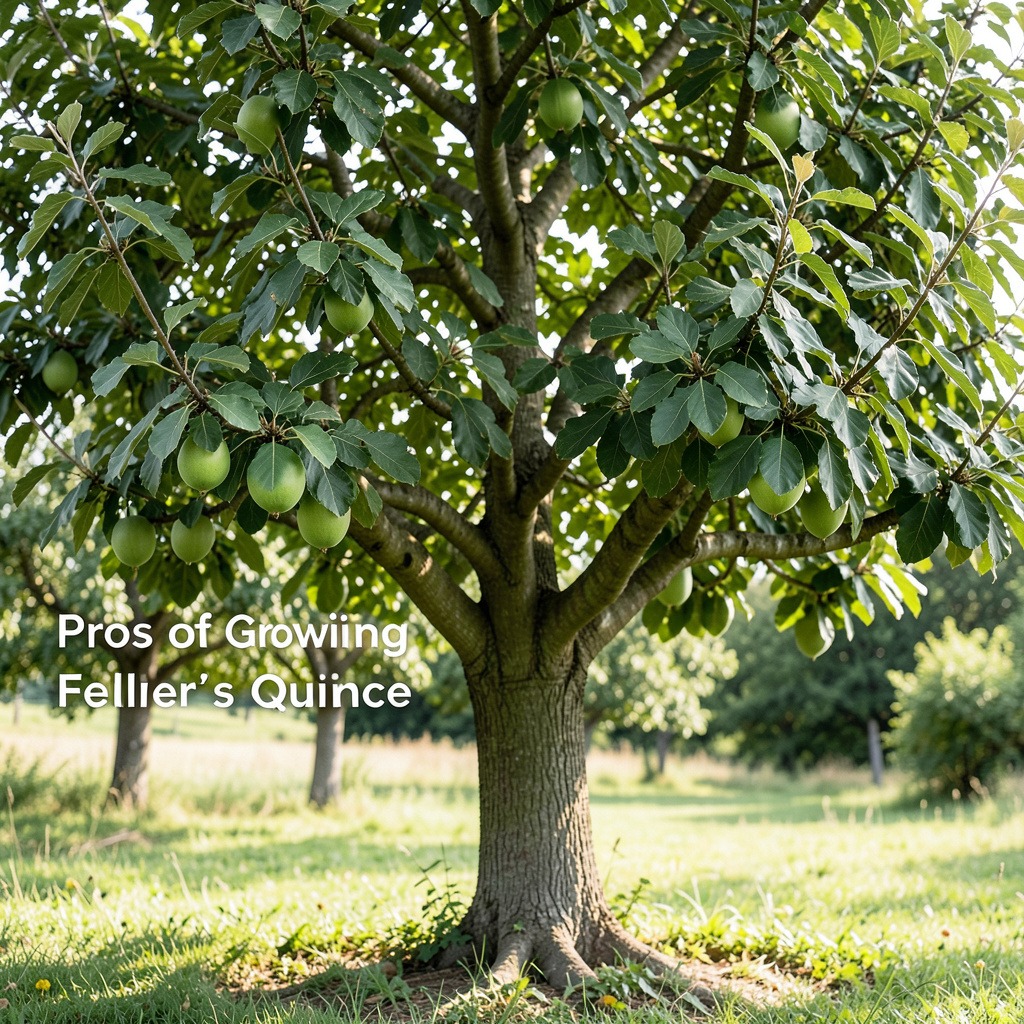
Cultivating Fuller’s quince offers a range of benefits, from its high-quality fruit to its ornamental value. This tree not only enhances your garden but also contributes positively to the environment.
High-Quality, Aromatic Fruit
Fuller’s quince produces large, aromatic fruits that are prized for their flavor. These fruits are ideal for culinary uses, such as:
- Jams and Jellies: Their high pectin content makes them perfect for preserves.
- Baking: The unique flavor enhances pies and tarts.
- Culinary Pairing: They complement savory dishes, adding depth to flavors.
Gardeners often report that the fruit quality improves significantly with proper care and attention, making Fuller’s quince a rewarding choice for fruit enthusiasts.
Attractive Ornamental Value
Beyond its culinary merits, Fuller’s quince serves as an ornamental asset in any garden. Key aesthetic features include:
- Beautiful Blossoms: The tree produces stunning flowers in spring, attracting pollinators.
- Year-Round Interest: The foliage and unique fruit shape provide visual appeal throughout the seasons.
- Versatile Landscaping: Fuller’s quince can be used as a focal point, hedge, or border plant.
This dual-purpose appeal makes it a favorite among gardeners looking to combine beauty with functionality.
Environmental Benefits
Fuller’s quince contributes positively to the ecosystem. Its benefits include:
- Pollinator Support: The flowers attract bees and other beneficial insects, supporting biodiversity.
- Soil Health: Its deep roots help prevent soil erosion and improve soil structure.
- Sustainable Gardening: By growing Fuller’s quince, gardeners can reduce their reliance on store-bought fruits, promoting local food sources.
Incorporating Fuller’s quince into your gardening plan not only enhances your landscape but also supports environmental health.
Cons of Growing Fuller’s Quince
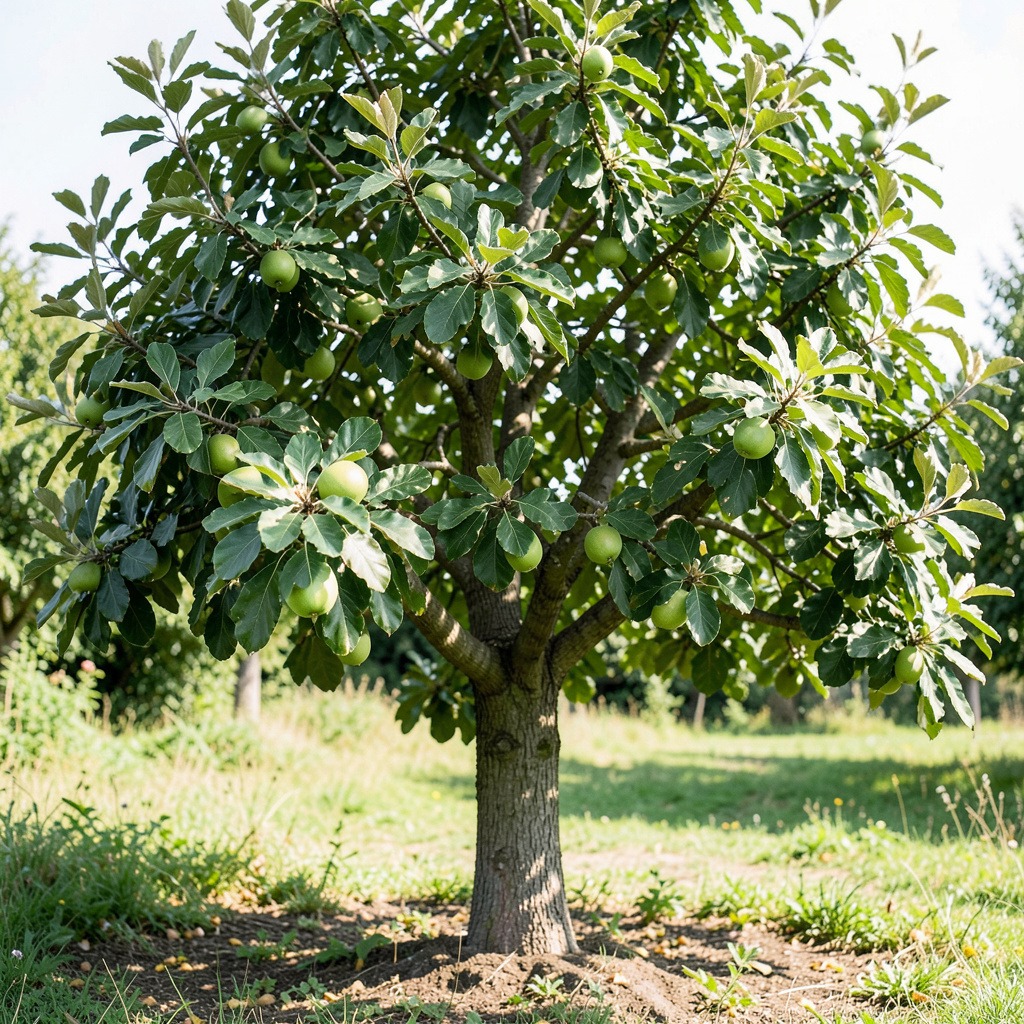
While Fuller’s quince trees offer many benefits, they also have several drawbacks that potential growers should consider. These include susceptibility to pests and diseases, specific care requirements, and limitations related to climate.
Susceptibility to Pests and Diseases
Fuller’s quince trees can be vulnerable to various pests and diseases, which may affect their growth and fruit production. Common issues include:
- Cedar-Quince Rust: Fungal disease that can cause galls on leaves and fruits.
- Aphids: These pests feed on sap, weakening the plant and potentially transmitting diseases.
- Fire Blight: A bacterial infection that can kill branches and lead to significant damage.
Pest Management Checklist:
- Inspect plants regularly for signs of pests.
- Use neem oil or insecticidal soap to manage aphid populations.
- Remove and destroy infected plant parts immediately to prevent the spread of diseases.
- Apply copper-based fungicides to manage fungal infections like cedar-quince rust.
Specific Care Requirements
Fuller’s quince requires specific care to thrive. Neglecting these needs can lead to poor growth and fruiting.
- Soil Conditions: Fuller’s quince prefers well-drained, slightly acidic to neutral soil. Regularly check soil pH and amend as necessary.
- Watering: Provide consistent moisture, especially during dry spells. Avoid waterlogging, which can lead to root rot.
- Pruning: Regular pruning is essential to maintain shape and health. Focus on removing dead or crossing branches after flowering.
Care Strategy Checklist:
- Fertilize with a slow-release formula in early spring.
- Water deeply and less frequently to encourage deep root growth.
- Prune annually to enhance airflow and light penetration.
Climate Limitations
Fuller’s quince thrives best in specific climates and may struggle in others.
- Cold Tolerance: It can withstand temperatures as low as -15°F (-26°C), making it suitable for colder regions.
- Heat Sensitivity: Prolonged exposure to temperatures above 90°F (32°C) can stress the plant, leading to sunburned foliage and poor fruit set.
Climate Suitability Decision Framework:
- Assess your local climate: If temperatures frequently exceed 90°F, consider providing shade during peak heat.
- Choose the right planting location: Opt for areas with afternoon shade in hotter regions to mitigate heat stress.
- Monitor weather patterns: Be prepared to protect young plants from sudden cold snaps or extreme heat.
By understanding these potential drawbacks, gardeners can make informed decisions and take proactive measures to ensure their Fuller’s quince trees thrive.
Growing and Caring for Fuller’s Quince
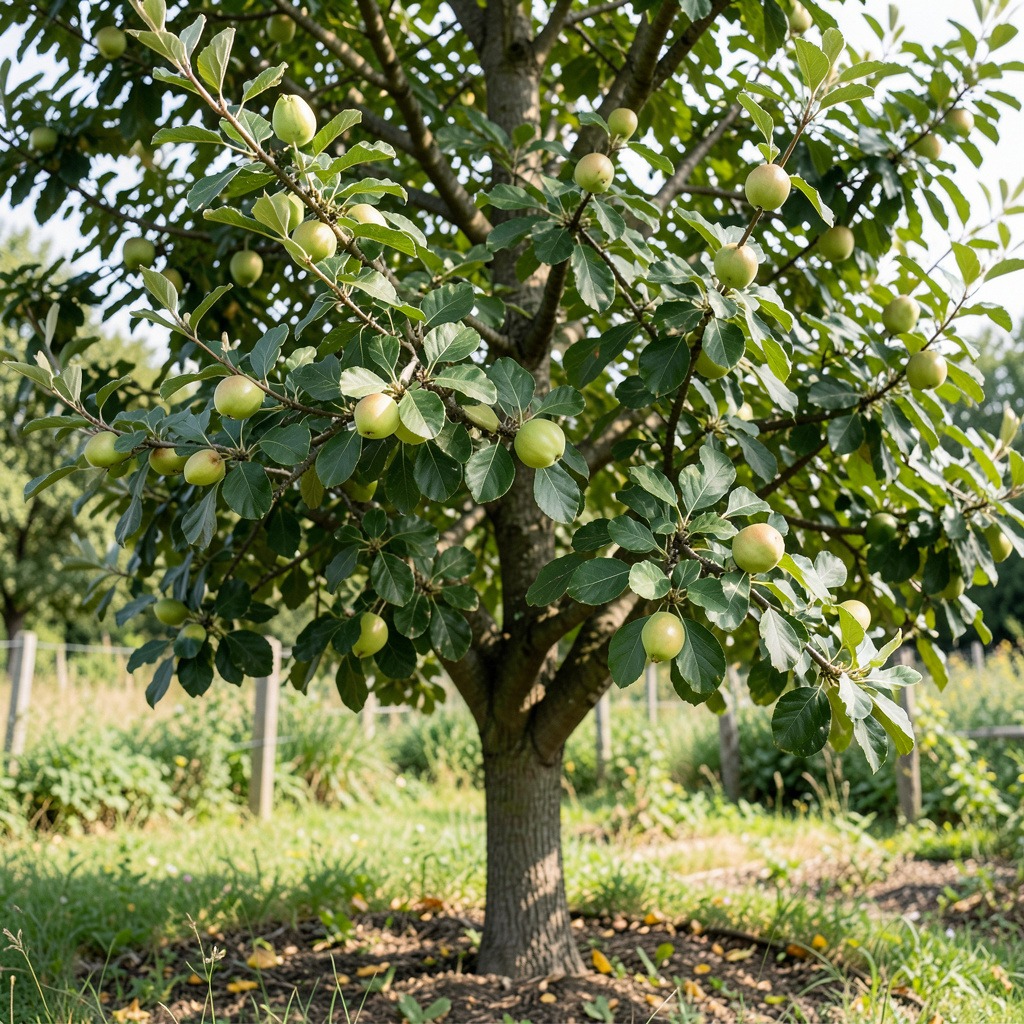
Growing Fuller’s quince trees requires specific techniques for planting, watering, fertilization, and pruning. Proper care ensures robust growth and fruit production.
Ideal Planting Techniques
1. Soil Requirements: Fuller’s quince prefers well-drained soil. A slightly acidic to neutral loamy soil is ideal. Avoid overly alkaline soils.
2. Planting Depth: Plant the quince at the same depth it was in the nursery. This helps it establish quickly.
3. Spacing: Space trees about 10 to 15 feet apart. This allows adequate air circulation and sunlight exposure.
4. Location: Choose a spot with full sun. Quince trees thrive best with at least six hours of sunlight daily.
Watering and Fertilization Guidelines
- Watering:
- Water deeply once a week, especially during dry periods.
- Check soil moisture before watering; if the top inch is dry, it’s time to water.
- Use morning watering to prevent leaf spot diseases.
- Fertilization:
- Apply a slow-release, all-purpose fertilizer in early spring before new growth.
- Scatter fertilizer around the base, avoiding direct contact with the foliage to prevent burning.
- Follow with deep watering to help the fertilizer penetrate the soil.
Pruning Methods for Healthy Growth
1. Timing: Prune in late winter or early spring before new growth begins.
2. Technique:
- Remove dead or damaged branches first.
- Thin out crowded areas to improve air circulation.
- Shape the tree to a vase-like structure to encourage light penetration.
3. Visual Guide: Consider creating a visual guide for pruning techniques, detailing cuts and angles, which can aid in understanding proper methods.
By implementing these practices, gardeners can optimize the growth and yield of Fuller’s quince trees, ensuring they flourish in their garden environment.
Comparison with Other Quince Varieties
Understanding how Fuller’s quince compares to other quince varieties can help gardeners make informed decisions. The following sections will highlight key differences in fruit quality and care requirements.
Fuller’s Quince vs. Common Quince
| Feature | Fuller’s Quince | Common Quince (Cydonia oblonga) |
|---|---|---|
| Fruit Size | Large, pear-shaped | Medium to large |
| Fruit Color | Bright lemon to yellow | Golden yellow |
| Aroma | Guava-like | Strong, aromatic |
| Flesh Texture | Very yellow, no grit | Gritty, dense |
| Cooking Quality | Cooks to pale pink | Often used for preserves |
| Disease Resistance | Moderate | Varies by cultivar |
| Pollination | Self-pollinating | Requires cross-pollination |
Fuller’s quince tends to produce larger, sweeter fruits compared to common quince. Its unique aroma and cooking quality make it a preferred choice for culinary uses. However, common quince may offer better disease resistance in certain conditions.
Fuller’s Quince vs. Flowering Quince
| Feature | Fuller’s Quince | Flowering Quince (Chaenomeles speciosa) |
|---|---|---|
| Growth Habit | Tree-like structure | Deciduous shrub |
| Flowering Time | Mid-season flowering | Early spring flowering |
| Fruit Quality | Edible, aromatic | Edible but often overlooked |
| Ornamental Value | High, due to large fruits | High, prominent flowers |
| Care Requirements | Moderate, requires pruning | Low, very hardy |
While Fuller’s quince is primarily grown for its fruit, flowering quince is appreciated for its ornamental qualities. Flowering quince blooms earlier but produces less palatable fruit compared to Fuller’s quince.
Decision Framework for Choosing Quince Varieties
When selecting a quince variety, consider the following criteria:
- Purpose: Are you growing for fruit, ornamental value, or both?
- Space: Do you have enough room for a tree versus a shrub?
- Climate: What are the disease resistance and pollination needs in your region?
- Maintenance: Are you prepared for the care requirements specific to each variety?
By evaluating these factors, gardeners can better determine which quince variety will thrive in their specific environment and meet their cultivation goals.
Conclusion: Is Fuller’s Quince Worth Growing?
Fuller’s quince offers unique advantages and some challenges for gardeners. Understanding these pros and cons can help you determine if it aligns with your gardening goals.
Pros of Fuller’s Quince
- Flavorful Fruit: Fuller’s quince produces large, aromatic fruit that is excellent for cooking and preserves.
- Ornamental Appeal: The tree features attractive blooms and foliage, enhancing garden aesthetics.
- Cold Hardiness: It thrives in cooler climates, withstanding low temperatures effectively.
- Low Maintenance: Once established, the tree requires minimal care, making it suitable for novice gardeners.
Cons of Fuller’s Quince
- Pollination Needs: Fuller’s quince may require cross-pollination for optimal fruit set, necessitating planting multiple trees.
- Space Requirements: As a tree, it demands more space compared to smaller quince varieties.
- Pest and Disease Susceptibility: Fuller’s quince can be prone to specific pests and diseases, necessitating vigilance in management.
Decision Framework for Potential Gardeners
When considering Fuller’s quince, reflect on the following:
- Garden Space: Do you have adequate room for a tree?
- Climate Compatibility: Will your local climate support its growth?
- Use Case: Are you seeking fruit for culinary use or primarily ornamental value?
- Care Commitment: Are you prepared to manage potential pests and diseases?
By assessing these factors, you can make an informed decision about whether Fuller’s quince aligns with your gardening objectives.
Frequently Asked Questions
These quick answers cover the most common questions about this topic, including key details, practical tips, and common concerns.
Where is the best place to plant a quince tree?
The best location for planting a quince tree is in a spot that receives full sun for at least six hours a day. Ensure the area has well-drained soil to prevent root rot. Avoid low-lying areas where water may collect, as quince trees prefer slightly acidic to neutral soil conditions.
What is the average lifespan of a quince tree?
A quince tree, including Fuller’s quince, typically has an average lifespan of 30 to 50 years if properly cared for. Factors such as soil quality, climate, and maintenance practices can influence longevity. Regular pruning and pest management can help extend the tree’s life.
Are quince trees invasive?
No, quince trees are not considered invasive. Fuller’s quince and other varieties are cultivated for their fruit and ornamental value. They do not spread aggressively like some other tree species, making them suitable for home gardens without the concern of them overtaking native plants.
Is quince worth growing?
Yes, Fuller’s quince is worth growing for several reasons. It produces large, aromatic fruits ideal for culinary uses, such as jams and desserts. Additionally, it offers ornamental beauty with its attractive blossoms and foliage, enhancing garden aesthetics while providing environmental benefits by supporting pollinators.
How do I know when my quince is ripe?
Quince fruit is typically ready for harvest when it turns a bright lemon-yellow color and emits a fragrant aroma. The fruit should feel firm but slightly soft to the touch. Ripe quince can be harvested in late fall, usually around October to November, depending on your climate.
Can Fuller’s quince be grown in pots?
Yes, Fuller’s quince can be grown in pots, but it requires a large container to accommodate its root system. Use well-draining potting soil and ensure the pot has drainage holes. Regular watering and fertilization are essential to support growth, especially in a limited soil environment.
What soil conditions are best for quince trees?
Quince trees thrive in well-drained, loamy soil with a pH between 6.0 and 7.0. They prefer slightly acidic to neutral conditions. Amending the soil with organic matter can improve drainage and nutrient content, promoting healthy growth and fruit production. Regularly check soil moisture to maintain optimal conditions.