
The Geiger tree offers vibrant flowering, salt tolerance, and low maintenance, making it ideal for coastal landscapes, but it has drawbacks like frost sensitivity and potential pest issues that need consideration.
The Geiger tree, known for its showy orange flowers and resilience in coastal environments, presents both advantages and disadvantages for gardeners. Understanding these pros and cons will help you decide if this tree is the right choice for your landscape.
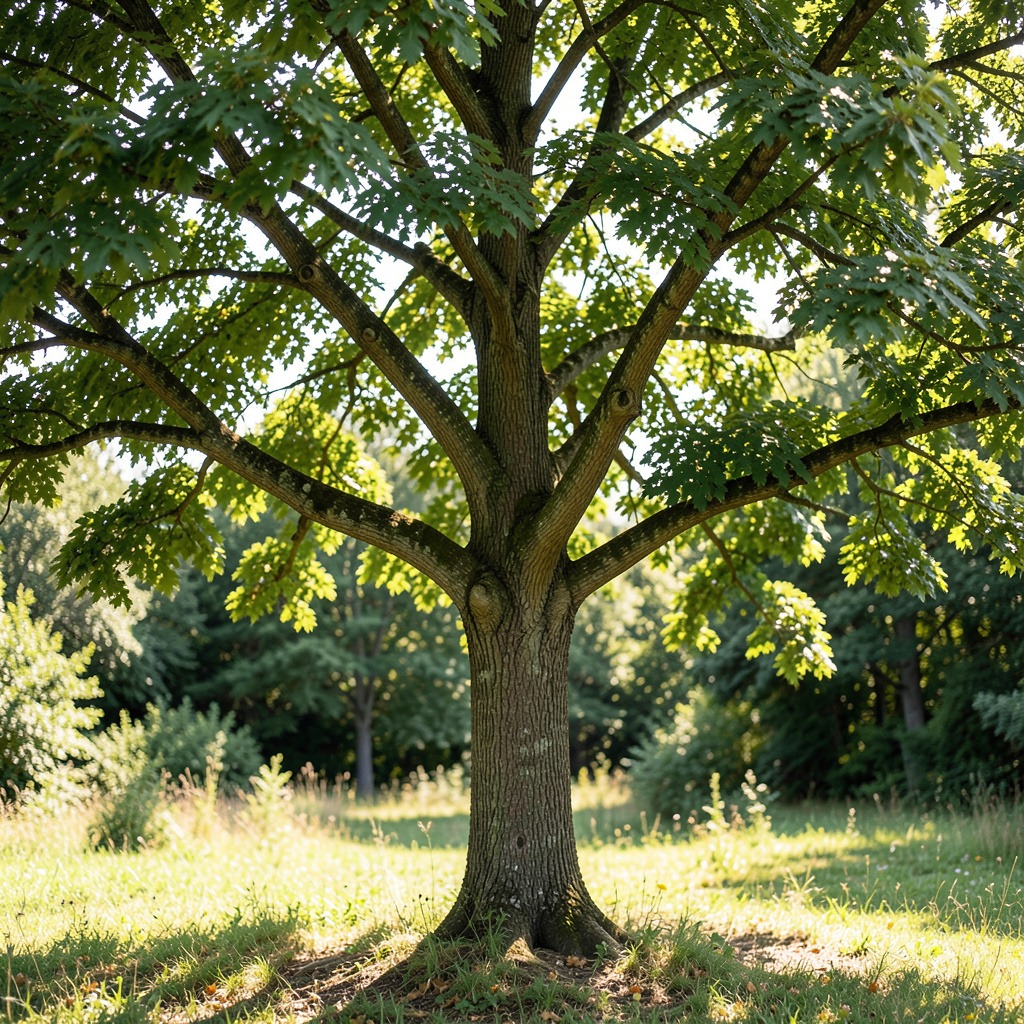
Understanding the Geiger Tree: Key Characteristics
The Geiger tree, scientifically known as Cordia sebestena, is well-regarded for its vibrant appearance and resilience in coastal landscapes. This section explores its physical traits, native range, and growth requirements, offering insights into its suitability for coastal gardening.
What is a Geiger Tree?
The Geiger tree is a small to medium-sized tree that typically reaches heights of 10 to 25 feet. It features thick, glossy evergreen leaves and produces striking clusters of orange flowers, especially in the warmer months. These blooms not only beautify the landscape but also attract pollinators, contributing to local biodiversity.
Physical Characteristics
- Foliage: The leaves are dark green, coarse, and oval-shaped, providing a lush backdrop for its flowers.
- Flowers: The tree’s orange flowers bloom in clusters and can last for several months, creating a vibrant display in coastal gardens.
- Fruit: Following flowering, it produces small, round fruits that are edible but not widely consumed.
Native Range and Hardiness Zones
The Geiger tree is native to the Caribbean, with its range extending to southern Florida. It thrives in USDA hardiness zones 10b to 12b, making it ideal for coastal areas where salt and brackish water are present.
Growth Requirements
- Soil: Prefers well-drained soils but adapts to various soil types, including sandy and salty conditions.
- Watering: Moderate watering is essential, especially during dry spells; however, it exhibits drought resistance by shedding leaves in severe conditions.
- Sunlight: Requires full sun for optimal growth and flowering.
Decision Framework for Planting
When considering the Geiger tree for your coastal landscape, evaluate the following:
- Climate Compatibility: Ensure your location aligns with the tree’s hardiness zones (10b-12b).
- Soil Conditions: Assess soil drainage and salinity levels.
- Space Availability: Allow adequate space for its growth habits, considering its potential multi-trunked form.
By understanding these key characteristics, you can better gauge whether the Geiger tree fits your coastal gardening needs.
Table of Contents
Pros of Planting Geiger Trees in Coastal Landscapes
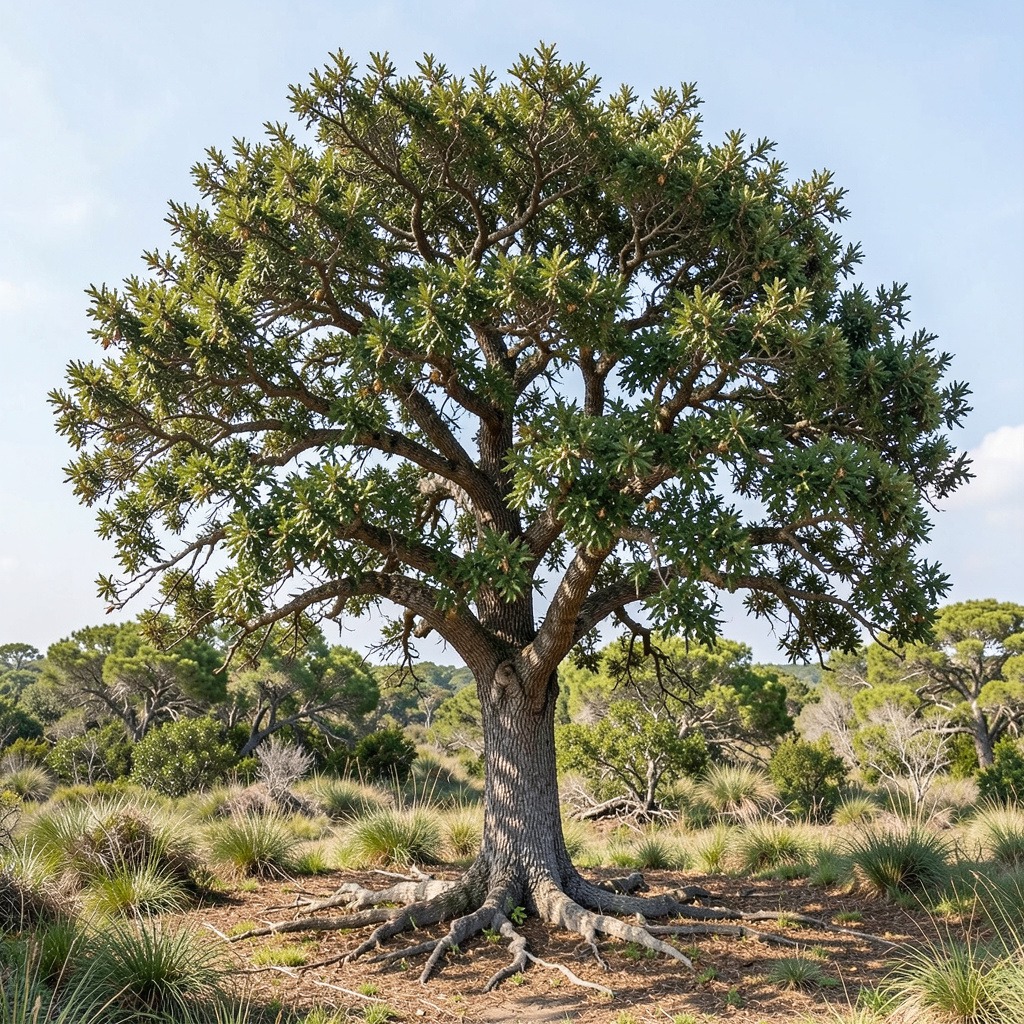
Geiger trees (Cordia sebestena) offer numerous advantages for coastal landscapes. Their unique characteristics make them an ideal choice for gardeners seeking resilient and visually appealing options.
Salt Tolerance and Coastal Adaptability
Geiger trees thrive in salty environments, making them perfect for coastal areas. Their ability to withstand salt spray and saline soil allows them to flourish where many other plants fail. This salt tolerance enables them to:
- Establish roots in challenging coastal conditions.
- Maintain healthy foliage and blooms despite exposure to salt.
For instance, in a case study from Florida’s coastal regions, Geiger trees planted near beaches showed vigorous growth and vibrant flowering, even in areas subjected to regular saltwater exposure.
Aesthetic and Ecological Benefits
Beyond their resilience, Geiger trees enhance coastal landscapes with their striking orange flowers. These trees bloom year-round, peaking in summer. Their aesthetic appeal attracts pollinators, contributing to local ecosystems. Key benefits include:
- Vibrant Flowers: Bright clusters of flowers add color to gardens.
- Wildlife Support: Attracts bees and butterflies, promoting biodiversity.
In comparison to other coastal trees like the Sea Grapes (Coccoloba uvifera), Geiger trees provide longer-lasting blooms and a more consistent visual appeal throughout the year.
Low Maintenance Requirements
Geiger trees are relatively low-maintenance, making them suitable for busy homeowners. Their natural resilience leads to:
- Reduced need for irrigation once established.
- Minimal pruning requirements due to their hardy growth habit.
To maximize their benefits, consider the following care tips:
- Watering: Water during initial growth; reduce frequency once established.
- Soil: Ensure well-drained soil to support root health.
Overall, Geiger trees present an opportunity for coastal gardeners to create vibrant, sustainable landscapes with minimal effort.
Cons of Planting Geiger Trees
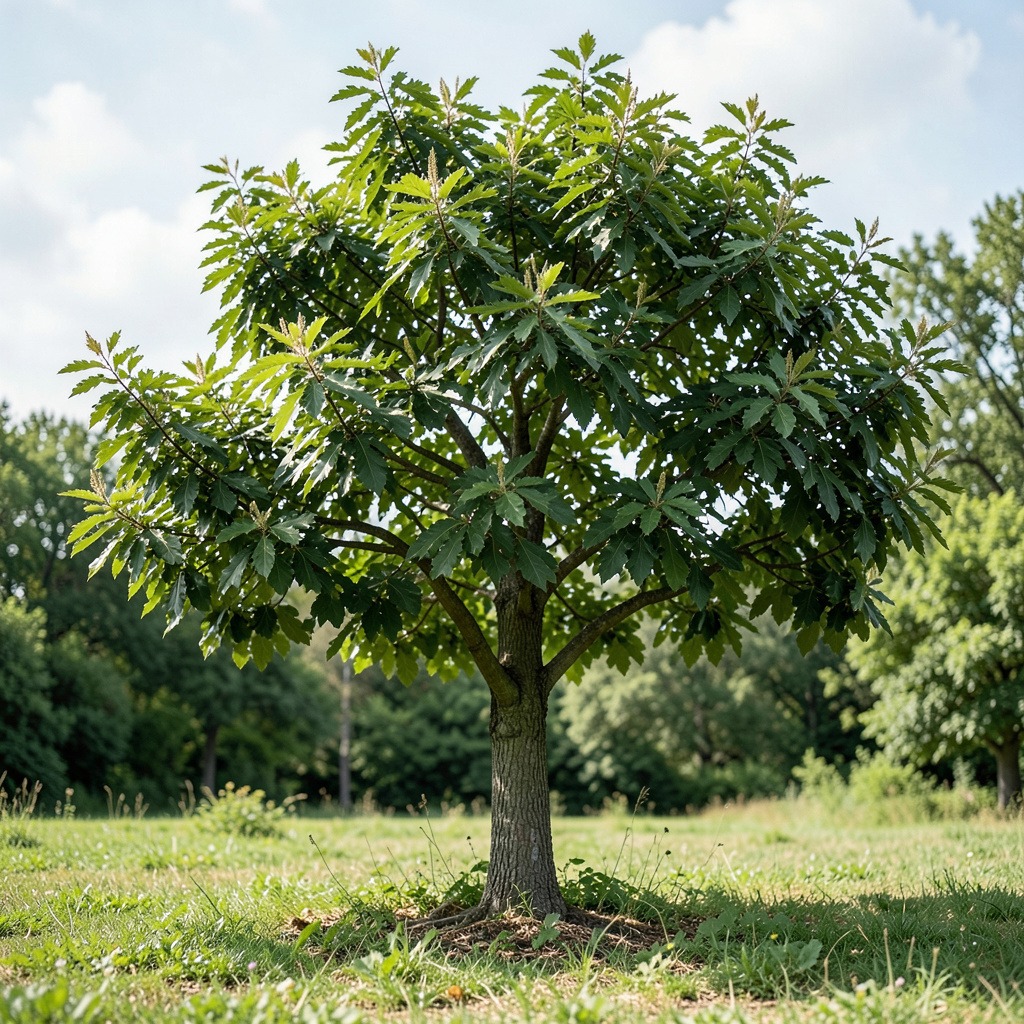
While Geiger trees offer numerous benefits, they also come with certain drawbacks. Understanding these cons is essential for effective coastal landscaping.
Frost Sensitivity and Temperature Limitations
Geiger trees are sensitive to cold temperatures. They thrive in USDA hardiness zones 10A and 10B. In areas that experience frost, planting these trees can be risky. Young trees are particularly vulnerable and may not survive temperatures below 40°F. Established trees might recover from frost damage but can still suffer from significant leaf drop. Homeowners in cooler coastal regions should consider the risks before planting.
Common Pest Issues
Geiger trees can attract various pests, including mites, scales, and caterpillars. While these issues are generally manageable, they can become problematic in certain locations. For example, the Geiger beetle can defoliate the tree but typically does not cause long-term harm. Regular monitoring and pest management strategies are necessary to maintain tree health. Homeowners should consider the following approaches:
- Regular Inspection: Check for signs of pest infestations regularly.
- Natural Predators: Encourage beneficial insects that feed on pests.
- Targeted Treatments: Use organic or chemical treatments as needed, ensuring they are suitable for the surrounding ecosystem.
Maintenance Challenges
While Geiger trees are low-maintenance, they do require some care to thrive. Ensuring proper drainage is crucial, as waterlogged soil can lead to root rot. Additionally, while the trees are drought-resistant once established, young trees need consistent watering. Here’s a checklist for maintaining healthy Geiger trees:
- Watering: Water regularly during the first year; reduce frequency as the tree matures.
- Soil Quality: Ensure well-drained soil to prevent root issues.
- Pruning: Minimal pruning is needed, but occasional cleaning of dead branches is recommended.
By being aware of these challenges, homeowners can make informed decisions about incorporating Geiger trees into their coastal landscapes.
Care and Maintenance of Geiger Trees
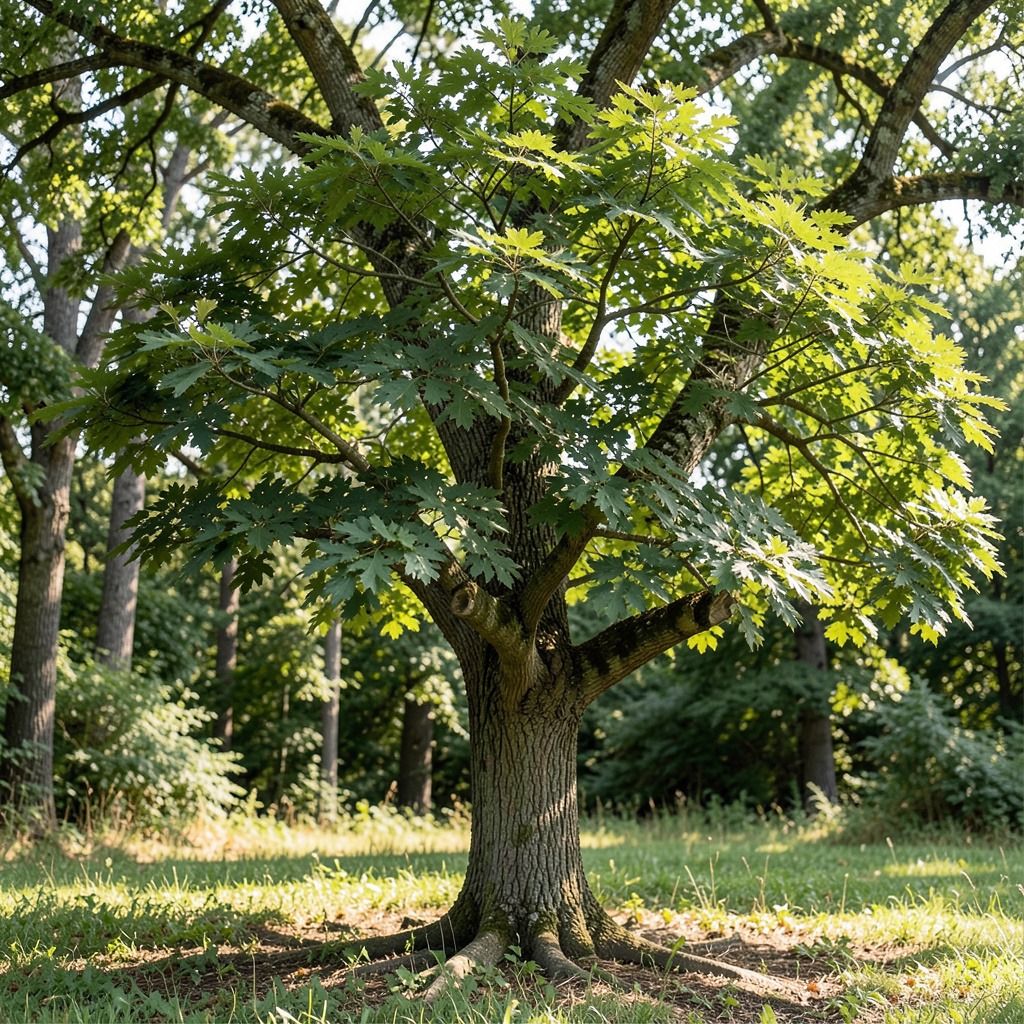
Geiger trees require specific care to flourish in coastal landscapes. Proper attention to planting conditions, watering, fertilization, and pruning enhances their health and aesthetic appeal.
Ideal Planting Conditions
- Sunlight: Geiger trees thrive in full sun, requiring at least 6 to 8 hours of direct sunlight daily.
- Soil: Choose well-draining soil, such as sandy loam. They can tolerate poor or rocky soils but need good drainage to prevent root rot.
- Spacing: Plant them at least 15 feet apart to allow for their mature size and to promote air circulation.
Watering and Fertilization Guidelines
- Watering:
- First Year: Water deeply once a week to establish roots.
- Established Trees: Water every 2 to 3 weeks, allowing the soil to dry between waterings. Reduce frequency in winter.
- Fertilization:
- Apply a balanced slow-release fertilizer with an NPK ratio of 10-10-10 in early spring and midsummer.
- Avoid over-fertilizing, as it may hinder flowering.
Pruning Techniques for Optimal Growth
- Timing: Prune in late winter or early spring to remove dead or damaged branches.
- Shaping: Light pruning after bloom cycles encourages more flowers.
- Technique: Use clean, sharp tools to make precise cuts, ensuring no tearing of the bark.
Seasonal Care Checklist
| Season | Care Activity |
|---|---|
| Spring | Fertilize; prune dead branches; ensure drainage. |
| Summer | Water regularly; monitor for pests. |
| Fall | Reduce watering; clean fallen leaves. |
| Winter | Protect young trees from frost; minimal watering. |
By following these guidelines, you can ensure the healthy growth of your Geiger trees, enhancing your coastal landscape.
Comparing Geiger Trees with Other Coastal Trees
Geiger trees (Cordia sebestena) are popular choices for coastal landscaping due to their vibrant flowers and adaptability. However, it’s essential to evaluate how they compare with similar species like Cordia boissieri and other coastal trees in terms of pros, cons, and care requirements.
Geiger Tree vs. Cordia Boissieri
| Feature | Geiger Tree (Cordia sebestena) | Cordia Boissieri |
|---|---|---|
| Flower Color | Bright orange | White to cream |
| Growth Habit | Small to medium tree | Medium tree, broader canopy |
| Salt Tolerance | High | Moderate |
| Water Requirements | Low to moderate | Moderate |
| Pollinator Attraction | High, attracts bees and butterflies | Moderate, attracts fewer pollinators |
| Maintenance Needs | Low, minimal pruning | Moderate, regular pruning required |
| Drought Resistance | High | Moderate |
| Lifespan | Long, can exceed 50 years | Moderate, typically around 30 years |
Other Alternatives for Coastal Gardening
While Geiger trees offer several advantages, other options may suit specific needs or preferences. Consider these alternatives:
- Southern Live Oak (Quercus virginiana): Provides substantial shade and is highly resilient to coastal conditions. However, it requires more space and has larger roots.
- Cabbage Palm (Sabal palmetto): A native palm that thrives in sandy soils. It offers a tropical aesthetic but may not provide the same flowering display as Geiger trees.
- Sea Grape (Coccoloba uvifera): This shrub can grow into a small tree. It tolerates salt and drought well but has a more sprawling growth habit.
Decision Framework for Choosing Coastal Trees
When selecting a tree for coastal landscaping, consider the following factors:
1. Space Available: Larger trees may require more room for growth.
2. Aesthetic Preferences: Choose based on flower color and tree shape.
3. Maintenance Commitment: Assess how much time you can dedicate to care.
4. Environmental Conditions: Evaluate salt exposure, soil type, and drought conditions.
By comparing these characteristics, gardeners can make informed decisions that align with their landscaping goals and local environmental conditions.
Conclusion: Is the Geiger Tree Right for You?
Determining whether to plant a Geiger tree involves weighing its pros and cons in relation to your specific coastal landscaping needs. This summary will guide you in making an informed decision.
Pros of Planting Geiger Trees
- Salt Tolerance: Thrives in coastal environments with high salt exposure.
- Aesthetic Appeal: Features vibrant orange flowers that enhance landscape beauty.
- Drought Resistance: Adapts well to dry conditions, making it low-maintenance.
- Native Species: Supports local ecosystems and wildlife.
Cons of Planting Geiger Trees
- Leaf Drop: May shed leaves during dry spells as a drought-avoidance strategy.
- Space Requirements: Can grow sprawling, requiring adequate space in your yard.
- Pest Vulnerability: While generally hardy, may still attract certain pests.
Decision Framework for Planting Geiger Trees
Consider these factors to evaluate if a Geiger tree suits your landscape:
1. Local Climate: Ensure your area has the right environmental conditions for salt-tolerant species.
2. Space Availability: Assess if you have enough room for its growth habit.
3. Maintenance Level: Determine your willingness to manage leaf drop and occasional pests.
4. Aesthetic Goals: Decide if the tree’s appearance aligns with your landscaping vision.
By analyzing these aspects, you can confidently decide if the Geiger tree is a suitable addition to your coastal garden.
Frequently Asked Questions
These quick answers cover the most common questions about this topic, including key details, practical tips, and common concerns.
What are the best growing conditions for a Geiger tree?
Geiger trees thrive in full sun, requiring at least 6 to 8 hours of direct sunlight daily. They prefer well-drained soils, such as sandy loam, and can tolerate poor or rocky soils as long as drainage is adequate. Additionally, they flourish in USDA hardiness zones 10b to 12b, making them ideal for coastal areas.
How often should I water my Geiger tree?
During the first year after planting, water your Geiger tree deeply once a week to establish strong roots. Once established, you can reduce watering to every 2 to 3 weeks, allowing the soil to dry out between waterings. In winter, watering frequency can be decreased further, as the tree requires less moisture during cooler months.
What common problems do Geiger trees face?
Geiger trees can be susceptible to pests such as mites, scales, and caterpillars. The Geiger beetle, in particular, may defoliate the tree but typically does not cause long-term harm. Regular inspections for pests and the use of natural predators can help manage these issues effectively.
When is the best time to plant a Geiger tree?
The ideal time to plant a Geiger tree is in the spring, after the last frost has passed. This allows the tree to establish itself during the warmer months when conditions are favorable for growth. Planting in early spring gives the tree ample time to develop strong roots before the heat of summer.
Can Geiger trees be grown in pots?
Yes, Geiger trees can be grown in pots, especially when they are young. However, it’s essential to choose a large pot with good drainage to accommodate their root system. Regular watering is crucial, as potted trees can dry out more quickly than those planted in the ground.
What are alternatives to Geiger trees for coastal areas?
Alternatives to Geiger trees include Southern Live Oak (Quercus virginiana), which provides shade and resilience, and Sea Grape (Coccoloba uvifera), known for its tropical aesthetic. Another option is the Cabbage Palm (Sabal palmetto), which thrives in sandy soils. Each alternative has unique characteristics, so consider your landscape needs and preferences when choosing.
How do I propagate a Geiger tree?
Propagation of Geiger trees can be achieved through seeds or cuttings. To propagate from seeds, collect ripe fruits, extract the seeds, and plant them in well-draining soil. For cuttings, take a healthy branch, allow it to callus for a few days, and then plant it in moist soil. Keeping the cutting in a warm, humid environment will encourage root development.