
Ginkgo trees in the UK offer benefits like stunning autumn foliage and urban adaptability, but they also have drawbacks, such as odor from female trees and potential maintenance concerns.
Table of Contents
The ginkgo tree, known for its unique fan-shaped leaves and vibrant fall colors, has become a popular choice in UK gardens. However, potential planters should carefully consider the pros and cons of this ancient species before planting.
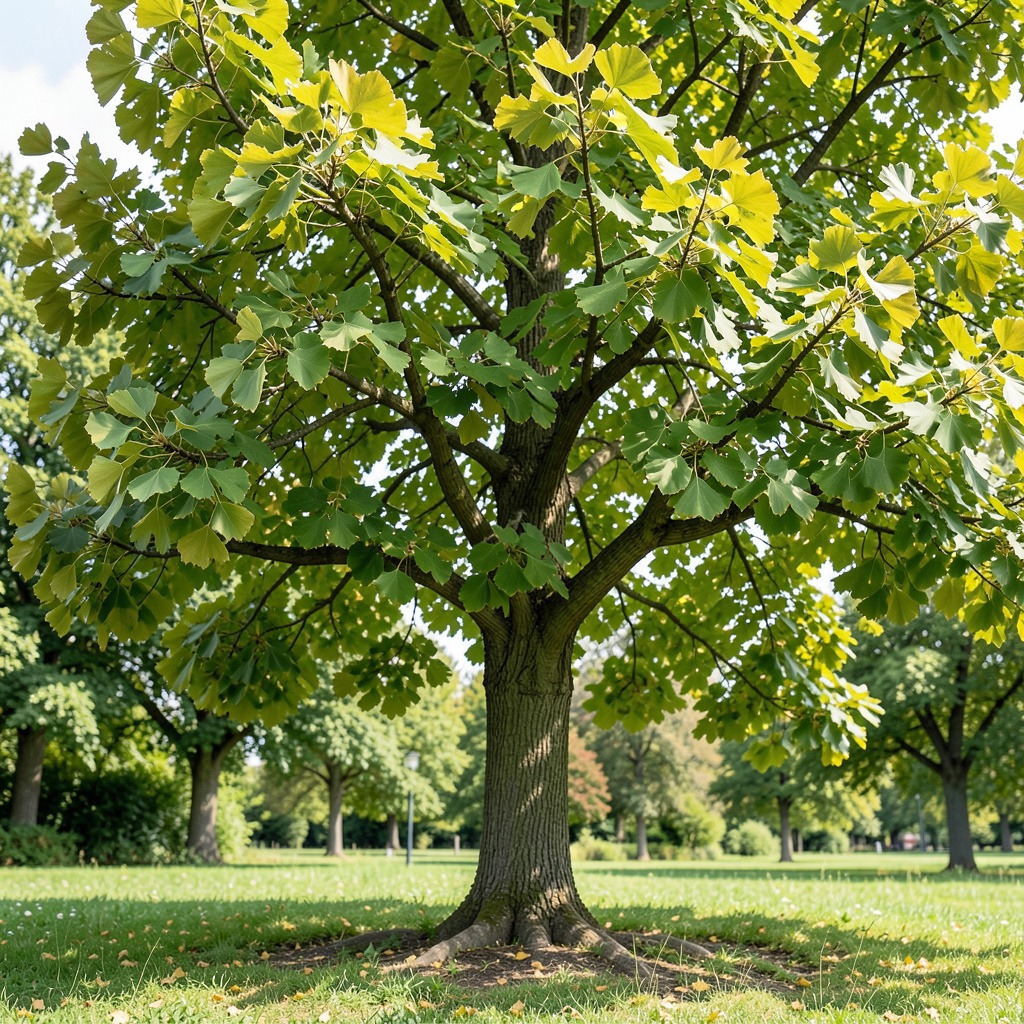
Understanding the Ginkgo Tree: A Unique Species
The ginkgo tree, or Ginkgo biloba, is a fascinating species with a rich history and distinct characteristics. Understanding its unique features and ecological role can help potential planters make informed decisions.
Historical Context of Ginkgo Trees
The ginkgo tree is one of the oldest living tree species, dating back over 250 million years. It thrived during the Permian period and survived several mass extinctions, including the one that wiped out the dinosaurs. Once widespread across Europe, it retreated to warmer regions of China during the Ice Age. This resilience has made it a symbol of endurance and longevity.
Distinct Features and Growth Habits
Ginkgo trees are medium-sized, typically growing between 15 to 30 meters tall and 10 to 15 meters wide. They exhibit a unique fan-shaped leaf that turns a brilliant yellow in fall. Notably, ginkgo trees are dioecious, meaning they have separate male and female trees.
- Male Trees: Produce inconspicuous catkins and do not emit the unpleasant odor associated with female trees.
- Female Trees: Bear seeds with a fleshy, smelly coat, which can be off-putting for urban planting.
For urban environments, selecting male ginkgo trees is advisable to avoid odor issues while still enjoying the tree’s aesthetic benefits.
Ecological Importance
While ginkgo trees offer visual appeal, their ecological contribution is mixed. They are highly tolerant of pollution, making them suitable for urban settings. However, their limited interactions with local wildlife, particularly in terms of supporting biodiversity, should be noted.
- Ginkgo trees host fewer insect species compared to native trees, making them less beneficial for local ecosystems. For instance, while an oak can support hundreds of caterpillar species, ginkgos attract very few.
- Despite this, their adaptability to urban conditions provides a unique opportunity for enhancing city landscapes.
In choosing ginkgo trees for UK gardens, consider the balance between aesthetic appeal and ecological impact. This species can thrive in urban areas, but it may not support the same level of biodiversity as native counterparts.
Pros of Planting Ginkgo Trees in the UK
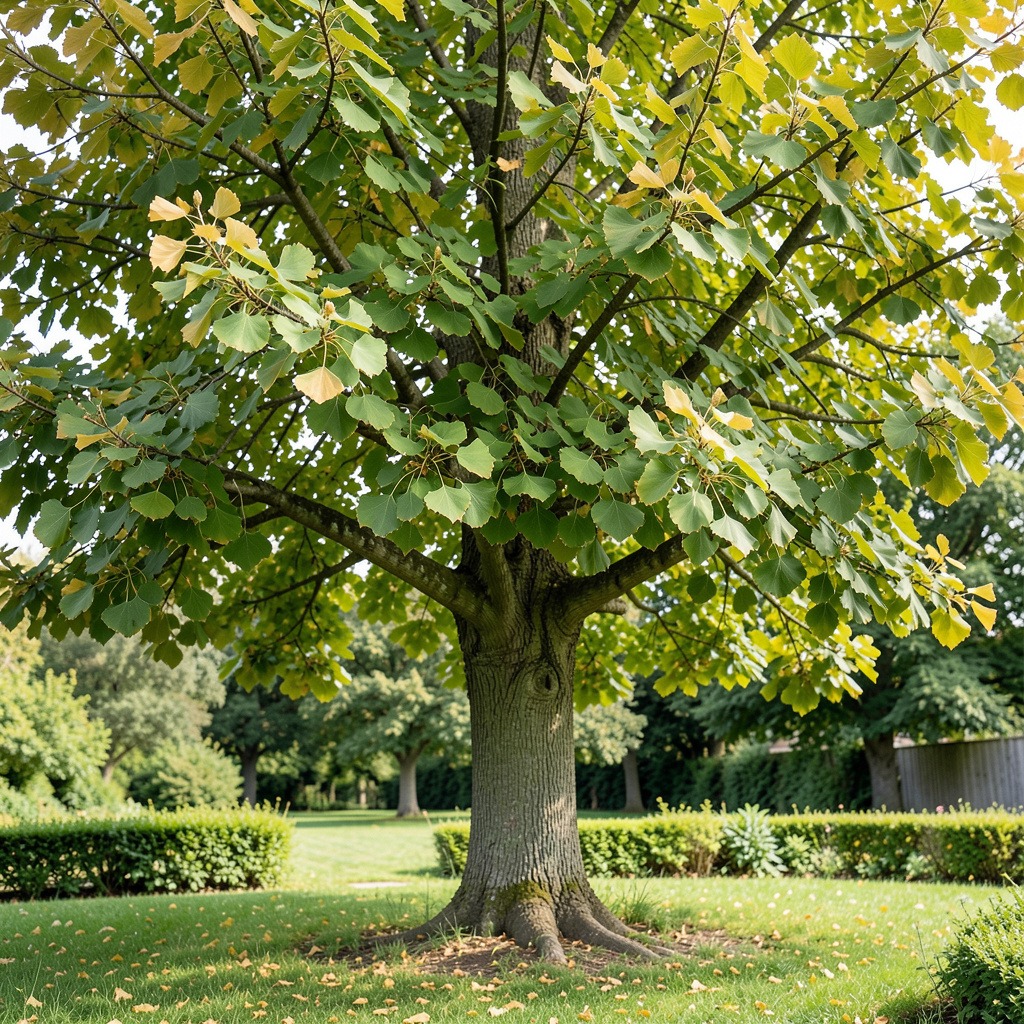
Ginkgo trees offer several advantages for UK gardens and urban landscapes. Their unique characteristics make them a popular choice among gardeners and city planners alike.
Stunning Autumn Foliage
Ginkgo trees are known for their vibrant yellow leaves in the fall. This stunning display enhances the aesthetic appeal of any garden or park. Their foliage provides visual interest throughout the seasons, especially during autumn.
Pollution Tolerance and Urban Adaptability
Ginkgo biloba exhibits remarkable resilience to urban conditions. They thrive in areas with high levels of air pollution, making them suitable for cities. This species can withstand strong winds and drought, adding to its adaptability.
- Key Benefits:
- Tolerates air pollution effectively.
- Resilient against extreme weather conditions.
- Suitable for diverse soil types, thriving in both dry and moist environments.
Low Maintenance Needs
Once established, ginkgo trees require minimal care. Their hardiness reduces the need for frequent interventions, making them ideal for busy gardeners.
- Maintenance Tips:
- Water young trees regularly until established.
- Prune as needed to maintain shape and remove any dead branches.
- Mulch around the base to retain moisture and suppress weeds.
Ginkgo trees also contribute to urban biodiversity by providing habitats for certain wildlife, despite their limited insect interactions. When planning urban green spaces, consider these trees for their visual and environmental benefits.
Cons of Planting Ginkgo Trees in the UK
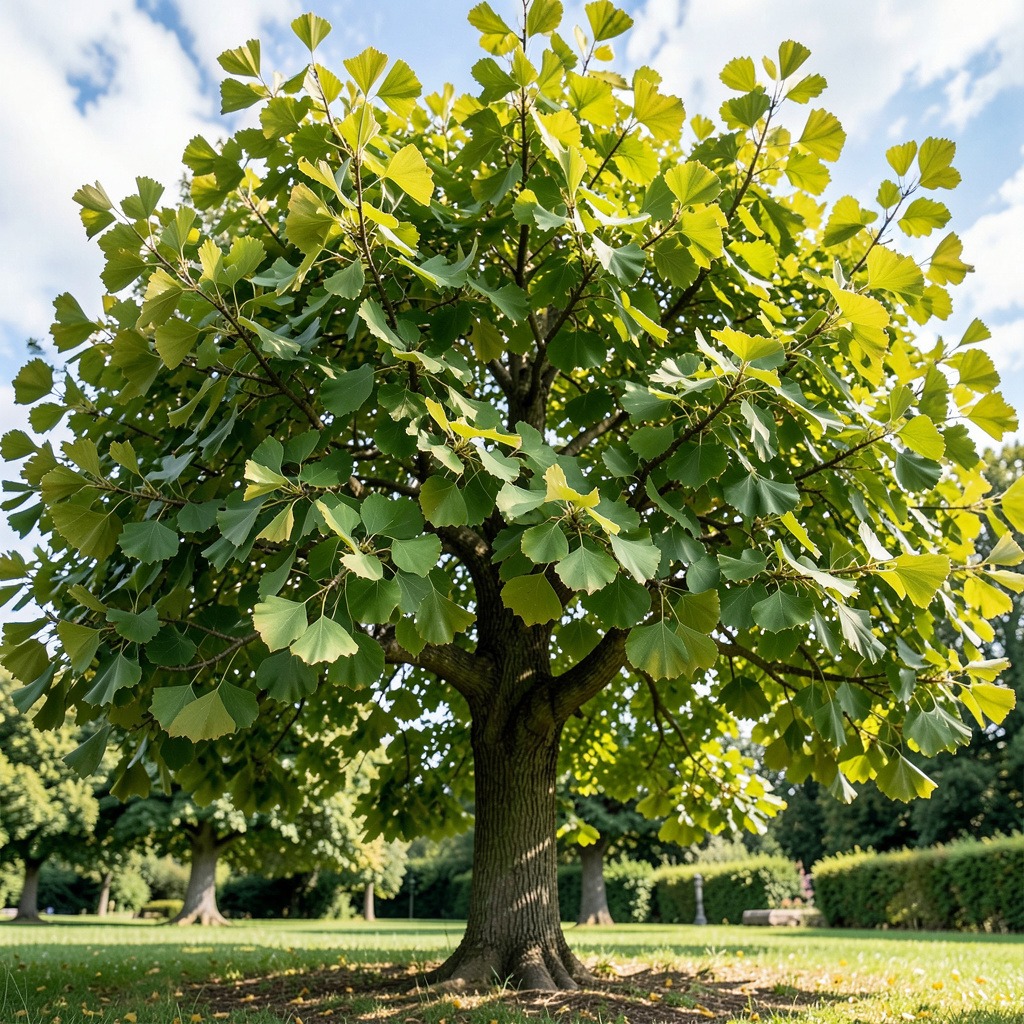
While ginkgo trees offer numerous benefits, they also present several drawbacks, particularly in urban environments. Understanding these cons can help in making an informed decision about their inclusion in green spaces.
Odor and Mess from Female Trees
One of the most significant drawbacks of ginkgo trees is the odor produced by female trees. Female ginkgos produce seeds that emit a strong, unpleasant smell when they fall. This odor can be particularly off-putting in residential areas and public spaces.
- Consideration: When planting ginkgo trees, opt for male varieties to avoid this issue. Male trees do not produce seeds and, consequently, do not create the same olfactory nuisance.
- Example: In urban parks, female ginkgos can deter visitors during seed drop, leading to negative experiences in spaces meant for relaxation and enjoyment.
Potential for Root Damage
Ginkgo trees are known for their robust root systems. In some cases, these roots can cause damage to surrounding infrastructure.
- Impact: Roots may lift pavements, disrupt underground utilities, or encroach upon neighboring properties.
- Recommendation: When planting ginkgo trees near walkways or buildings, ensure there is ample space for root expansion. Consider planting them at least 6-7 meters away from hard surfaces.
Impact on Urban Biodiversity
Ginkgo trees have limited interactions with urban wildlife. They do not host a diverse range of insects compared to native species, which can negatively affect local biodiversity.
- Biodiversity Concern: Ginkgos are dioecious, meaning they have male and female trees. The lack of insect activity on ginkgo trees can lead to fewer food sources for birds and other wildlife.
- Expert Opinion: Studies suggest that ginkgo trees host significantly fewer herbivorous insects compared to native trees, which can impact the overall ecosystem health in urban areas.
In summary, while ginkgo trees have their merits, potential drawbacks include unpleasant odors from female trees, root damage to infrastructure, and limited biodiversity support. Choosing the right species and planting locations is crucial to mitigate these issues.
Care and Maintenance of Ginkgo Trees
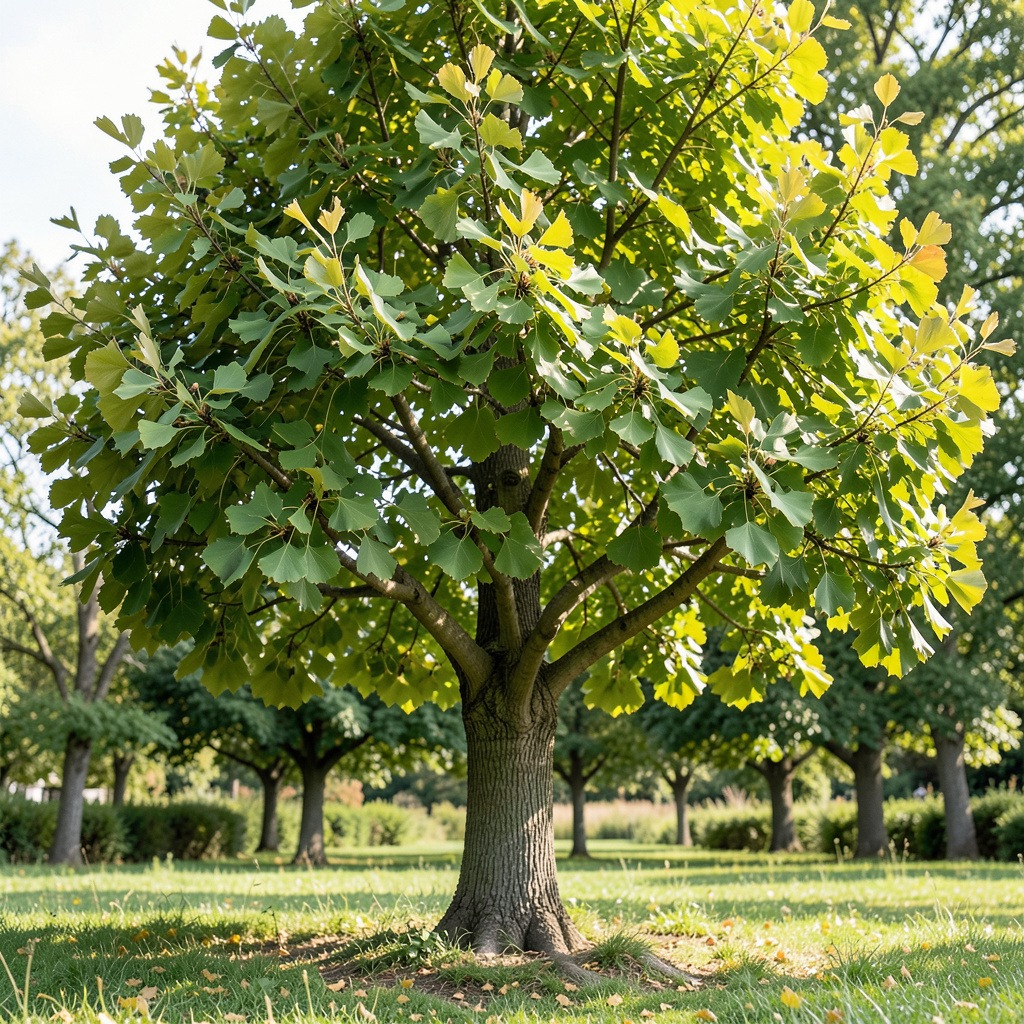
Proper planting and care are essential for ensuring the health and longevity of ginkgo trees in the UK. This unique species thrives in various conditions but requires specific attention to detail.
Best Practices for Planting Ginkgo Trees
1. Timing: Plant ginkgo trees during the dormant season, ideally between late fall and early spring. This reduces stress and helps the tree establish roots effectively.
2. Soil Preparation: Choose a location with deep, well-draining soil. Ginkgos prefer moderately dry to moist soils with a pH of 5 to 7. Amend the soil with compost to boost nutrient levels.
3. Spacing: Allow for ample space between trees. For solitary specimens, plant them 6-7 meters apart. Narrow forms can be closer, about 2-3 meters apart.
4. Planting Depth: When placing the tree in its hole, ensure the root ball is at the same depth as it was in the pot. This promotes healthy root growth.
Essential Care Tips
- Watering: Ginkgos should be watered well after planting. During dry periods, water deeply but infrequently to encourage deep root growth.
- Mulching: Apply a 5-10 cm layer of mulch around the base to retain moisture and suppress weeds. Keep the mulch away from the trunk to prevent rot.
- Fertilization: Fertilize in early spring with a balanced, slow-release fertilizer to provide nutrients. Avoid over-fertilization, which can lead to excessive growth and weakened branches.
- Winter Protection: Young ginkgo trees are frost-sensitive. Protect them with burlap or fleece during extreme cold until fully established.
Common Problems and Solutions
- Pest Resistance: Ginkgo trees are generally pest-resistant, but watch for signs of stress. If you notice leaf discoloration or stunted growth, assess water and nutrient levels.
- Odor from Female Trees: Female ginkgo trees produce seeds with a strong odor. If planting in urban areas, consider selecting male trees to avoid this issue.
- Infrastructure Damage: Monitor the root growth of ginkgo trees. If roots begin to disrupt sidewalks or foundations, consider root pruning or relocating the tree to a more suitable spot.
Maintenance Checklist for Urban Gardeners
| Task | Frequency |
|---|---|
| Watering | Weekly during dry spells |
| Fertilization | Early spring |
| Mulching | Annually in spring |
| Winter protection | As needed for young trees |
| Pest and disease monitoring | Monthly |
By following these guidelines, urban gardeners can successfully plant and maintain ginkgo trees, enhancing their landscapes while considering the pros and cons of this remarkable species.
Comparing Ginkgo Trees with Other Urban Trees
Ginkgo trees offer unique advantages and disadvantages when compared to other urban tree species. Understanding these differences is crucial for making informed decisions about urban planting.
Ginkgo vs. Native Species
Ginkgo biloba differs from many native species in several key areas:
| Feature | Ginkgo biloba | Native Species (e.g., Oak, Maple) |
|---|---|---|
| Biodiversity Support | Limited; hosts few insects | Supports a wide range of wildlife |
| Odor | Female trees produce a strong odor | Generally odorless |
| Disease Resistance | Highly resistant | Varies by species |
| Growth Rate | Moderate to slow | Typically faster |
| Aesthetic Appeal | Unique fan-shaped leaves | Varied, often more diverse foliage |
Ginkgo trees are less beneficial for urban biodiversity compared to native species, which support a broader range of wildlife. However, their resilience to pollution and diseases makes them a low-maintenance choice for urban environments.
Ginkgo vs. Other Non-Native Urban Trees
When comparing ginkgo trees to other popular non-native urban trees, such as the London Plane or Silver Birch, notable differences emerge:
| Feature | Ginkgo biloba | London Plane | Silver Birch |
|---|---|---|---|
| Pollution Tolerance | High | Very high | Moderate |
| Water Needs | Moderate | Low to moderate | Moderate |
| Maintenance Requirements | Low | Moderate | High |
| Insect Attraction | Low | High | Moderate |
Ginkgo trees require less maintenance and are quite resilient, but they do not attract many beneficial insects. In contrast, species like the London Plane thrive in urban settings but may demand more care.
Choosing the Right Tree for Your Environment
Selecting the right tree involves weighing the ecological and aesthetic benefits against maintenance needs. Consider the following factors:
- Biodiversity Impact: Choose native species to support local wildlife.
- Odor Sensitivity: Opt for male ginkgo trees to avoid the unpleasant smell of female seeds.
- Maintenance Level: If low maintenance is a priority, ginkgo trees are an excellent choice.
- Climate Adaptability: Assess your local environment; ginkgo trees thrive in various conditions but prefer full sun.
By evaluating these criteria, one can make a more informed decision about whether to plant ginkgo trees or opt for alternative urban tree species.
Frequently Asked Questions
These quick answers cover the most common questions about this topic, including key details, practical tips, and common concerns.
What are the main benefits of planting a ginkgo tree?
Ginkgo trees offer several significant benefits. They are known for their stunning autumn foliage, displaying vibrant yellow leaves that enhance any landscape. Their pollution tolerance makes them ideal for urban environments, as they thrive in areas with high air pollution levels. Additionally, ginkgo trees are low-maintenance once established, requiring minimal care compared to other tree species.
Are ginkgo trees suitable for small gardens?
Ginkgo trees can be suitable for small gardens, especially if you choose a smaller, narrow variety. However, keep in mind their mature size, which can reach up to 30 meters tall and 15 meters wide. Planting male ginkgo trees is advisable in smaller spaces to avoid the odor associated with female trees and ensure a more pleasant environment.
How do I prevent the odor from female ginkgo trees?
To prevent the unpleasant odor associated with female ginkgo trees, it’s best to plant male varieties. Male ginkgos do not produce seeds and, consequently, do not emit the strong smell that female trees do when their seeds drop. If you have female trees, consider planting them away from high-traffic areas or using barriers to help contain the odor.
What pests or diseases affect ginkgo trees?
Ginkgo trees are generally resistant to pests and diseases. However, they can occasionally be affected by leaf spots or root rot if conditions are overly wet. Regular monitoring for signs of stress, such as leaf discoloration, can help catch any issues early. Maintaining proper watering and soil conditions is key to preventing these problems.
When is the best time to plant a ginkgo tree?
The best time to plant a ginkgo tree is during its dormant season, which is typically between late fall and early spring. Planting during this time reduces stress on the tree and allows it to establish roots effectively before the growing season begins. Ensure the soil is well-draining and amend it with compost for optimal growth.
How do ginkgo trees contribute to urban environments?
Ginkgo trees contribute to urban environments by improving air quality due to their high pollution tolerance. They provide shade, enhance aesthetic appeal with their unique foliage, and can help reduce urban heat. While they do not support as much biodiversity as native trees, their resilience makes them valuable additions to city landscapes.
What are some alternative trees to plant in urban areas?
If you’re considering alternatives to ginkgo trees for urban planting, look into native species like oaks, maples, or birches. These trees typically support a wider range of wildlife and enhance local biodiversity. Non-native options, such as the London Plane or Silver Birch, also offer good pollution tolerance and aesthetic value while attracting beneficial insects.